

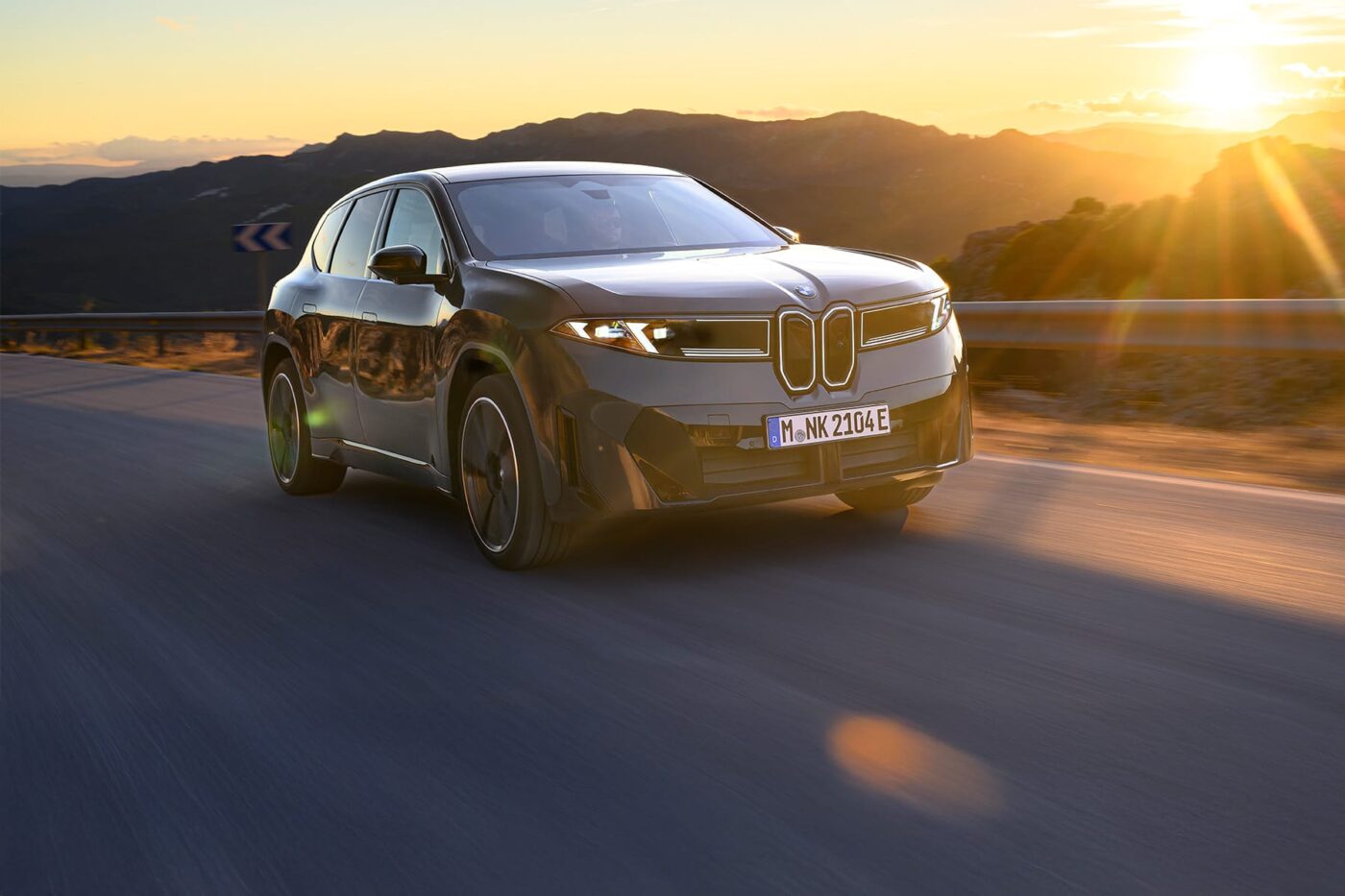
Primer viaje en el BMW iX3: El SUV eléctrico que acaba con la ansiedad de autonomía
El argumento de la "autonomía demasiado escasa" se puede acabar por fin con este vehículo eléctrico. Antes de nuestra prueba de conducción en el sur de España, el BMW iX3 mostraba una autonomía de 805 kilómetros con la batería completamente cargada, precisamente su autonomía homologada WLTP. Si el nuevo SUV de tamaño medio puede siquiera acercarse a esta cifra, la ansiedad por la autonomía será realmente cosa del pasado.
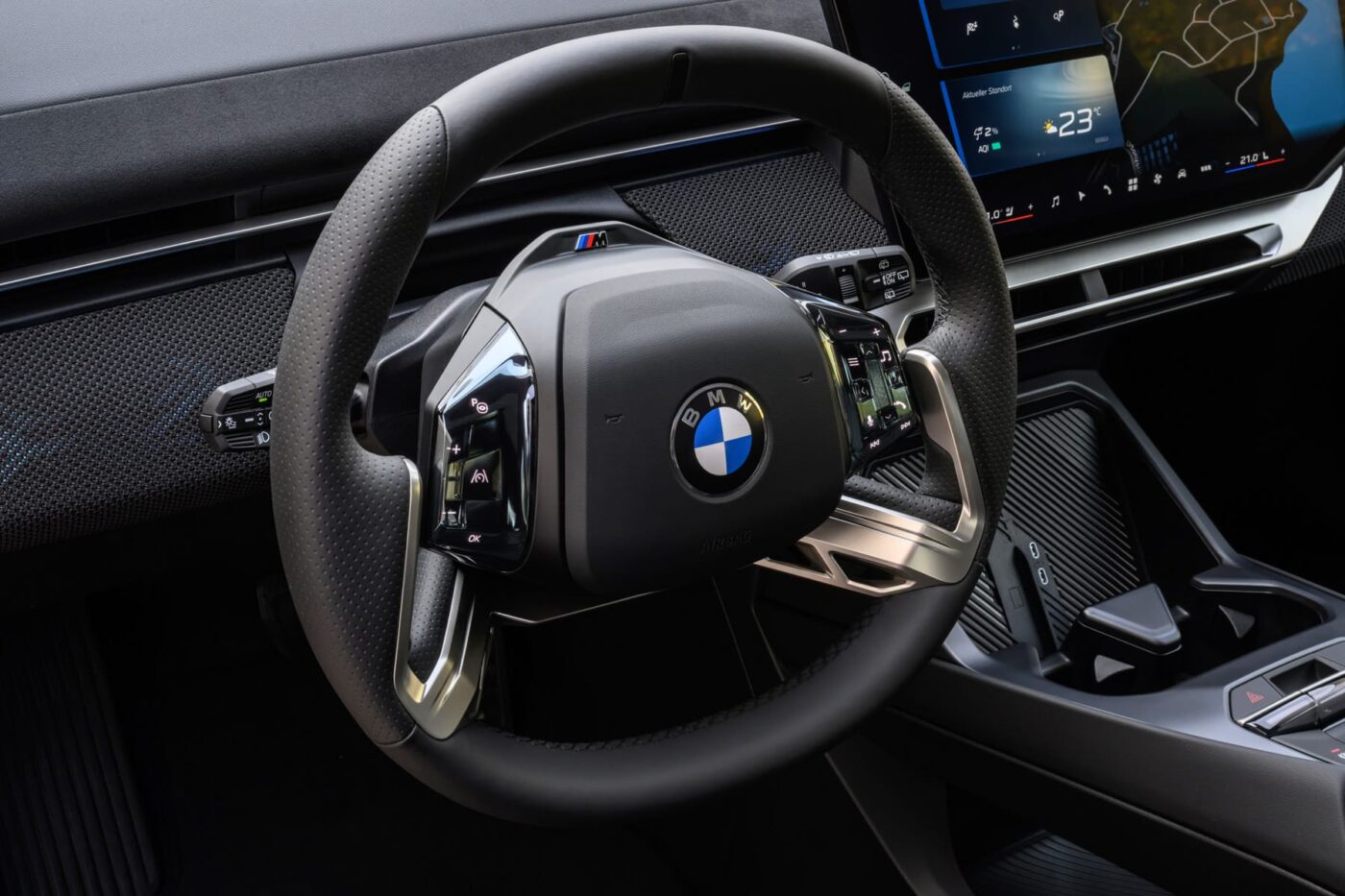
Y las condiciones distan mucho de ser ideales. A principios de diciembre, las temperaturas en la costa española, cerca del Peñón de Gibraltar, apenas alcanzan un solo dígito, y espesas nubes de lluvia se ciernen sobre las montañas. En los primeros kilómetros por autopista, activo el asistente de autopista pulsando el símbolo del mando izquierdo del volante. El símbolo se vuelve verde, lo que también puedo ver en el Head-up Display. A partir de ese momento, puedo apartar las manos del volante, aunque el sistema de asistencia está clasificado como de nivel 2. Eso significa que el conductor sigue siendo el responsable. En cuanto los sensores detectan que el vehículo que me precede está reduciendo la velocidad y no se acerca nadie por detrás por el carril izquierdo, el sistema me propone una maniobra de adelantamiento. Acepto la propuesta con una mirada al retrovisor izquierdo. El coche indica, se desplaza a la izquierda y adelanta. El primer intento resulta inquietante, pero al segundo, la alegría de la conducción asistida se apodera de mí. En España, el asistente admite velocidades de hasta 120 km/h, mientras que en Alemania funciona hasta 130 km/h.
Funciona en más escenarios que el nivel 3
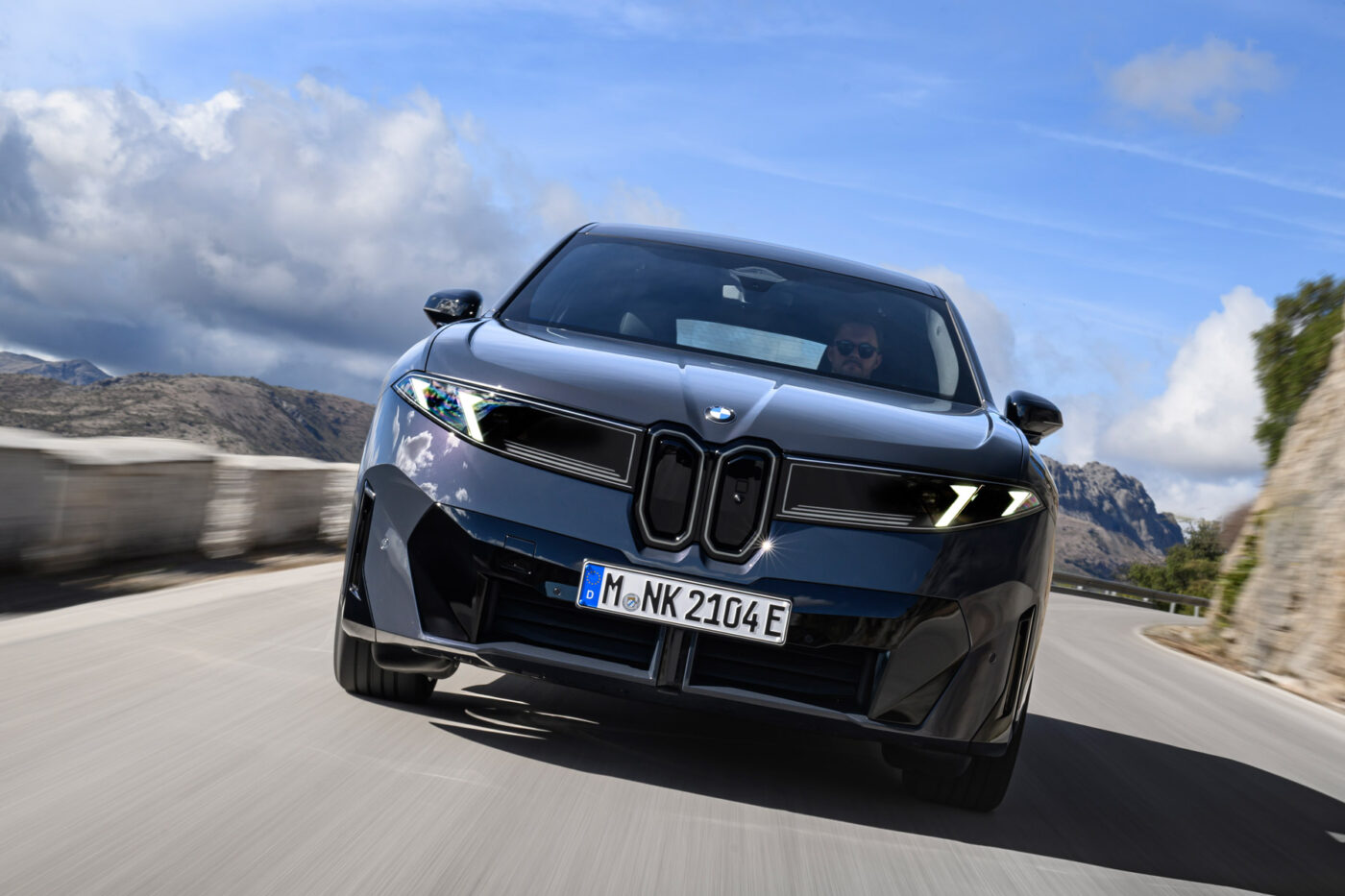
Sin embargo, una regla permanece: sus ojos deben permanecer en la carretera. Una cámara situada bajo el retrovisor vigila la atención del conductor. Si el conductor se distrae, cierra los ojos o mira hacia otro lado, el asistente de autopista se desactiva. Para el primer modelo de la Neue Klasse, BMW optó por no utilizar un asistente de nivel 3. Estos sistemas conllevan unos costes considerablemente más elevados debido a la costosa tecnología de sensores como el lidar y los sistemas de dirección redundantes. Al mismo tiempo, su usabilidad es más limitada. BMW y Mercedes-Benz ya ofrecen sistemas de nivel 3 en sus respectivos modelos de lujo. Sin embargo, en la oscuridad, con lluvia intensa, en túneles o en zonas en obras -y sin un vehículo delante- el asistente se desconecta. El tiempo de utilización de esta opción de aproximadamente 6.000 euros es menor en comparación con el nuevo asistente de autopista.
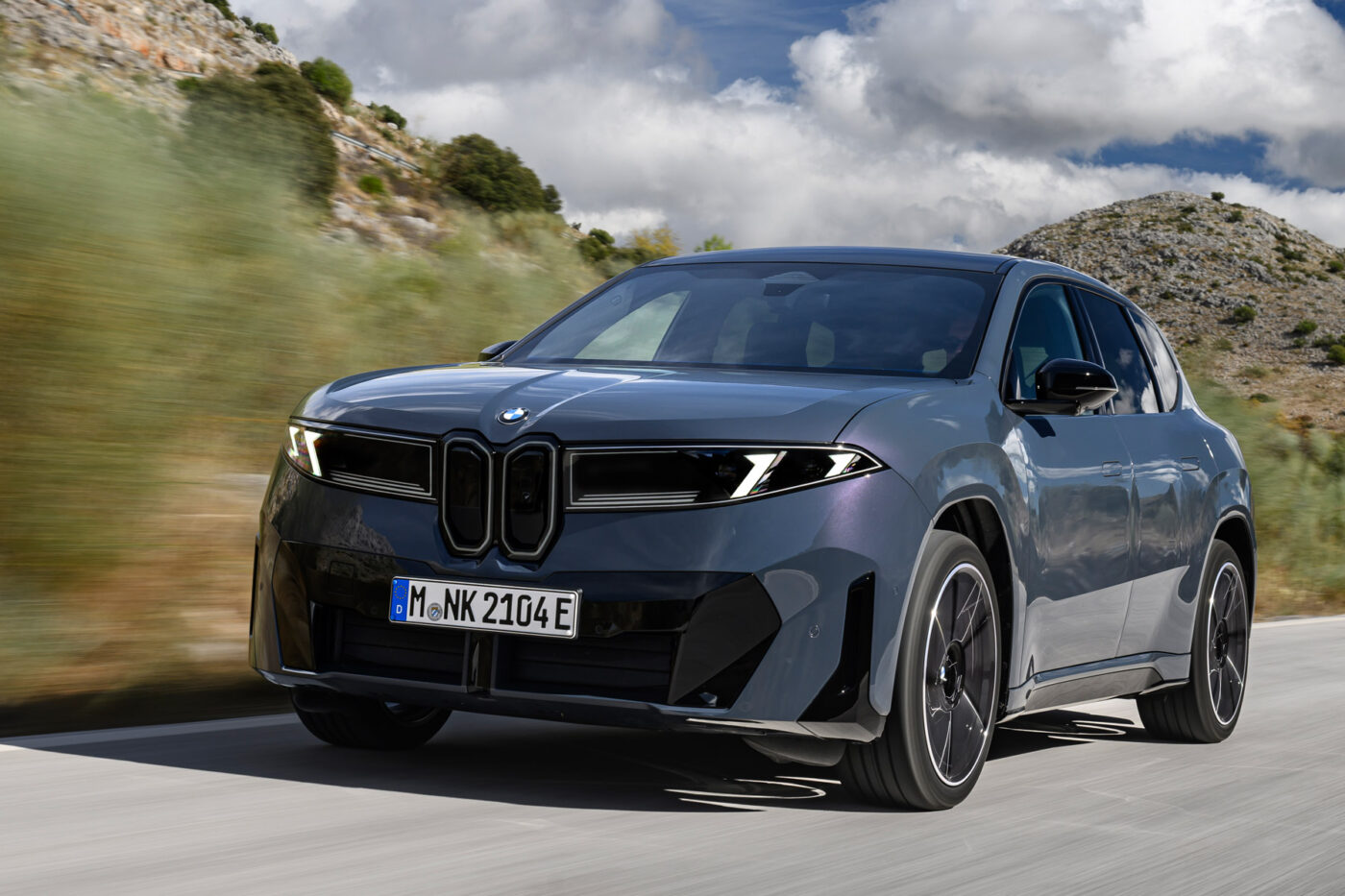
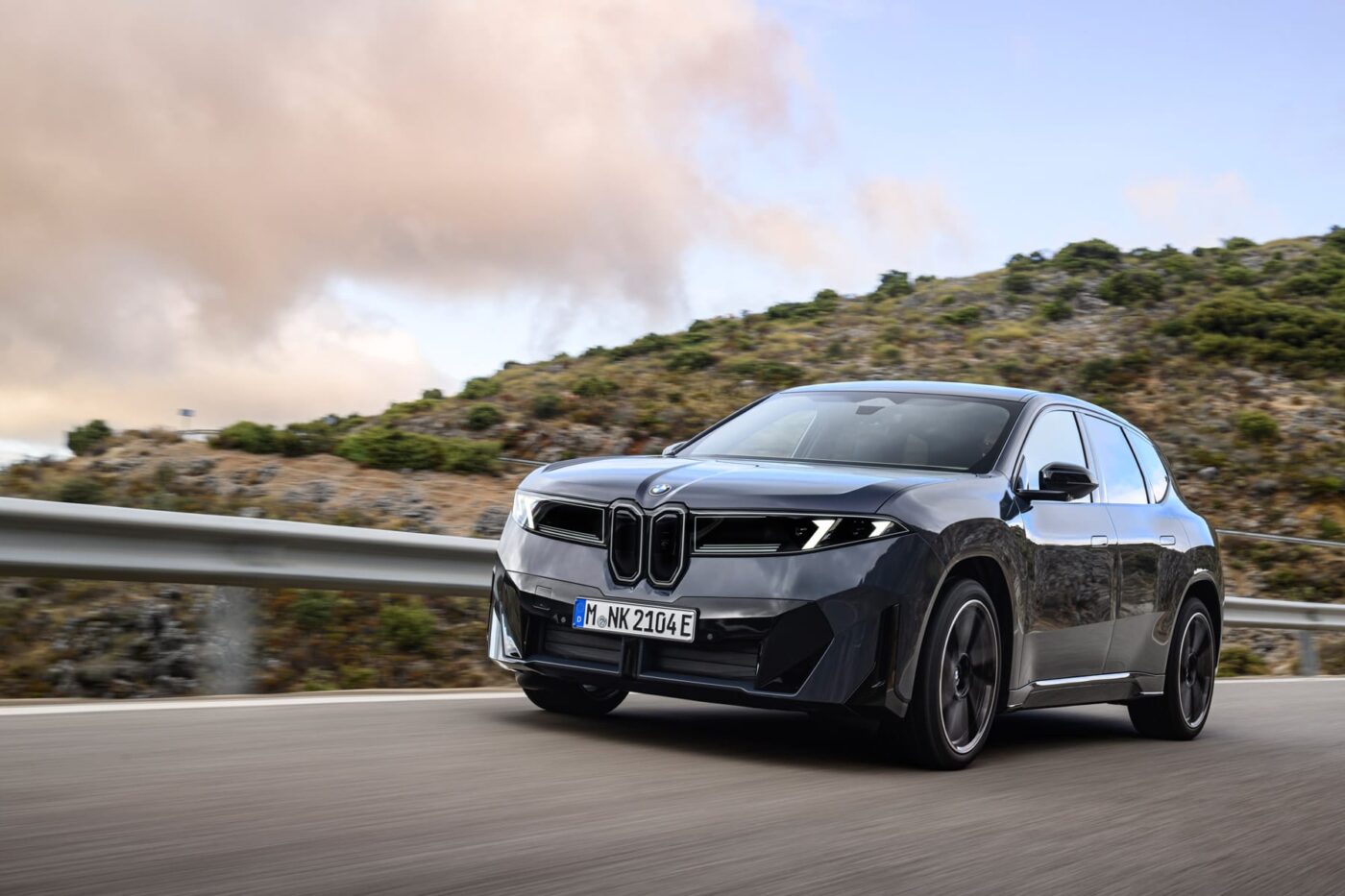
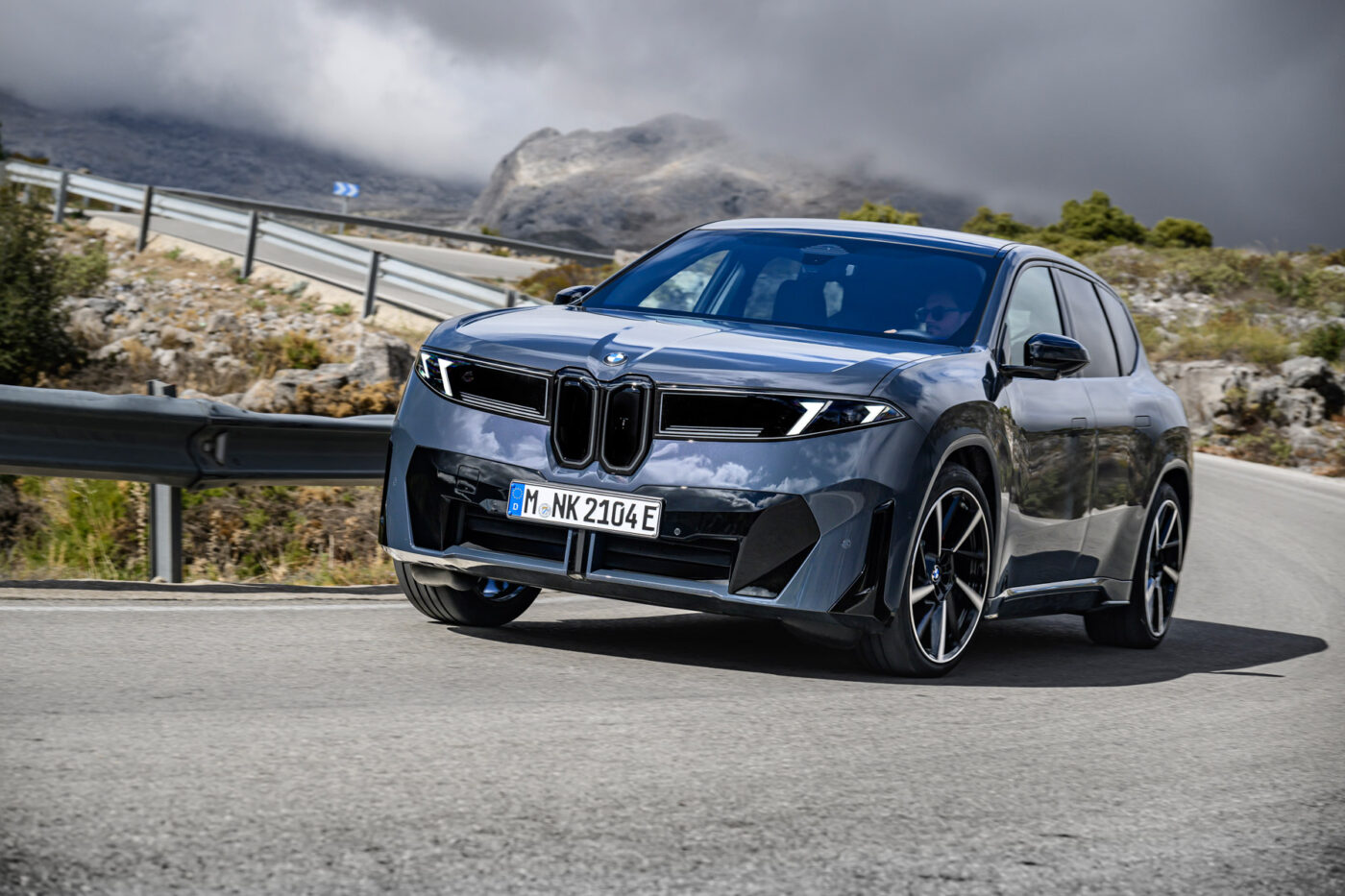
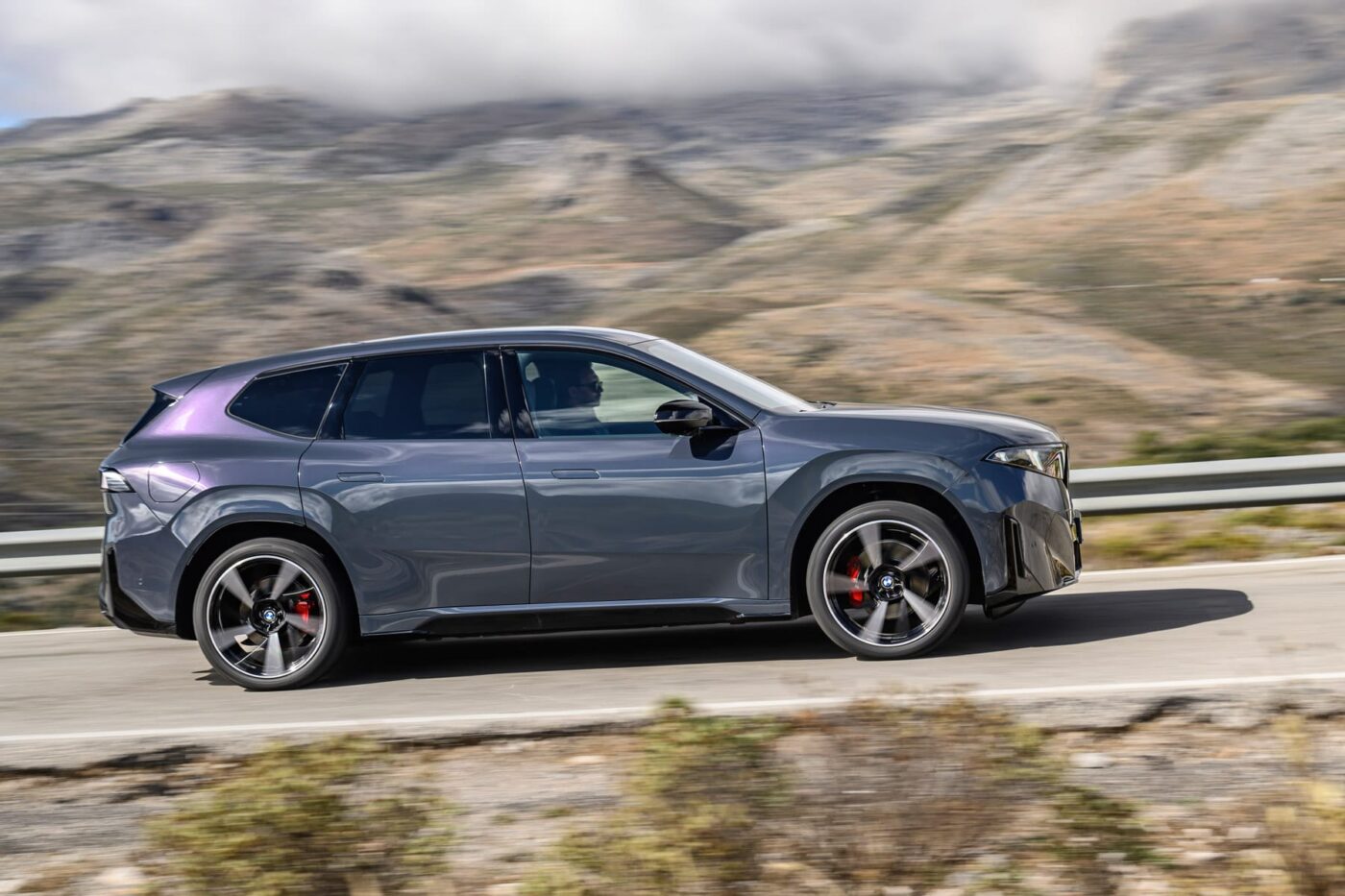
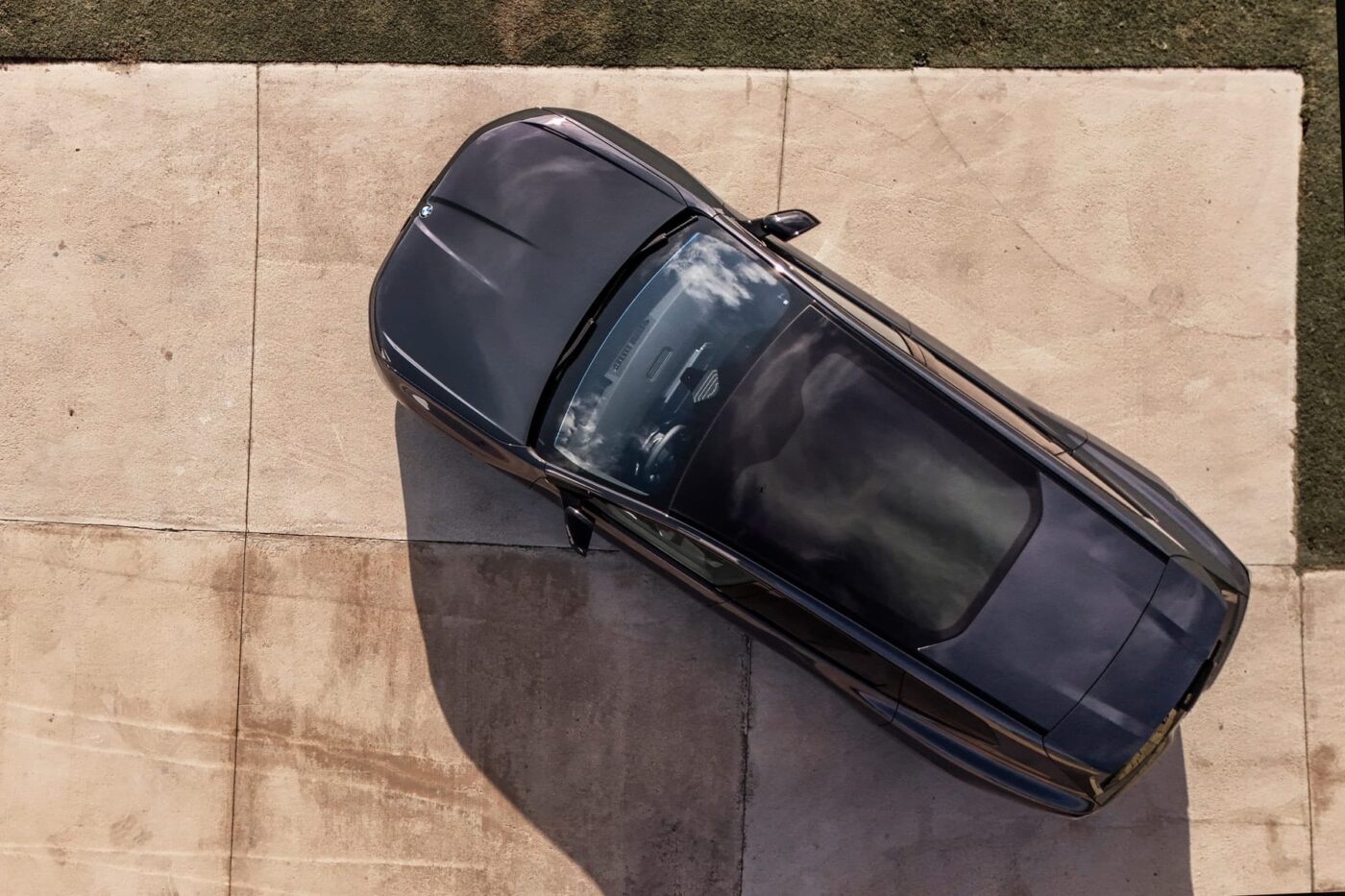
Subida sin esfuerzo
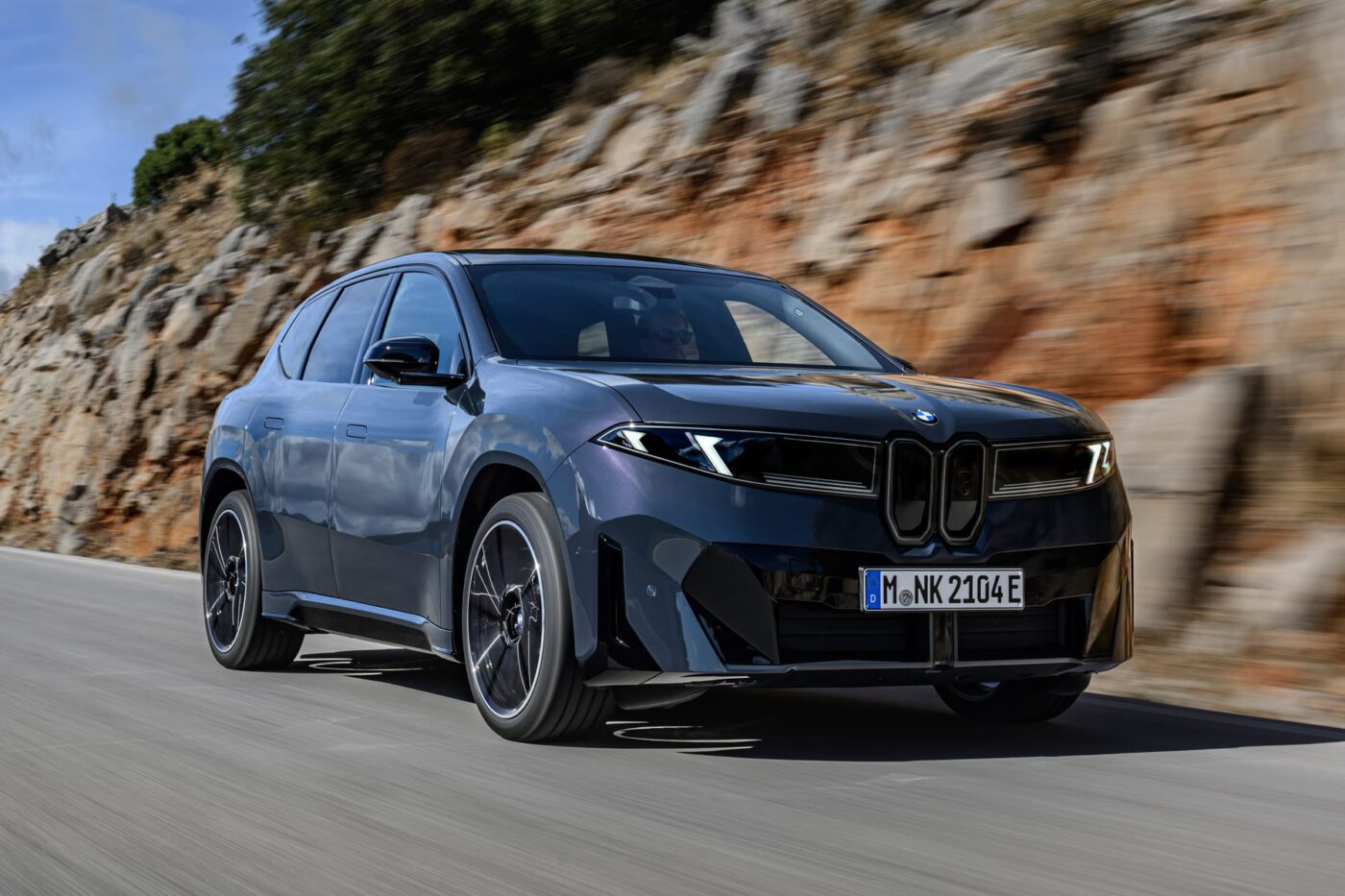
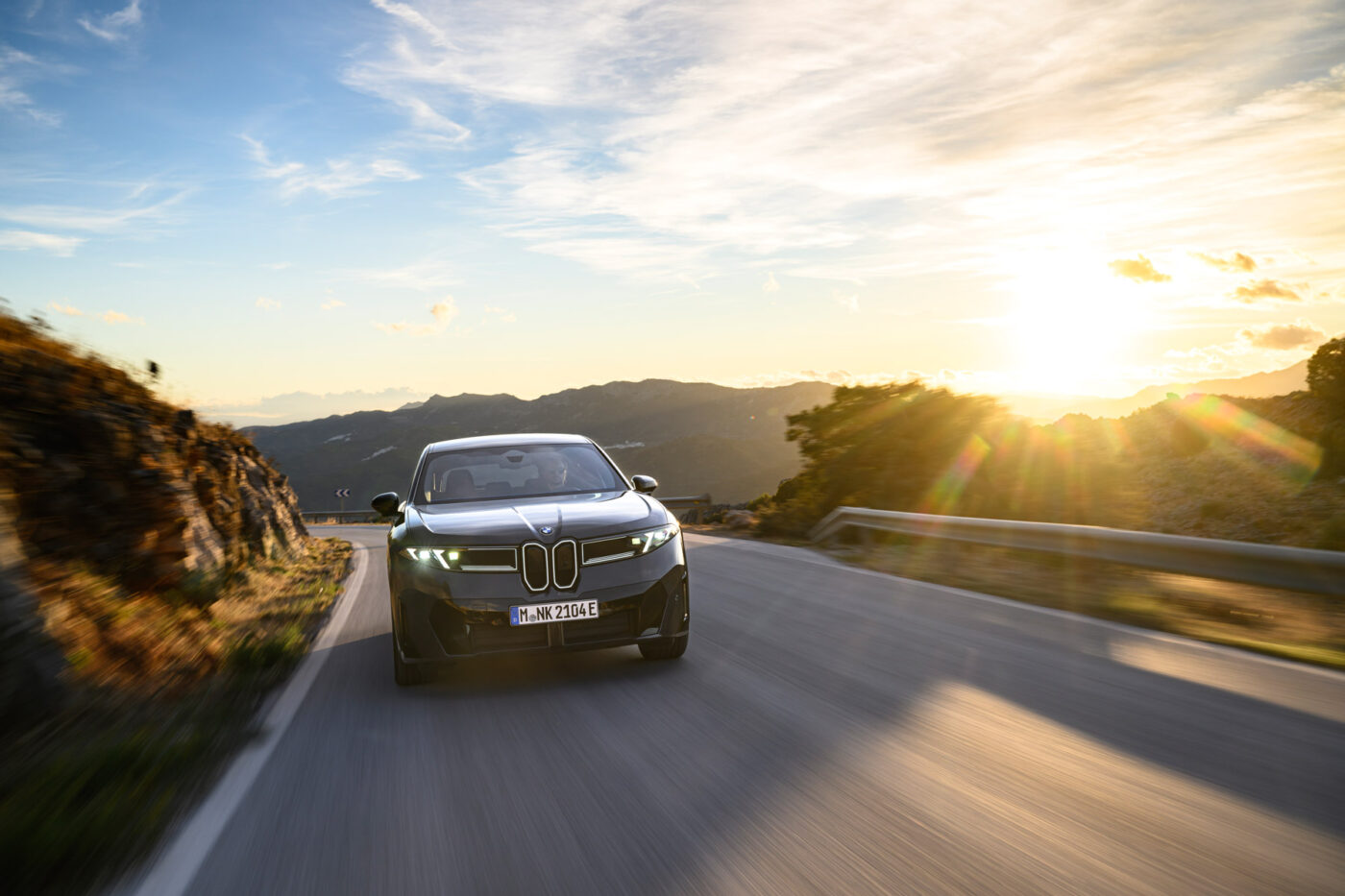
La capacidad del asistente del conductor para funcionar sin las manos en el volante se debe a la normativa DCAS (sistemas de asistencia al control del conductor) de la Comisión Económica de las Naciones Unidas para Europa (CEPE). Esta normativa permite un uso paneuropeo con los límites de velocidad de cada país. En los viajes largos por autopista, el asistente demuestra ser un valioso apoyo, incluso domina los cambios en los cruces de autopista. Sin embargo, no pude probarlo in situ, ya que mi ruta me llevó del mar a la montaña, subiendo hasta los 700 metros. Aquí, uno se hace una buena idea de la suspensión' con sus muelles convencionales. BMW aún no ofrece una suspensión adaptativa para el iX3.
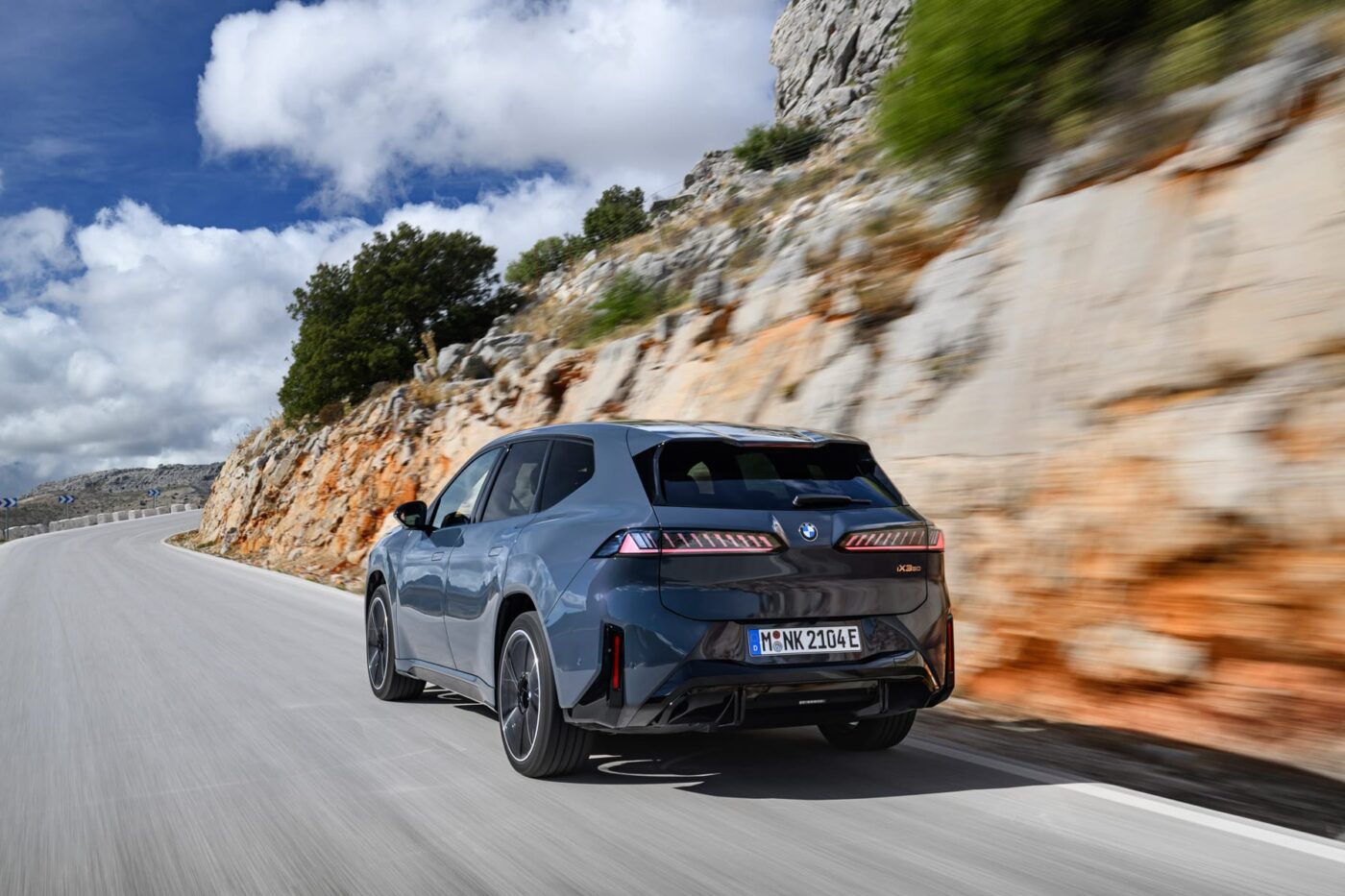
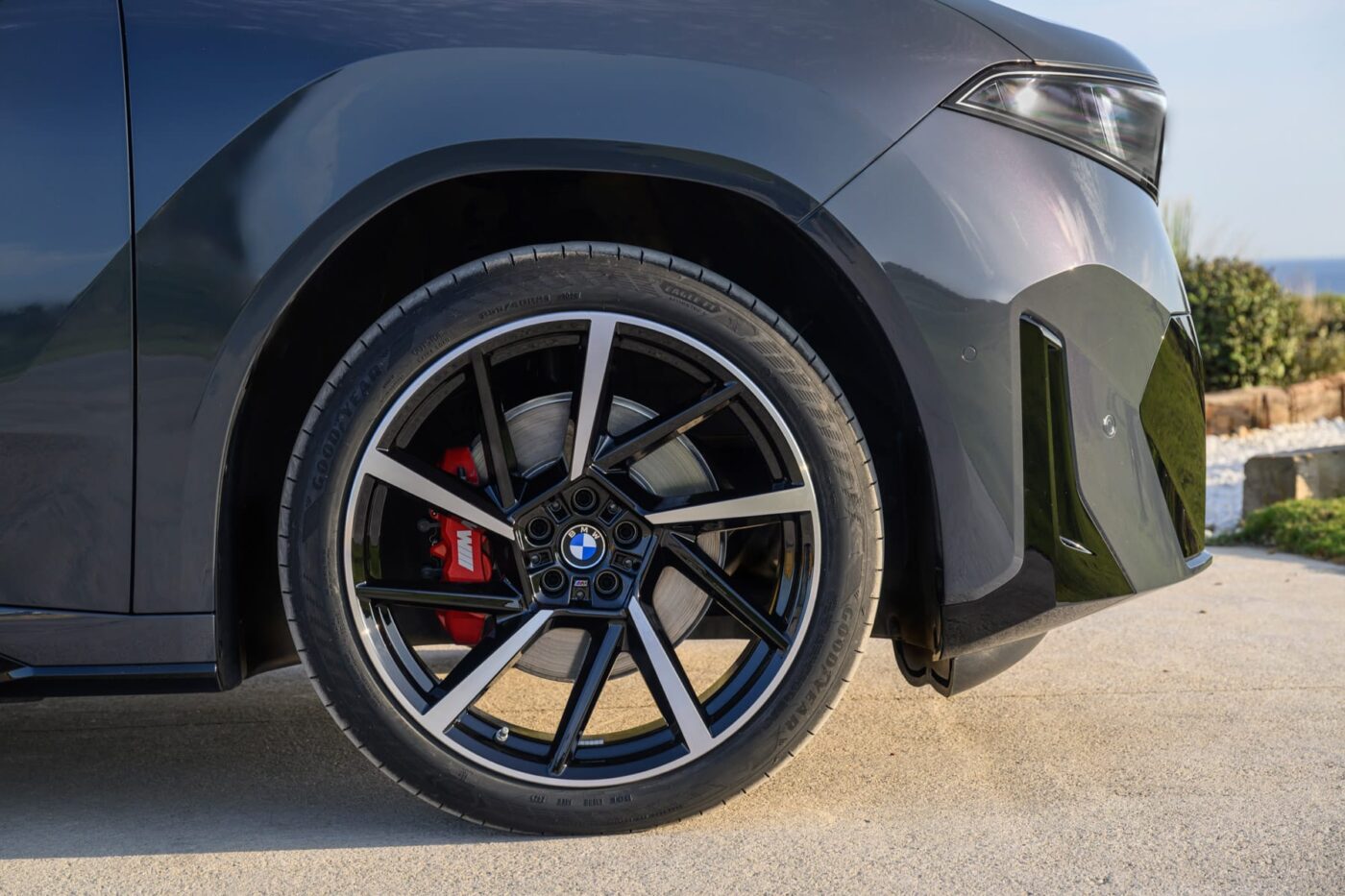
No obstante, los ingenieros han hecho un trabajo excelente. La conducción por carreteras comarcales es excepcionalmente cómoda, a pesar del paquete M Sport. Naturalmente, uno puede oír y sentir las juntas transversales de la carretera cuando las ruedas de 20 pulgadas ruedan sobre ellas. Sin embargo, el SUV de 1,64 metros de altura se mantiene estable en cada curva y en cada maniobra de frenado sin balancearse.
Los motores frenan
Con la Neue Klasse, BMW lo ha revisado todo, desde la batería hasta el concepto de funcionamiento y los motores. En el 98% de los casos, el frenado es gestionado en primer lugar por el motor trasero excitado por separado, interviniendo el motor asíncrono delantero sólo cuando es necesario. El amplio recurso al frenado regenerativo en lugar de los frenos de fricción aumenta el confort de los pasajeros durante la deceleración. He ajustado el nivel de recuperación en adaptativo, de modo que el vehículo se recupera con más fuerza antes de las curvas cerradas que en los tramos largos: el coche decide muy eficazmente cuándo y cuánto desacelerar eléctricamente. Apenas necesito el pedal del freno.
Proyección en lugar de pantallas
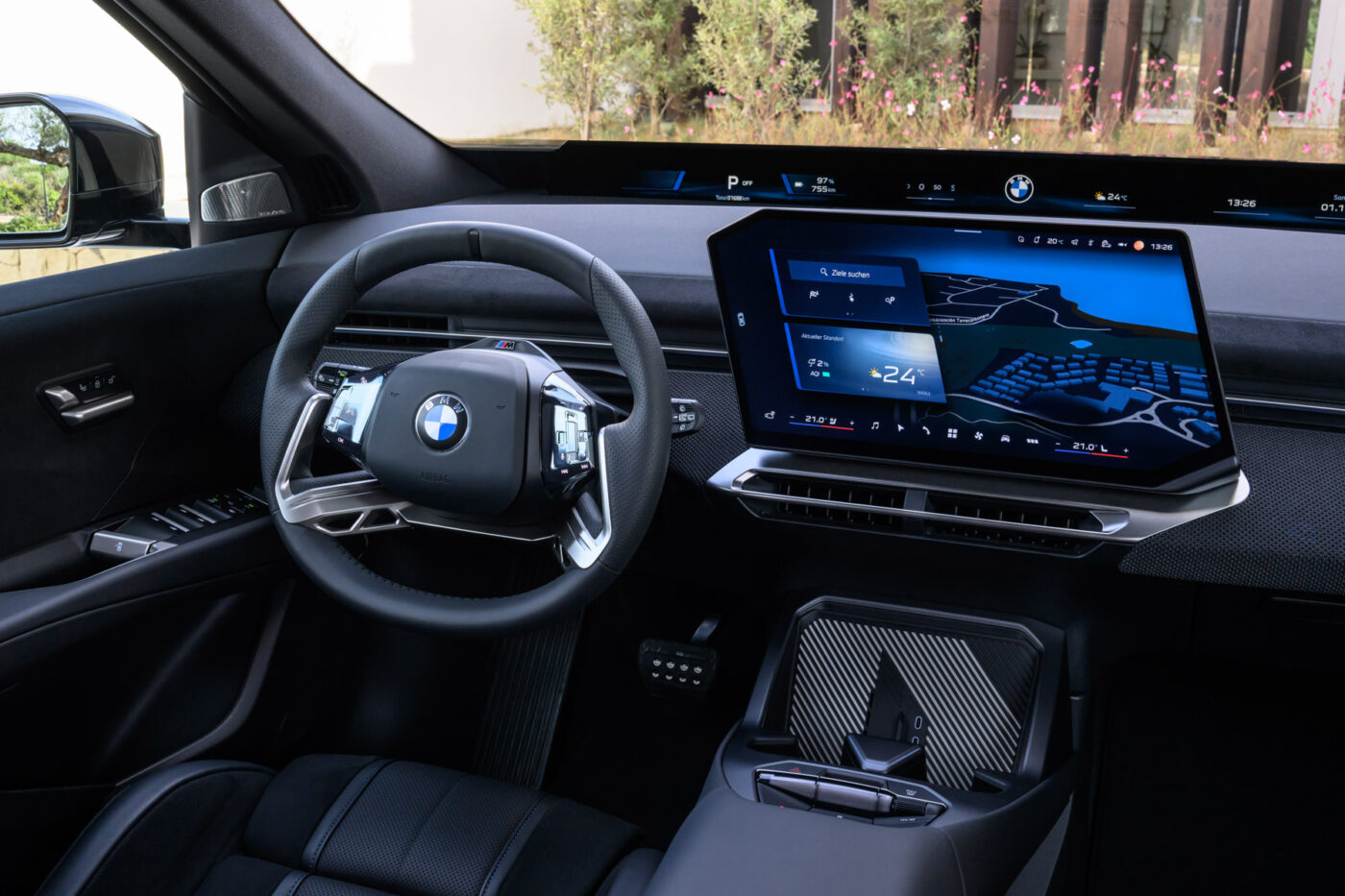
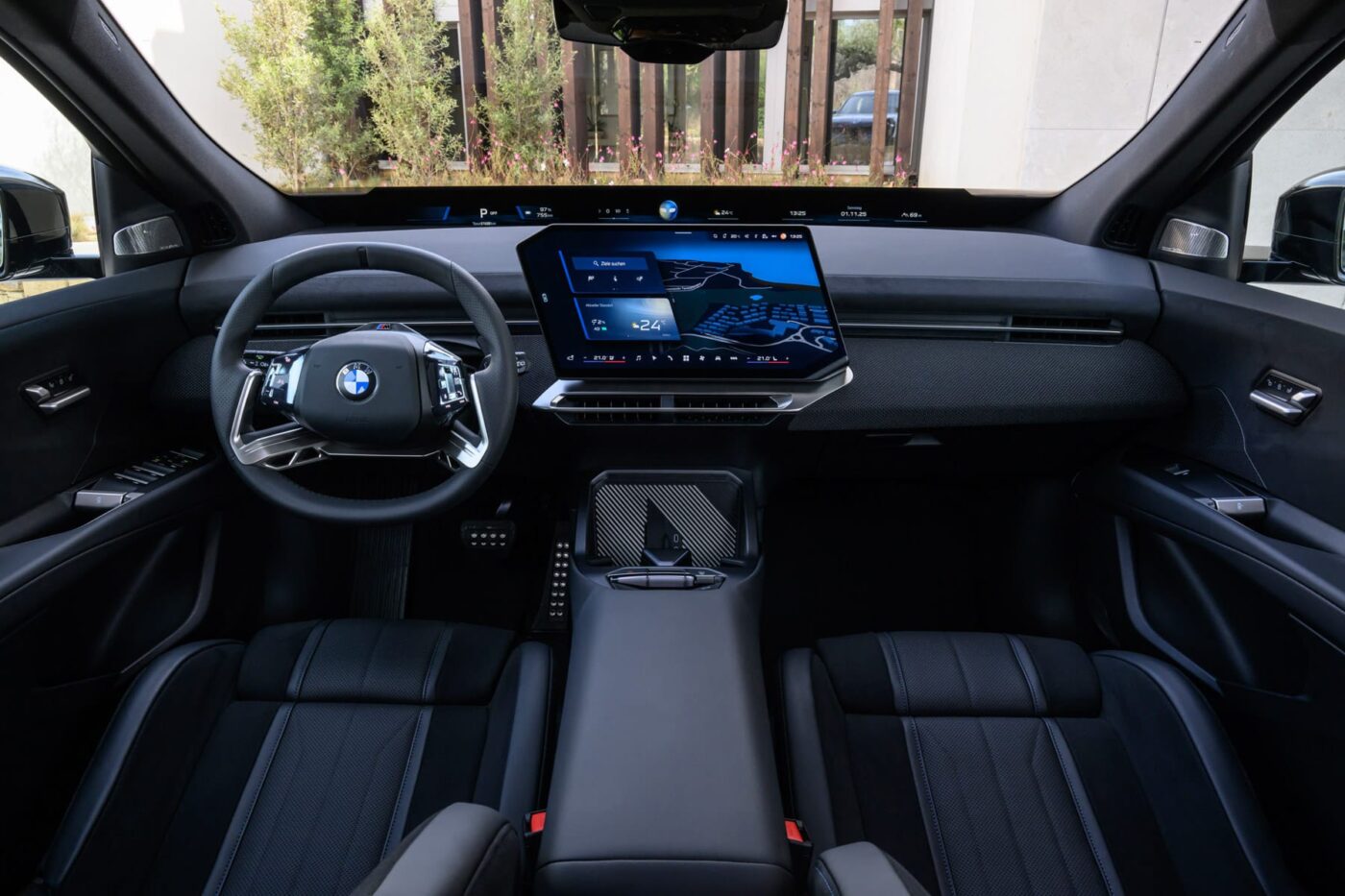
En la Neue Klasse, BMW no sigue la tendencia de pantallas cada vez más grandes. Hay una pantalla táctil central de 17,9 pulgadas, cuyos lados se inclinan suavemente hacia el conductor. Sin embargo, no la ojeo mientras conduzco. Los detalles de navegación se muestran en el Head-up Display 3D. Además, veo información direccional en el "Panoramic Vision", término con el que BMW denomina la sección inferior del parabrisas. Mide cinco centímetros de altura y 1,10 metros de anchura, extendiéndose por todo el ancho del salpicadero. Unas pantallas empotradas de alto brillo proyectan el contenido sobre el parabrisas. Una tira de plástico negro, que actúa como una especie de lona, está fijada al cristal. Garantiza que las pantallas permanezcan visibles incluso bajo una fuerte luz solar lateral o trasera. Durante nuestro recorrido, el sol sólo apareció brevemente, pero las proyecciones siempre fueron claramente visibles. Según el fabricante, el contenido sigue siendo legible incluso con gafas de sol polarizadas. Lo más destacado: los ocupantes pueden elegir lo que muestra la banda. La información para el conductor, como la autonomía o la velocidad, es fija, pero a la derecha hay espacio para seis pantallas personalizables. Éstas pueden incluir la visualización del asistente de voz, la pista de música actual o la hora estimada de llegada. Con el paquete M, existe la opción de mostrar datos de dinámica de conducción, como las fuerzas G.
Cabeza de alienígena azul
El concepto de manejo convence. Crea un interior ordenado y proporciona al conductor una excelente visión de conjunto. Sin embargo, BMW se ha quedado corto con su asistente de voz. La visualización actual es un compromiso desafortunado entre los implicados, que se describe mejor como una cabeza de alienígena azul con gafas blancas. Las personas sensibles podrían encontrar esta figura inquietante. Lo que parecen ser unas gafas parpadea de vez en cuando -con la intención de representar los ojos-, pero se omitieron las pupilas para evitar que pareciera un personaje de cómic. BMW tampoco ofreció la posibilidad de elegir entre distintas visualizaciones del asistente. Se trata de un primer intento. Si no le gusta el personaje, puede simplemente borrarlo de la Visión Panorámica. Si no hace ninguna pregunta, la cabeza se transforma en el logotipo de BMW al cabo de unos minutos. El modo silencioso es útil, ya que no sólo suprime los sonidos artificiales de la conducción, sino que también apaga las seis pantallas de la zona de proyección. Durante los trayectos nocturnos por carreteras rurales oscuras, las pantallas de colores pueden parecer demasiado brillantes y distraer la atención.
| BMW iX3 50 xDrive | |
|---|---|
| Conducir | AWD |
| Potencia Salida | 345 kW |
| Par de apriete | 645 Nm |
| Aceleración | 4.9 s |
| Velocidad máxima | 210 km/h |
| Gama WLTP | 805 km |
| Batería | 108 kWh |
| Potencia de carga CC | 400 kW |
| Tiempo de carga de CC 10-80% | 21 min |
| Precio | 68.900 euros |
Estable y firme en su carril
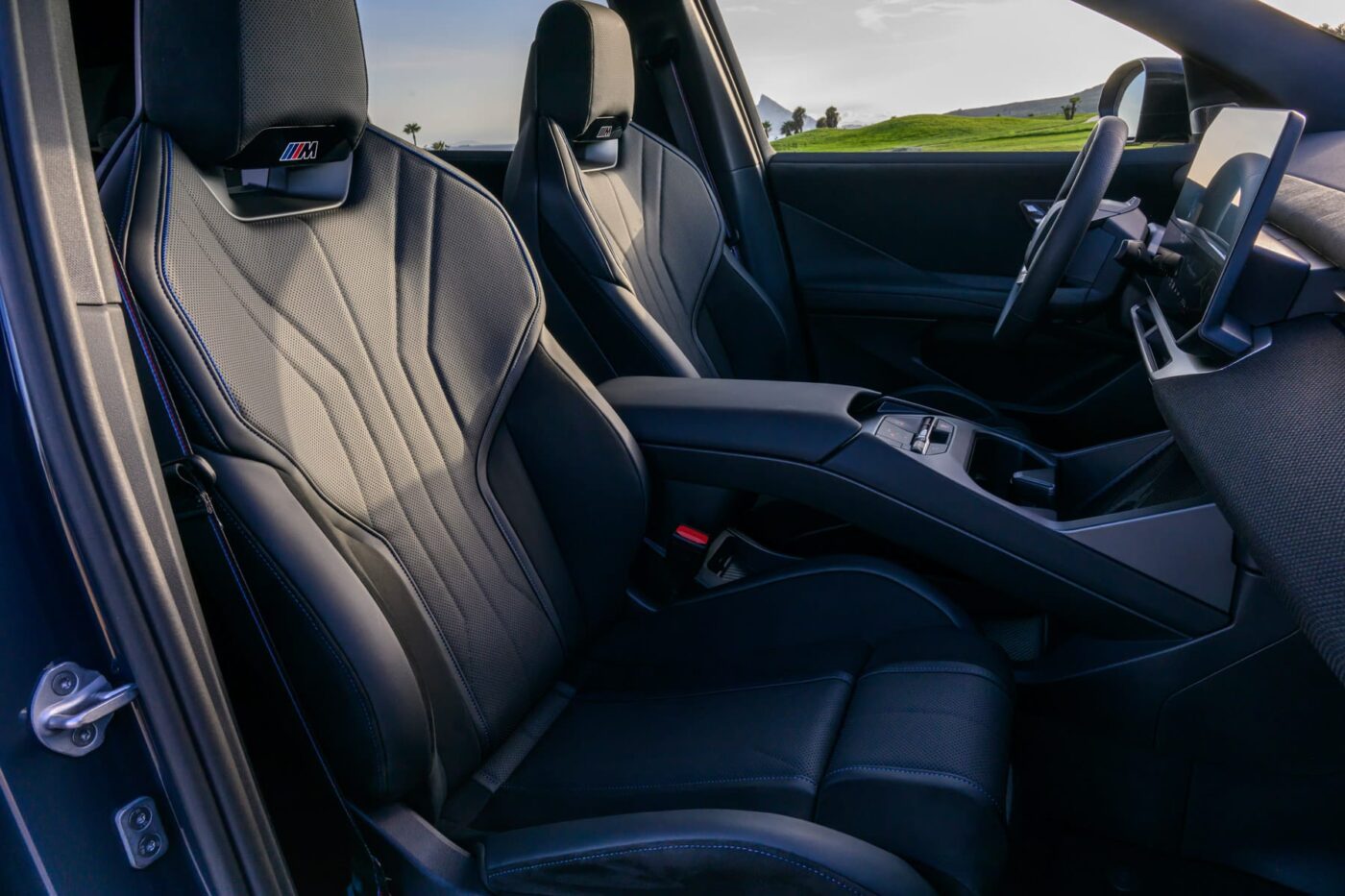
Como pasajero en la etapa de montaña, busco el asidero en el techo sólo para encontrar un espacio vacío. BMW ha omitido los asideros en todos los asientos. Sin embargo, esto no es motivo de preocupación; se trata más bien de adoptar una postura relajada. Para volver a concentrar mi cerebro, activo el masaje del asiento, que alivia la tensión en la espalda. Nuestro destino es el circuito privado Circuito Ascari, donde el vehículo de tracción total, con sus 345 kW de potencia y 645 Nm de par, puede demostrar sus capacidades deportivas. Sin embargo, con un recorrido de slalom y un cambio de carril de emergencia, los ingenieros de BMW pretenden sobre todo demostrar lo estable que es el iX3 en carretera. A 120 km/h, entramos en un carril de conos. En el cono rojo, se inicia una frenada a fondo y un viraje simultáneo al carril izquierdo. Aquí se sienten por primera vez los frenos de fricción en acción. El coche permanece seguro en su carril y se detiene sin balancearse.
Asistente de aparcamiento rápido
En el aparcamiento del circuito, también pruebo el asistente de aparcamiento. Normalmente, se aparca más rápido manualmente que confiando en este tipo de asistentes. Sin embargo, BMW sorprende aquí. Cada maniobra de aparcamiento, especialmente en espacios reducidos, se ejecuta con más rapidez de la esperada. Incluso antes de pasar por una plaza de aparcamiento, el sistema indica la opción de estacionamiento. Se puede elegir si el coche debe aparcar hacia delante o marcha atrás en un espacio perpendicular al tráfico. Si el hueco es demasiado estrecho, el control se cede a la aplicación del smartphone con un toque. Mientras uno se encuentre a menos de seis metros del coche y mantenga pulsado el botón, el vehículo aparcará de forma autónoma.
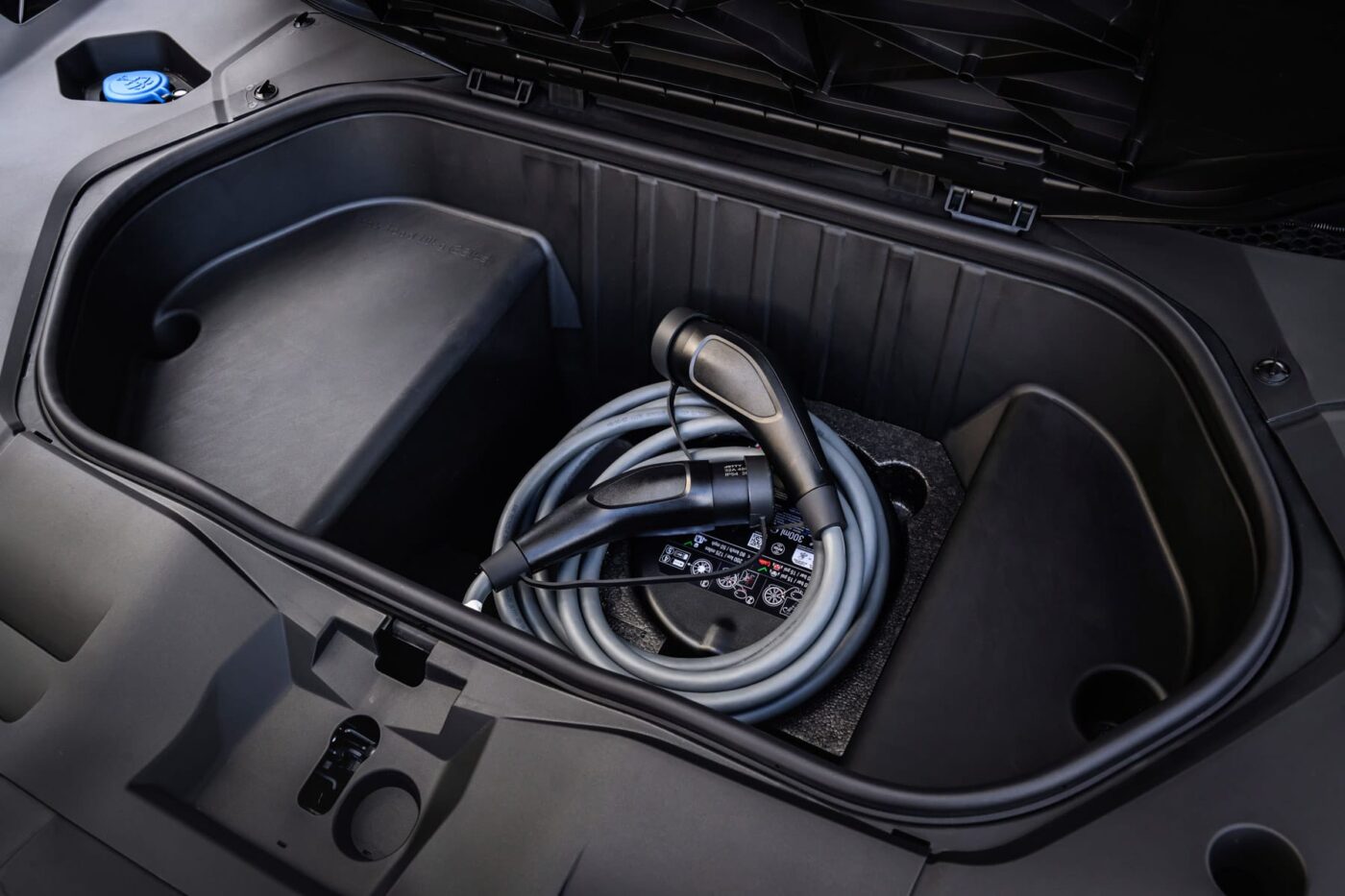
Apertura del maletero a la antigua
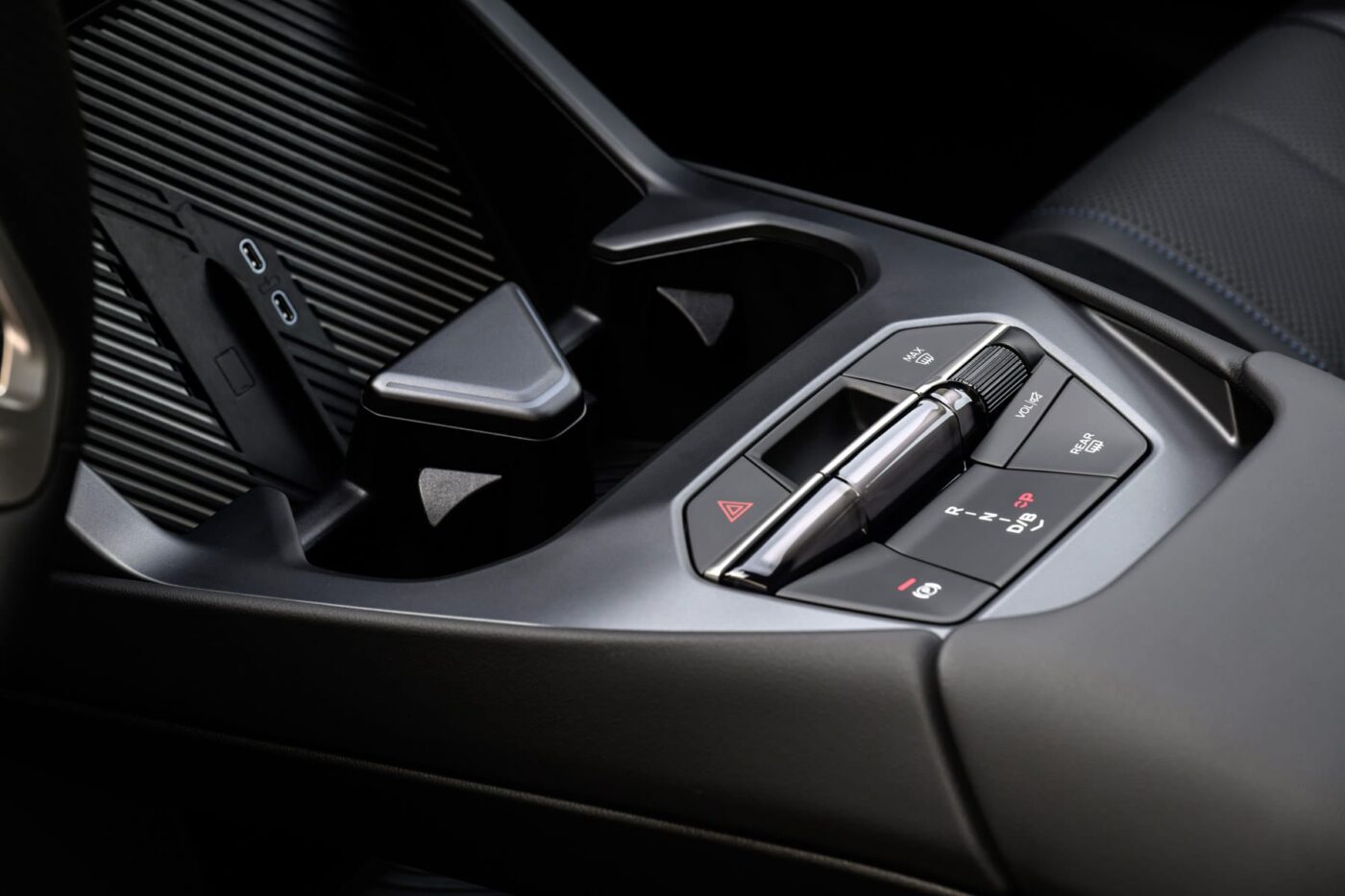
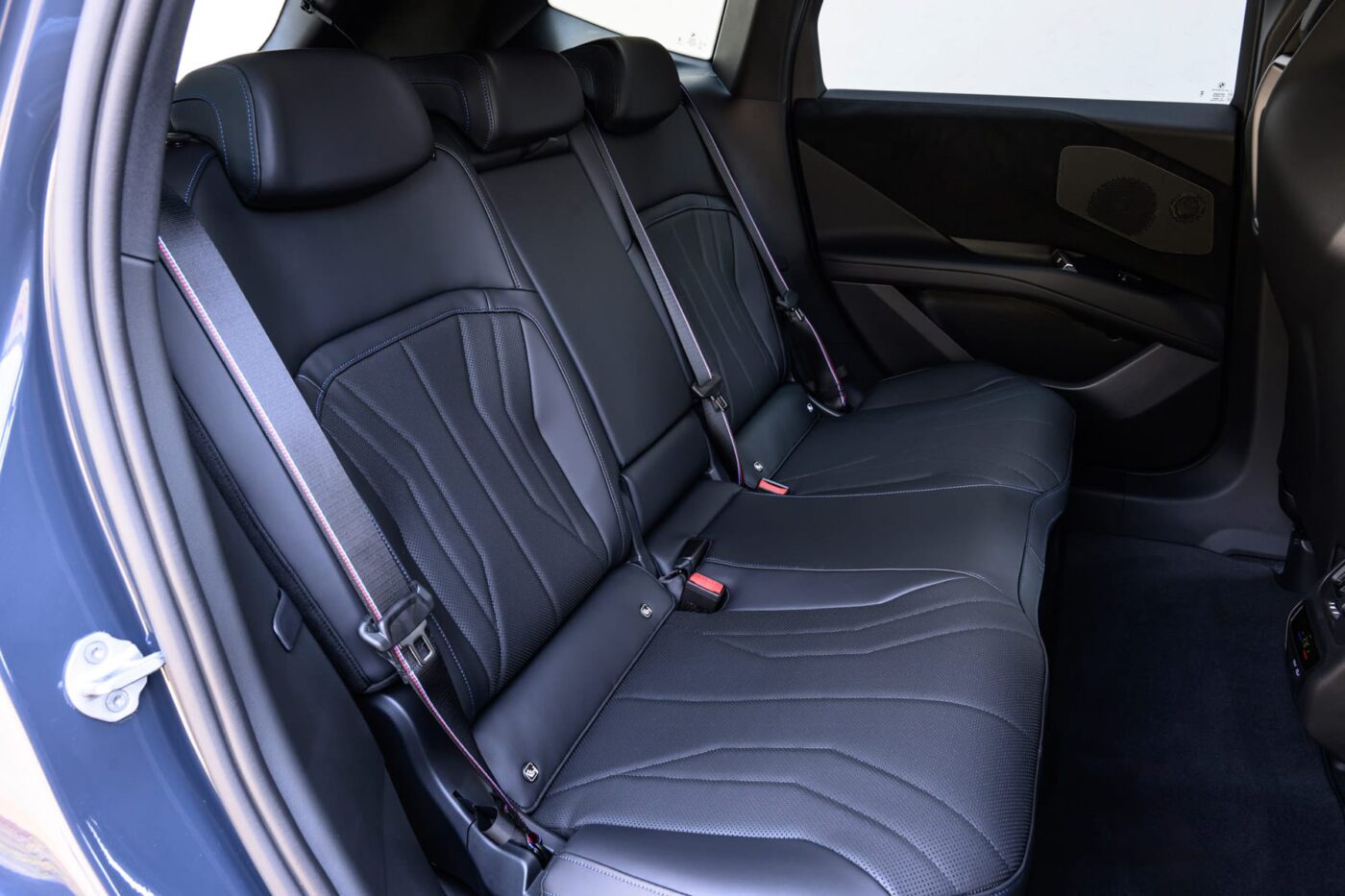
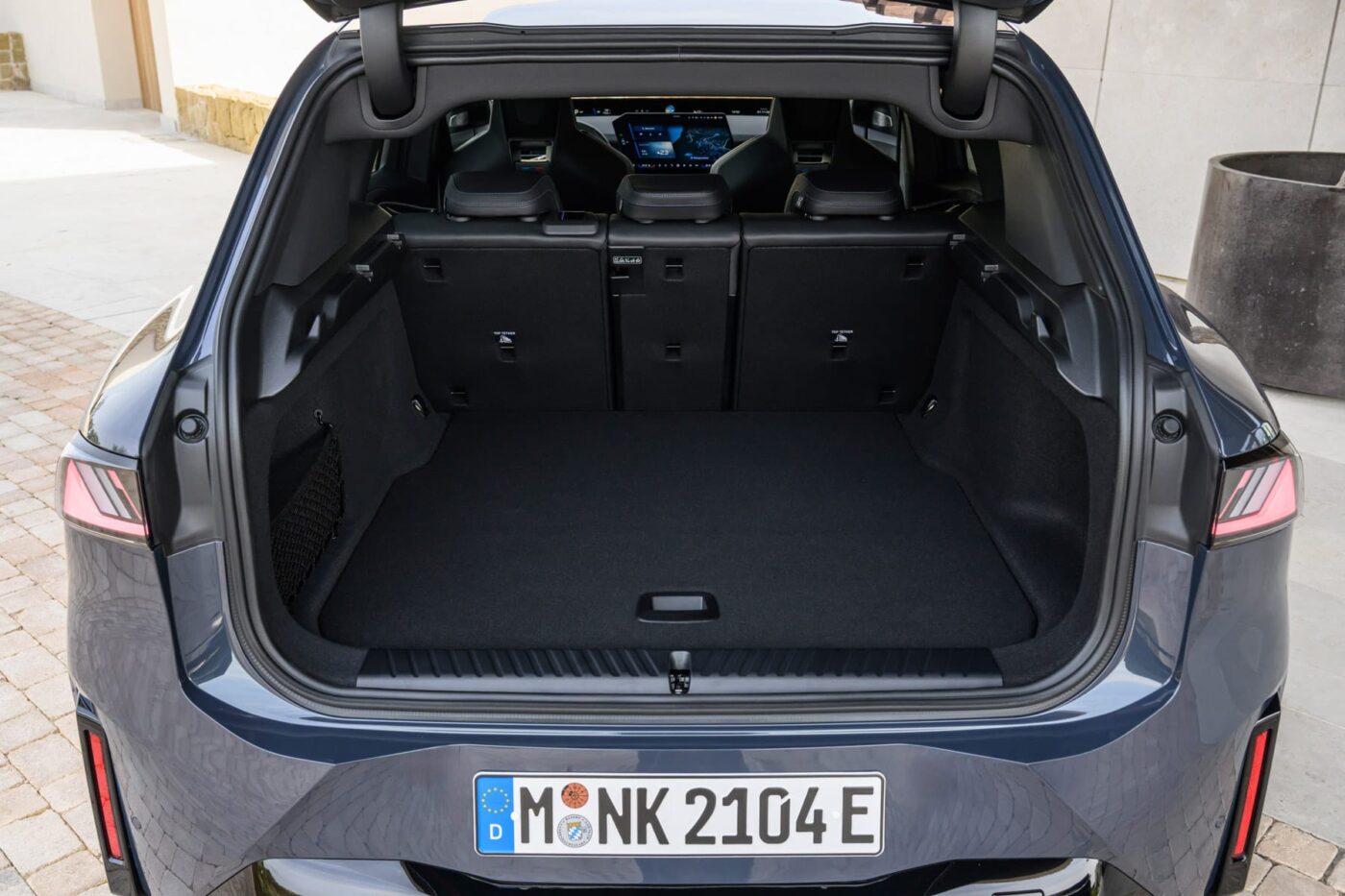
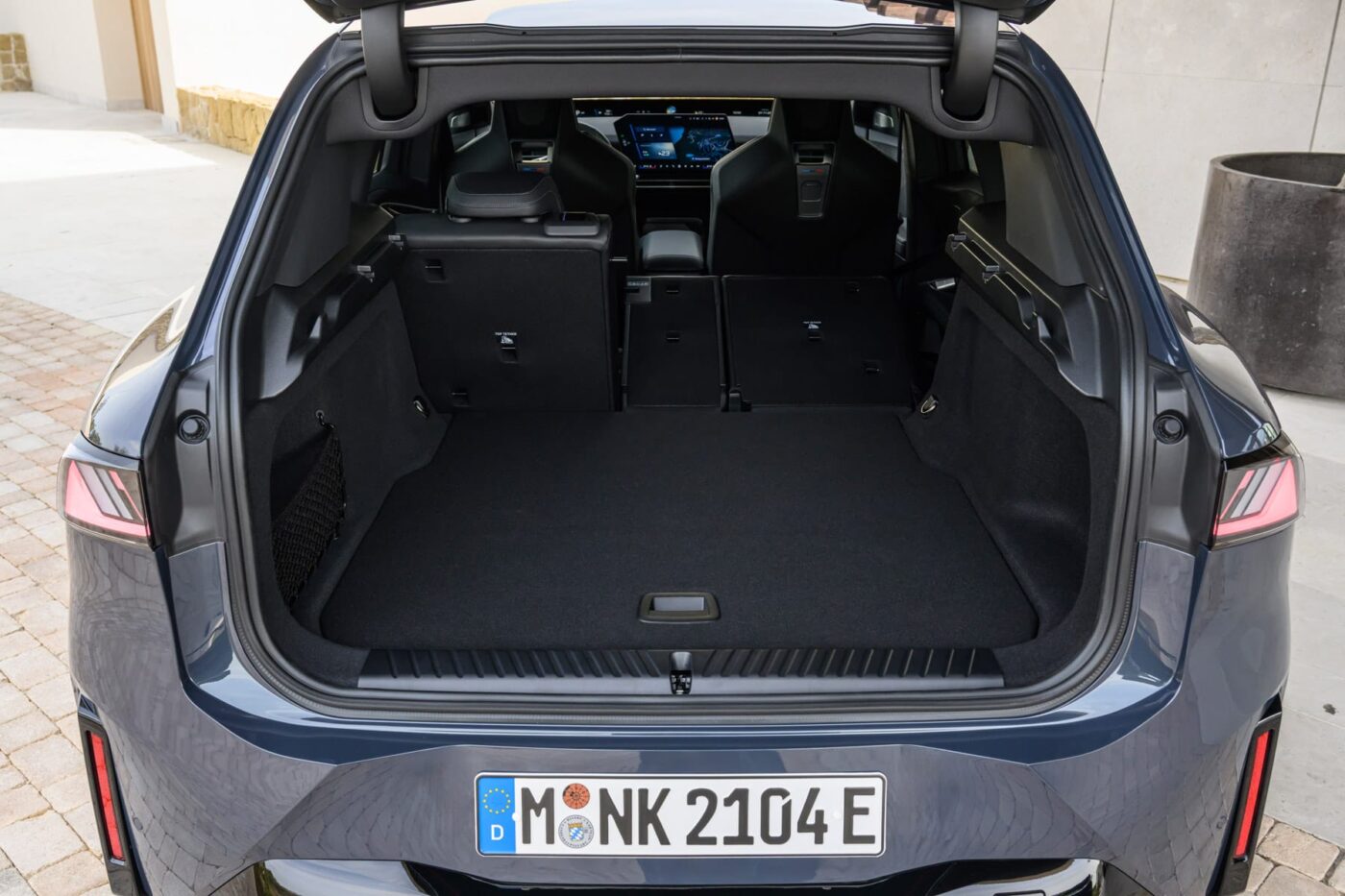
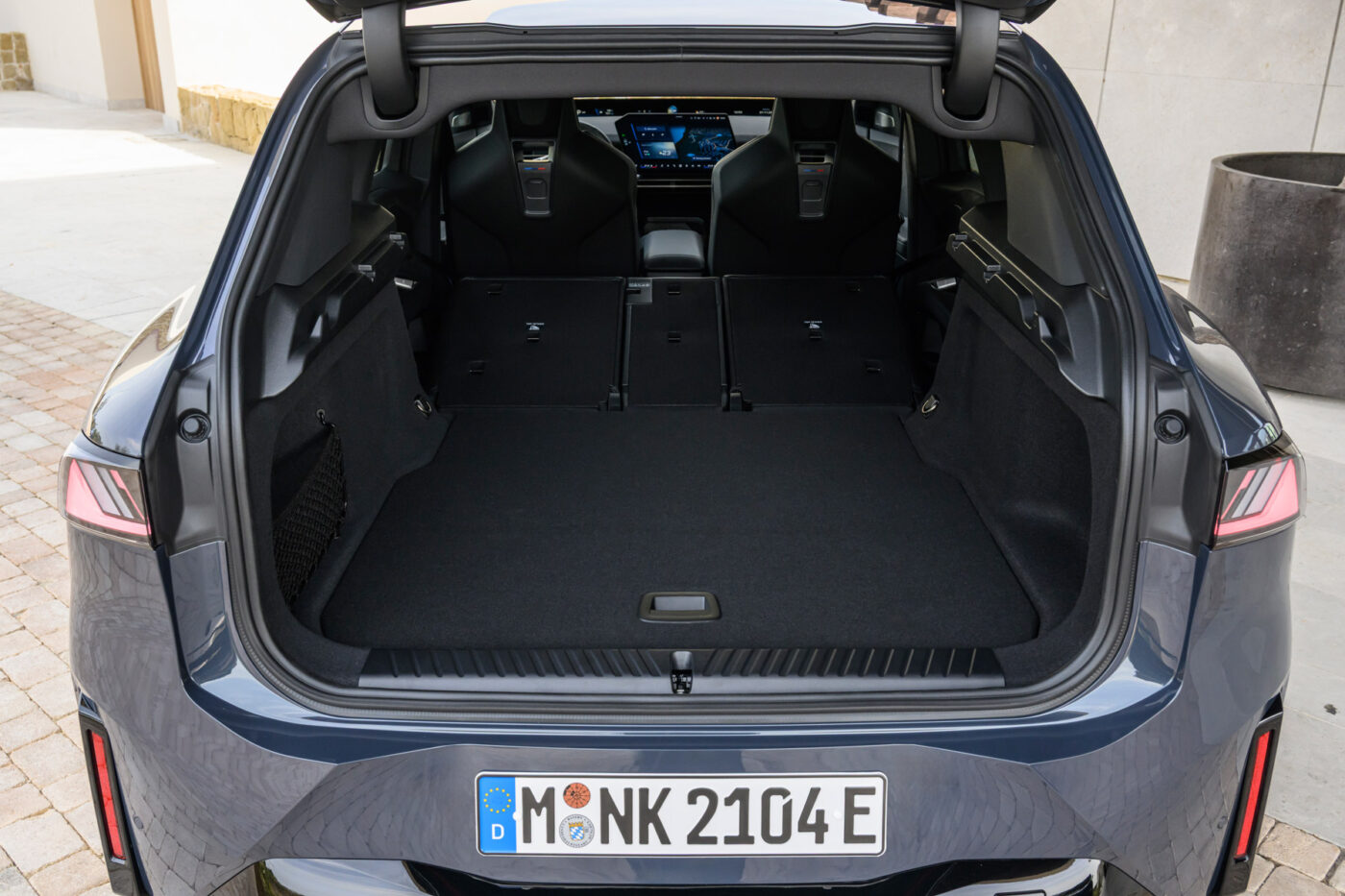
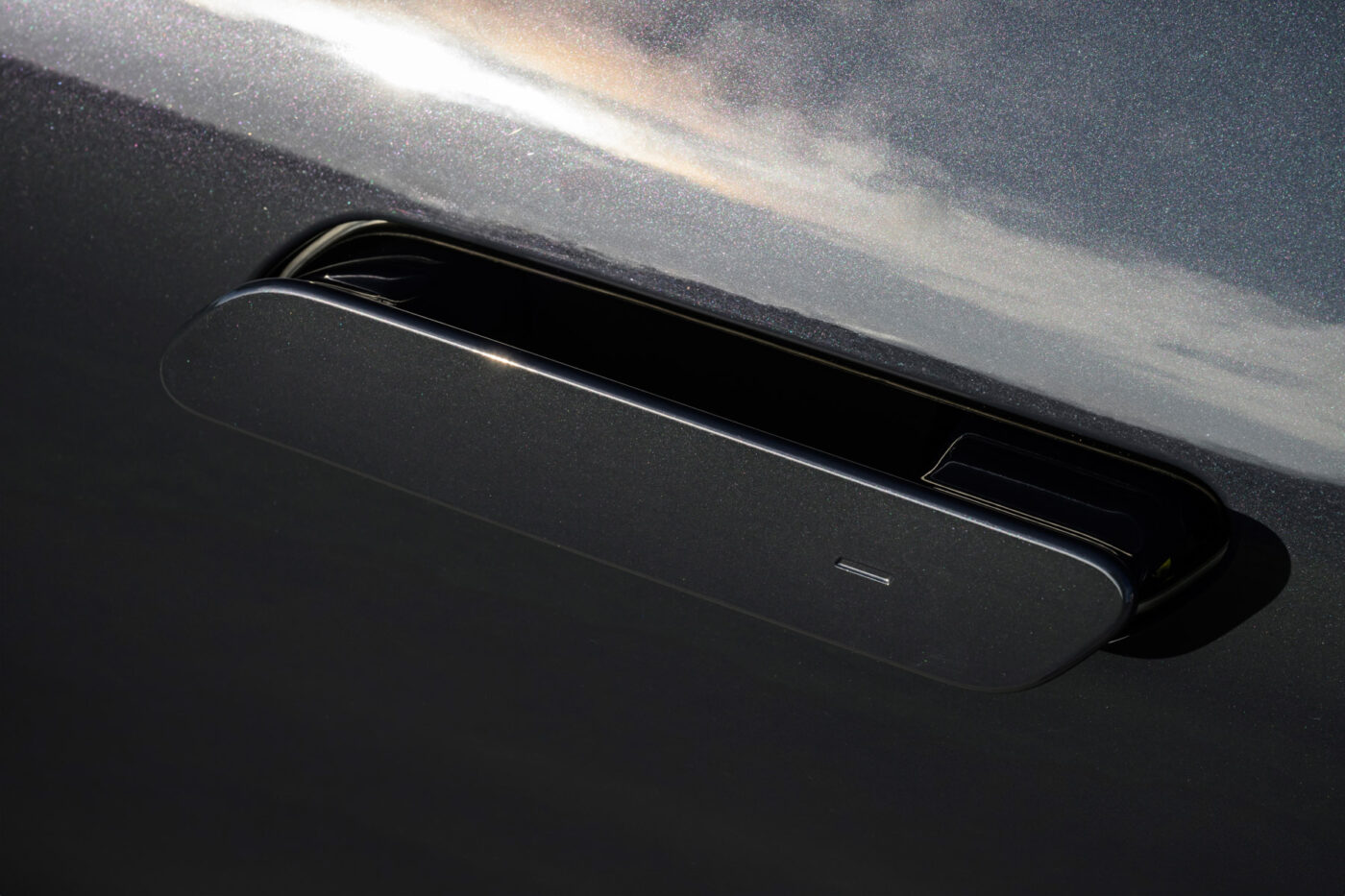
Además de acomodar a cinco pasajeros, el maletero ofrece 520 litros de espacio para el equipaje. Con los asientos traseros abatidos, se amplía hasta los 1.750 litros. Bajo el capó delantero, hay un compartimento portaobjetos adicional de 58 litros. Sin embargo, BMW ha pasado por alto la comodidad a la hora de abrir el capó delantero. Ni la llave digital del smartphone ni la botonera de la puerta del conductor ofrecen la posibilidad de abrirlo. En su lugar, hay que introducir la mano bajo el guarnecido situado a la izquierda del volante y accionar el clásico desbloqueo por cable. Esto parece anticuado y crea una sensación de incomodidad. Alguien que esté de pie por la mañana con un cable de carga Tipo 2 en la mano no querrá abrir primero la puerta del conductor y desbloquear el capó. Esto no concuerda con la llave digital del smartphone, que extiende los tiradores de las puertas al acercarse.
La energía fluye en todas direcciones
Las nuevas pilas redondas tienen una capacidad total de 108,7 kWh. La energía también puede descargarse en dispositivos externos (3,7 kW), en el hogar o en la red eléctrica. BMW, en colaboración con E.ON, ofrece una tarifa de vehículo a red (V2G) que recompensa a los usuarios con hasta 720 euros anuales sólo por enchufarse a la caja de pared BMW Professional DC. Durante este periodo, E.ON puede utilizar la batería como unidad de almacenamiento intermedio según las especificaciones del propietario. Cualquier energía extraída se abona a la misma tarifa que la energía tomada de la red.
En un cargador rápido de CC, el iX3 puede cargar hasta 400 kW, logrando una carga del 10 al 80% en sólo 21 minutos. Desafortunadamente, no fue posible realizar una parada de carga durante la prueba de conducción. Después de recorrer 250 kilómetros, la pantalla del conductor sigue mostrando 520 kilómetros de autonomía y un 57% de capacidad de la batería: la autonomía es simplemente demasiado alta para probar una parada de carga en tan poco tiempo. El consumo de energía se sitúa en 22,2 kWh a los 100 km, lo que no es de extrañar teniendo en cuenta el clima, la temperatura y la ruta predominantemente montañosa en un vehículo de 2,3 toneladas. Según las cifras WLTP, el consumo es de 17,9 kWh a los 100 km.
Conclusión
Con el iX3, BMW ofrece un exitoso vehículo eléctrico para largas distancias que compite técnicamente con todos los fabricantes mundiales de vehículos eléctricos. La variante 50 xDrive comienza en 68.900 euros. Según el fabricante, las reacciones de los clientes tras su presentación en el IAA han sido muy positivas. Los clientes ya están encargando el SUV eléctrico sin necesidad de realizar una prueba de conducción. El volumen de producción previsto, que saldrá de la planta húngara de BMW en Debrecen a partir de la primavera de 2026, ya está agotado. Los interesados en el primer modelo de la nueva clase tendrán que esperar hasta 2027 para su entrega.
Autor: Dirk Kunde
3 Comentarios