

EL VW ID. El Polo se convierte en pionero del diseño de la familia ID.
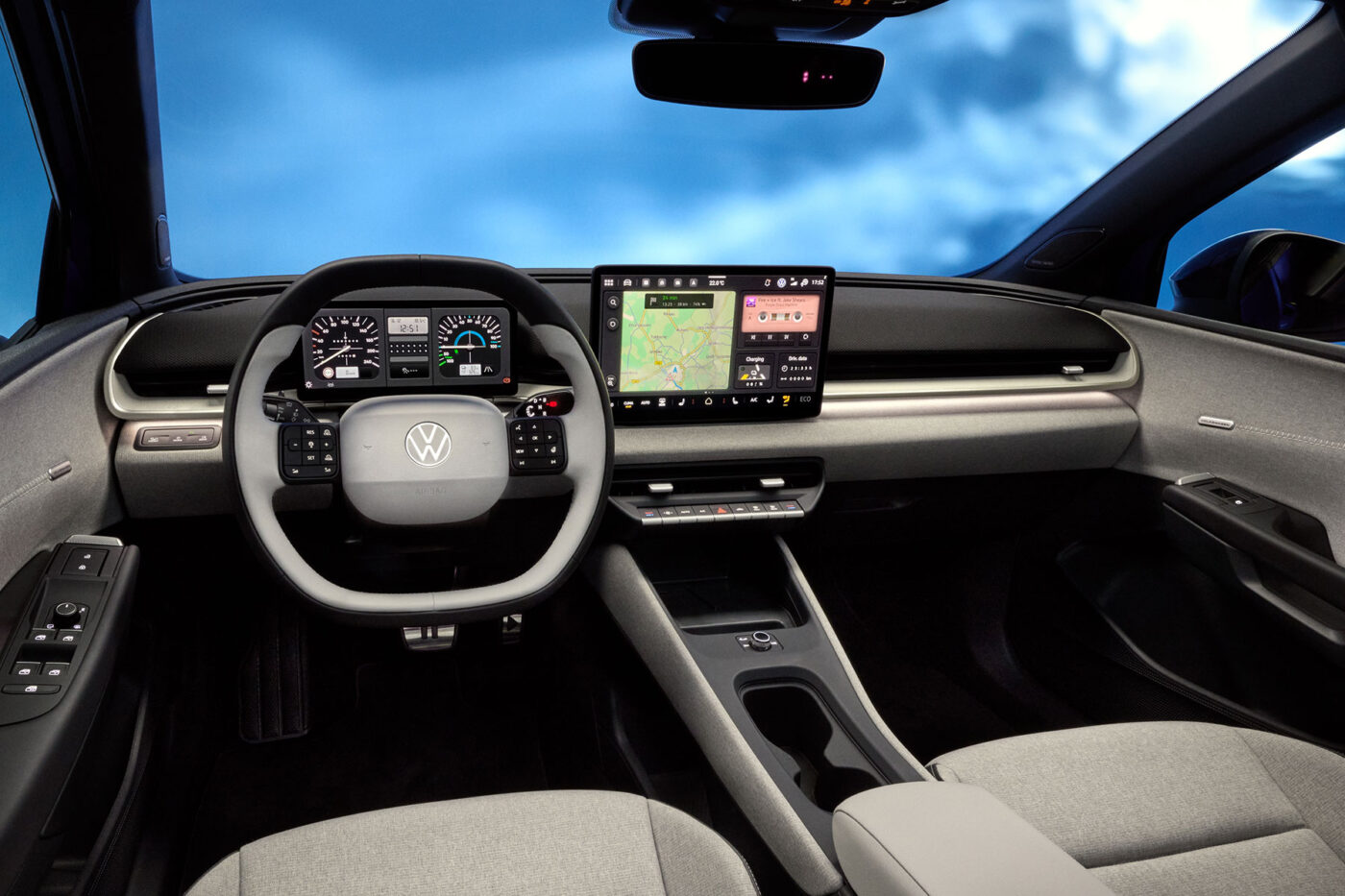
Tras el estreno del ID. Polo, aún camuflado, poco antes de la IAA de septiembreVolkswagen muestra ahora el diseño interior del nuevo coche eléctrico de 25.000 euros. Esto es especialmente interesante porque el ID. Polo se convertirá en el primer representante de un nuevo aspecto interior que adoptarán todos los modelos ID. Por ello, el fabricante de automóviles habla de una nueva generación de habitáculos "optimizados sistemáticamente a partir de los comentarios de los clientes". Según Volkswagen, los clientes pueden esperar 'un entorno de manejo intuitivo con botones físicos y pantallas de nueva estructura'.
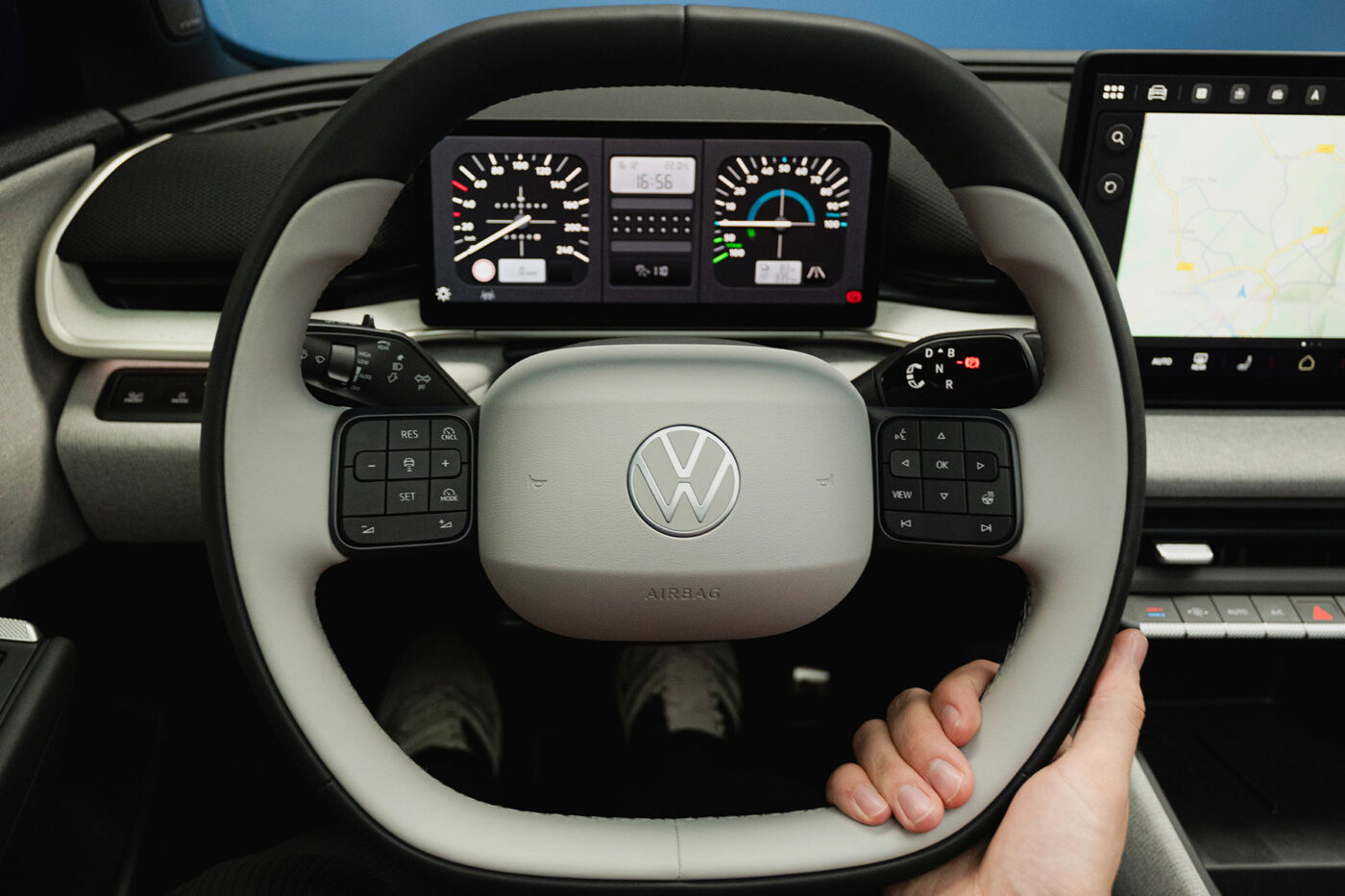
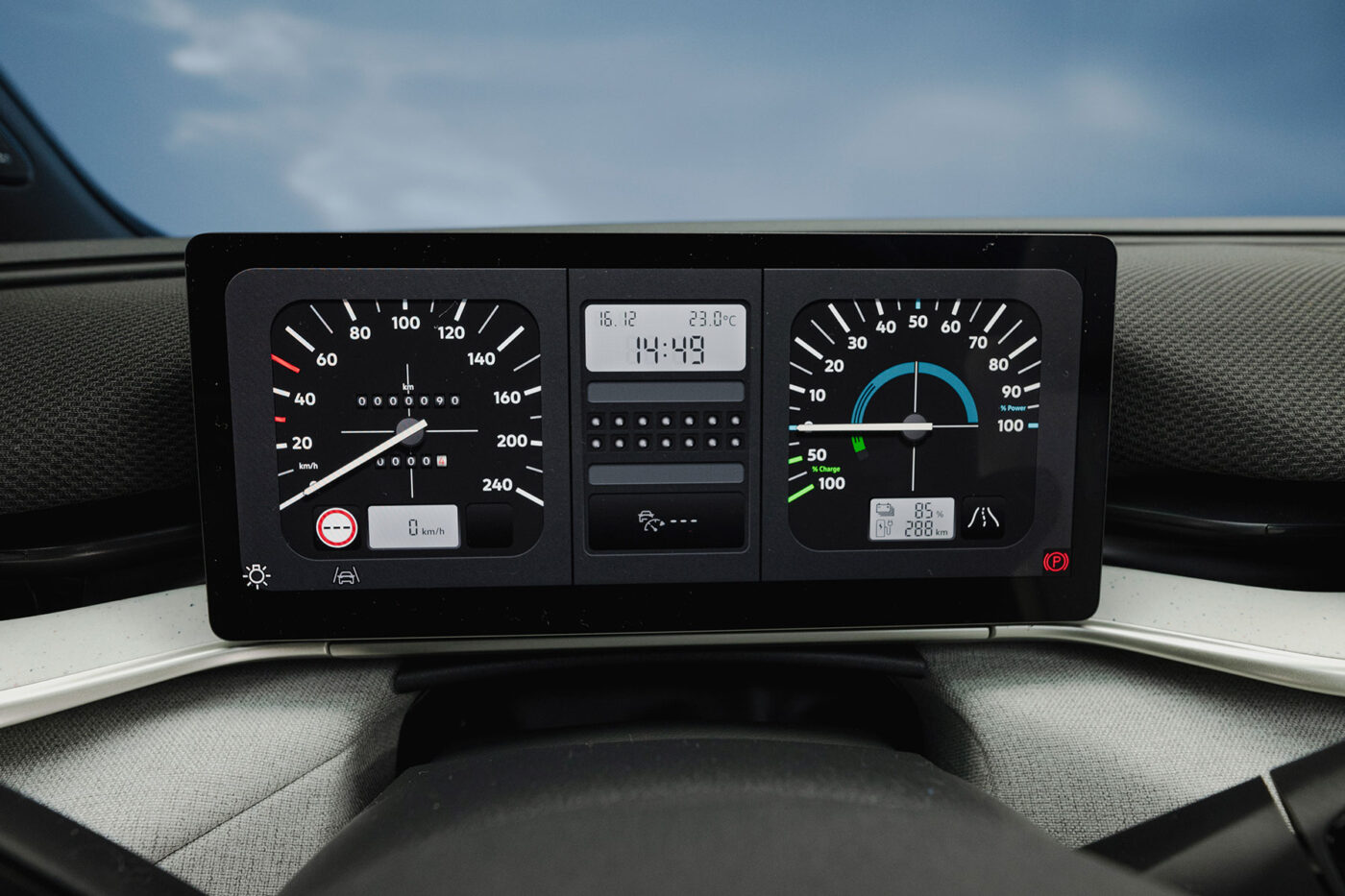
Los más nostálgicos también pueden cambiar la cabina a pantallas retro. En el ID. Polo "con sólo pulsar un botón en el volante o a través del sistema de infoentretenimiento, las pantallas digitales del salpicadero se transforman en vistas clásicas del Golf I de los años 80", afirma Volkswagen.
Sin embargo, lo realmente relevante es que el nuevo software de VW incorpora a bordo del ID funciones como la conducción con un solo pedal, los modernos asistentes de aparcamiento y, opcionalmente, una nueva generación de "Travel Assist". Polo. Más sobre ello en breve. Antes de eso, he aquí los datos generales del vehículo: desde diciembre, hemos sabido que el ID. Polo mide 4,05 x 1,82 x 1,53 metros (con una distancia entre ejes de 2,60 metros) y se presentará en un total de cuatro variantes de propulsión. La batería más pequeña se lanzará con 85 ó 99 kW de potencia motriz, mientras que la batería más grande se ofrecerá con 155 y 166 kW - en el caso de Volkswagen, el nivel de potencia de 166 kW se comercializará como el ID Polo GTI. En todos los casos, el motor es el APP290 desarrollado específicamente para los modelos de tracción delantera, que, de acuerdo con las convenciones de nomenclatura de VW, ofrece 290 Nm de par. El inversor también es completamente nuevo, denominado por VW "inversor de impulsos". Este componente también se ha desarrollado internamente y se fabricará internamente, lo que pretende contribuir a las ventajas de coste y a un precio de partida de unos 25.000 euros.
Pilas con química NMC o LFP
Además de las transmisiones, ahora también se confirman los datos sobre las dos versiones de batería. Desde la presentación del coche de exposición ID.2all en 2023, ha quedado claro que habrá dos baterías diferentes: una batería LFP para un precio de entrada bajo y una variante NMC para una autonomía de hasta 450 kilómetros. Las dos versiones de propulsión con 85 y 99 kW se ofrecerán de serie con la batería LFP, que proporciona 37 kWh de contenido energético neto utilizable - VW no revela el valor bruto. Según las cifras preliminares, esto debería permitir unas autonomías WLTP de hasta 300 kilómetros. Es probable que los valores exactos no estén disponibles hasta el inicio de la preventa, prevista para abril de 2026.
Según VW, la potencia máxima de carga de la batería LFP es de 90 kW, y la carga del diez al 80% tarda unos 27 minutos. Con un contenido energético neto de 37 kWh, esto significa que 25,9 kWh deben entrar en la batería en 27 minutos, lo que corresponde a una potencia de carga media de 58 kW. La carga con corriente alterna es posible a 11 kW, por lo que tardará menos de cuatro horas.
La batería NMC para una autonomía (preliminar) de 450 kilómetros tiene un contenido energético neto de 52 kWh. Para el concepto ID.2all, no se indicó en su momento el contenido energético, sólo la autonomía prevista. En aquel entonces, se estimó entre 55 y 60 kWh; en realidad, la batería es algo más pequeña. Aunque la autonomía preliminar se ha mantenido sin cambios hasta el modelo de producción, VW no ha cumplido del todo su anuncio anterior sobre el tiempo de carga: en 2023, se mencionaban 20 minutos; en realidad, son 23 minutos con una potencia de carga máxima de 130 kW.
| ID. Batería pequeña de polo | ID. Polo batería grande | |
|---|---|---|
| Conducir | FWD | FWD |
| Potencia | 85/99 kW | 155/166 kW |
| Par de apriete | 290 Nm | 290 Nm |
| Aceleración | - | - |
| Velocidad máxima | - | - |
| Gama WLTP | ca. 300 km | ca. 450 km |
| Batería | 37 kWh | 52 kWh |
| Capacidad de carga CC | 90 kW | 130 kW |
| Tiempo de carga DC 10-80% | 27 min | 23 min |
| Precio | - | - |
Para cargar la batería más grande del ID. Polo del diez al 80%, se necesitan 36,4 kWh de electricidad. Si se quiere transferir esta cantidad de energía en 23 minutos, se necesita una media de 95 kW. Sin embargo, con un pico de 130 kW, es probable que esta potencia sólo se mantenga brevemente si la media final es de 95 kW, o que la potencia descienda bruscamente tras una meseta más larga. VW aún no ha publicado la curva de carga exacta.
Ambas variantes de batería utilizan la célula unificada de PowerCo. Se trata de una célula prismática de un tamaño estandarizado que puede llenarse con diferentes químicas de célula en función del vehículo. Las celdas unificadas se instalan en los bajos de la carrocería según el principio de celda a paquete, lo que significa que se omite el nivel de módulo previo utilizado en otros vehículos MEB. La base del ID. Polo y sus modelos hermanos es la variante de tracción delantera de nuevo desarrollo del MEB+. Gracias al concepto de tracción delantera, el ID. Polo ofrece espacio para cinco personas y 435 litros de equipaje.
Más botones para funciones directas
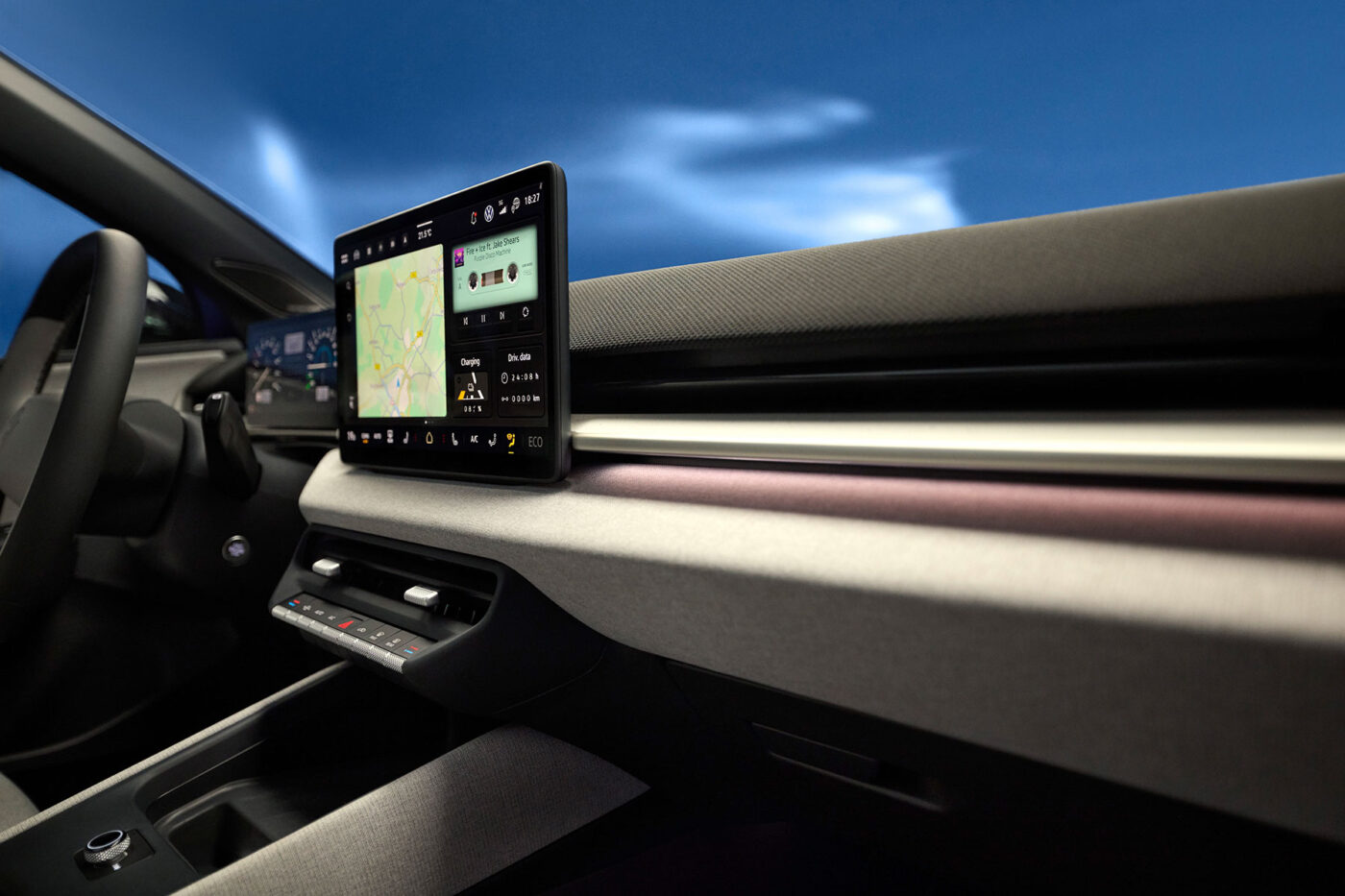
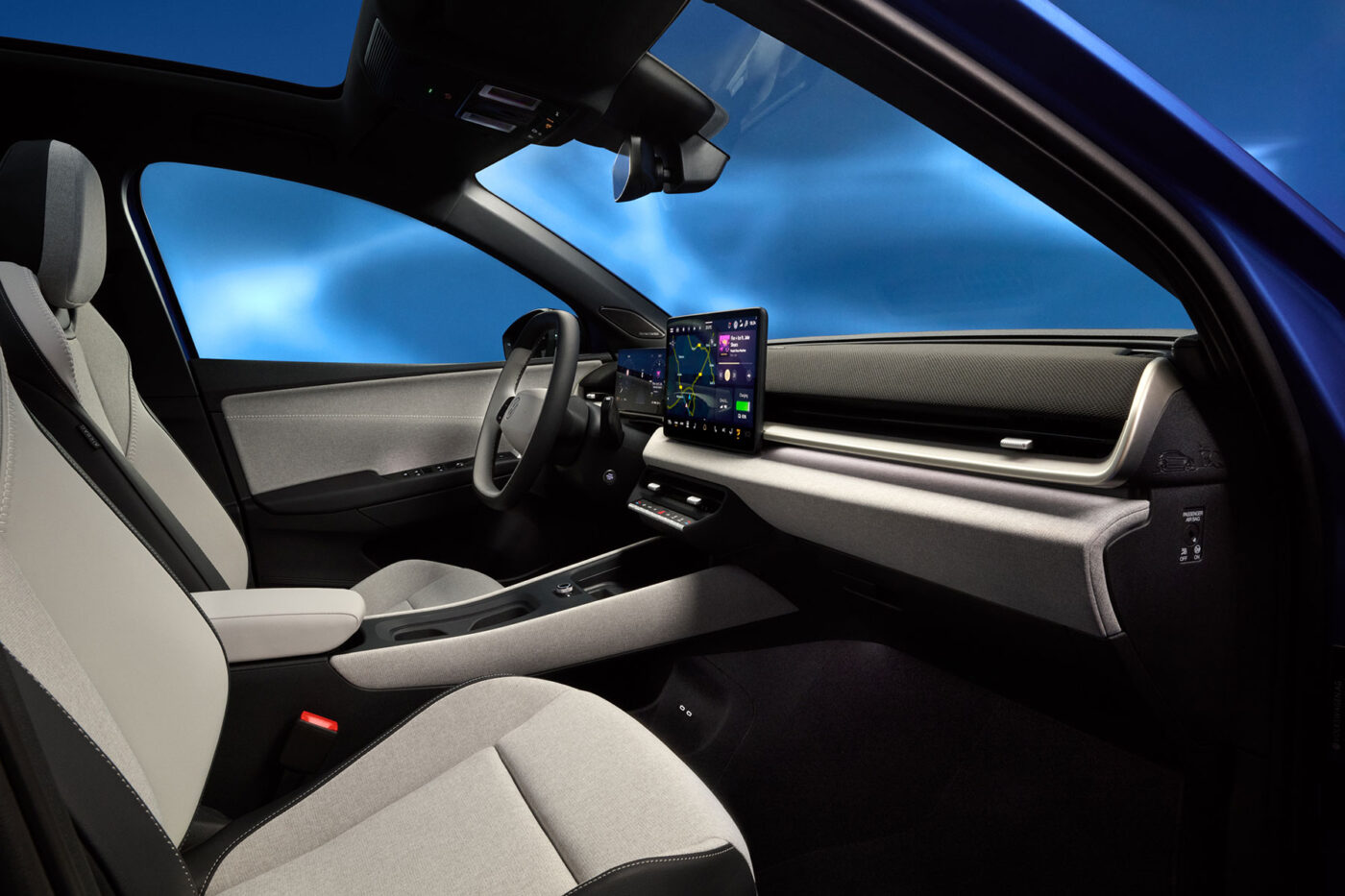
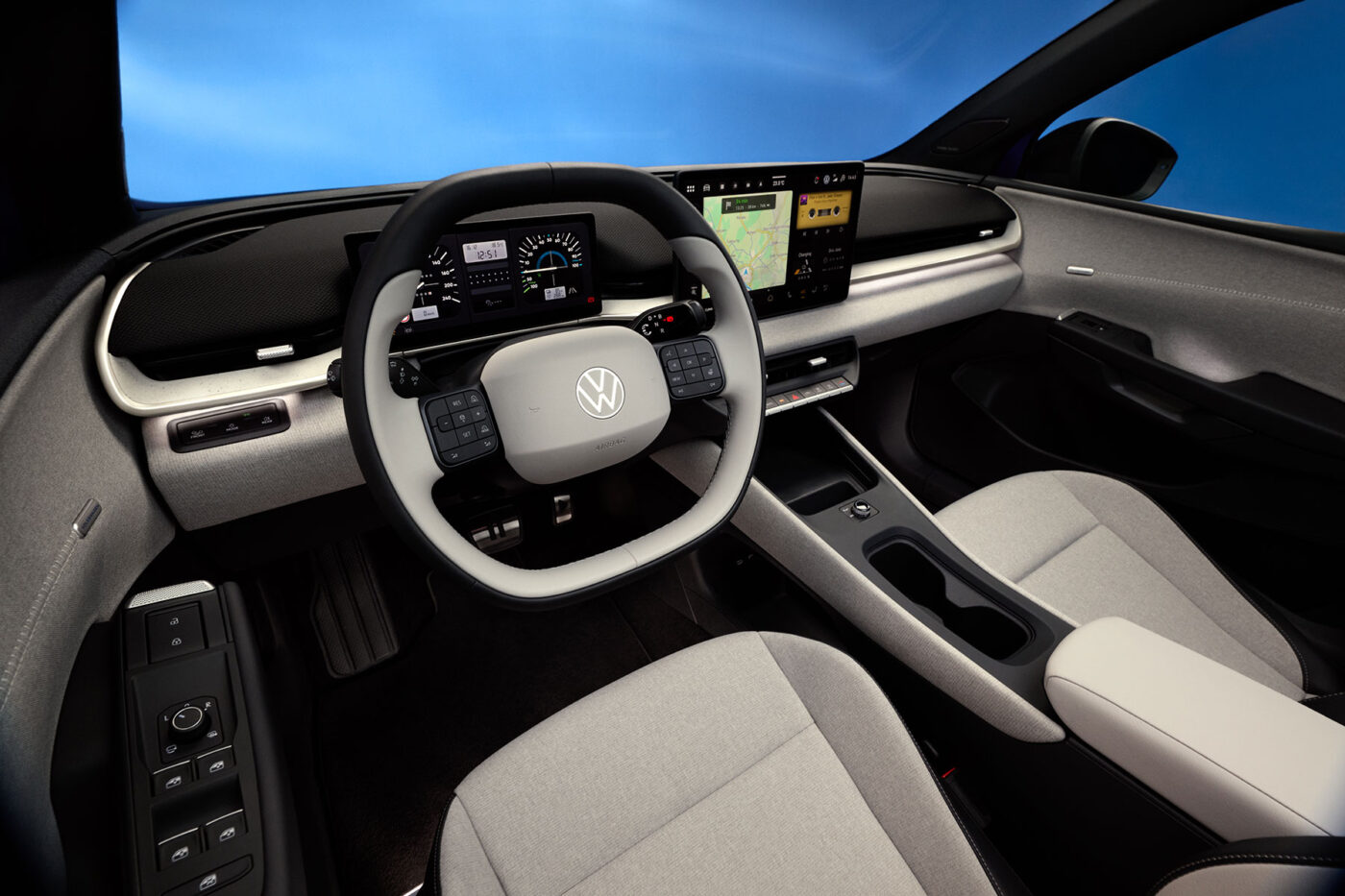
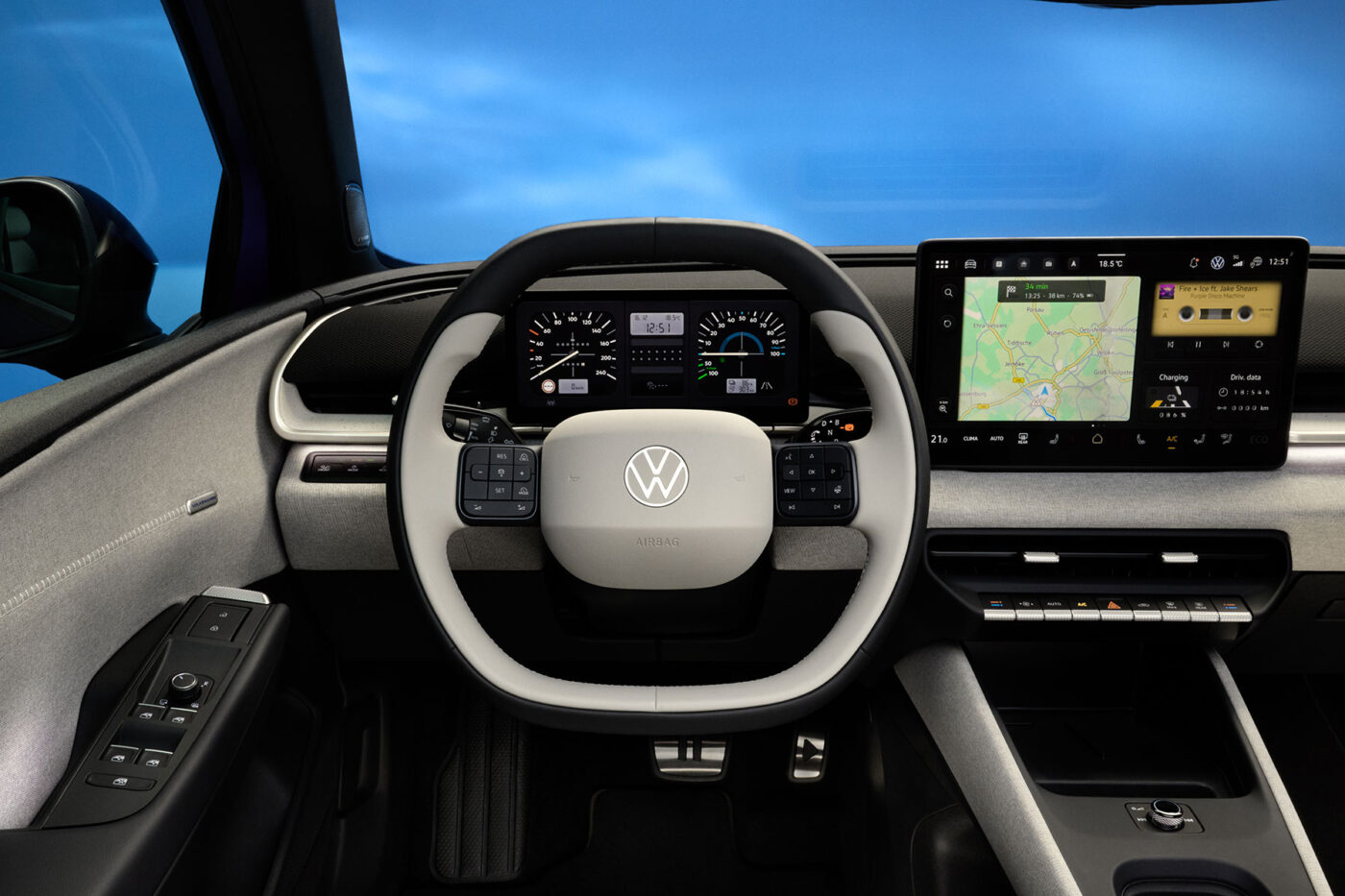
Hasta ahora, se sabía que el interior combinaría controles digitales y físicos. Volkswagen ya había anunciado un Digital Cockpit con una pantalla de 10,25 pulgadas emparejada con una pantalla táctil de 13 pulgadas montada en el centro para el infoentretenimiento. El fabricante ofrece ahora más detalles. Los clientes pueden esperar "pantallas con información clara y estructuras de menú ordenadas". Volkswagen también anuncia más botones para las funciones directas, un volante con botones de control claramente definidos y la adopción de patrones de manejo familiares de VW.
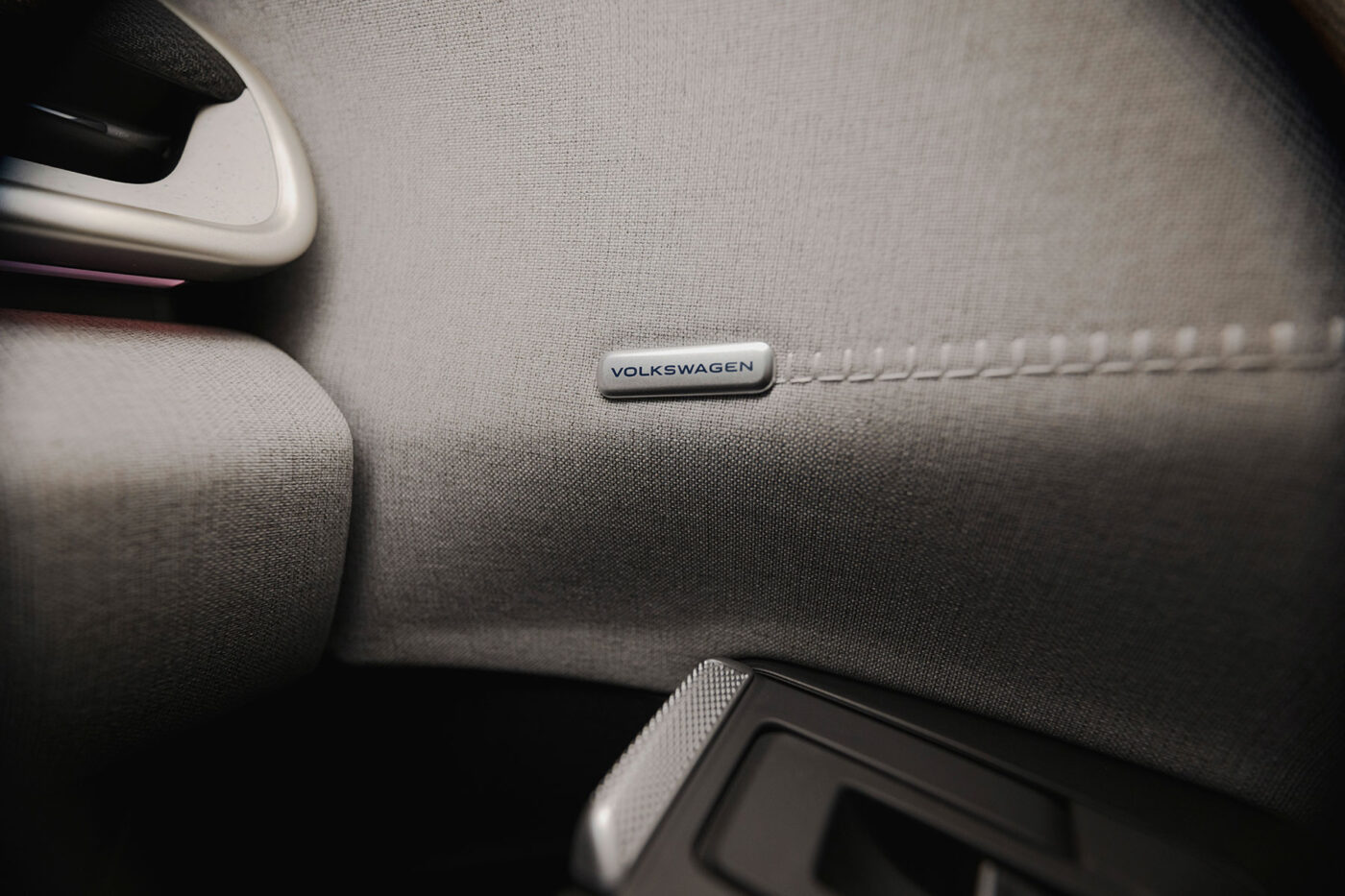
Además, el nuevo lenguaje de diseño "Pure Positive" incluye, entre otras cosas, superficies recubiertas de tela en el salpicadero y las inserciones de las puertas, así como una sensación háptica uniforme en todas las superficies, botones, diales y tiradores. El objetivo es crear un ambiente acogedor y agradable. En palabras del jefe de diseño de Volkswagen, Andreas Mindt: "El nuevo ID. Polo es un amigo asequible para la vida cotidiana. Como siempre ha sido el Polo, pero ahora eléctrico". Mindt continúa: "Hemos creado un interior que se siente como un amigo desde el primer contacto. Los botones físicos claros aportan estabilidad y confianza, los materiales cálidos lo hacen atractivo y los detalles encantadores, como las nuevas vistas retro de los instrumentos, muestran el guiño típico de Volkswagen."
Vista retro con sólo pulsar un botón
La vista retro aparece pulsando un botón en el volante o a través del sistema de infoentretenimiento. Las pantallas digitales del salpicadero se transforman entonces en vistas clásicas del Golf I de los años ochenta. En general, Volkswagen favorece una orientación horizontal de la arquitectura del salpicadero: las dos pantallas mencionadas conforman la nueva disposición. Están dispuestas a lo largo de una única línea de visión y "los gráficos son de alta resolución y precisos".
Por separado, en una franja situada debajo de la pantalla de infoentretenimiento, los desarrolladores de Volkswagen han integrado botones para las funciones de climatización central y el interruptor de las luces de emergencia. El volante multifunción también es completamente nuevo, con sus campos de botones claramente estructurados. Y: entre la bandeja del smartphone y los portavasos, hay un mando giratorio de fácil acceso tanto para el conductor como para el acompañante, que se utiliza para el control del audio. Ajusta el volumen y también permite cambiar las pistas y emisoras mediante una función de pista. Volkswagen también describe el "ID.Light" como significativamente más desarrollado: por primera vez, la banda luminosa de la zona inferior del parabrisas se extiende no solo a lo ancho del cuadro de instrumentos, sino ahora también a las puertas delanteras.
ID. El Polo admite la conducción con un solo pedal
Gracias a una nueva versión de software, el ID. Polo también accede a la tercera generación del "Asistente de viaje", que en el futuro reconocerá los semáforos en rojo y las señales de stop. La conducción con un solo pedal también entra en el mundo de los modelos ID. Kai Grünitz, miembro del Consejo de Dirección de la marca Volkswagen responsable de Desarrollo Técnico, está convencido: "Nuestra nueva arquitectura interior, que comienza con el nuevo ID. Polo, eleva la experiencia del cliente a un nuevo nivel: con líneas limpias, materiales de alta calidad y un entorno de manejo intuitivo con botones físicos y pantallas de nueva estructura. Además, a partir del ID. Polo en adelante, nuestra próxima generación de software ofrecerá notablemente más confort y funciones a nuestros clientes".
Es posible que los clientes tengan que optar inicialmente por versiones más caras
Hasta ahora no estaba claro si las cuatro versiones de tracción del ID. Polo estarían disponibles directamente al inicio de la preventa en abril de 2026. Handelsblatt ha podido saber ahora en círculos de concesionarios que, si bien el VW ID. Polo será configurable a partir de abril, al parecer los clientes sólo podrán adquirir inicialmente las versiones más potentes y caras. Concretamente se menciona el ID. Polo con 155 kW de potencia y la batería más grande. Esta variante cuesta bastante más de 25.000 euros, aunque al parecer los concesionarios aún no disponen de precios concretos.
Según Handelsblatt, los conocedores del sector suponen que es probable que las versiones disponibles inicialmente superen con creces los 25.000 euros. Las especulaciones apuntan más bien hacia los 30.000 euros y más. Se espera que la versión de entrada de gama, que define el precio y en la que se basa la promesa anunciada de 25.000 euros, llegue más adelante. La propia Volkswagen también confirmó a Handelsblatt, a petición suya, que el ID. Polo con el precio de entrada sólo podrá pedirse en una fecha posterior. La razón aducida es la disponibilidad más tardía de la batería más barata. Sin embargo, las entregas diferirían sólo en "unas pocas semanas", dijo el fabricante. Los primeros ID. Polo se entregarán a partir de finales de verano.
volkswagen-newsroom.com, handelsblatt.com
Este artículo fue publicado por primera vez por Cora Werwitzke para la edición alemana de electrive.
2 Comentarios