

Xiaomi renueva su primera berlina eléctrica de batería, el SU7
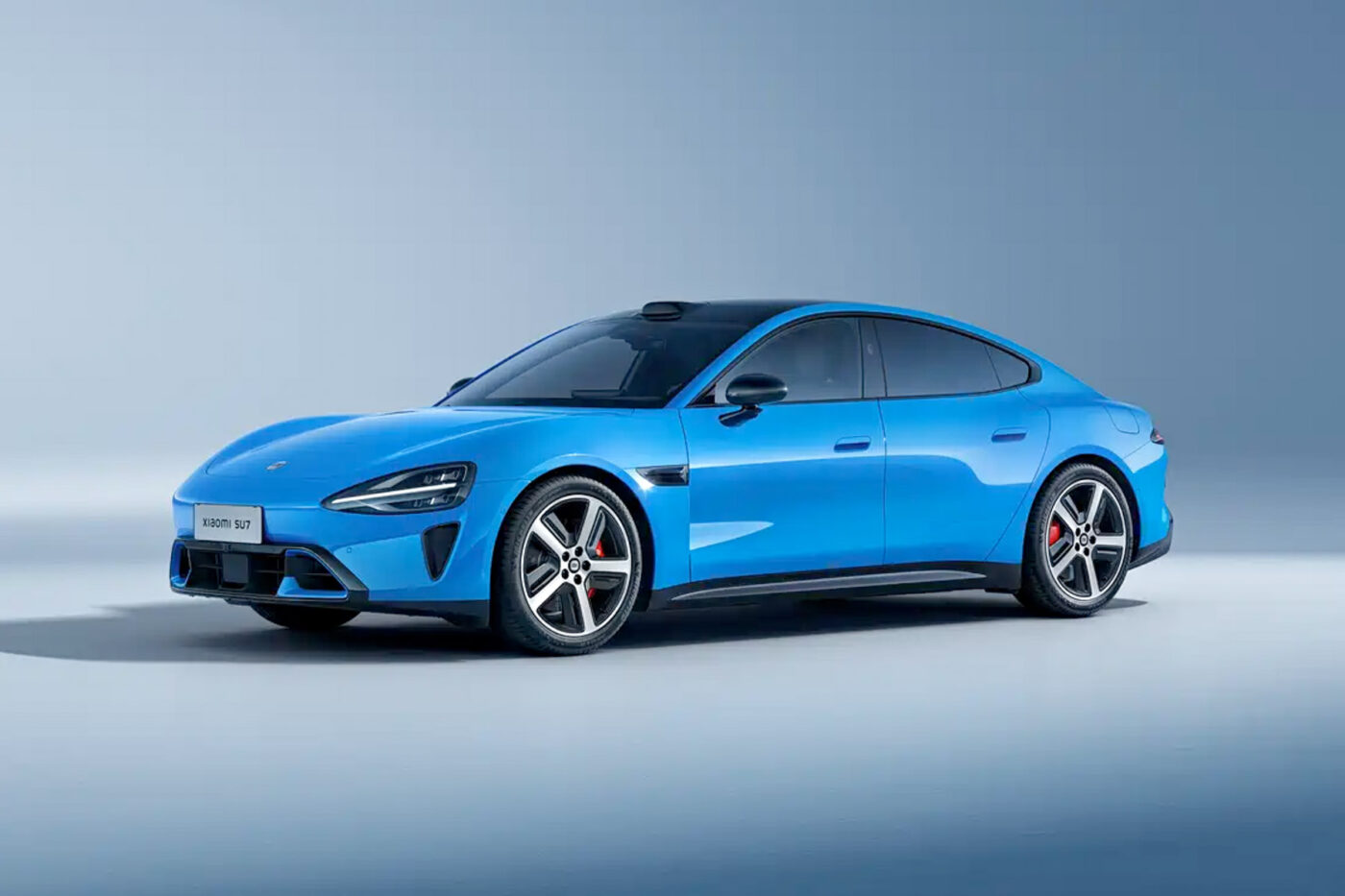
El SU7 ya está disponible para pedidos anticipados en China, a partir de 229.900 yuanes, equivalentes a unos 28.200 euros. La versión de gama alta tiene un precio de 309.900 yuanes (casi 40.000 euros). Dependiendo de la variante, esto representa un aumento de 10.000 a 14.000 yuanes (unos 1.200 a 1.700 euros) en comparación con los precios anteriores. Sin embargo, es habitual en China que los fabricantes fijen precios ligeramente superiores durante las fases de pedido anticipado para asegurarse de que los primeros clientes reciban los primeros vehículos. Los precios suelen estabilizarse durante las ventas regulares, pudiendo volver a los niveles anteriores para el SU7.
Los clientes que ya hayan pedido el SU7 "antiguo" podrán pasarse al modelo actualizado sin costes adicionales hasta el 10 de enero. El lanzamiento oficial al mercado del renovado Xiaomi SU7 está previsto para abril.
Aunque la SU7 mantiene su diseño actual por dentro y por fuera (con pequeños ajustes, por supuesto), los cambios bajo la carrocería son mucho más amplios, sobre todo en la batería y el tren motriz. Anteriormente, la versión base contaba con una batería de 400 voltios con celdas LFP, mientras que el modelo Max utilizaba una batería NMC con un voltaje de sistema de 871 voltios. Con esta actualización, el voltaje de la batería base ha aumentado a 752 voltios, mientras que el modelo Max alcanza ahora los 897 voltios, según los medios chinos. Esta actualización también mejora el rendimiento de la carga: el modelo "antiguo" podía recargar suficiente energía para recorrer hasta 510 kilómetros (CLTC) en 15 minutos, pero Xiaomi afirma que la versión actualizada puede alcanzar ahora hasta 670 kilómetros en el mismo tiempo.
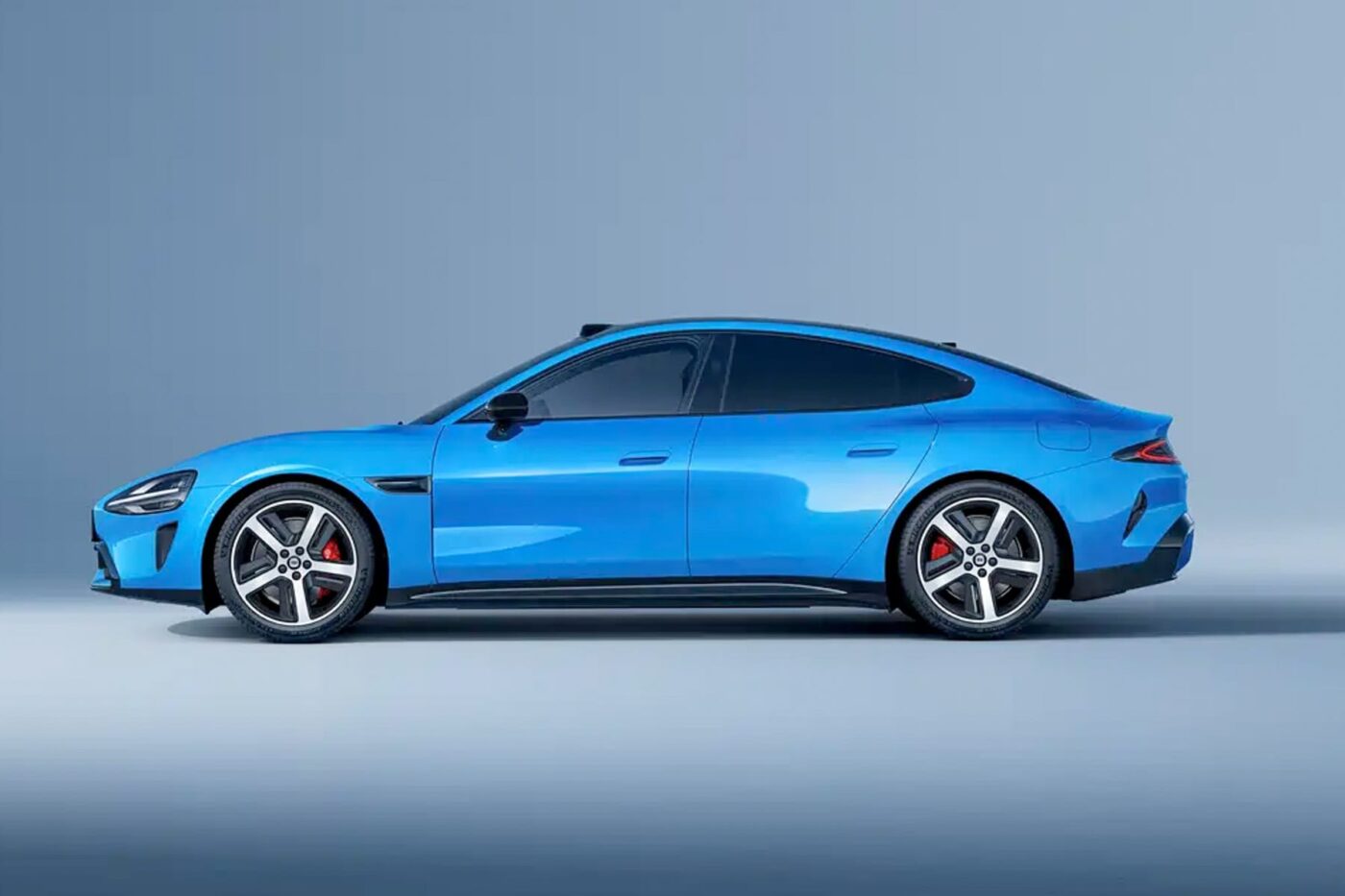
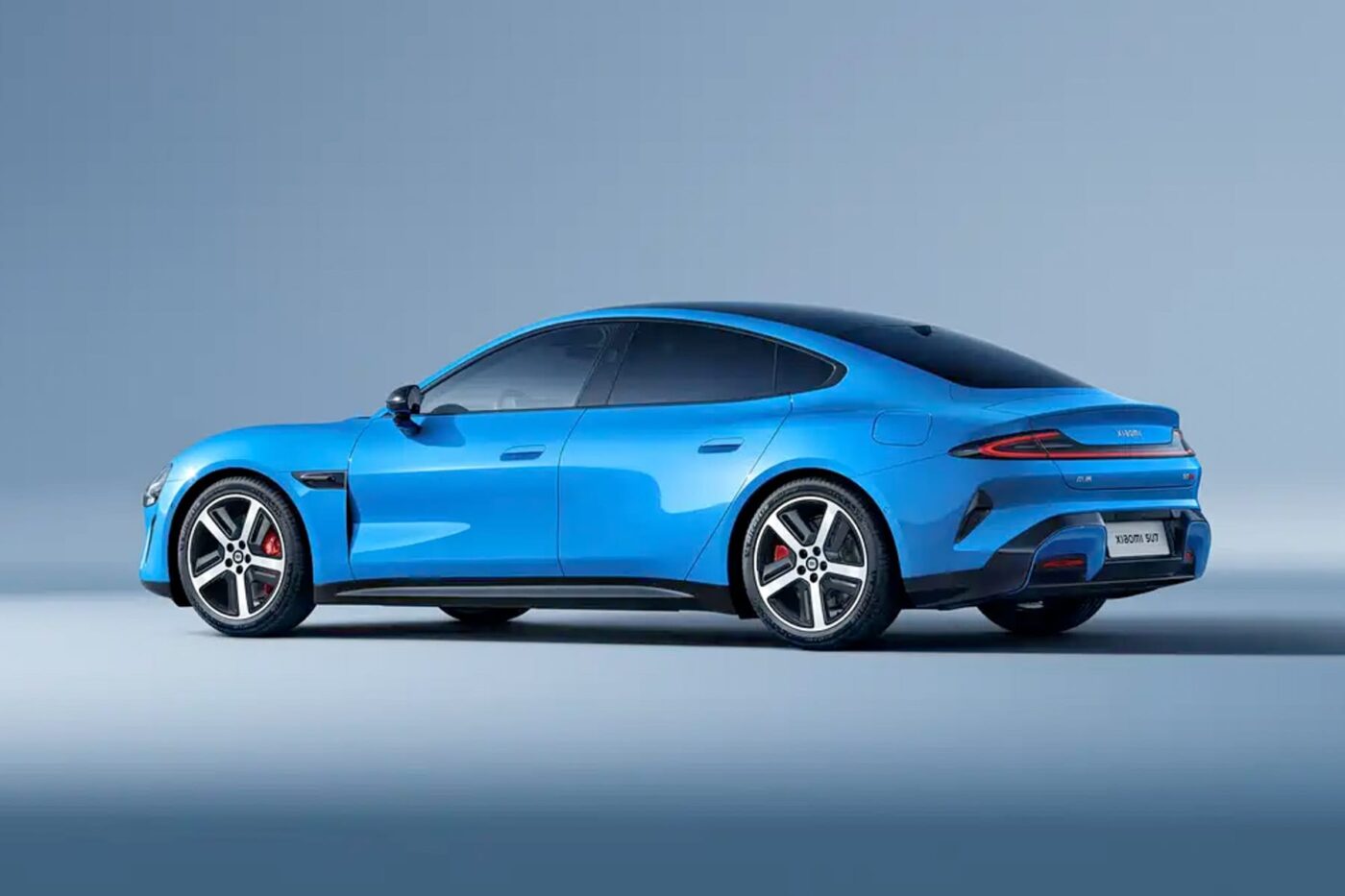
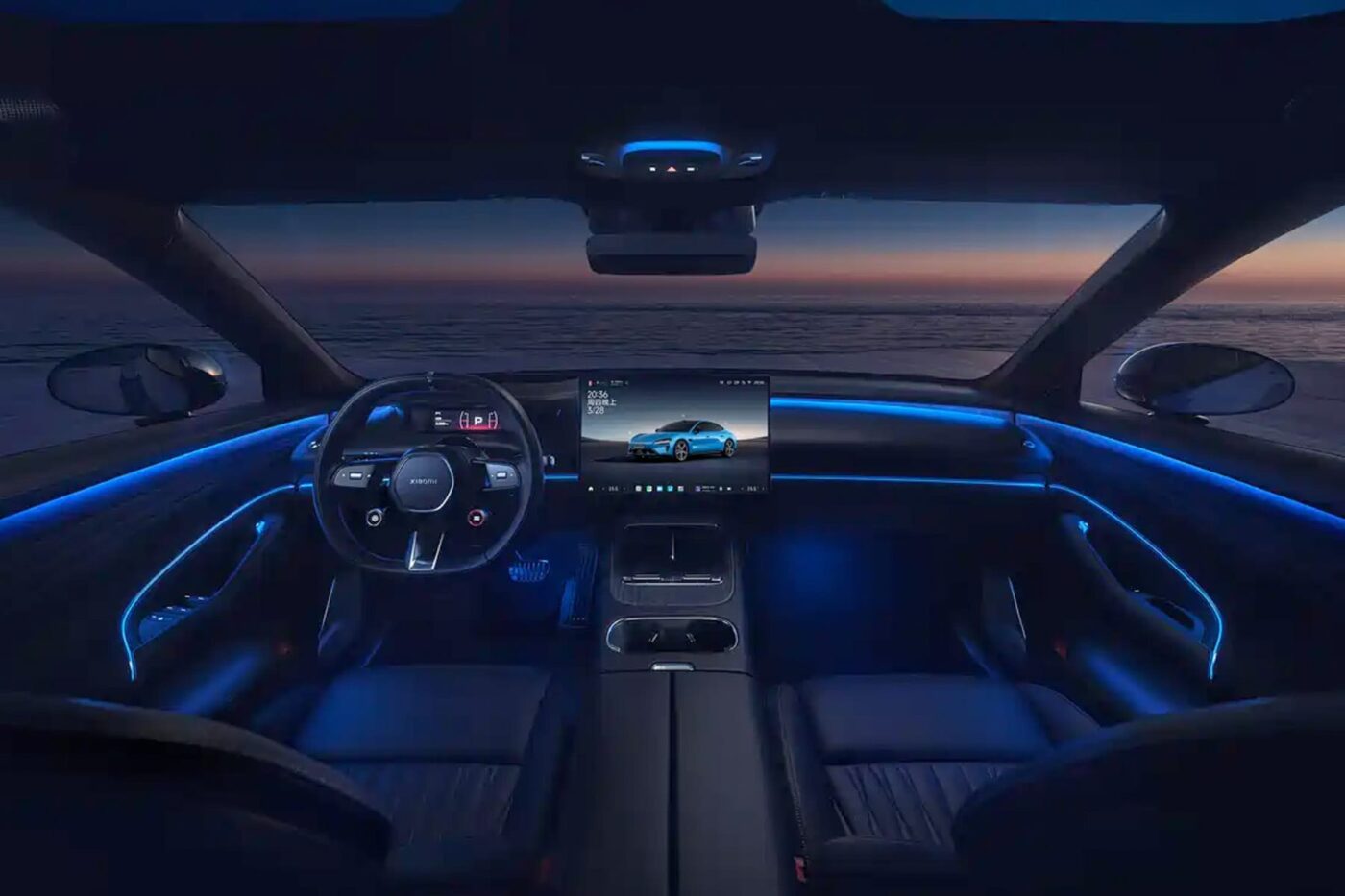
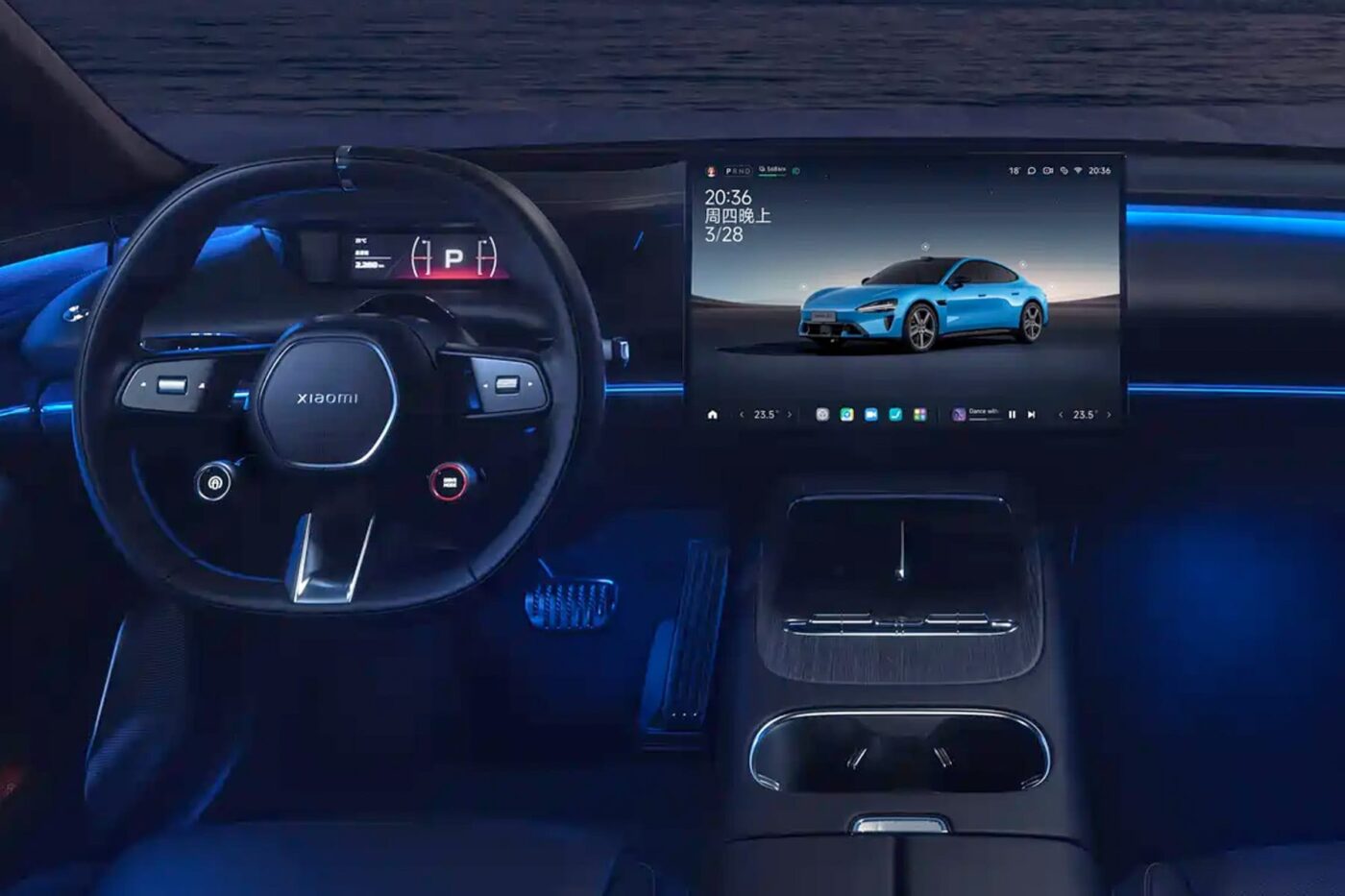
La autonomía de todas las variantes de la batería también ha mejorado, aunque no de forma tan espectacular: el modelo estándar alcanza ahora los 720 kilómetros en el ciclo de pruebas chino (antes 700 km), la versión Pro aumenta a 902 kilómetros (antes 830 km) y el modelo Max de alto rendimiento logra 835 kilómetros en lugar de 800 kilómetros. Xiaomi no ha especificado si estas mejoras en la autonomía se deben al aumento de la capacidad energética, a las nuevas cadenas cinemáticas o a ambas cosas: no se han revelado los tamaños de las baterías.
Sin embargo, está claro que las tres variantes incorporan ahora nuevos motores. Anteriormente, los modelos estaban equipados con unidades denominadas V6 y V6s, inspiradas en la potencia de los motores de gasolina V6. Ahora, todas las variantes utilizan los V6s Plus de nuevo desarrollo. En la versión estándar de tracción trasera, la potencia ha aumentado de 220 a 235 kW (de 299 a 320 CV), mientras que el SU7 Max ofrece ahora 507 kW (frente a los 495 kW), o 690 CV en la antigua medida. Para mejorar la tracción, los neumáticos traseros son ahora de 265 milímetros de ancho en lugar de 245 milímetros, mientras que los delanteros se mantienen en 245 milímetros. Además, se ha mejorado la suspensión: antes, sólo el modelo Max de la gama superior disponía de suspensión neumática, pero ahora las tres variantes vienen de serie con suspensión neumática de doble cámara y amortiguadores adaptativos.
La extensión de la tecnología de primer nivel a todas las variantes también es evidente en los sistemas de asistencia al conductor y en el hardware necesario. Anteriormente, los sensores Lidar sólo estaban disponibles en las variantes Pro y Max, combinados con una potencia de cálculo ADAS de 508 TOPS. Ahora, todas las versiones cuentan con 700 TOPS de potencia de cálculo para los sistemas de conducción autónoma. Esto representa una mejora significativa, sobre todo para el modelo estándar, que antes carecía de Lidar y estaba equipado con sensores más sencillos y sólo 84 TOPS de potencia de cálculo.
Xiaomi también ha abordado los problemas de seguridad planteados inicialmente sobre el SU7: ahora se han mejorado los frenos en toda la gama, se ha reforzado la estructura de la carrocería y el número de airbags ha aumentado de siete a nueve. Además, todas las cerraduras de las puertas cuentan ahora con una fuente de alimentación de emergencia independiente, lo que garantiza que las puertas puedan seguir desbloqueándose aunque falle el sistema principal.
Sigue sin estar claro si estas actualizaciones se introducirán en el modelo SUV estrechamente relacionado, el YU7, y cuándo. Hace sólo unos días, Xiaomi anunció sus planes de entregar 550.000 vehículos este año, frente a las 410.000 unidades de 2025.

0 Comentarios