

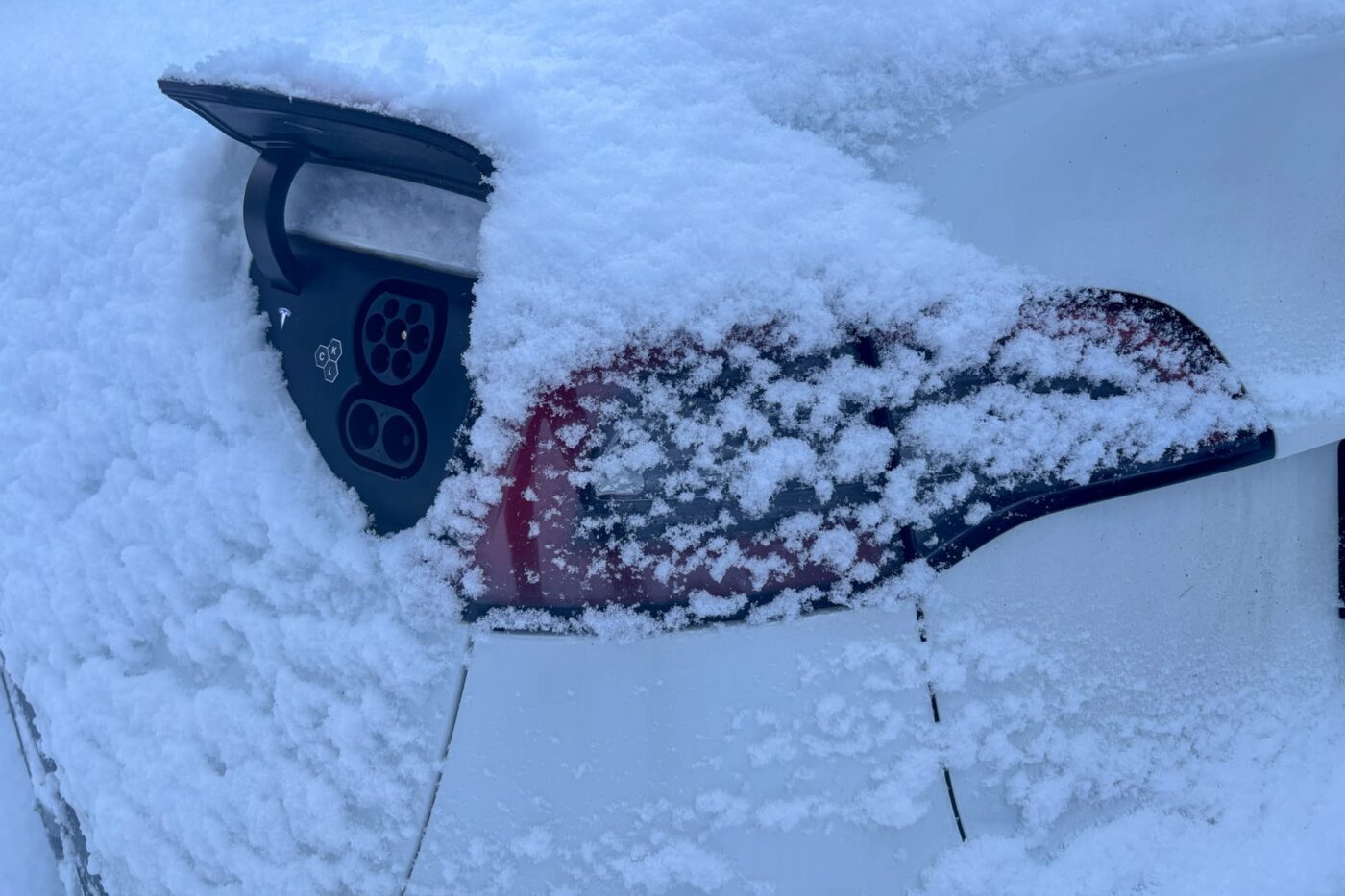
Conducir vehículos eléctricos en invierno: lo que debe saber
Durante décadas, la conducción invernal ha seguido unas rutinas establecidas: añadir anticongelante al líquido limpiaparabrisas, montar neumáticos de invierno y utilizar el llamado gasóleo de invierno entre mediados de noviembre y finales de febrero. Este combustible es resistente al frío, pero su consumo es ligeramente superior.
Los vehículos eléctricos no tienen una contrapartida equivalente. La electricidad sigue siendo la misma independientemente de la estación del año. Sin embargo, el tiempo frío sigue afectando al uso diario de los VE, repercutiendo en la autonomía, el rendimiento de carga y la energía necesaria para las funciones de calefacción y confort. Con algo de preparación y el enfoque adecuado, estos efectos pueden mitigarse eficazmente. Es importante señalar que algunos de estos aspectos dependen del equipamiento del vehículo y deben tenerse en cuenta a la hora de comprarlo. Hemos recopilado los consejos más importantes y los hemos clasificado en tres áreas clave, aunque algunos pueden aplicarse a varias categorías.
Batería y carga
Precalentamiento del vehículo eléctrico es una de las medidas más eficaces para aumentar el confort y minimizar la pérdida de autonomía, siempre que el VE siga conectado al wallbox. Este proceso calienta el interior -y, según el modelo, la batería- antes de la salida, sin extraer energía de la batería de tracción. Puede activarse manualmente en el vehículo, a través de una app, o mediante una programación fija. Una ventaja añadida: elimina la necesidad de rascar el hielo y facilita la retirada de la nieve.
Una plaza de aparcamiento en un garaje o bajo un carport también puede evitar que la batería y el interior se enfríen demasiado durante la noche. Incluso unos pocos grados de diferencia de temperatura pueden reducir la energía necesaria para calentar y calentar la batería.
Utilizando preacondicionamiento de la batería durante la conducción aumenta ligeramente el consumo, pero puede ahorrar varios minutos de tiempo de carga en un cargador rápido de CC al llevar la temperatura de la batería a su rango óptimo. Normalmente, el preacondicionamiento se inicia automáticamente cuando se planifica una parada de carga en el sistema de navegación, aunque algunos modelos permiten la activación manual. Lamentablemente, no todos los modelos del mercado ofrecen una o ambas opciones.
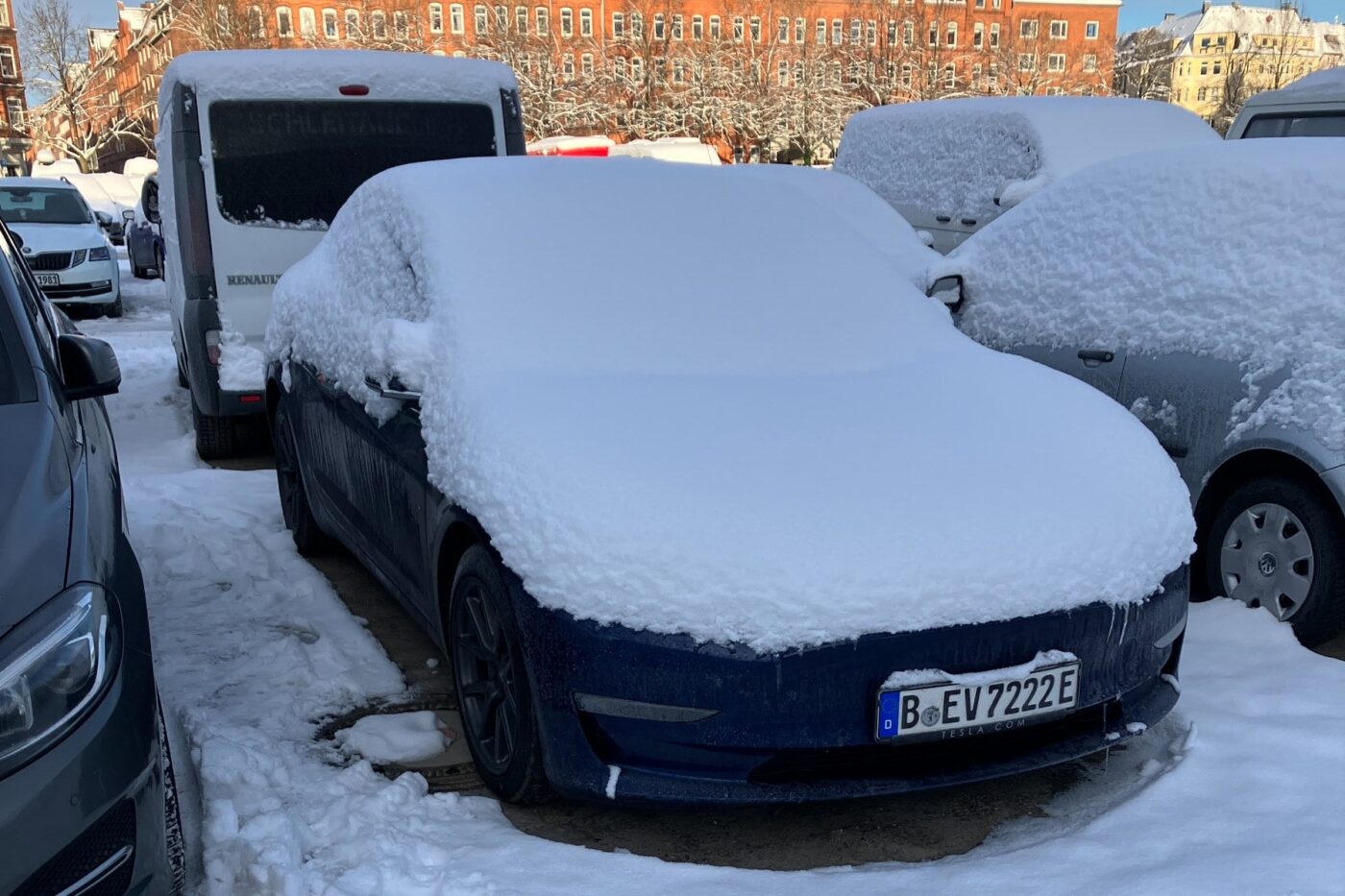
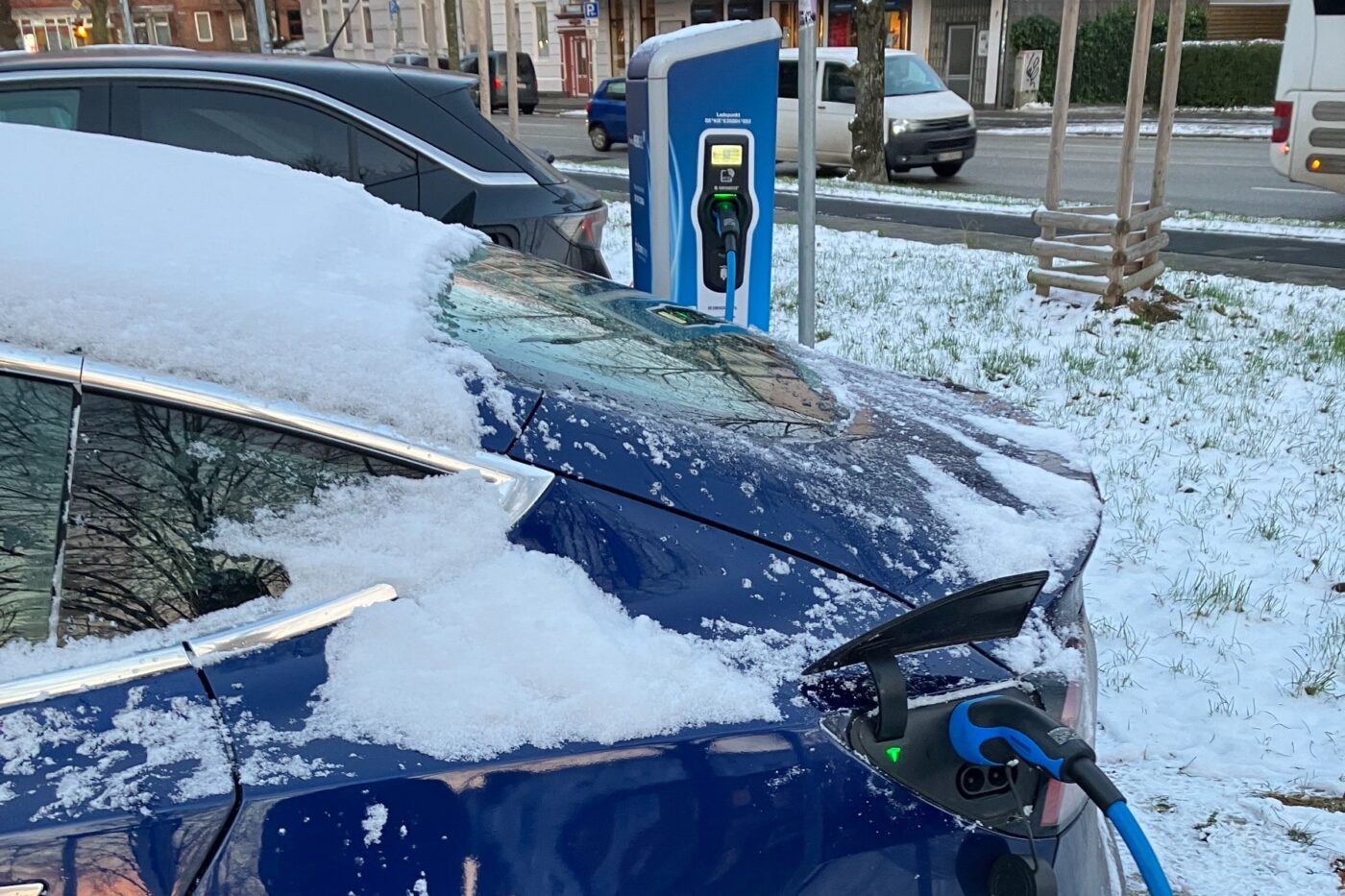
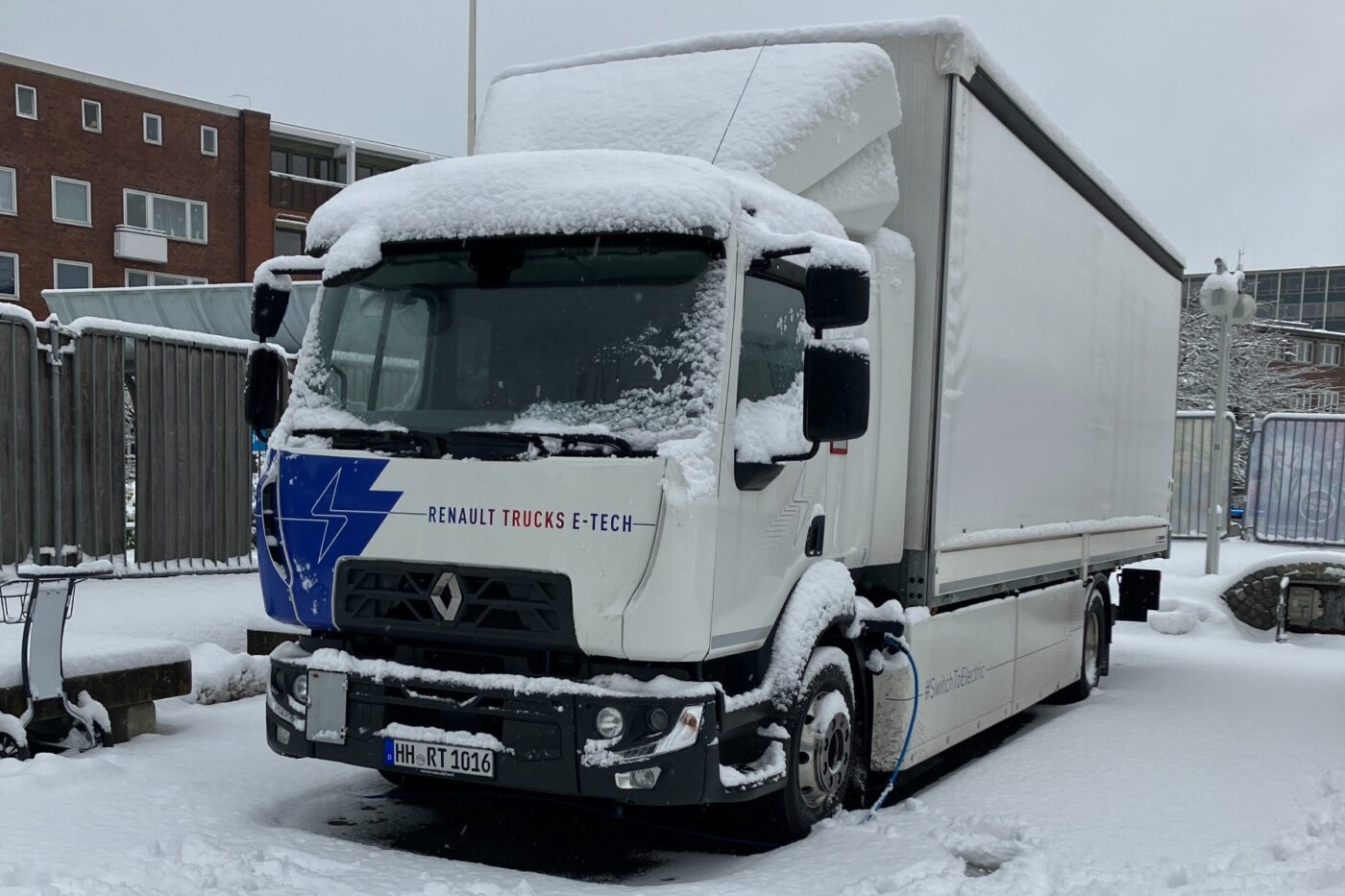
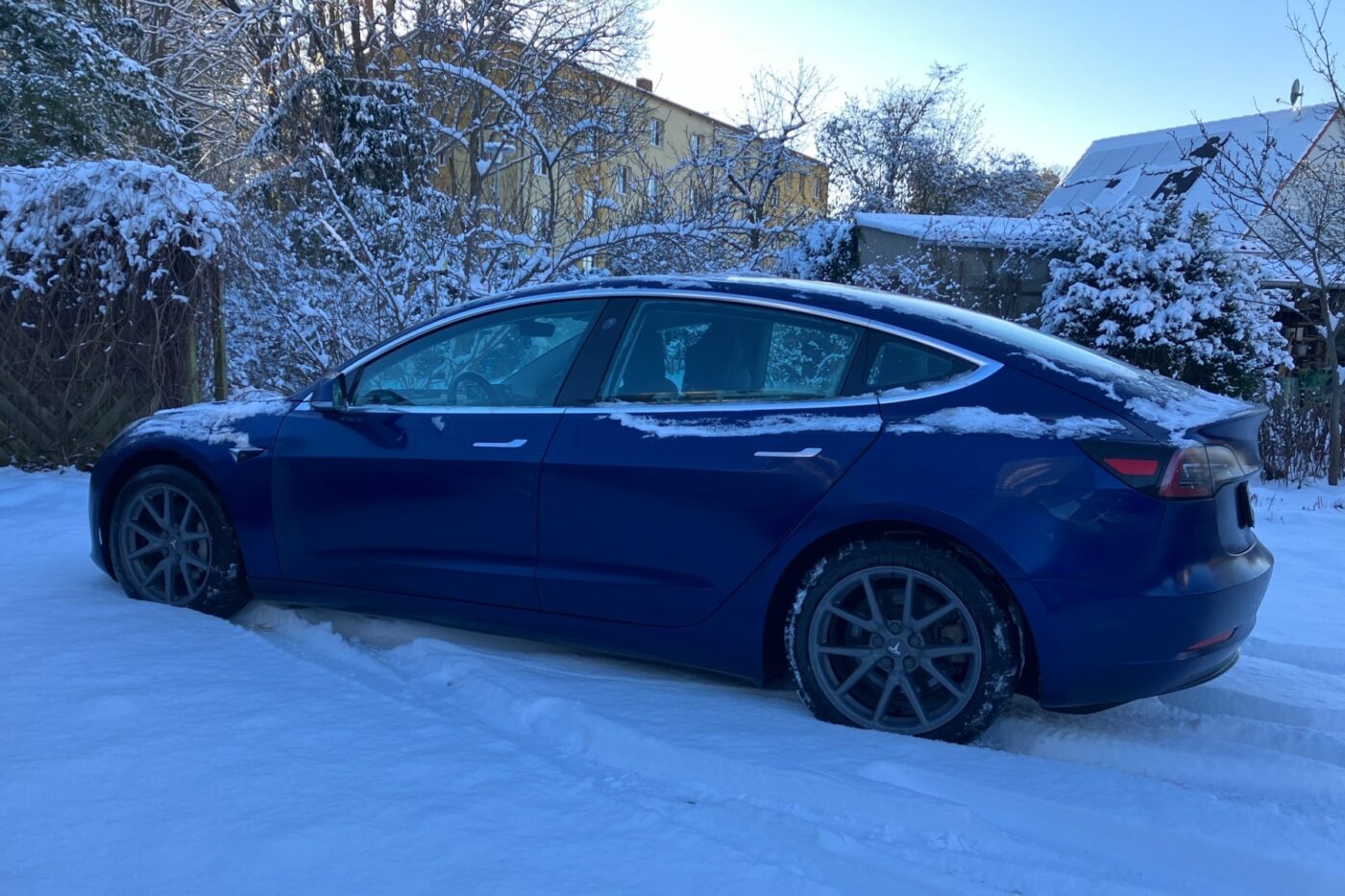
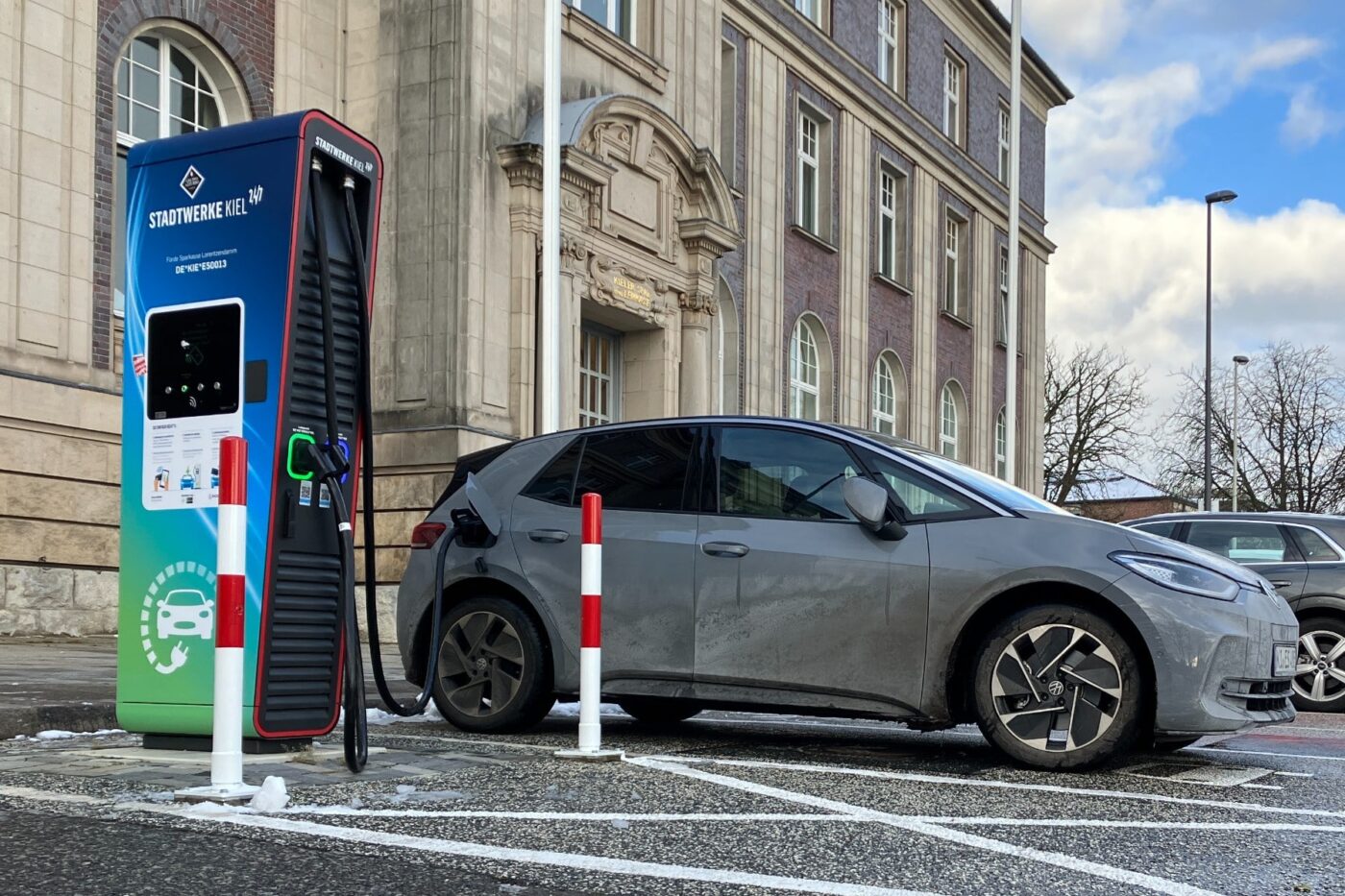
Cargar el vehículo eléctrico inmediatamente después de un viaje largotambién es recomendable. El vehículo y la batería ya están a temperatura de funcionamiento, lo que puede mejorar el rendimiento de la carga y reducir las pérdidas de carga.
La temperatura de la batería de alto voltaje desempeña un papel fundamental en la eficiencia, la autonomía disponible y el comportamiento de carga de un vehículo eléctrico. Las baterías rinden mejor dentro de un rango de temperatura específico, conocido como "zona de confort", que se sitúa entre los 20 y los 40 grados centígrados. Si la batería está demasiado fría, aumentan las pérdidas y el sistema de gestión de la batería limita la potencia de carga para proteger las celdas. Sin embargo, cuando la batería se encuentra dentro de la ventana de temperatura óptima, la energía puede absorberse y liberarse con mayor eficacia. Esto repercute positivamente en los tiempos de carga y la autonomía.
Determinar si la batería se encuentra dentro de la ventana de temperatura óptima suele ser difícil sin herramientas técnicas adicionales, como un dongle OBD. Pocos fabricantes proporcionan esta importante información a los clientes en el vehículo.
Confort y alcance
Aclimatar el interior -ya sea mediante refrigeración o calefacción- conlleva un consumo de energía relativamente elevado, sobre todo al principio del viaje. Cuanto mayor sea la distancia recorrida, menos significativo será este hecho en términos de consumo global.
En este contexto, la bomba de calor se menciona con frecuencia como un componente clave para reducir el consumo de energía. En los viajes largos, demuestra sus virtudes al utilizar menos energía para calentar el interior en comparación con los sistemas de calefacción convencionales. Sin embargo, en viajes cortos, su eficacia es limitada.
Para distancias más cortas, utilice el calefactores de asiento y volante puede ser más eficiente. La producción de calor dirigida consume menos energía que calentar todo el habitáculo. Si el vehículo eléctrico se precalienta antes de la salida, como ya se ha mencionado, el interior ya está confortablemente caliente. En viajes cortos, puede que ni siquiera sea necesaria una calefacción intensiva. En consecuencia, es aconsejable ajustar el temperatura interior moderada y, si es posible, caliente sólo la zona del conductor.
Estilo de conducción y seguridad
Casi todos los vehículos eléctricos incorporan un Modo Eco, que limita la potencia de calentamiento y garantiza una respuesta más suave del pedal del acelerador. Esto último reduce o incluso evita el patinaje de las ruedas, ahorrando energía -aunque sea mínimamente- y, lo que es más importante, aumentando la seguridad de conducción en carreteras resbaladizas.
Si es posible, opte por un menor nivel de regeneración al conducir sobre nieve o hielo. Una regeneración excesiva puede afectar negativamente al comportamiento al volante en superficies resbaladizas. Algunos fabricantes ofrecen regeneración adaptativa, y conviene consultar el manual del propietario para saber si debe desactivarse en esas condiciones. Algunos modelos ofrecen incluso un modo específico para nieve o invierno. En carreteras resbaladizas, suele ser más seguro controlar la deceleración manualmente que confiar en el software.
El descenso de las temperaturas reduce presión de los neumáticos, lo que aumenta la resistencia a la rodadura y el consumo de energía. Por este motivo, la presión de los neumáticos debe comprobarse con regularidad. Un ligero ajuste de entre 0,1 y 0,2 bares por encima de la presión mínima puede mejorar la eficacia y la estabilidad de la conducción, siempre que se mantenga dentro de las especificaciones del fabricante.
Un mito persistente es que los consumidores auxiliares influyen significativamente en la autonomía. Sin embargo, elementos como la radio, los faros o los limpiaparabrisas sólo tienen un efecto mínimo en el consumo.
A pesar de todos estos consejos, la visibilidad y la seguridad deben primar siempre sobre un posible ahorro de energía que quizá sólo amplíe la autonomía en unos pocos kilómetros. Manténgase seguro durante la estación fría y disfrute de unos desplazamientos sin contratiempos.


3 Comentarios