

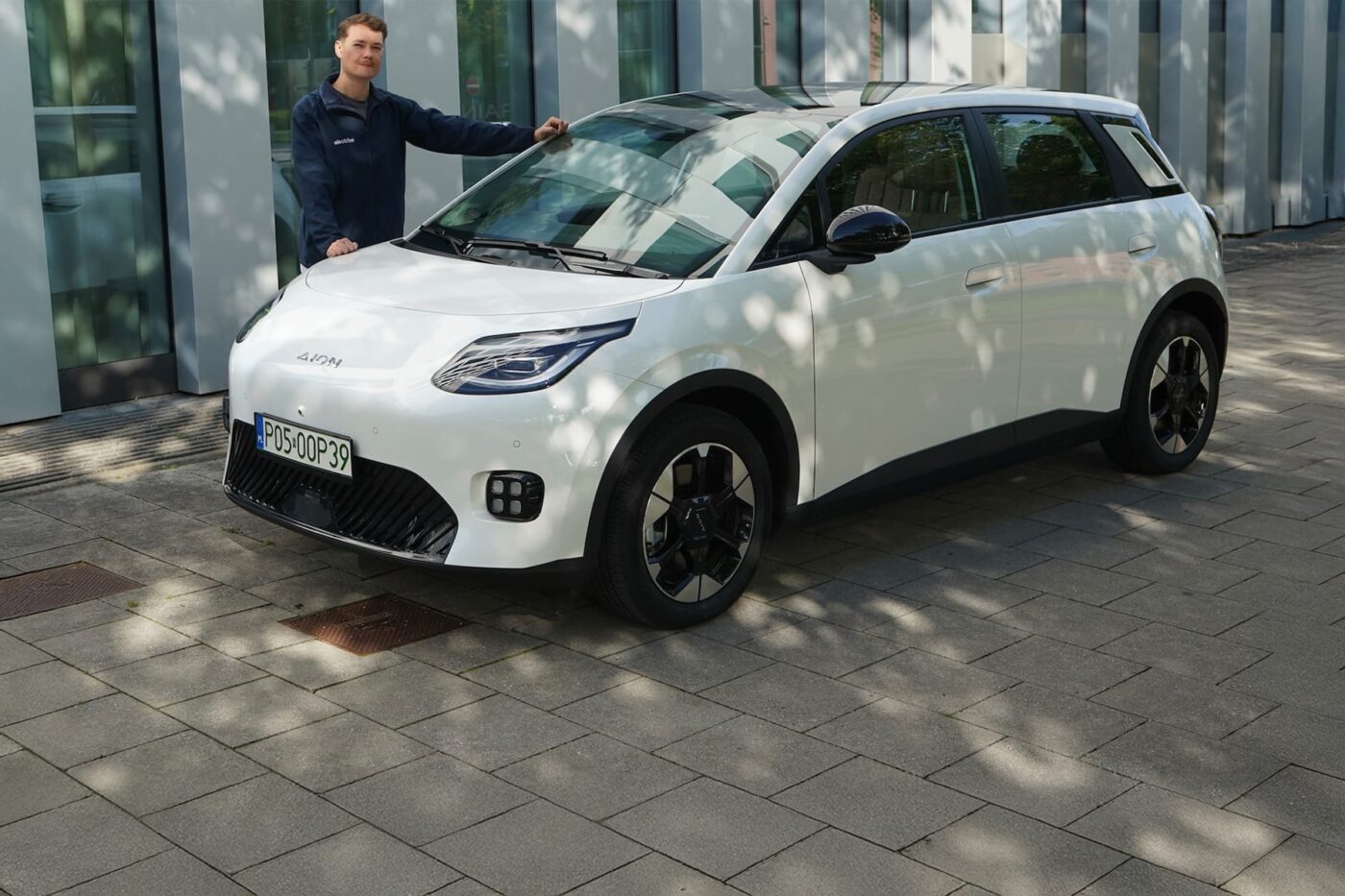
Revisión de conducción del GAC Aion UT: Un rival suavizado del ID.3
Con GACotro gigante chino del automóvil está haciendo un esfuerzo en el mercado europeo. La empresa estatal, de 70 años de antigüedad, ya está presente en Portugal, Finlandia y Polonia con su Aion V desde septiembre. También se espera que el rival del VW ID.4 llegue pronto a Alemania.
Para su expansión europea, el fabricante de automóviles chino se dirige a segmentos de gran volumen. Tras introducirse en la categoría de los SUV de tamaño medio con su primer modelo europeo, ahora aborda el todavía muy competitivo segmento C con un clásico vehículo compacto eléctrico de batería. El Aion UT se fabrica tanto en China como en Tailandia y está disponible en su mercado nacional desde marzo de este año. Está previsto que el modelo se lance en Europa a partir de 2026.
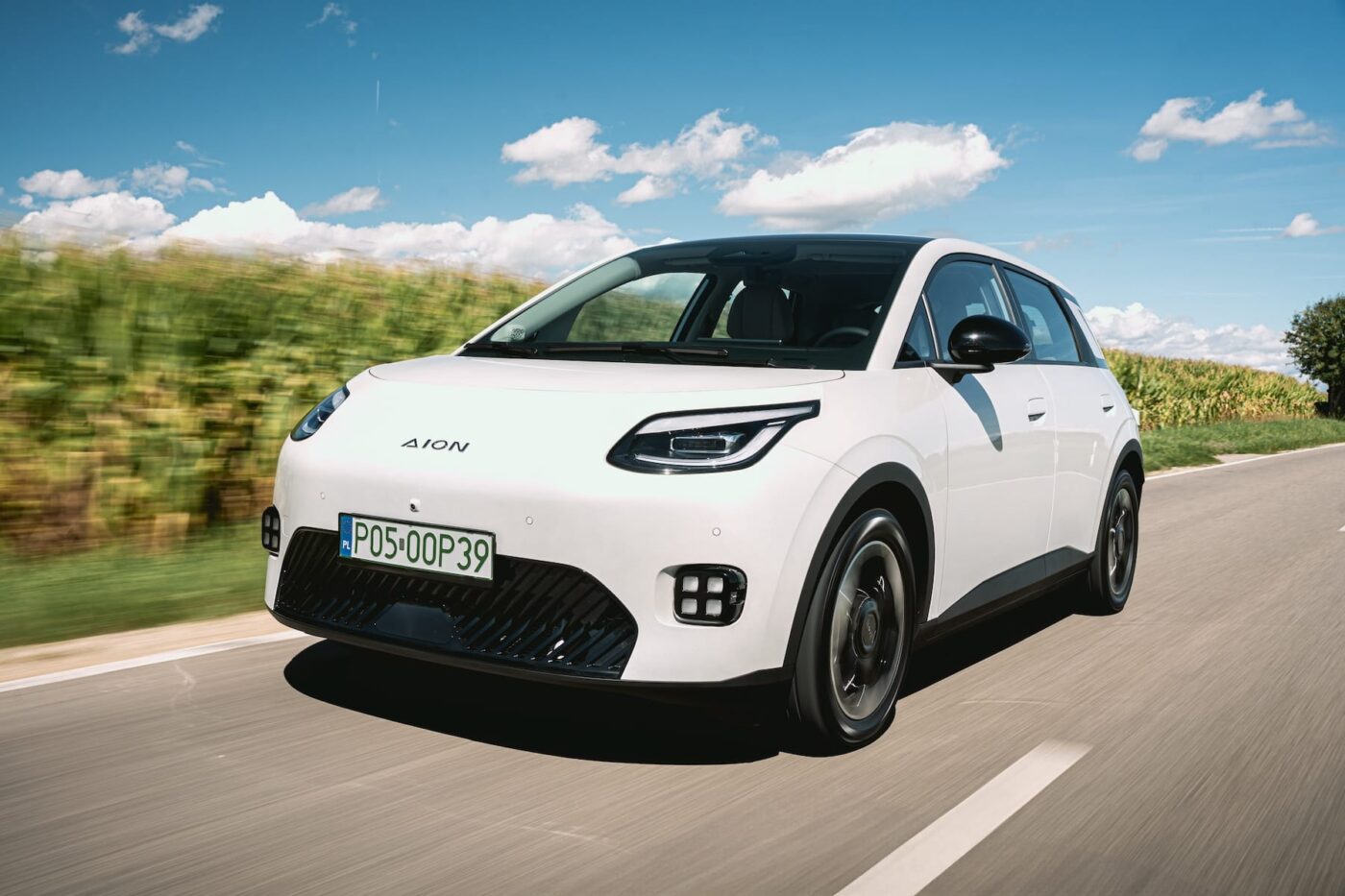
El exterior del vehículo ya se ha adaptado a las preferencias europeas: GAC gestiona un centro de diseño europeo en Milán para garantizar que sus modelos tengan eco entre los clientes locales. Sin embargo, la influencia de su competidor directo es evidente de inmediato. La forma básica se parece mucho al VW ID.3, aunque los elementos de diseño distintivamente chinos, como los faros redondos y caricaturescos, le confieren cierto grado de individualidad.
Amplio maletero
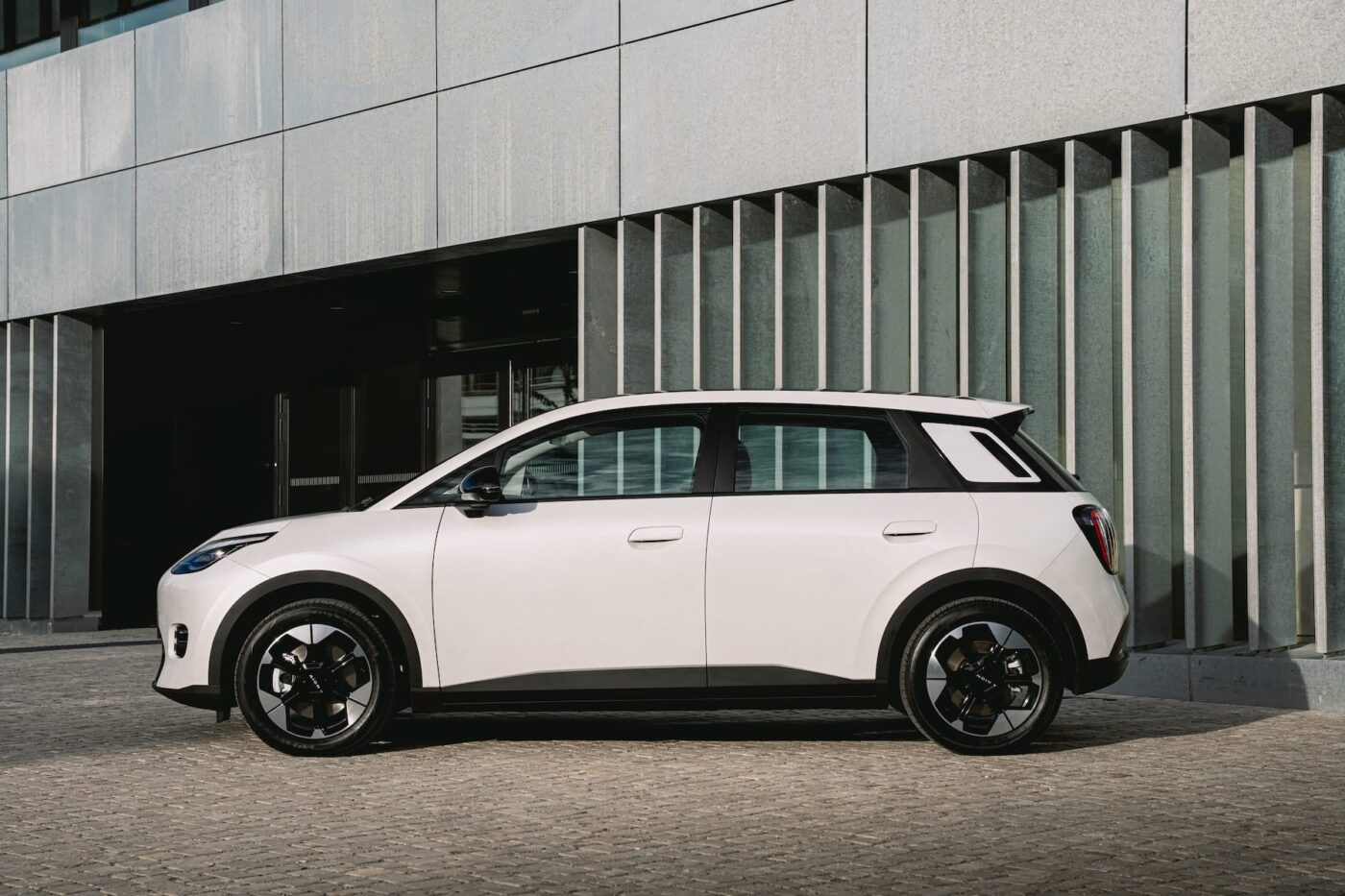
Las siglas UT significan "Urban Traffic" (tráfico urbano) y, con sus dimensiones, este vehículo eléctrico, diseñado desde cero para los clientes europeos, está realmente bien adaptado a la conducción urbana. Mide 4,27 metros de longitud, 1,85 metros de anchura y aproximadamente 1,58 metros de altura. Para maximizar el espacio interior, este compacto, al igual que el ID.3, tiene una larga distancia entre ejes de 2,75 metros.
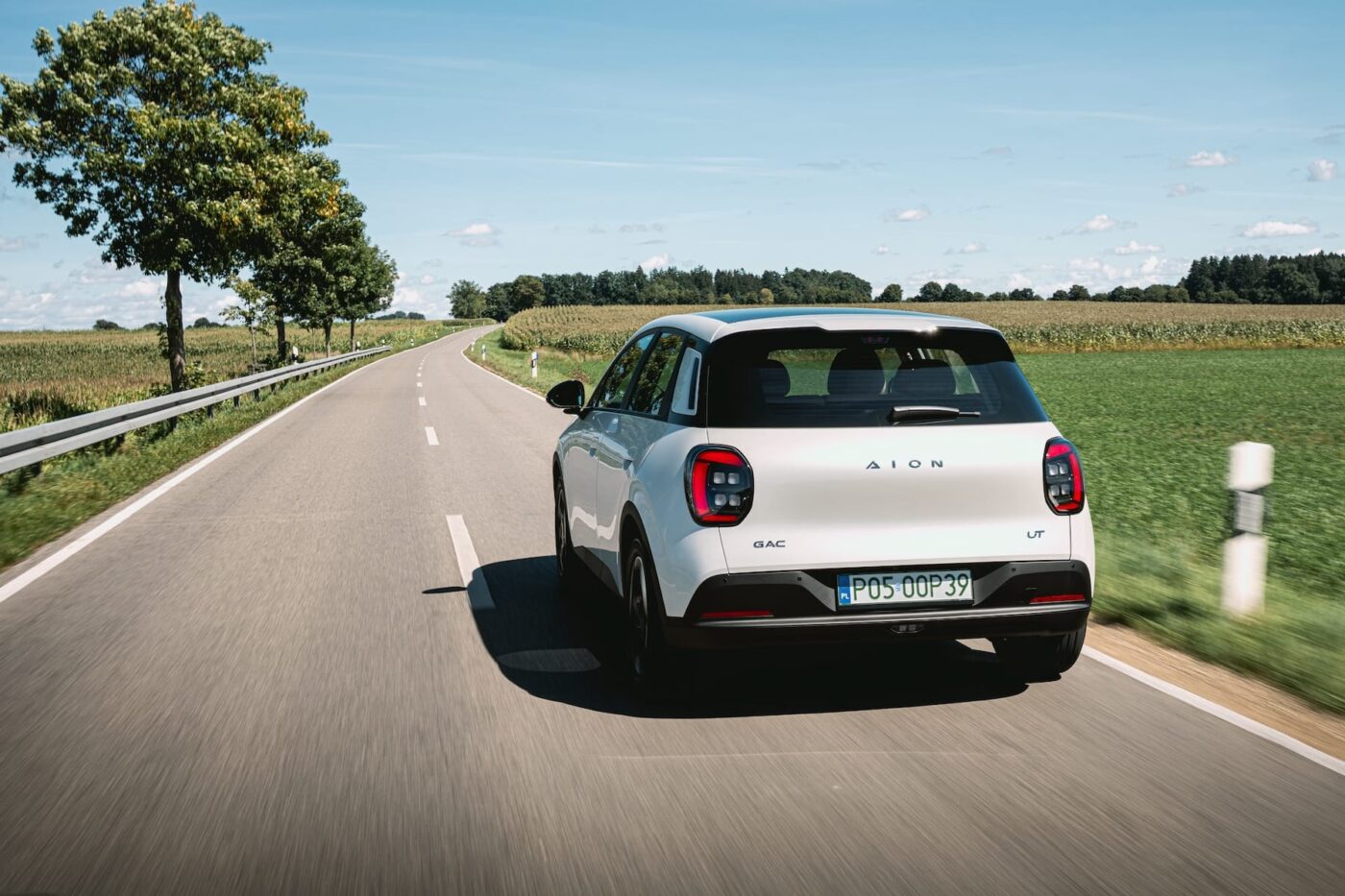
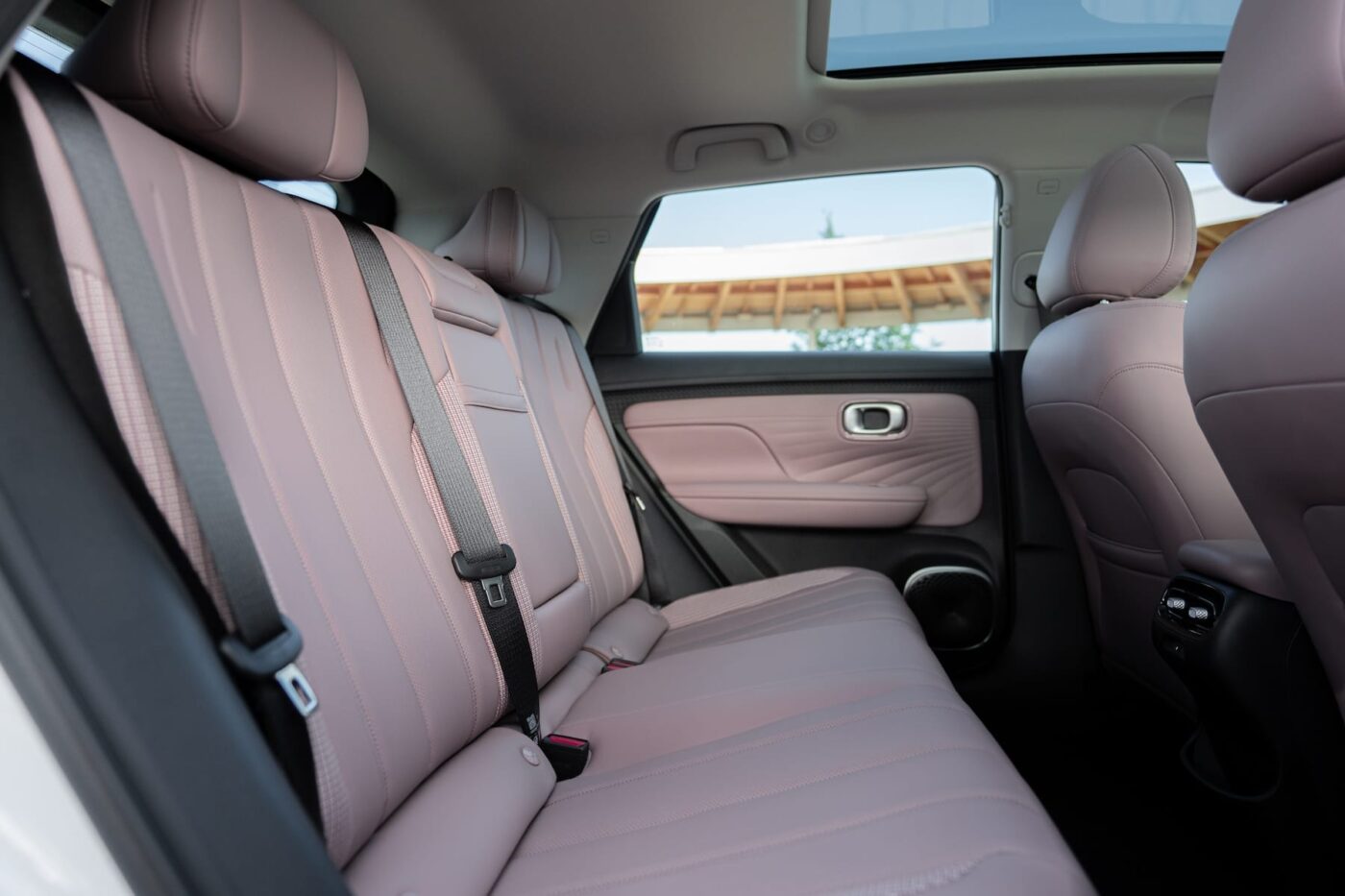
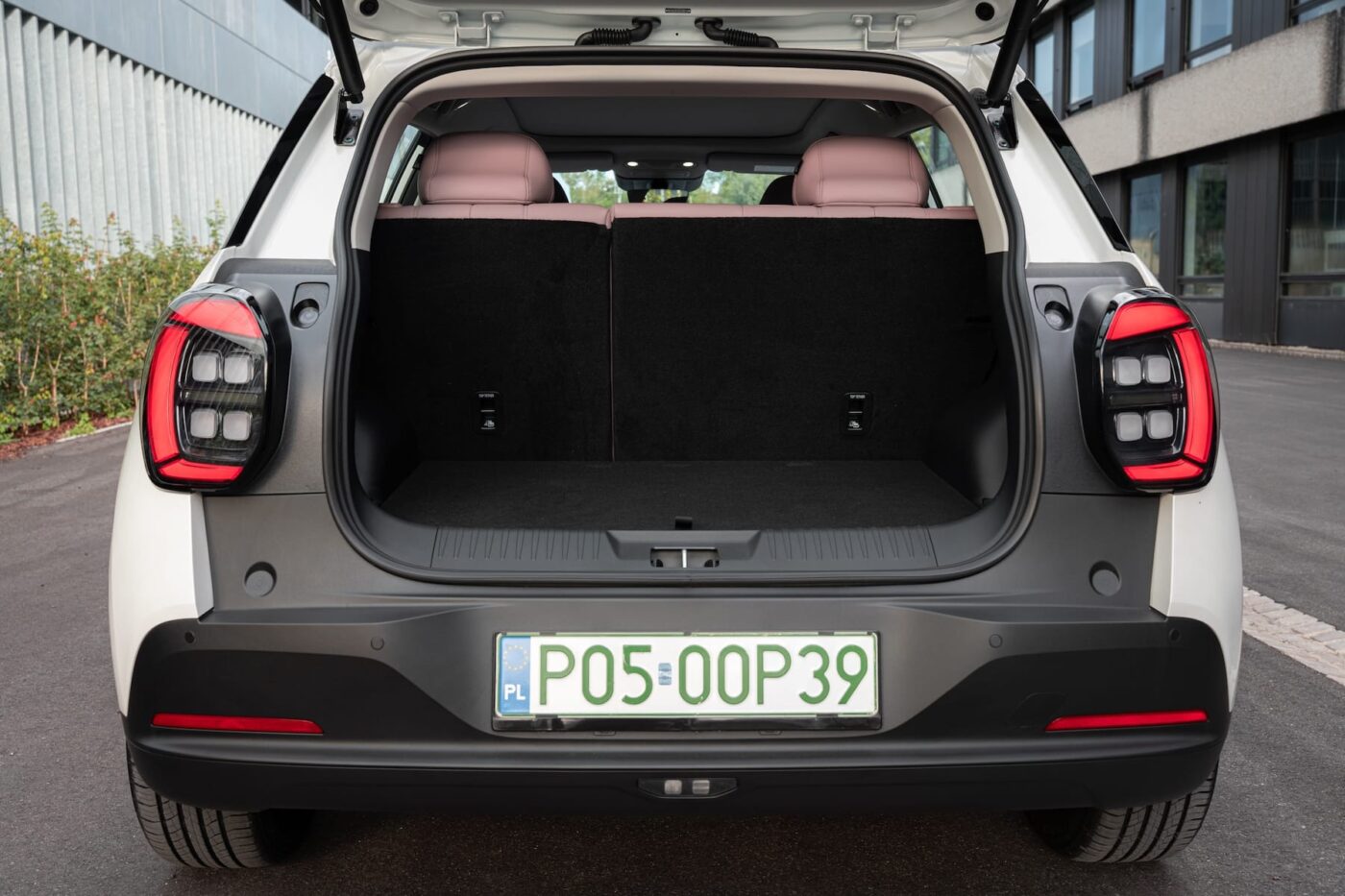
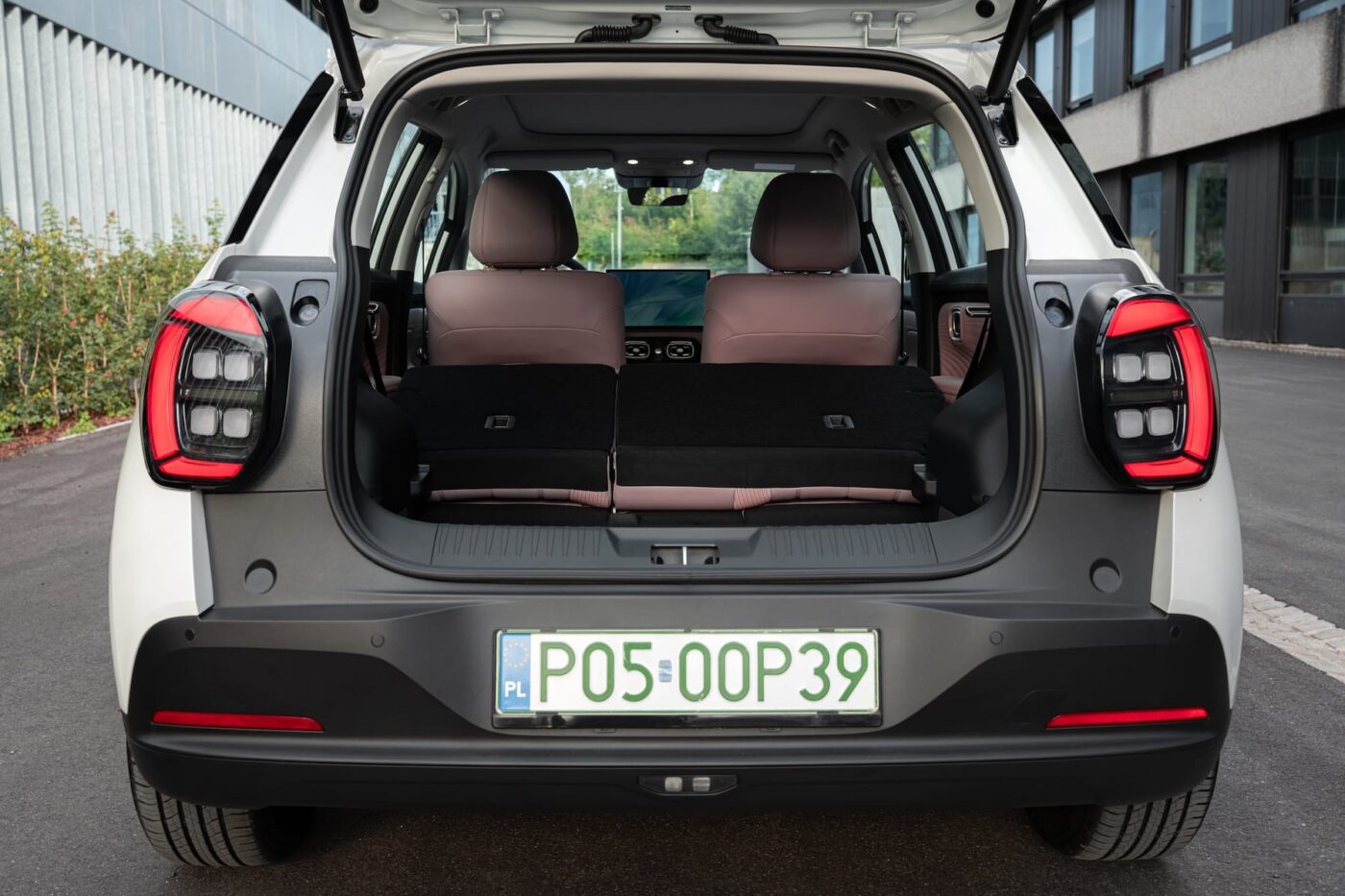
El maletero ofrece 440 litros de espacio con los asientos traseros en posición vertical, más que el ID.3. GAC aún no ha revelado la capacidad de carga cuando la segunda fila está abatida. Durante la prueba de conducción, también me senté en la parte trasera. A pesar de sus dimensiones compactas, el UT ofrece un amplio espacio para las piernas. Sin embargo, con 1,85 metros de altura, apenas me sobraba espacio para la cabeza. Es probable que el techo solar panorámico de serie contribuya a esta limitación, que no es uno de los puntos fuertes del VE.
Potencia de carga máxima nominal de 130 kW
La empresa equipa a su rival ID.3 con una batería LFP de 60 kWh que, según se afirma, ofrece una autonomía máxima de hasta 420 kilómetros. Nuestra prueba de conducción fue demasiado breve para verificar la autonomía en condiciones reales. Sin embargo, pudimos evaluar la exactitud del consumo de energía declarado de 16 kWh a los 100 km. Tras nuestro viaje de ida y vuelta por autopista, la pantalla mostraba 19,8 kWh. Está claro que el UT no es una referencia de eficiencia.
La potencia máxima de carga se especifica en 130 kW. En este sentido, su rival de Volkswagen, desde su actualización, es significativamente superior, ofreciendo un máximo de 145 a 185 kW. Según GAC, el UT puede cargar de 30% a 80% en sólo 24 minutos en condiciones ideales. El hecho de que el fabricante no inicie el temporizador en los habituales 10%, como es práctica habitual, plantea dudas. De lo contrario, el tiempo reivindicado probablemente superaría los 30 minutos. Por desgracia, no fue posible comprobar la curva de carga debido a la brevedad de la prueba. Desde un punto de vista práctico, el puerto de carga está situado en la parte delantera derecha.
| GAC Aion UT | |
|---|---|
| Conducir | FWD |
| Potencia | 100 kW |
| Par de apriete | 176 Nm |
| Aceleración | N/A |
| Velocidad máxima | 160 km/h |
| Gama WLTP | 420 km |
| Batería | 60 kWh |
| Capacidad de carga de CC | 130 kW |
| Tiempo de carga de CC (30-80%) | 24 min |
| Precio | N/A |
Un toque demasiado suave
Bajo el capó hay un motor eléctrico de 100 kW con 176 Nm de par que impulsa las ruedas delanteras. Dado un peso en vacío de alrededor de 1,5 toneladas, esto puede no parecer impresionante, pero el coche compacto acelera decentemente, incluso por encima de la marca de los 130 km/h. La velocidad máxima oficial es de 160 km/h, aunque durante la prueba de conducción, el velocímetro alcanzó un máximo de 166 km/h. El UT ofrece tres modos de conducción, con notables diferencias en la entrega de potencia entre los modos Eco y Normal. La conducción a un solo pedal es casi factible, aunque no del todo: la UT se limita a ir a rueda lenta y no se detiene por completo.
El UT no anima precisamente a una conducción entusiasta, en parte debido al notable ruido del viento por encima de los 100 km/h. Además, a la suspensión le falta dinamismo. Aunque el UT es cómodo de conducir, en mi opinión, los ingenieros de GAC lo han hecho un poco demasiado blando. Da la sensación de que apenas se está conectado a la carretera. El coche compacto eléctrico se siente como una alfombra mágica, aunque no de forma positiva.
Durante las entradas rápidas de la dirección, el coche tiende a balancearse, y el balanceo de la carrocería es claramente perceptible en las curvas rápidas. Combinado con la dirección demasiado ligera e imprecisa, esto no inspira confianza. Incluso en términos de dinámica de conducción, está claro que el UT no se ha adaptado totalmente a las preferencias de los clientes locales. Sin embargo, eso aún podría cambiar antes de su lanzamiento en Europa.
'Hey baby' da a los conductores una razón para sonrojarse
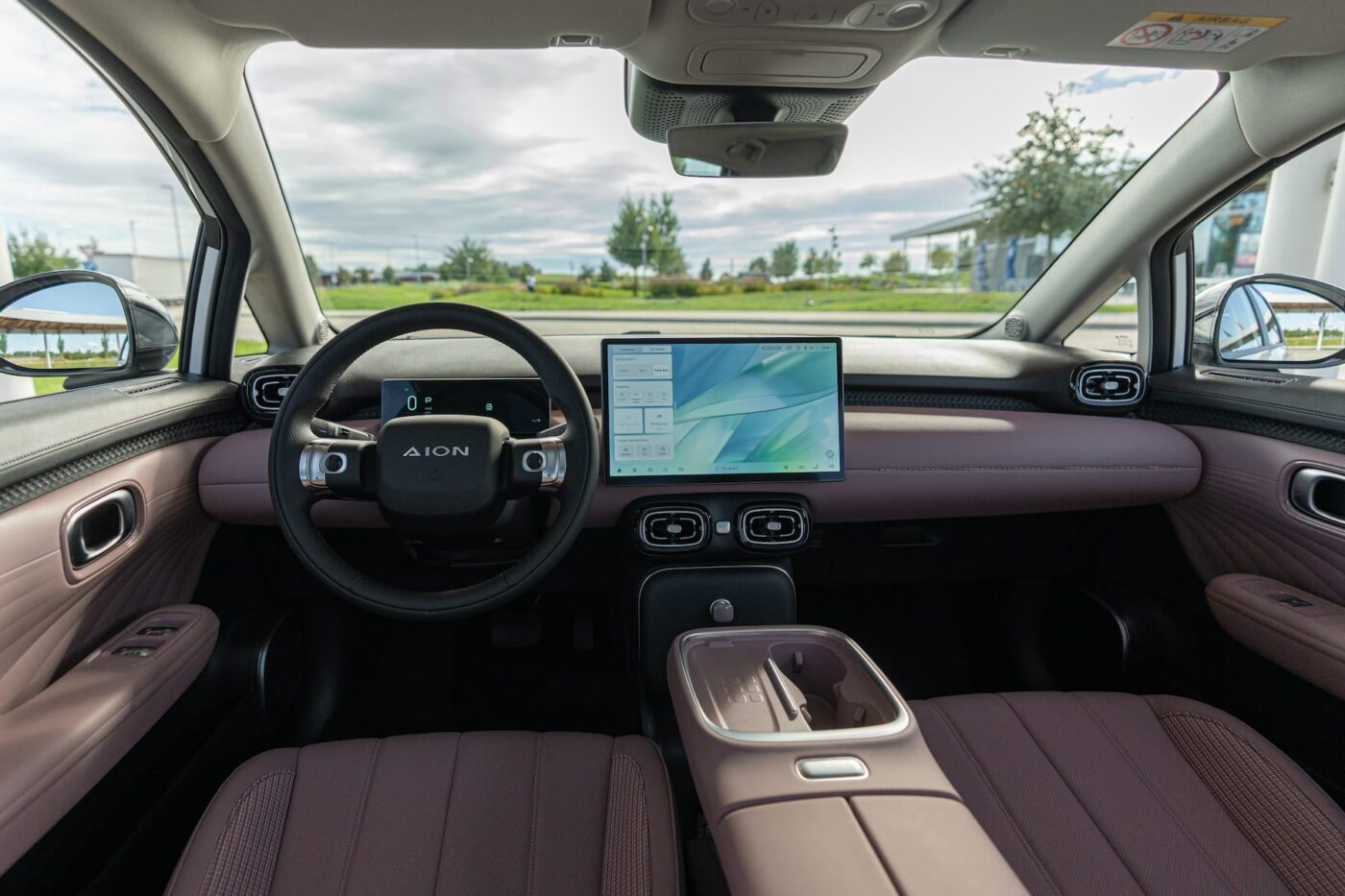
Una vez al volante, destaca la limpia disposición del puesto de conducción. En el centro hay una pantalla táctil de 14,6 pulgadas, complementada por una pantalla de 8,8 pulgadas para la información de conducción directamente detrás del volante. El menú está estructurado de forma lógica, aunque algunos widgets son un poco demasiado pequeños, lo que dificulta su manejo. Esto es especialmente cierto cuando se conduce por carreteras en mal estado, donde es fácil pulsar mal.
Al igual que en el Aion V, el sistema de control por voz es problemático. Sólo responde a "Hey Baby", lo que resulta incómodo y casi vergonzoso desde una perspectiva europea. La tasa de éxito de varios comandos también es inconsistente.
El software aún no está totalmente adaptado al mercado europeo. Tanto la versión alemana como la inglesa contienen aún varios errores de traducción. Por ejemplo, cuando el frenado regenerativo -denominado en el menú "recuperación de energía cinética"- se ajusta a su nivel más bajo, la pantalla muestra "cerrado", en lugar de "apagado".
Materiales baratos, procesados limpiamente
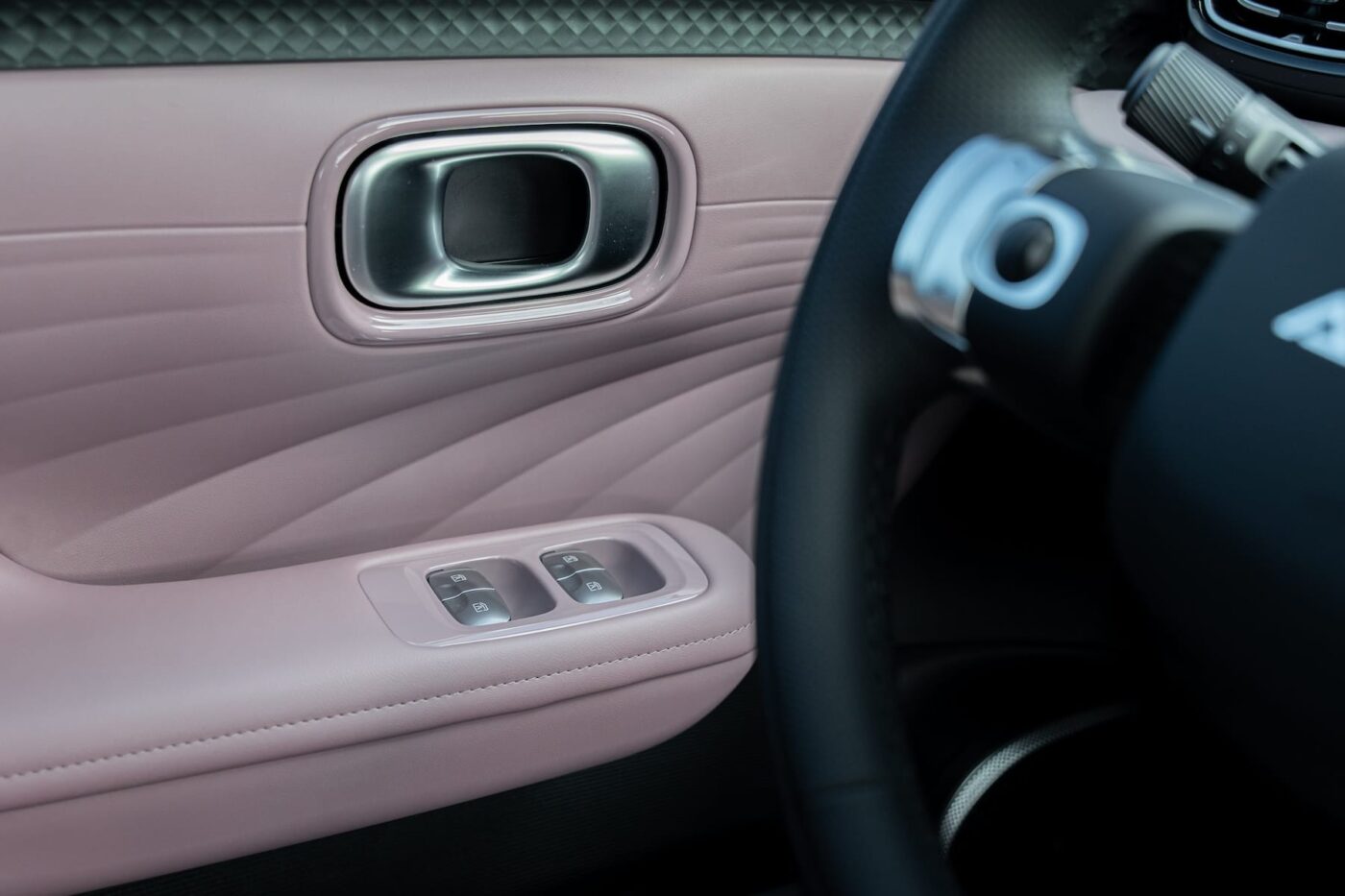
La combinación de colores del interior del vehículo de prueba es inicialmente llamativa. El salpicadero, los paneles de las puertas y la tapicería de los asientos son de color lila, lo que supone un cambio refrescante en un segmento dominado por los interiores de plástico oscuro. Aunque la calidad de construcción es sólida y todos los componentes encajan bien, los materiales distan mucho de ser de primera calidad. Eso también se aplica a la tapicería de cuero sintético favorecida por los fabricantes de automóviles chinos, que se siente claramente artificial. El resto de la mezcla de materiales es similar, con predominio de los plásticos duros, e incluso las superficies texturizadas no resultan especialmente agradables al tacto.
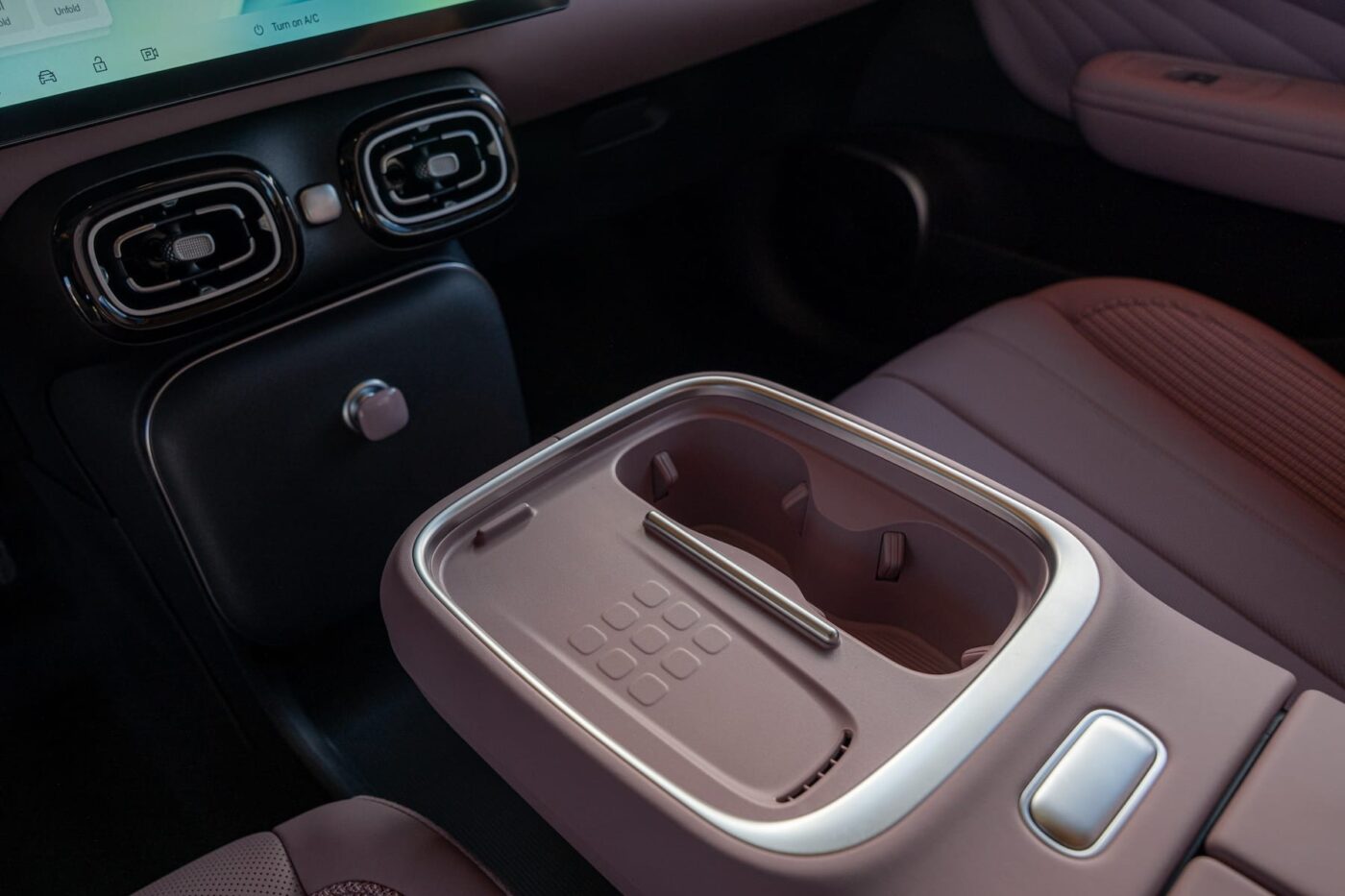
Sin embargo, la agencia encargada de organizar las pruebas de conducción hizo hincapié en que el vehículo de pruebas era un modelo de preproducción que aún no estaba totalmente adaptado a las normas europeas. Un bonito detalle es el pequeño compartimento portaobjetos situado en la parte delantera de la consola central que, con su tapa y su pomo, recuerda a un antiguo neceser. Combinado con el espejo de cortesía iluminado, queda claro cuál es el grupo objetivo principal que GAC tiene en mente para el UT.
La doble almohadilla de carga inalámbrica es otra característica práctica. Aparte de la tapicería, los asientos también causan una buena impresión: no sólo son cómodos, sino que también proporcionan una sujeción lateral adecuada. Los asientos delanteros pueden reclinarse completamente, lo que hace que el compacto sea adecuado para acampar en el coche.
Conclusión
Con el Aion UT, GAC tiene, al menos sobre el papel, exactamente el coche adecuado para el mercado europeo. El atractivo diseño del compacto y su enfoque siempre orientado al confort deberían convertirlo en un agradable compañero para el día a día. Sin embargo, el fabricante de automóviles chino aún necesita refinar algunas áreas, en particular la puesta a punto de la suspensión, el software y la selección de materiales del interior.
Los tiempos de carga tampoco son especialmente impresionantes para el segmento C. En este mercado, es probable que el modelo alcance cifras de ventas elevadas sólo si rebaja significativamente el precio de sus principales competidores, en particular el VW ID.3. Para desafiar realmente a Volkswagen, lo ideal sería que el UT tuviera un precio muy por debajo de los 30.000 euros en su configuración básica.


0 Comentarios