

BYD supera a Tesla como mayor fabricante mundial de vehículos eléctricos
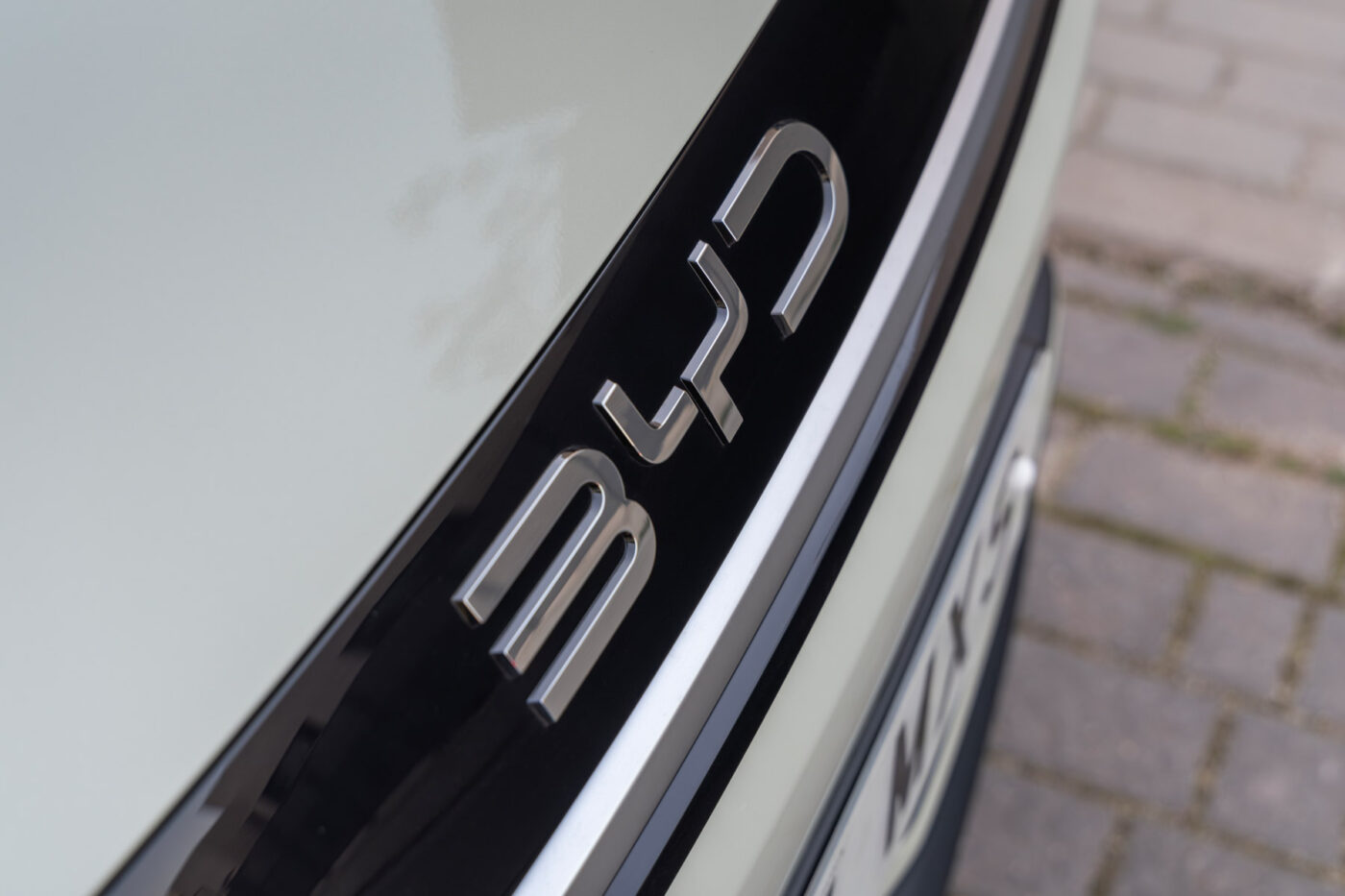
En 2025, BYD entregó un total de 4,6 millones de coches eléctricos e híbridos enchufables (los llamados Vehículos de Nuevas Energías, o NEV) - lo que representa un aumento de aproximadamente el 7,7 por ciento en comparación con 2024, cuando vendió 4,25 millones de NEV. Sin embargo, el crecimiento se ha ralentizado considerablemente: mientras que BYD logró un asombroso aumento del 41% de 2023 a 2024, ahora sólo ha registrado una ganancia de un solo dígito. No obstante, el resultado de 2025 es más que suficiente para destronar al anterior líder, Tesla, en ventas mundiales. Para esta comparación, no estamos considerando los NEV mencionados anteriormente, sino únicamente los turismos eléctricos de batería (BEV), de los que BYD vendió exactamente 2.256.714 unidades el año pasado (+27,9% interanual).
Tesla, por su parte, ha tenido un año difícil. Las ventas del fabricante de automóviles con sede en Texas descendieron en muchas regiones durante la primera mitad del año. Sólo en la segunda mitad se estabilizaron las estadísticas. Una de las principales razones citadas para este débil rendimiento es el compromiso político del CEO de Tesla, Elon Musk, en apoyo del presidente estadounidense Donald Trump. Los hechos son claros: en los tres primeros trimestres, Tesla entregó un total acumulado de tan solo 1,22 millones de BEV. Esto significa que Tesla necesitaría entregar al menos 571.000 vehículos en el cuarto trimestre para igualar su resultado del ejercicio 2024 de 1.789.226 vehículos. Esto es muy ambicioso. Además, Tesla necesitaría más de un millón de entregas en el cuarto trimestre para igualar la cifra de BEV de BYD, algo poco realista.
Las estimaciones de los analistas, que La propia Tesla publicó por primera vez, sugieren en cambio unas 422.850 entregas de vehículos en el cuarto trimestre. Esto situaría a la empresa en aproximadamente 1,64 millones de unidades para el año. La claridad se espera pronto: Tesla suele publicar sus cifras de producción y entregas a principios de año.
Que el resultado favoreciera tan claramente a BYD no era del todo previsible. En 2024, las ventas de BEV de BYD seguía ligeramente por detrás del de Tesla, aunque para entonces ya se había asegurado una victoria trimestral. Este hito ocupó los titulares de muchos medios de comunicación, y posteriormente BYD registró cifras récord. Sin embargo, incluso las estadísticas del fabricante chino muestran ahora una tendencia a la baja.
Como resume Puesto CNEV, BYD vendió 4,55 millones de turismos NEV en 2025 (+6,9% interanuales) y 57.013 vehículos comerciales NEV (+161,8% interanuales). Las ventas de turismos se dividen en los ya mencionados 2,26 millones de BEV (+27,9% interanuales) y 2,29 millones de híbridos enchufables (PHEV, -7,9% interanuales). Esto demuestra que BYD se enfrenta a desafíos, especialmente con sus vehículos parcialmente eléctricos. En diciembre, las ventas de PHEV fueron un 26% inferiores a las del año anterior. Como resultado, la curva se ha mantenido por debajo de las cifras de ventas de PHEV de 2024 durante nueve meses consecutivos, a pesar de que el periodo de fin de año en China es tradicionalmente un periodo fuerte de ventas (a diferencia del estacionalmente débil comienzo de año).
Las ventas de turismos BEV de BYD en diciembre ascendieron a 190.712 unidades, lo que representa un descenso del 8% respecto al año anterior y del 20% respecto a noviembre. La tendencia es claramente a la baja: si se combinan los BEV y los PHEV, BYD ha registrado cifras decrecientes en comparación con el año anterior durante los últimos cuatro meses. En diciembre, el total fue de 420.398 NEV (-18% interanual).
No obstante, BYD tiene motivos para esperar un crecimiento renovado. Sus cifras de exportación se están disparando paralelamente. En diciembre, la empresa alcanzó un nuevo récord con 133.172 unidades NEV exportadas, un 133% más que el año anterior. En todo el año, BYD exportó un total de 1,05 millones de NEV (+151% interanual). Así pues, las exportaciones se están convirtiendo en un factor cada vez más importante para BYD.
Por último, un vistazo a la producción de baterías de BYD. Como es bien sabido, la empresa no sólo fabrica coches eléctricos e híbridos enchufables, sino también sus baterías. Según Puesto CNEV, las instalaciones de BYD de baterías para vehículos eléctricos y baterías de almacenamiento estacionario totalizaron aproximadamente 285,6 GWh el año pasado, lo que representa un aumento de casi el 47% en comparación con el año anterior. Sólo en el cuarto trimestre, las instalaciones alcanzaron los 82,4 GWh (+23% interanual).

1 Comentario