

China endurece las normas de consumo energético para los vehículos eléctricos
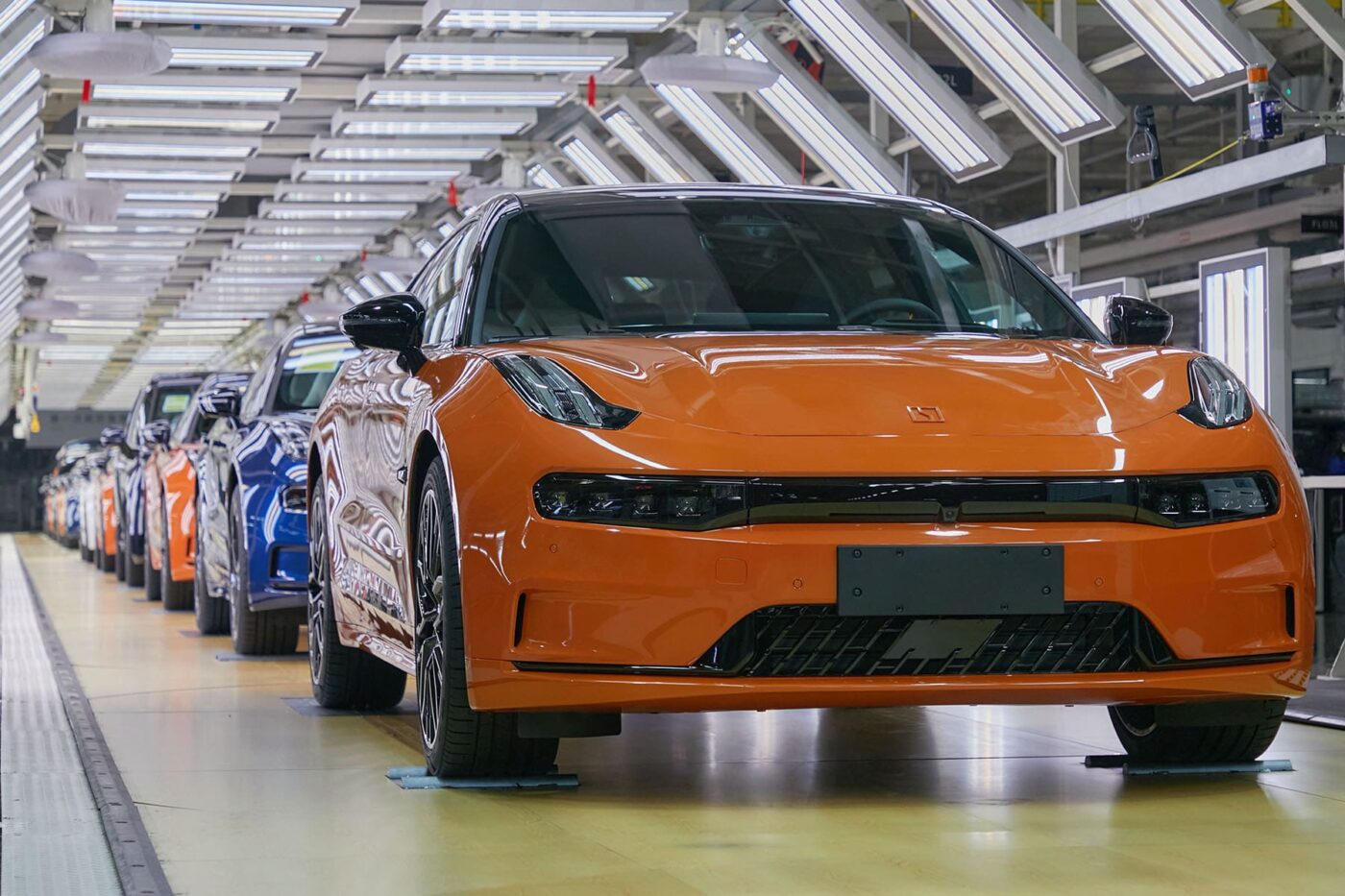
China se ha convertido en el primer país del mundo en introducir límites de consumo energético legalmente vinculantes para los vehículos eléctricos (VE), con la nueva norma de aplicación inmediata a todos los modelos de nueva producción. Esta normativa obligatoria sustituye a las anteriores directrices no vinculantes, marcando un cambio significativo en el enfoque del país respecto a la electromovilidad.
Según los medios de comunicación chinos, la nueva norma endurece los requisitos de consumo energético en aproximadamente 11% en comparación con las recomendaciones anteriores. También introduce indicadores diferenciados para tener en cuenta las variaciones en los escenarios de uso de los vehículos y las soluciones técnicas.
Para los vehículos eléctricos con un peso en vacío de unas dos toneladas, el consumo máximo de energía permitido está fijado en 15,1 kWh por cada 100 km según el ciclo chino CLTC. Este ciclo suele arrojar cifras significativamente más bajas que el ciclo WLTP utilizado en Europa. Aunque no existe una fórmula de conversión exacta, se calcula que este valor corresponde aproximadamente a 18 ó 19 kWh por cada 100 km según la norma WLTP. También es importante señalar que el límite máximo varía en función del peso del vehículo. Por ejemplo, los coches compactos más ligeros como el BYD Dolphin, que pesan alrededor de 1,5 toneladas, se enfrentan a límites de consumo energético aún más estrictos.
Los datos del mercado indican que muchos vehículos eléctricos nuevos ya cumplen los próximos límites. Por ejemplo, el Tesla Model Y, con un peso en vacío de poco más de 1,8 toneladas, consume entre 11,2 y 13,4 kWh cada 100 km en el ciclo CLTC, según la variante. Del mismo modo, el Xiaomi SU7, con un peso aproximado de 1.980 kg, registra un consumo de 12,3 kWh/100 km, mientras que el Luxeed R7, un SUV de tamaño medio-grande de 2.180 kg, consume 13,2 kWh/100 km.
Sin embargo, los modelos más antiguos pueden necesitar modificaciones importantes para cumplir las nuevas normas. Los vehículos que superen el límite necesitarán ajustes en su cadena cinemática, software o estructura. Si estas modificaciones no son factibles, los fabricantes pueden verse obligados a retirar estos modelos del mercado y sustituirlos por alternativas de nuevo desarrollo.
Los nuevos requisitos de consumo energético también están vinculados a incentivos para los compradores. Los turismos eléctricos de batería pura deben cumplir los límites obligatorios para seguir teniendo derecho a exenciones fiscales, lo que garantiza que la política fiscal se alinea con los objetivos de eficiencia de la normativa.

0 Comentarios