

ZF y Qualcomm desarrollan sistemas ADAS hasta el nivel 3
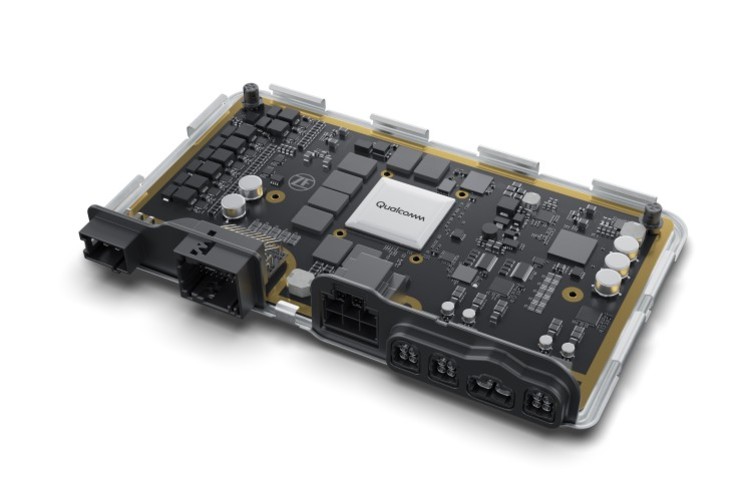
La solución ADAS conjunta de esta colaboración germano-estadounidense pretende ofrecer "la próxima generación de inteligencia para vehículos" y hacer frente a las crecientes demandas de vehículos definidos por software. Técnicamente, se basa en el sistema en chip (SoC) Snapdragon Ride de Qualcomm y el ordenador ProAI de ZF, y se ofrecerá a los fabricantes de automóviles como un paquete completo. Como subraya ZF, la asociación "aúna la electrónica de automoción de vanguardia y la percepción en tiempo real".
En términos de arquitectura, el ordenador ZF, combinado con el sistema Snapdragon Ride, puede desplegarse como ordenador de dominio, zonal o central. El objetivo es desarrollar una arquitectura robusta y abierta que permita la integración perfecta de funciones de software de terceros, al tiempo que proporcione a los fabricantes de automóviles la flexibilidad necesaria para adaptar las soluciones a sus requisitos específicos, según ZF. Los componentes clave de la colaboración incluyen:
- ZF ProAI: La familia ProAI de ZF es un ordenador central apto para todas las plataformas de vehículos, aplicaciones de software y arquitecturas de extremo a extremo (E2E). Su nivel de configuración más alto es una variante con capacidad multidominio con múltiples placas de rendimiento y una potencia de cálculo de más de 1.500 TOPS.
- Funciones ADAS de ZF: ZF ofrece funciones ADAS que incluyen alrededor de 25 funciones de seguridad, confort y aparcamiento. Los fabricantes de vehículos pueden seleccionar de este conjunto de funciones para series de vehículos específicas.
- Piloto Snapdragon Ride: Este sistema utiliza la percepción de la IA basada en cámaras para la detección de objetos, el reconocimiento de carriles y señales de tráfico, la asistencia al aparcamiento, la supervisión del conductor y la cartografía en tiempo real. Está preparado para la conducción manos libres en autopistas, incluidos los cambios de carril automatizados y la asistencia a la conducción urbana.
- Plataforma de integración de Qualcomm: La plataforma presenta una arquitectura de sistema modular, admite la asignación dinámica de recursos informáticos y facilita la interoperabilidad entre varias unidades de control electrónico (ECU) del vehículo.
- A amplia gama de herramientas de desarrollo permite a los fabricantes de automóviles y a sus equipos de desarrollo crear prototipos, validar y adaptar rápidamente las funciones ADAS y de infoentretenimiento.
Para Qualcomm, la colaboración consiste en reforzar su posición en el sector de la automoción frente a fuertes competidores como Nvidia. En octubre de 2024, la empresa presentó su plataforma automovilística Snapdragon Elite, que contaba con los procesadores más rápidos para aplicaciones de automoción del momento. La asociación ADAS con ZF pretende consolidar aún más la posición de Qualcomm en el mercado. Anshuman Saxena, vicepresidente y director general de la unidad ADAS y robótica de Qualcomm, comenta: "Nos complace profundizar nuestra larga colaboración en el avance de la innovación ADAS con ZF. Al combinar nuestros puntos fuertes en informática de alto rendimiento para automoción, percepción y visión por ordenador, estamos permitiendo a los fabricantes de automóviles ofrecer sistemas de asistencia al conductor inteligentes, más seguros y rentables en toda su cartera de vehículos."
El Dr. Christian Brenneke, Director de la División de Electrónica y ADAS de ZF, declaró: "Estamos orgullosos de seguir ampliando nuestra colaboración con Qualcomm Technologies en el campo de los sistemas de asistencia al conductor líderes del mercado para vehículos definidos por software y nuevas arquitecturas E/E. La combinación de la plataforma informática escalable y multidominio ProAI de ZF con la plataforma Snapdragon Ride de Qualcomm Technologies ofrece a nuestros clientes opciones de diseño adicionales para los sistemas ADAS y de infoentretenimiento en vehículos."
Sin embargo, es poco probable que esta colaboración beneficie a ZF a largo plazo. En diciembre, el proveedor anunció la venta de su unidad de negocio ADAS, que incluye soluciones informáticas, cámaras inteligentes, tecnología de radar y funciones de software de asistencia al conductor, al especialista estadounidense en electrónica para el habitáculo Harman International por 1.500 millones de euros. La transacción, anunciada justo antes de Navidad, está aún sujeta a la aprobación de los organismos reguladores y se espera que se cierre en el segundo semestre de 2026. La colaboración con Qualcomm es el resultado de operaciones en curso aún bajo la dirección de ZF.
Con la venta definitiva de la unidad, se espera que aproximadamente 3.750 empleados de ZF se trasladen a Harman a lo largo del año. Sin embargo, las divisiones de electrónica para tecnología de chasis y tecnología de seguridad pasiva permanecerán dentro del grupo, al igual que las actividades en el campo de la asistencia al conductor y la conducción autónoma para vehículos comerciales. Para ZF, la venta supone un paso importante en la realineación de la empresa: En otoño de 2025, la dirección acordó con los representantes de los trabajadores un paquete de amplios recortes de empleo para la división Electrified Powertrain Technologies, en dificultades, aunque en un principio se descartó la venta de la "División E". Sin embargo, ahora se están desinvirtiendo áreas dentro de la división ADAS.


0 Comentarios