

Changan comienza a exportar a Europa vehículos eléctricos de fabricación tailandesa
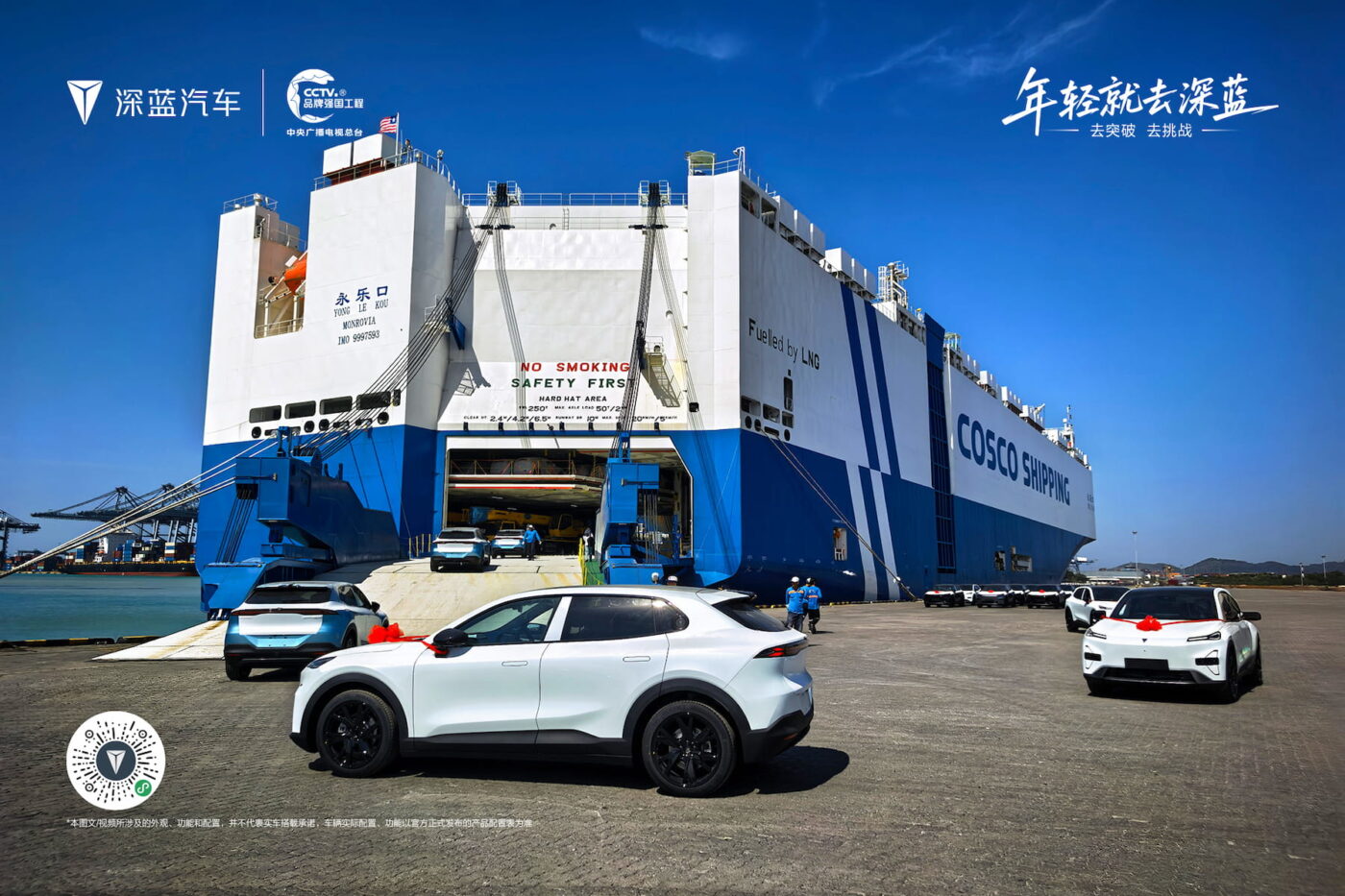
En la última semana de 2025, Changan embarcó el primer lote de sus VE fabricados en Tailandia desde el puerto de Laem Chabang, en Chonburi, situado a unos 60 kilómetros al noroeste de las instalaciones de la empresa. planta de producción local en el distrito de Pluak Daeng en Rayong. La empresa no ha revelado el destino concreto, pero el Reino Unido se considera el mercado más probable para el primer lote. Hacia allí se dirige el portacoches y, según un informe de WorldCargoNews, navegará después a Bélgica, Noruega y Alemania, todos ellos países con volante a la izquierda.
En 2024, Shen Xinghua, director general de Changan Auto Sudeste Asiático y Changan Auto Sales (Tailandia), dijo que la empresa exportaría coches de Tailandia también a países con volante a la izquierda, La Nación informó. Sin embargo, el fabricante de automóviles chino aún no ha confirmado si ha iniciado la producción LHD en la planta tailandesa.
Changan había planeado originalmente exportar más de 1.000 unidades del Deepal S05 a Europa en el primer lote, pero finalmente envió alrededor de la mitad de ese volumen, con un total de 500 vehículos. La empresa no reveló el motivo de la discrepancia.
La planta tailandesa ofrece una capacidad de producción anual de 100.000 vehículos, y Changan tiene previsto duplicar esta cifra el año que viene. La empresa se abastece localmente de más del 60% de los componentes y piezas, y su objetivo es alcanzar el 80% de localización en 2030. Ha invertido más de 10.000 millones de baht (unos 273 millones de euros) en las instalaciones locales, que es su primera fábrica en el extranjero.
Según un reciente anuncio, Changan ha ampliado la presencia de Deepal a casi 100 países y regiones de todo el mundo. La empresa vendió 333.117 vehículos de la marca en todo el mundo en 2025, lo que representa un aumento interanual del 36,6% y eleva las ventas acumuladas a más de 700.000 unidades.
Changan no es el primer fabricante de automóviles chino que se instala en Tailandia. BYD también empezó a exportar desde allí el año pasado. Hay dos razones para ello: una es que el fabricante de automóviles está evitando Aranceles especiales impuestos por la UE en los vehículos eléctricos fabricados en China. La otra es cumplir los requisitos de El plan EV 3.5 de Tailandia. Dice que los fabricantes de automóviles de China tienen que compensar el número de vehículos importados de China con el número de vehículos fabricados en Tailandia, mientras que el gobierno decidió recientemente contar cada VE que una empresa participante exporte como 1,5 unidades para la cuota de compensación de VE locales. En el marco del programa, los fabricantes de automóviles se benefician de una exención de derechos de importación, un impuesto especial reducido, así como de subvenciones para los VE importados de China.
nationthailand.com (exportación LHD), changan.es (1.000 unidades), deepal.com.cn, weibo.com, worldcargonews.com

0 Comentarios