

Florida builds test track for inductive charging
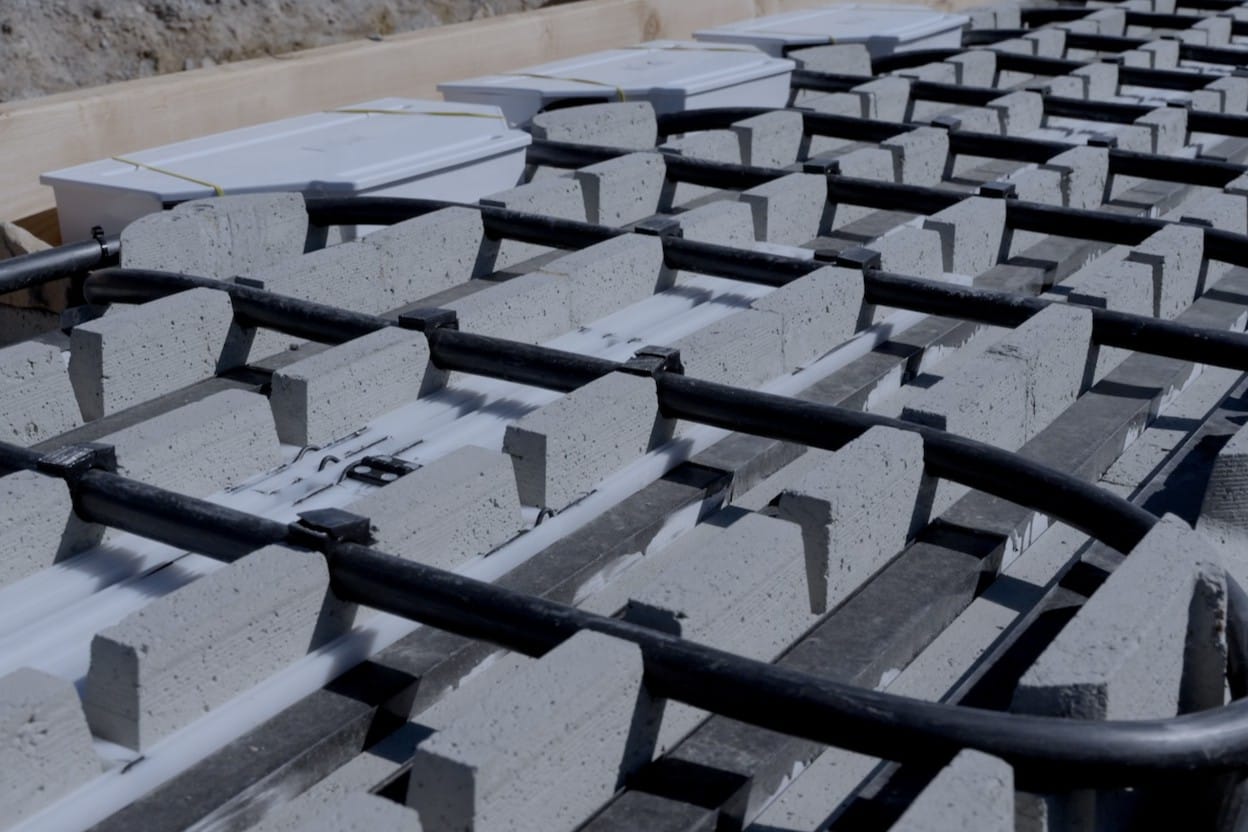
It has been known since 2023 that ENRX, in collaboration with the Central Florida Expressway Authority (CFX), is planning such a project near Orlando has been known since 2023. Construction has now finally begun, though there has been a change of plan: the original section length of one mile (1.6 km) has been reduced to 0.75 miles (1.2 km).
The inductive charging process involves embedding special copper coils into the road surface, which generate an electromagnetic field when a suitably equipped vehicle passes over them. However, this is the crux of the matter: to date, electric vehicles are not factory-equipped for this technology. Instead, various vehicles within the project will be retrofitted with the necessary receiver devices to feed the inductively received power into the battery system. As a result, not every EV driver will be able to use the inductive charging system, only trial participants.
CFX, which will operate the new ‘State Road 516 Lake/Orange Expressway’ as a toll road, describes the initiative as a pilot project that “brings the charge to the vehicle” by electrifying the roadway to charge vehicles at motorway speeds—but only specially prepared project vehicles. The inductive charging coils can deliver up to 200 kW of power, depending on the charging capacity of the individual vehicle.
The road operator sees significant potential for this technology, particularly in heavy-duty transport. Tallis Blalack, Electrified Roadways Consultant at CFX, states: “This is a groundbreaking innovation for long-haul transport. The technology we are deploying will power a fully loaded articulated lorry at motorway speeds.” A key advantage of the system is the reduction in battery size and weight. “Charging while moving allows us to reduce battery size significantly,” Blalack explains. “Instead of a 500-mile battery, we can shrink it to 50 miles, cutting the weight from 20,000 to just 2,000 pounds.”
What Blalack means is that, in principle, inductive charging while driving could eliminate the need for stationary charging. Electric cars would also require much smaller batteries than at present if this “dynamic” form of inductive charging were widely adopted. However, to date, there are only a few—mostly very short—pilot tracks worldwide, such as the one on the German A6 in the Upper Palatinate between Amberg-West and Sulzbach-Rosenberg, which was equipped by the Israeli company Electreon.
Even so, enthusiasts eager for this technology will need to be patient: the new road in Florida with its inductive charging coils is not expected to open until 2029, and widespread adoption of the technology is still a long way off.


0 Comments