

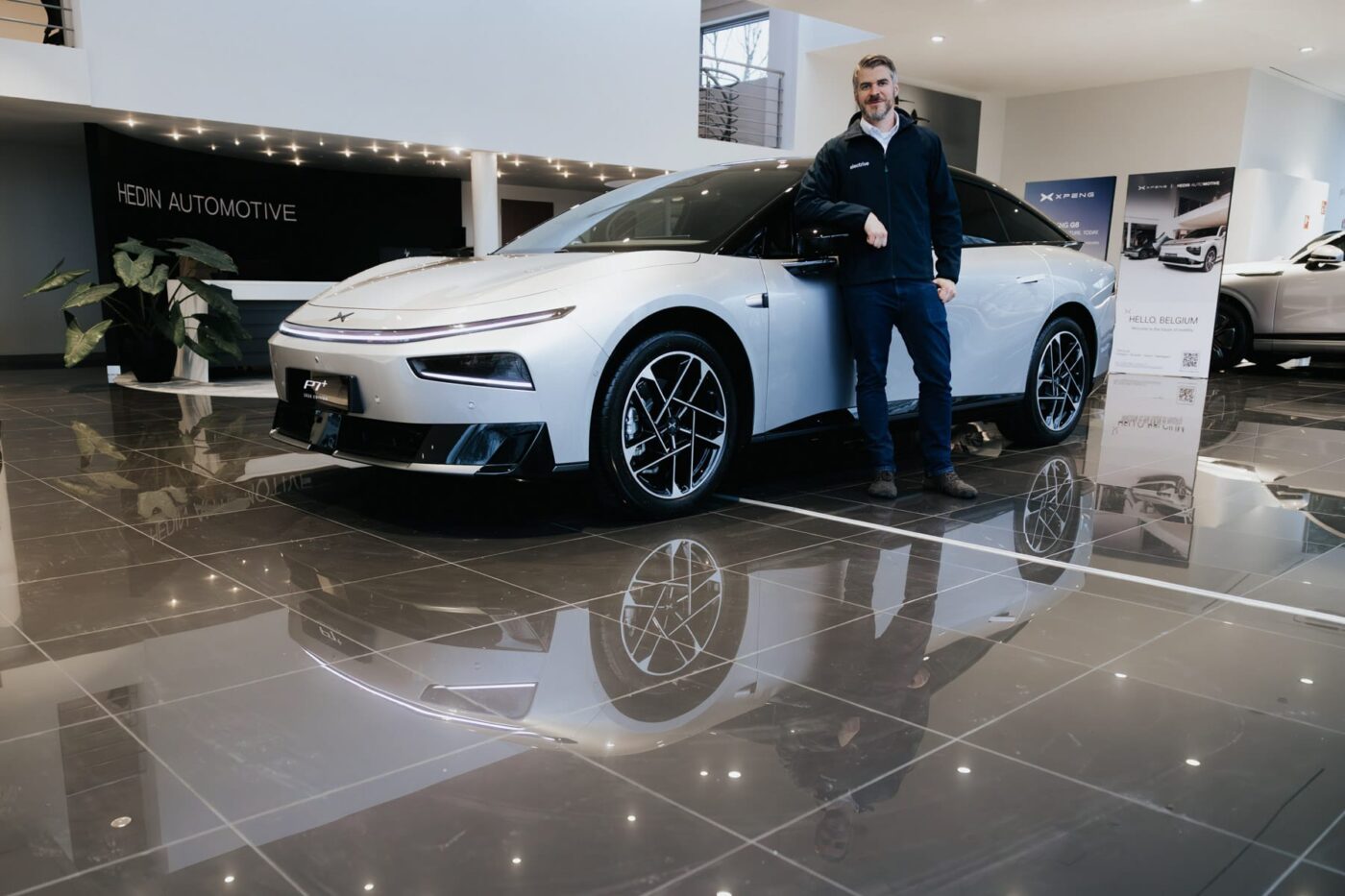
Xpeng P7+: ID.7 rival launches in Europe at €46,600
Jacky Gu, ATC Chairman and E-Powertrain Vice President at Xpeng, describes the approach behind the European premiere of the new model in Hall 7 of the Brussels Expo as ‘physical AI.’ The goal is for artificial intelligence to be more than just a trendy buzzword—it should be physically tangible. This principle applies to the new P7+ as a vehicle, as well as to flying taxis, a humanoid robot, and, starting this year, an autonomous robotaxi service. However, the latter three products and services will initially be available only to customers in Xpeng’s Chinese home market, not in Europe.
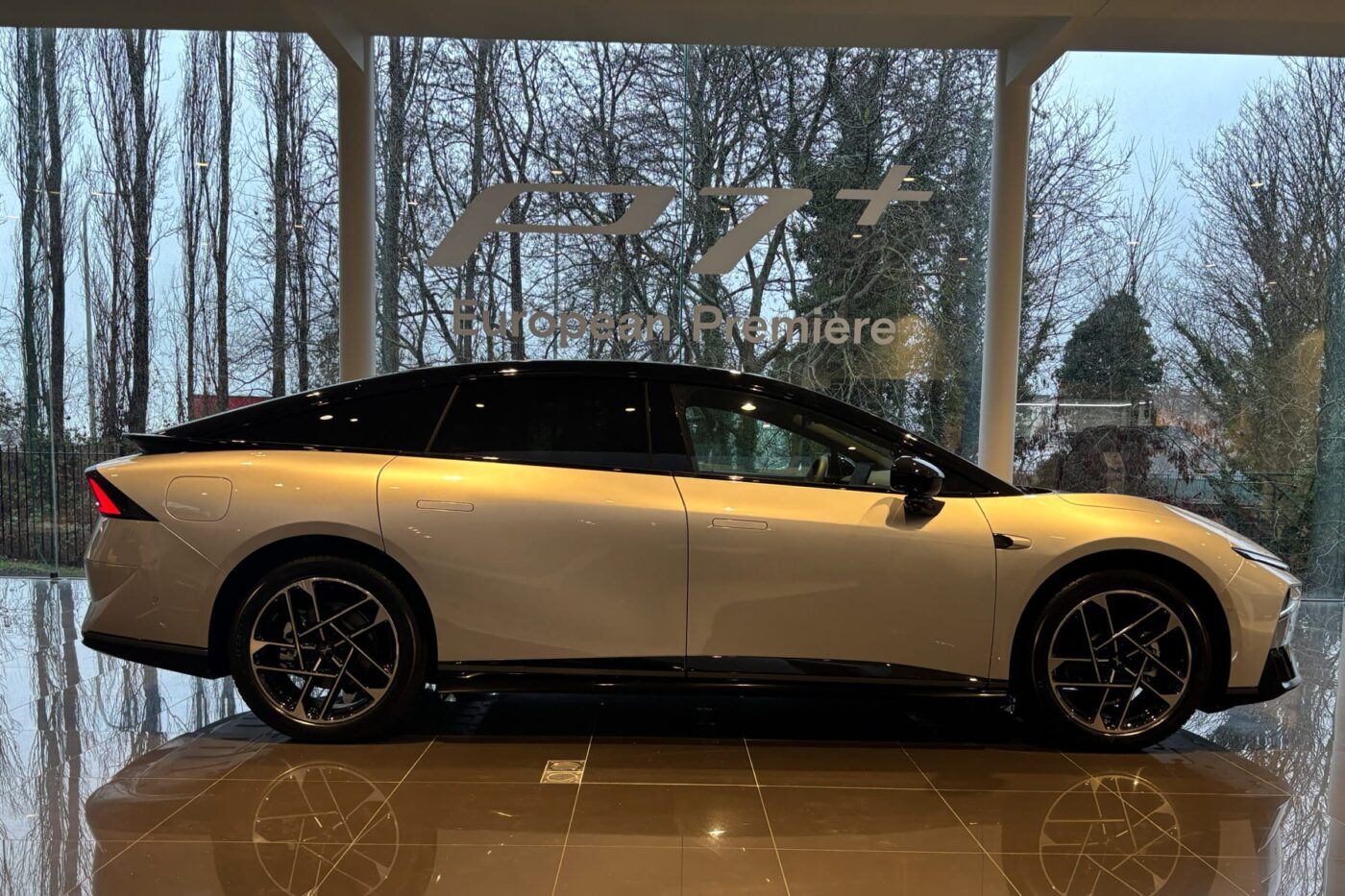
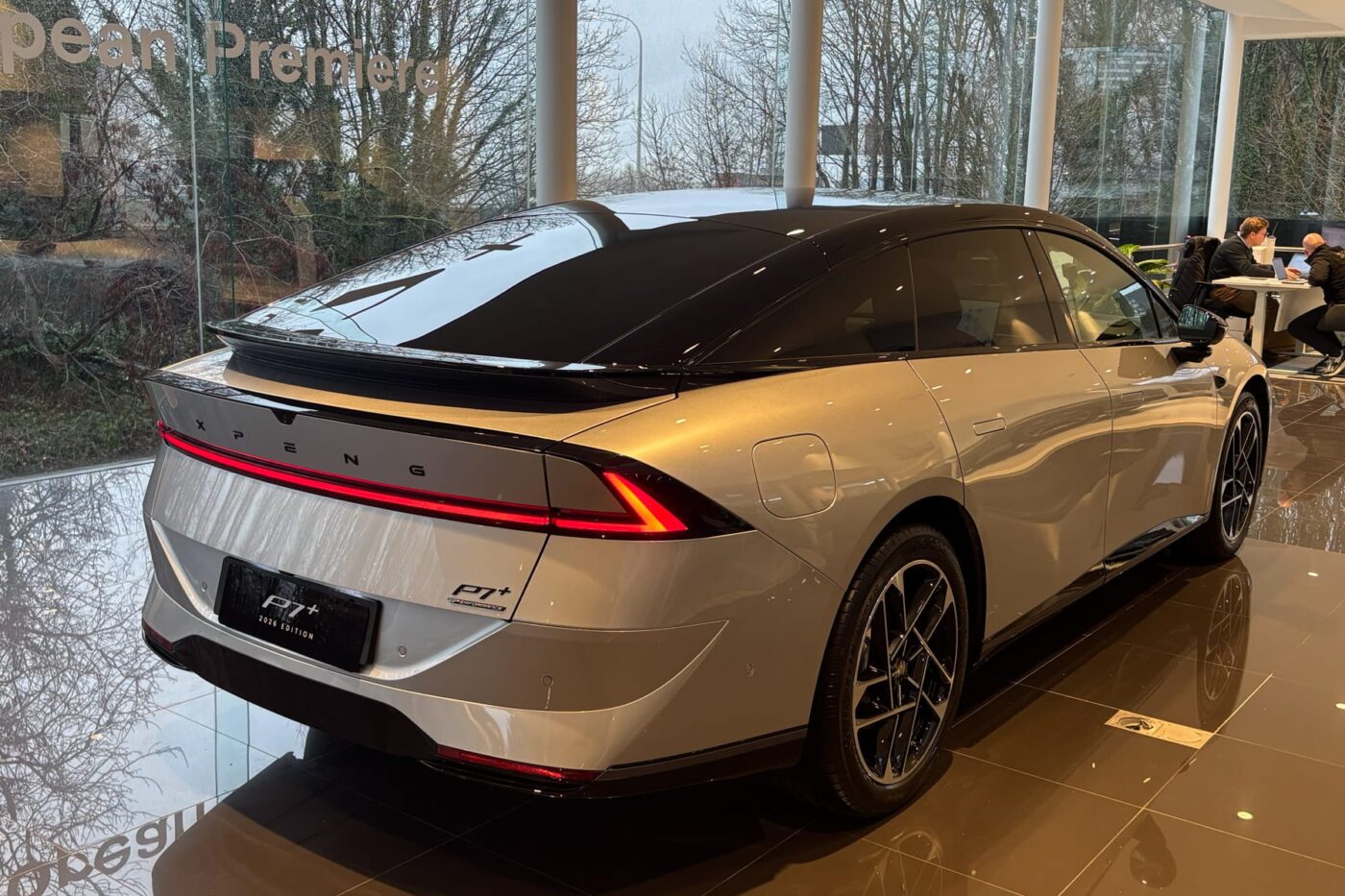
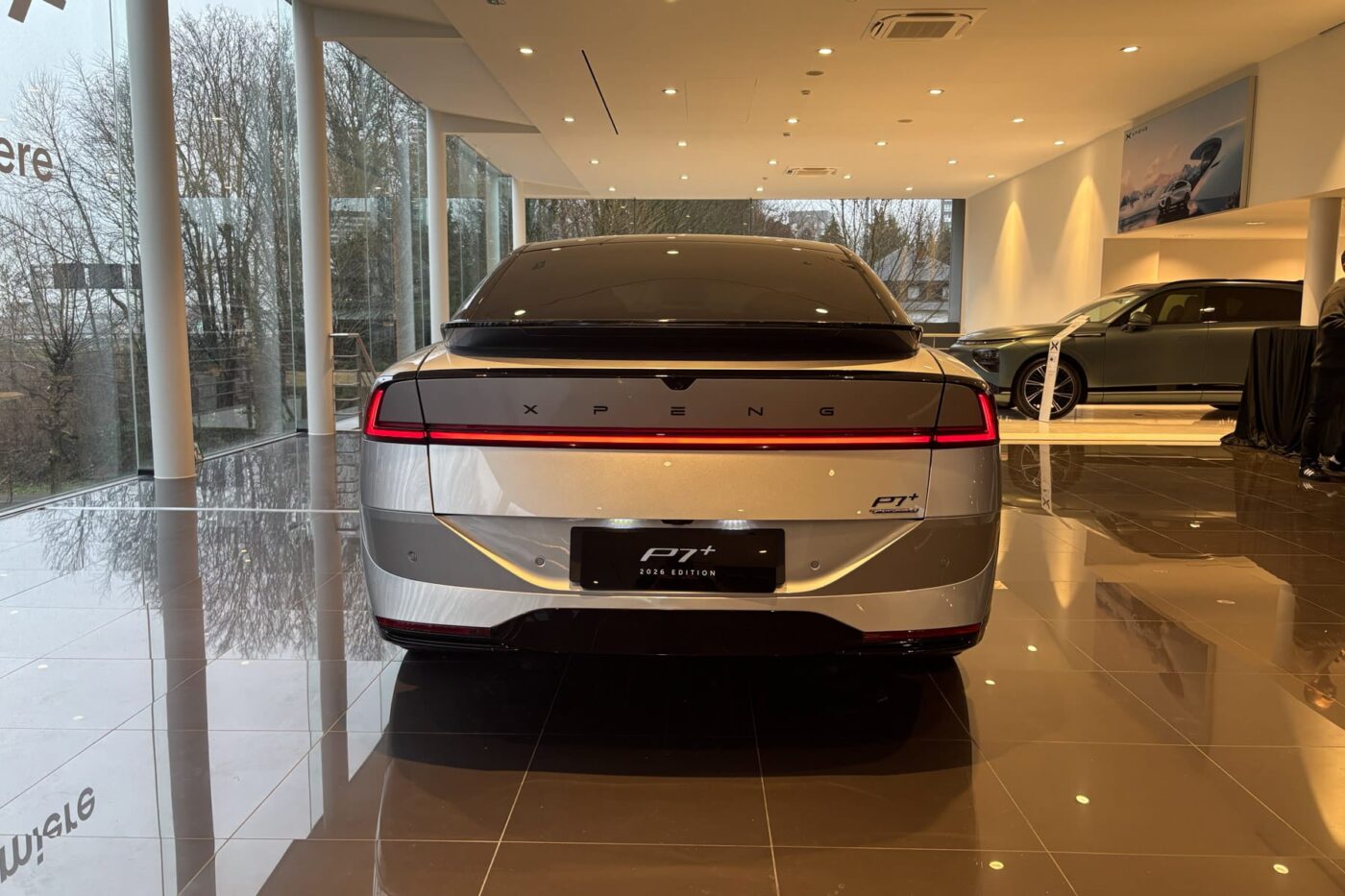
The P7+, however, will be available in Europe, so let’s focus on that. The 5.07-metre battery-electric saloon is based on Xpeng’s proprietary SEPA 2.0 platform, which is optimised for electric drivetrains but could theoretically also accommodate plug-in hybrids or range-extender vehicles. For example, in China, the X9 van features a small range extender. In Europe, however, Xpeng is focused exclusively on battery-electric vehicles, as confirmed by powertrain chief Gu upon request.
A brief digression: The model designation P7 is already familiar at Xpeng, but the distinction between the P7 and P7+ is crucial. The original P7 was the manufacturer’s inaugural flagship model and holds significant internal importance. For the second generation, however, Xpeng adopted a two-pronged strategy: The ‘new’ P7 is a slightly larger and sportier model with a more angular design and up to 486 kW charging power. In contrast, Xpeng positions the P7+ is as a large fastback saloon ‘for families who prioritise sleek design combined with practicality, a large boot, high range, and ultra-fast charging.’ Thus, the P7 and P7+ are two distinct models that share the same name but cater to different needs. However, there are currently no plans to bring the second-generation P7 to Europe.
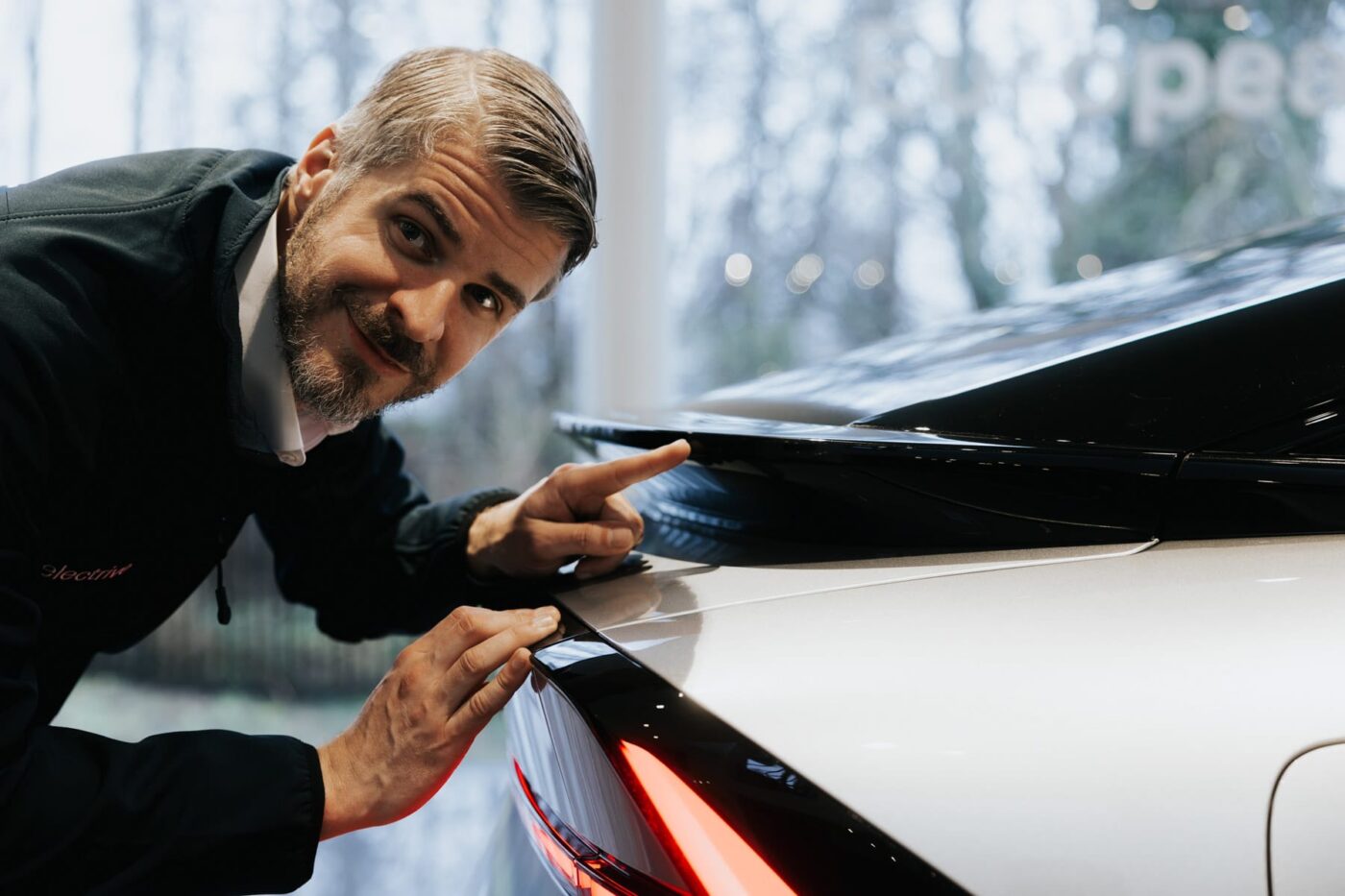
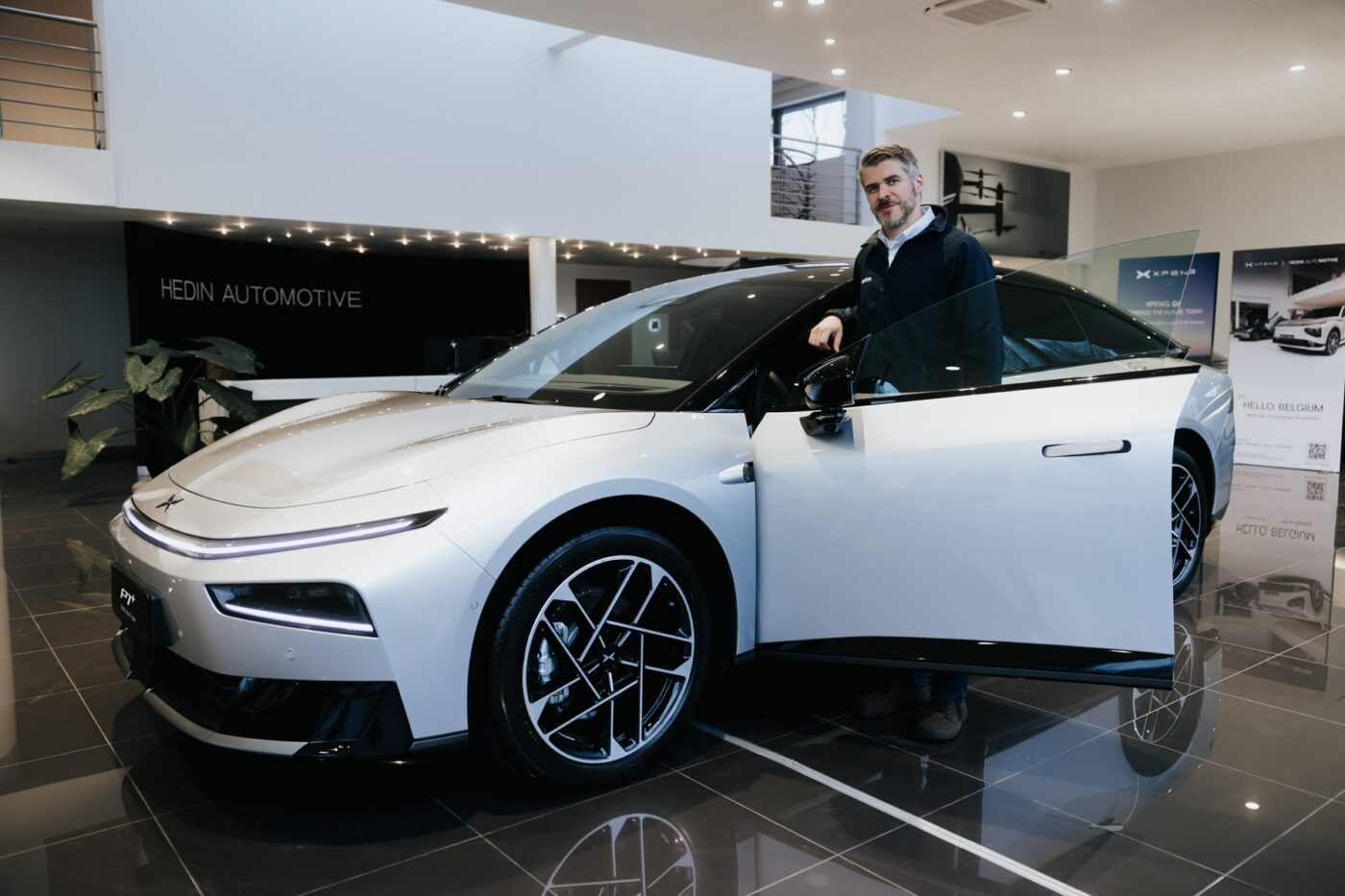
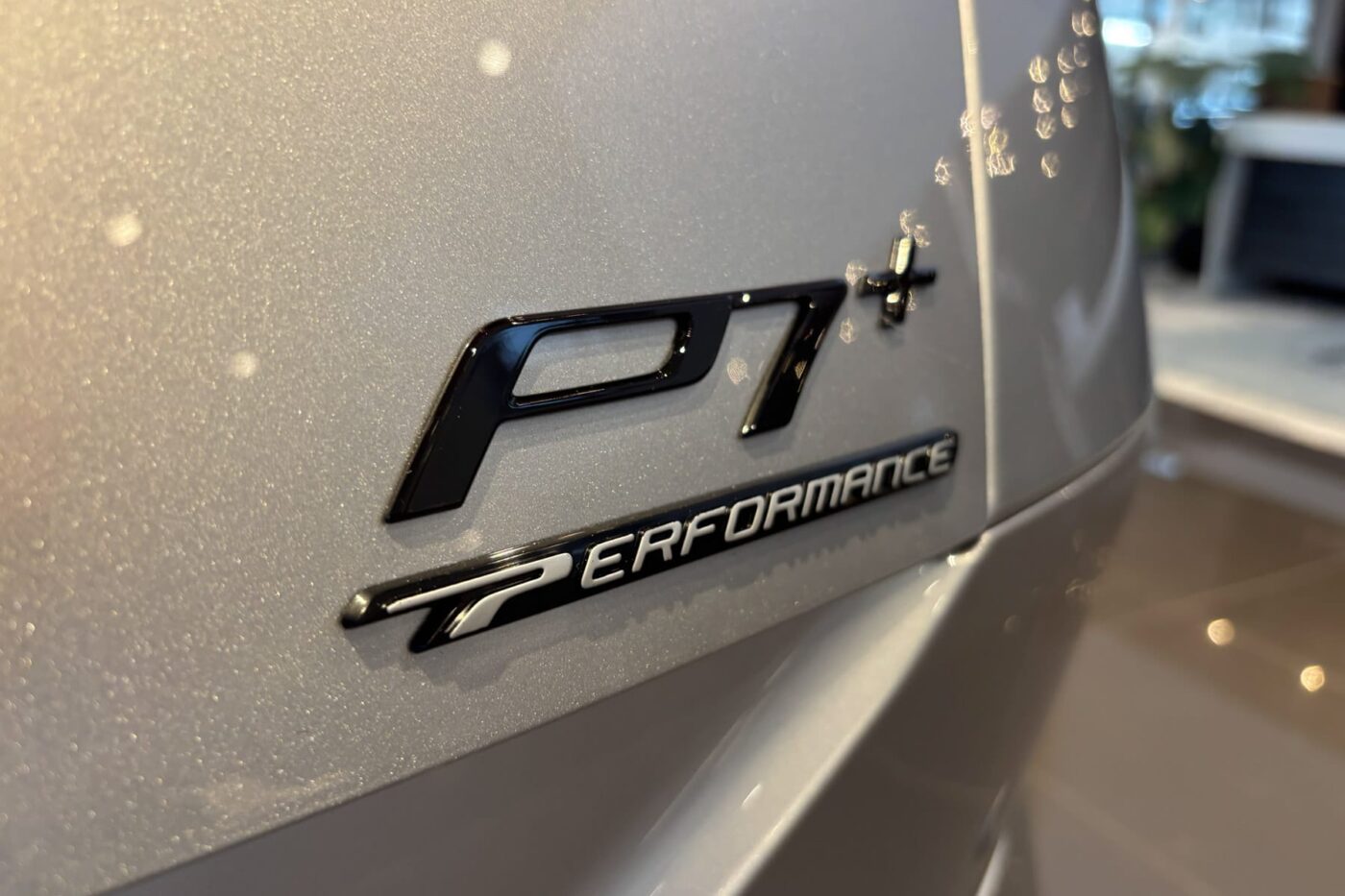
Like the two SUV models, the G6 and G9, the P7+ will be available at launch in three variants: a ‘standard range’ model with rear-wheel drive (starting at €46,600 in Germany), the ‘long range’ variant with rear-wheel drive and a larger battery (starting at €49,600), and the top-of-the-range ‘performance’ model with the large battery and a powerful all-wheel drive (starting at €53,600). However, unlike the VW Group, which uses standardised battery sizes across its brands and models, Xpeng does not adhere to fixed standards but instead tailors battery packs to each specific model.
In the P7+, the ‘standard range’ pack has an energy capacity of 61.7 kWh, while the larger battery in the ‘long range’ and ‘performance’ variants offers 74.9 kWh. With rear-wheel drive, this enables a WLTP range of up to 530 kilometres, which, depending on driving style and weather conditions, should translate to roughly 300 to 400 kilometres in real-world use. At 5.07 metres in length and with a wheelbase of exactly three metres, the P7+ is far from a small car. A similarly sized VW ID.7 is available with up to 86 kWh, while a Hyundai Ioniq 6 offers 84 kWh. In the current mid-size SUV segment, battery capacities exceeding 100 kWh are no longer uncommon.
Xpeng now only uses LFP batteries
For internal comparison: Xpeng offers the G6 with up to 80.8 kWh and the larger G9 with up to 93.1 kWh. In all cases, however, only battery packs with LFP cells are used. These lithium iron phosphate cells are considered more robust and cost-effective, as they do not require expensive raw materials such as nickel, manganese, and cobalt, which are used in so-called NMC cells. The (previous) drawbacks: LFP cells have a lower energy density, meaning a battery of the same size offers less range than one with NMC cells. Additionally, as LFP cells have primarily been used in more affordable electric vehicles or base models, their charging performance has often been limited.
Gu explicitly rules out an even larger battery (such as the 93 kWh pack from the G9) for the P7+. “If you want to reduce travel time in an electric vehicle, you have two options,” explains Xpeng’s head of powertrain development. “Either you install a larger battery, making the car heavier and more expensive, or you optimise the efficiency of the drivetrain for lower consumption and the efficiency of the charging system. We clearly opted for the latter approach.”
| RWD Standard Range | RWD Long Range | AWD Performance | |
|---|---|---|---|
| Drive | RWD | RWD | AWD |
| Power | 180 kW | 230 kW | 370 kW |
| Torque | 450 Nm | 450 Nm | 670 Nm |
| Acceleration | 6.9 s | 6.2 s | 4.3 s |
| Top speed | 200 km/h | 200 km/h | 200 km/h |
| WLTP range | 455 km | 530 km | 500 km |
| Battery | 61.7 kWh | 74.9 kWh | 74.9 kWh |
| DC charging power | 350 kW | 446 kW | 446 kW |
| DC charging time 10-80% | 12 min | 12 min | 12 min |
| Price | €46,600 | €49,600 | €53,600 |
That means that while a VW ID.7 boasts a standard range of up to 708 kilometres, the P7+ achieves a maximum of 530 kilometres on paper. However, the Chinese saloon excels at the charging station: With up to 446 kW charging power for the larger battery, a standard charging session from 10 to 80% is expected to take just twelve minutes, while Xpeng claims that charging from 20 to 80% will take less than ten minutes. In comparison, the VW ID.7 takes 26 minutes to charge from 10 to 80%. On a 600-kilometre trip from Munich to Berlin, where even the ID.7 would realistically require one charging stop, the P7+ could theoretically save crucial minutes at the charging station.
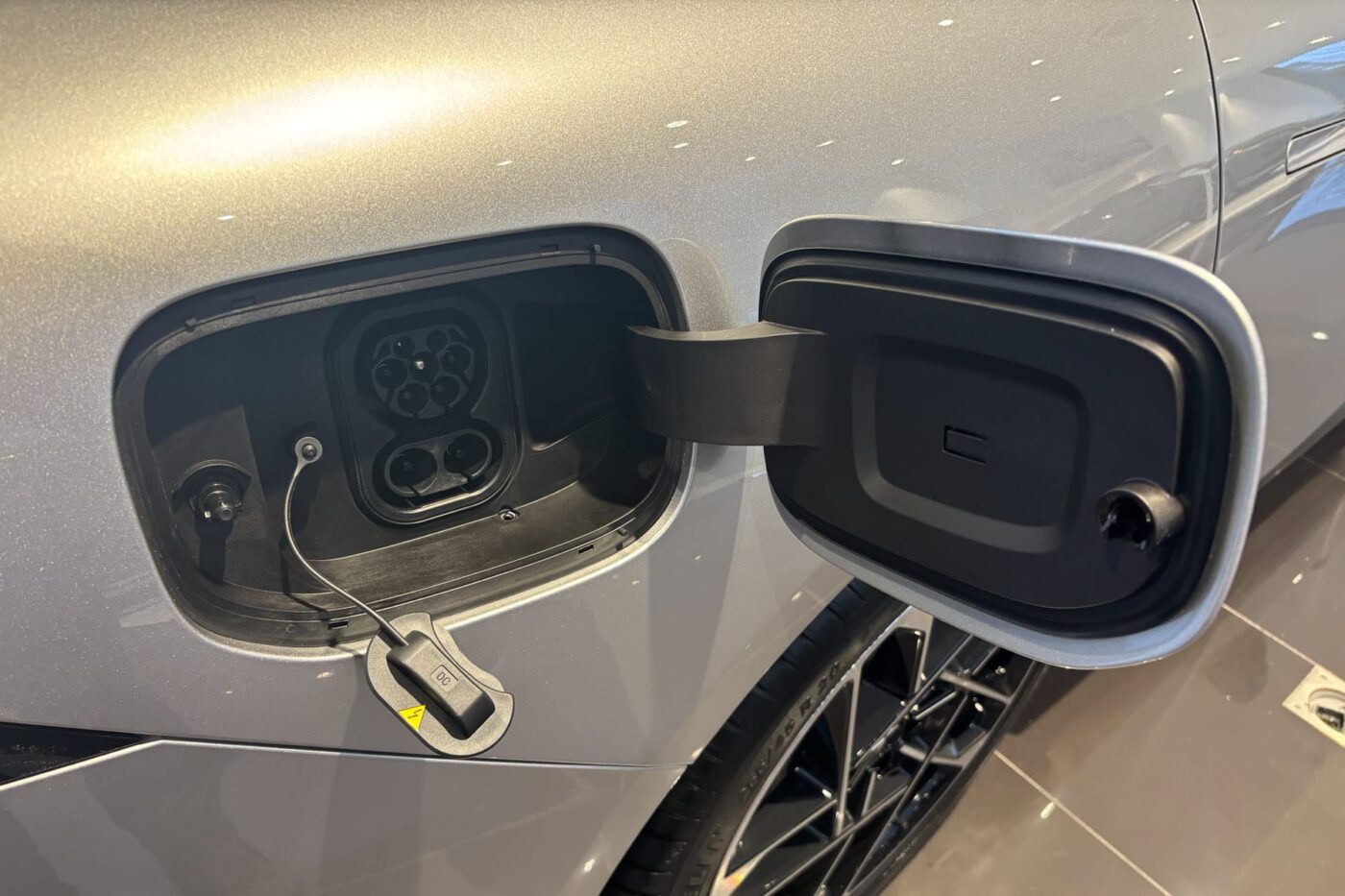
This is made possible by Xpeng’s 5C battery pack. The term 5C means that the battery can be charged at five times its energy capacity, which translates to a twelve-minute charging time—just like in the Xpeng G6 and G9. With an energy capacity of around 75 kWh, this equates to 375 kW of charging power. The P7+ even exceeds this with a peak factory-rated output of 446 kW, though the average charging session is likely to settle around 375 kW. To enable such high charging power without compromising battery longevity, the efficiency of the charging system—highlighted by Jacky Gu—plays a crucial role. The more efficient the system, the more charging current the battery can absorb without components overheating, which would lead to energy losses and increased cooling demands. To optimise this, Gu’s team relied heavily on AI during development.
Xpeng brings its own fast chargers to Europe
Such high charging power, of course, depends on the charging infrastructure supporting these outputs. While Xpeng states that charging at widely available 300 kW stations in Europe—with a nearly flat charging curve at 300 kW—will take only about two minutes longer, the company plans to roll out its own fast chargers in Europe this year. Details on the number of chargers and the countries involved are still under wraps, but Xpeng emphasises that the European version of its chargers, already known from China, will support the full charging power for all Xpeng vehicles. In the case of the G9, it means up to 525 kW.
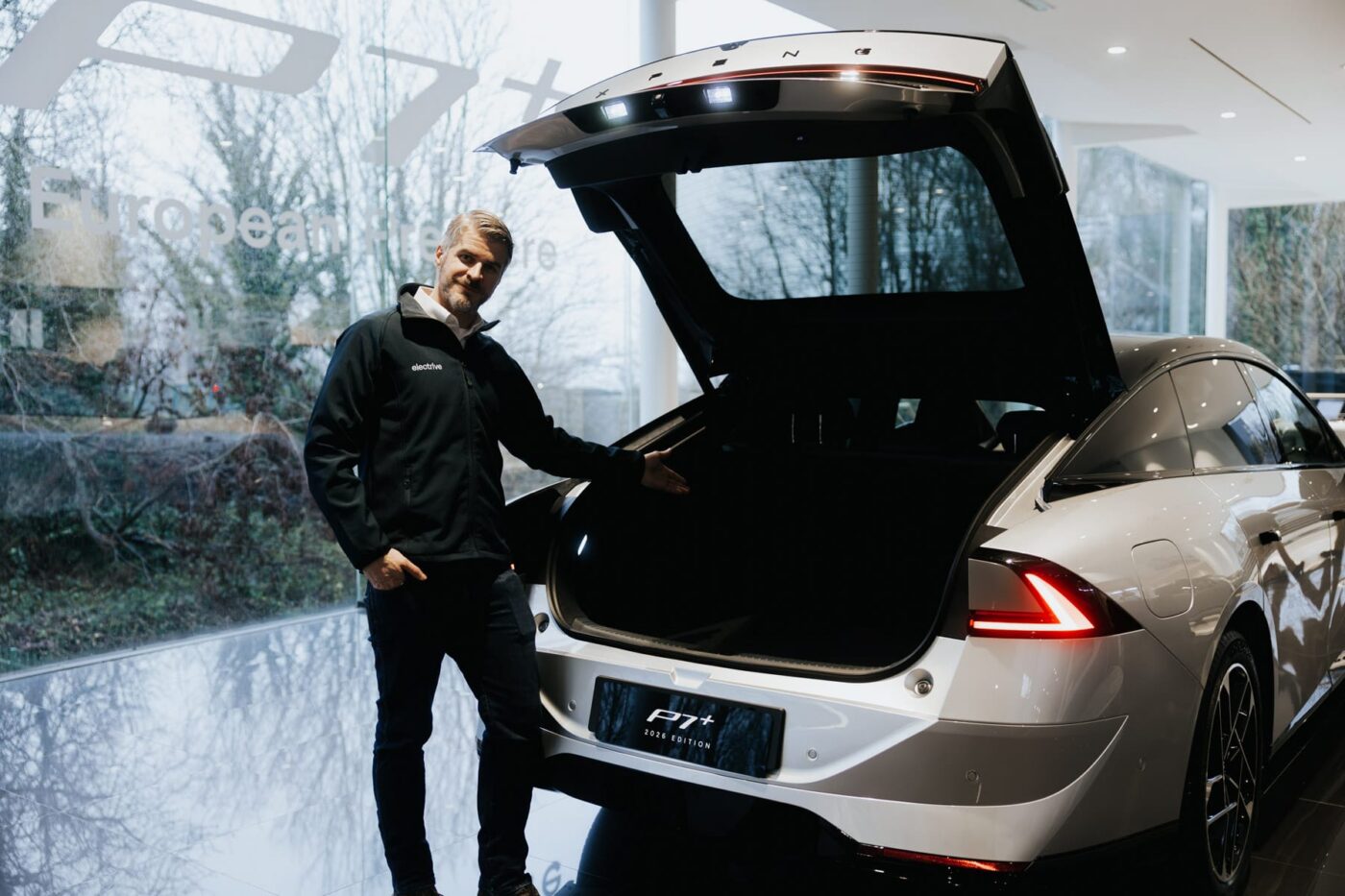
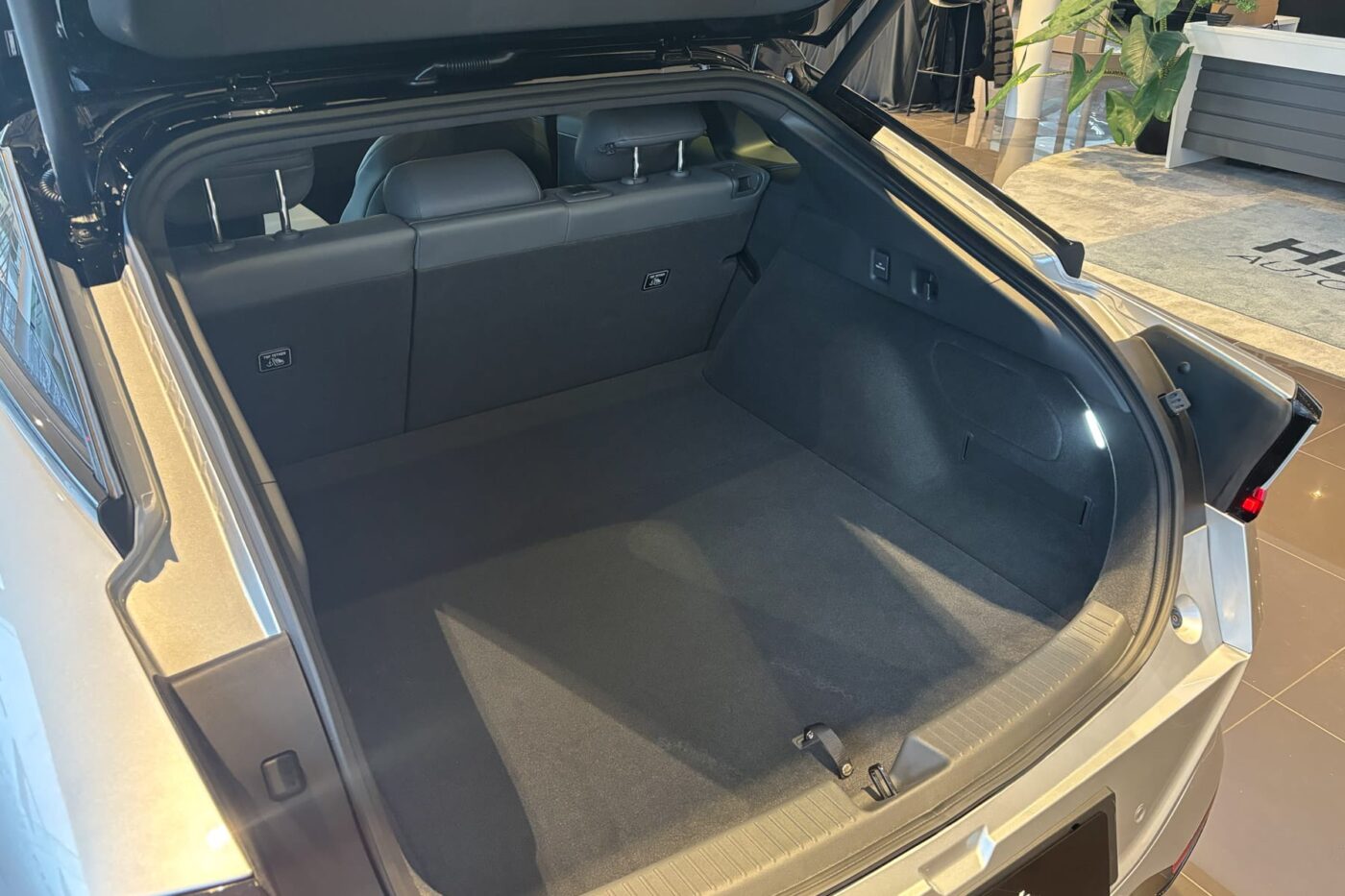
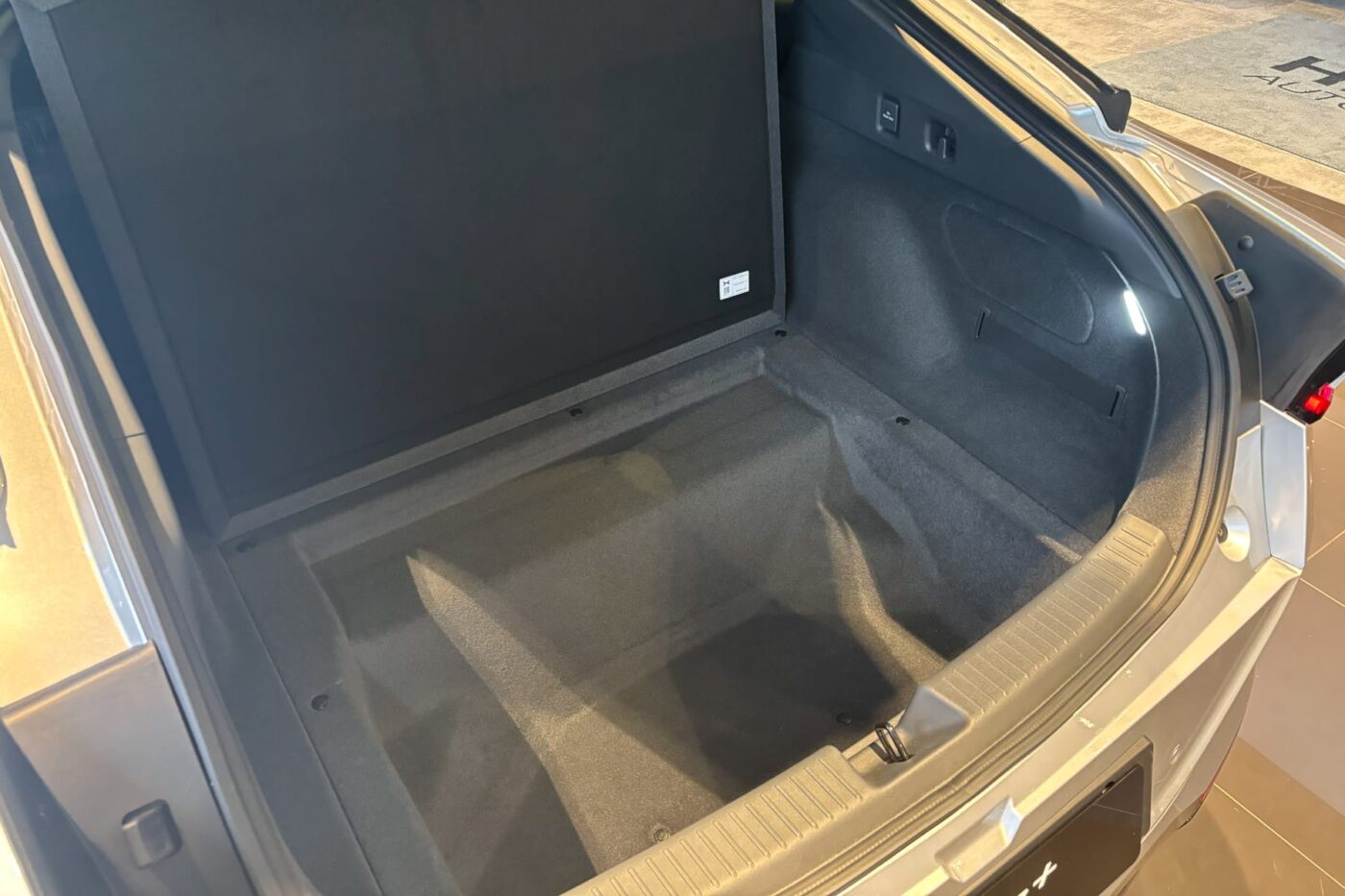
As a large fastback saloon aimed at families, the P7+ also scores high on practicality. In the absence of electric estates, this target group often opts for an electric SUV. However, unless transporting particularly tall items, the P7+ could be a genuine alternative: Its deep boot offers 573 litres of space in the standard configuration and is easily accessible via the wide-opening tailgate. With the rear seats folded down, this increases to up to 1,931 litres of storage space. At the trade show, Xpeng demonstrated the practicality of a sleek saloon by fitting 33 pieces of hand luggage into the P7+, including the rear seat area. Another practical feature is the additional storage compartment under the boot floor, where the charging cable can be stowed—though, unfortunately, there is no frunk under the bonnet.
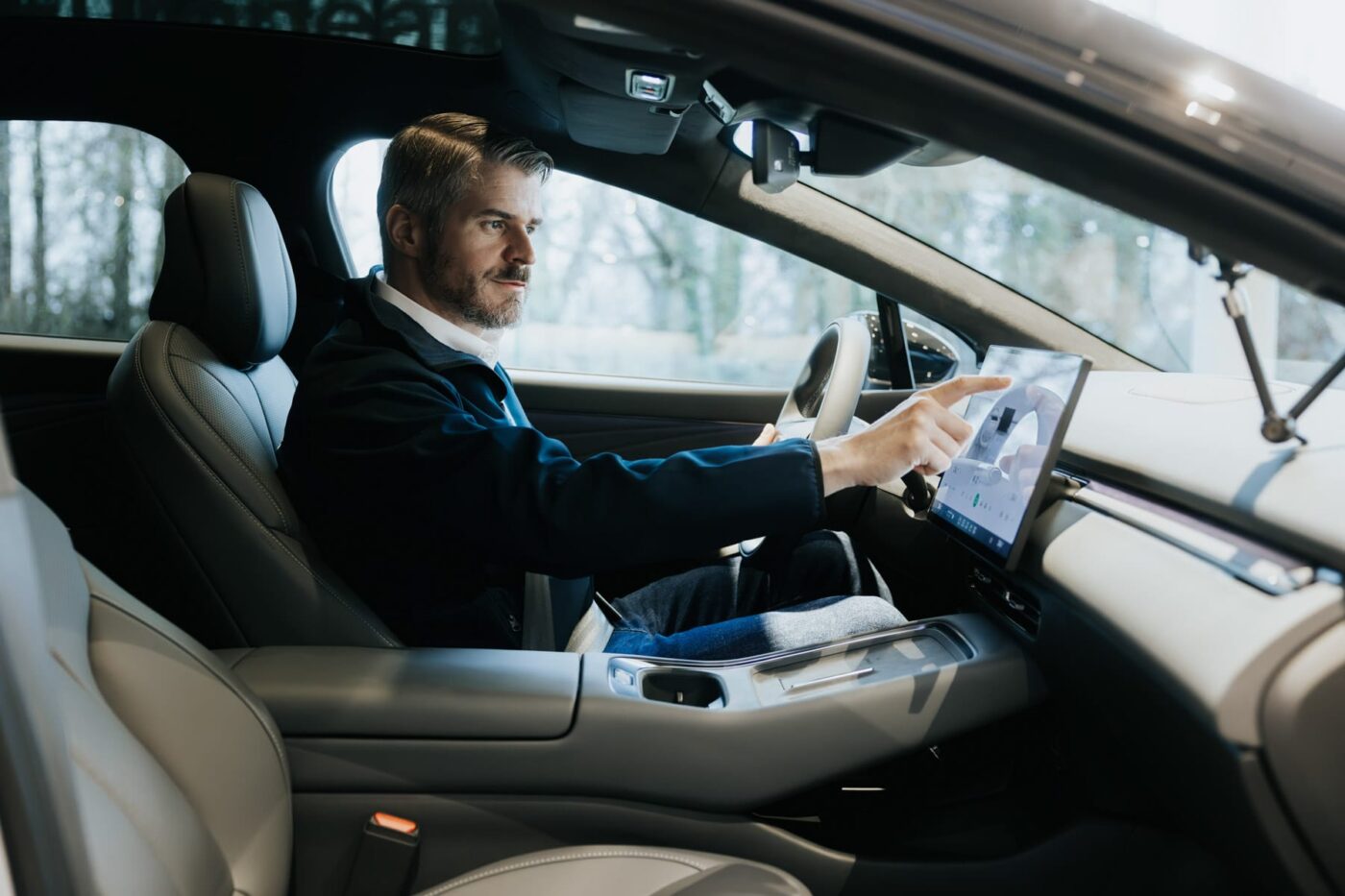
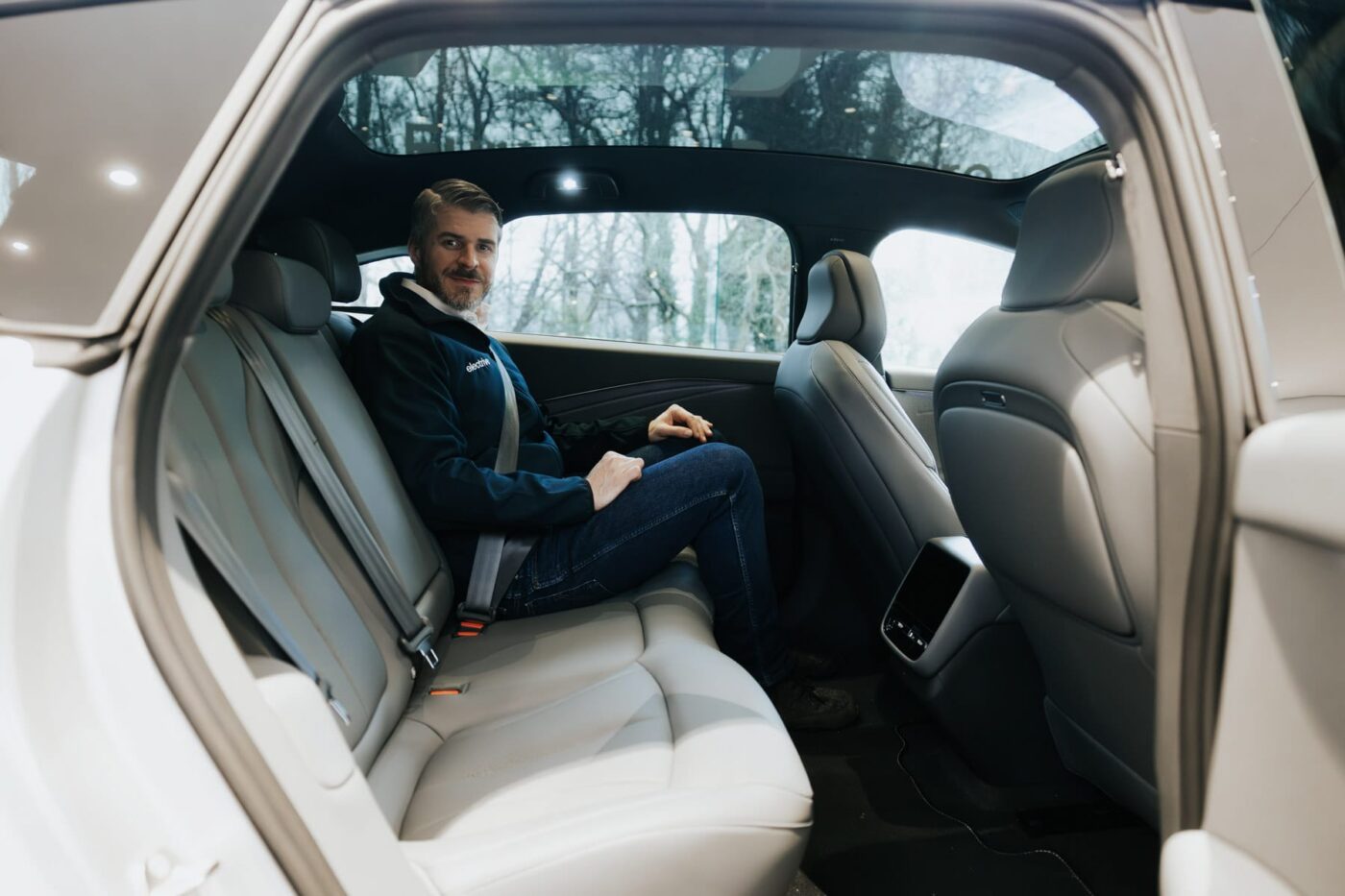
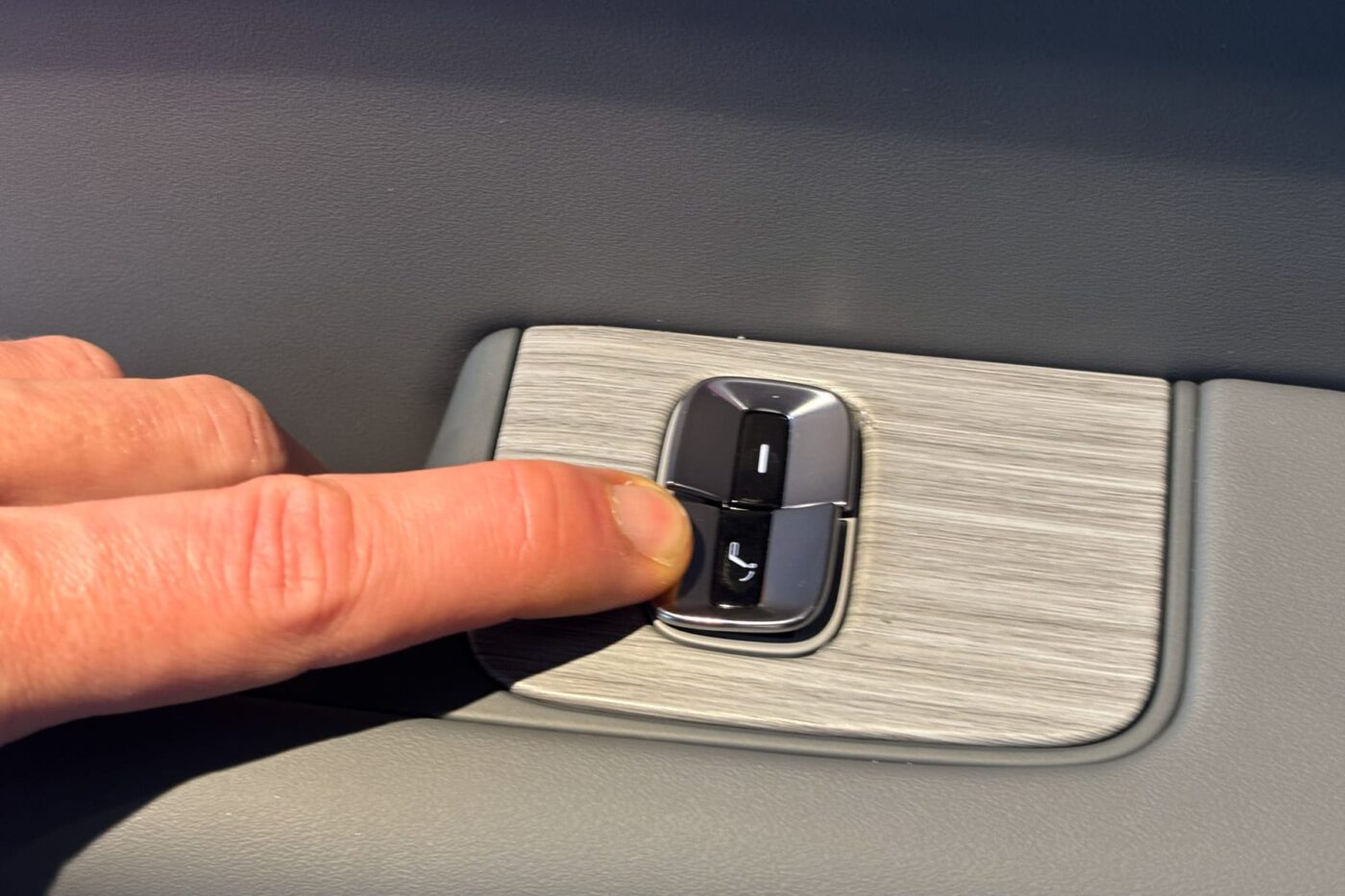
However, the interior offers ample space. Four adults can travel in exceptional comfort, and the rear headroom is impressive for a saloon. If five people need to travel, the rear bench might feel a bit tight for three passengers—it is, after all, neither a van nor a large SUV. Nevertheless, the legroom and comfortable seats throughout (even the rear seats feature electric backrest adjustment) make the P7+ ideal for long journeys. Additional software features, such as a camping mode called ‘XSleep’ and a ‘Pet Mode,’ add practical touches for everyday use and travel. However, like all current Xpeng models, the towing capacity is limited to 1.5 tonnes, so caravans or horse trailers should not be too heavy.
The drivetrain consists of a permanent magnet synchronous motor mounted on the rear axle. In the P7+ ‘standard range’, this motor delivers 180 kW, while the larger ‘long range’ battery increases the output to 230 kW. In both cases, the maximum torque is 450 Nm, and the top speed is 200 km/h. With the smaller battery, the P7+ accelerates from 0 to 100 km/h in 6.9 seconds and achieves a WLTP range of up to 455 kilometres. The ‘long range’ model is slightly faster, with a 0-100 km/h time of 6.2 seconds, and offers the highest WLTP range in the lineup at 530 kilometres. For the ‘performance’ model, the 230 kW rear motor is supplemented by a 140 kW induction motor on the front axle. This increases the maximum torque to 670 Nm and reduces the acceleration time to 4.3 seconds. However, even the top-of-the-range model, with the equivalent of over 500 PS, is limited to a top speed of 200 km/h. Its range is slightly lower than that of the rear-wheel-drive version, at 500 kilometres.
All three variants come with an extensive standard equipment list, including numerous driver assistance systems, Vehicle to Load (VtL) with up to 3.3 kW, an adaptive suspension, and front massage seats that are both heated and ventilated. The two models with the larger battery offer even more additional features: They come with 20-inch wheels (instead of 19-inch), an eight-inch touchscreen for the rear seats, and heated, ventilated, and massaging rear seats. Four massage seats for under €50,000 in the P7+ ‘long range’ represent excellent value, and the €3,000 premium over the ‘standard range’ is not solely due to the larger battery. The only optional extras are the paint finish (‘Arctic White’ is included, otherwise €800) and the electrically swivelling tow hitch (€1,190).
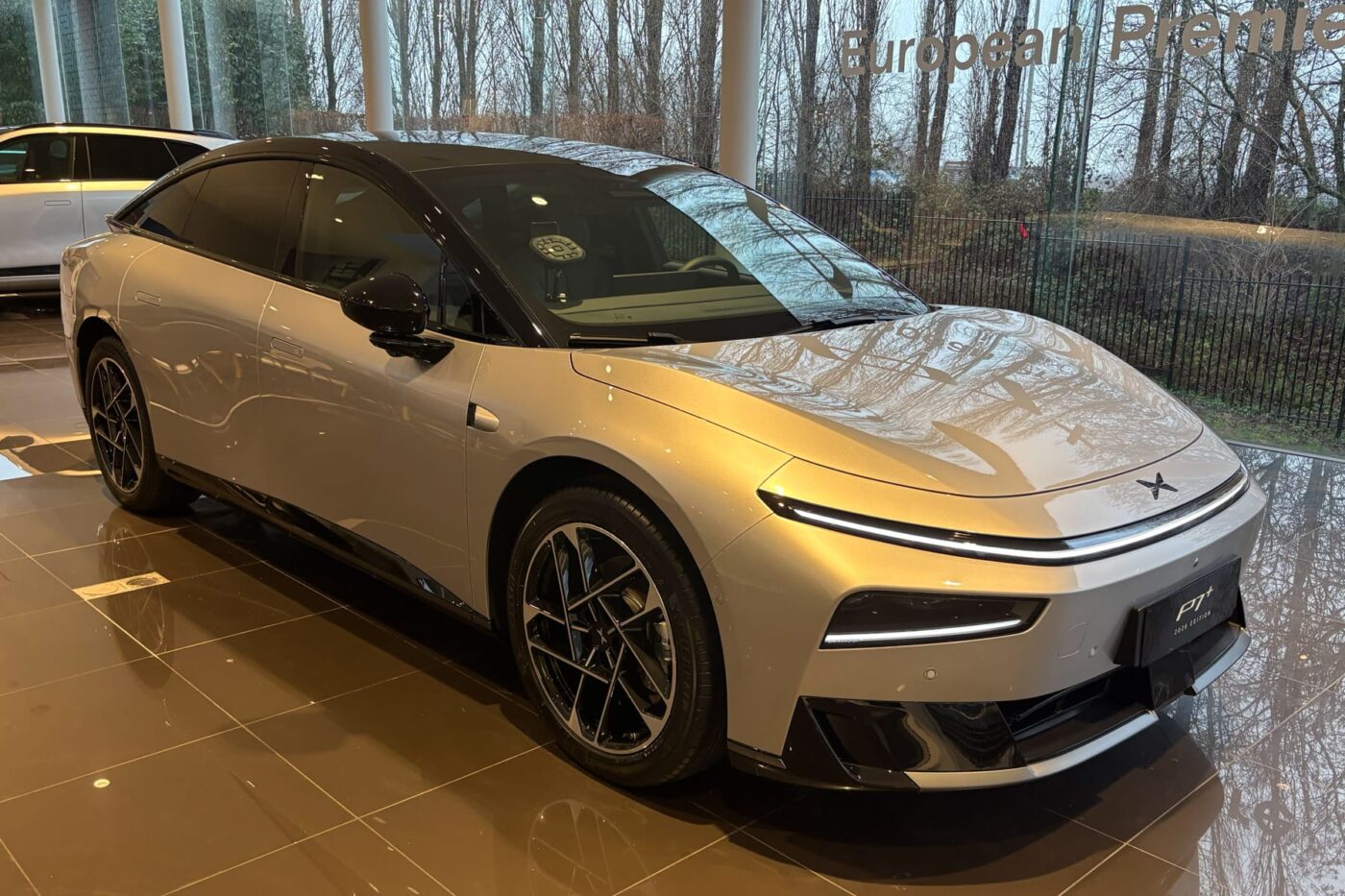
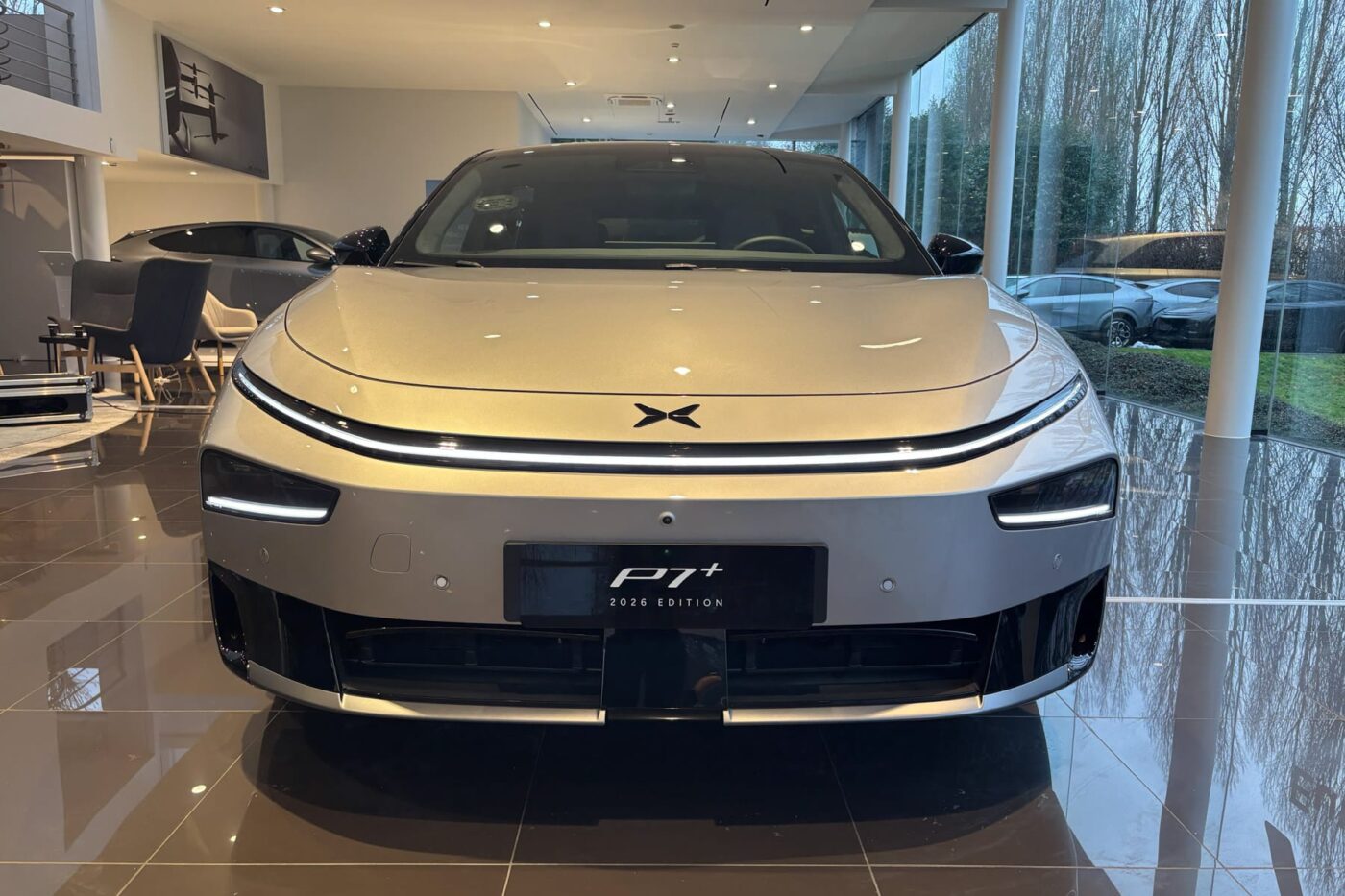
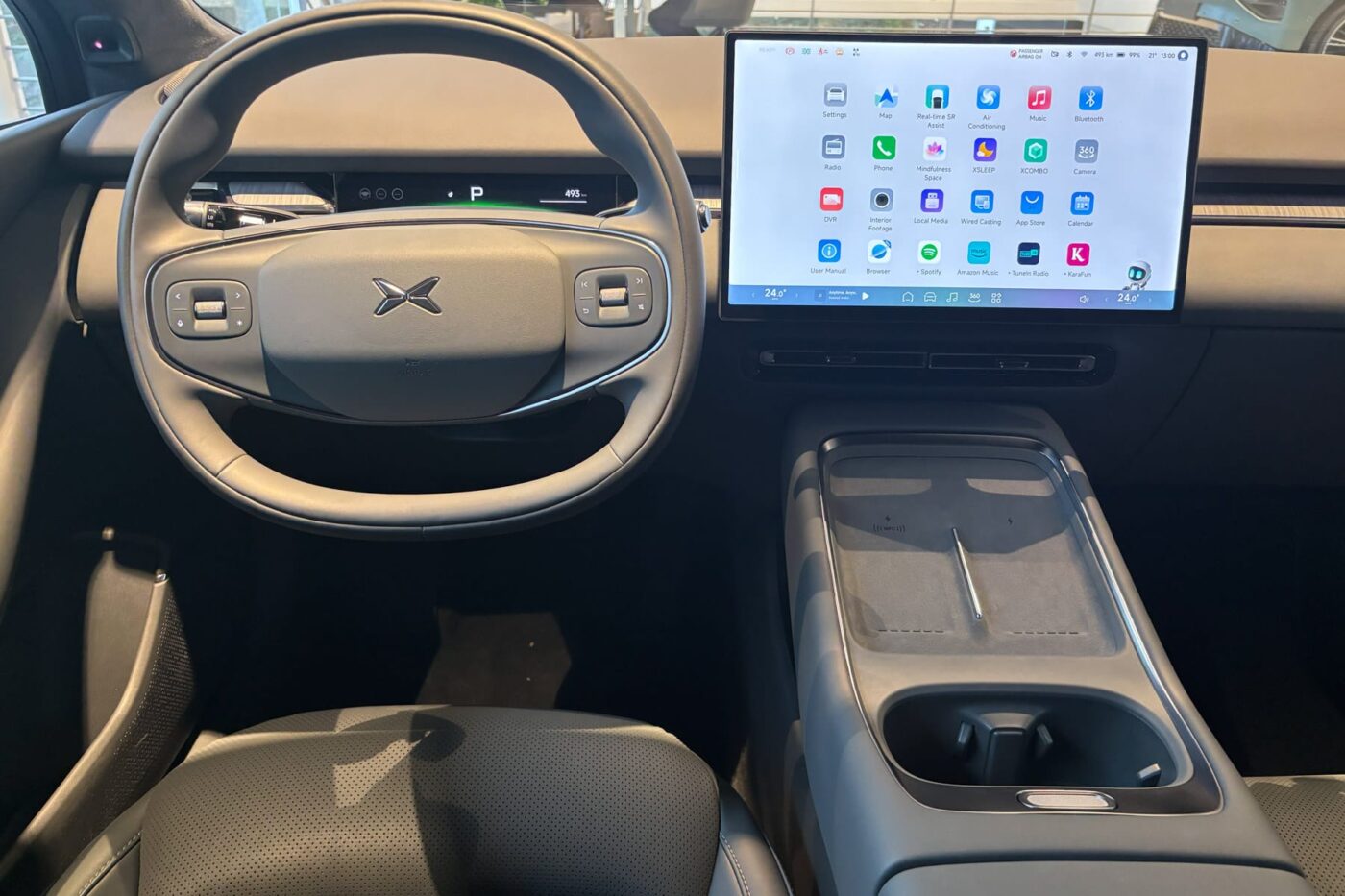
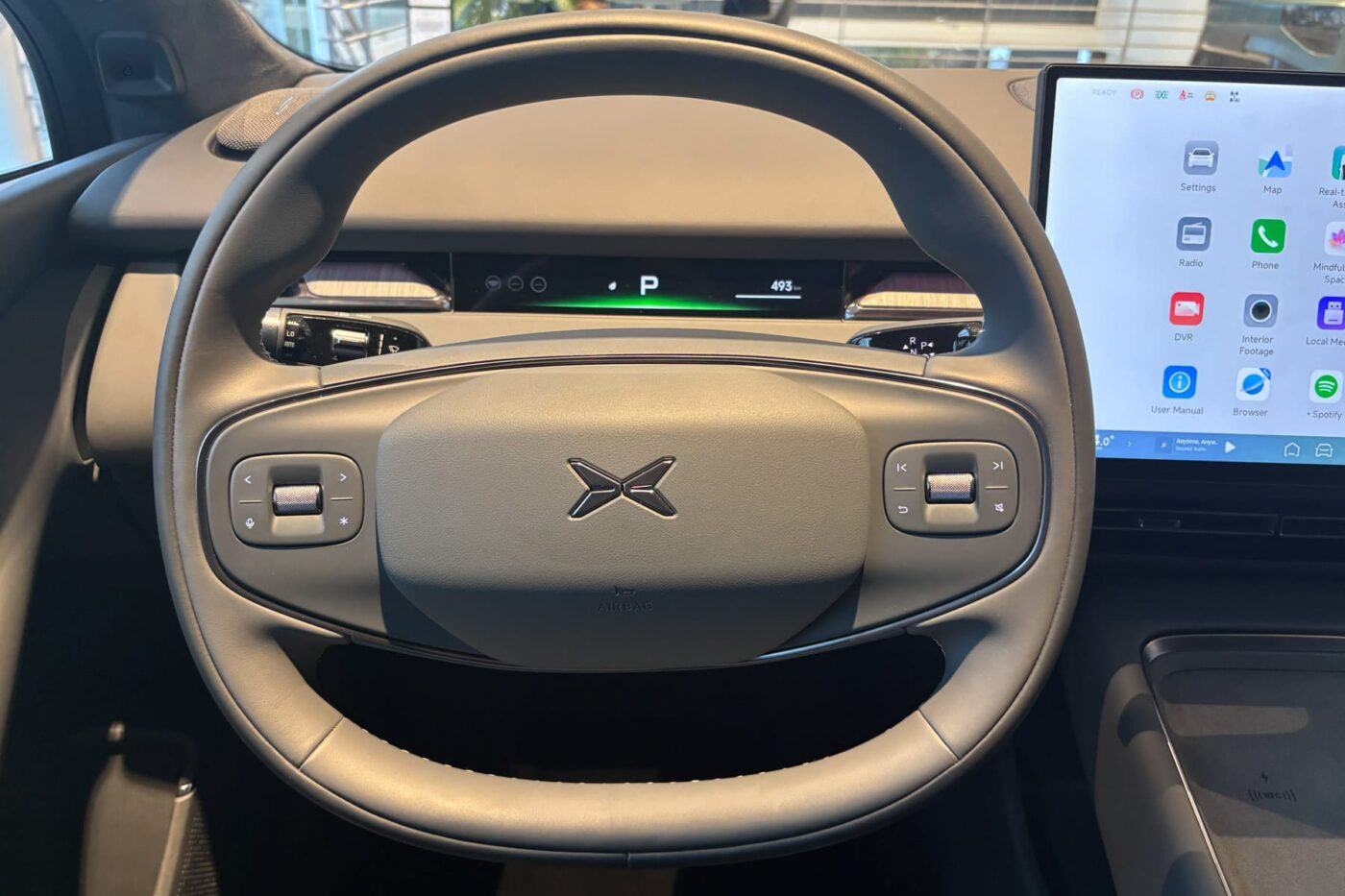
At Xpeng, however, another feature has become significantly more important than the drivetrains—the electric powertrains are more or less standardised, but they are not the key differentiator for Xpeng. Instead, the company aims to stand out through AI, not just in development. For in-vehicle use, Xpeng has developed its own ‘turing’ chip, which is produced in-house at a dedicated chip factory in China. The ‘turing’ chip is a pet project of founder and CEO He Xiaopeng, who is far more enthusiastic about chips and AI than about batteries and drivetrains.
As Gu explained during a conversation at the trade show, the AI in the vehicle is less focused on powertrain control units and more on HMI (Human-Machine Interface) systems and driver assistance features. This includes not only the semi-autonomous driving assistant but also features like remote parking. While many cars without AI chips can perform remote parking, the Xpeng system is expected to park significantly faster and more precisely, as the AI systems can better analyse data from sensors and cameras. Many cars are still quite cautious in this regard. Incidentally, as part of the collaboration with VW in China, applications based on the ‘turing’ chip are also being developed for the German group.
AI was even used in the design of the bodywork. On the one hand, the shapes had to be aerodynamically optimised for low consumption, while on the other, the body had to align with Xpeng’s current design language. During the concept phase, countless designs are created, modelled, evaluated, adjusted, re-evaluated, and gradually filtered out until the final concept remains—a process that can often take several months. At Xpeng, however, this is said to be achievable in just a few hours thanks to AI.
With this AI-driven approach, Xpeng aims to shorten development times, reduce costs, and maintain a rapid pace: In 2026 alone, four new models are set to arrive in Europe, including the Van X9, which is already available in China—though, as previously mentioned, likely only in its battery-electric version.
xpeng-newsroom.pr.co (in German), xpeng.com (model)
0 Comments