

Rivian’s factory activities point to imminent R2 launch
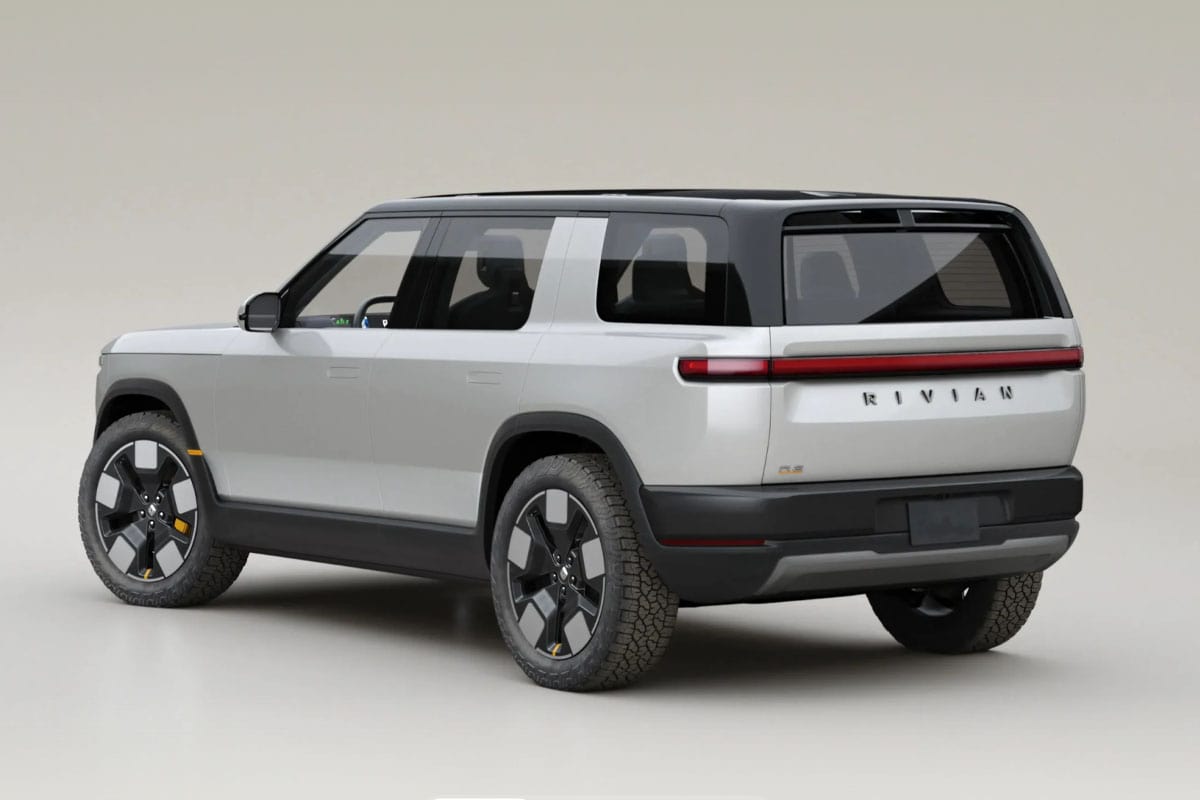
The production of validation vehicles typically marks the final step before the start of series production. Rivian has scheduled this phase for the first half of 2026 for its volume model, the R2. The pre-production cars already manufactured at its Illinois facility are used for final certification and crash testing. Rivian CEO RJ Scaringe commented on the social media platform X that his company is thrilled to ‘begin deliveries to our customers soon’. This statement has fuelled hopes that the R2 launch could take place early in the first half of the year.
One thing is clear: the R2 is poised to be Rivian’s breakthrough model—’comparable to the Tesla Model 3: a vehicle with higher production volume and lower costs,’ as the US portal Electrek puts it. Indeed, there are parallels between the two carmakers. Tesla also began with premium models before shifting focus to its volume drivers, the Model 3 and Model Y. For Rivian, the premium duo consists of the R1T and R1S. With the more compact and affordable electric SUV R2, the company expects sales figures to rise significantly. The new model range was unveiled in spring 2024.
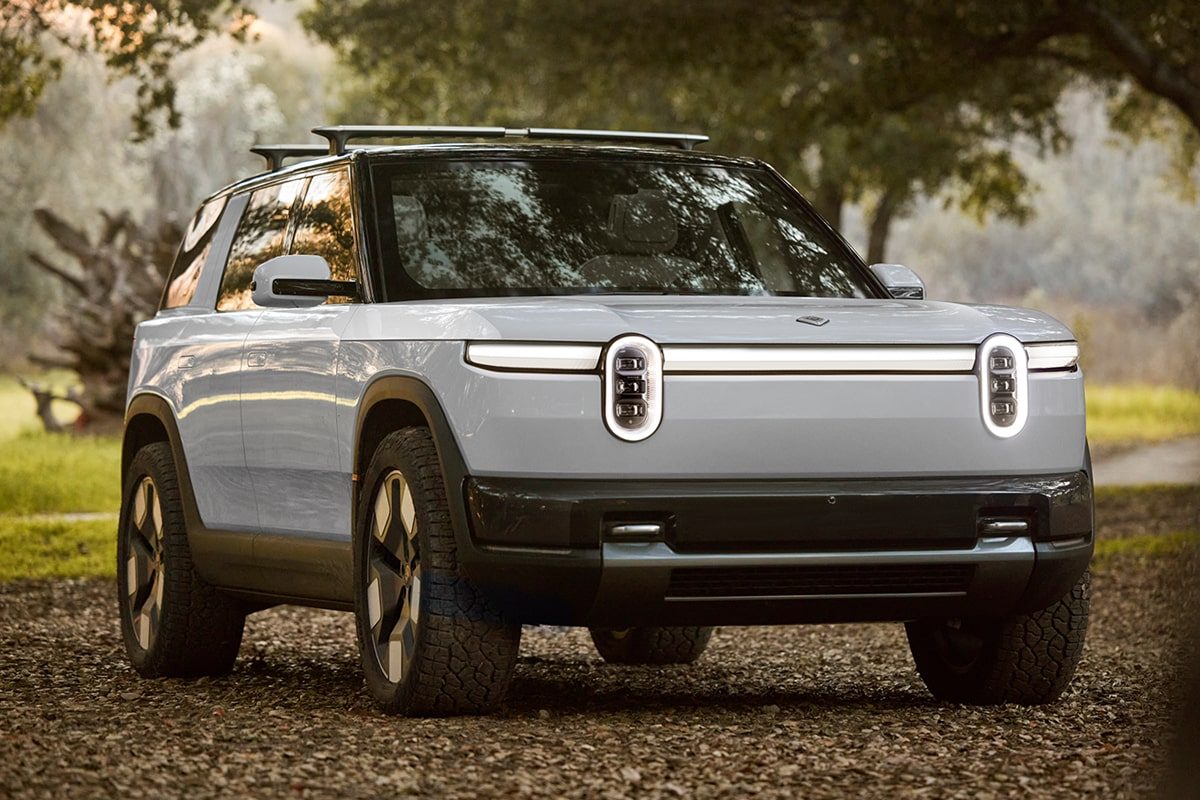
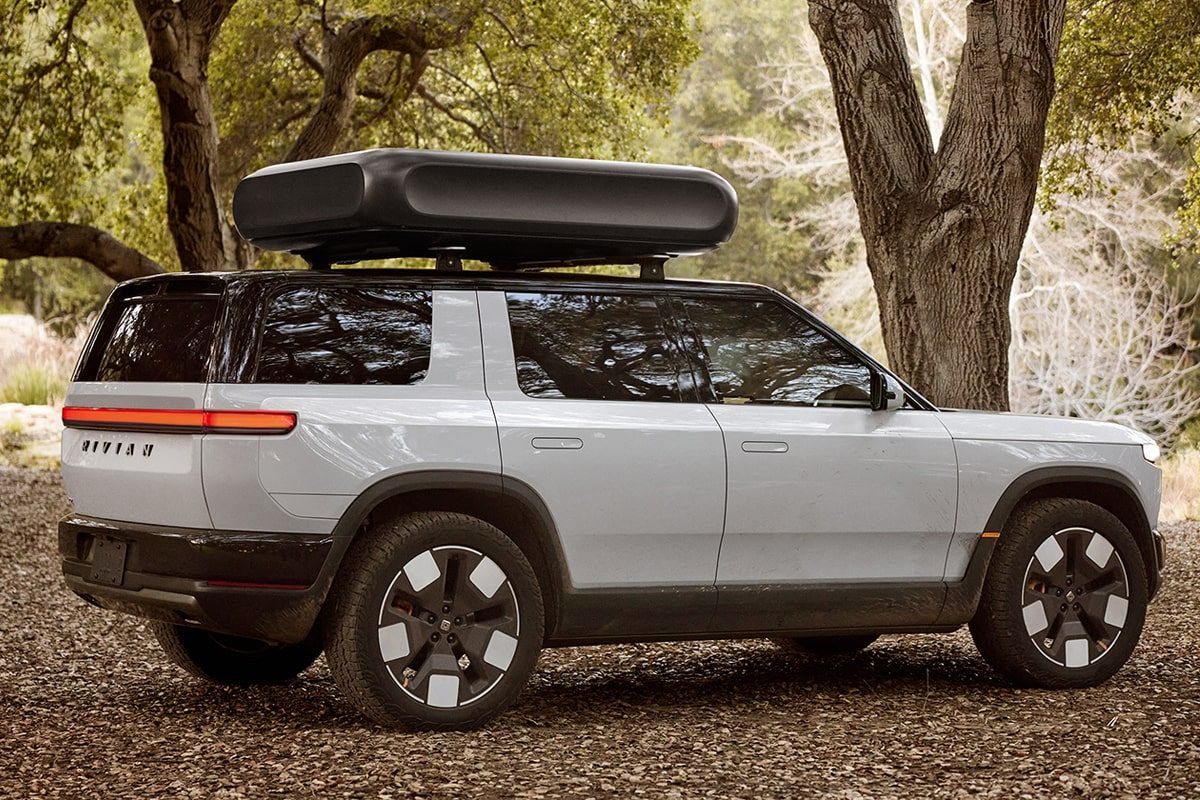
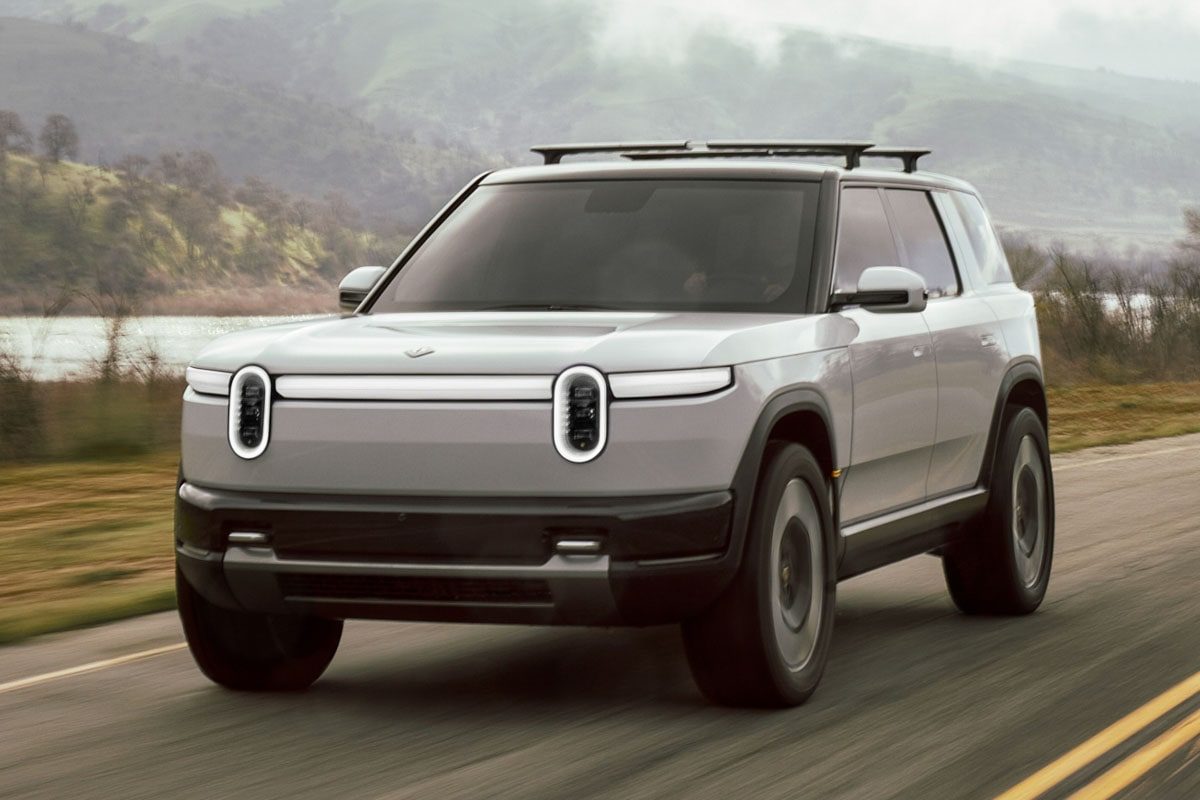
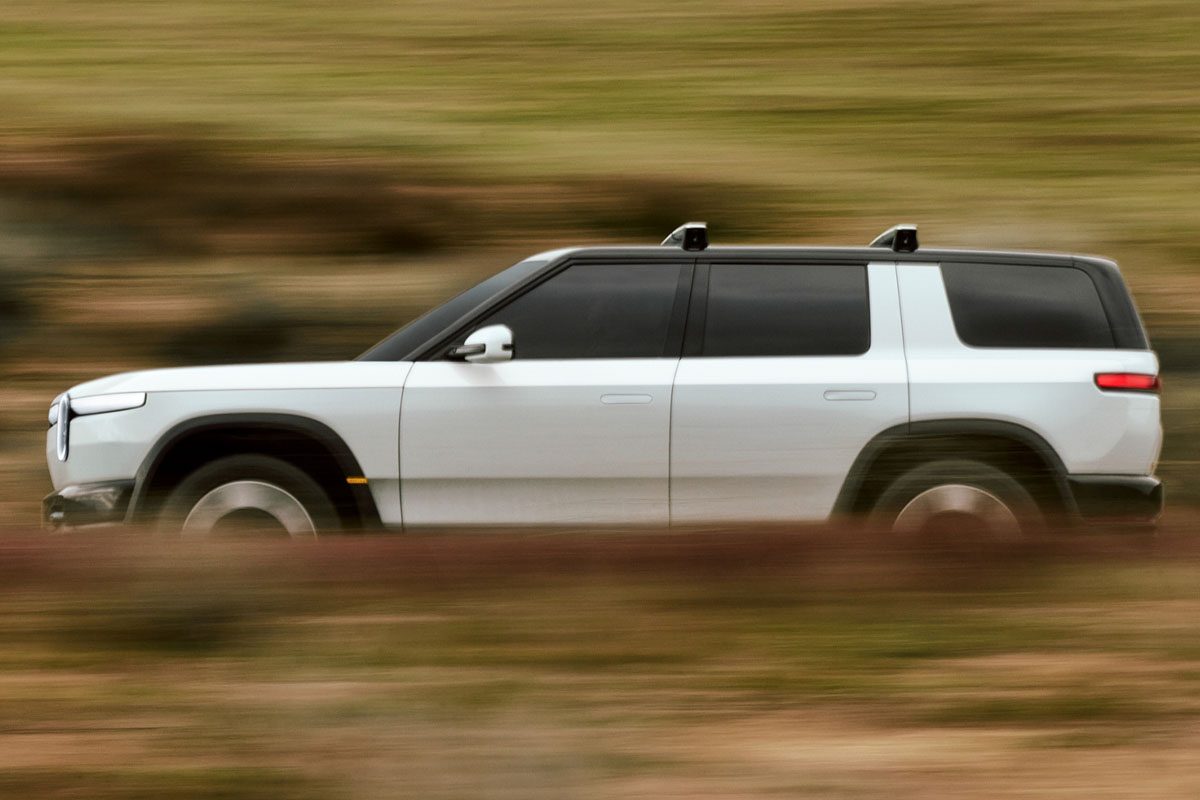
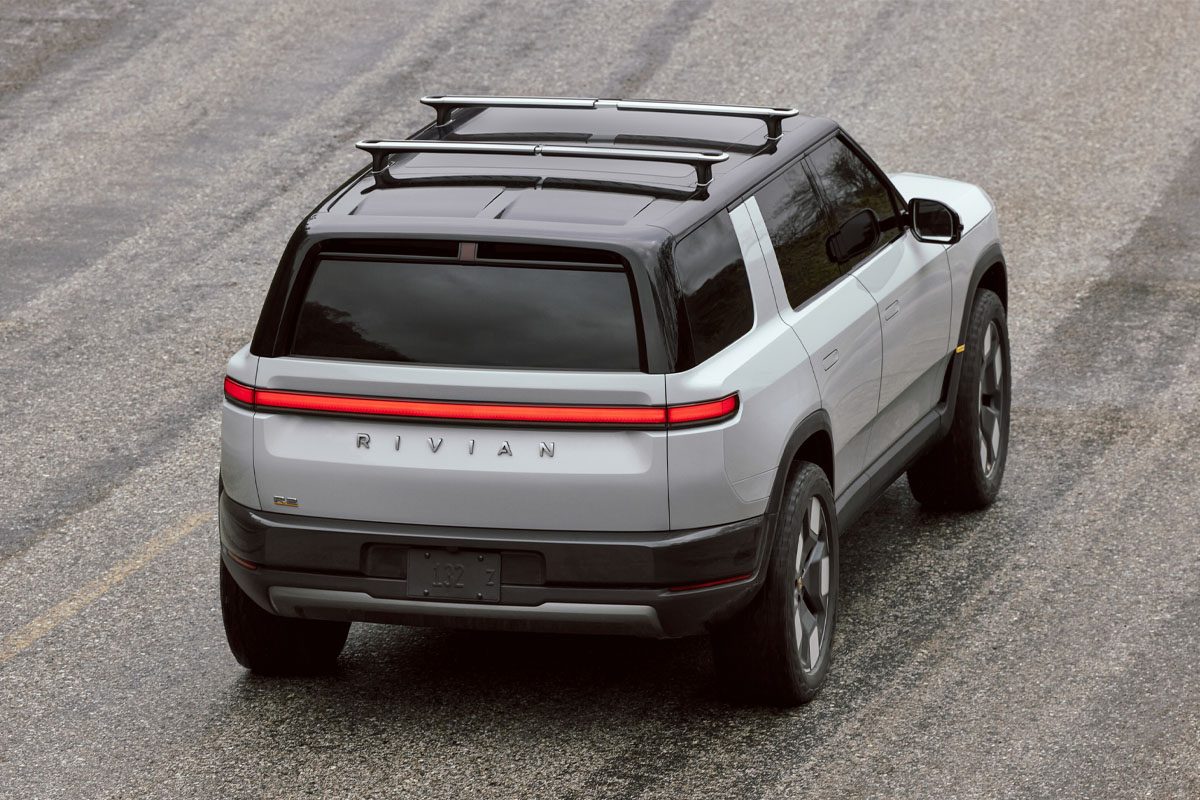
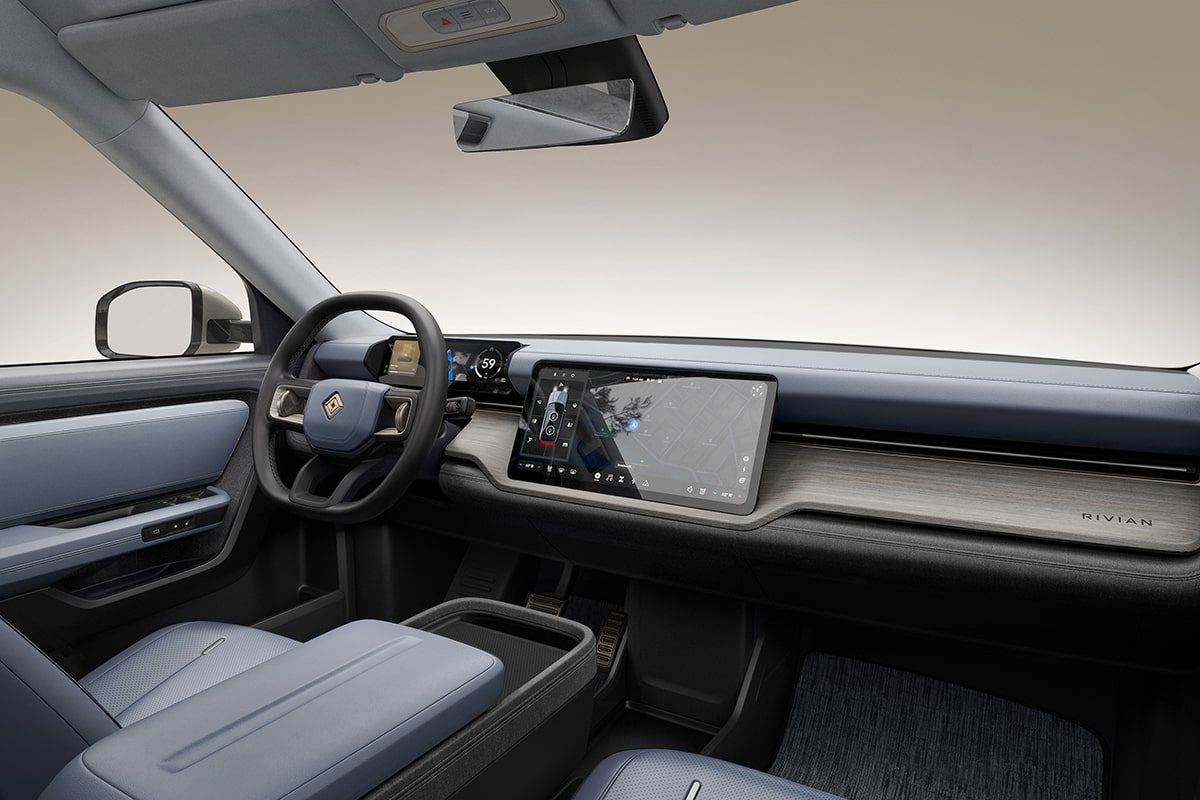
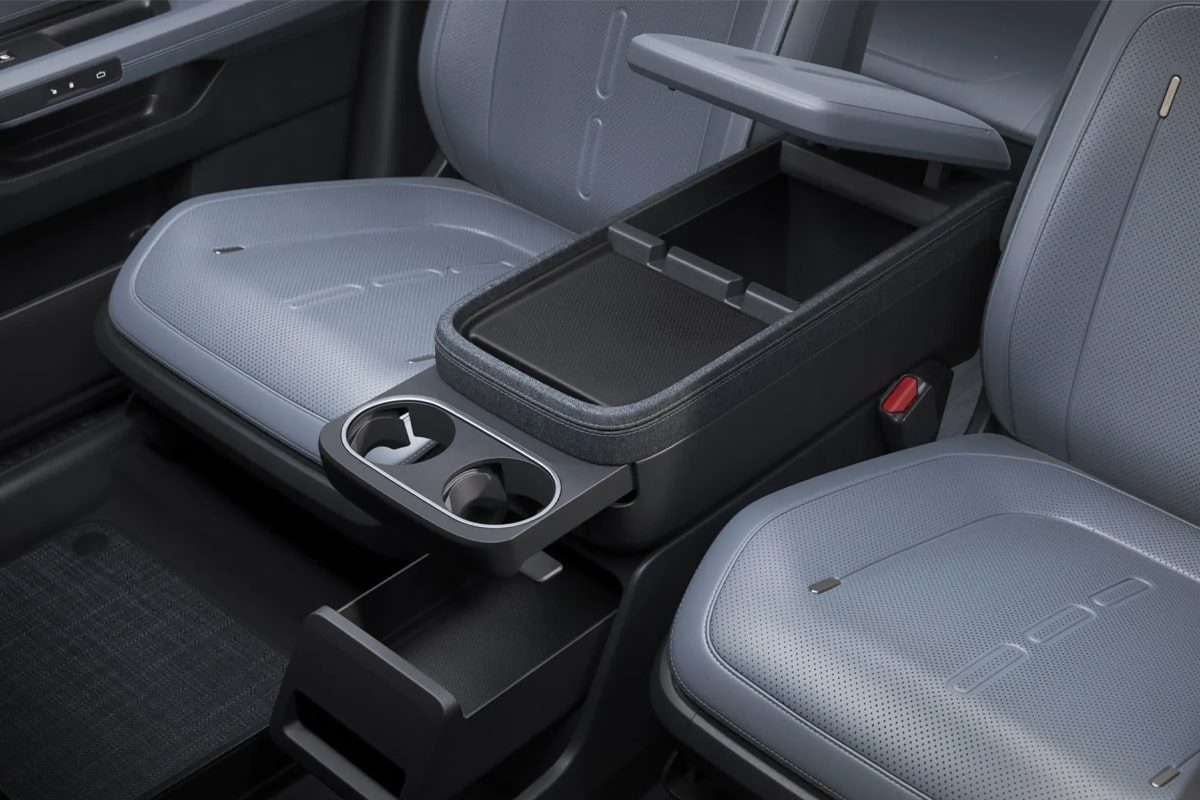
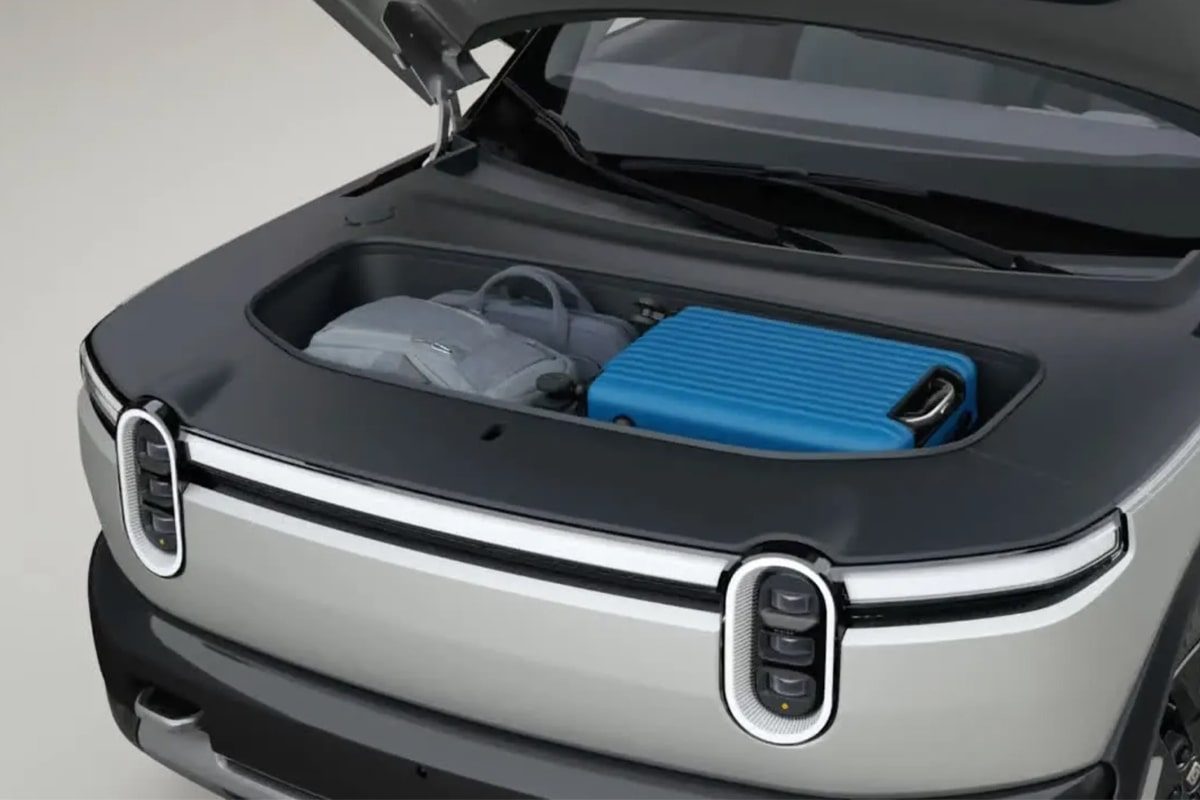
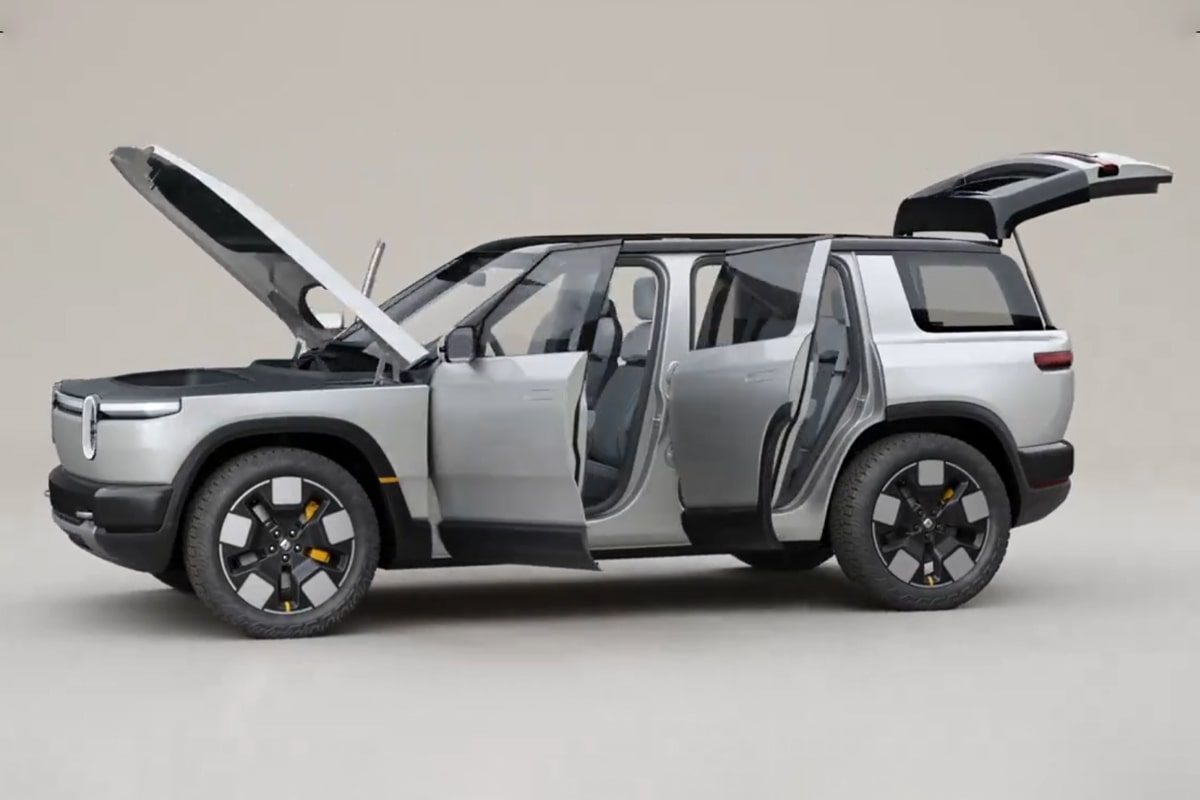
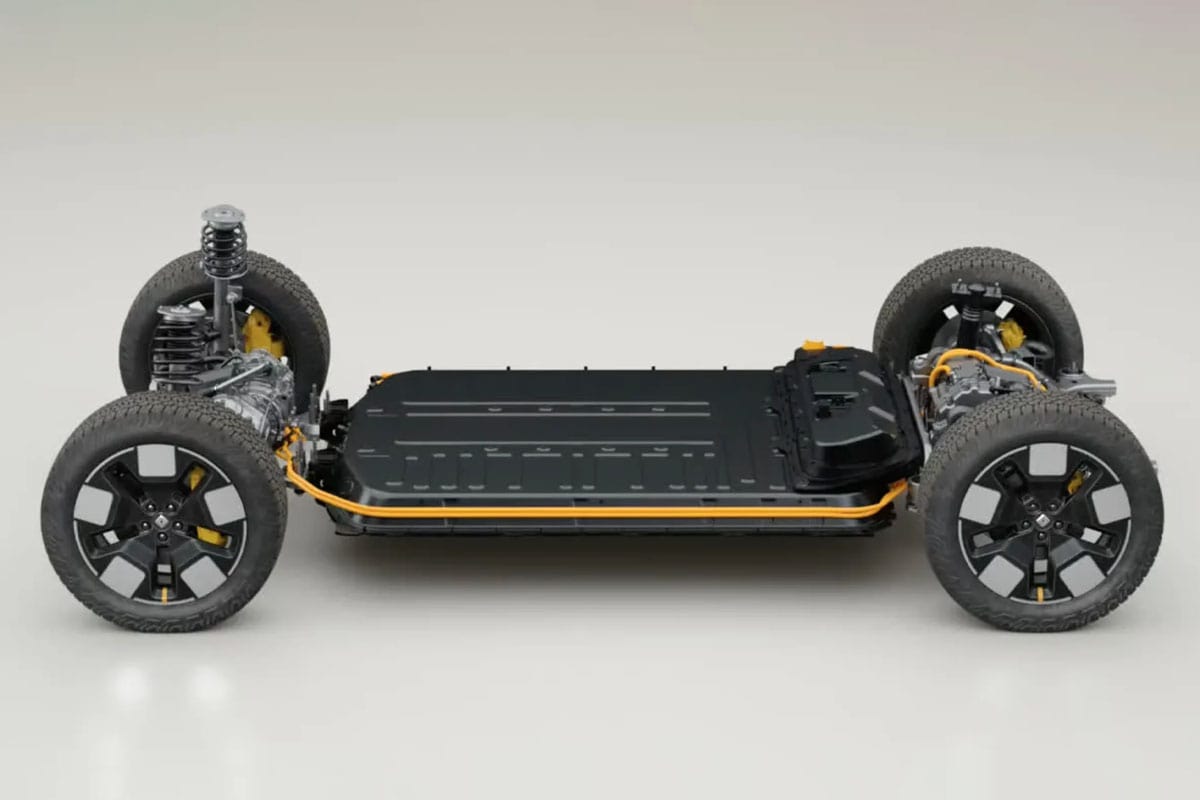
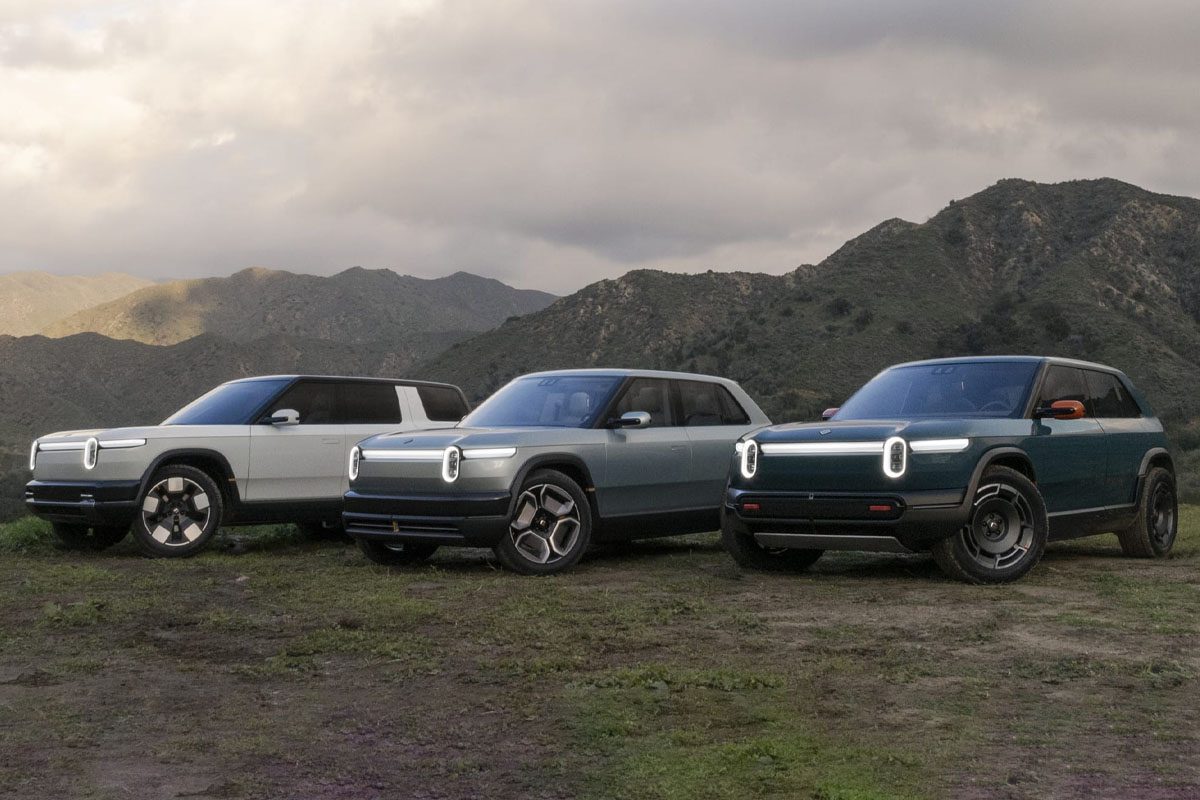
At the time of its unveiling, the R2 was confirmed to have a starting price of around $45,000 (approximately €38,700), although—as is often the case with product launches—more expensive variants are likely to reach the market first. Initially, the R2 will be produced at Rivian’s existing plant in Normal. Construction of a new plant in Georgia, however, has been postponed, and Rivian only began work on it in September 2025. This decision is expected to save the company $2.25 billion in capital required for the R2’s market launch. Rivian recently stated that the expanded capacity at its Normal facility could produce up to 155,000 R2 units per year. Once the postponed production in Georgia is operational, annual capacity could increase by an additional 400,000 units.
Hopes for the R2 are particularly high at Rivian, as the carmaker has been navigating a challenging period marked by declining sales and high expenditures. For example, the American EV manufacturer delivered just over 42,000 vehicles in 2025—an 18 percent decline compared to the previous year. The drop in deliveries was even more pronounced in the fourth quarter of 2025, as expected, due to the expiration of the US tax credit for electric vehicles at the end of Q3.
For now, Rivian remains afloat largely thanks to its partnership with Volkswagen. Since 2024, the company has played a key role in the Wolfsburg-based group’s network. With a current stake of 12.3 percent, VW is now Rivian’s second-largest shareholder and plans to increase its involvement further. The partnership has not only provided Rivian with fresh equity capital but also generated revenue: the joint venture with Volkswagen for developing vehicle architectures and software systems contributed around $214 million to Rivian’s revenue in the third quarter of 2025 alone—more recent figures are not yet available.

0 Comments