

Project INLADE: Swiss test inductive charging in real-world operation
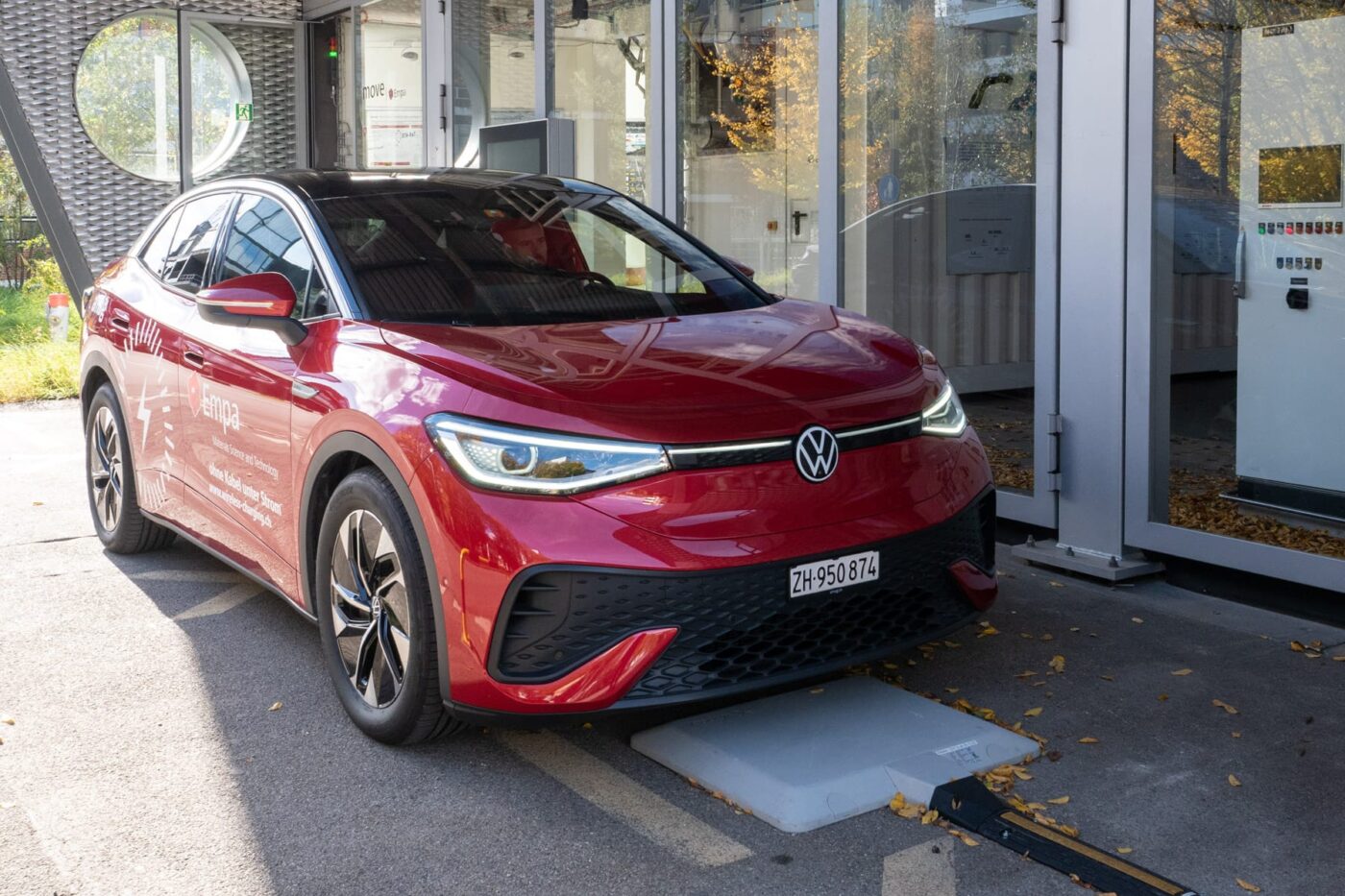
The project was supported by the Swiss Federal Office of Energy (SFOE) and the cantons of Zurich and Aargau. “The aim was to test the existing technology in everyday use, clarify technical and regulatory issues, and demonstrate its potential for the energy transition,” said Mathias Huber from Empa’s department for Chemical Energy Carriers and Vehicle Systems.
One of the project’s partners is the AMAG Group, Switzerland’s largest automotive trading company, which specialises in brands from the VW Group. Together with other partners, AMAG retrofitted electric vehicles for wireless charging—the press release image shows a VW ID.5. Receiver coils were installed, and interfaces to the charging management and high-voltage systems were integrated. This was followed by extensive electromagnetic compatibility (EMC) and safety tests. The modified vehicles subsequently received individual approval for use on Swiss roads.
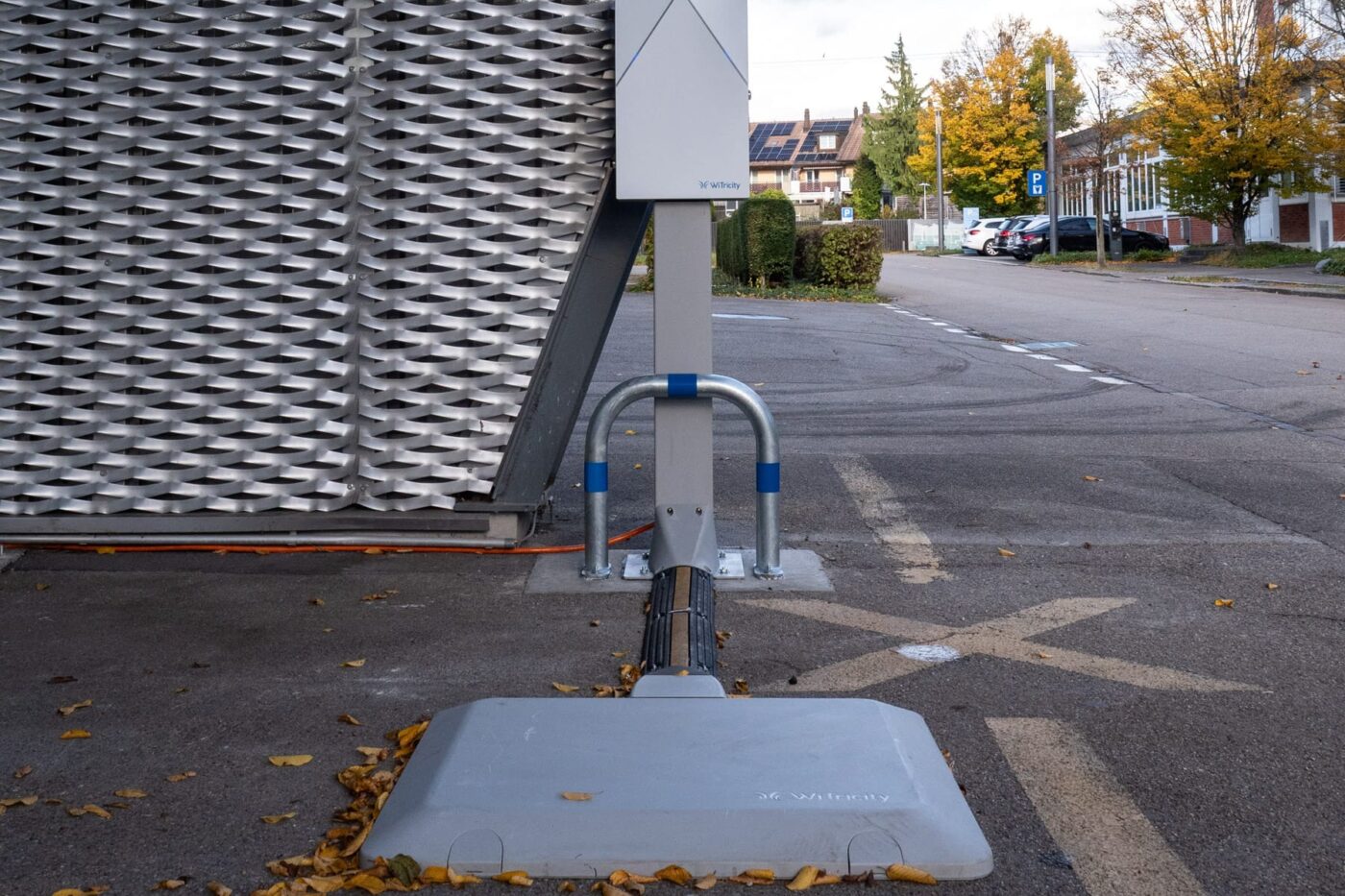
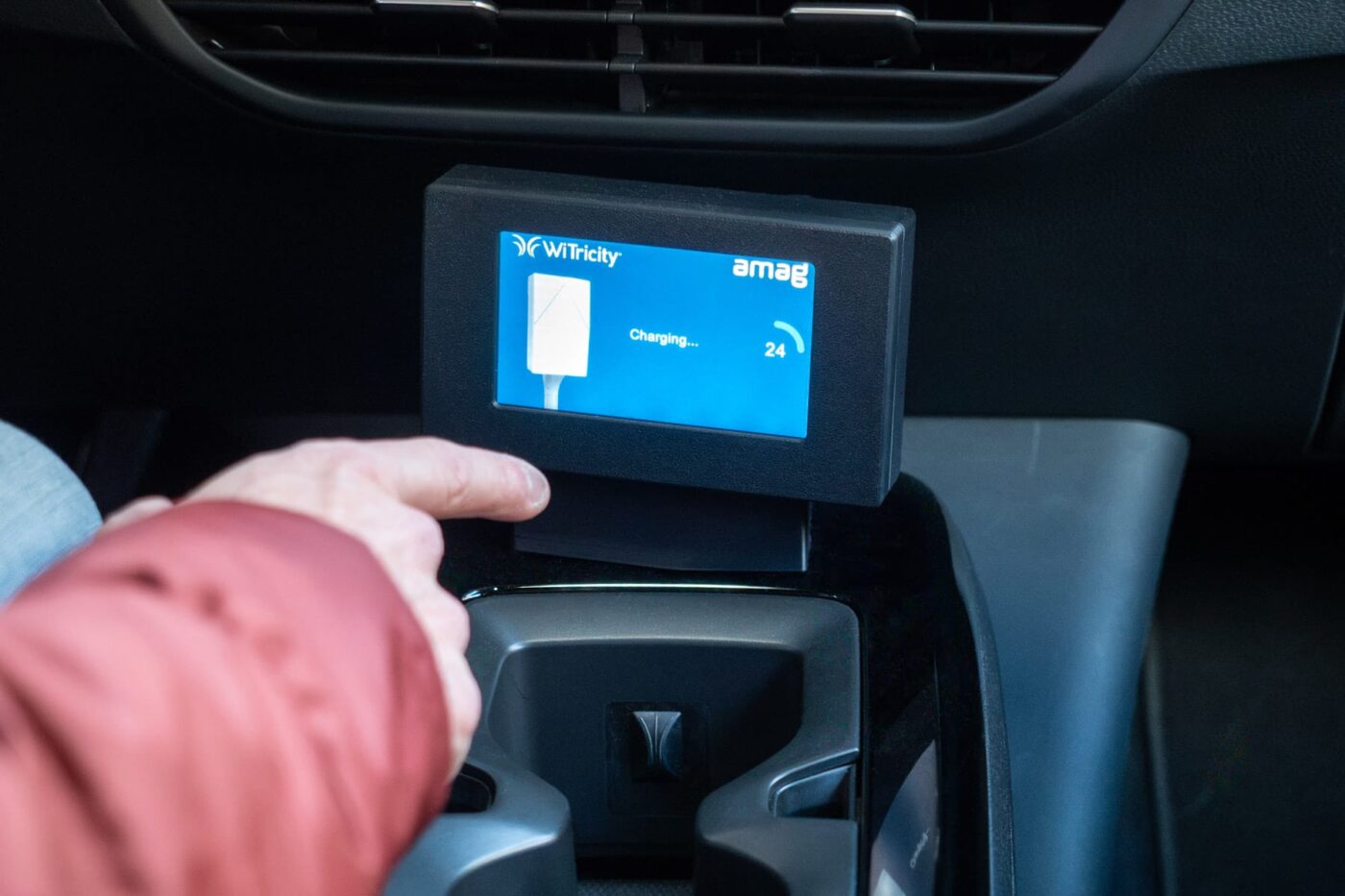
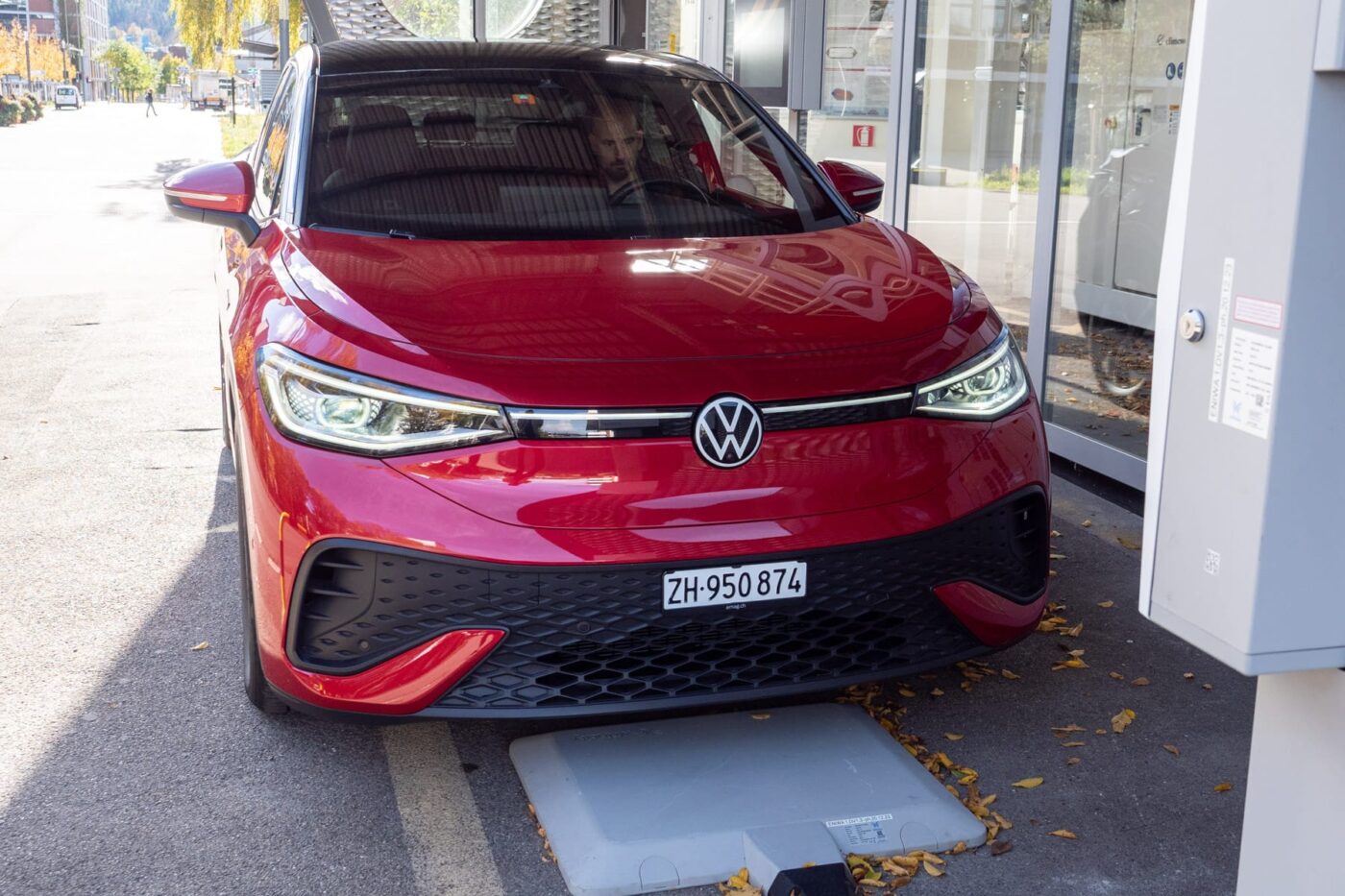
The charging station used in the INLADE project is a solution from WiTricity. To enable a strong inductive connection, the electric vehicle must be parked precisely above the charging station. In this project, a screen assisted with positioning, and Empa suggests that parking assistants are expected to enable precise vehicle positioning in the future. Once the system detects the ground plate and checks for objects or living beings between the coils, the charging process starts automatically.
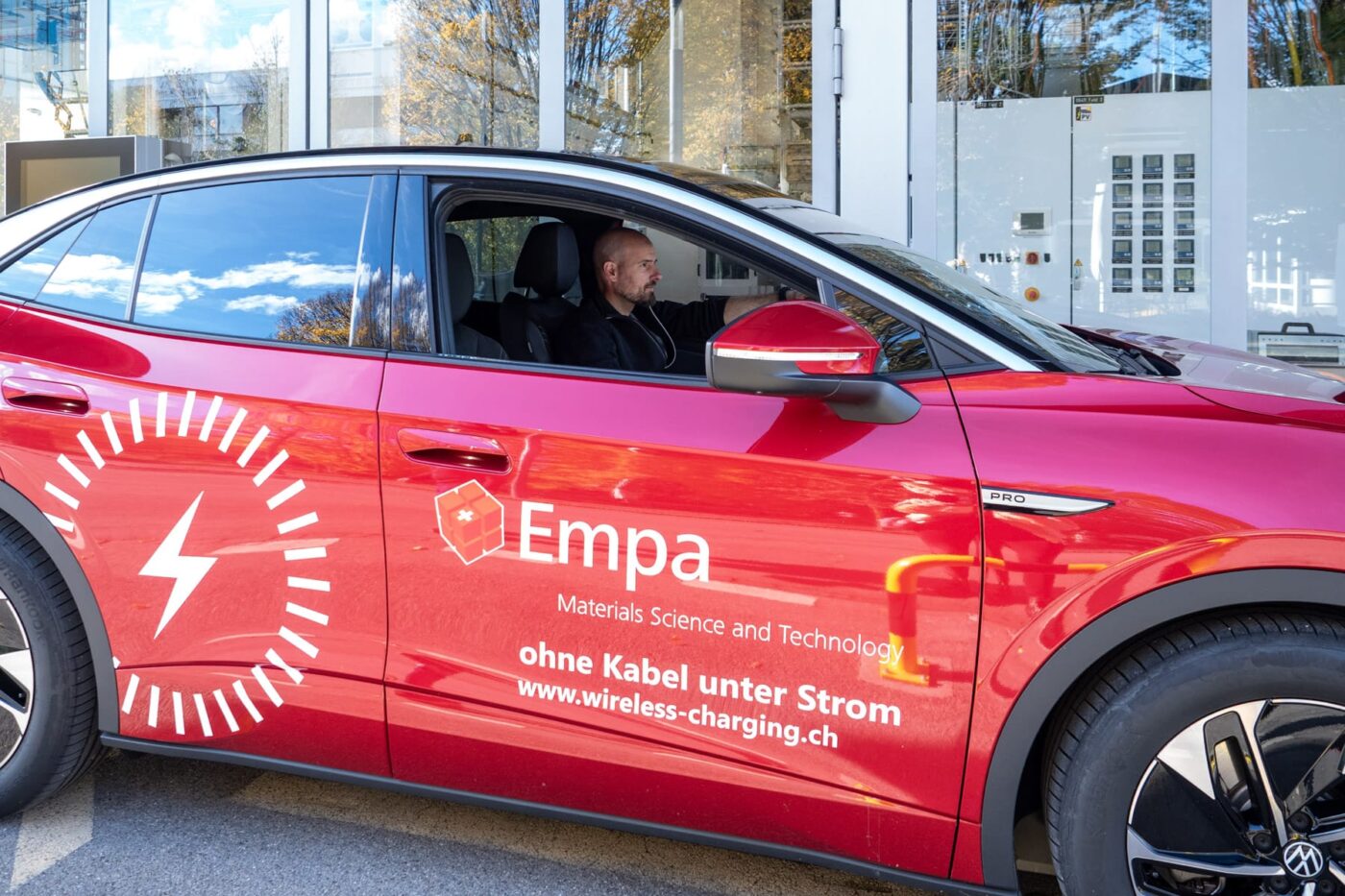
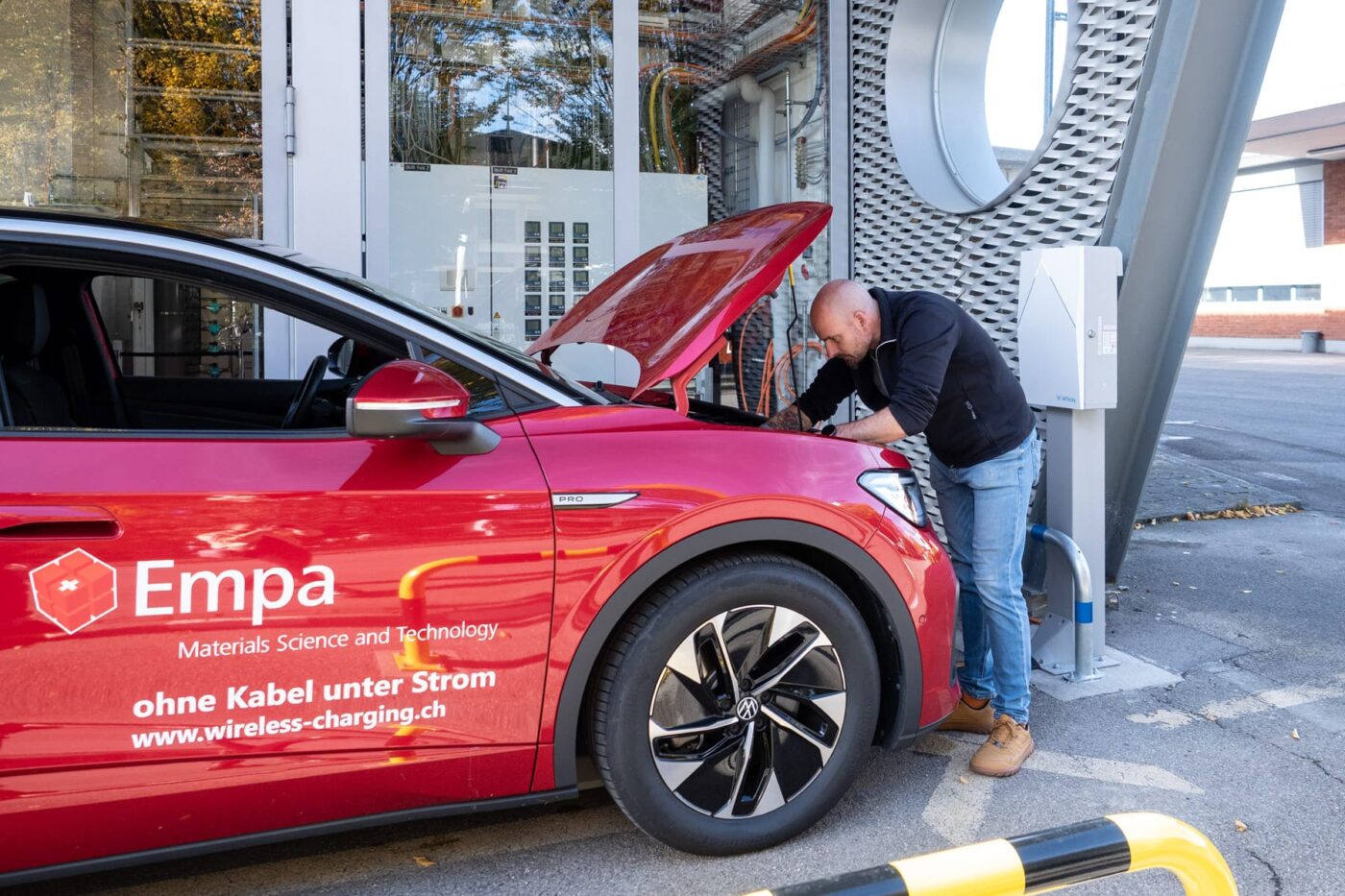
In addition to functional tests, Empa researchers investigated how inductive charging affects battery performance and efficiency. Tests under real-world conditions—including snow, rain, temperature fluctuations, and minor parking misalignments—showed an efficiency of around 90%, ‘comparable to charging via cable,’ according to Empa. However, that still represents higher power losses than wired charging, where efficiency typically ranges from 94% to 98%, depending on the model and charging power.
The Swiss researchers identified a major advantage in integrating the system into the energy grid: bidirectional charging is also possible with inductive technology. To use an electric vehicle’s battery as a power storage unit for the energy grid, the vehicle must be connected to the grid as frequently as possible. “The big advantage of an inductive system is that vehicles are connected to the grid much more frequently without the need for any active intervention – a plus for both convenience and the energy transition,” Huber concluded.
This article was first published by Sebastian Schaal for electrive’s German edition.



0 Comments