

VW abandons agency model across Europe
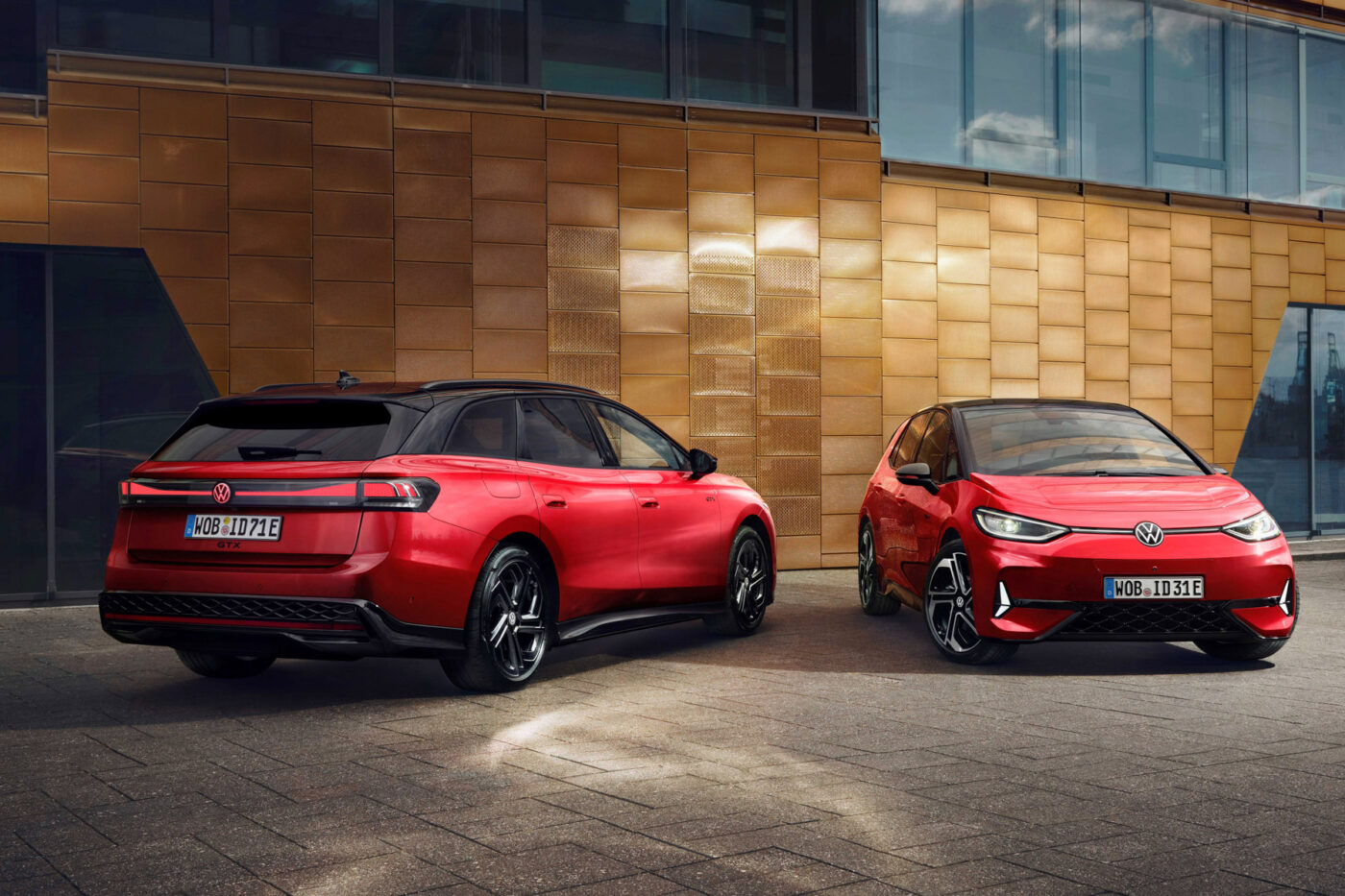
Almost exactly a year ago, VW decided that, from January 2026, battery-electric vehicles (BEVs) for private customers would return to the traditional dealer model in Germany and several other markets—at least for the Volkswagen Passenger Cars brand. For other brands and markets that had also adopted the agency sales model with the launch of MEB-based electric vehicles, the review was still ongoing.
It has now been confirmed that the Volkswagen brand will revert to the dealer model in all markets. “We rely on the entrepreneurial strength of our dealers—this cannot be replaced by any model,” Martin Sander, Sales Director for the Volkswagen brand, told Handelsblatt. “That is why, as the Volkswagen brand, we have decided to end the agency model for the sale of electric vehicles across Europe.” The agency model will, however, remain in place for fleet customers, as it has “proven successful in this business for years,” Sander added. No specific timeline for the transition was provided by the VW executive.
Under the agency model, the local dealer was no longer the customer’s contractual partner but acted merely as an ‘intermediary agent.’ For this role, dealers received a predetermined fee per vehicle, while the customer officially placed their order directly with VW. The manufacturer aimed to leverage the benefits of direct sales—such as direct customer contact—while retaining its extensive dealer network. VW also assumed the financial risk in this model.
For dealers, this meant they no longer had control over their profits, as prices and the intermediary fee were fixed in advance. This not only severely limited their negotiating flexibility during sales discussions but also meant that selling a battery-electric vehicle sometimes generated less profit through the commission than selling an internal combustion engine (ICE) vehicle under the dealer model. “The coexistence of ICE vehicles under the dealer model and electric vehicles under the agency model created unnecessary complexity for all parties involved,” Sander stated.
The introduction of the agency model in 2020 was a bold move by VW, as it involved changing a long-established sales model. The clear inspiration here was Tesla, which to this day markets its vehicles exclusively through direct sales. However, Tesla was able to build its sales network from scratch and did not have to force existing dealer partners into the new model. Nevertheless, the agency model—driven by VW—has become a trend in the automotive industry.
VW itself had even planned to extend the agency model to the sale of ICE vehicles. This will now no longer happen, and the project can be considered a failure. VW is not alone in this reversal: JLR has halted the introduction of the agency model in the UK, while Ford is also stepping back from its plans and intends to take more time.
2 Comments