

Hyundai unveils electric Staria with fast-charging capabilities

The visually striking Hyundai Staria has been on the market since 2021. In Europe, it is currently available exclusively as a petrol or full-hybrid model. This year, however, Hyundai will introduce an electric variant, whose upcoming launch was first reported by Korean media in 2024. With its world premiere in Brussels, Hyundai has now revealed the Staria Electric in detail.
Initially, the electric Staria will launch in Europe and Korea as a seven- or nine-seater, with other markets to follow. The van’s key technical features include an 84 kWh battery, which provides an estimated WLTP range of up to 400 kilometres, and a 160 kW electric motor powering the front wheels. The E-Staria’s 800-volt system, rare in this segment, is already a hallmark of the Ioniq 5, Ioniq 6, and Ioniq 9. The model is manufactured in Ulsan, Korea, though Hyundai has yet to disclose pricing.
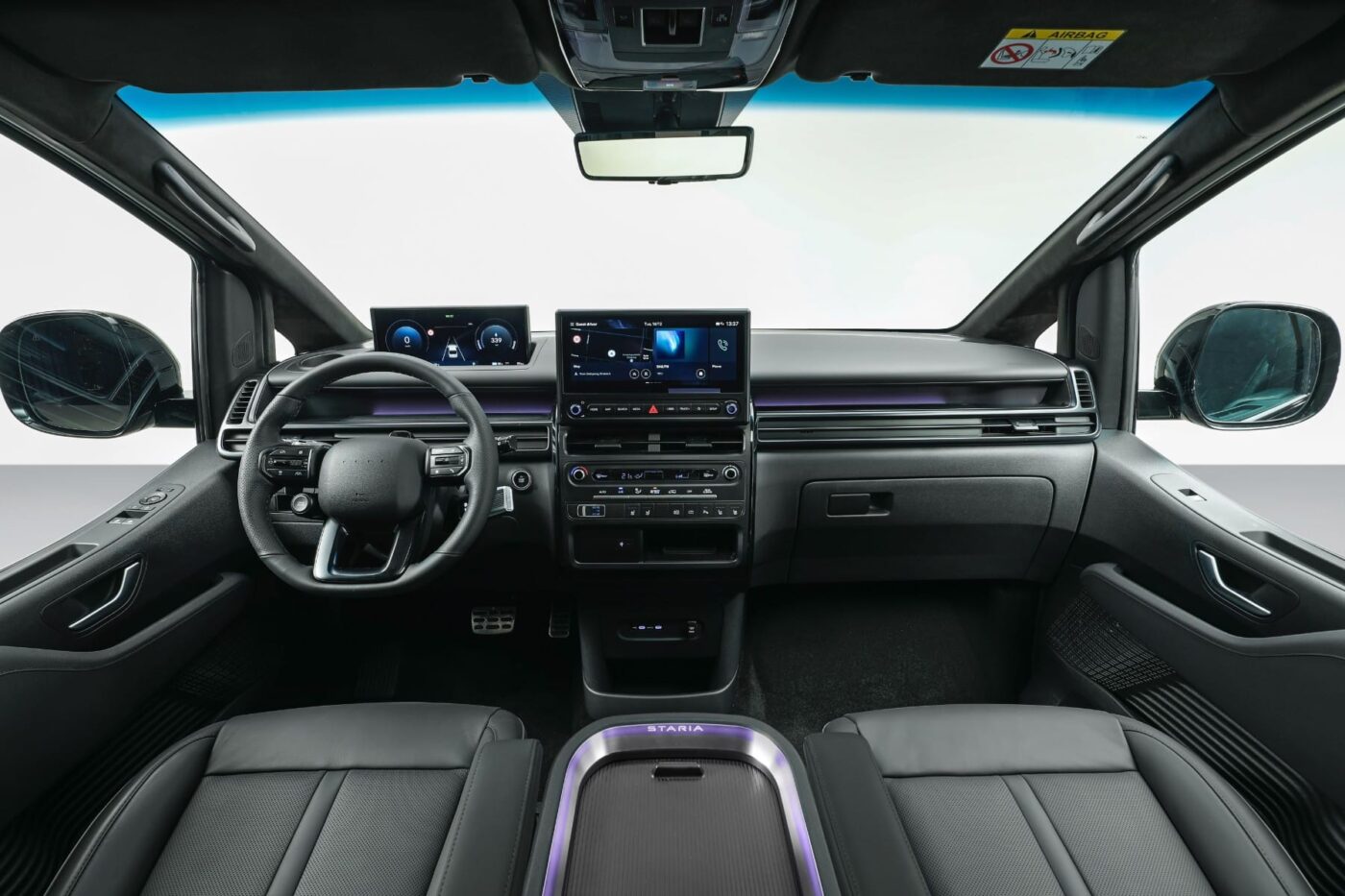
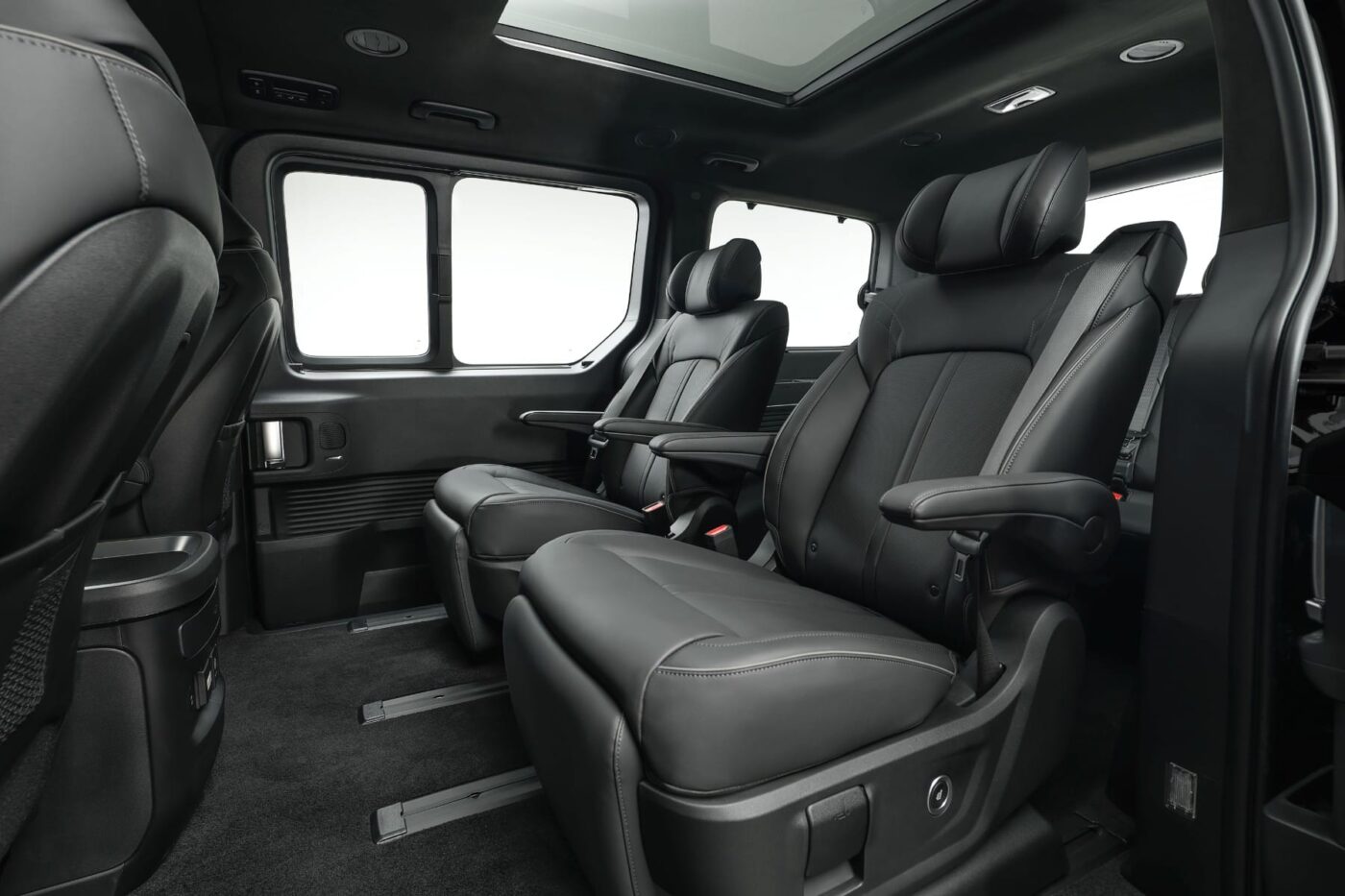
To summarise before exploring the details: Hyundai positions the Staria as a multi-purpose vehicle for both private and commercial users. Its futuristic design, featuring a continuous front light strip, ensures high visibility and recognition. Inside, designers have created a lounge-like space that can be adapted to various use cases. Both the nine-seater and seven-seater variants offer flexible seating arrangements. The luggage capacity behind the third row is up to 435 litres (seven-seater) or up to 1,303 litres (nine-seater).






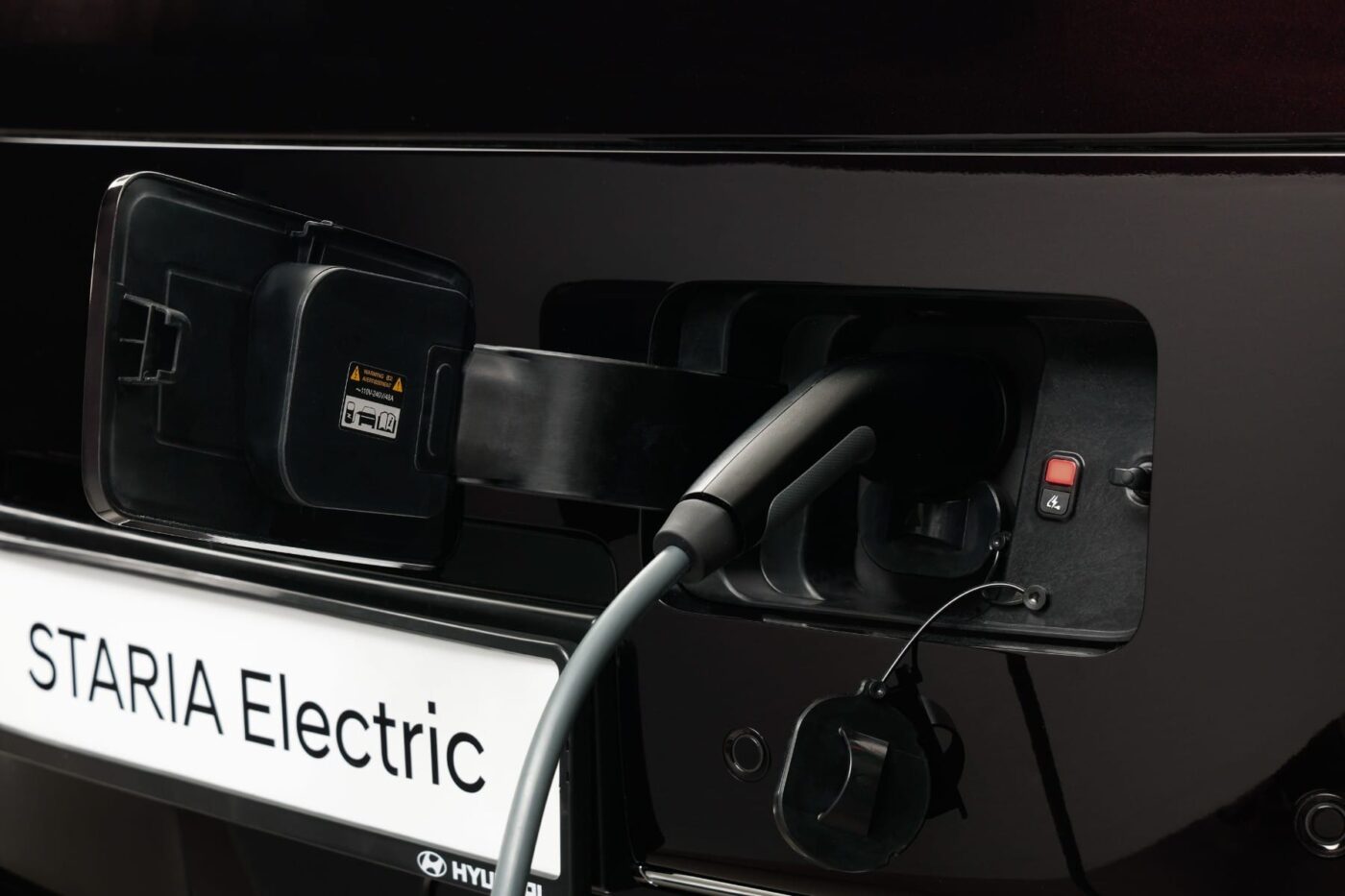

The E-Staria is designed to handle both daily commutes and long-distance trips—primarily thanks to its 800-volt system, which enables faster charging than most competitors. “Under optimal DC fast-charging conditions, STARIA Electric can recharge from 10 to 80 per cent in around 20 minutes,” Hyundai states, while noting that homologation is not yet complete. This figure is therefore provisional. The exact DC charging power has not yet been specified, but the model supports the industry-standard 11 kW for AC charging. The charging port is located at the front.
Additional features include a vehicle-to-load (V2L) function for powering external devices and a heated charging port cover. The E-Staria also boasts a towing capacity of up to two tonnes.
However, at the world premiere, Hyundai emphasised another standout feature of the Staria Electric: its interior design. “Its flat floor, wide interior dimensions and intelligently arranged seating create a lounge like atmosphere that allows passengers to relax and move with ease.” This focus on spaciousness stems from Hyundai’s ‘Inside-Out’ design philosophy, which prioritises passenger needs before addressing the exterior design.
In terms of exterior design, the Staria Electric retains the series’ signature features, such as two standard-wide sliding doors, a low window line, and expansive glazing. Unlike its internal combustion engine counterparts, which require air intakes, the electric van features a closed front. The electric model rides on 17-inch alloy wheels and is available in eight exterior colours.
Drawing on Hyundai’s extensive experience in developing electric passenger cars, the E-Staria also incorporates a modern thermal management system for cooling and battery conditioning. The van’s finely tuned front and rear suspension ensures easy handling. Depending on the variant, the model includes standard or optional comfort features such as heated and ventilated seats, electrically operated sliding doors, 100-watt USB ports, smartphone integration via Apple CarPlay or Android Auto, and a smartphone-based digital vehicle key. Hyundai has bundled these functions and additional driver assistance systems into its latest digital cockpit, the ‘Connected Car Navigation Cockpit’ (ccNC).
| Staria | |
|---|---|
| Drivetrain | FWD |
| Power | 160 kW |
| Top speed | 184 kph |
| WLTP range* | up to 400 km |
| Battery capacity | 84 kWh |
| DC charging power | TBC |
| DC charging time 10-80% | approx. 20 min |
| AC charging power | 11 kW |
| AC charging time 10-100% | TBC |
| V2L | Yes |
| Towing capacity (braked) | up to 2,000 kg |
| Price | TBC |
*Estimated. Homologation and fuel consumption testing for the German market version will be completed shortly before market launch.
Xavier Martinet, President and CEO of Hyundai Motor Europe, used the model’s unveiling at the Brussels Motor Show to deliver the following statement: “STARIA Electric brings our EV expertise to a vehicle that many customers already know and trust, combining STARIA’s impressive space and flexibility with a new, fast-charging, high-voltage system and updated interior to deliver practical, efficient electric mobility for real-world use across Europe.”
0 Comments