

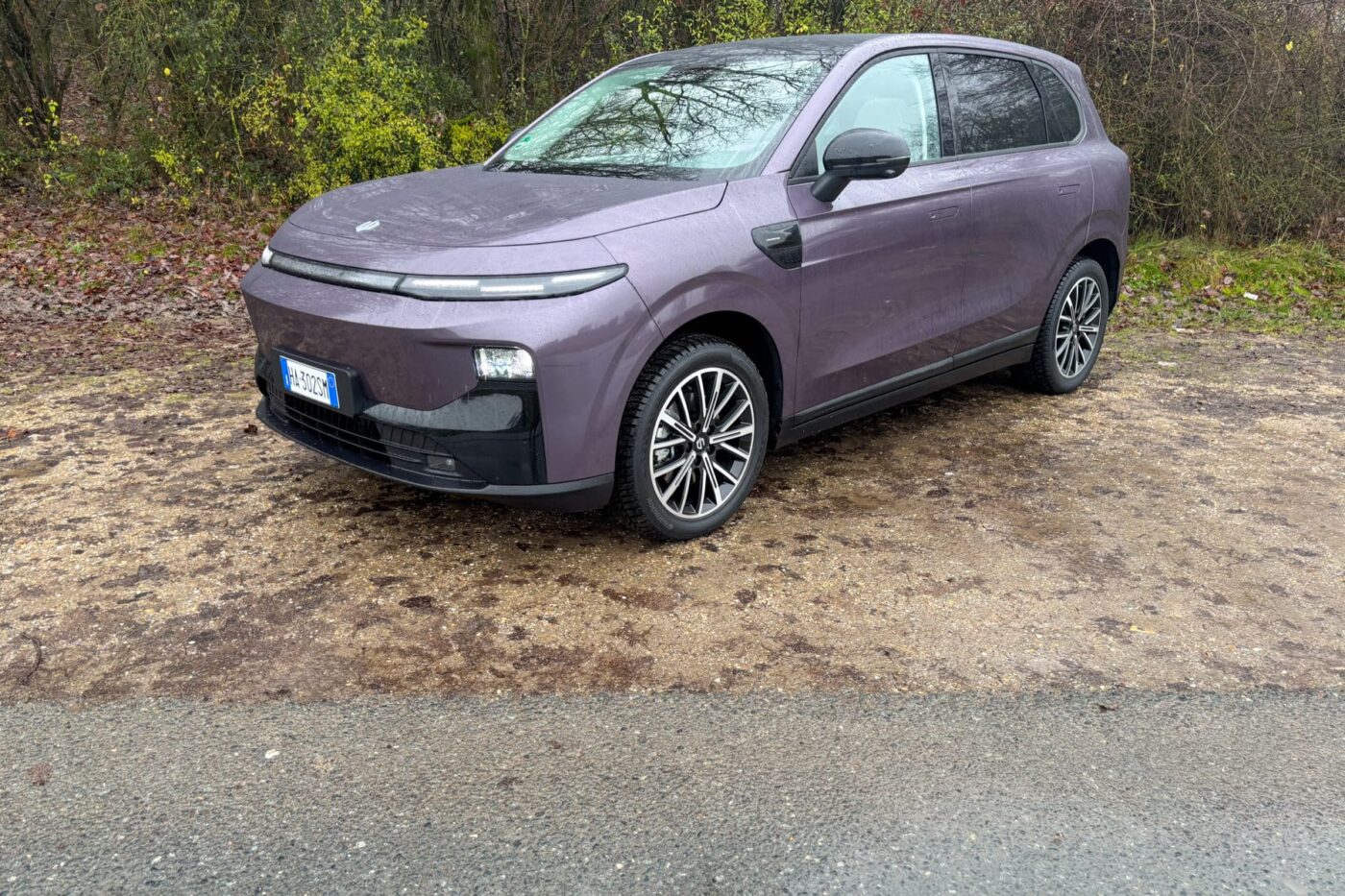
First drive in the Leapmotor B10: China’s most convincing electric car yet
There is no doubt that Nio builds excellent electric vehicles, as I have confirmed firsthand in several tests. However, the pricing of its models clearly reflects Nio’s positioning as a premium manufacturer on par with Audi, Mercedes, and BMW. While Porsche centres seem to be present in every medium-sized town in Germany, Nio locations outside China are rare—something that may deter potential customers in this price bracket. The SAIC brand MG, on the other hand, boasts an extensive dealer network in Germany and offers some affordable cars. That said, the existing models often reveal that they were developed under strict cost constraints, and there are recurring reports about reliability issues. Meanwhile, Chinese market leader BYD is expanding its German dealer network at record speed, but so far, its European models have not fully convinced me: they often compromise on software and charging performance, yet BYD’s models are priced confidently.
Enter the Leapmotor B10. In December, I had the opportunity to test drive the B10—and also the T03, the first model from the manufacturer founded in 2015. The differences could hardly be more striking. The T03, which has been on the Chinese market since 2020, is probably what many outside the automotive industry have long imagined a Chinese EV to be. It works, but it feels neither refined nor well-thought-out, almost as if it were cobbled together. A few examples: the touchscreen is poorly lit and mounted far too low. The electric motor emits an unusually loud hum. And there is a noticeable smell of cheap plastics. None of this is inherently flawed, but it reinforces the impression that costs were cut at every turn.
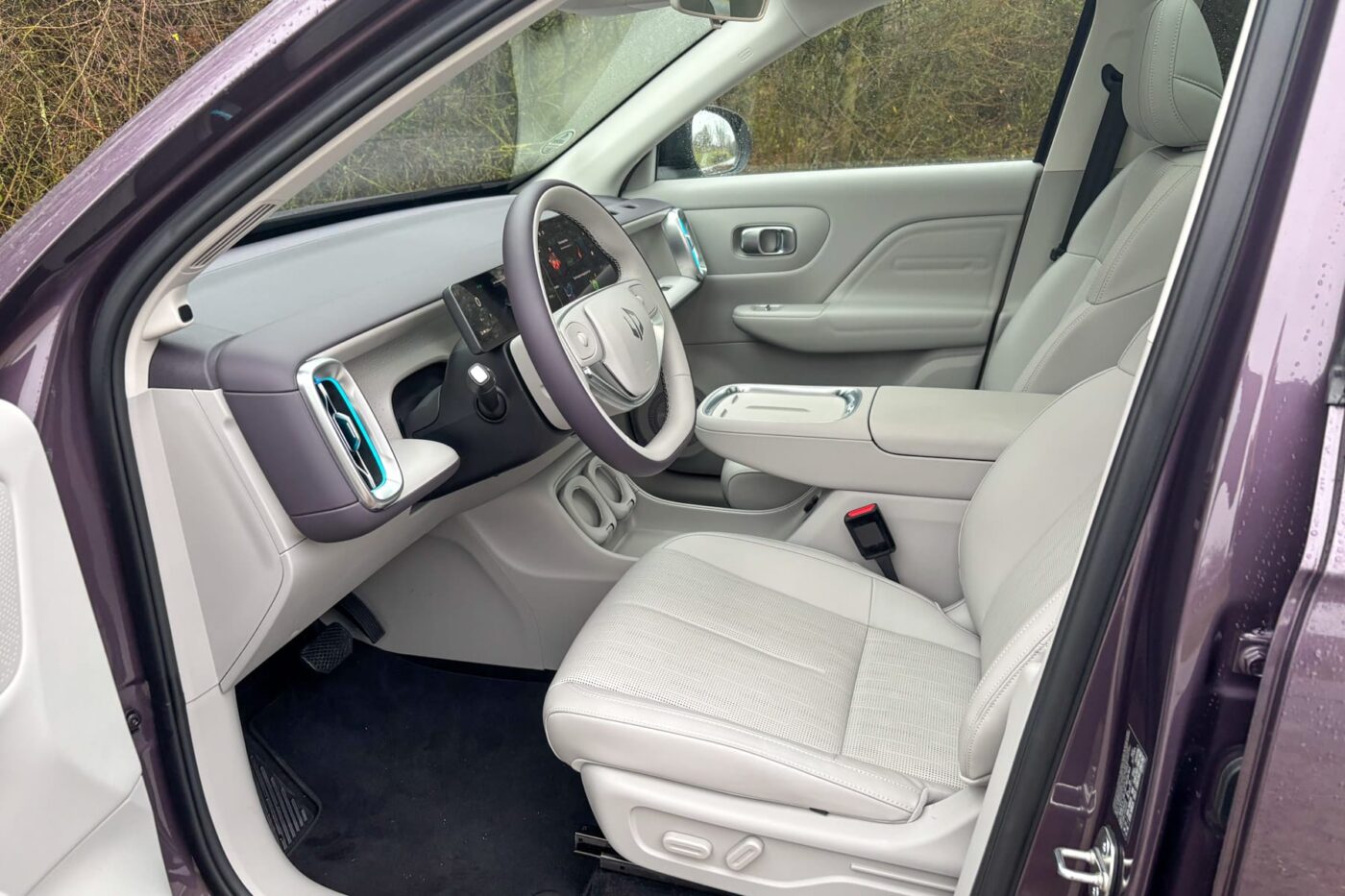
The B10, however, leaves a completely different impression from the moment you step inside. The bright interior of the test car feels inviting, with a modern and uncluttered cockpit. With its tablet-like touchscreen in the centre and the slim cockpit display behind the minimalist steering wheel, flanked by two small control units on either side, the B10 could almost pass as a new entry-level model from Nio, given its ambience. While many surfaces are made of plastic, they look good and feel solid, similar to the Firefly from the Nio group. Even the design of the window controls is reminiscent of Nio. At first glance, the B10 feels far closer to Chinese premium models than to its predecessor, the T03. There is simply no comparison.
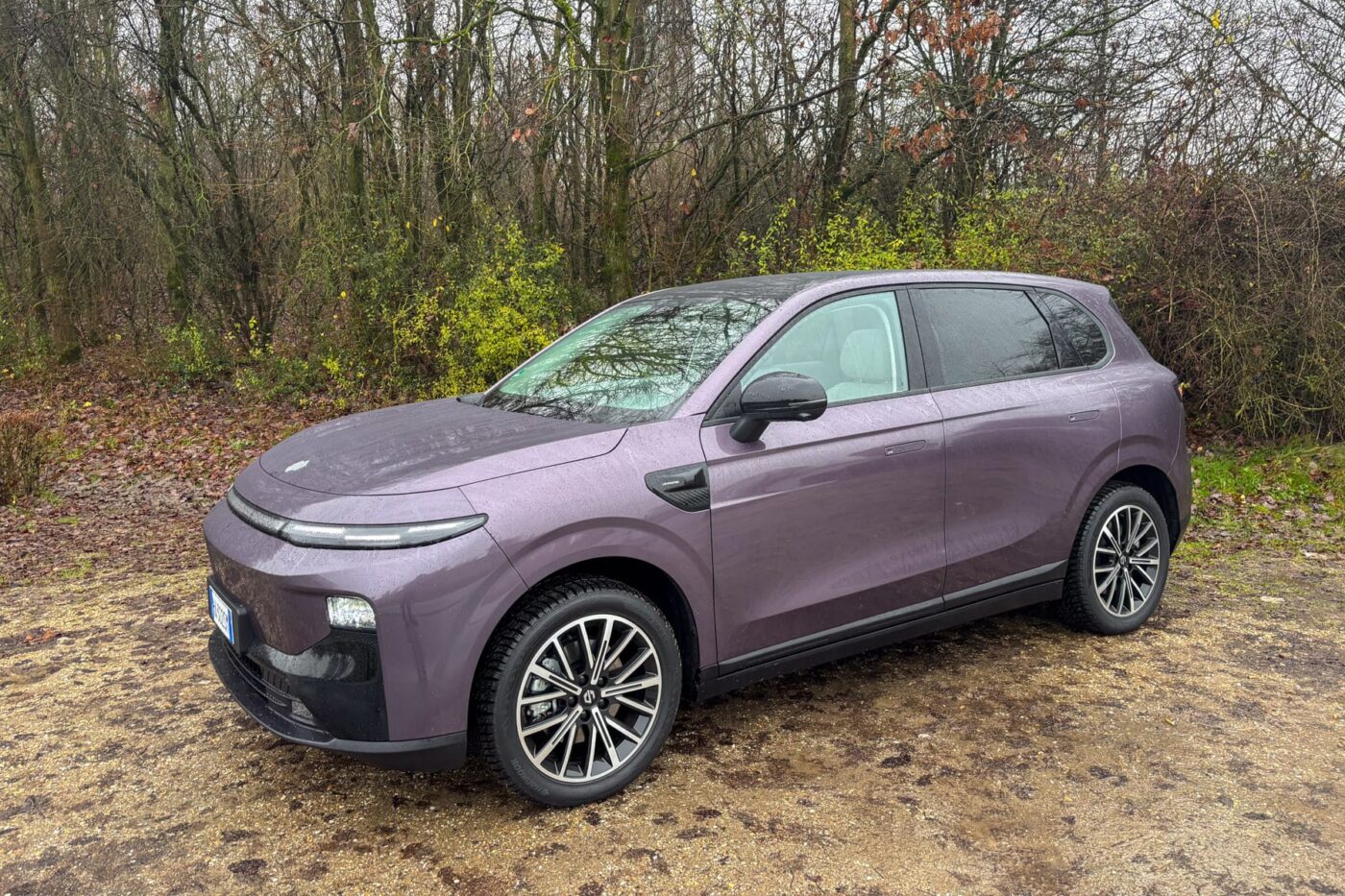
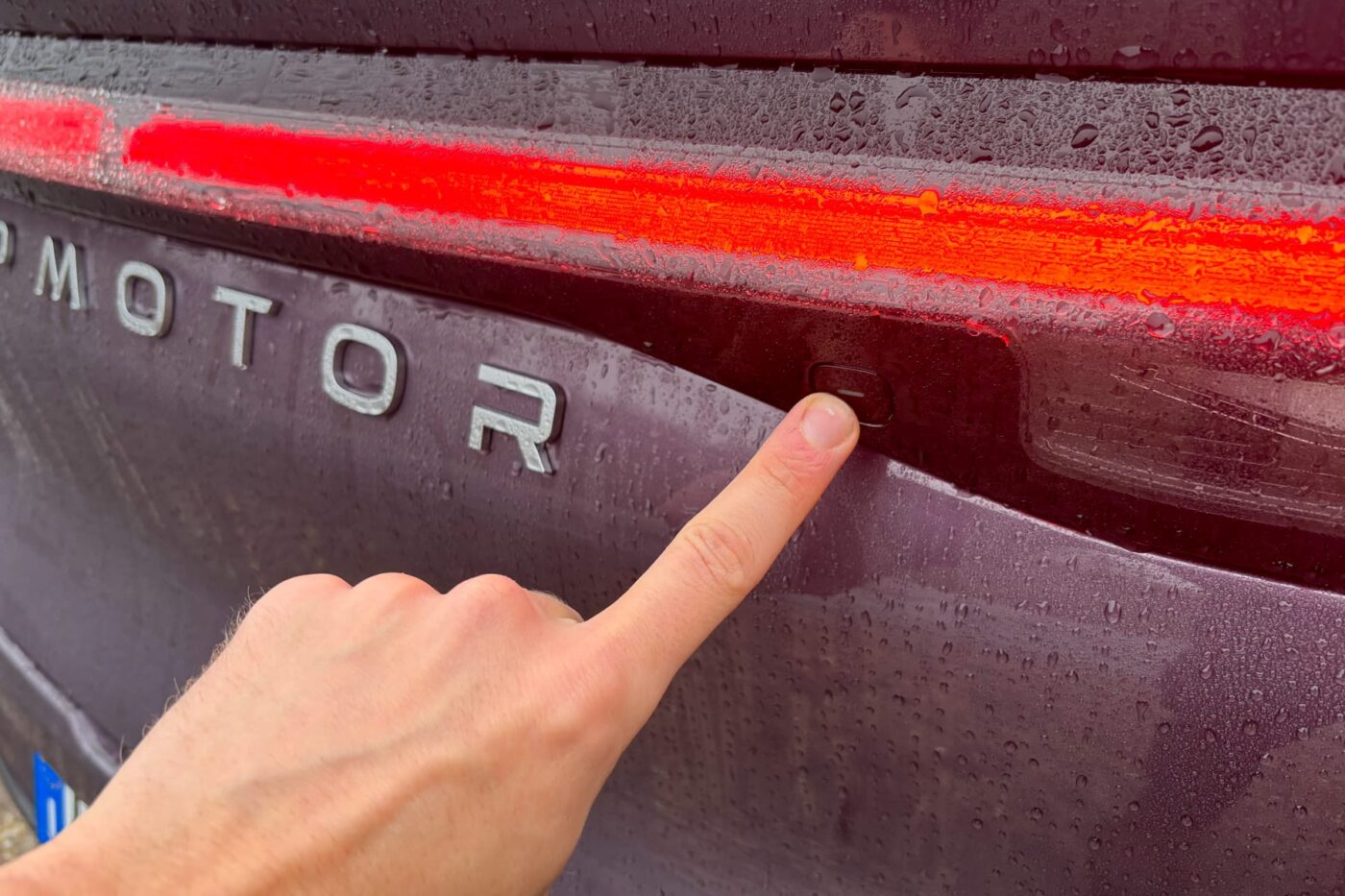
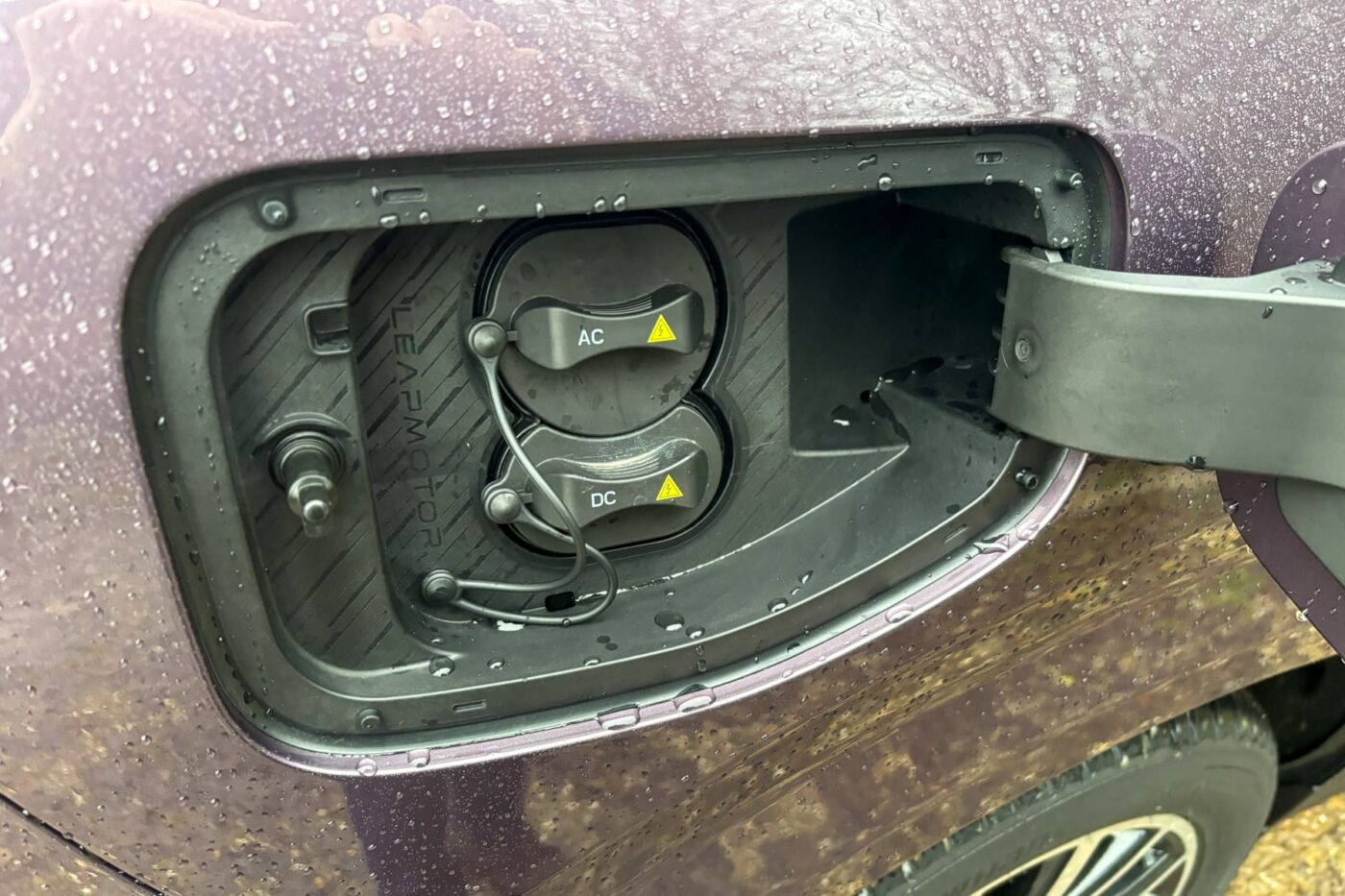
Two inductive charging pads for smartphones, ambient lighting integrated into the air vents, and high-resolution displays round off the positive impression. It does not feel like a budget car but rather a modern, high-quality vehicle. Anyone who has used a smartphone or tablet will quickly find their way around the B10’s menu, a shortcut bar at the bottom of the screen provides direct access to key functions such as the air conditioning, windscreen heating, main menu, favourites, or the app overview.
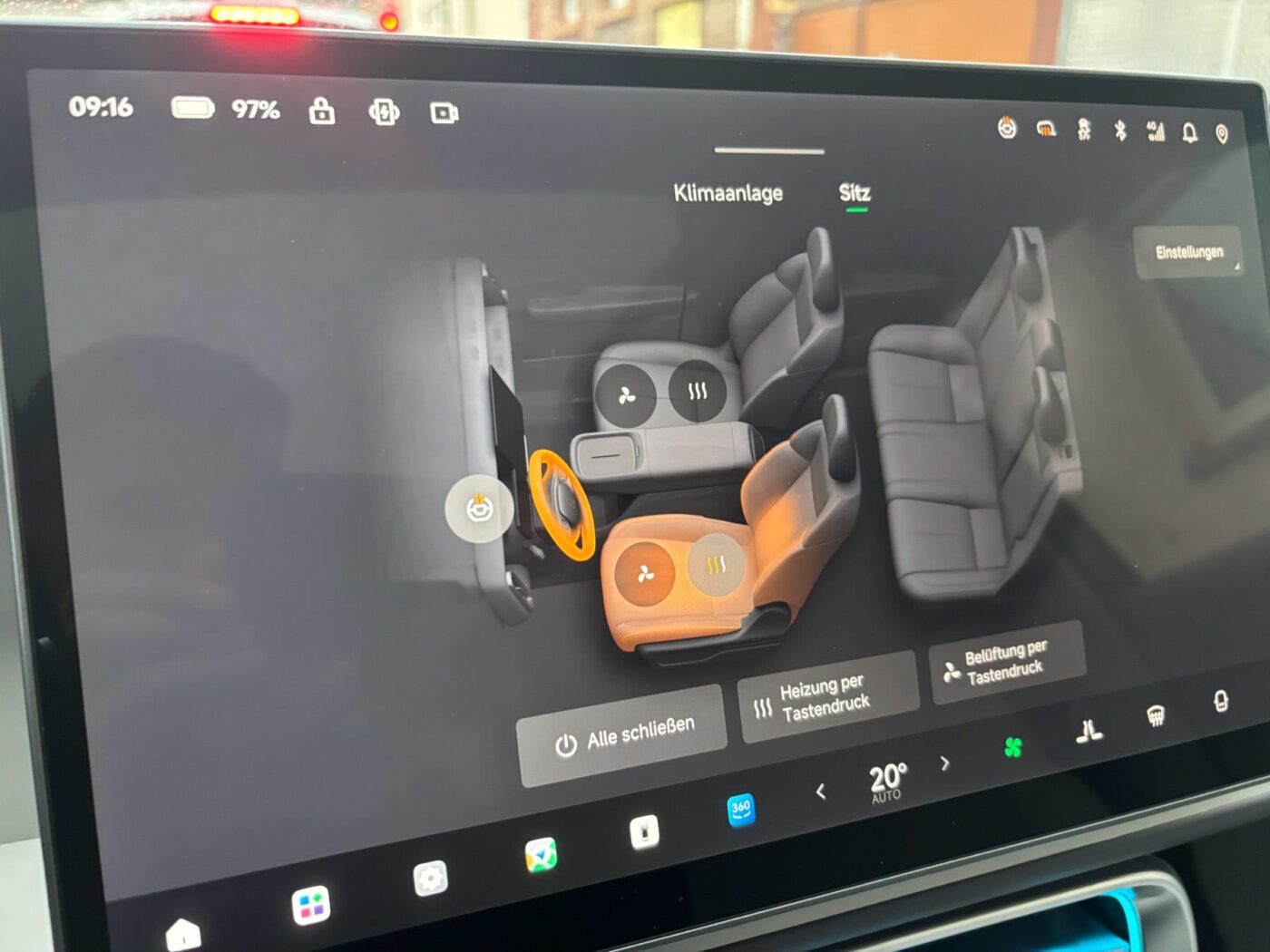
The features available are also impressive. Tapping the seat heating icon opens a comprehensive overview where you can activate not only the front seat heating and the increasingly common steering wheel heating but also seat cooling. In a car that costs less than €34,000! Additionally, easily understandable icons allow you to specify whether connected devices should continue to receive power when the vehicle is switched off. The discharge limit for the vehicle-to-load function can be adjusted (a feature becoming increasingly common in EVs), and Leapmotor has also included a camping mode (all displays off, air conditioning on) and a ‘Guard’ mode for pets or children—where the air conditioning continues to run, accompanied by a relevant message on the display. As a dog owner, I can say that once you have used such a mode, you will not want an electric car without it. Tesla, Nio, and Xpeng offer similar features, but the VW Group and Stellantis brands do not.
The price is right
Speaking of price: in Germany, the B10 is available from €29,900 in the ‘Life Pro’ variant, which includes a 56.2 kWh LFP battery. In the UK, the same model is available for 29,995 pounds. The ‘Life Pro Max’ costs €32,400 and features a 67.1 kWh battery (also with LFP cells) while retaining the same equipment. The top model, the ‘Design Pro Max,’ combines the 67.1 kWh battery with a more premium trim. Even in the ‘Life’ trim, the B10 comes with both displays, a large panoramic roof, a 360-degree camera, rear parking sensors, and the vehicle-to-load system, to name just a few features. However, the front seats must be adjusted manually. In the ‘Design’ trim, the seats are not only electrically adjustable but also upholstered in ‘premium synthetic leather’ and feature heating and ventilation. The aforementioned ambient lighting and premium sound system are also exclusive to the ‘Design’ trim.
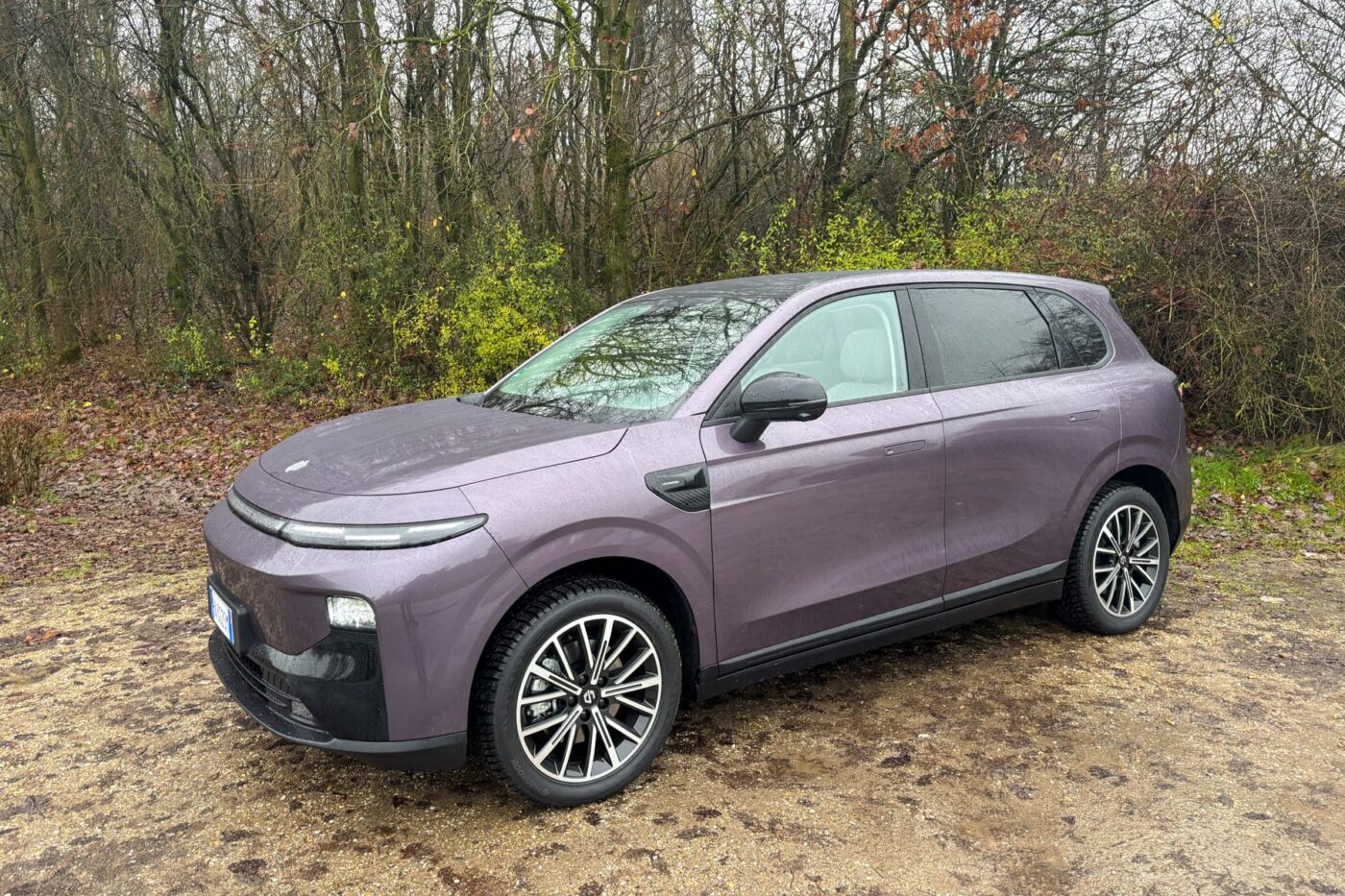
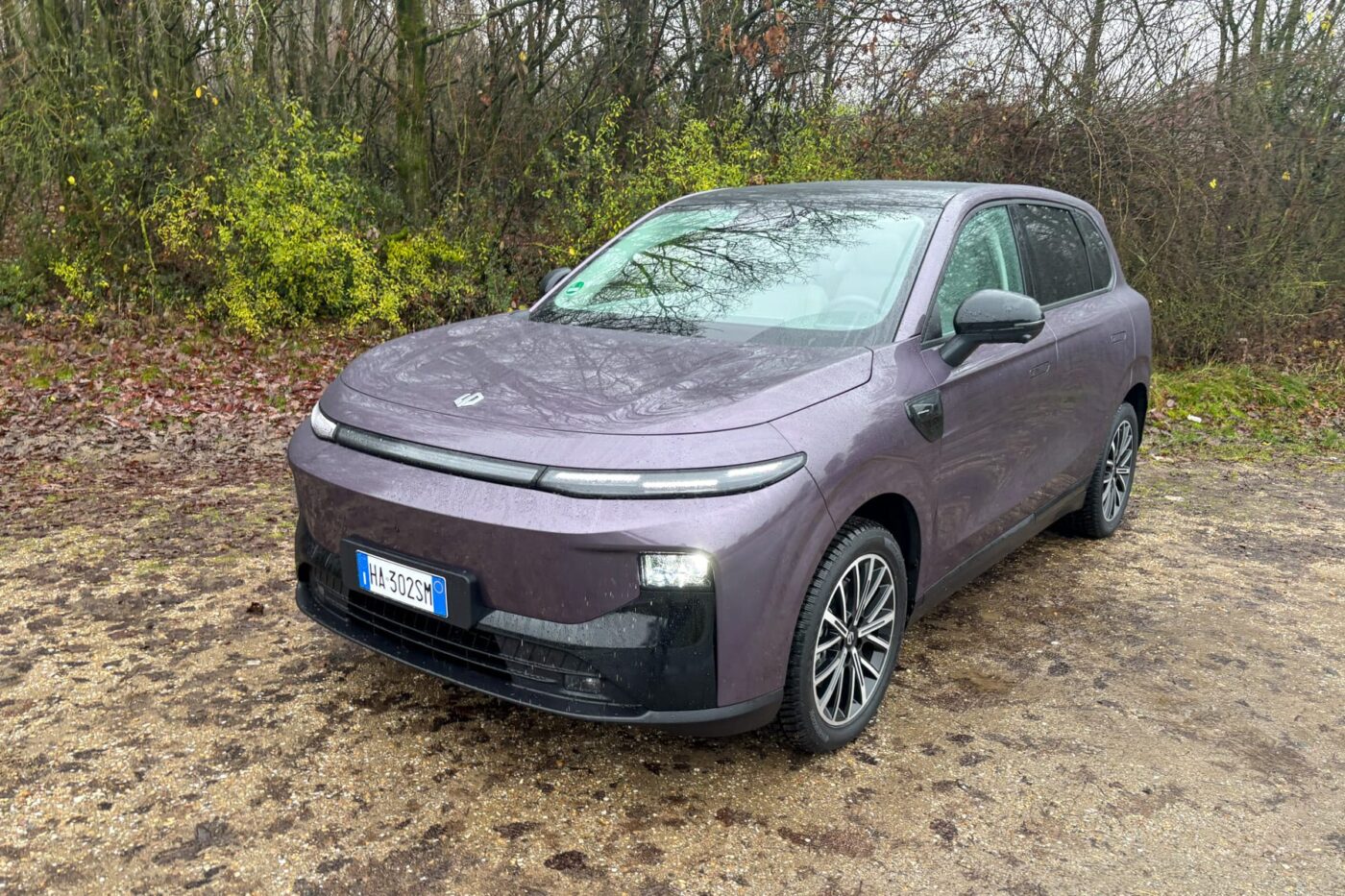
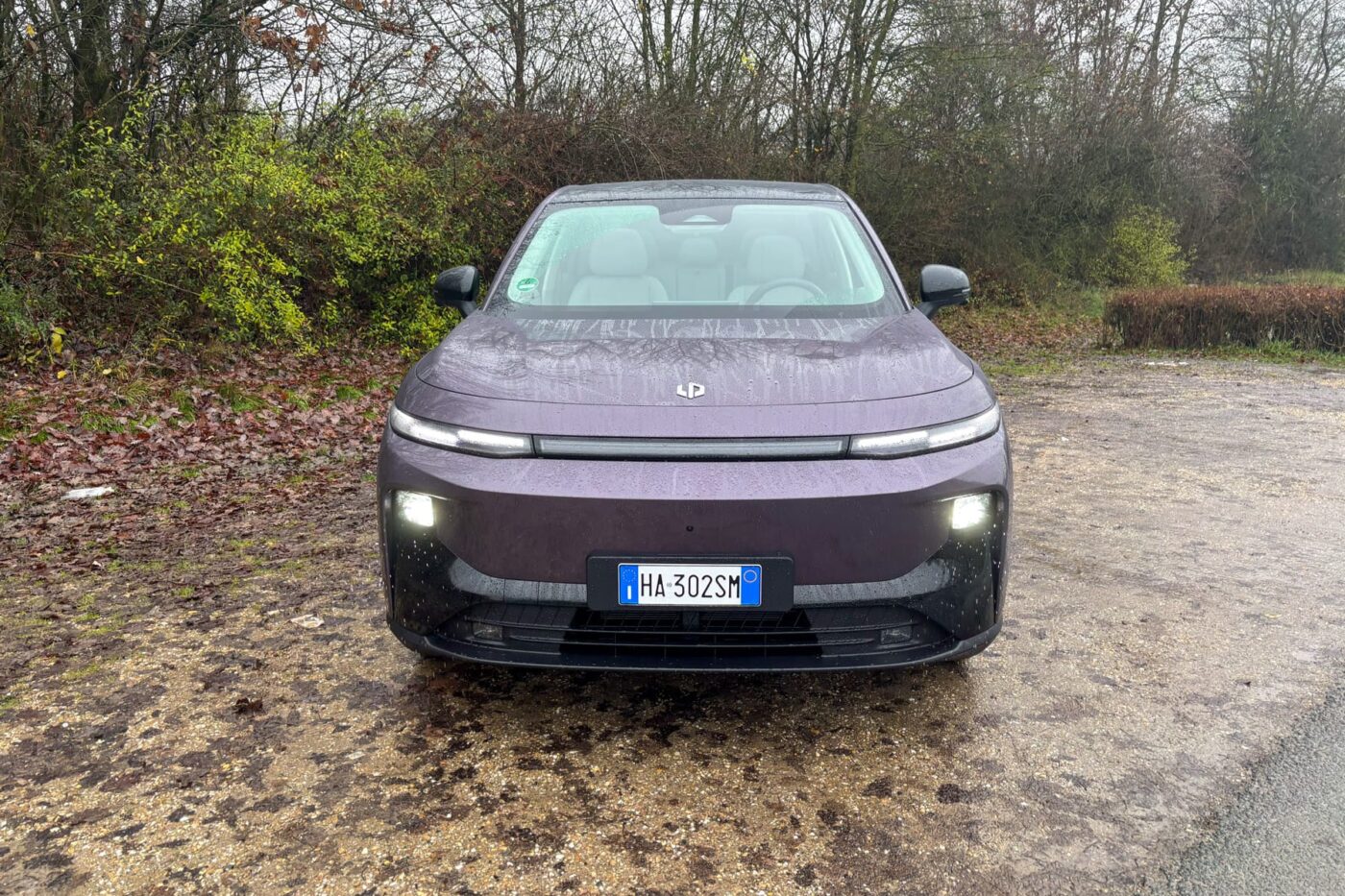
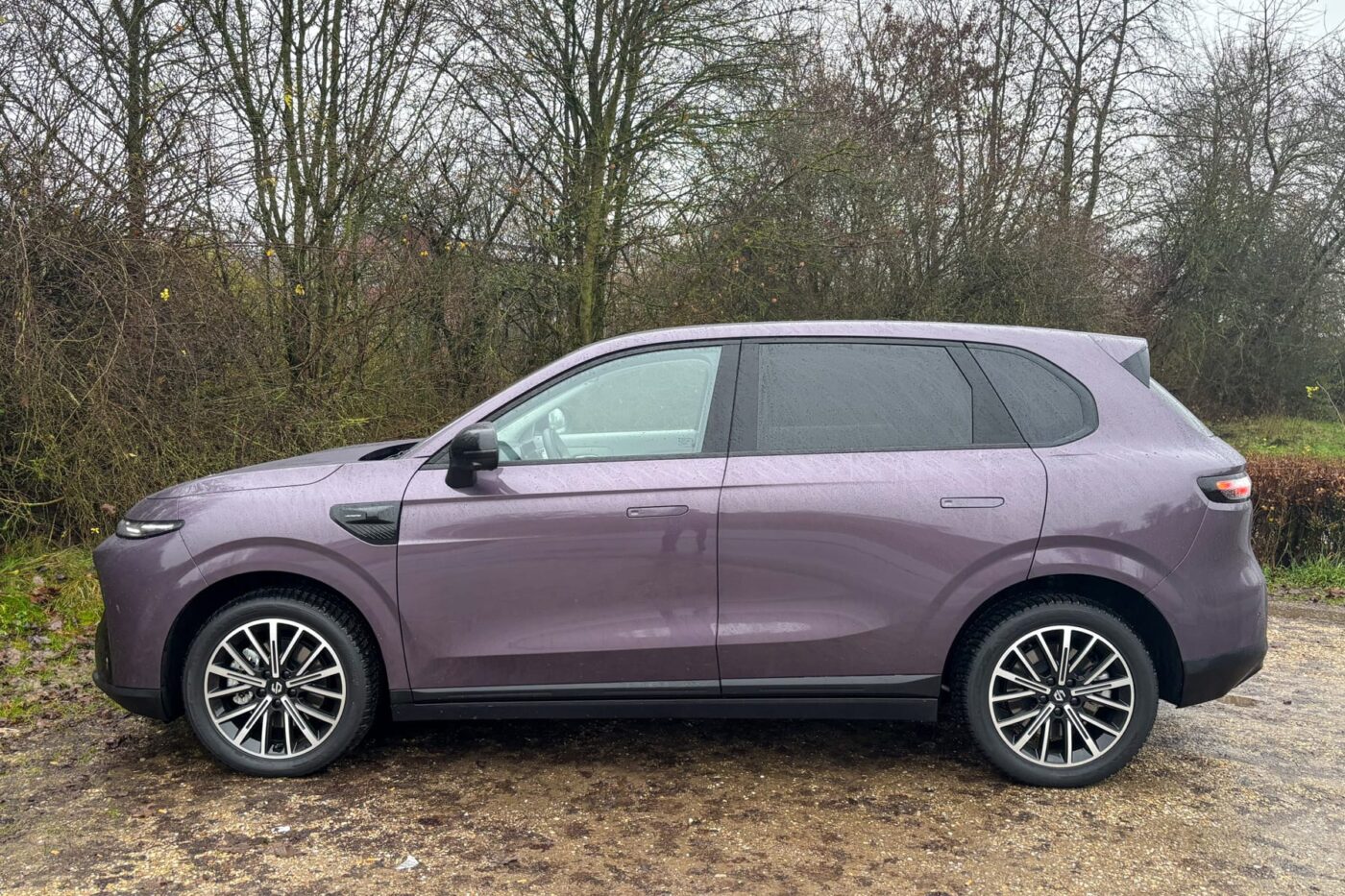
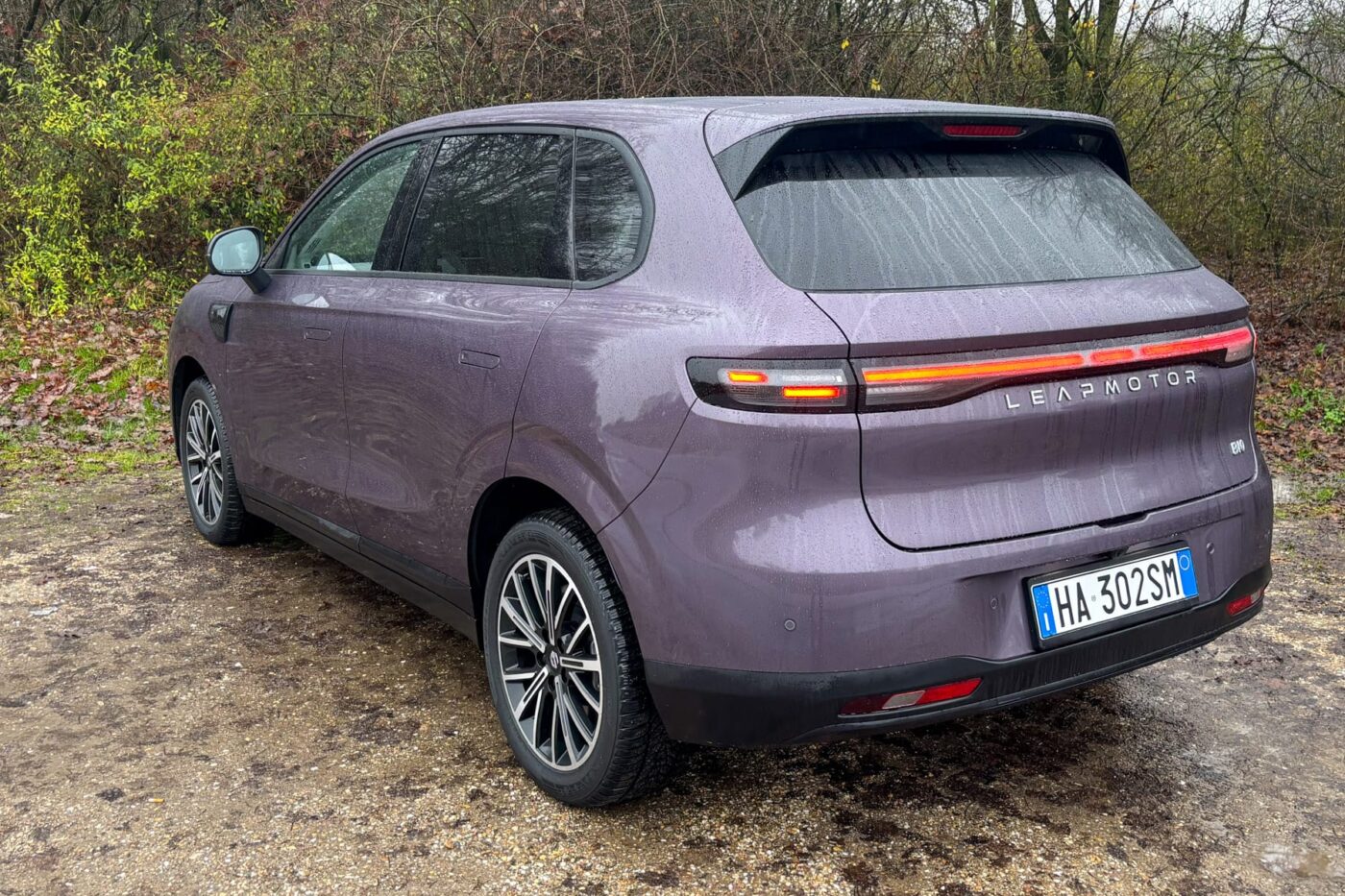
The list of optional extras is pleasantly short: there is a choice of six paint colours, with ‘Starry Night Blue’ available at no extra cost. Other colours, such as the stylish ‘Dawn Purple’ of our test car, cost an additional €650. For the ‘Design’ trim, there is also a choice between a light interior in ‘Light Grey’ or a darker version in ‘Shadow Grey’—with no price difference. That is where the official price list for new cars ends. Extras like the tow hitch are not available ex-works but must be retrofitted via the aftersales accessory catalogue after delivery.
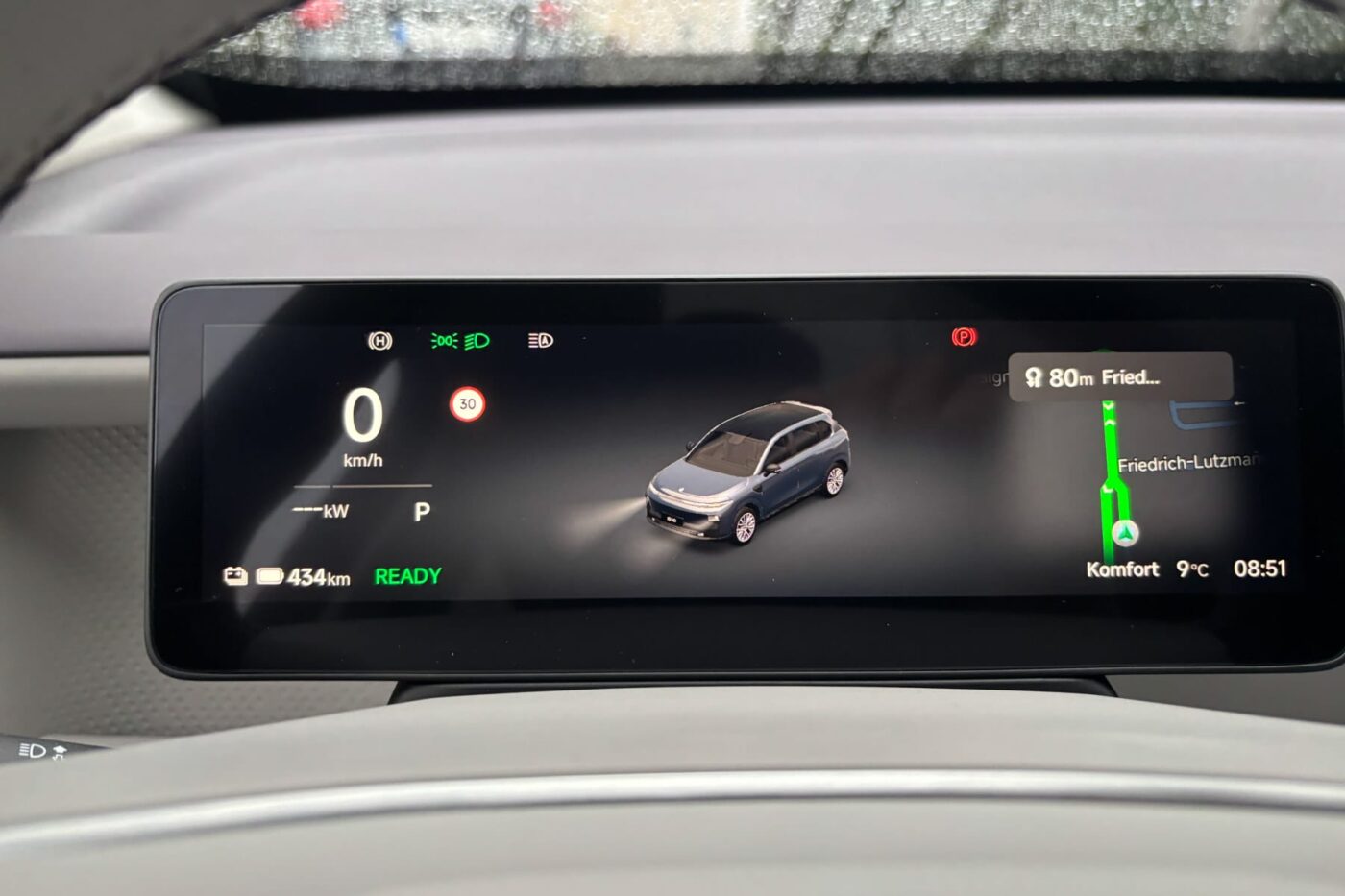
Enough preamble—let’s hit the road. In the B10, all key data, such as speed, battery charge, and range, are displayed on the flat cockpit display behind the steering wheel. A nice detail: in the settings, you can choose between WLTP as the basis or “actual driving behaviour.” For example, the onboard computer might display the somewhat abstract 434-kilometre WLTP range for the fully charged test car, or it might show 330 kilometres, which seems far more realistic.
The first few metres are notably unspectacular. The B10 rolls along quietly and smooths out even manhole covers with ease. This is a far cry from the T03, with its loudly humming electric motor and somewhat clattery suspension. If I did not know I was sitting in a Leapmotor, the driving experience alone could easily be mistaken for any of the Stellantis brand test cars lined up outside the Opel headquarters that morning. A glance at the steering wheel and the large display quickly reveals that this is indeed the Leapmotor.
I had another eureka effect at the first junction: when you activate the indicator, two views from the 360-degree camera appear on the 14.6-inch touchscreen—one an overhead view with a transparent vehicle, and the other a third-person perspective that can be freely adjusted with a finger gesture. The first surprise is that such a system exists in a car of this price range. Even more impressive is how clear and high-resolution the display is, and how smoothly the animation runs. This is not just a feature to tick off on the equipment list; it is so well implemented that it can be a real help when manoeuvring or navigating tight corners. I have encountered far inferior camera systems in significantly more expensive EVs. In reverse gear, the third-person view is replaced by a large display of the rearview camera—equally helpful thanks to the large and clear screen.
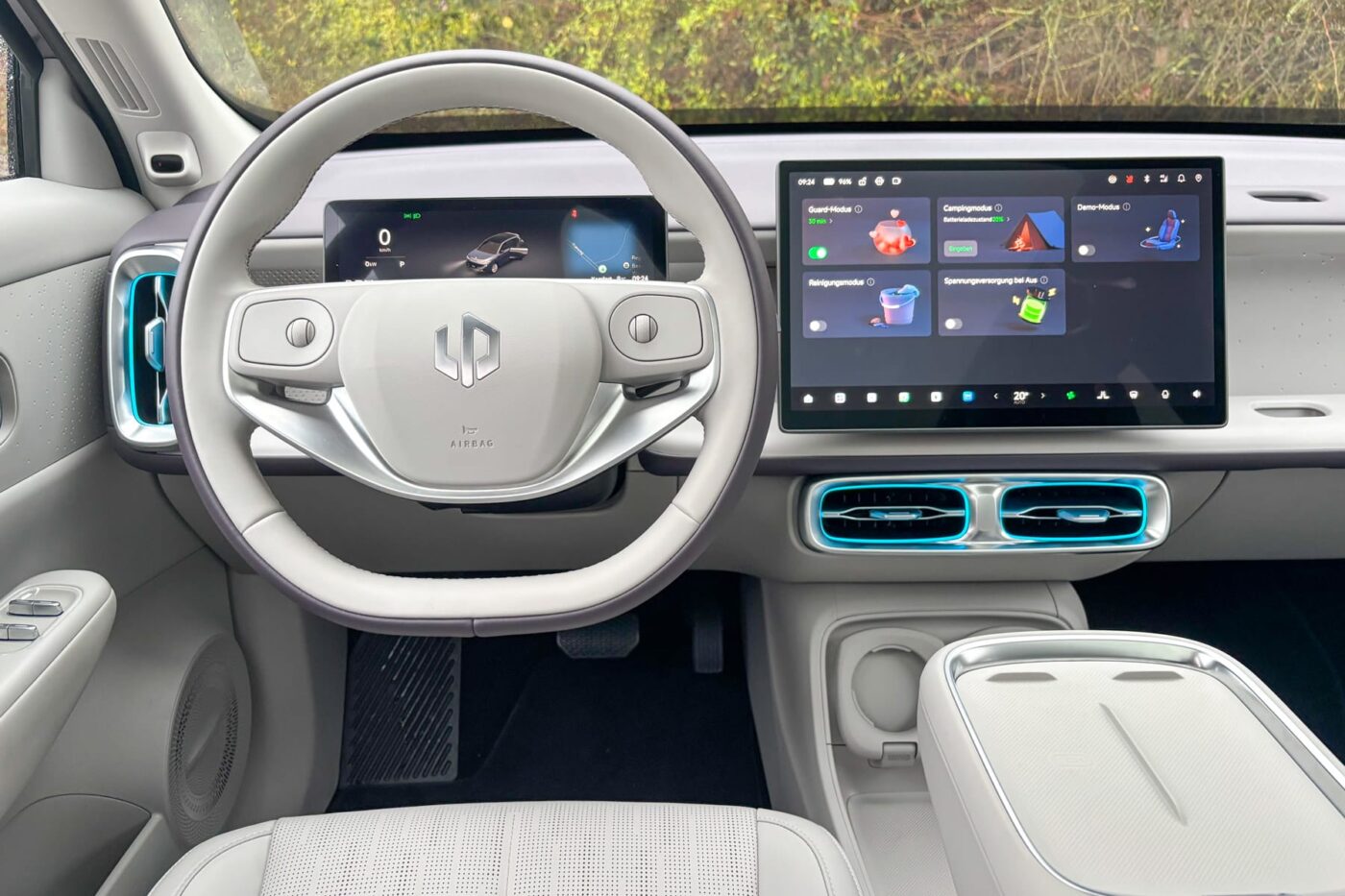
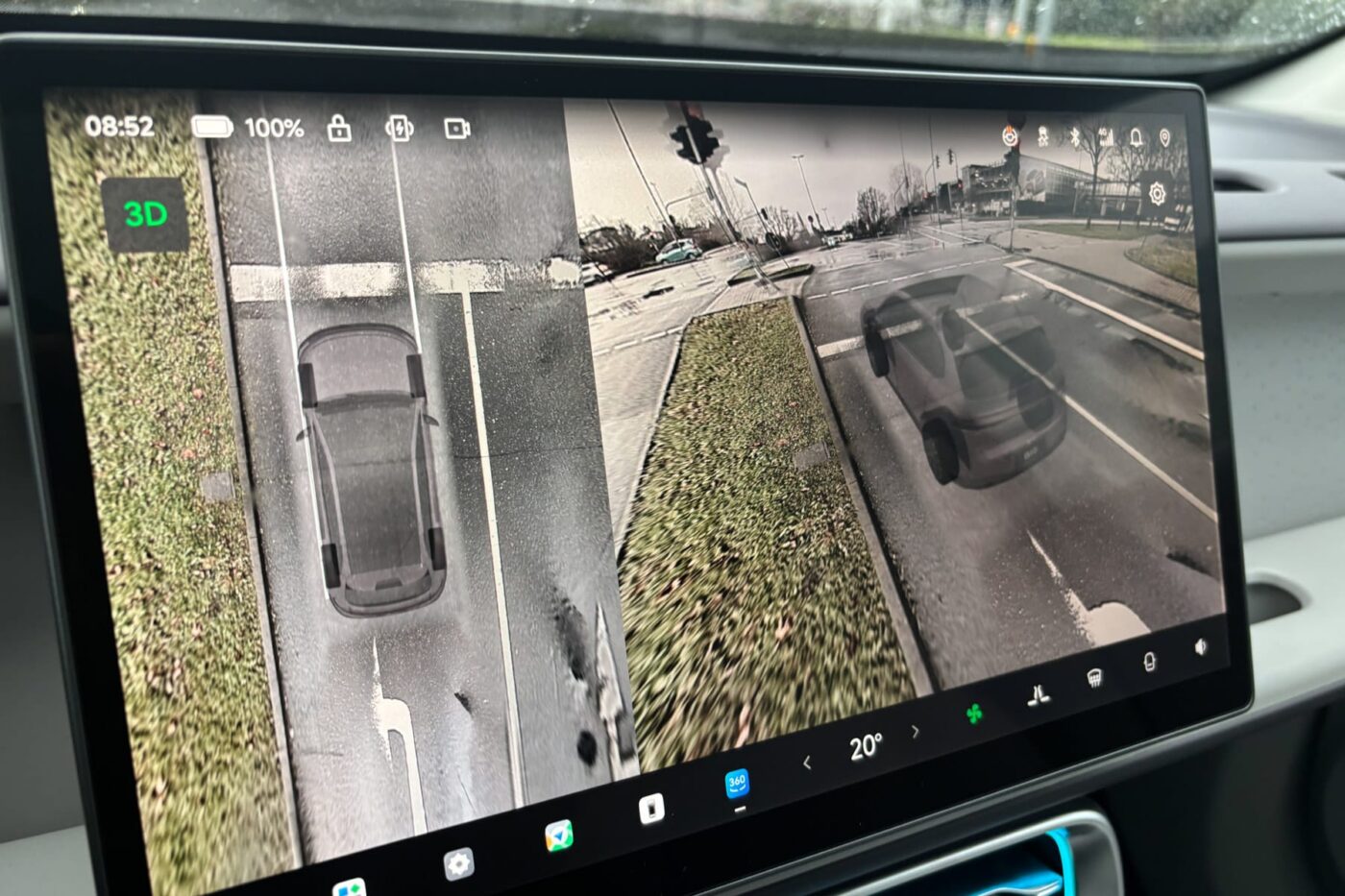
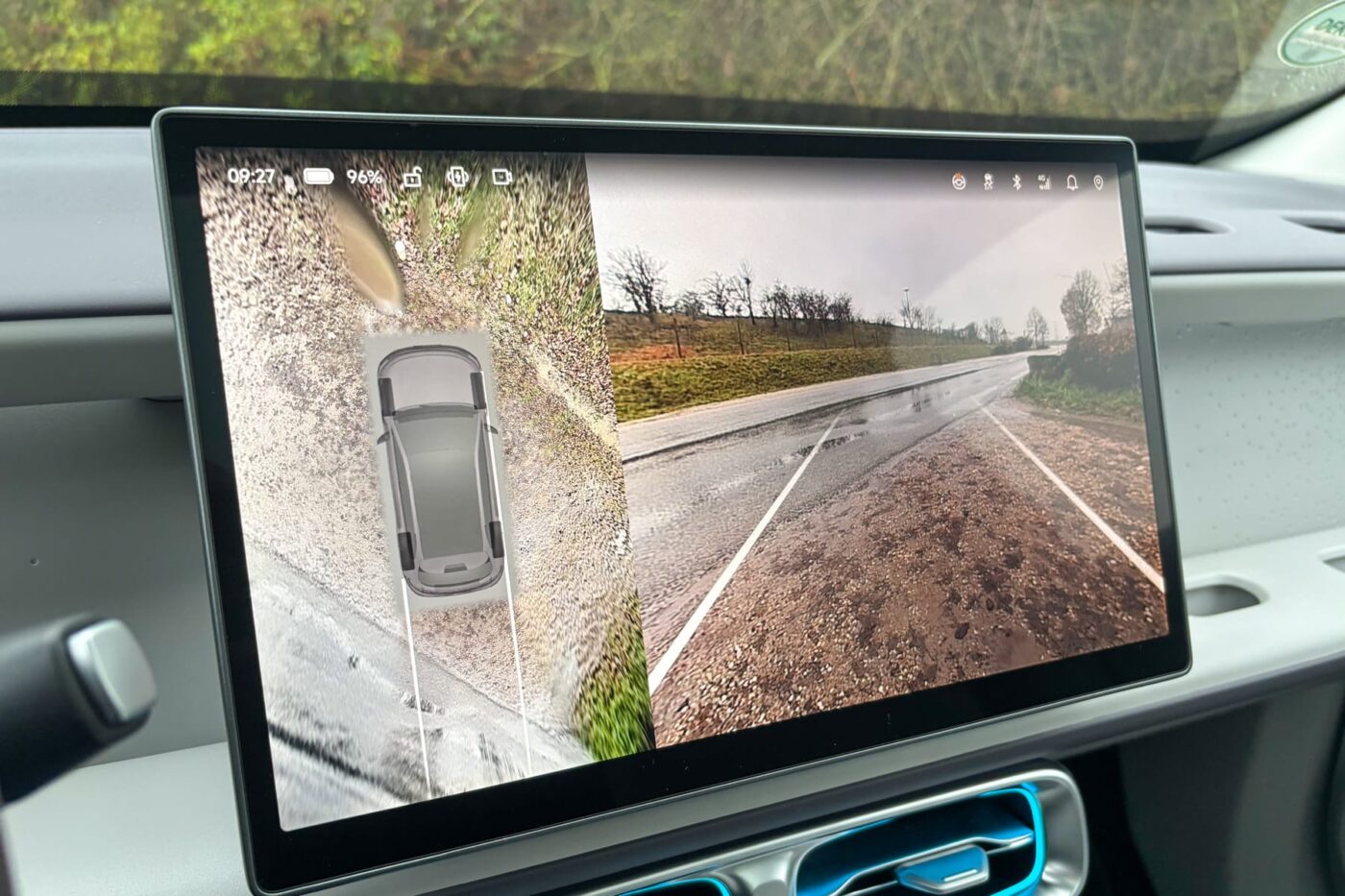
While some Asian manufacturers tend to use overly detailed and almost playful graphics on their displays, I found the user interface in the Leapmotor refreshingly clear and minimalist. The navigation map display is excellent, with all essential information visible. The system can also provide details about charging stations, such as availability and prices. However, we could not test the reliability of this data during our short drive—when in doubt, it is best to rely on your own charging apps. Even in the standard view, which shows the surroundings detected by the sensors and cameras, the display remains clear. Leapmotor could not resist adding a small touch of whimsy with aurora-like lights on the horizon, but all symbols are large and easy to use.
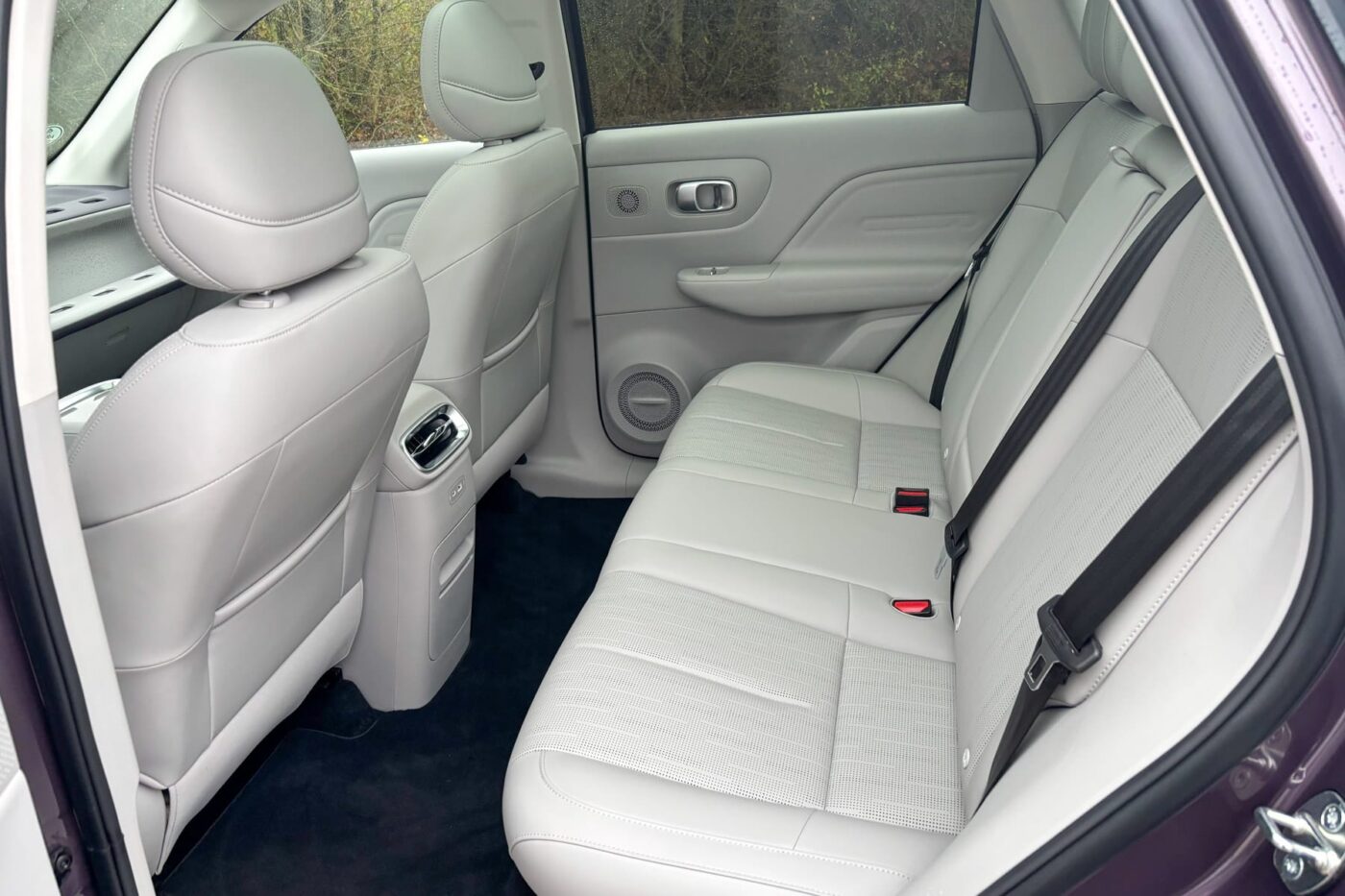
‘Pleasantly spacious’ also applies to the rest of the interior. At 4.51 metres in length, the B10 is no giant and sits somewhere between a VW ID.3 and ID.4. There is ample space for most adults in both the front and rear, and with my 1.85 metres in height, I still had comfortable legroom in the back seat behind a driver’s seat adjusted to my size. The bright surfaces of the test car, combined with the standard glass roof, create a pleasant and open ambience—even on a gloomy, rainy winter day.
Boot space is rather average
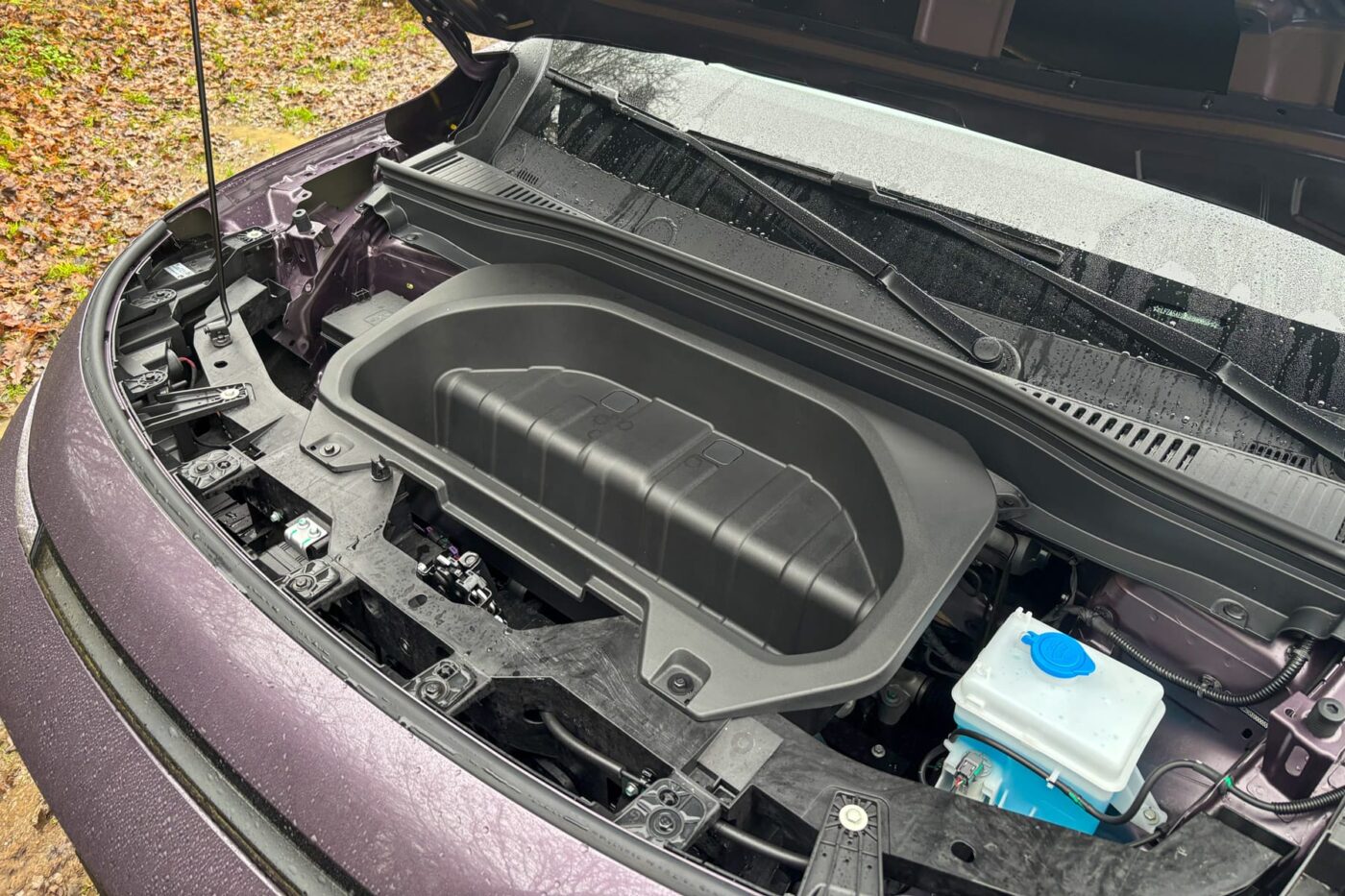
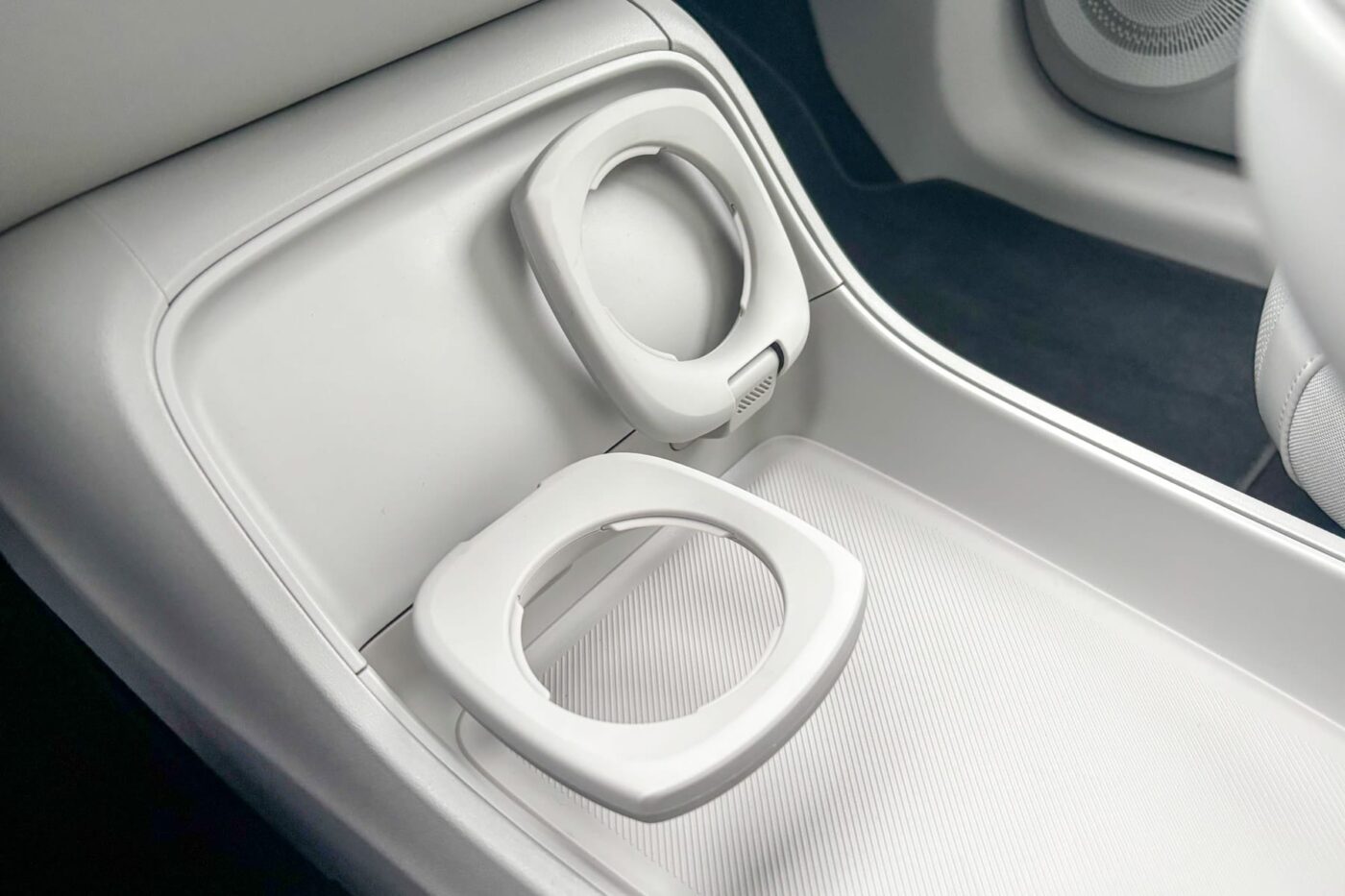
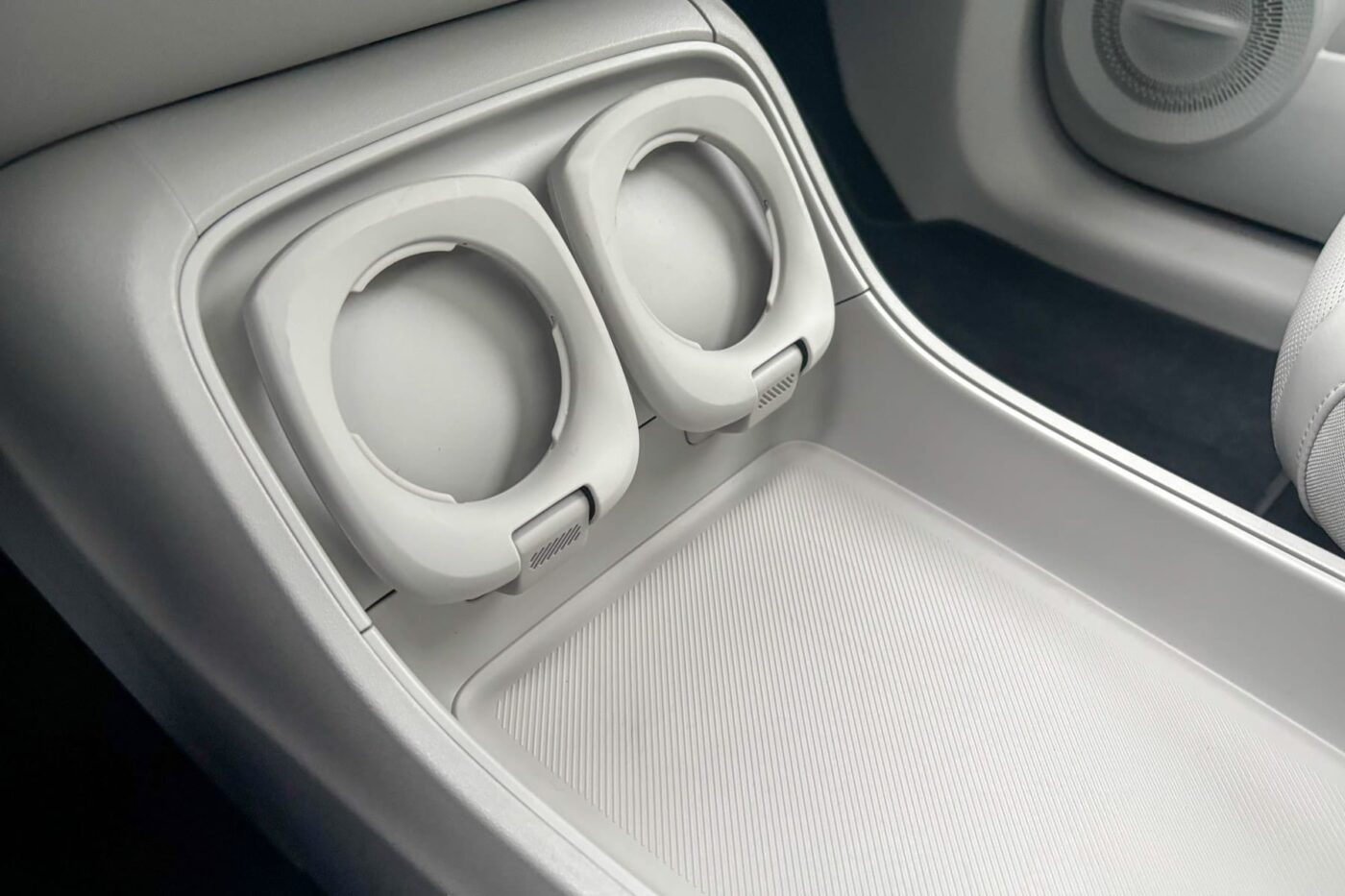
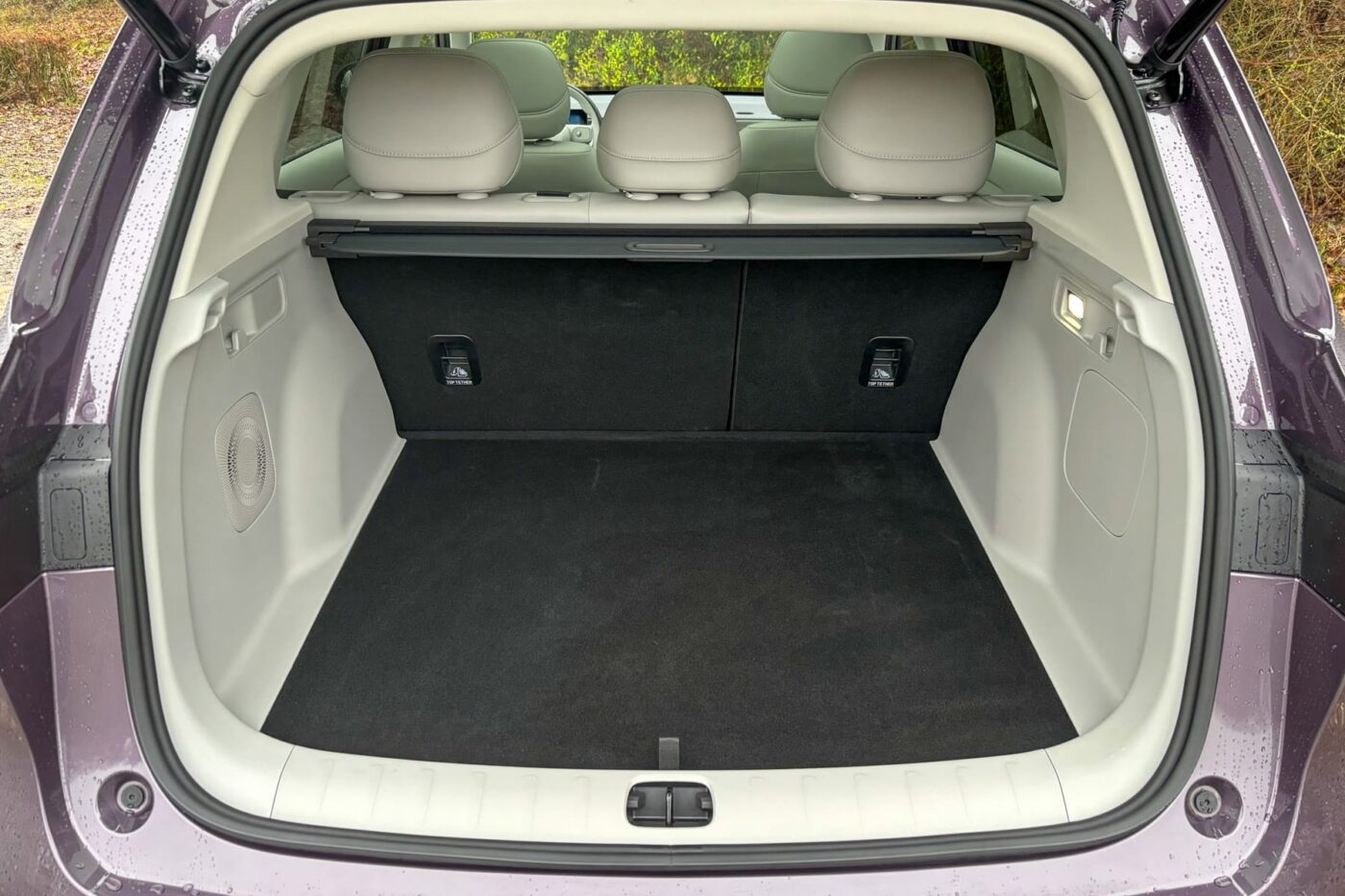
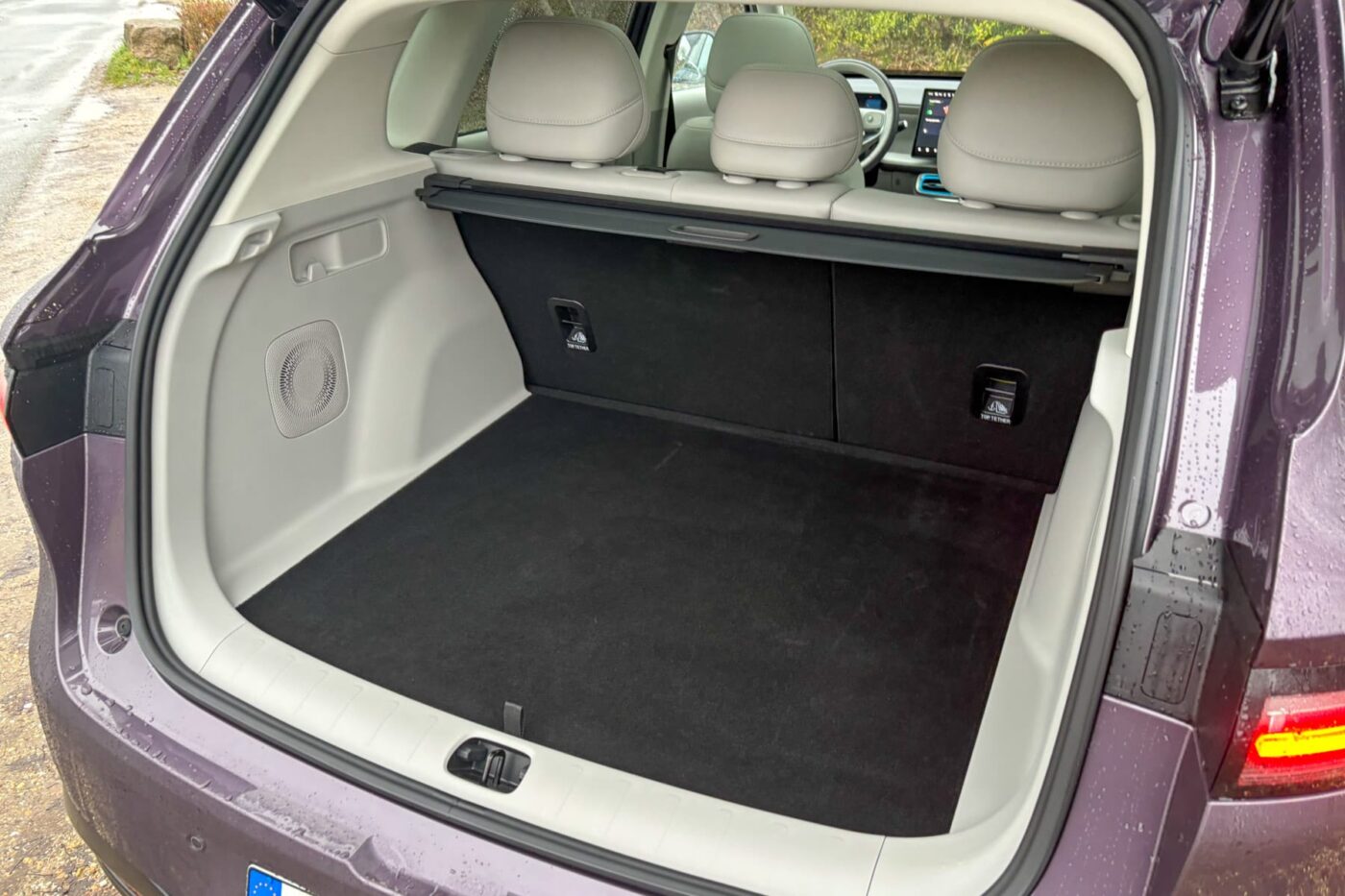
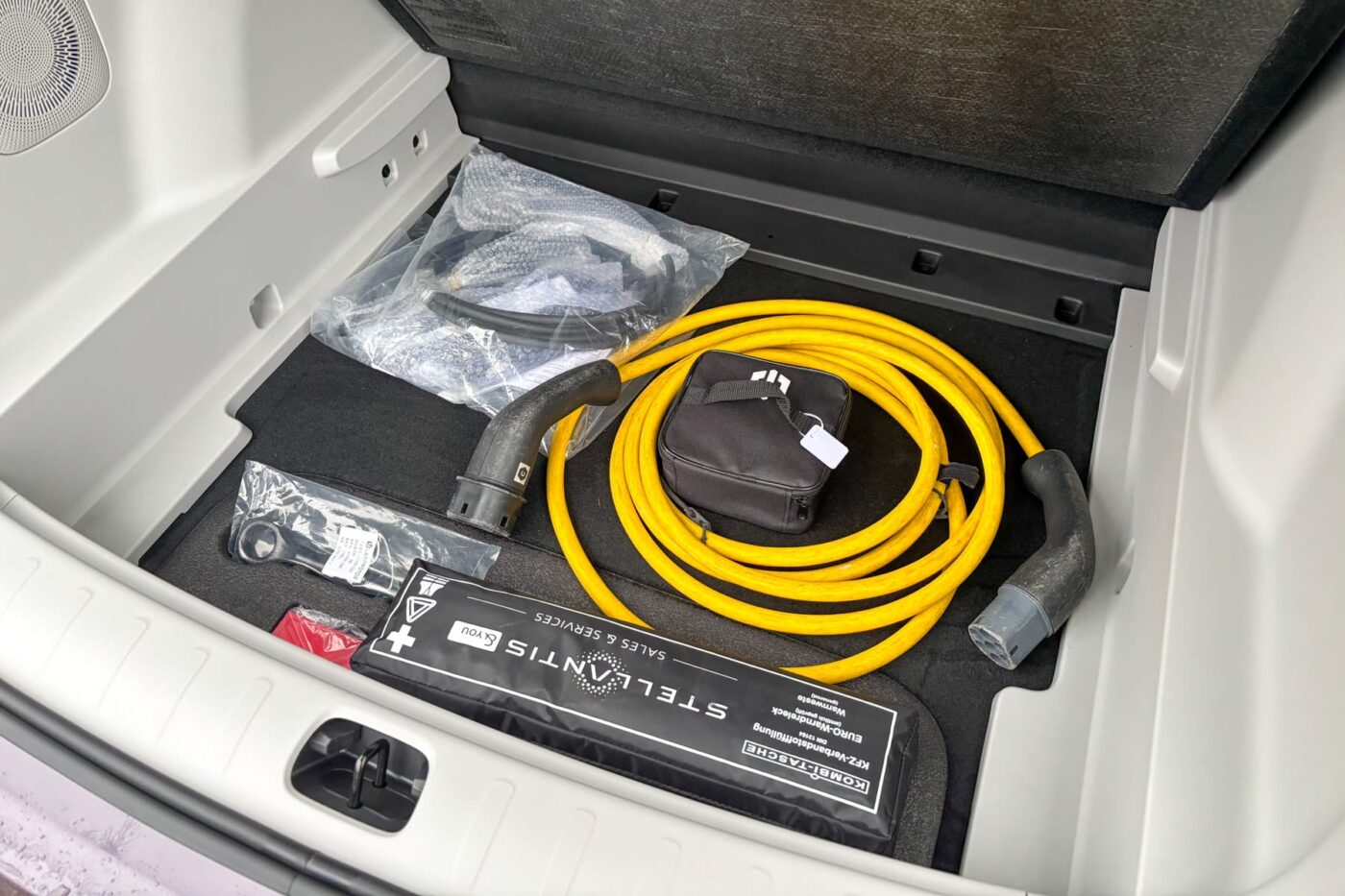
With 420 litres of storage in the standard configuration, the boot volume is, on paper, rather average. However, the raw litre figure does not tell the whole story: the boot is awkwardly shaped, making it highly practical, as the rear wheel arches take up very little space. A hidden compartment here and there might add a few extra litres of storage, but it is not particularly helpful for everyday tasks like transporting crates of drinks. Additionally, the boot floor is height-adjustable: you can choose between a flat loading edge with a storage compartment underneath or a loading edge about ten centimetres high with a correspondingly higher loading height. When the rear seatbacks are folded down, the B10 can accommodate up to 1,300 litres, putting it closer to the ID.3 than the ID.4 (1,575 litres). There is also a small frunk under the bonnet for the charging cable.
There is some space there because the electric motor in the B10 is located at the rear axle. With 160 kW of power, it provides ample performance. While 218 PS might sound like a lot for a family SUV, the Leapmotor is far from being a rocket: with a torque of just 240 Nm, it lacks the typical electric-car punch during acceleration, and the standard sprint from 0 to 100 km/h takes a full eight seconds according to the manufacturer. Other EVs with 160 kW feel more responsive, but the drivetrain suits the B10’s character as a comfortable family workhorse.
At this point, a fast-charging test with a charging curve would typically follow. However, the first drive in the B10 was too short to drain the battery sufficiently. The consumption figures are also not particularly meaningful: before the drive, the car had been parked outside in the rain and single-digit temperatures for a long time. A significant portion of the energy consumption was therefore used to heat the windows and warm the interior. We cannot provide a true impression of the drivetrain’s efficiency under various conditions based on this drive. That said, Leapmotor states the WLTP consumption as 17.3 kWh/100 km, and the displayed range of 330 kilometres corresponds to 20.3 kWh/100 km.
High DC charging capacity, but no battery preconditioning
Without a charging test, we must rely on the manufacturer’s claim of 168 kW for DC charging—and Leapmotor’s stated charging time of 20 minutes. However, this figure applies from 30 to 80 per cent, not the usual standard charging range of 10 to 80 per cent. Nevertheless, the average charging power between 30 and 80 per cent is 101 kW, which is impressive for this price range—just like the peak charging power! For comparison: the larger Opel Grandland Electric, with a bigger battery, only achieves 160 kW charging power. For AC charging, an 11 kW charger is installed, and a full charging cycle takes eight hours.
On the one hand, the B10’s DC charging capability is a positive surprise, but on the other, it is also one of my biggest points of criticism: there is no battery preconditioning, not even as an optional extra. LFP cells are generally more sensitive to cold and should ideally be kept within an optimal temperature range to deliver their full performance. In the B10, however, the battery cannot be warmed either automatically or manually, which means that fast charging in winter could become something of a gamble. It depends on how cold the battery actually is and how much power it can accept. This is not only important for fast charging during long journeys but also for everyday use. Fast chargers at supermarkets, for example, are an ideal solution for those who do not have their own charging point at home or at work, allowing them to top up enough power for the next few days while shopping—especially with a charging time of just 20 minutes, or roughly 30 minutes if starting from 10 per cent. If the battery is too cold and barely accepts any charge, this limits usability in lower temperatures.
I prefer Hyundai’s approach with the Inster, for example: the Koreans have omitted battery heating in the base version of their small electric car to offer a lower starting price. Not every customer needs this system—those with their own wallbox and daily drives of less than 300 kilometres can get the car at a lower price. For those who do need it, battery preconditioning can be added as an optional extra—something I would have liked to see from Leapmotor.
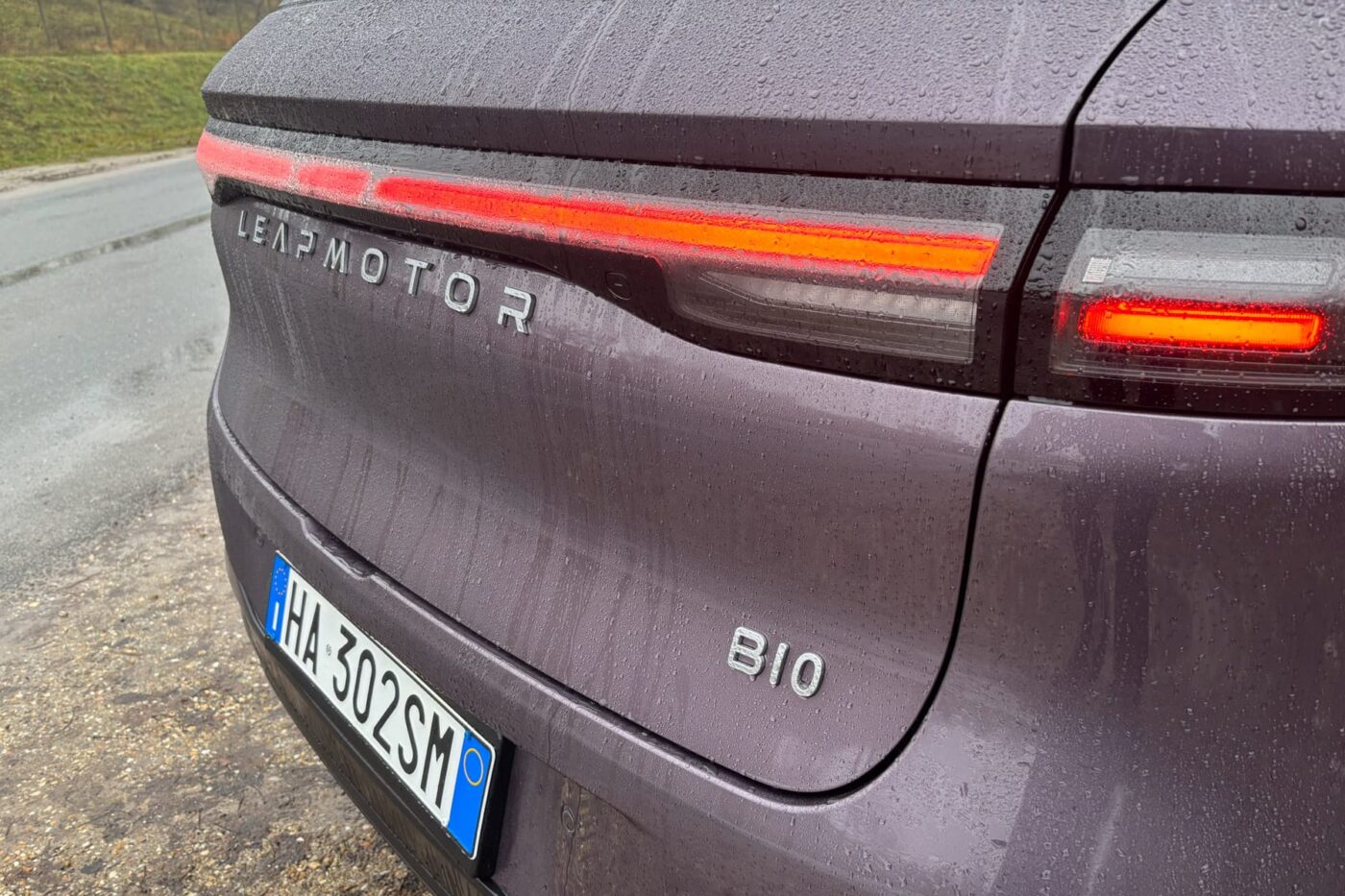
While we are on the subject of criticisms: unfortunately, the rear windscreen wiper has also been omitted. The B10’s rear windscreen is so steep that dirt accumulates after just a few kilometres on wet winter roads, obstructing the view to the rear. I can well imagine what the rear windscreen would look like after a longer motorway journey in such conditions. This is another parallel to Hyundai: the designers of the Ioniq 5, which has a much flatter rear windscreen, initially did without a rear wiper but later acknowledged its necessity and added it in the facelift.
There is also a small drawback with the tow hitch: with a towing capacity of 750 kilograms and a vertical load limit of 60 kilograms, its practicality is somewhat limited. Even the often-criticised MEB models from VW can handle more, and the aforementioned Hyundai Ioniq 5 can tow up to 1.6 tonnes—despite being only a hand’s width longer than the B10. Ultimately, it becomes clear that Leapmotor had to keep an eye on costs here and there, even if it only becomes apparent at second or third glance.
Conclusion
You have probably noticed by now, the Leapmotor B10 positively surprised me. There are new cars that look stylish in photos but leave a completely different impression when you step inside. The B10 is not one of them. The specifications are convincing, the ambience is too, and the price even more so. Soon, the B10 will even be built in Europe, as Leapmotor is currently setting up a supply chain in Spain.
What is particularly important is that Leapmotor is not establishing a Germany-wide distribution network with just a few locations on its own. Instead, it is leveraging the Stellantis partnership to ensure strong availability. The vehicles are available at over 100 dealerships, where they complement the existing range – most of these are multi-brand dealerships that already have one or more Stellantis brands in their portfolio.
Of course, there are customers who feel more comfortable in a more conventional EV with a classic interior and who reject tablet-like touchscreens. These customers can opt for an Opel Frontera Electric, the larger Grandland Electric, or the corresponding models from other Stellantis brands at the same dealership. However, for those seeking a different, more modern approach, the new Leapmotor models offer an alternative—one that, in the case of the B10, delivers an excellent overall package, though not a perfect one.

0 Comments