

Toll exemption for electric trucks now in effect in Germany
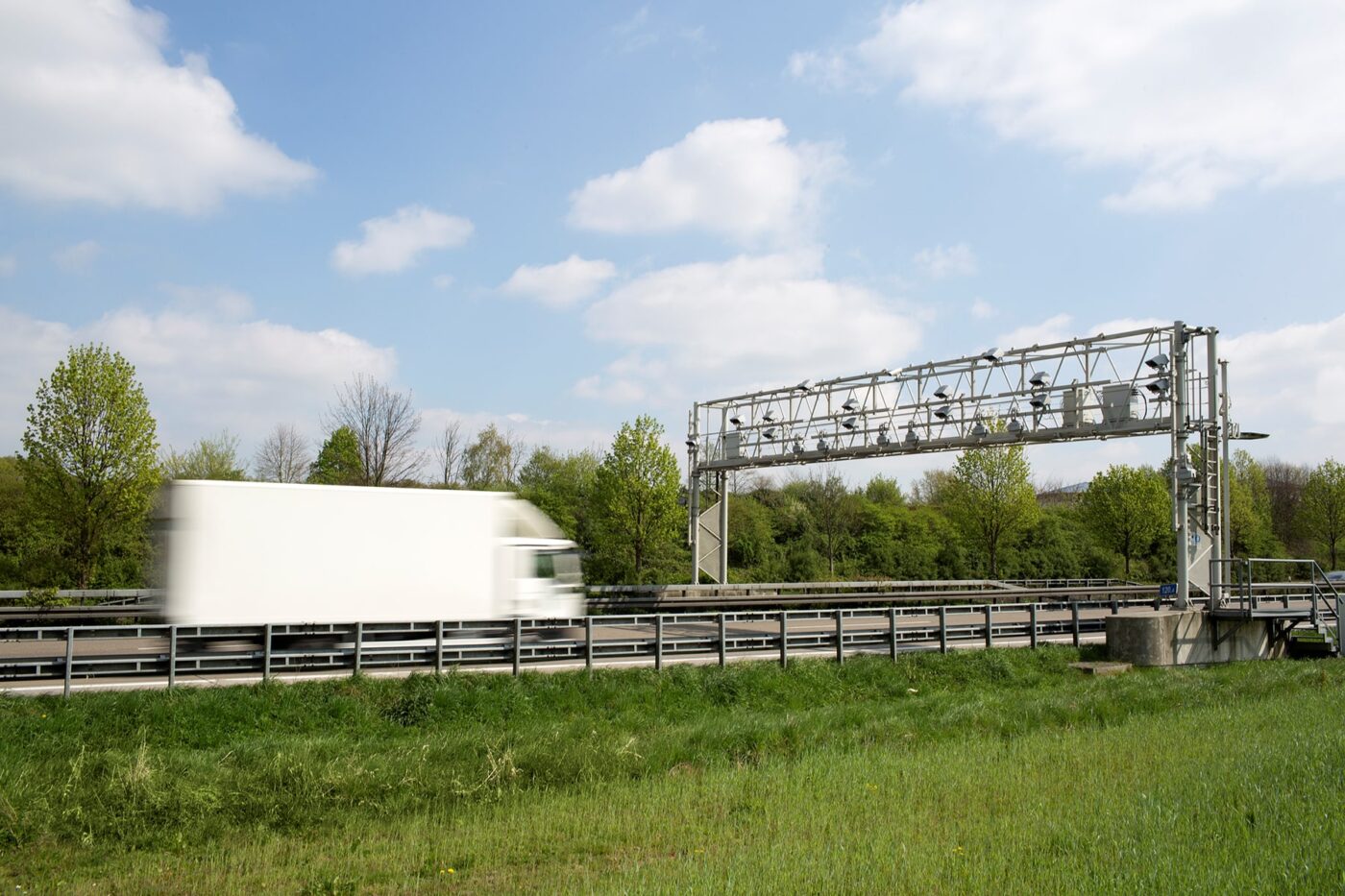
The newly amended law extends the existing toll exemption for zero-emission trucks beyond 31 December 2025. That means Germany is fully utilising the exemption period permitted under the EU’s Eurovignette Directive. In other EU countries, electric trucks are not exempt from tolls at all, or only partially or for shorter durations. Specifically, electric trucks weighing 4.25 tonnes or more will now remain exempt until mid-2031, while commercial vehicles under 4.25 tonnes will benefit from a permanent exemption.
In Germany, all internal combustion engine vehicles weighing 3.5 tonnes or more are generally subject to tolls, although certain tradespeople’s vehicles may qualify for exemptions under specific conditions. Federal Transport Minister Patrick Schnieder stated, “By extending the toll exemption until mid-2031, we are providing a significant boost to the market adoption of zero-emission trucks. Businesses now have planning certainty, and the transition to emissions-free trucks remains an attractive proposition.”
Another change in the law concerns toll registration: from early 2026, alongside automatic booking via an on-board unit and manual booking via the internet or app, a new semi-automated booking option will be introduced for journeys within Germany. This will involve recording the route during the journey by processing the position data of a mobile device, such as a smartphone. The booking channel for this will be the ‘TollNow’ app from Toll Collect GmbH, which must be installed on a device carried by the driver.
“This eliminates the need for rebooking, for example, due to an unforeseen road closure, which was previously required in the manual process. From mid-January 2026, the app will initially be available for the iOS operating system,” the responsible ministry announced. Booking via the ‘TollNow’ app is not intended as a replacement for a classic on-board unit but rather as an enhancement of the manual process. “It is especially aimed at occasional users who do not wish to install an on-board unit.”
For businesses with emissions-free trucks in their fleets, the now-confirmed toll exemption is a significant factor in total cost of ownership (TCO) calculations. The delay in achieving planning certainty for 2026 until December has been widely criticised within the industry. The current deadline for the existing toll exemption for electric trucks expires on 31 December 2025. Without a new decision, zero-emission trucks would have been subject to tolls from 1 January 2026 under current law—to cover infrastructure costs.
It was not until November that Berlin sent the long-awaited signal to the commercial vehicle industry: electric trucks would remain toll-exempt. The German government decided to exempt electric trucks from tolls until mid-2031, following an EU decision this autumn. Specifically, Berlin adopted the government’s draft ‘Fourth Act Amending Toll Law Provisions’.
In Germany, the special treatment of emissions-free trucks regarding tolls was first introduced in December 2023, alongside a substantial increase and CO₂-based tiering of toll rates. Regarding electric trucks, operators and manufacturers can now plan with certainty for six additional years of toll exemption, following an initial two-year planning horizon. This could encourage more logistics companies and hauliers to invest in electric trucks. Whether the toll savings serve as an effective incentive will be reflected in future registration statistics. According to ACEA figures, the share of externally chargeable trucks weighing 3.5 tonnes or more in the German market was 5.5% in the current year to date.
bmv.de, recht.bund.de (both in German)
This article was first published by Cora Werwitzke for electrive’s German edition.



0 Comments