

Webasto unveils 3-in-1 thermal solution for electric vehicles
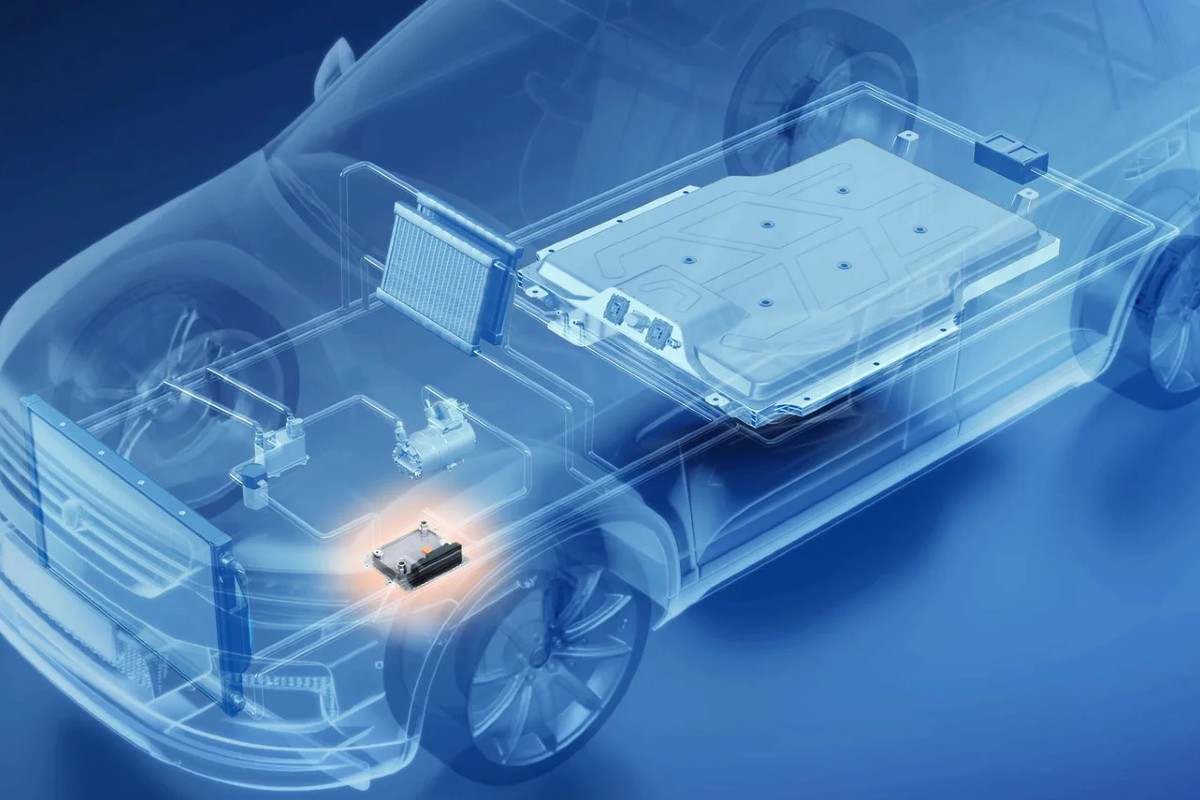
According to Webasto, this product innovation is specifically designed to meet the thermal requirements of modern electric vehicles by combining three functions into a single component. “In classic vehicle architectures, several separate thermal components must be installed, connected, and controlled, each with its own lines, controls, and sealing points. This increases the space requirements, weight, and susceptibility to errors,” the German supplier explained.
The Heated Chiller is intended to replace these components with a single 800-volt system, thereby reducing costs, complexity, and material usage. However, Webasto has not yet specified the extent of these reductions. What the developers have confirmed is that the 3-in-1 device rapidly brings batteries to optimal temperatures, “which extends their service life and improves range.” For end customers, it means high comfort even in extreme weather conditions. The manufacturer describes the three integrated functions of the product innovation as follows:
- Battery conditioning: Heats the coolant to maintain an optimal battery temperature. This also enables the use of new refrigerants.
- Battery cooling: Removes excess heat from the battery circuit via the cooling function—such as during fast charging or sporty driving—and protects components from thermal overload.
- Interior heating: Directly heats the refrigerant, thereby increasing the efficiency of the heat pump, particularly at low ambient temperatures.
“With the Heated Chiller, we offer our customers a compact solution that solves several challenges in the thermal management of electric vehicles,” said Christin Reinhertz, Global Head of Electric Heating Systems at Webasto. “Our many years of expertise in system integration, thermal management, and battery technology have gone into this development, always with a focus on comfort, efficiency, and sustainability.”
webasto.com (Press Release), webasto.com (Website)
This article was first published by Cora Werwitzke for electrive’s German edition.

0 Comments