

Inductive charging for electric HGVs demonstrated at motorway speed in the USA
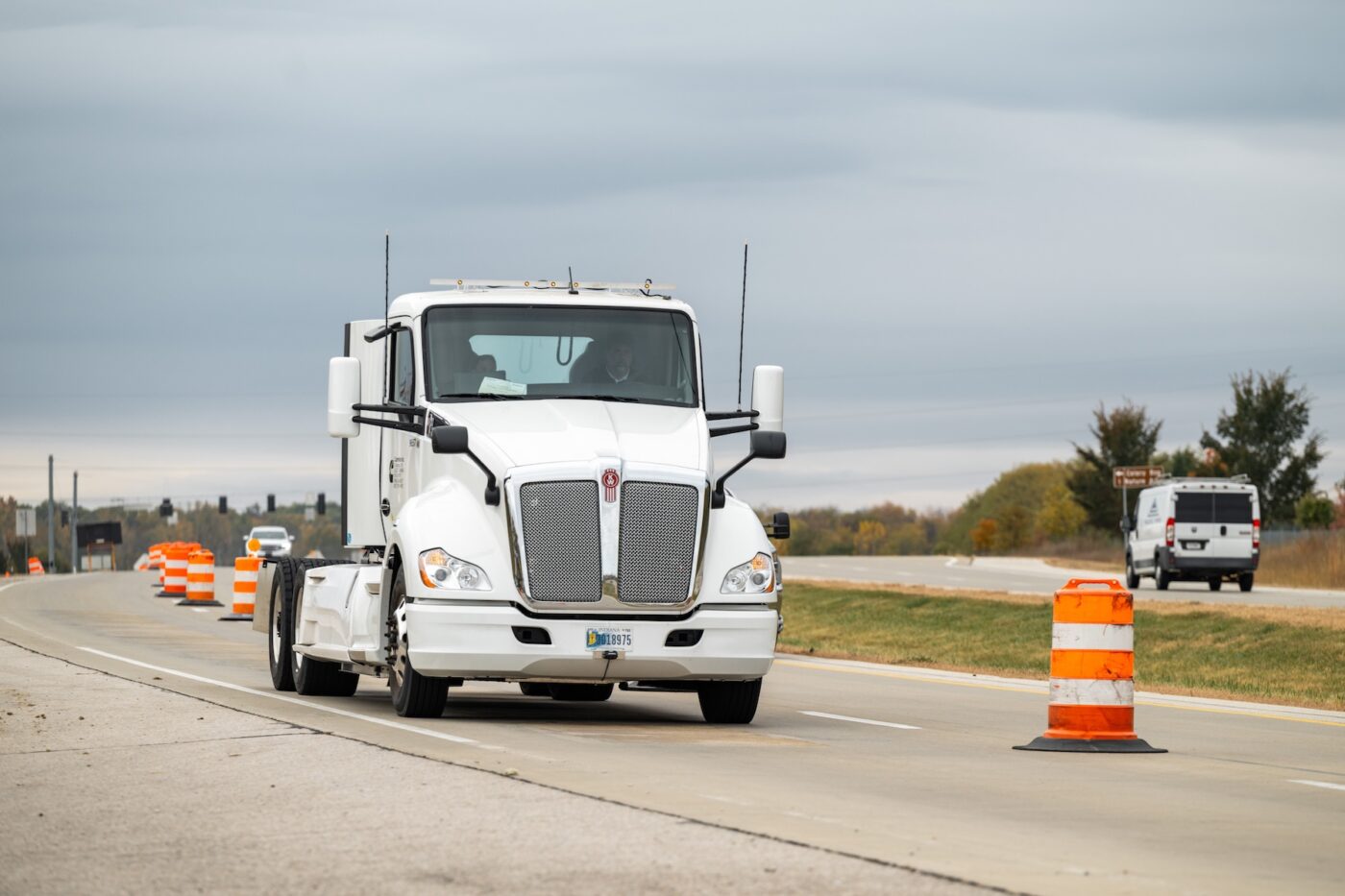
For the US, this trial marks a premiere, although projects such as the German E|MPOWER project along the A6 have already tested inductive charging for heavy trucks and passenger cars. Specifically, researchers at Purdue University prepared a short quarter-mile section (approximately 400 metres) of Highway 231/52 in West Lafayette, Indiana, with their self-developed inductive charging technology. They also equipped a battery-electric Cummins semi-truck to utilise this innovative system for charging while driving.
The project, which was first introduced to the public in 2024, has now successfully conducted its first charging process at motorway speeds with an electric truck. On the test section, the system delivered a charging power of 190 kilowatts to the electric truck, which was travelling at 65 miles per hour (approximately 105 kph). To achieve this, magnetic transmitter coils were embedded into the road surface, enabling contactless connection with receiver coils installed in the vehicles. The principle is similar to inductive charging of smartphones, but operates not only when stationary but also dynamically while driving.
“Transferring power through a magnetic field at these relatively large distances is challenging. And what makes it more challenging is doing it for a heavy-duty vehicle moving at power levels thousands of times higher than what smartphones receive,” said Dionysios Aliprantis, a Purdue professor of electrical and computer engineering.
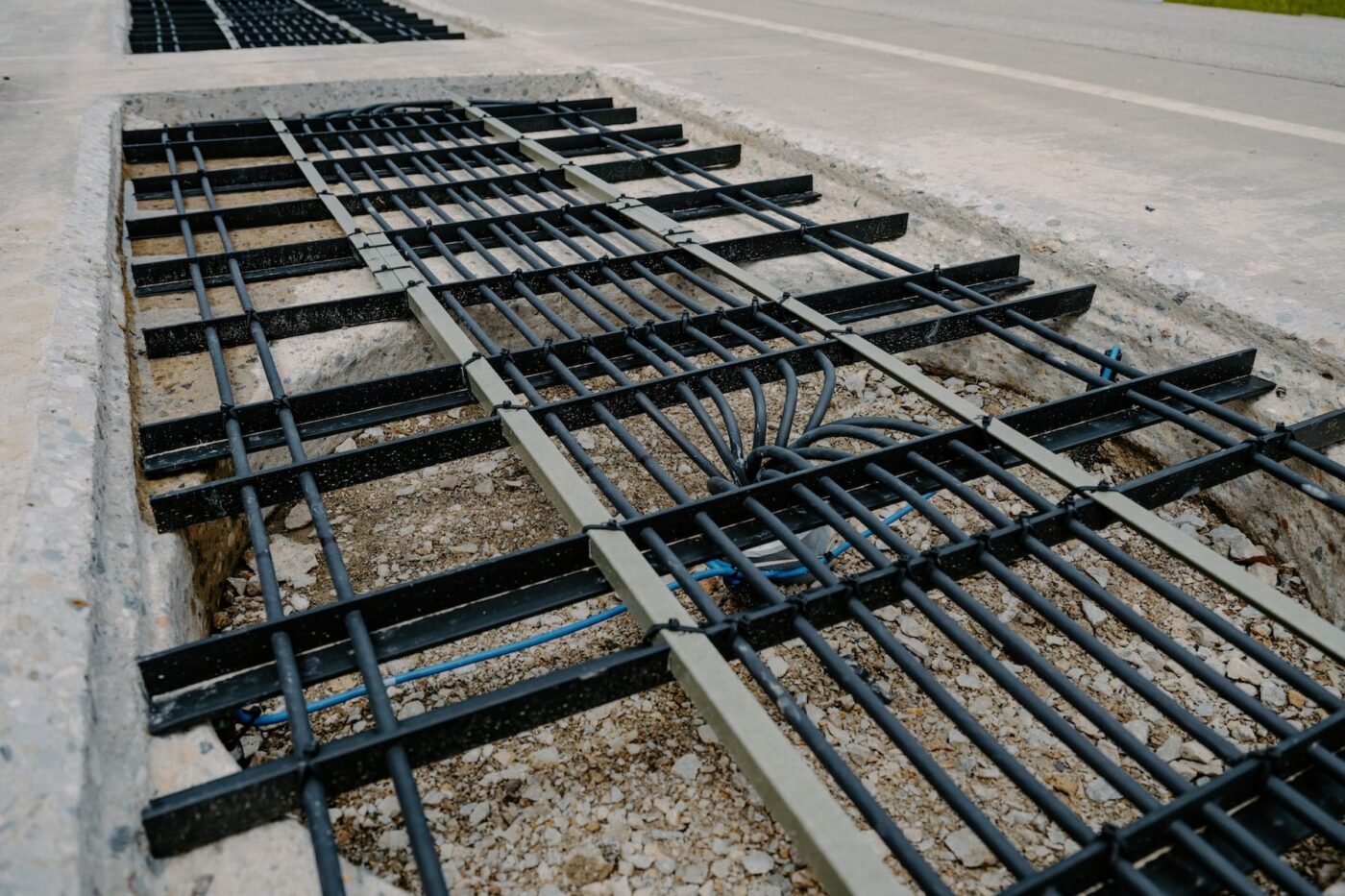
The system is suitable not only for electric trucks but also for other vehicle classes, such as electric cars. If deployed on a large scale, it could enable electric vehicles to require significantly smaller batteries, as they would primarily discharge energy only when no charging coils are present in the road. This mirrors the argument used for trolleybuses, which are now equipped with smaller batteries to bridge sections without overhead lines. However, unlike overhead lines, this system does not require a uniform vehicle height, offering flexibility for use by compact cars as well as buses and lorries.
John Haddock, Professor at the Lyles School of Civil and Construction Engineering at Purdue University, argues that such an inductive system could alleviate ‘range anxiety’ among EV sceptics, while significantly reducing the cost of electric cars and trcks: “And a lot of that cost in electric vehicles is driven by the size of the battery packs that they have to have in order to get you that 250-to-300-mile range. With this system, you’d be able to drive your vehicle down the road and it would charge the battery.”
However, the effort required to install such a system on a large scale would be extremely costly and time-consuming. It is therefore likely that this technology would only be installed on selected corridors where appropriately equipped vehicles travel daily.
This article was first published by Florian Treißfor electrive’s German edition.


0 Comments