

Opel updates the Astra Electric
The compact car models from the Stellantis Group based on the EMP2 platform have reached the midpoint of their product cycle, and a wave of facelifts is now underway. In late August, for example, Peugeot unveiled the updated 308, which not only features a completely redesigned front end with the latest brand styling but also, in its electric version, a slightly larger battery for extended range and a Vehicle-to-Load function.
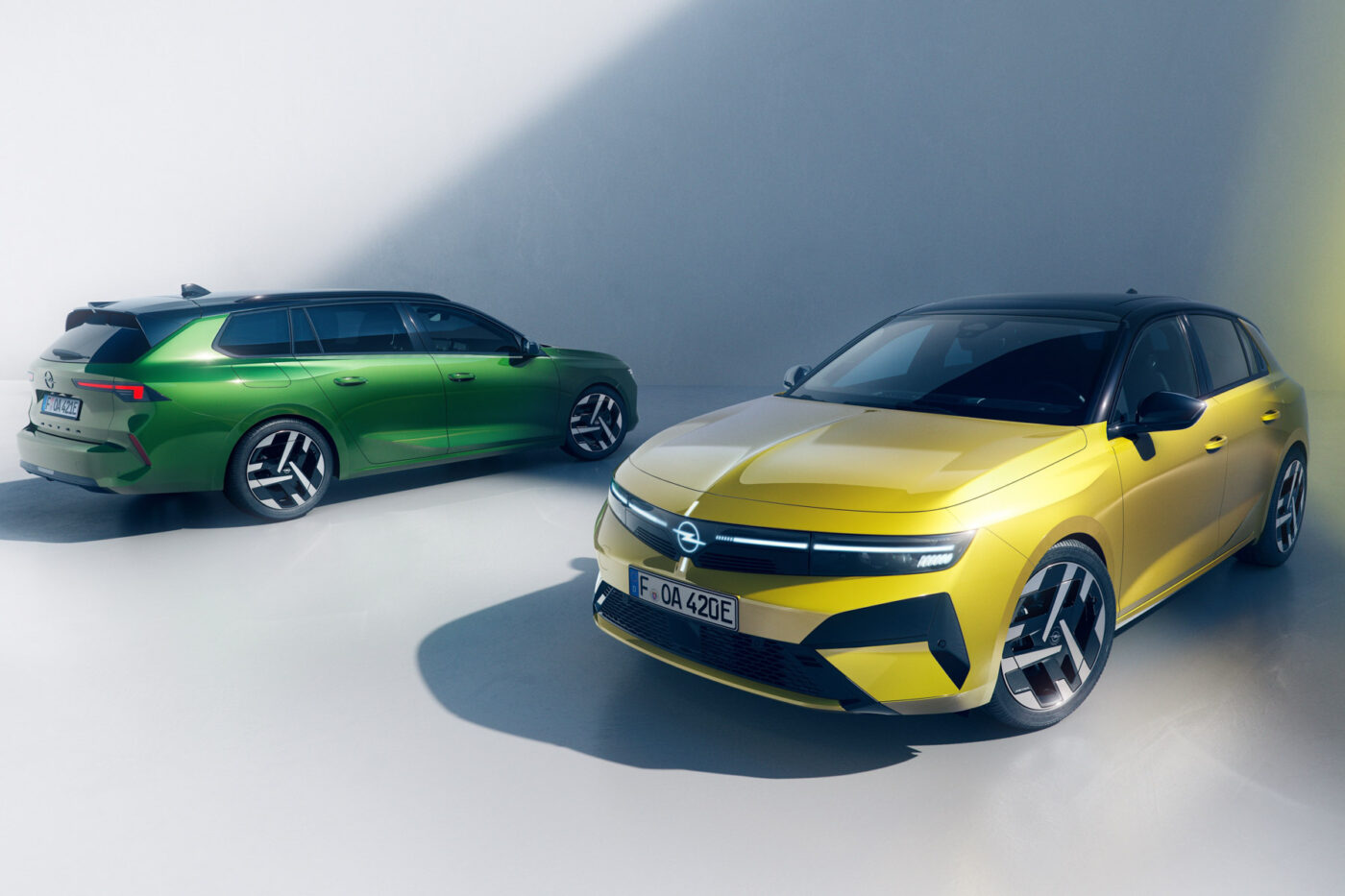
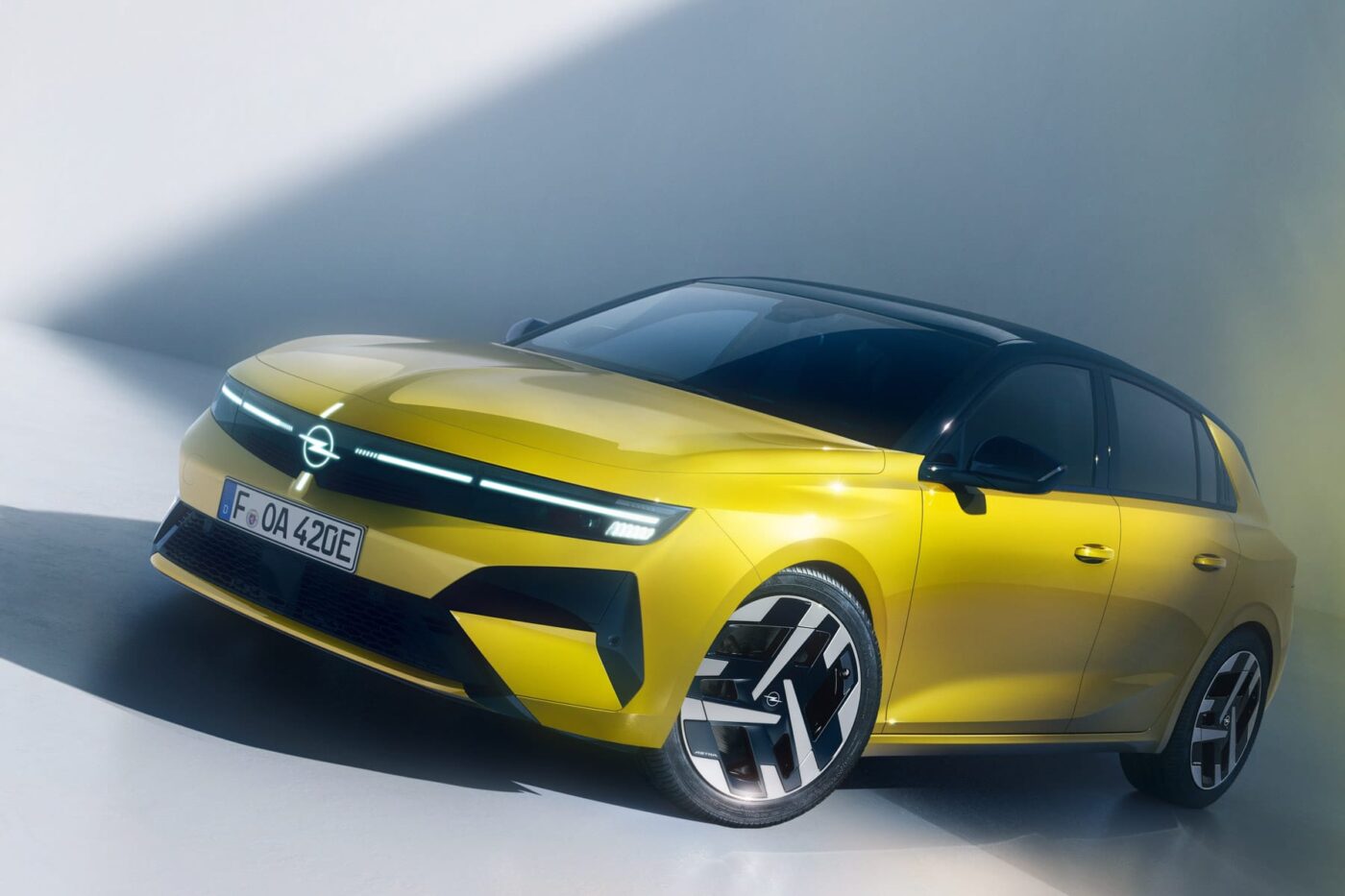
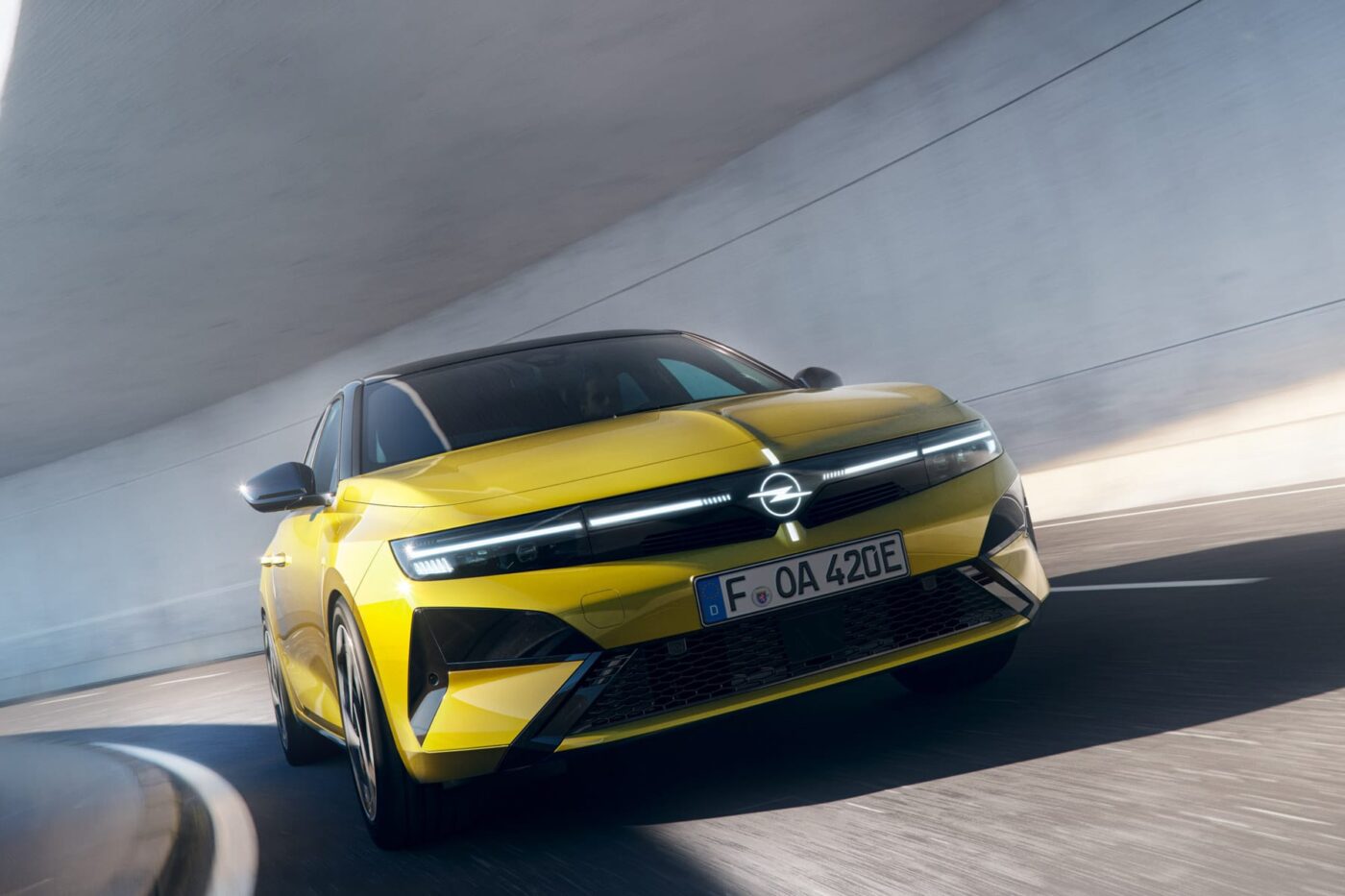
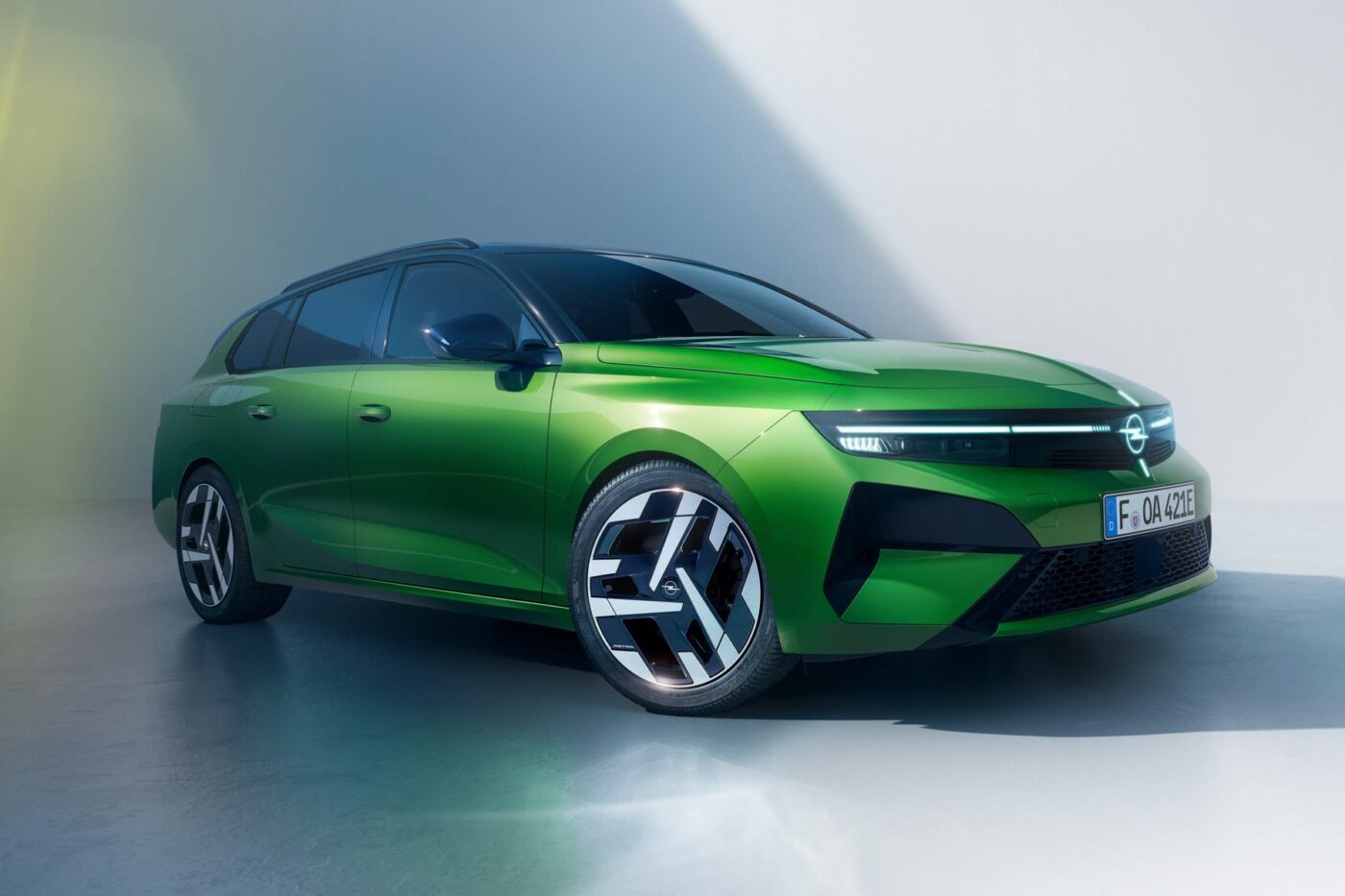
Now, it is the Opel Astra’s turn. Ahead of its premiere at the motor show in Brussels in early January, Opel has revealed the mid-cycle updates for its compact model range. Changes at the rear are minimal, but the new front end is far more striking. While the updates are not as extensive as those for the Peugeot E-308, they are immediately noticeable: the Opel logo at the front is now illuminated, and additional LED lights, inspired by the Grandland, have been integrated into the black design element known as the ‘Vizor’. The air intakes have also been redesigned, with their prominence varying depending on the paintwork. Additionally, the LED headlights have been upgraded to feature matrix lighting with 25,000 pixels on each side, enabling even more precise illumination of the surroundings.
In line with the E-308, the drivetrain updates for the Astra Electric are as follows: thanks to improved cell chemistry, the energy capacity of the high-voltage battery has increased from 54 to 58 kWh, enabling a WLTP range of up to 454 kilometres—34 kilometres more than before. A larger battery, such as a 75 kWh option, remains unavailable, as the flat models based on the EMP2 platform do not have sufficient space in the underbody. The 115 kW electric motor on the front axle remains unchanged, which is not a disadvantage: test drives have shown this powertrain to be highly efficient.
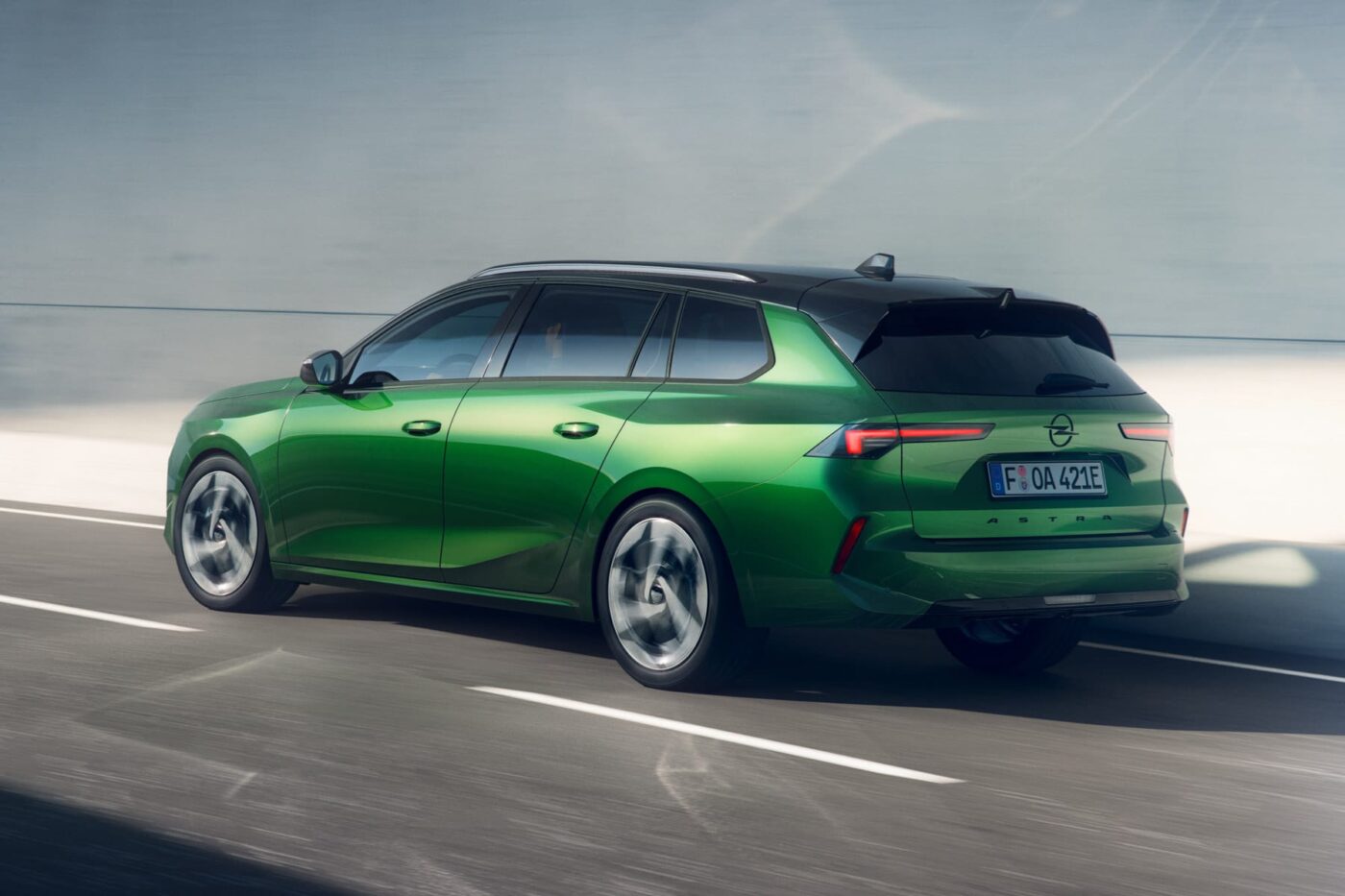
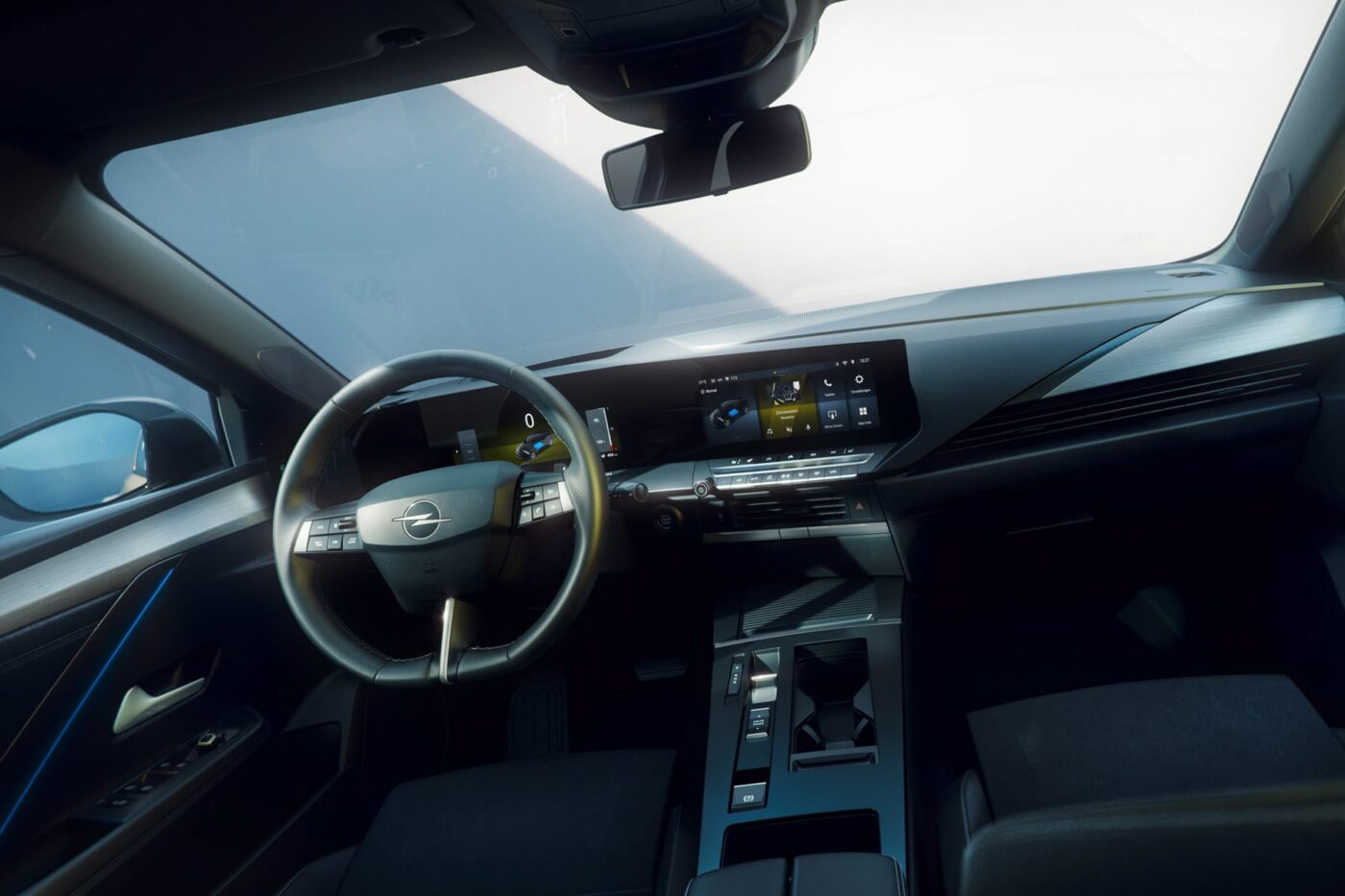
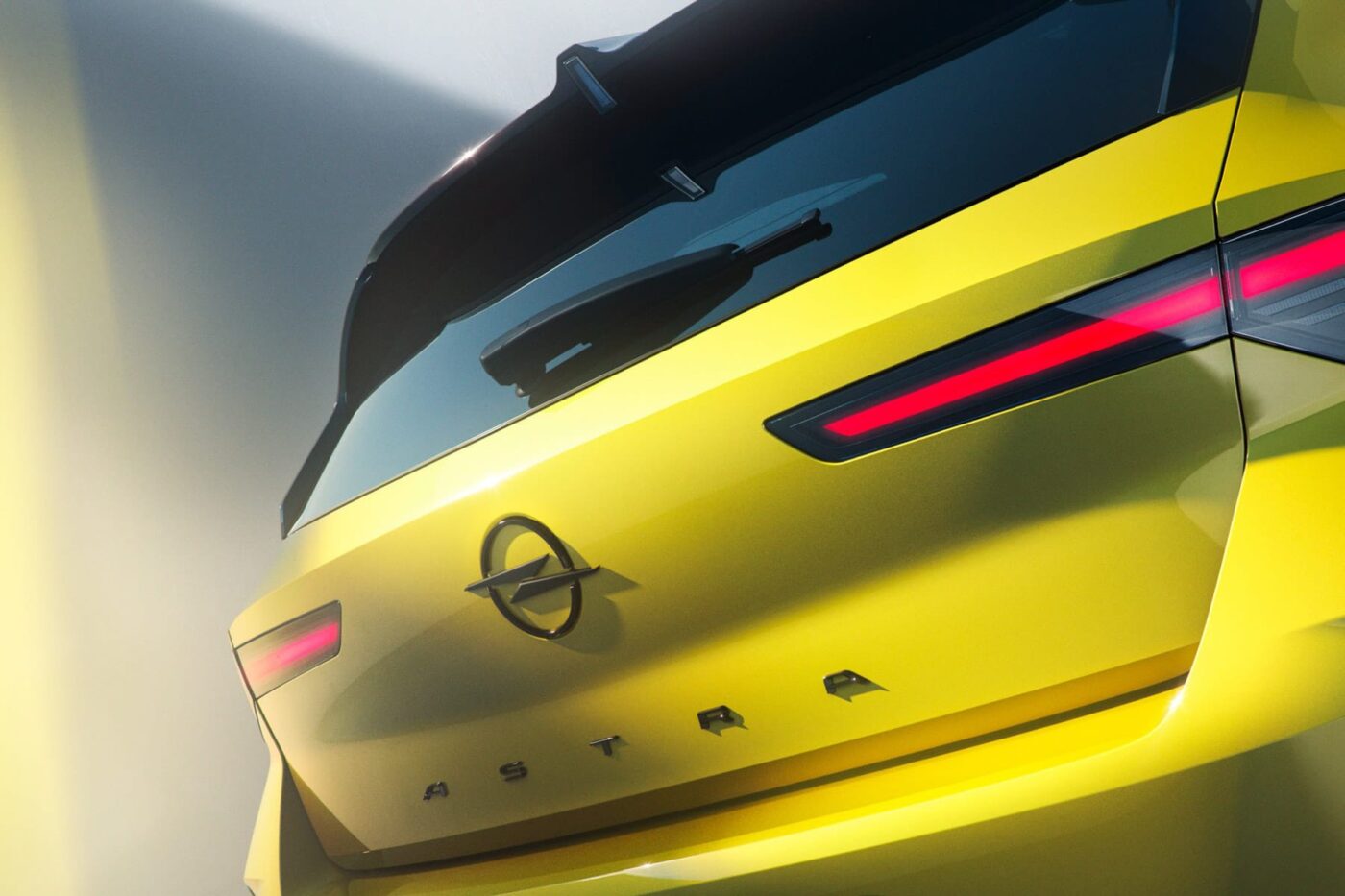
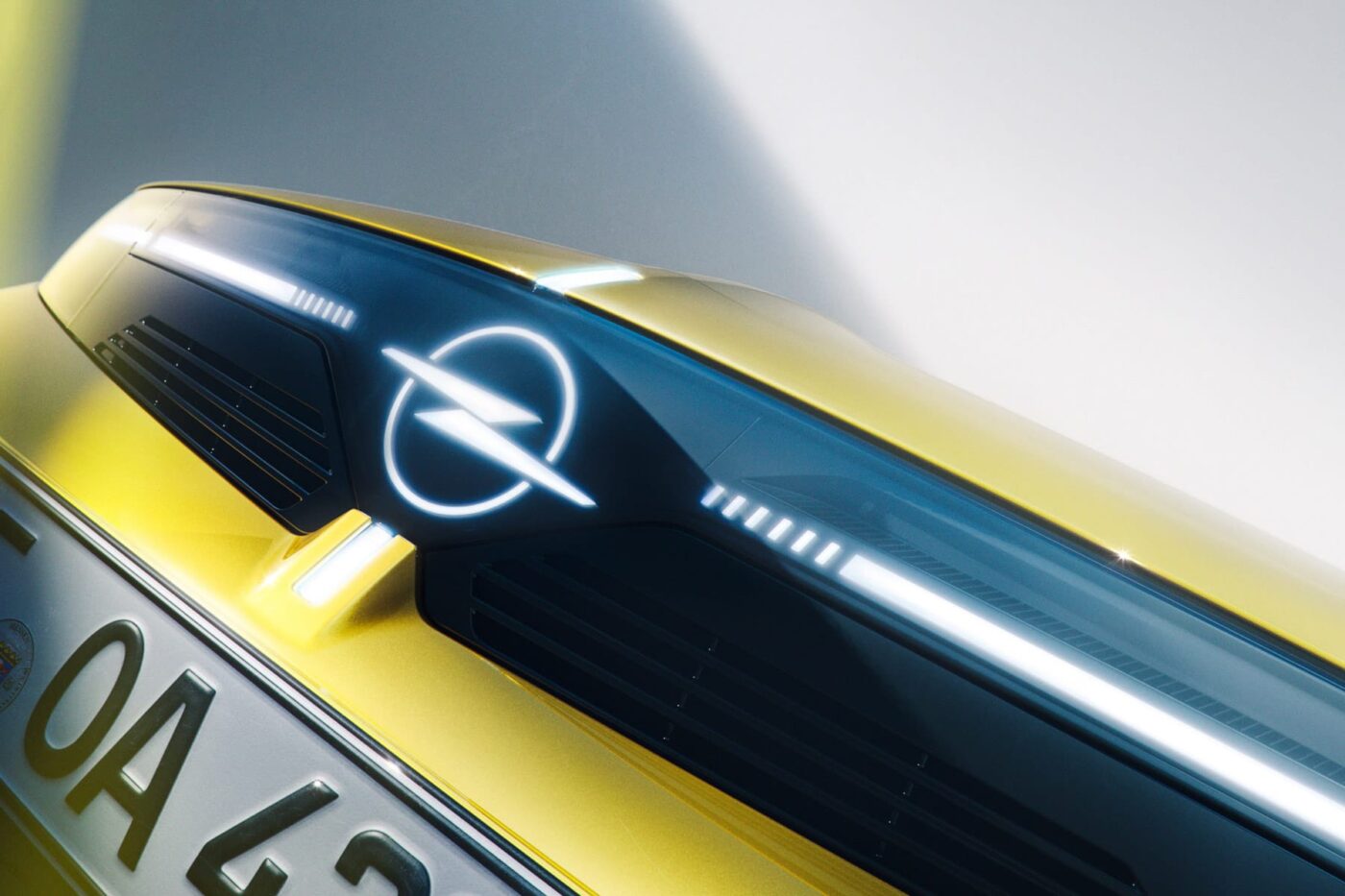
The Astra Electric now also features a Vehicle-to-Load (V2L) function. By purchasing the corresponding V2L adapter from the accessories market, users can power external devices using energy from the drive battery. This allows, for example, e-bike batteries to be charged without a mains connection or electric tools to be used in remote garden plots.
Inside the cabin, Opel states that the cockpit is now “even clearer.” The standout innovation, however, is the seats: even in the base model, the Intelli-Seats—developed in-house by Opel and available for the first time in the Astra—are included as standard. “They are characterised by a special recess running in the middle of the seat, which – inspired by the bicycle saddle design on road bikes – reduces pressure on the tailbone,” the manufacturer explains. “The patented Intelli-Seat ergonomics feature ensures relaxed driving comfort even on long drives.”
Opel will reveal further details about the facelift at the model’s premiere on 9 January in Brussels. Currently, the five-door Astra Electric starts at €37,990, while the Astra Sports Tourer Electric is priced from €39,490.
This article was first published by Sebastian Schaal for electrive’s German edition.

0 Comments