

Green light for Sweden’s EV incentive scheme
The EU’s new Social Climate Fund was established to make the transition to climate-friendly technologies more socially equitable. It focuses particularly on supporting low-income households and small businesses. The funding will primarily come from the upcoming emissions trading system ETS2. All member states can access resources from this fund. Germany, for example, plans to use these funds as part of its new electric vehicle incentive scheme. While this scheme will largely be financed through the German Climate and Transformation Fund (KTF), it may also be supplemented by the EU’s Social Climate Fund.
Sweden has become the first country to access this new EU fund, which will provide a total of €86.7 billion across the EU from 2026 to 2032. The country aims to support citizens most affected by rising transport costs and those who struggle to access clean, sustainable mobility options.
Up to €120/month for three years
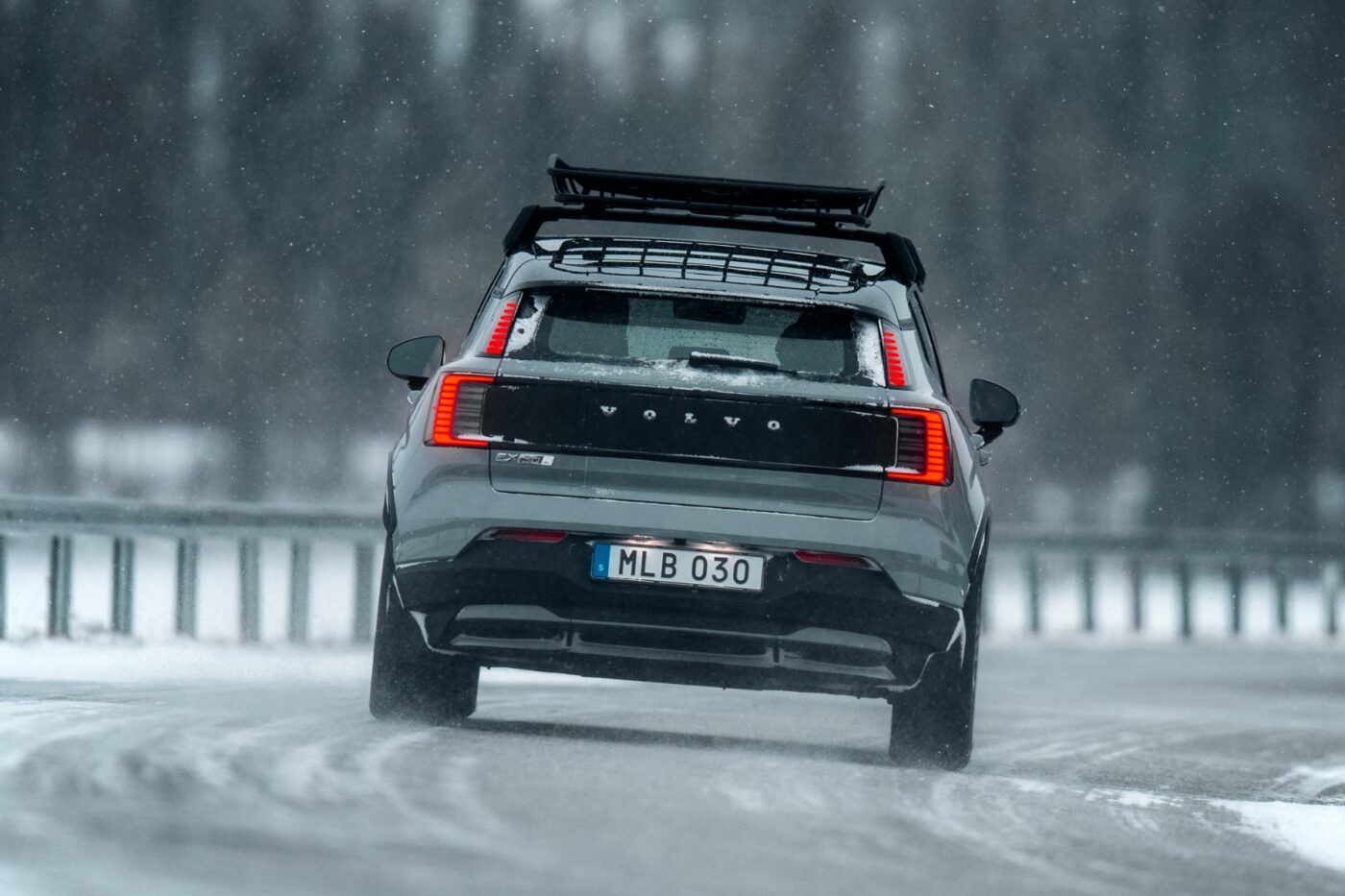
Under Sweden’s Social Climate Plan, a total of €532.8 million will be allocated between 2026 and 2032 to make battery-electric vehicles more affordable for citizens. Instead of offering a one-time purchase grant, beneficiaries will receive up to 1,300 SEK (around €120) per month for a maximum of three years to purchase or lease new or used battery-electric vehicles. Additionally, households with very low incomes will receive a one-time grant of 18,000 SEK (approximately €1,650).
The incentive programme is designed for around 115,500 households and includes several conditions. It targets low- and middle-income households living in 177 rural municipalities and 433 areas with limited public transport. Furthermore, households applying for the scheme must not already own or lease a battery-electric vehicle.
Supporting households in sparsely populated areas
“Social fairness must be at the heart of the green transition. Today’s approval of the Swedish Social Climate Plan is an important step to ensure that people, in particular vulnerable groups, are supported throughout the climate transition. Through the Social Climate Plans, we are taking concrete action to help people and very small companies struggling in the transition to clean energy and transport. The Social Climate Fund will help them keep their homes warm, afford transport, and keep their businesses running,” said Roxana Mînzatu, Executive Vice-President for Social Rights and Skills, Quality Jobs and Preparedness.
“Sweden is leading the way with its new Social Climate Plan, tackling transport vulnerability in rural areas. This is excellent news for people eager to switch to electric personal transport. In parallel, the Commission is working tirelessly with all other Member States to finalise their Social Climate Plans, enabling citizens and small businesses across Europe to benefit from the clean transition,” said EU Climate Commissioner Wopke Hoekstra.
Sweden contributes part of the budget Itself
Of the €532.8 million allocated for the programme, €389.7 million will come from the EU’s Social Climate Fund, while Sweden will cover the remaining amount. Sweden can apply for its first payment from the European Commission in the first half of 2026, once the scheme has been implemented.
According to the European Commission, Latvia, Lithuania, and Malta have also formally submitted their plans under the Social Climate Fund, while more than half of the member states have already shared draft proposals.
europa.eu, regeringen.se (Swedish)

0 Comments