

UK boosts purchase grants for electric HGVs with six-figure subsidies
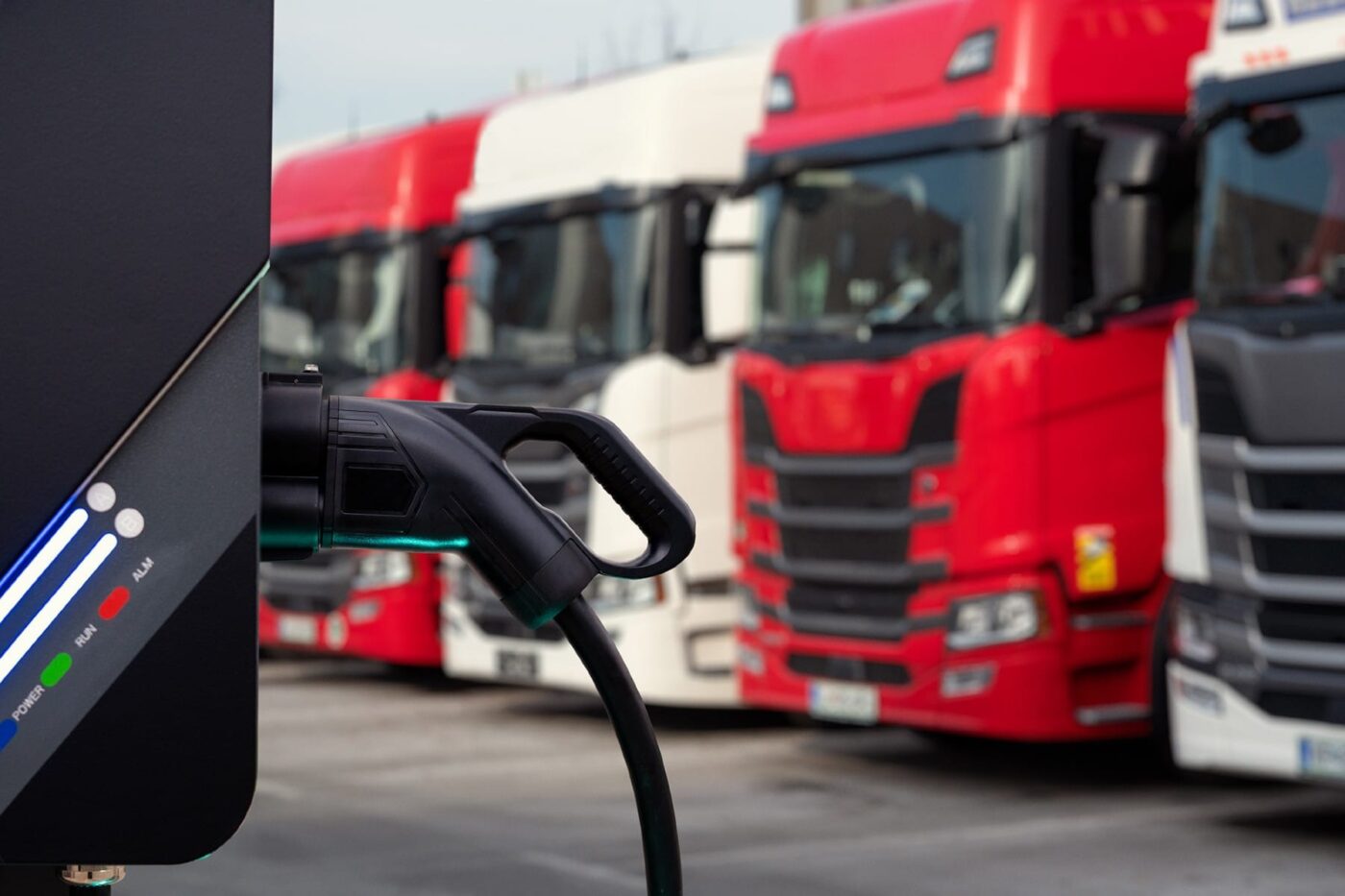
The UK government has injected an additional £18 million (approximately €20.8 million) into its existing Plug-in Van and Truck Grant, extending it until the end of March 2026 and providing further incentives for four more months. Grant amounts have increased significantly: buyers of small electric HGVs (4.25 t to 12 t) can now receive subsidies of up to £20,000 (around €23,000), while medium and large HGVs (12 t to 18 t and 18 t to 26 t, respectively) are eligible for £60,000 and £80,000 (approximately €69,000 and €92,000). HGVs over 26 tonnes can receive subsidies of up to £120,000 (around €139,000).
The grant is available for plug-in HGVs, which theoretically includes both battery-electric lorries and hybrids. However, the list of eligible vehicles consists almost exclusively of battery-electric models, as hybrids are rare in the HGV sector. This new funding initiative is part of a larger £318 million investment (around €367 million) aimed at creating a greener freight sector in the UK.
Until now, the UK had subsidised plug-in HGVs in the 4.25 to 12-tonne class with up to £16,000 (around €18,000) and larger electric HGVs with up to £25,000 (approximately €28,900). To qualify, vehicles must be capable of travelling at least 96 kilometres without emissions and must produce at least 50% fewer CO₂ emissions than a comparable Euro VI vehicle with the same transport capacity. The Plug-in Truck Grant programme was extended for one year in April 2025, and the government is now increasing the funding until March 2026. The Department for Transport stated: “While the ongoing operating costs for electric HGVs can already be lower than their diesel counterparts, the upfront purchase costs are typically higher. The increased Plug-in Truck Grant will help businesses realise these daily savings, reducing both their costs and emissions.”
Keir Mather, the UK’s Minister for Aviation, Maritime, and Decarbonisation, commented on the new funding: “We’re backing British businesses to go green by making electric lorries more affordable, helping hauliers to make the switch whilst turbocharging growth, investment and jobs in the sector. Our proposals will provide the certainty the industry has been calling for so that Britain becomes the best place for green investment.” The funding is intended to support the UK’s climate commitments.
As early as October 2023, the UK launched a dedicated electric HGV funding programme for four demonstration projects, running for five years. The ZEHID funding (Zero Emission HGV & Infrastructure Demonstrator) amounts to £200 million, of which £120 million has already been disbursed. Among the grant recipients are large consortia involving companies such as Amazon, Marks & Spencer, Royal Mail, and manufacturers like DAF, Volvo Trucks, and Scania. By March 2026, nearly 300 zero-emission HGVs are expected to be introduced through ZEHID, according to the Department for Transport.
In addition to the recently announced increase in purchase grants for hauliers and fleet operators, the government will launch a consultation to agree on a ‘regulatory roadmap’ for the phased phase-out of new non-zero-emission HGVs by 2040. The aim is to provide the industry with the certainty needed for investments and future planning. This collaboration is intended to ensure that ‘the path to net-zero emissions is manageable for businesses and promotes jobs, growth, and increased investment.’


0 Comments