

It did brake: Waymo robotaxi hits child
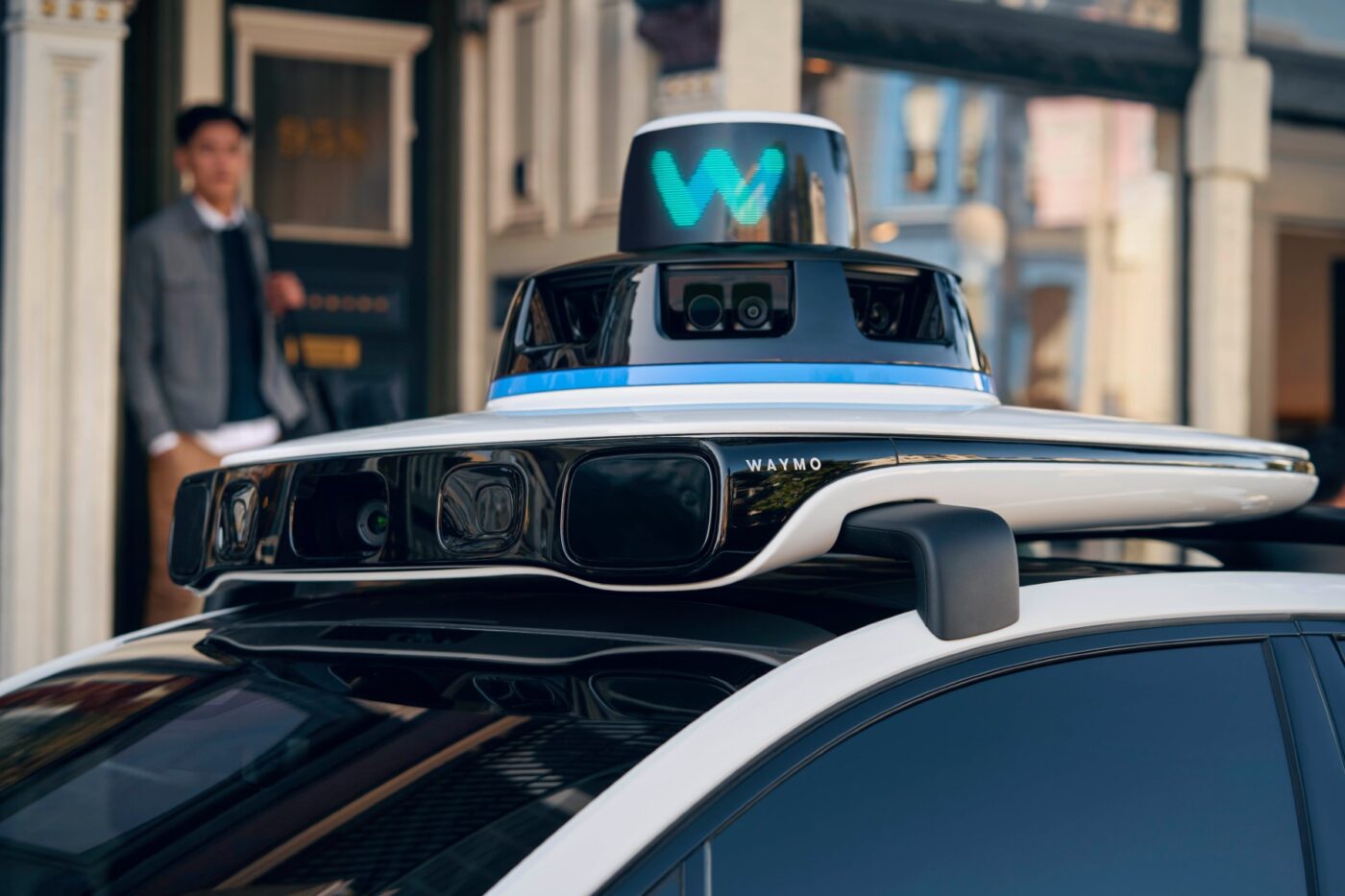
While Waymo repeatedly emphasises that its robotaxis are involved in far fewer accidents than human-driven cars, the incident in Santa Monica once again demonstrates that absolute safety does not exist, not even for robotaxis. Just last week, ahead of its launch in Miami, Waymo highlighted that, with over 127 million miles (approximately 205 million kilometres) driven fully autonomously in its operational areas, it has achieved a tenfold reduction in accidents resulting in severe injuries compared to human drivers.
This sets the stage for the current discussion surrounding the accident in Santa Monica. Here are the known facts: on Friday, 23 January 2026, near a primary school, an autonomous Waymo robotaxi struck a schoolchild. The child sustained minor injuries. According to Waymo’s initial internal investigation, the child suddenly stepped onto the road from behind a tall SUV and directly into the path of the Waymo vehicle.
“Our technology immediately detected the individual as soon as they began to emerge from behind the stopped vehicle. The Waymo Driver (editor’s note: this is the name of the software) braked hard, reducing speed from approximately 17 mph to under 6 mph before contact was made.” Converted to the metric system, this means the robotaxi slowed from 27 km/h to 10 km/h before the accident. Afterwards, the child reportedly stood up independently and moved to the side of the road.
Police and traffic authority NHTSA involved
Waymo stated that it immediately notified the police and left the vehicle at the scene until it received official clearance. The company also reported that it informed the National Highway Traffic Safety Administration (NHTSA) on the same day, prompting the agency to launch an investigation into the incident.
The NHTSA will now examine, among other things, whether the vehicle exercised appropriate caution near a school and around children. Waymo had previously been required to adjust its software after a vehicle was filmed illegally overtaking a stationary school bus.
Waymo shows no empathy
What is likely to fuel the debate surrounding the accident is Waymo’s response: even if the child may have caused the collision, the company’s statement is extremely factual—and expresses no regret towards the child or their family. Instead, Waymo emphasises that an accident involving a human driver would likely have been worse: “To put this in perspective, our peer-reviewed model shows that a fully attentive human driver in this same situation would have made contact with the pedestrian at approximately 14 mph. This significant reduction in impact speed and severity is a demonstration of the material safety benefit of the Waymo Driver.”
Experts remain divided on whether autonomous vehicles are truly much safer than those driven by humans. While Waymo vehicles have so far been involved in fewer accidents per mile driven—and have caused significantly fewer severe injuries than human drivers—this could be due to the fact that the vehicles primarily operate in limited, precisely mapped operational areas with predictable traffic and low speeds. These conditions significantly reduce the number of critical situations.
In other words: robotaxis are statistically less likely to be involved in accidents, but these statistics are influenced by controlled environments and lower speeds. That the technology is not infallible was demonstrated, for example, in a serious accident involving a vehicle from GM’s subsidiary Cruise, in which a woman was dragged several metres by a driverless vehicle. Following this, GM abandoned its robotaxi business.

0 Comments