


London considers SUV charges in Vision Zero plan
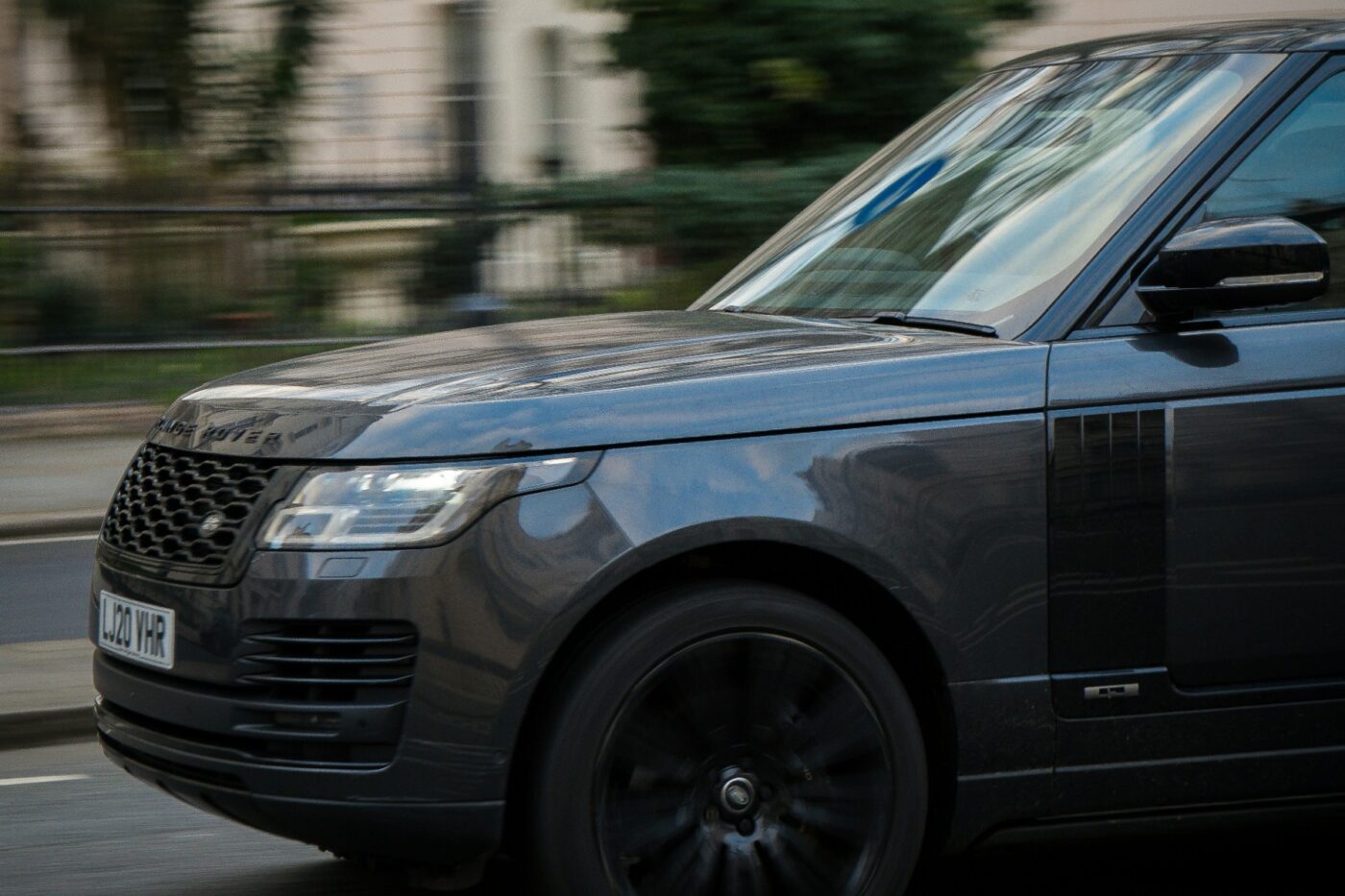
The Vision Zero plan highlights the impact of larger vehicles on urban infrastructure and safety. It notes, for instance, that around half of new cars are now too wide for standard on-street parking spaces. Larger vehicles occupy more road space, affect visibility at junctions and crossings, and reduce available space for other road users, including cyclists and motorcyclists.
Most importantly, analysis from City Hall indicates that SUVs are more likely to cause fatal outcomes in collisions with pedestrians than smaller cars. Data also shows that SUVs are 77 per cent more likely to kill a child in a collision compared to standard passenger vehicles.
At the same time, the number of SUVs in London has increased significantly, rising from around 80,000 in 2002 to approximately 800,000 in 2023.
The proposed SUV charge forms part of a broader package of 43 measures aimed at improving road safety. These include expanded 20 mph speed limits, the rollout of additional pedestrian crossings and the use of artificial intelligence to detect dangerous driving behaviour.
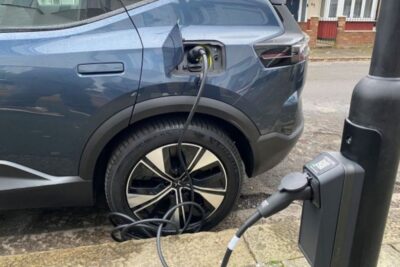
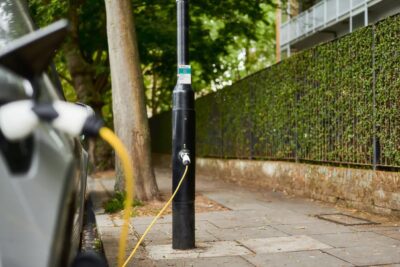
While the proposal primarily targets vehicle size and safety, it may also have implications for the transition to electric mobility. As electric SUVs account for a growing share of new vehicle registrations, future policy frameworks could increasingly consider both vehicle emissions and physical characteristics such as size and weight.
No final decision has been made on the introduction, scope or structure of potential charges. Further assessment is ongoing as part of the wider Vision Zero strategy.

0 Comments