


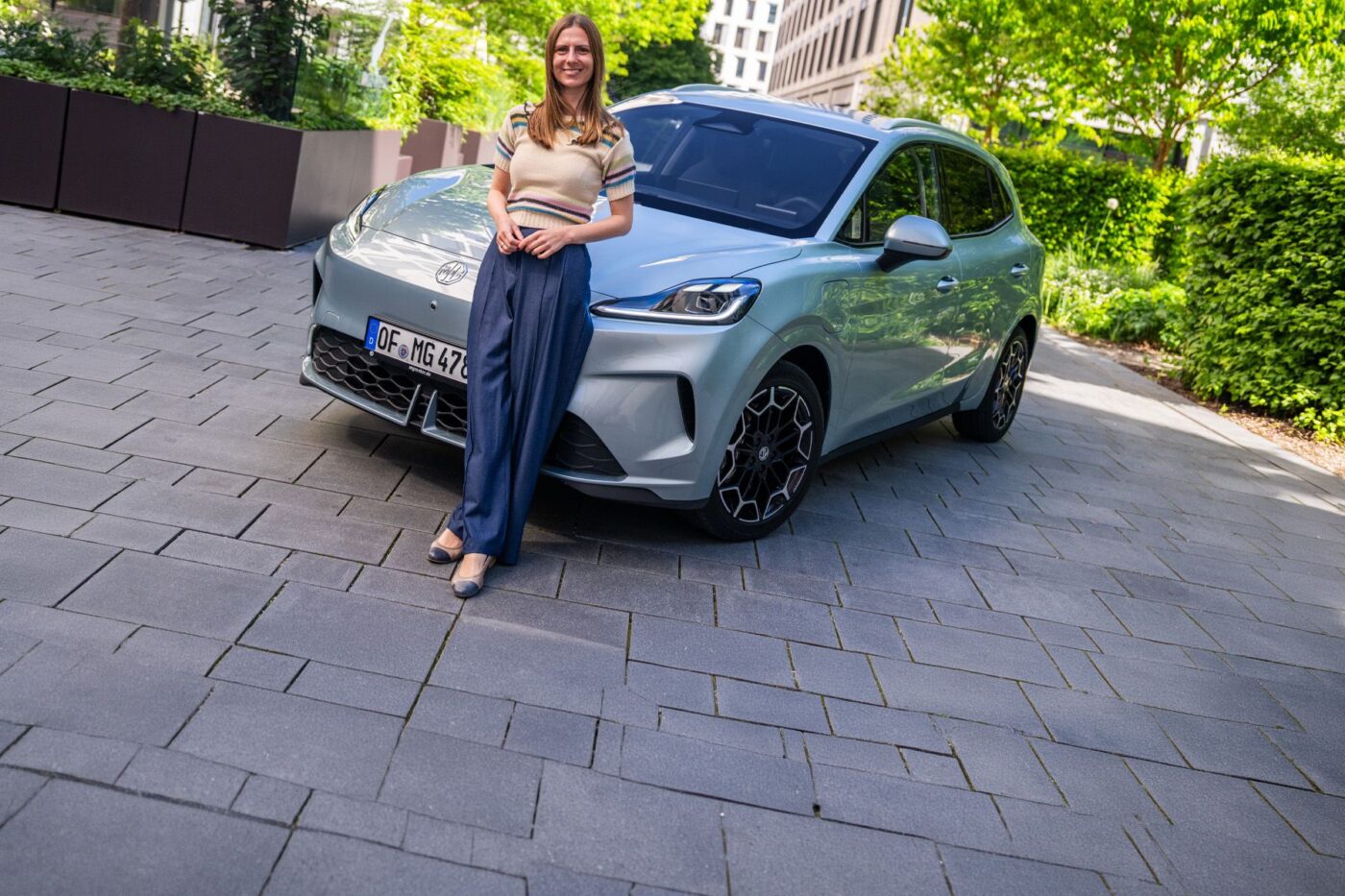
First drive in the MG4 EV Urban: Not exciting – but surprisingly good
The MG4 EV Urban is not a direct successor to the bestselling MG4 EV, but an independent model based on a completely new platform. Both vehicles will remain on sale in parallel. The Urban is slightly larger and offers more boot space, but uses a simpler technical setup with less powerful front-wheel-drive powertrains instead of rear-wheel drive, as well as smaller batteries than the existing MG4. In return, MG lowers the entry price. The manufacturer positions the model primarily for commuters, urban users and families seeking an affordable, spacious and uncomplicated electric car for everyday use rather than maximum range or sporty driving dynamics.
MG offers the MG4 EV Urban with two LFP battery options and two power outputs. The entry-level ‘Active’ variant combines a 110 kW electric motor with the smaller 43 kWh battery (42.8 kWh gross/41.9 kWh net). In the ‘Comfort’ trim, customers can choose either this configuration or the more powerful 118 kW motor paired with the larger 54 kWh battery (53.9 kWh gross/52.8 kWh net). MG reserves the ‘Premium’ variant exclusively for the more powerful motor and larger battery.
Depending on the powertrain, the MG4 EV Urban accelerates from 0 to 100 kph in 9.6 or 9.5 seconds. Top speed remains capped at 160 kph across all variants. MG does not offer a sporty derivative such as the MG4 EV XPower for the Urban.
Consumption and range in the first real-world test
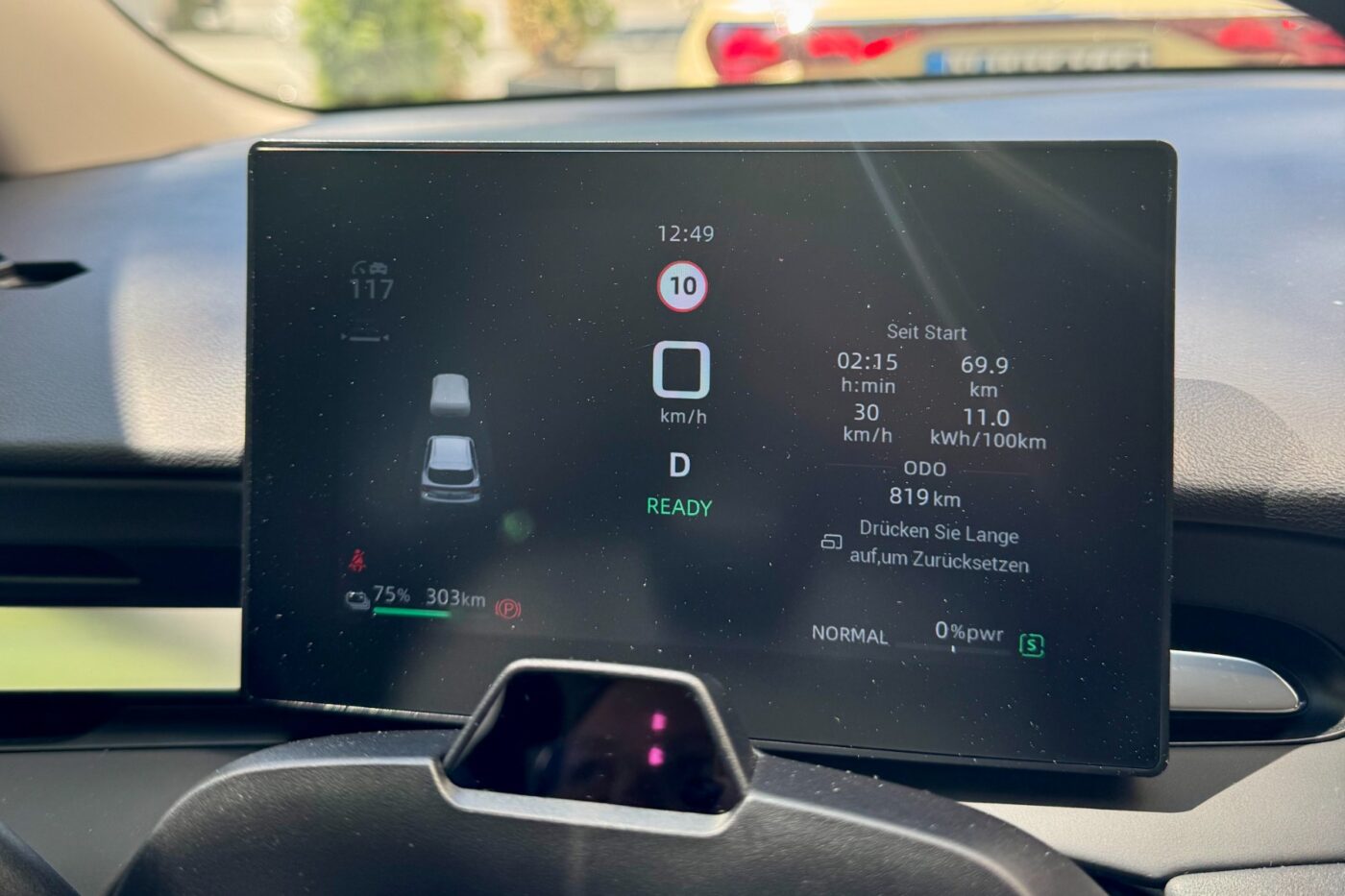
The test drive started in Munich with the battery charged to 89 per cent and an outside temperature of around 20 degrees Celsius. The route combined urban traffic, country roads and motorways, with speeds mostly ranging between 100 and 120 kph. Over 2 hours and 15 minutes, the MG4 EV Urban covered around 70 kilometres at an average speed of 30 kph. The vehicle recorded energy consumption of 11 kWh/100 km.
Despite the mixed driving conditions, the battery still showed 75 per cent state of charge and a remaining range of 303 kilometres at the end of the journey. Extrapolated, this points to a potential range of around 400 kilometres under these conditions, coming close to the WLTP figure of 416 kilometres for the tested version equipped with the 54 kWh battery.
Of course, this must be viewed with some caution. The conditions were nearly ideal: dry roads, pleasant temperatures, and no prolonged full-throttle stretches on the motorway. Nevertheless, this first drive clearly demonstrates the strengths of the MG4 EV Urban. For many commuting profiles, it should be more than sufficient. For example, someone commuting daily between Munich and Starnberg – or vice versa – could easily manage a full working week on a single battery charge under these conditions.


Charging: Low peak, stable curve
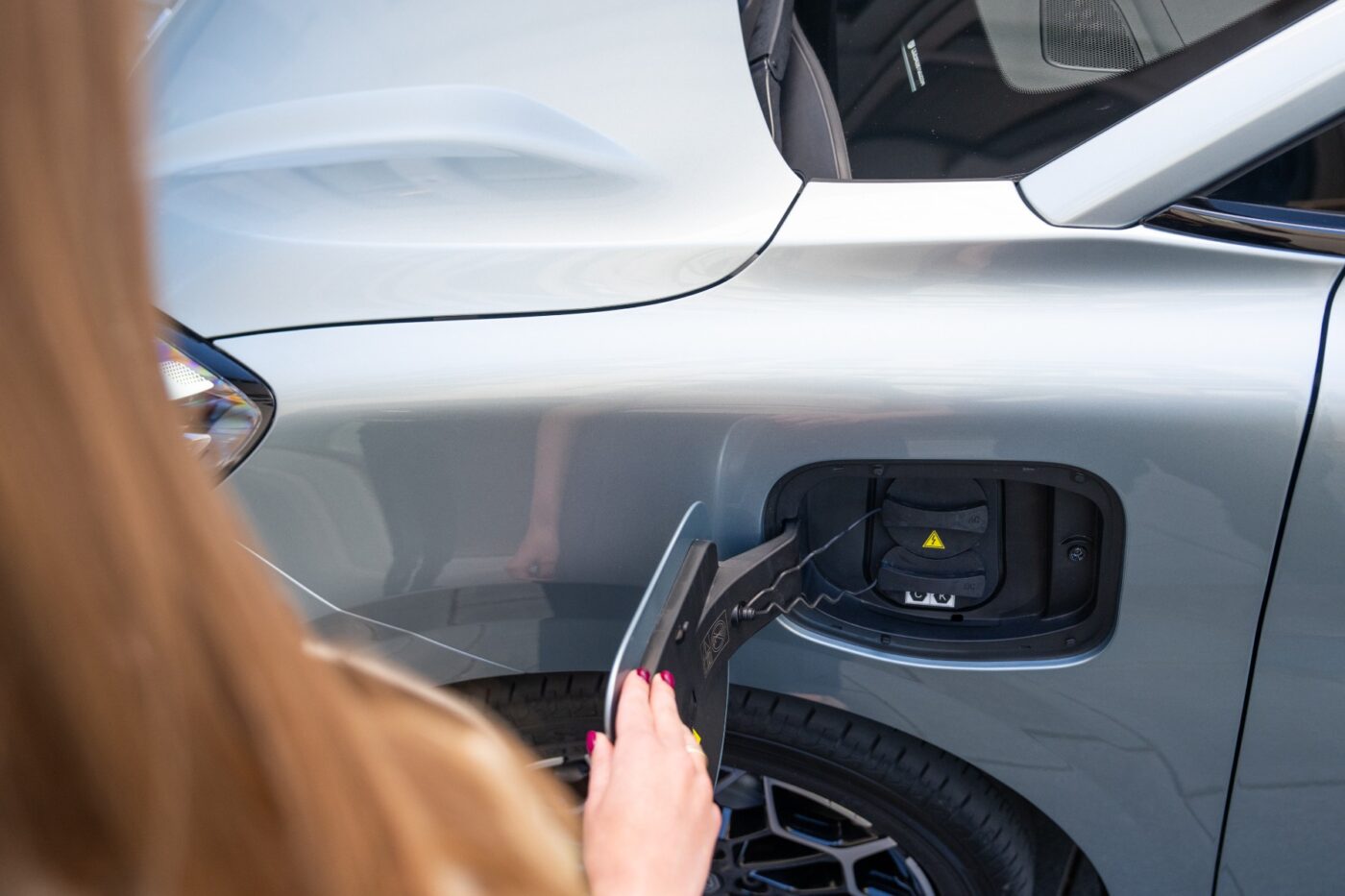
The MG4 EV Urban supports AC charging at up to 11 kW. Depending on the battery version, a charge from 10 to 100 per cent is expected to take around five to six hours. For DC charging, the system delivers up to 82 or 87 kW, depending on the battery. MG states that charging the smaller battery from 10 to 80 per cent takes 28 minutes, while the larger battery requires 30 minutes.
But how does this translate into everyday use? The manufacturer originally planned to recharge the test vehicle during a 90-minute lunch break. However, I specifically asked for this not to happen. The reason was straightforward: I wanted to arrive at the charging station with the battery as low as possible in order to observe the charging curve myself. As the charging station had already been entered as the navigation destination, the vehicle automatically started preconditioning the battery ahead of the stop.
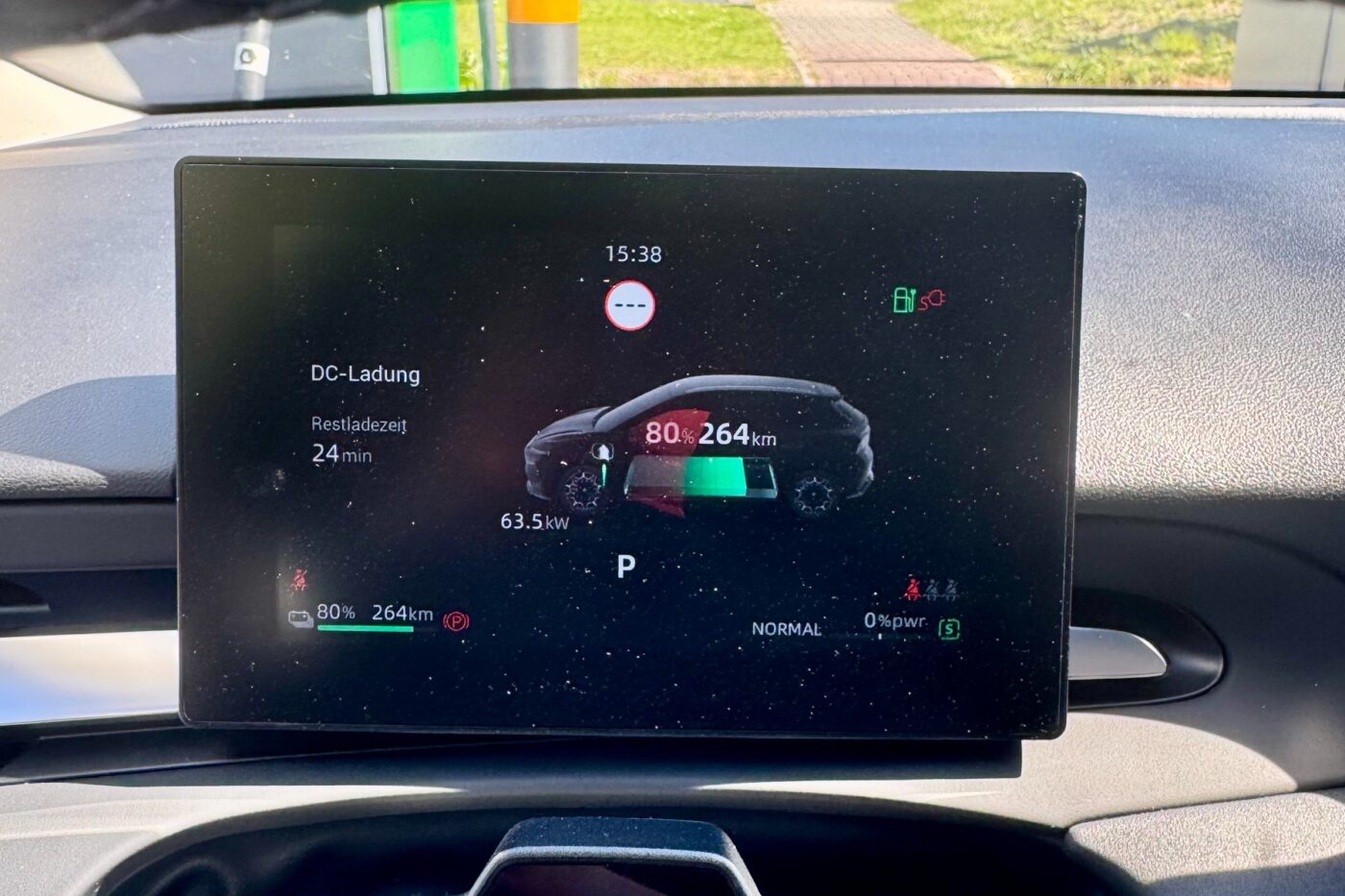
Charging began at 26 per cent state of charge. The charging power initially reached 87 kW, remained at 85 kW at 55 per cent SoC and still held a stable 82 kW at 71 per cent SoC. The charging session lasted just under 40 minutes and ended at around 90 per cent SoC. Rather than delivering only a brief peak, the MG4 EV Urban maintains its charging performance consistently over a comparatively wide charging window. In everyday use, this makes the vehicle significantly more practical than initially expected. Drivers topping up while shopping at a supermarket or DIY store, for example, are likely to add sufficient energy without needing to wait unnecessarily long.
Another positive aspect was the display layout. All key charging information – including charging power, remaining charging time, current battery status and remaining range – appears directly in the driver display exactly where expected.
Spacious, but deliberately functional
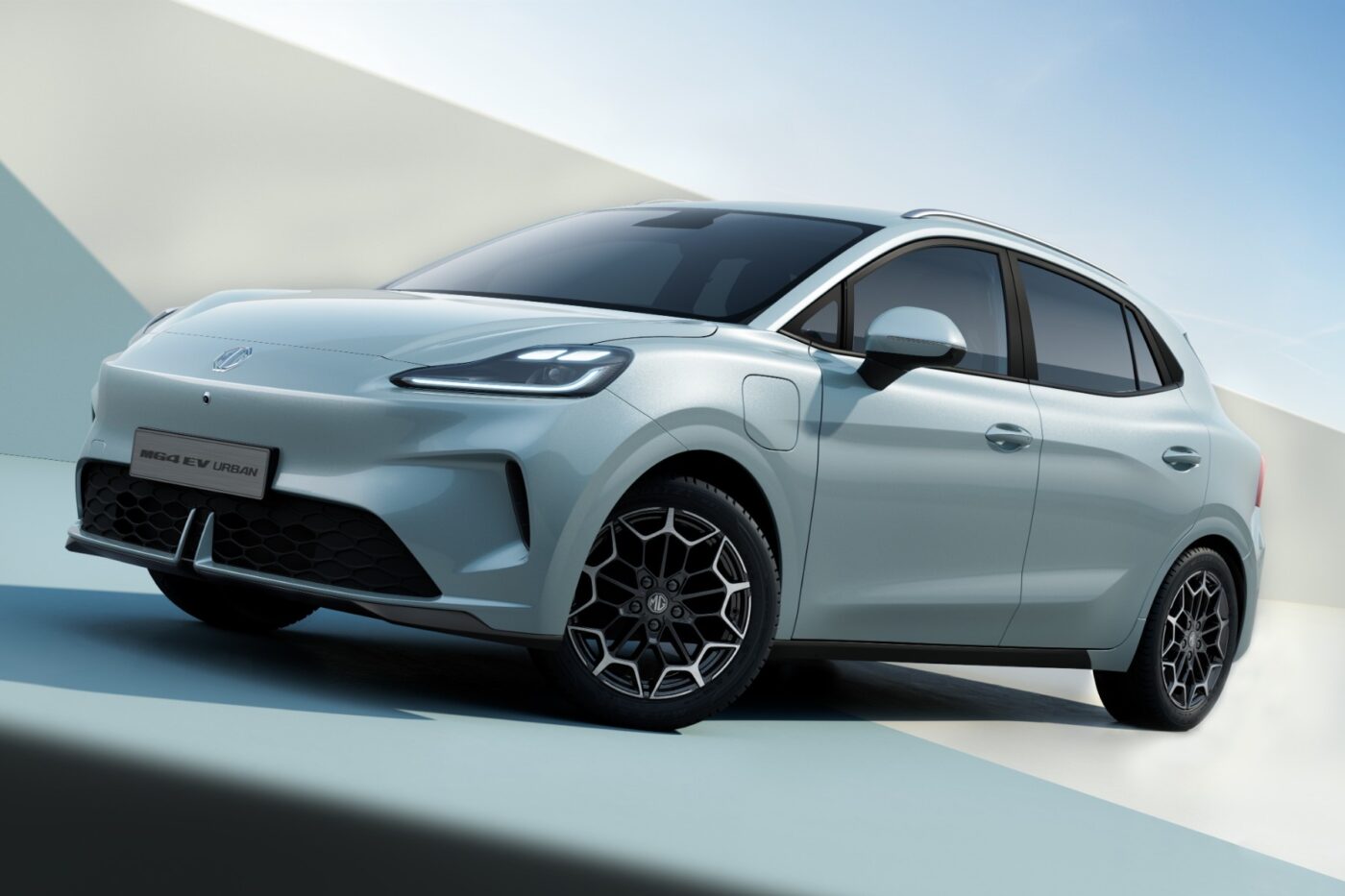
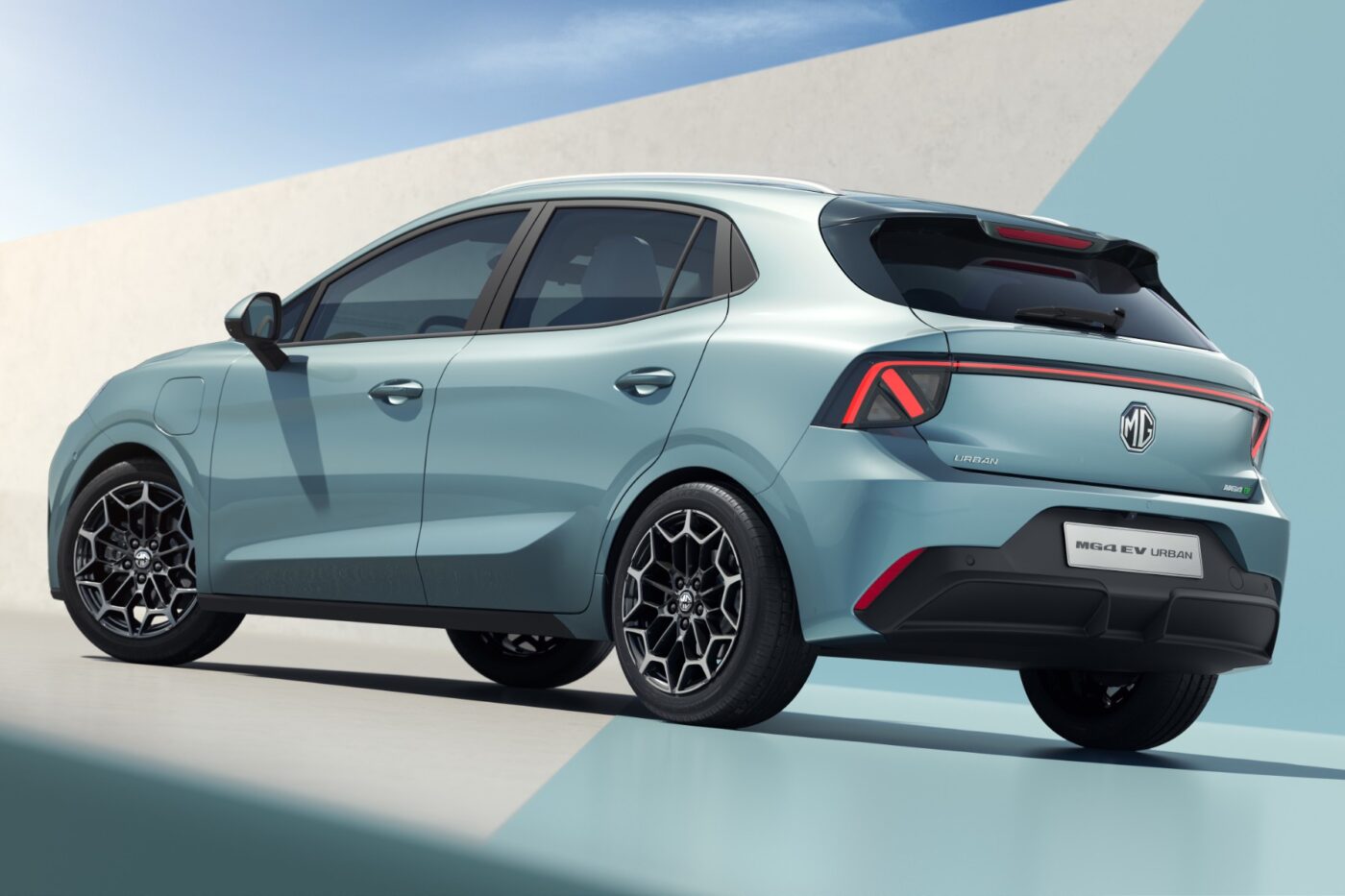
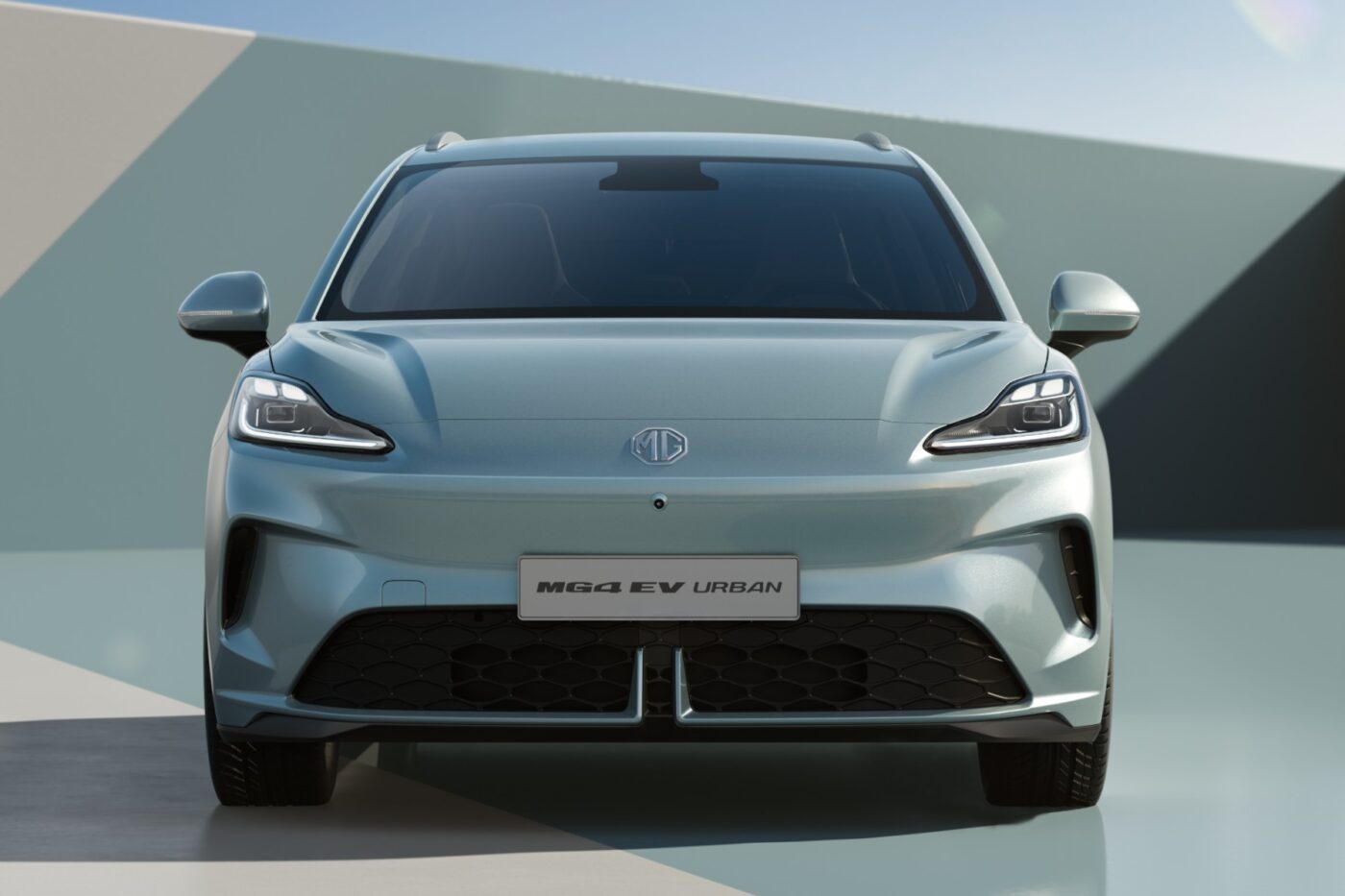
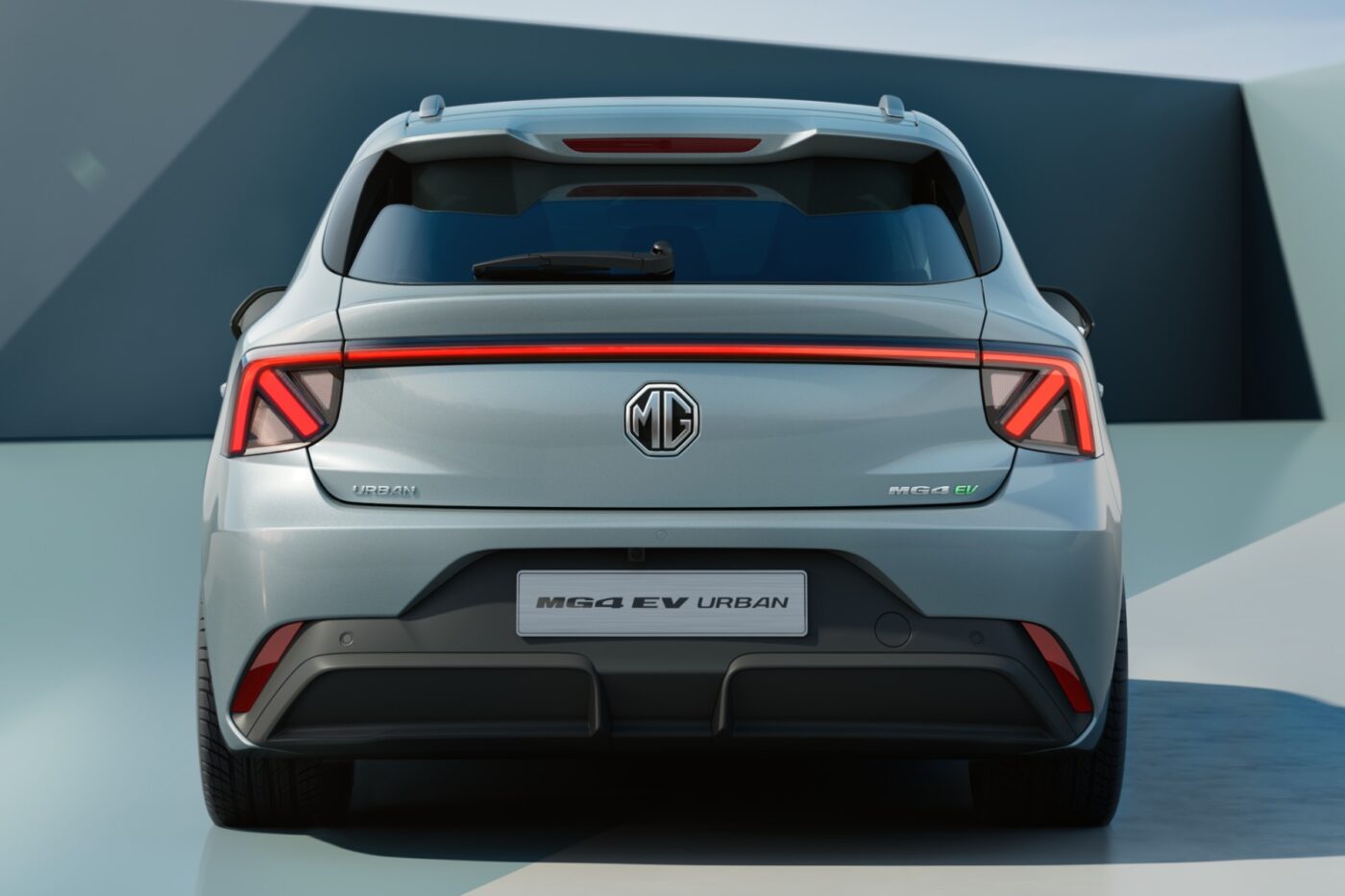
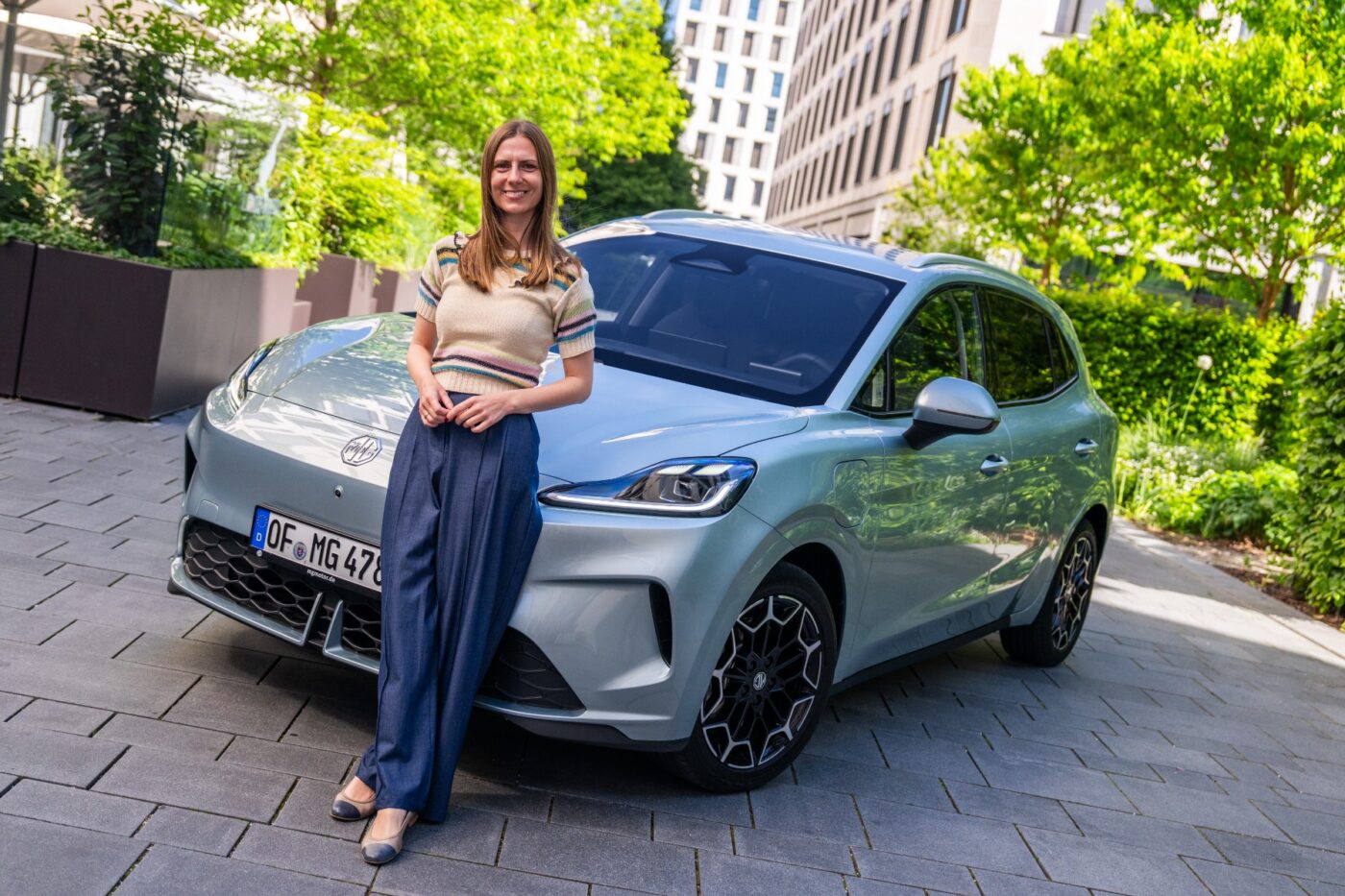
Visually, the Urban appears more modern than expected. Slim LED headlights and the continuous rear light strip, visually inspired by the MG Cyberster, stand out in particular. The test vehicle finished in ‘Stone Green’ gives the otherwise functional design a distinctive character. MG offers the entry-level version exclusively in ‘Dynamic Red’, while additional paint finishes are reserved for the higher trim levels.
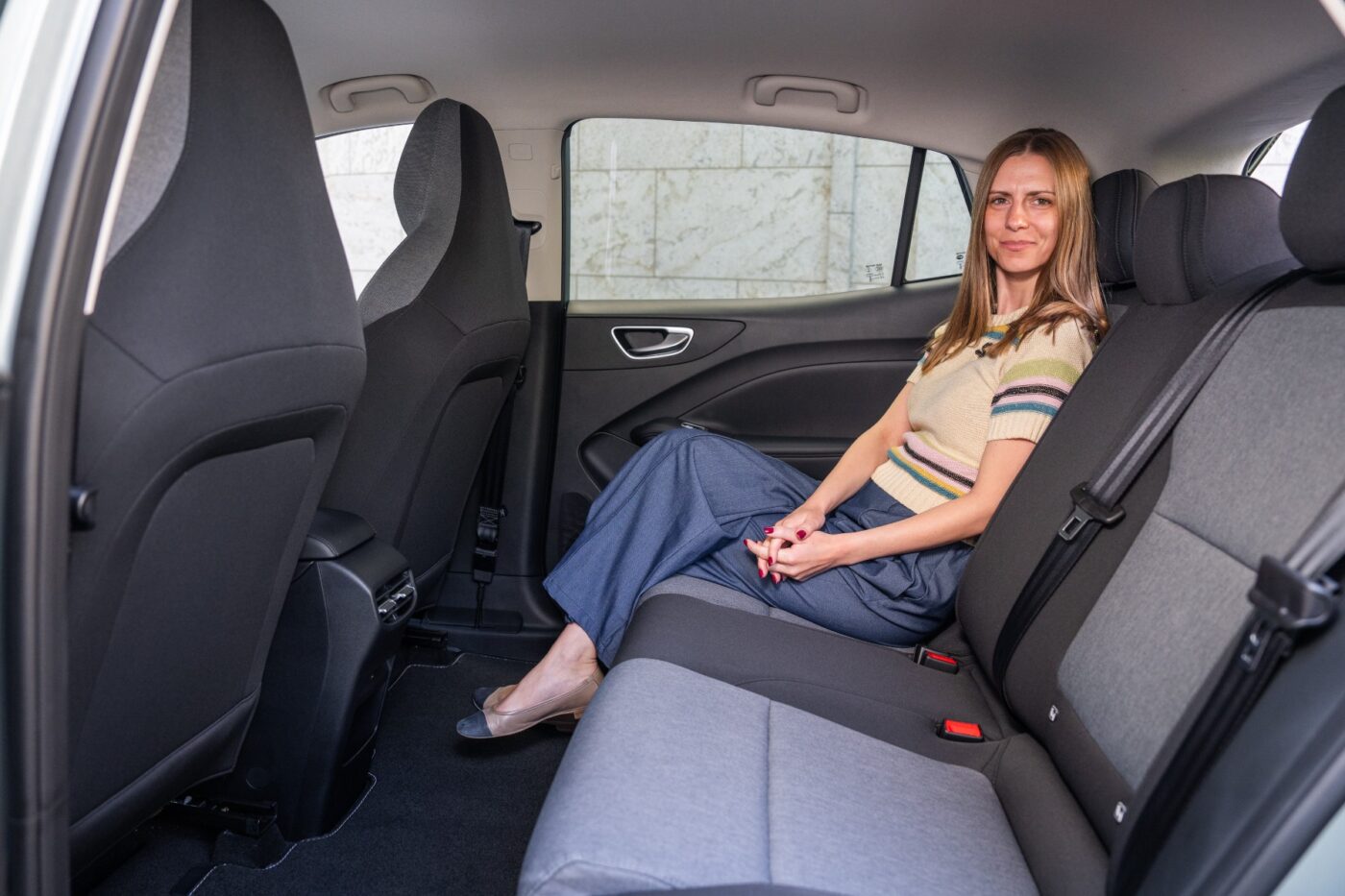
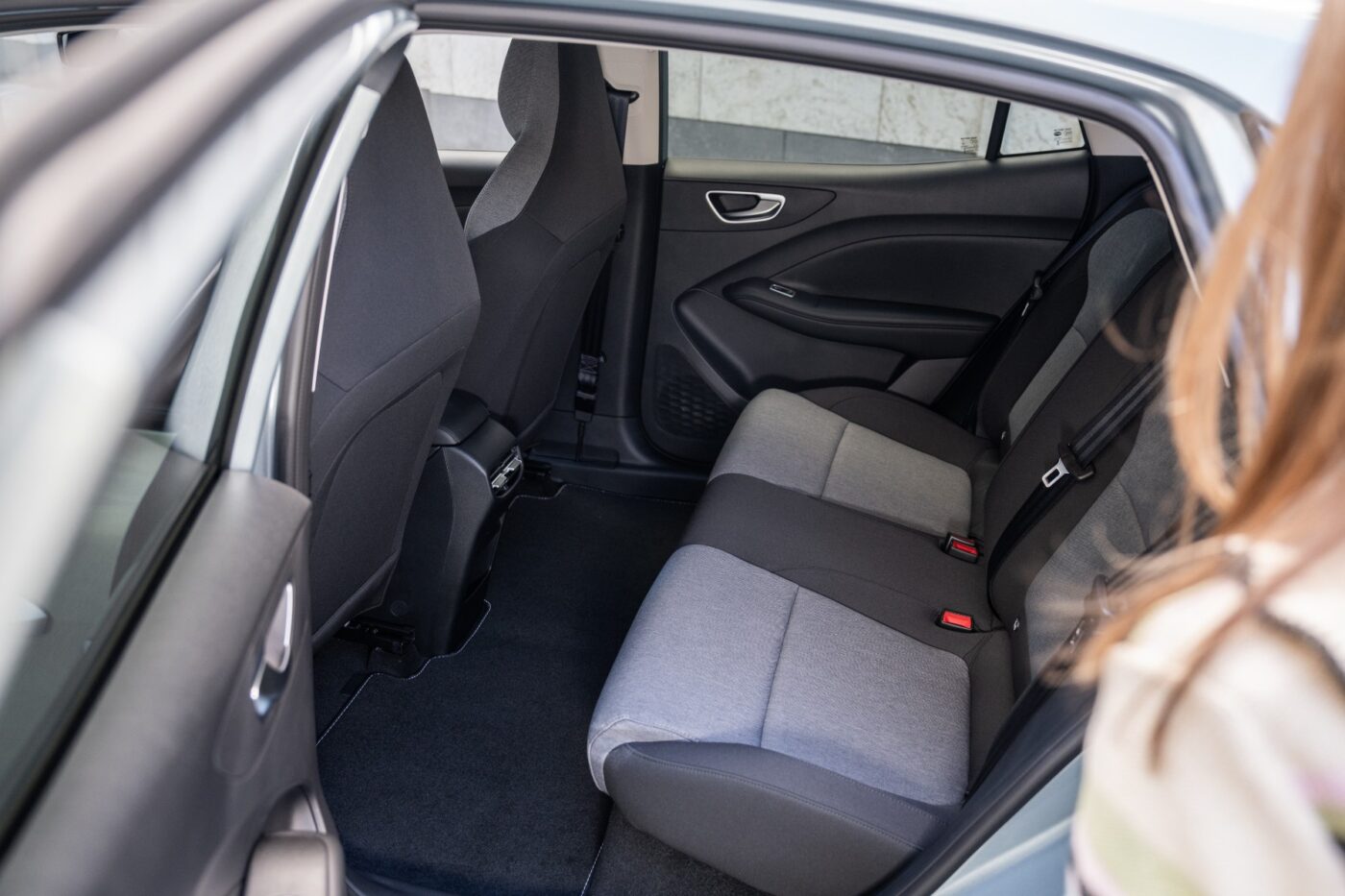
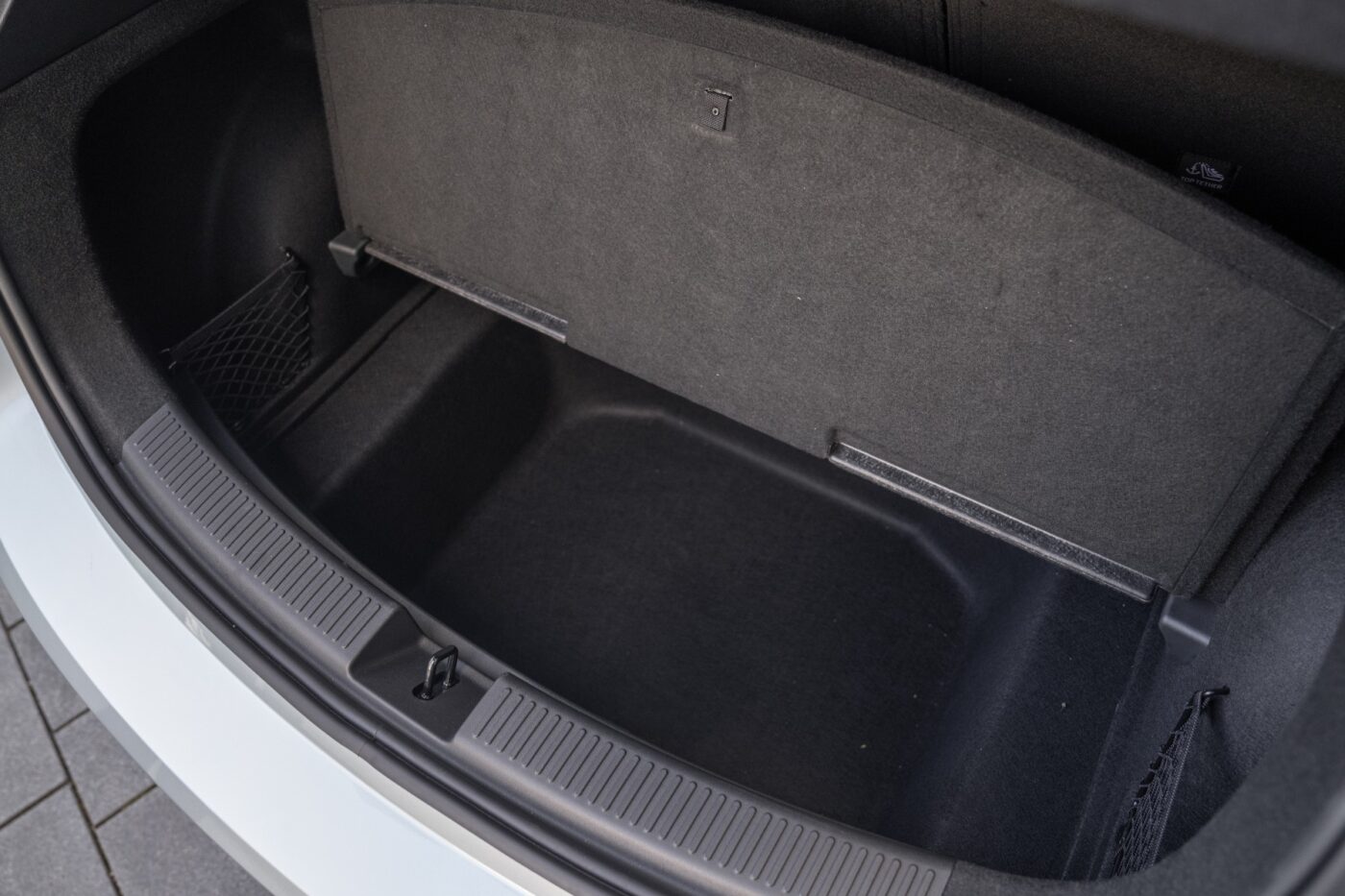
With a wheelbase of 2.75 metres, the MG4 EV Urban makes efficient use of its platform. Rear passengers benefit from a generous amount of space that is not always common in this segment. Even occupants around 1.80 metres tall can sit comfortably in the second row. One key advantage is the luggage compartment. Thanks to the front-wheel-drive layout, the vehicle does not require a drivetrain tunnel at the rear, which benefits boot capacity. The MG4 EV Urban offers 470 litres of luggage space, plus an additional 98 litres beneath the load floor. Folding down the rear seats increases capacity to up to 1,362 litres.
For comparison, the Volkswagen ID.3 Neo offers 385 litres of boot space and up to 1,267 litres with the rear seats folded down.
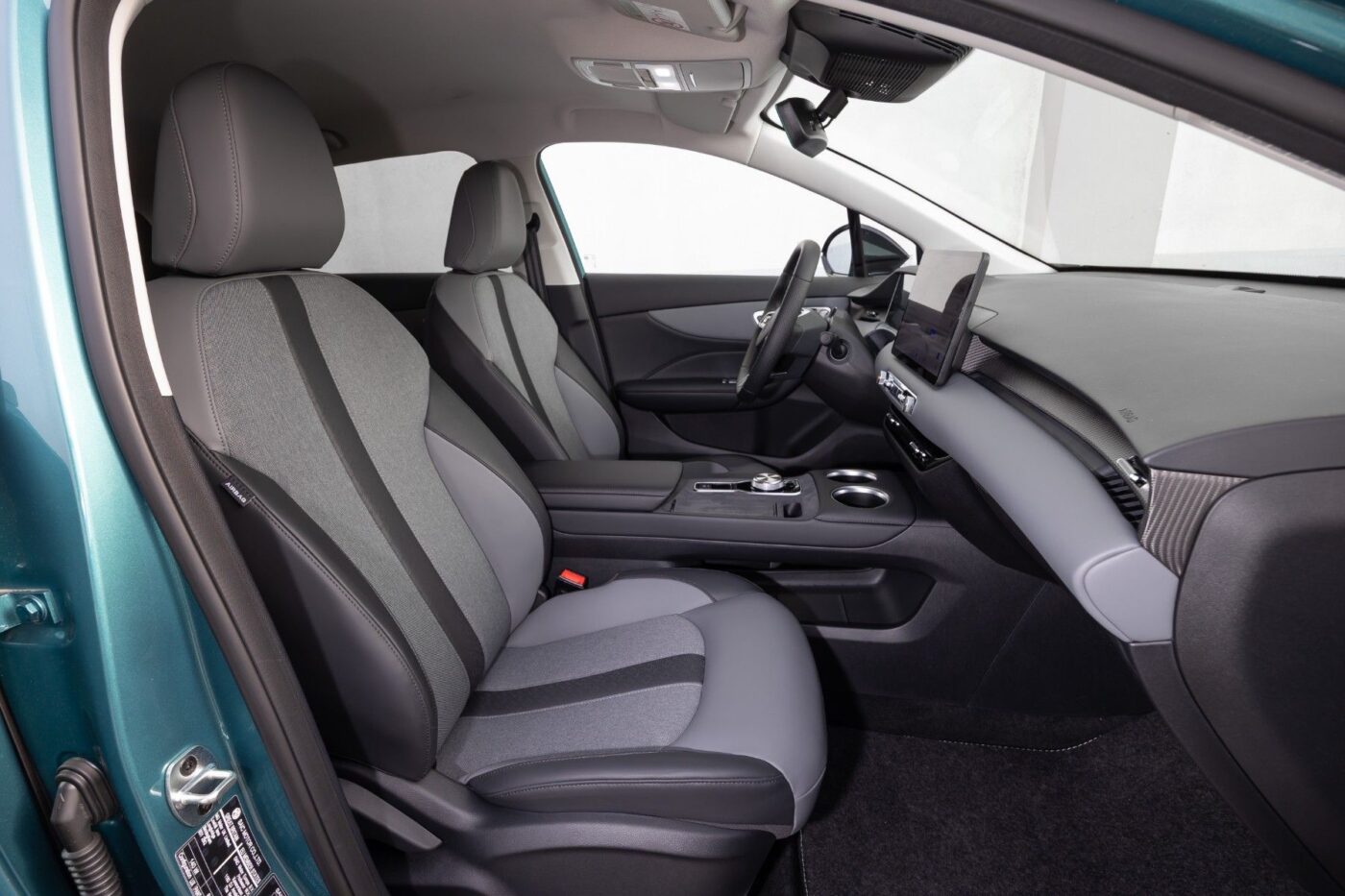
The interior follows a deliberately functional approach. Hard plastics dominate the cabin, complemented by simple fabric surfaces. The overall impression is clearly cost-oriented, but not unpleasant. The centre armrest feels surprisingly light and immediately reveals how little the construction weighs. The haptics focus more on functionality than premium quality, although this is unlikely to matter in everyday use.
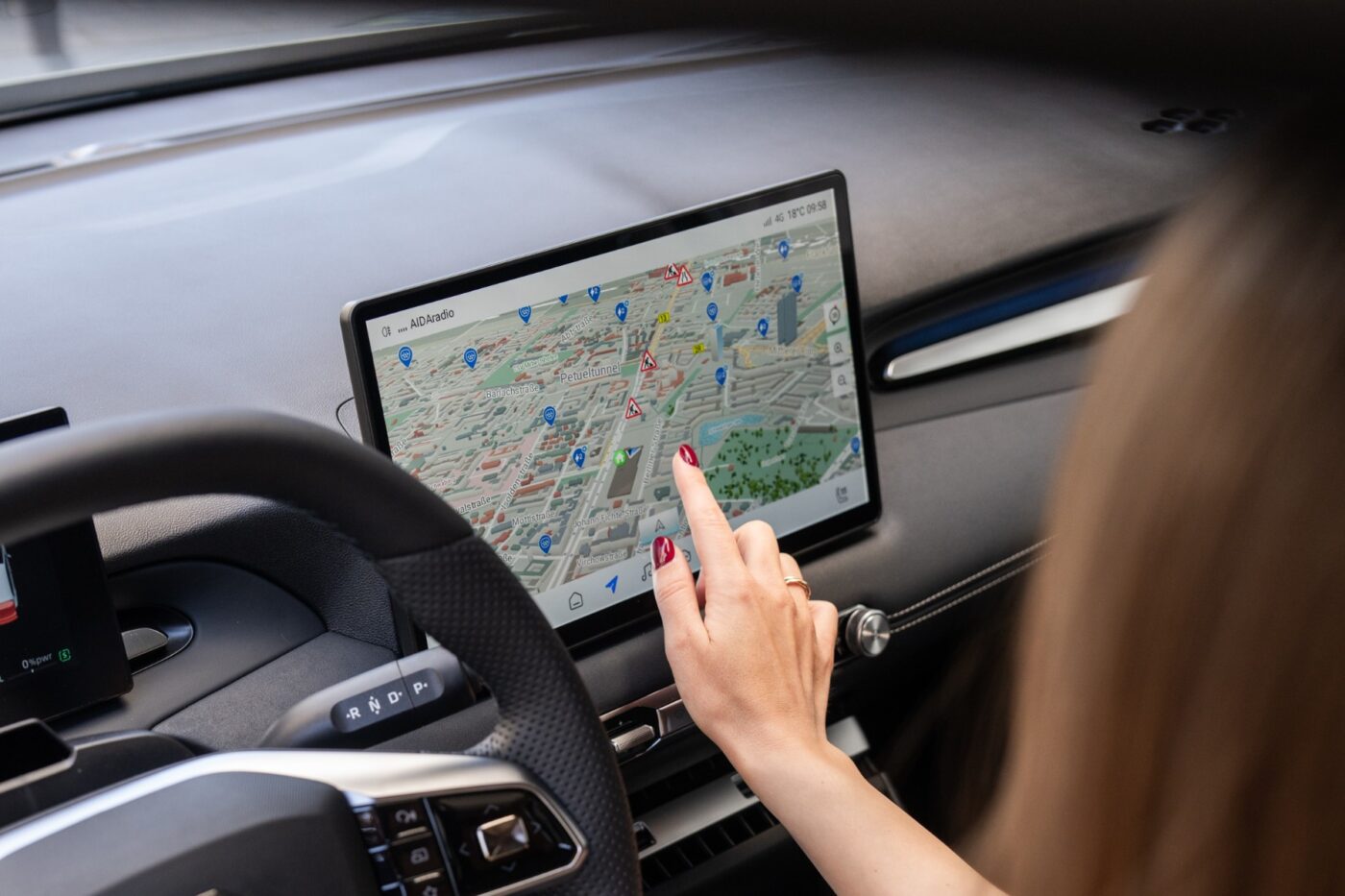
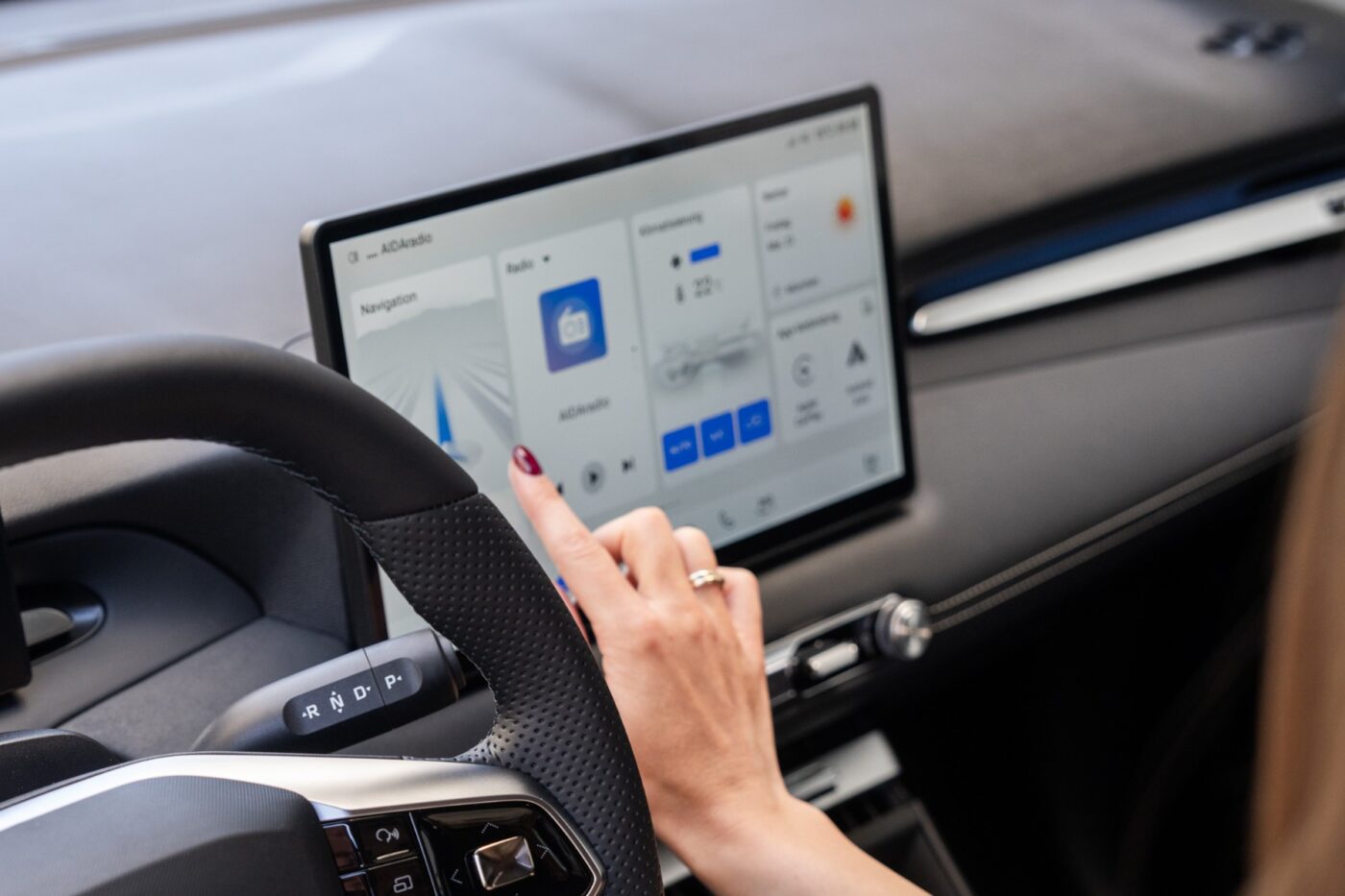
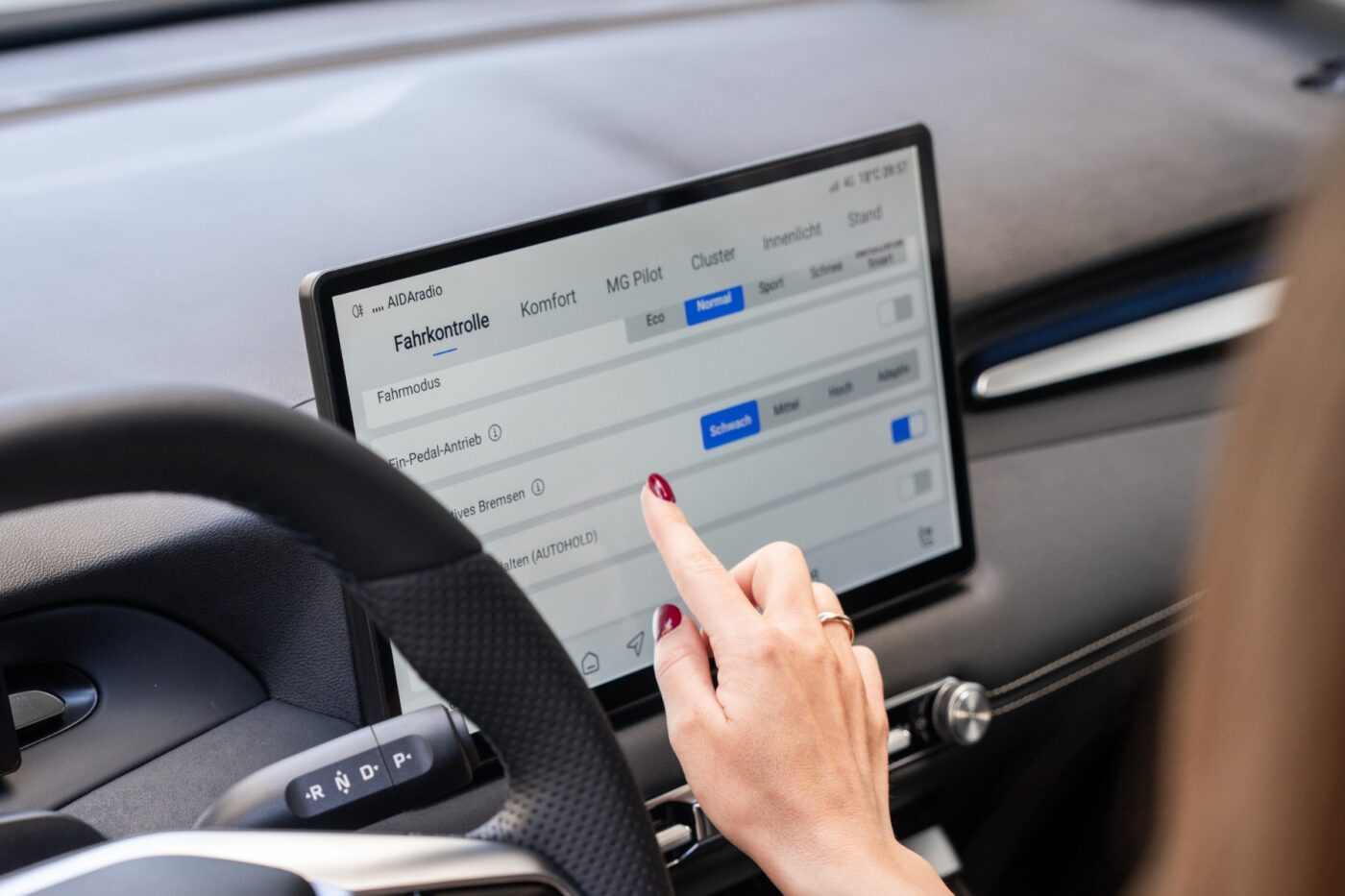
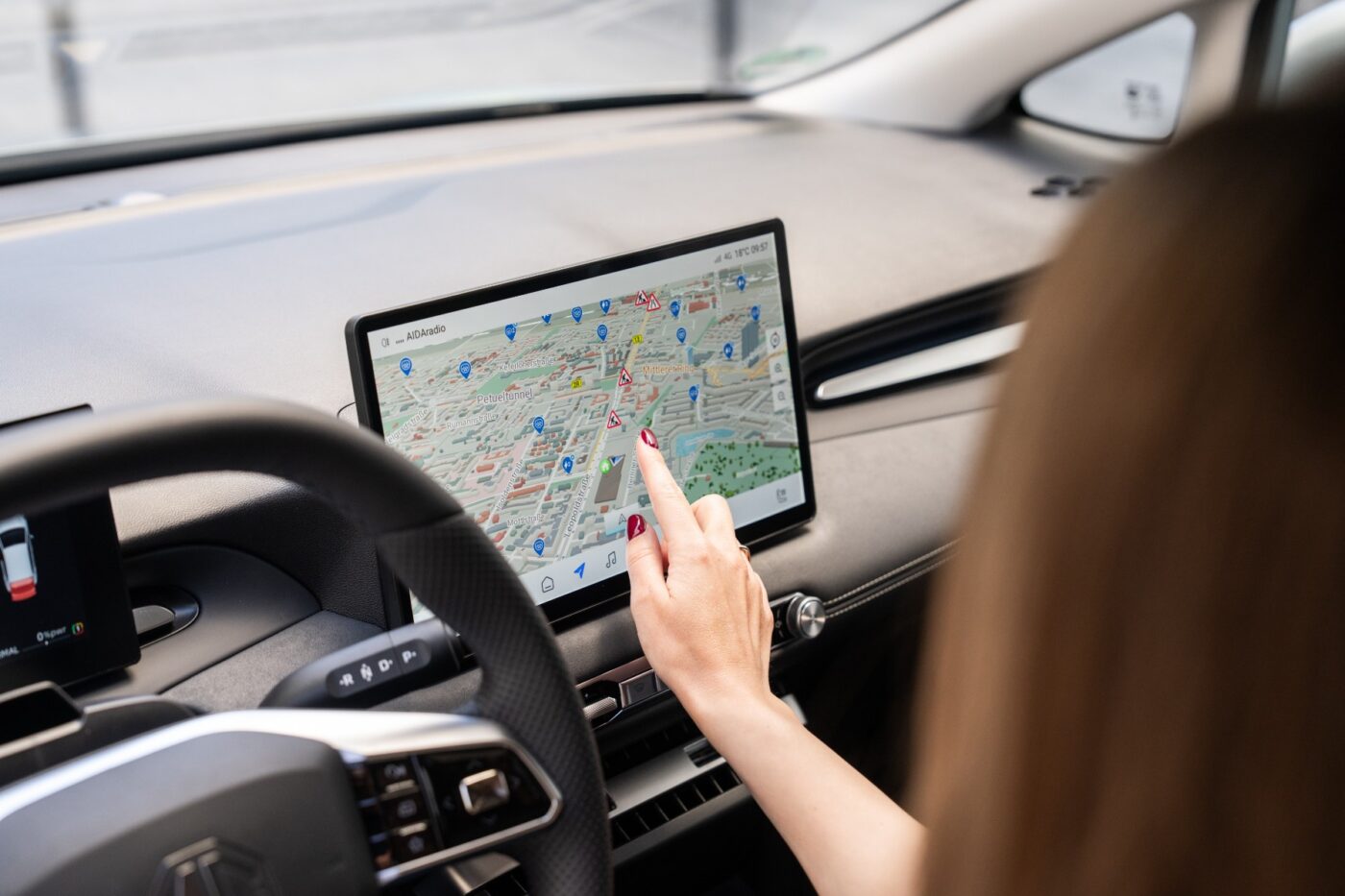
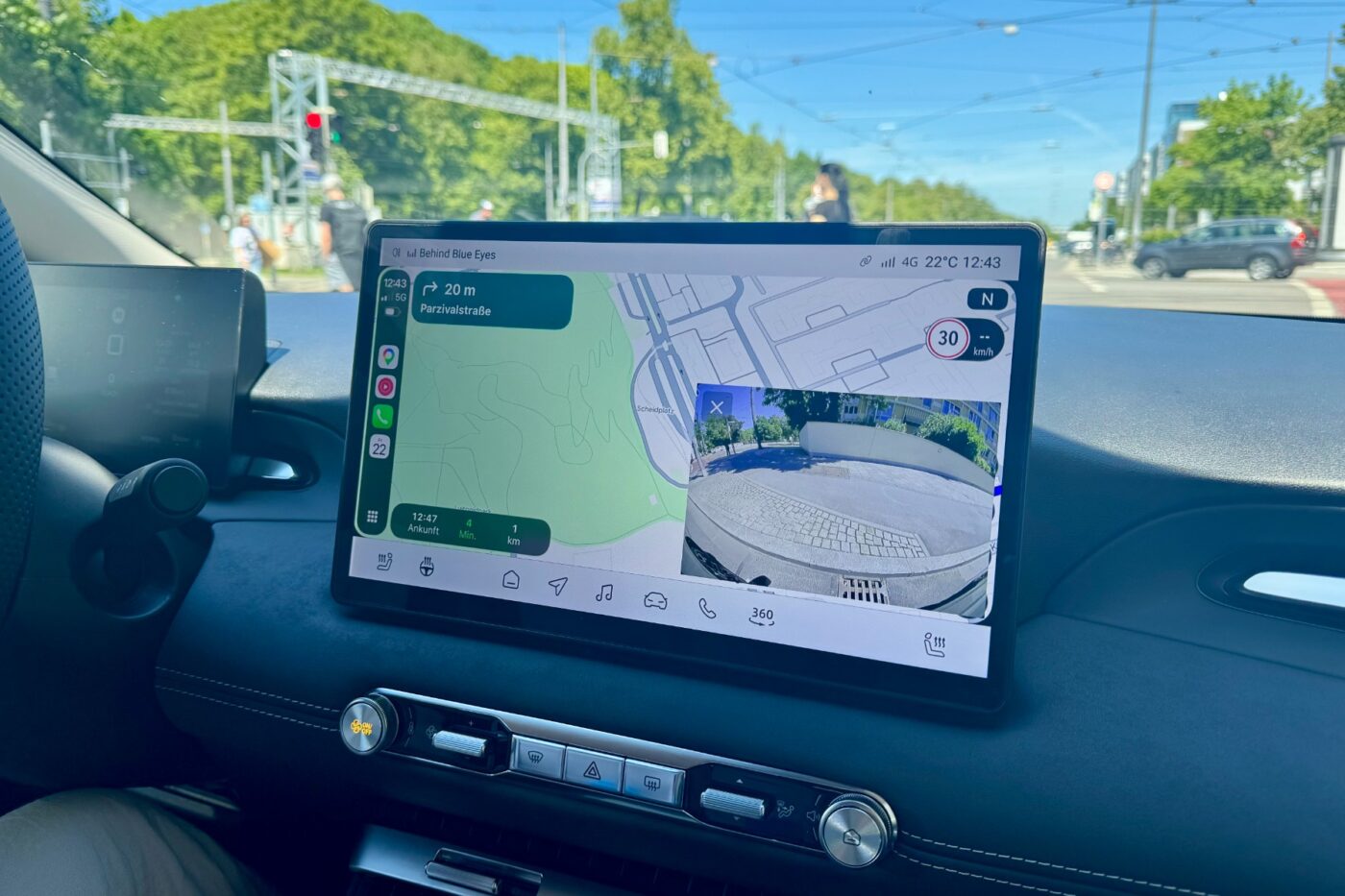
If there is one point to criticise, it may be the absence of a panoramic glass roof, which MG does not offer for any version of the model. On a sunny day at Lake Starnberg, it would have suited the overall atmosphere well. Most functions are controlled via the central 12.8-inch display, supported by a small driver display. Apple CarPlay and Android Auto operated reliably during the test drive. The integrated navigation system displays the expected battery level on arrival, although the map view occasionally requires some loading time.
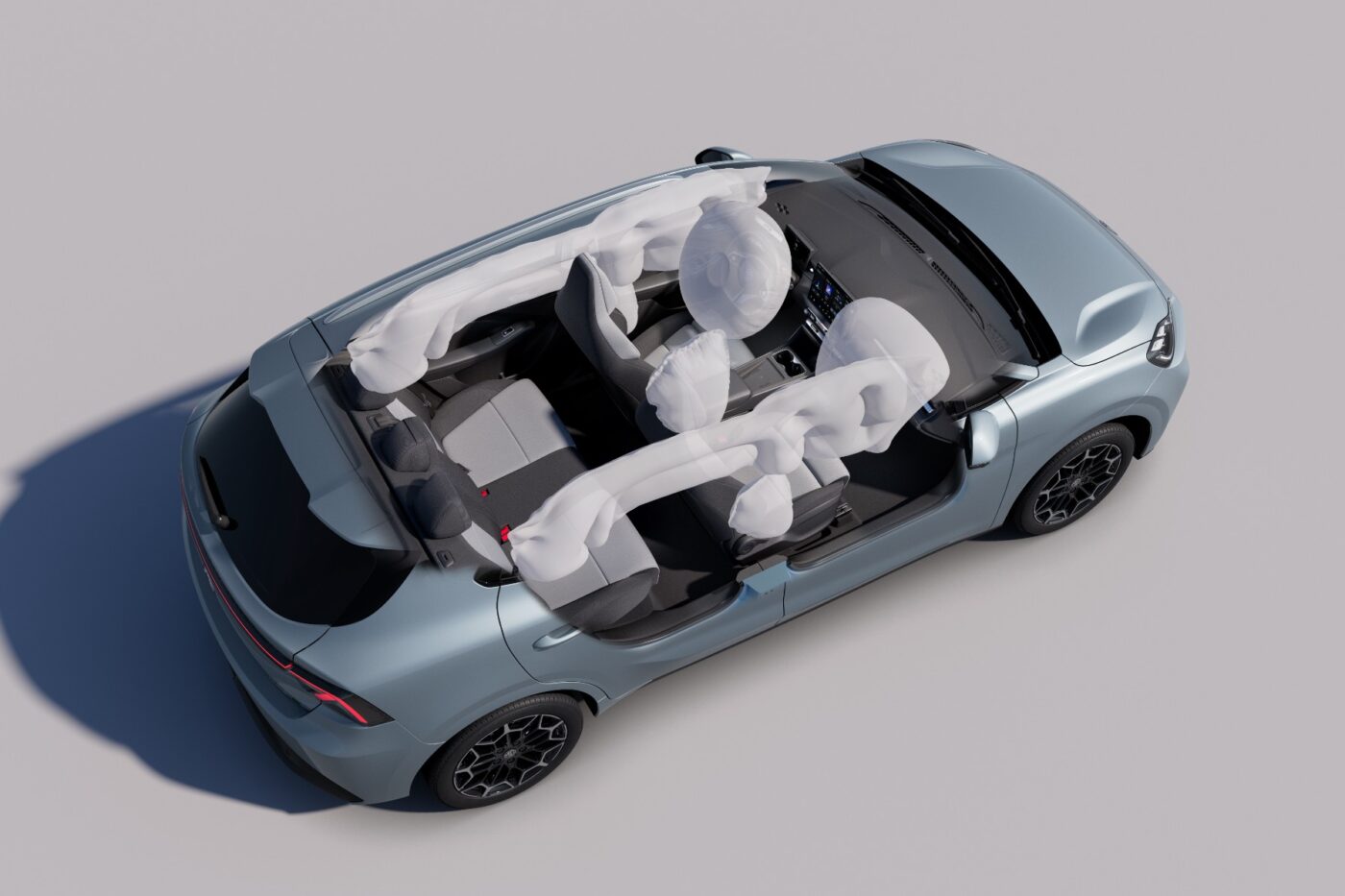
One standout feature is the blind-spot camera, which adds a noticeable safety benefit in urban traffic. During dense city traffic in Munich, the system proved genuinely useful on several occasions. The image quality is surprisingly sharp and provides significantly more confidence when changing lanes or turning. MG already includes the system in the entry-level version. Higher trim levels additionally feature a 360-degree camera, which further simplifies manoeuvring.
MG has also retained physical controls, making operation easier in everyday use. However, seat and steering wheel heating can only be switched on or off and cannot be adjusted in stages, despite the symbols suggesting otherwise. Wireless smartphone charging operated reliably during the test drive, but charging speeds are rather slow and the system lacks active cooling. For shorter journeys, this is sufficient, but on longer trips the smartphone is more likely to maintain its charge than recharge quickly.
Conclusion
MG lists the MG4 EV Urban from 24,990 euros. The tested ‘Premium’ version costs 31,490 euros. The manufacturer currently also offers an EV bonus of up to 6,000 euros, reducing the starting price of the MG4 EV Urban to as little as 18,990 euros. If the additional 6,000-euro subsidy available in Germany were also applied, the calculated entry price for the base version could fall to 12,990 euros.
Under these assumptions, the effective purchase price would decrease significantly. For that amount, buyers receive a surprisingly mature electric car offering generous space, good efficiency, stable charging performance and practical everyday technology.
After the first drive, one impression stands out above all: the MG4 EV Urban does not try to be anything other than a practical electric car for everyday use. And that is precisely why the concept works so well. The model is neither an emotional technology showcase nor a design statement or performance EV. Instead, MG consistently focuses on the aspects many drivers actually prioritise: range, efficiency, space and uncomplicated usability. At the moment, that may well be the vehicle’s greatest strength.

0 Comments