


Autohelden launches direct imports for Xiaomi and other brands
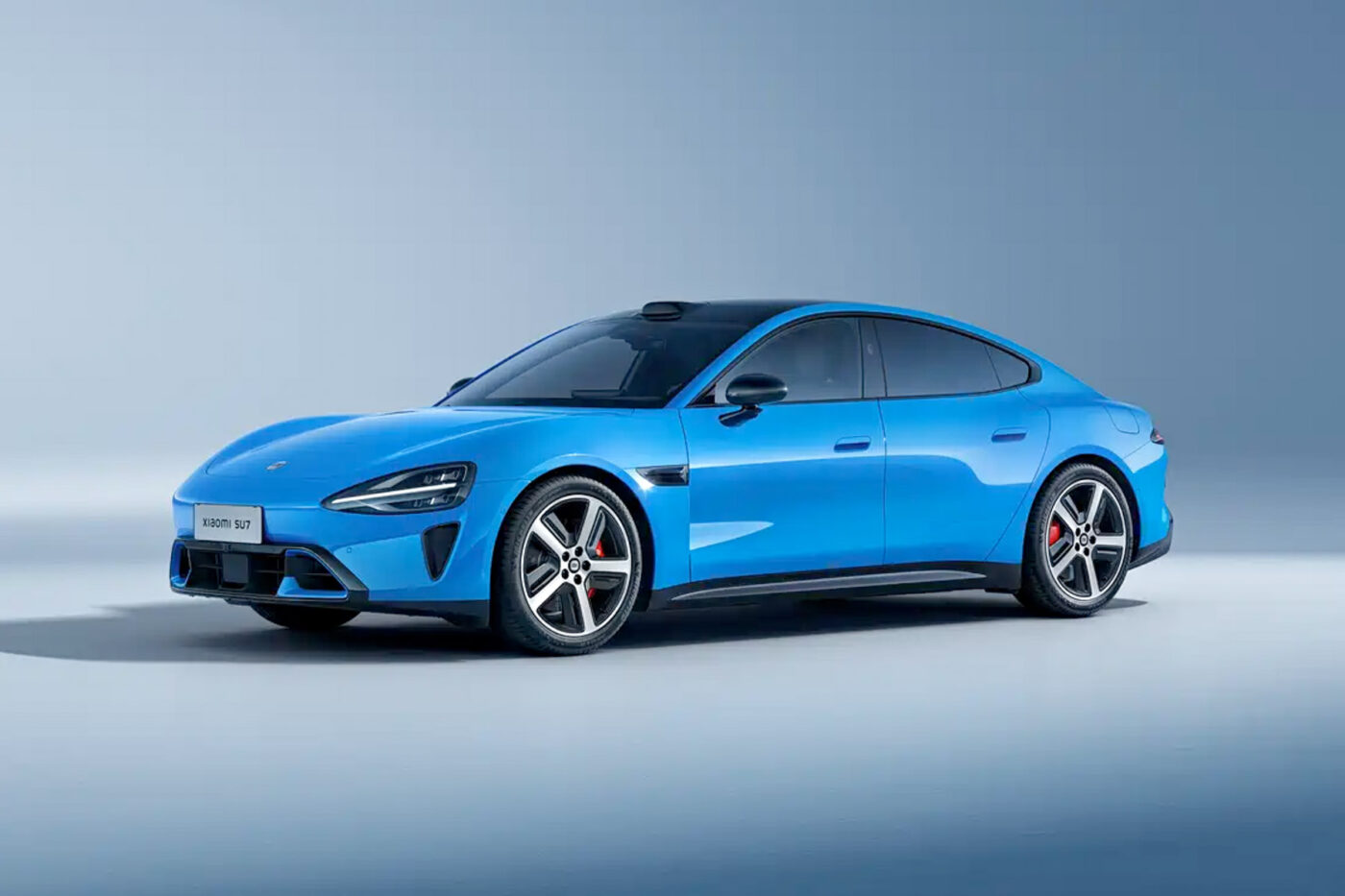
According to Automobilwoche, this development is based on statements by Autohelden Managing Director Christoph Wicke, founder of the two platforms die-autohelden.de and fahrzeuge-autohelden.de. Wicke confirmed that the entire process chain is now complete. “We are rolling this out on a broad scale and are in the final stages of preparation,” he told the trade journal. He added: “I expect that in the first full year, we will sell around 50,000 vehicles in Europe, with roughly one-third of those in Germany.” The importer will handle customs clearance and TÜV approval independently, and the Chinese electric vehicles will be available through dealers at 80 to 100 distribution locations across Europe.
Specifically, Autohelden plans to import the SU7 and YU7 models from Xiaomi in all available power levels, the 8X and 9X from Zeekr in various power variants, as well as the 06, 07, 11, and 12 models from Avatr and Dashing, and the X70 and T2 from Jetour. Officially, Xiaomi plans to sell its electric vehicles in global markets only from 2027, as previously reported.
However, Autohelden is not the only player aiming to capitalise on the import of Chinese electric vehicles not yet available in Europe. The Chinese e-commerce platform China EV Marketplace has also enabled European customers to purchase road-approved battery-electric vehicles and plug-in hybrids directly from China for several months, delivering them to their homes, including customs clearance. Smaller players, such as the platform Auto-China, are also entering the market.
The main difference is that customers no longer have to arrange customs clearance themselves or collect the vehicle from the port, as some platforms now handle these steps. Previously, importing a vehicle involved considerably more effort. However, the approach also comes with limitations. The imported vehicles are built to Chinese specifications and use the Chinese GB/T charging standard rather than the CCS connector common in Europe. Although adapters allow charging at CCS stations, charging performance may be affected.
In addition, the low prices seen in the Chinese market do not directly translate to Europe. Transport costs, EU homologation requirements and customs duties all increase the final purchase price of imported vehicles.
Update 18 June 2026
Xiaomi intends to stop the parallel import of its vehicles into Germany. “Xiaomi has no business relationship with Autohelden/Fleemo and has taken legal action to prohibit the import of its vehicles,” a spokesperson for Xiaomi Technology Germany told Automobilwoche. He warned that measures would be taken should any vehicles enter Germany. “An application for an EU-wide border seizure will be made in the near future for the import of all unauthorised vehicles,” the spokesperson added.
automobilwoche.de (in German), automobilwoche.de (update; in German)


0 Comments