

EU considers future for combustion engines beyond 2035
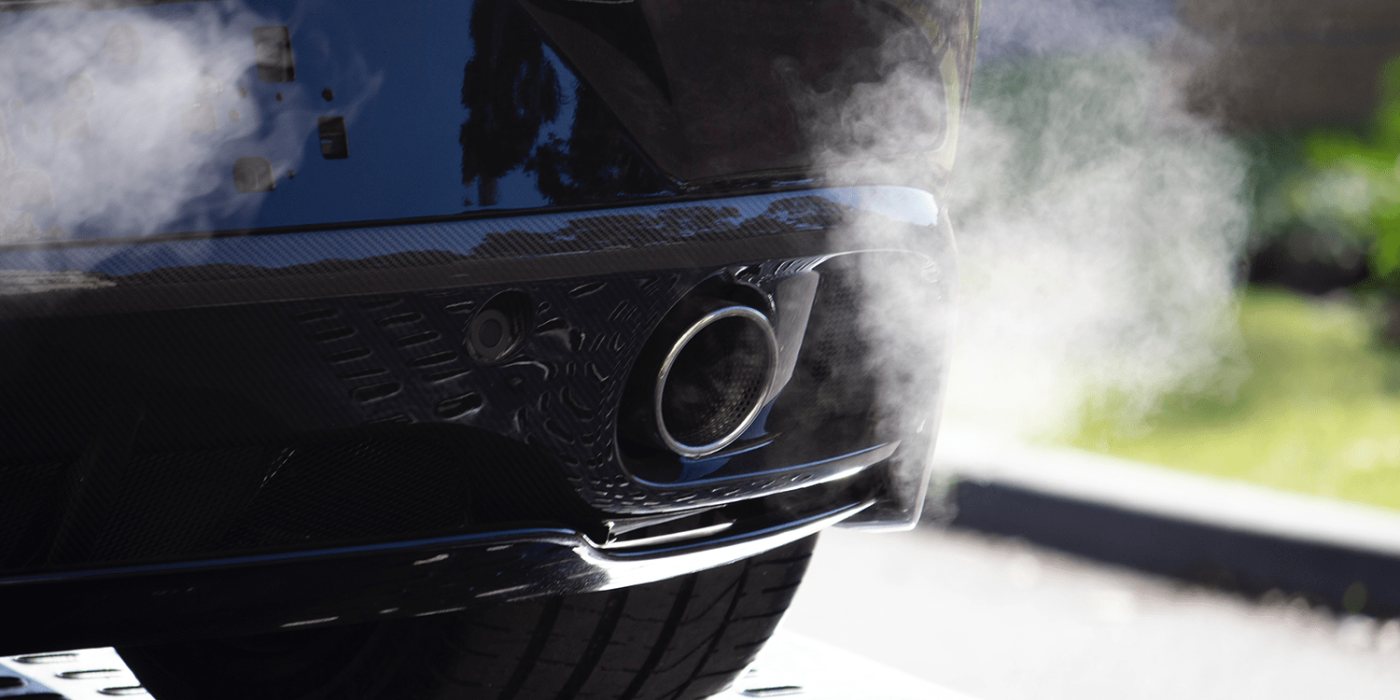
In an interview with Handelsblatt, EU Transport Commissioner Apostolos Tzitzikostas addressed whether the EU would permit not only hybrid vehicles but also conventional combustion engines, stating that the EU is “open to all technologies” and that the Commission will incorporate “all technological developments” into the new regulations.
These remarks are closely tied to recent developments in Germany. The European Commission is expected to unveil a new proposal for CO₂ targets from 2035 in December. The need to review these targets has been evident for some time. Last week, the German ruling coalition of the parties CDU/CSU and SPD reached a joint position for the federal government during a coalition meeting: Chancellor Friedrich Merz (CDU) had urged Commission President Ursula von der Leyen in a letter on Friday to consider not only battery-electric vehicles but also plug-in hybrids, range-extender vehicles, and “highly efficient” combustion engines in the EU’s revision of fleet limits from 2035.
With Tzitzikostas’s statements, “highly efficient” combustion engines could indeed have a future beyond 2035, at least initially. However, the Greek politician quickly clarified that the EU would also assess “the role of zero-emission and low-emission fuels, including advanced biofuels.” Two additional Commission officials reportedly confirmed to Handelsblatt that “traditional combustion engines would be permitted, provided they are fuelled exclusively with biofuels or e-fuels.”
While the exact wording of Merz’s letter remains undisclosed, he made no reference to synthetic or biological fuels during the press conference following the coalition decision. This omission suggests that Merz is advocating for “highly efficient” combustion engines powered by conventional fossil fuels.
However, recent statements from EU representatives indicate a different approach. Restricting approval to zero-emission and low-emission fuels or biofuels would mark a significant departure from Merz’s vision: although new combustion engines could be approved after 2035, they would only be permitted if they can operate exclusively on ‘clean’ fuels. The availability and affordability of such fuels by 2035, or even earlier, remain uncertain. While the climate objectives might be preserved through clean fuels, Merz’s goal of bolstering the European automotive industry could falter: If modern combustion engines are developed at considerable cost, yet customers avoid purchasing them due to limited access to the required clean fuels or prohibitively high operating costs.
Clarity on this pivotal issue will take time. Initially, 10 December was set as the date for the European Commission to present the new ‘Auto Package’, including CO₂ fleet limits. However, in the interview, Tzitzikostas indicated that the package could be delayed by “a few weeks.” Although the Commission is working “very hard” to finalise the package in December, it might not be ready until early January, according to the Commissioner. The delay is attributed to the package’s scope and significance; it is “decisive for European industry, citizens, and our competitiveness.”
Incidentally, the ‘Auto Package’ is expected to include not only new CO₂ target regulations but also “new incentives for electric vehicles in corporate fleets.” The specifics of these incentives remain unclear. A 100% electric vehicle quota from 2030 has been under discussion for some time, which would restrict “highly efficient” combustion engines and hybrids to private customers only. The car rental industry has already voiced strong opposition to the potential EU requirements.
handelsblatt.com, heise.de (both in German)
This article was first published by Sebastian Schaal for electrive’s German edition.


1 Comment