

University of Leeds finds EVs equally dangerous to pedestrians as ICEs
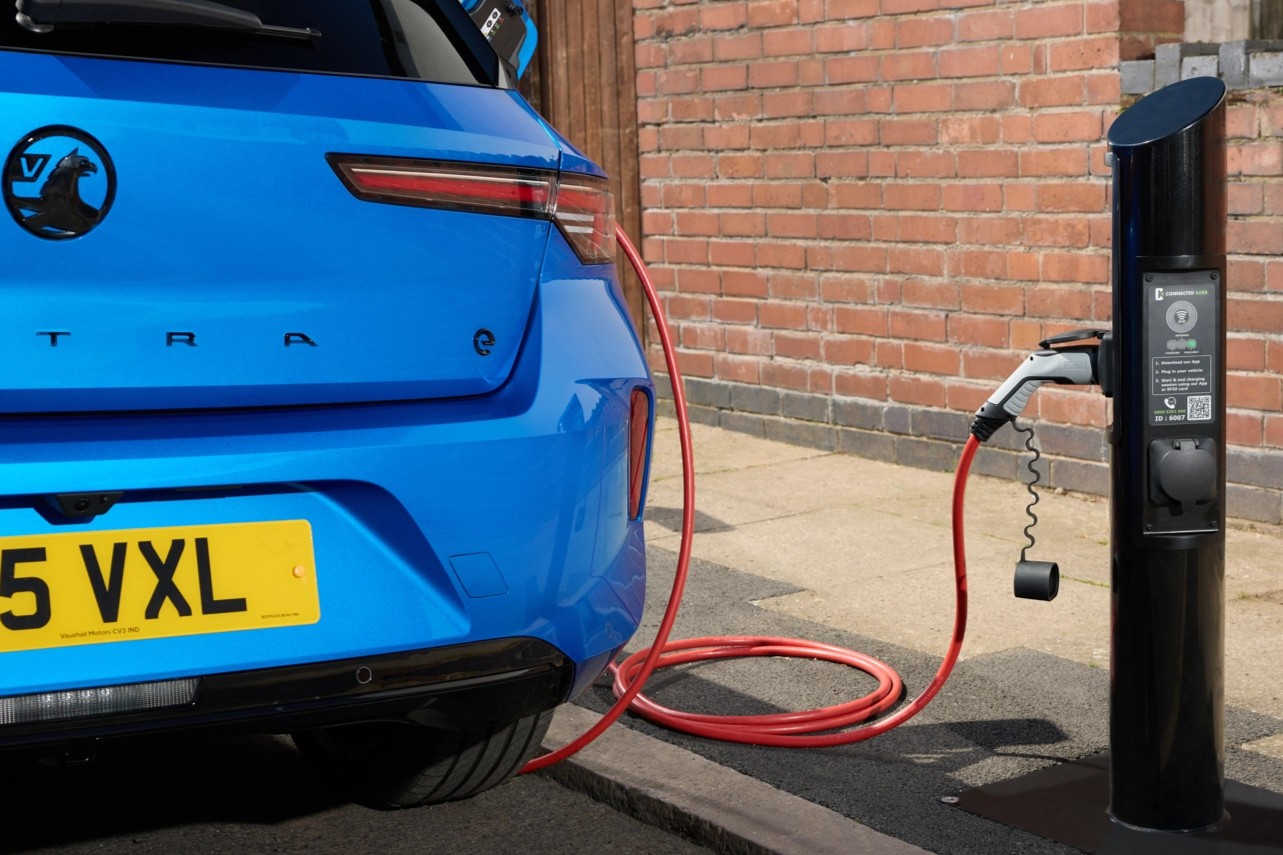
According to the findings of the study, electric vehicles are no more dangerous to pedestrians than traditional petrol or diesel cars. Furthermore, the researchers also found that when crashes occur, injuries sustained by pedestrians are no more severe when caused by an EV than by a non-electric car, despite the heavier weight.
Broken down in actual numbers, the study analysed statistics showing about 250 billion miles driven by cars in the UK each year. In this dataset, “the average pedestrian casualty rates were 57.8 for EVs and 58.9 for non-electric vehicles, per billion miles of driving, between the years 2019 and 2023.” The study analysed a total of 71,979 pedestrians hit by cars, taxis or private hire vehicles, which broke down as follows: “hybrid vehicles were responsible for 5,303 pedestrian casualties (7.36%), while electric vehicles were responsible for 996 pedestrian casualties (1.38%). The remaining 65,680 incidents (91.25%) involved conventional vehicles.”
“There were two worries about EVs and road safety. First, whether EVs would increase the number of collisions with pedestrians because they were quieter than traditional vehicles,” explained Professor Zia Wadud, based in the Institute for Transport Studies and School of Chemical and Process Engineering at Leeds, adding: “Second, where there is a collision, whether the injuries to the pedestrians would be more severe when involving an EV because the vehicles are heavier. Our results show that this is not the case.”
The initial thought had been that electric vehicles, with their quiet operation and heavier weight, which the researchers estimate to be about 0.3 tonnes more on an EV, would be more dangerous and cause more damage. Surprisingly, this was not the case, but this was probably also helped by the introduction of the Acoustic Vehicle Alerting System (AVAS) in 2019.
Another interesting aspect of the results was that, unlike previous studies in the same field, the researchers considered hybrids as their own category, rather than lumping them in with EVs, and found that “hybrids showed higher pedestrian casualty rates than EVs and conventional vehicles – 120.14 per billion miles.” This was attributed to them being commonly used as private hire vehicles, which means they achieve “greater mileage than the average car, and are predominantly driven in and around city centres, increasing the chance of crashes involving pedestrians.” However, despite more accidents, injuries were found to be less severe on average compared to internal combustion engine-based cars.
The size of the vehicle still plays a major role, as the study found that large SUVs increased the likelihood of a more severe injury being inflicted on pedestrians. Professor Wadud concluded: “We should worry less about the potential dangers of electrified vehicles and more about the growing prevalence of SUVs on the nation’s roads. Whether electric or conventionally powered, these larger, heavier vehicles not only pose greater safety risks, they also take up more road space and emit more carbon over their lifecycle.”
leeds.ac.uk, nature.com (study)


1 Comment