
University of Leeds finds EVs equally dangerous to pedestrians as ICEs
A research project by the University of Leeds, looking into UK collisions involving pedestrians and cars, found no significant difference in the pedestrian casualty rates between EVs and conventional vehicles. Hybrid vehicles, on the other hand, were involved in accidents more often.

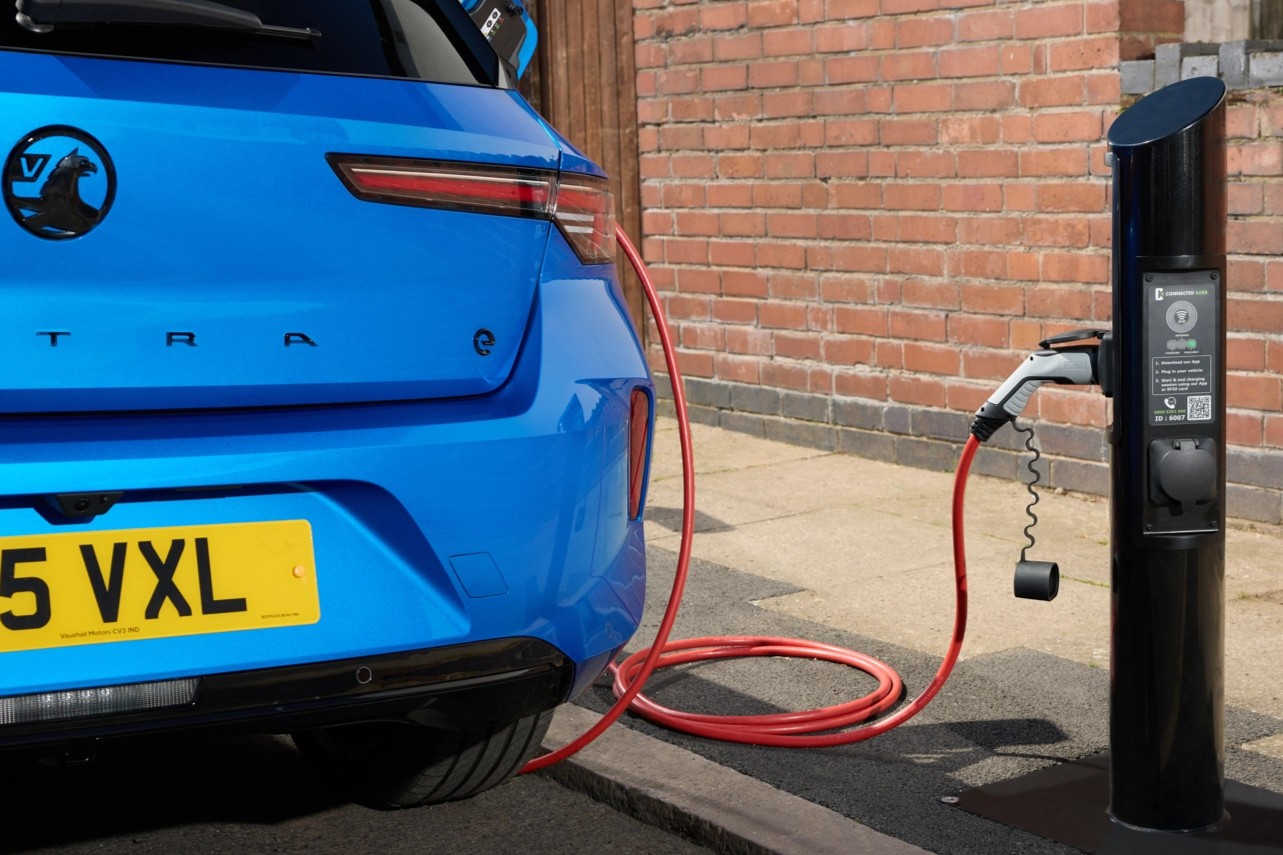
Connected kerb vauxhall uk charging cropped
Image: Connected Kerb

According to the findings of the study, electric vehicles are no more dangerous to pedestrians than traditional petrol or diesel cars. Furthermore, the researchers also found that when crashes occur, injuries sustained by pedestrians are no more severe when caused by an EV than by a non-electric car, despite the heavier weight.

Broken down in actual numbers, the study analysed statistics showing about 250 billion miles driven by cars in the UK each year. In this dataset, “the average pedestrian casualty rates were 57.8 for EVs and 58.9 for non-electric vehicles, per billion miles of driving, between the years 2019 and 2023.” The study analysed a total of 71,979 pedestrians hit by cars, taxis or private hire vehicles, which broke down as follows: “hybrid vehicles were responsible for 5,303 pedestrian casualties (7.36%), while electric vehicles were responsible for 996 pedestrian casualties (1.38%). The remaining 65,680 incidents (91.25%) involved conventional vehicles.”

“There were two worries about EVs and road safety. First, whether EVs would increase the number of collisions with pedestrians because they were quieter than traditional vehicles,” explained Professor Zia Wadud, based in the Institute for Transport Studies and School of Chemical and Process Engineering at Leeds, adding: “Second, where there is a collision, whether the injuries to the pedestrians would be more severe when involving an EV because the vehicles are heavier. Our results show that this is not the case.”

The initial thought had been that electric vehicles, with their quiet operation and heavier weight, which the researchers estimate to be about 0.3 tonnes more on an EV, would be more dangerous and cause more damage. Surprisingly, this was not the case, but this was probably also helped by the introduction of the Acoustic Vehicle Alerting System (AVAS) in 2019.

Another interesting aspect of the results was that, unlike previous studies in the same field, the researchers considered hybrids as their own category, rather than lumping them in with EVs, and found that “hybrids showed higher pedestrian casualty rates than EVs and conventional vehicles – 120.14 per billion miles.” This was attributed to them being commonly used as private hire vehicles, which means they achieve “greater mileage than the average car, and are predominantly driven in and around city centres, increasing the chance of crashes involving pedestrians.” However, despite more accidents, injuries were found to be less severe on average compared to internal combustion engine-based cars.

The size of the vehicle still plays a major role, as the study found that large SUVs increased the likelihood of a more severe injury being inflicted on pedestrians. Professor Wadud concluded: “We should worry less about the potential dangers of electrified vehicles and more about the growing prevalence of SUVs on the nation’s roads. Whether electric or conventionally powered, these larger, heavier vehicles not only pose greater safety risks, they also take up more road space and emit more carbon over their lifecycle.”

leeds.ac.uk, nature.com (study)

1 Comment

about „University of Leeds finds EVs equally dangerous to pedestrians as ICEs“
Raul Peniche
11.12.2025 um 15:48
Seguridad vial para peatones​Las reglas básicas de seguridad vial para peatones son la causa opuesta a los actos inseguros que cometemos como peatones durante el tránsito en la vía pública. Estas reglas de seguridad nos permiten orientarte, invitándote a un comportamiento seguro, prudente y cortés.1. Personas ancianas, discapacitados y niños, deben andar en la calle acompañadas de un adulto, si andan solos, ¡Ayúdales a cruzar la calle!​2. Niños de 9 años o menos deben cruzar la calle agarrados de la mano de su acompañante, ya que pueden correr de manera intempestiva hacia la calle.3. Nunca cruces en una curva ni cerca de ella. Tampoco lo hagas en zonas donde no pueda ver bien si viene un vehículo. Por muy solitario que sea el camino busque un sitio con visibilidad, para, mira, escucha y cruza.4. Nunca salgas de manera intempestiva de entre dos vehículo estacionados para cruzar la calle, mejor cruza por las esquinas o pasos peatonales.5. Al cruzar la calle, camina, no corras, hazlo con precaución, establece contacto visual con el conductor, cerciórate de que te hayan visto, ten especial cuidado con taxis, microbuses, camiones o vehículos de carga.6. Evita salir a la calle si se encuentras en estado de embriaguez, tus reflejos disminuyen y puedes ser atropellado, de ser necesario pide a alguien que te vaya a buscar.7. Transita por banquetas y detente antes de cruzar la calle, observa derecha-izquierda-derecha y evita tratar de ganarle el paso a los vehículos, motociclistas y ciclistas, será muy tarde el comprobar que el vehículo es más rápido que tú.8. Si tienes que salir a la calle de noche traiga una lámpara, usa ropa clara y con reflejante, camina por la izquierda con el tráfico de frente, si vas en grupo caminen en fila.9. Evita que los niños jueguen en la calle, utiliza los parques o las canchas deportivas.10. Evita ser atropellado, nunca te interpongas como obstáculo para detener a un vehículo que huye, mejor anota las placas y repórtalo.11. Aléjate de los vehículos que hacen maniobra de reversa en los estacionamientos y cocheras, cerciórate que lo hayan visto y haya espacio suficiente para no ser prensado.12. Cuando bajes del autobús o transporte de pasajeros y haya que cruzar la calle, hazlo rodeándolo hacia la parte de atrás del camión, ya que por el frente puedes ser atropellado.13. Si hay algún evento, manifestación o choque, mantente fuera de la carretera y avisa a los demás automovilistas. Nunca cambies una llanta en dirección del arroyo vehicular, puedes ser atropellado, consigue un lugar seguro para cambiar el neumático y usa chaleco reflejante.​Fuente: Ing. Raúl Alberto Peniche MendozaProyecto Networkvial – México

Leave a Reply to Raul Peniche Cancel reply

Your email address will not be published. Required fields are marked *