

Will the EU Commission allow plug-in hybrids until 2040?
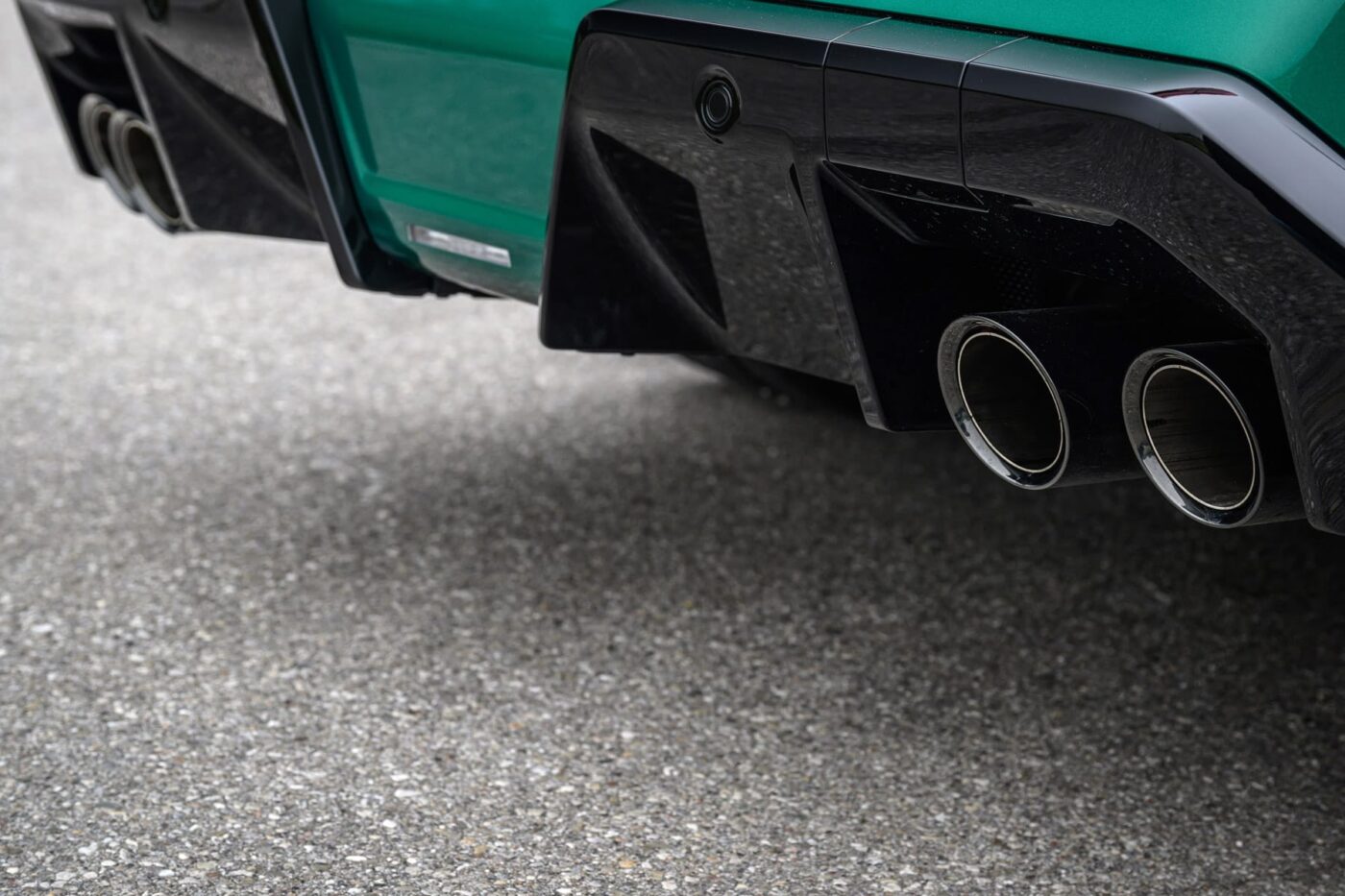
The discussion hinges on several key points. Firstly, from 2035 onwards, new cars with internal combustion engines (ICE) in the European Union will only be eligible for first-time registration if they form part of a plug-in hybrid (PHEV) or range-extender (EREV) powertrain. Conventional ICE vehicles, as well as mild or full hybrids with minimal electric support, are reportedly excluded from these considerations, according to Bloomberg’s sources. Another critical aspect is that the proposed extension is limited to just five years.
The report also outlines additional conditions. As EU Transport Commissioner Apostolos Tzitzikostas hinted in early December, these vehicles must run on ‘advanced biofuels’ or ‘e-fuels’. However, it remains unclear how authorities will ensure that PHEVs and EREVs use only these fuels and not fossil petrol. Equally uncertain is the availability and cost of these fuels by 2035. Bloomberg also reports another requirement: the production of these vehicles must use green steel. Yet, it is unclear what quantities of this material will be available to the automotive industry in a decade, or at what cost.
Even if these practical challenges are overcome, such vehicles are unlikely to enter the market in unlimited numbers. The proportion of PHEVs and EREVs permitted for registration in the EU after 2035 ‘still needs to be decided,’ according to the report. Bloomberg notes that ‘key technical details’ regarding the fuels are still being finalised, and discussions within the Commission are ongoing. Given this interim status, further changes remain possible—or even likely.
However, amid the multitude of conditions and restrictions being discussed to soften the existing 2035 targets, one outcome seems increasingly unlikely: a complete U-turn by the EU Commission. This would involve—as requested by German Chancellor Friedrich Merz in his letter to Commission President Ursula von der Leyen (both CDU)—allowing new plug-in hybrids, range-extenders, and ‘highly efficient combustion engines’ without any restrictions after 2035. Instead, the result is likely to be a typical political compromise: some conditions may be relaxed as a concession, while the other side accepts certain fundamental changes. The final agreement could be revealed as early as next week, with sources suggesting the 16th or 17th of December as possible dates for the presentation of the ‘car package’.
In addition to Germany, six other EU countries, including Italy and Poland, have recently advocated for softening the original, stringent CO₂ targets for 2035. Their governments argue that the targets and the associated technological shift are too radical, warning that the industry is at risk. However, opponents of this view also highlight a danger for the industry: if companies continue to invest heavily in two parallel technology pathways rather than committing to a clear transition, they risk falling further behind China in battery-electric vehicle development.
Environmental groups, as reported by Bloomberg, also fear loopholes that could undermine Europe’s climate goals. The decisive factor will likely be how precisely the requirements for e-fuels and biofuels are defined. E-fuels can be CO₂-neutral on a lifecycle basis if CO₂ is captured from the atmosphere during production and only renewable energy is used. However, no large-scale CO₂ capture or e-fuel production facilities currently exist, and the energy requirements remain unresolved. Biofuels also face criticism: they could compete with food production and place additional strain on agricultural land.
This article was first published by Sebastian Schaal for electrive’s German edition.
0 Comments