

Mazda’s EV platform likely to debut no sooner than 2028
Mazda’s ‘Skyactiv EV Scalable Architecture’ was first announced in the summer of 2021 as part of a technology roadmap extending to 2030. According to the initial plans, the platform was designed to accommodate a range of vehicle sizes and body styles and was scheduled for introduction in 2025. However, the British portal Auto Express has since learned that this timeline has been pushed back, with the earliest possible debut now expected in 2028.
Mazda had originally planned to launch several models based on the ‘Skyactiv EV Scalable Architecture’ between 2025 and 2030, but later revised this schedule, targeting a launch in 2027. According to Auto Express, which claims to have seen an official company presentation, the debut has now been further delayed to “no sooner than 2028,” though still “before the end of the decade”.
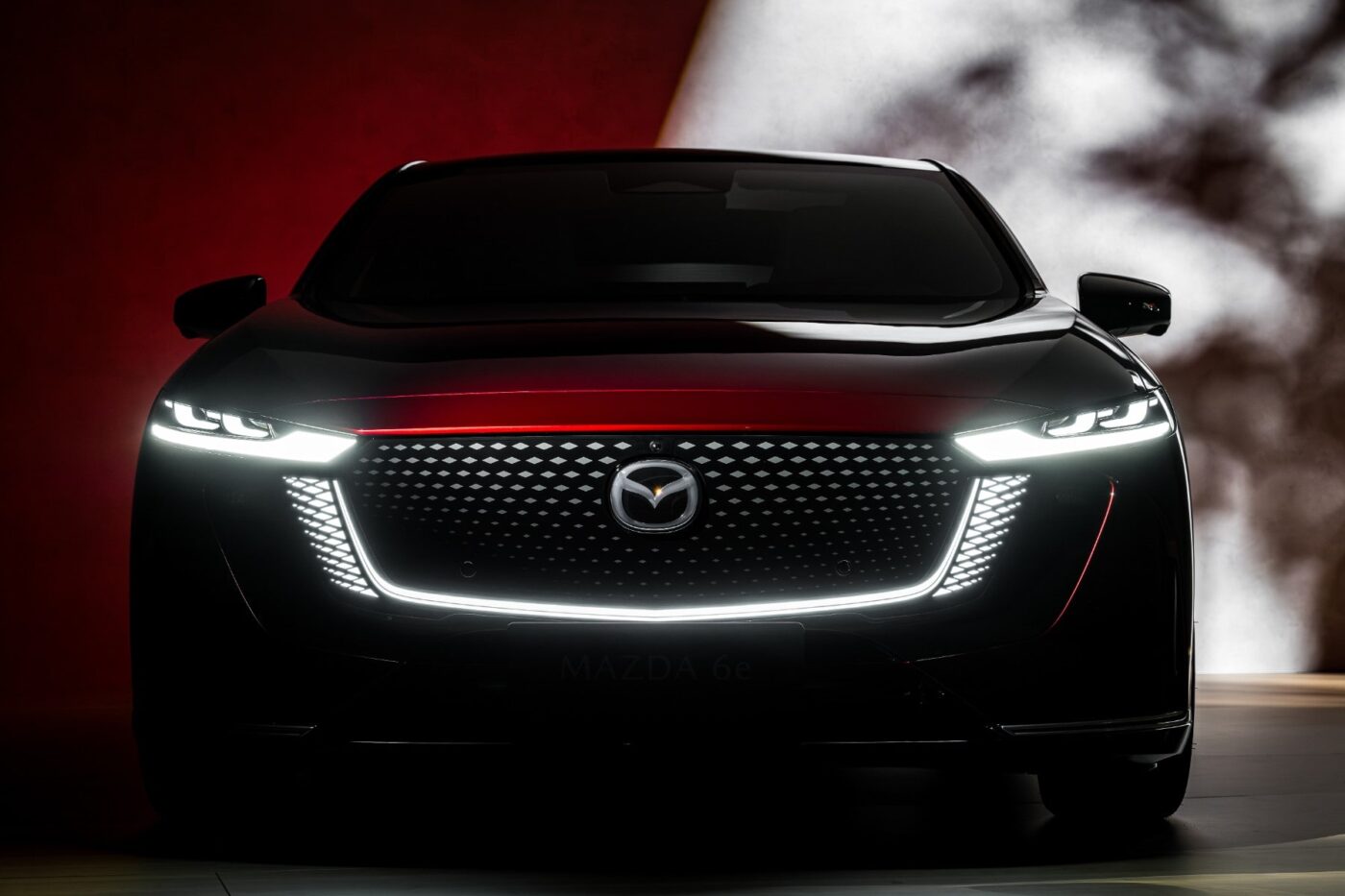
Despite the delay, Mazda’s electric ambitions remain unchanged, even if the company is not pursuing a proprietary platform. The Japanese manufacturer is placing high hopes on the Mazda6e and the recently unveiled CX-6e SUV, both of which are based on a platform from Changan and manufactured in China by the Mazda-Changan joint venture. While this platform does not currently offer Mazda the flexibility to produce battery-electric vehicles of all sizes, it does provide “the right car we need at this point in time,” according to Christian Schultze, Deputy Head of Research and Development at Mazda Europe.
Schultze attributes the delay to at least 2028 to evolving requirements. “EV technology is not something stable. So while you’re developing, things are changing [and advancing],” he explained. He also cites “availability of resources and expertise” as a challenge. As an independent and relatively small manufacturer, Mazda relies on collaborations with other automakers such as Changan and Toyota. However, the EV platform is intended to be developed in-house. “We give ourselves some more time to prepare the best possible solution,” Schultze adds, pointing to architectures from other manufacturers that have proven too expensive or too heavy but were developed more quickly.


0 Comments