

EU considers tariffs on China-made hybrids
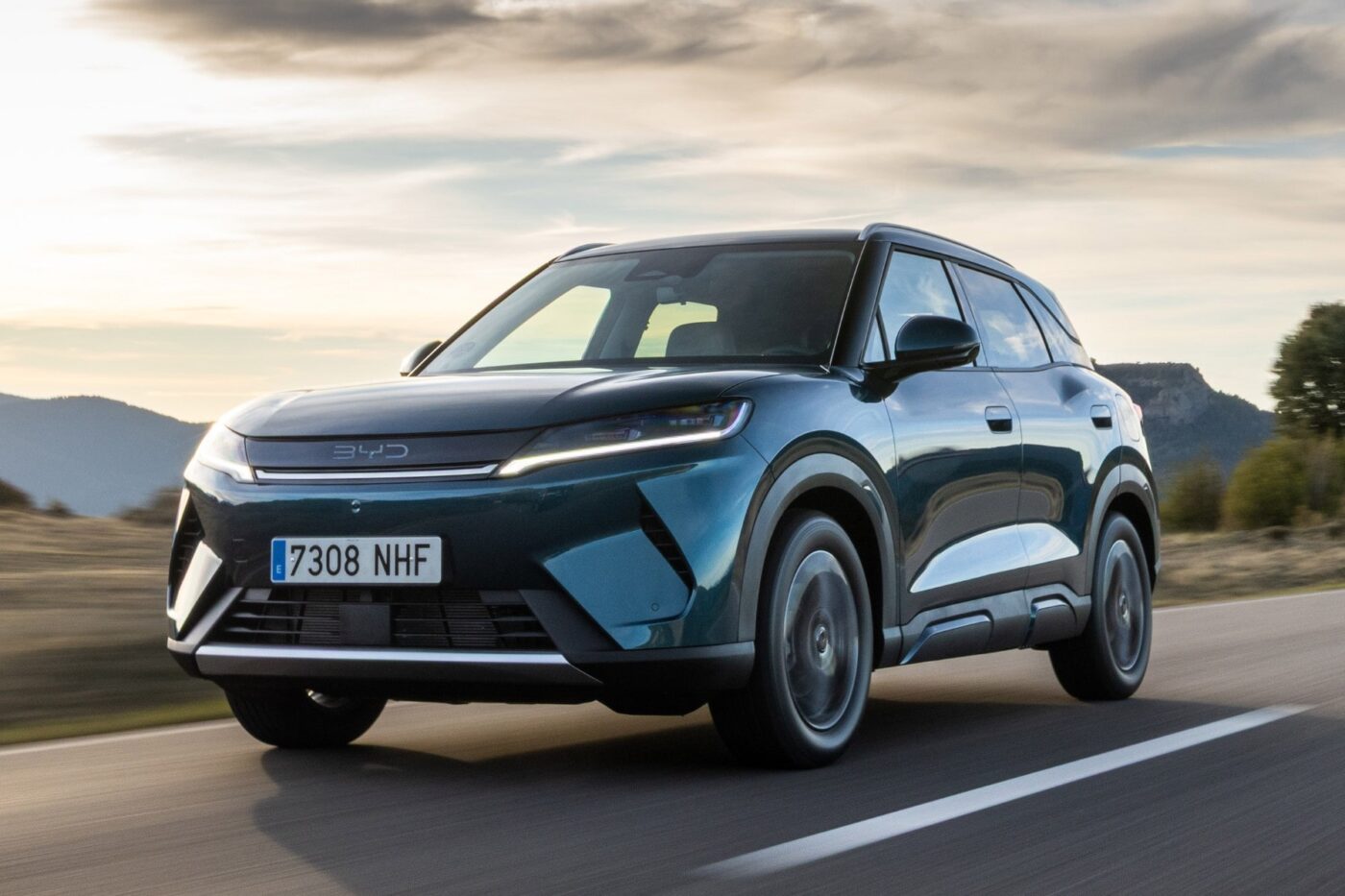
The news portal Euractiv reported that the EU executive is currently considering potential additional tariffs on hybrids imported from China. Commissioner Stéphane Séjourné had confirmed the news to Euractiv. The discussion reportedly centres on extending the EU’s existing additional tariffs on electric vehicles to include hybrids from China. Since 2024, the European Union has imposed additional tariffs on electric cars from China, which vary depending on the manufacturer and range from 7.8% to 35.3%, in addition to the standard 10% import duty. The goal is to protect the EU market from competitive distortions caused by heavily subsidised electric vehicles from China.
Euractiv, citing its source, further reports that French Commissioner Stéphane Séjourné, who also serves as one of the six Vice-Presidents of the European Commission, has ‘raised the question of Chinese hybrid vehicles at numerous occasions.’ His office has questioned why the same measures applied to battery-electric vehicles should not also apply to hybrids, which are produced under similar conditions. European competitors, it argues, require the same level of protection and fair competitive conditions.
The debate has gained relevance as exports of Chinese hybrid vehicles to the EU surged by 155 per cent in 2025. In contrast, exports of electric vehicles, which are already subject to high tariffs, increased by only twelve per cent last year. While the absolute numbers of Chinese hybrids in the EU are not yet significantly higher than those of pure electric vehicles, industry observers note that the rapid growth in hybrid imports reflects a strategic shift by Chinese manufacturers to offset the tariffs on BEVs. This trend is also being felt globally: according to a recent article in The Economist, hybrid vehicles now account for a third of Chinese passenger car exports. “On current trends, they will surpass EVs and petrol vehicles by mid-2026,” the business publication predicted. However, it remains unclear how broadly Euractive and The Economist apply the term ‘hybrid.’ For instance, it is not specified whether this includes plug-in hybrids, range-extended electric vehicles, full hybrids, or mild hybrids.
What is clear is that the EU tariffs introduced in 2024, based on a prior anti-dumping investigation, have angered Beijing. After protracted negotiations, China’s government secured a compromise from the EU. As an alternative to the tariffs, Chinese manufacturers may commit to minimum prices when importing BEVs into the EU. Both protective mechanisms—tariffs and minimum prices—are currently set to remain available as parallel options. However, it remains unclear when the minimum price regulation will come into force. Earlier this week, the EU merely announced that it had prepared guidelines for Chinese importers outlining general requirements for price commitments.
While China’s Ministry of Commerce and the affected manufacturers have welcomed the move as a breakthrough, Brussels has warned that the release of the guidelines does not mean the tariffs on electric vehicles will ultimately be abolished. Many sceptics of the minimum price regulation argue that the EU has not secured a favourable deal. This is because, while tariffs generate revenue for the EU budget, manufacturers can retain the margins from higher minimum prices themselves. By considering the inclusion of hybrids in its anti-dumping policy, the EU could increase pressure in this situation, as the number of goods affected by tariffs or price regulations would rise significantly.


0 Comments