


Volvo introduces new entry-level variant of the EX30
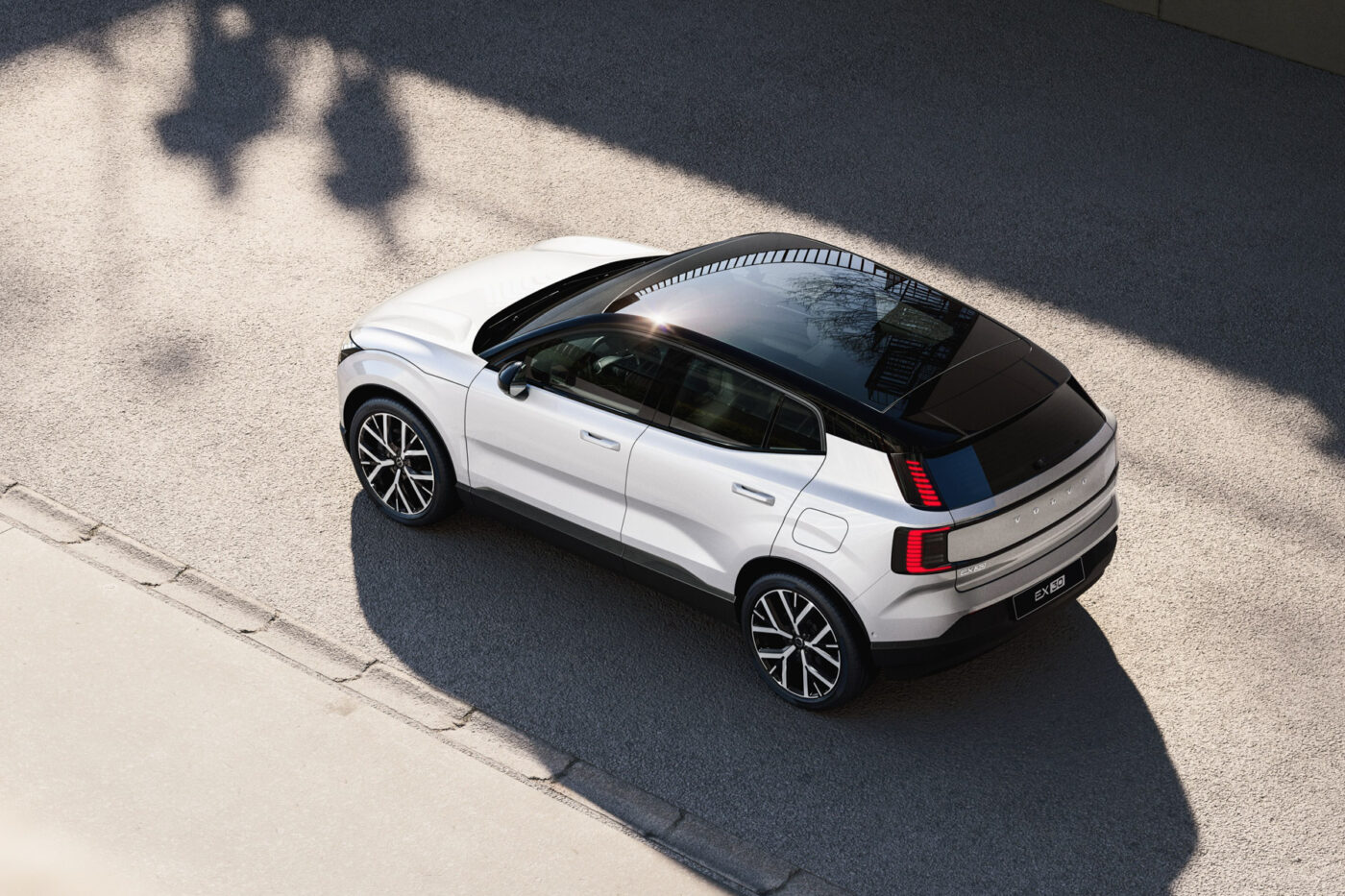
The new drivetrain variant features a 110 kW electric motor, combined with a 51 kWh battery, and is expected to deliver a range of 339 kilometres (WLTP). This is likely the same LFP battery used in the current entry-level model, which previously offered a WLTP range of 337 kilometres. The key difference lies in the power output: until now, the EX30 Single Motor delivered 200 kW, enabling the car to accelerate from 0 to 100 kph in 5.7 seconds. Volvo has not yet provided further details or pricing for the new variant, nor has it clarified the exact sales designation.
Volvo describes the new drivetrain as “the perfect entry option for the person who needs a premium electric experience for the everyday commute.” For drivers who wish to cover longer distances without charging stops, the drivetrains with the 69 kWh battery remain available, offering up to 476 kilometres of range, either with the 200 kW rear-wheel-drive or the 315 kW all-wheel-drive variant. The new 110 kW option will be offered alongside the 200 kW model with the LFP battery and is expected to be priced lower than the current €38,490 for the ‘Essential’ trim. This would make the new drivetrain the most affordable Volvo across all powertrains in the Swedish brand’s current portfolio.
Additional updates for the new model year include improvements to the operating system. “A new UX update improves access to the controls that matter most to you. A completely redesigned settings and controls system brings the right controls closer at hand,” Volvo explains. “a customizable content bar that lets you use the space for predictive actions or the actions most important to you.”
| Single Motor | Single Motor | Single Motor Extended Range | Performance | |
|---|---|---|---|---|
| Drivetrain | RWD | RWD | RWD | AWD |
| Power Output | 110 kW | 200 kW | 200 kW | 315 kW |
| Torque | – | 343 Nm | 343 Nm | 543 Nm |
| Acceleration | – | 5.7 s | 5.3 s | 3.6 s |
| Top Speed | – | 180 kph | 180 kph | 180 kph |
| WLTP Range | 339 km | 337 km | 474 km | 450 km |
| Battery Capacity | 51 kWh | 51 kWh | 69 kWh | 69 kWh |
| DC Charging Power | 150 kW | 150 kW | 175 kW | 175 kW |
| DC Charging Time 10-80% | 26 min | 26 min | 26 min | 26 min |
| Price | – | 38,490 Euro | 44,990 Euro | 51,890 Euro |
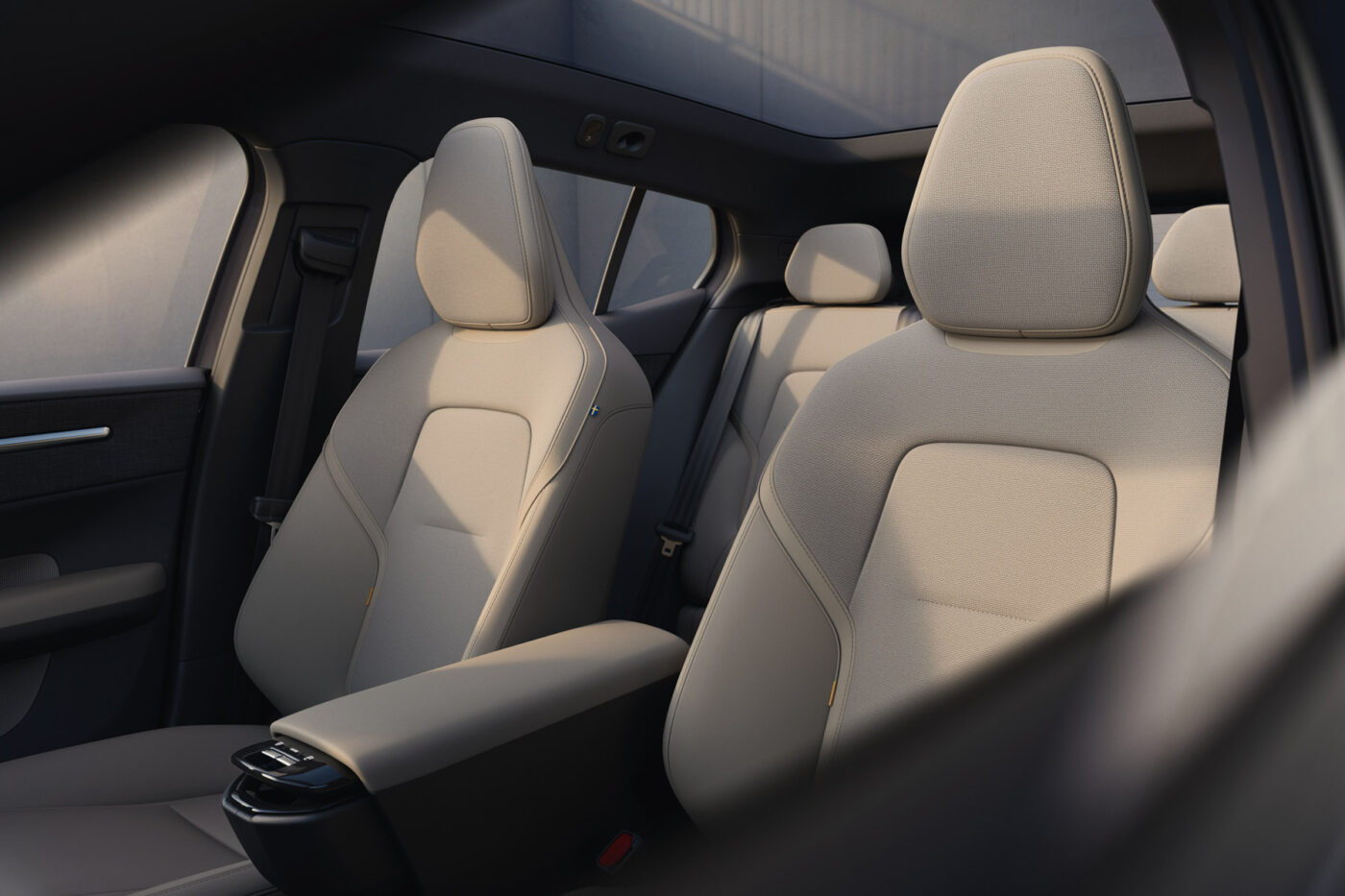
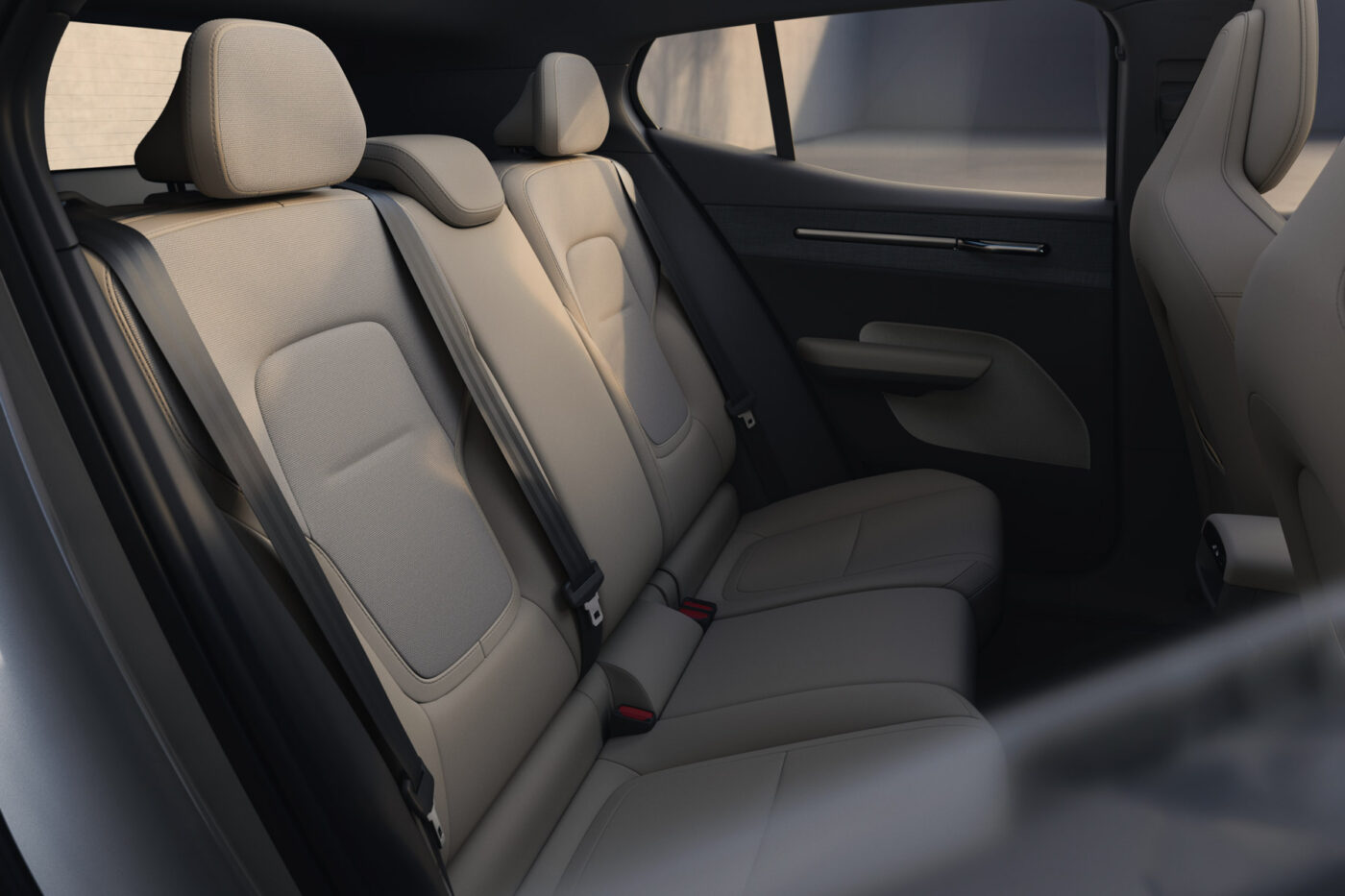
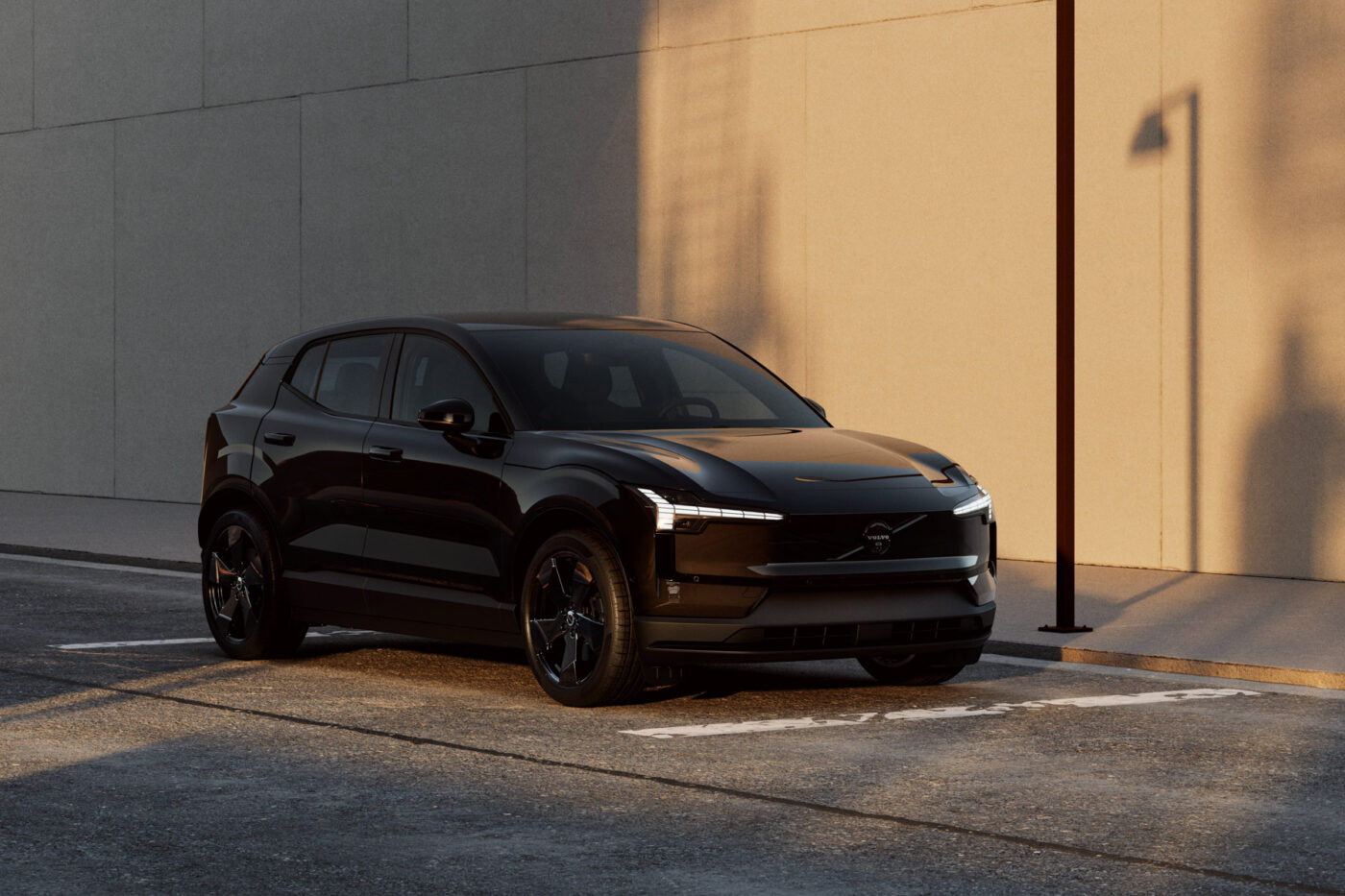
Additionally, two new interior design options are available: ‘Harvest’, which offers a “warm, bright aesthetic inspired by Scandinavian summer evenings,” and ‘Black’, which features an almost entirely black interior. The EX30 Black Edition is now also available with the new black interior. Three exterior colours are on offer: Onyx Black, Vapour Grey, and Crystal White.
Later this summer, the Vehicle-to-Load (V2L) function will be enabled via an over-the-air software update for new EX30 models and existing vehicles—though the car is already hardware-ready. However, the V2L function will initially be “available in selected markets.” Volvo has not specified the exact discharge power, but around three kilowatts is typical—sufficient for most consumer needs. The required V2L adapter will be available as an accessory, though pricing has not yet been announced.
Fundamentally, the EX30 is no longer based on a Volvo platform but on Geely’s SEA architecture. This means the EX30 shares the same drivetrain technology as the Smart #1 or Zeekr X. Initially, the EX30 was produced only in China, but vehicles for the European market are now manufactured at Volvo’s plant in Ghent, Belgium.

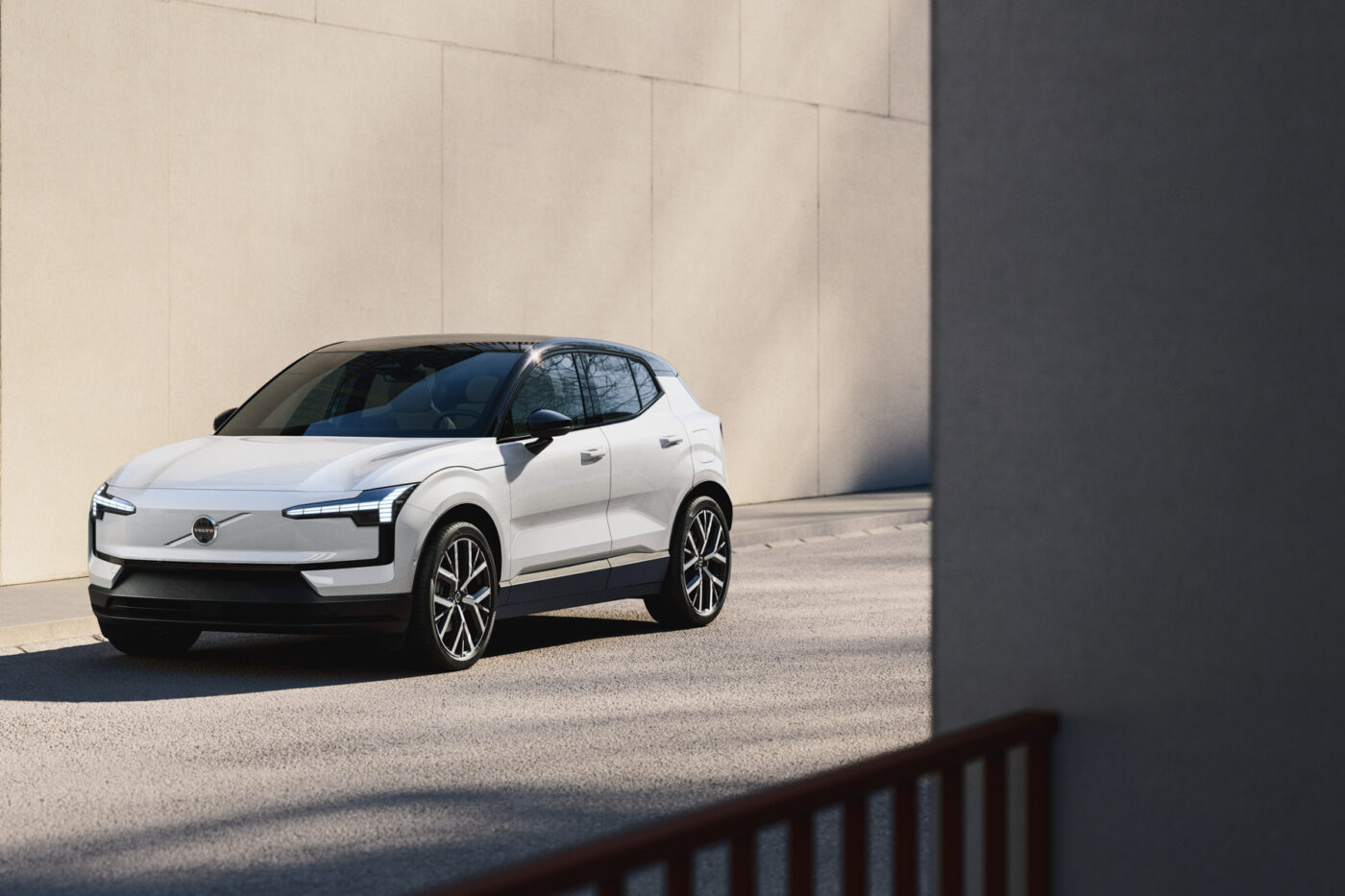

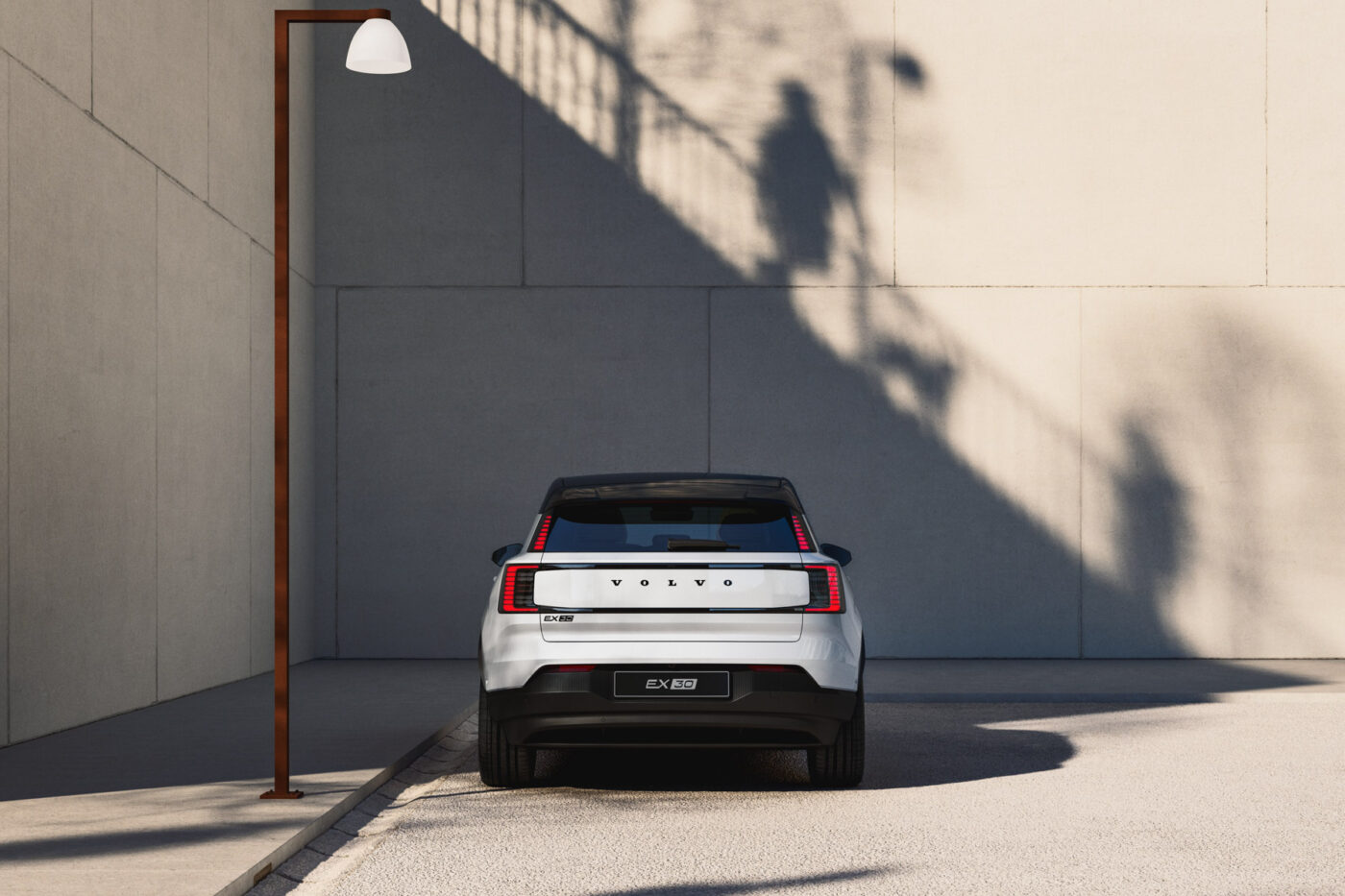
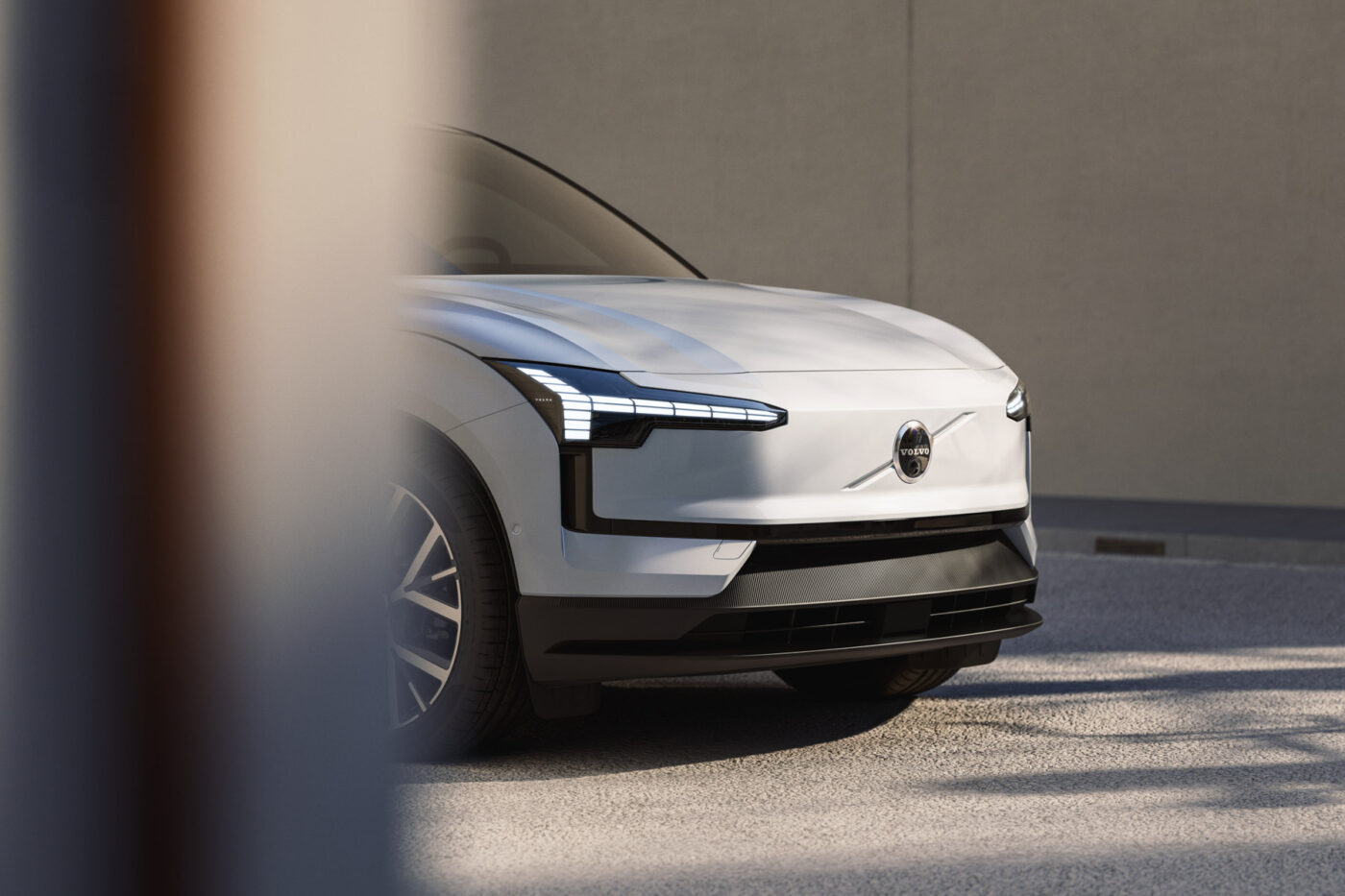
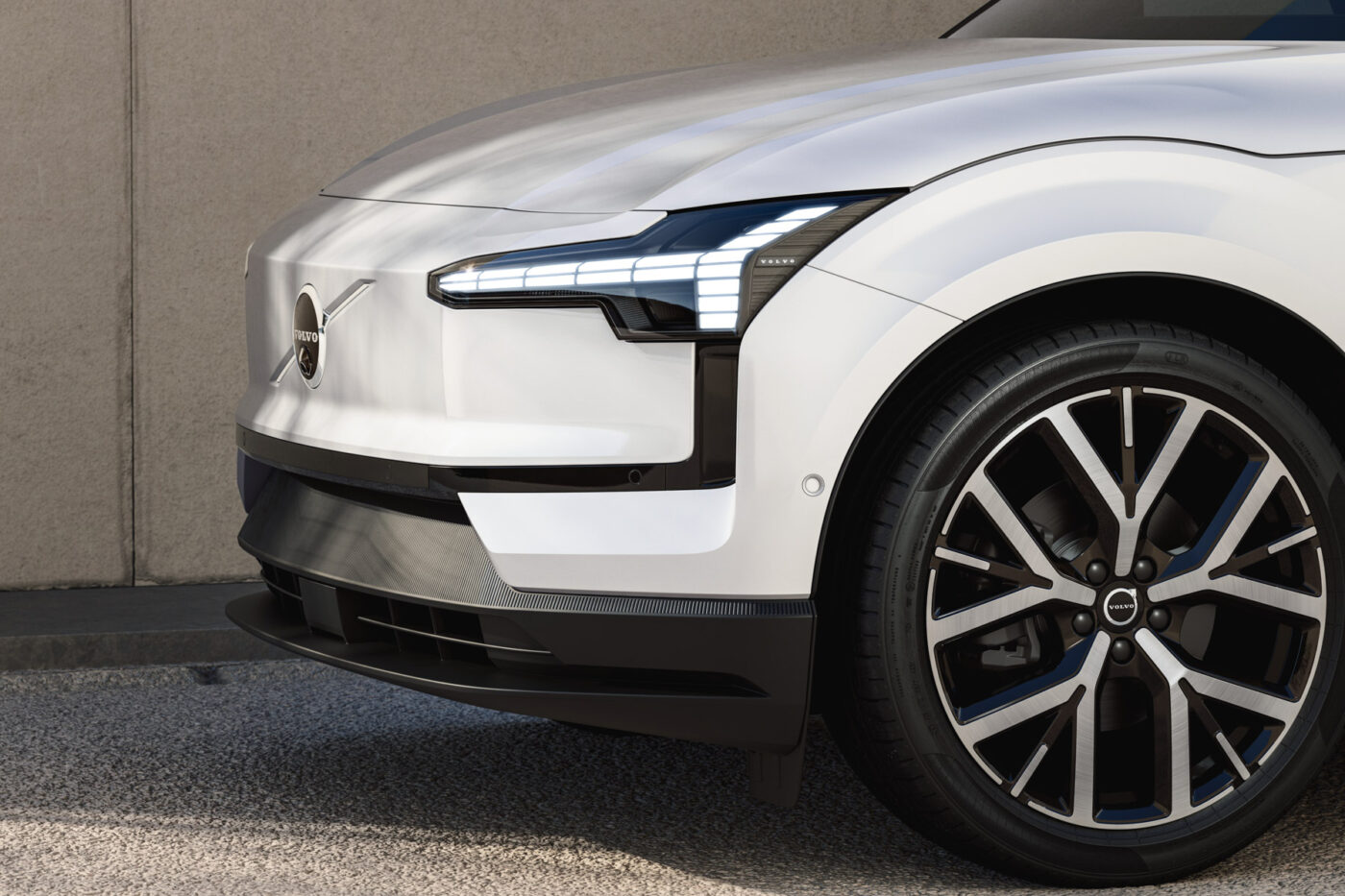
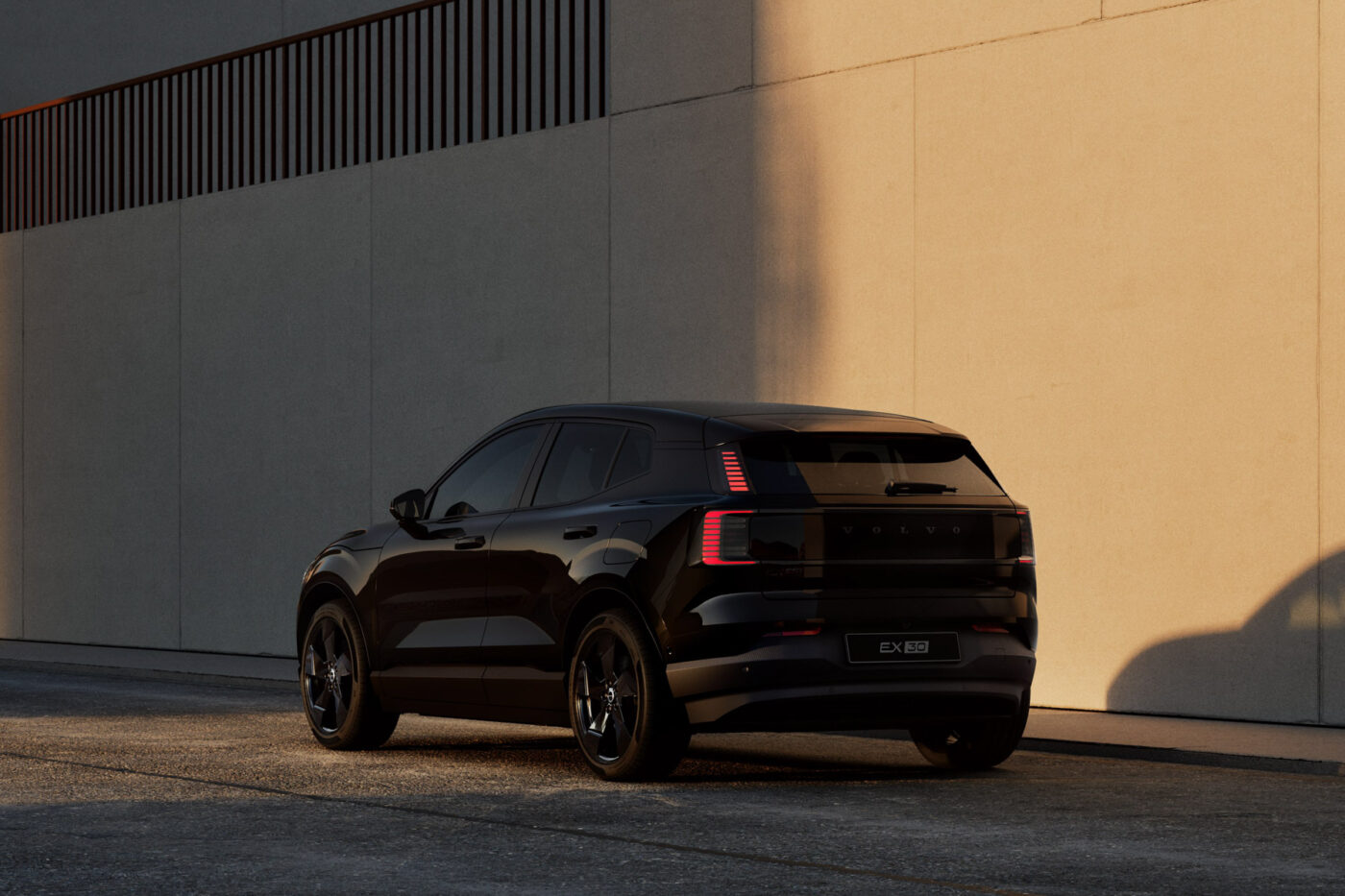
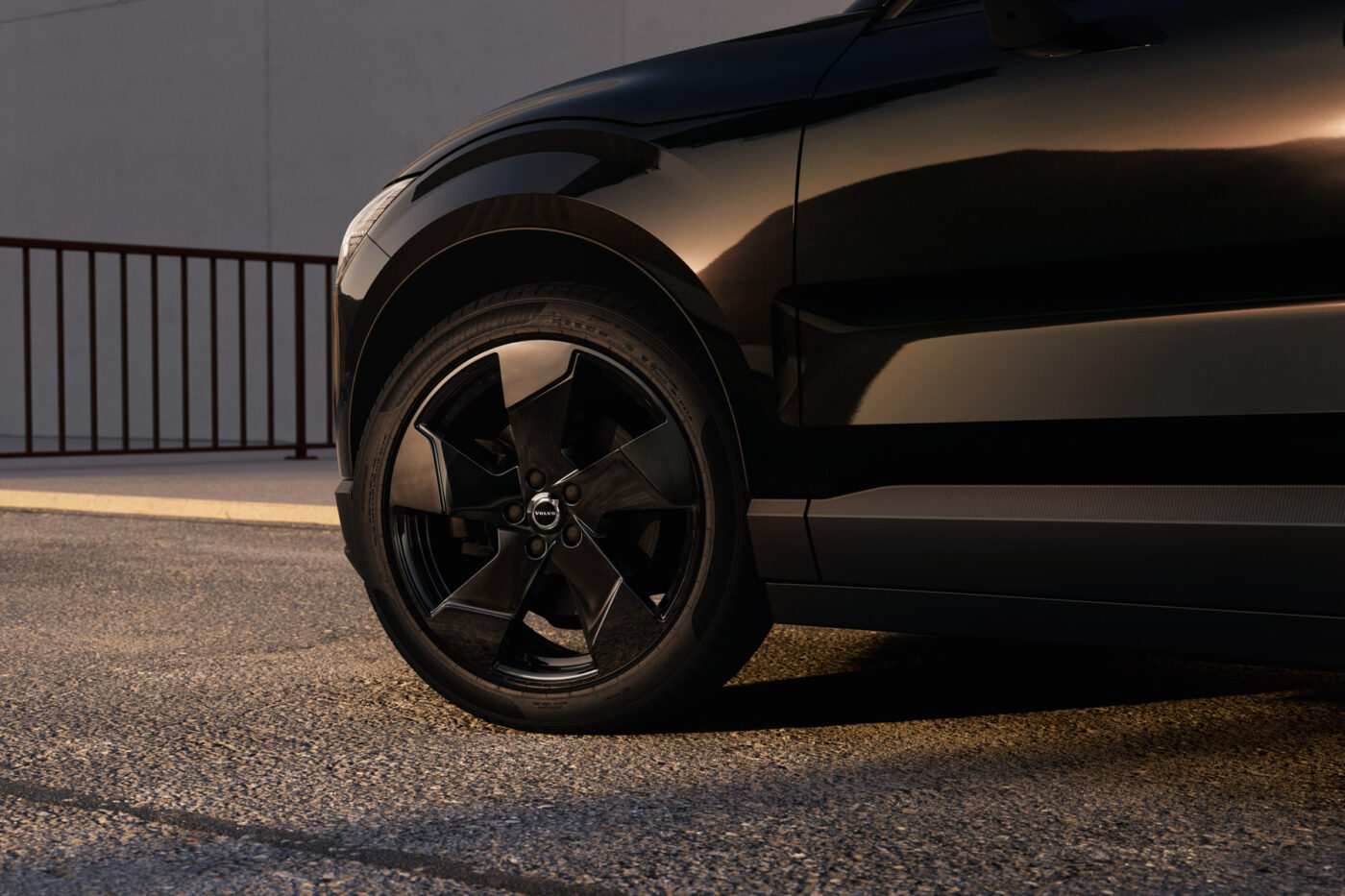
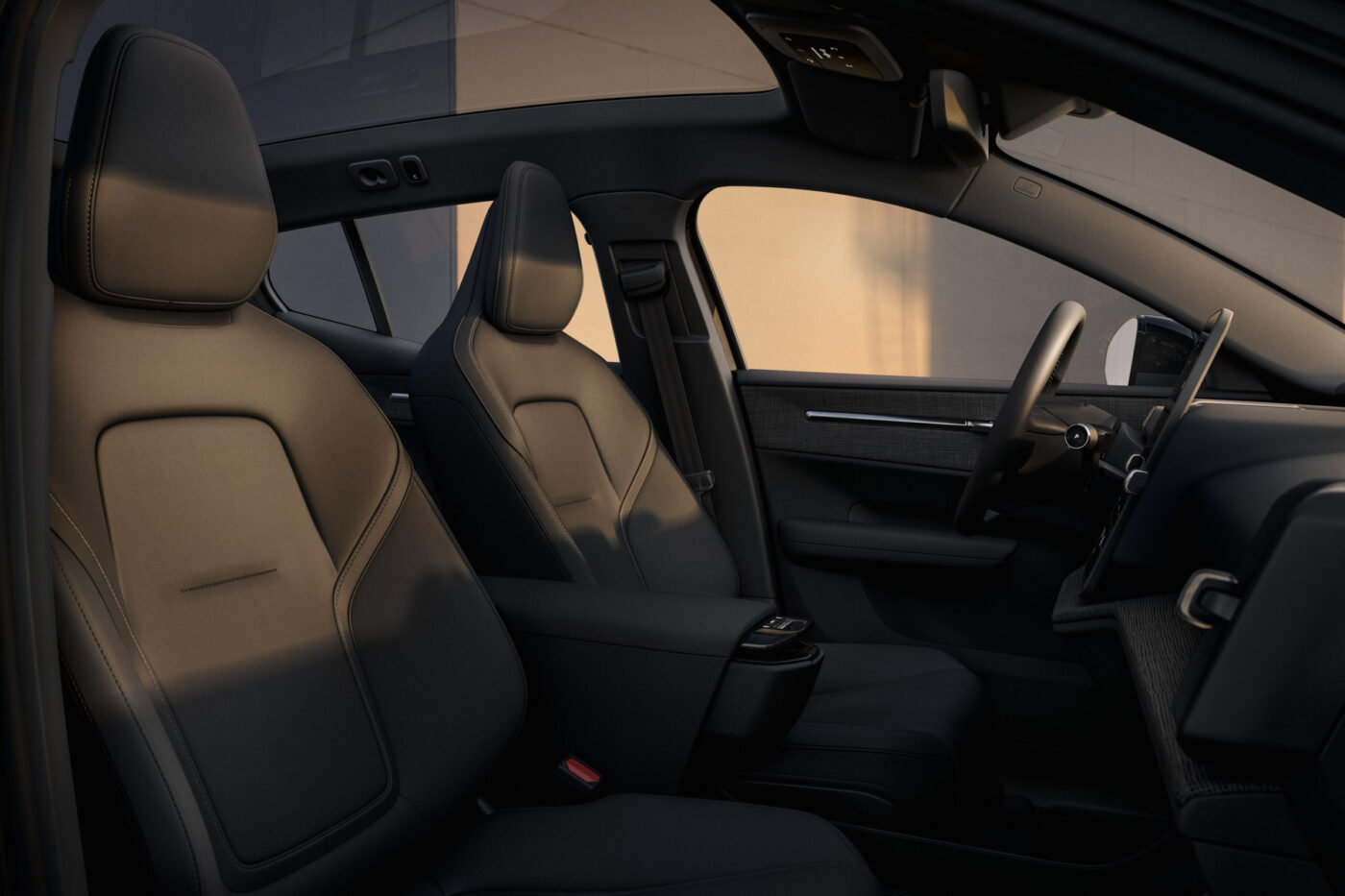
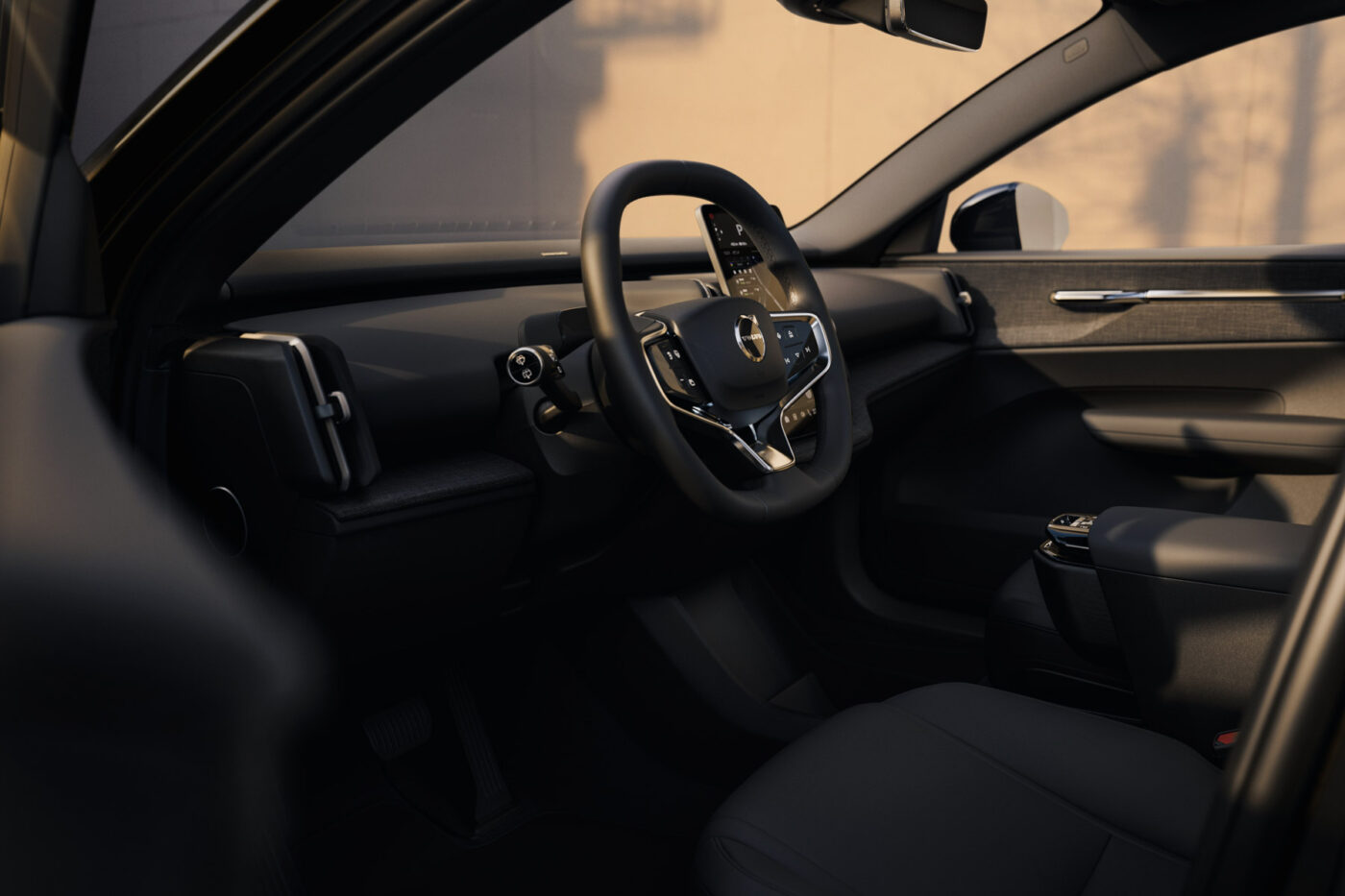
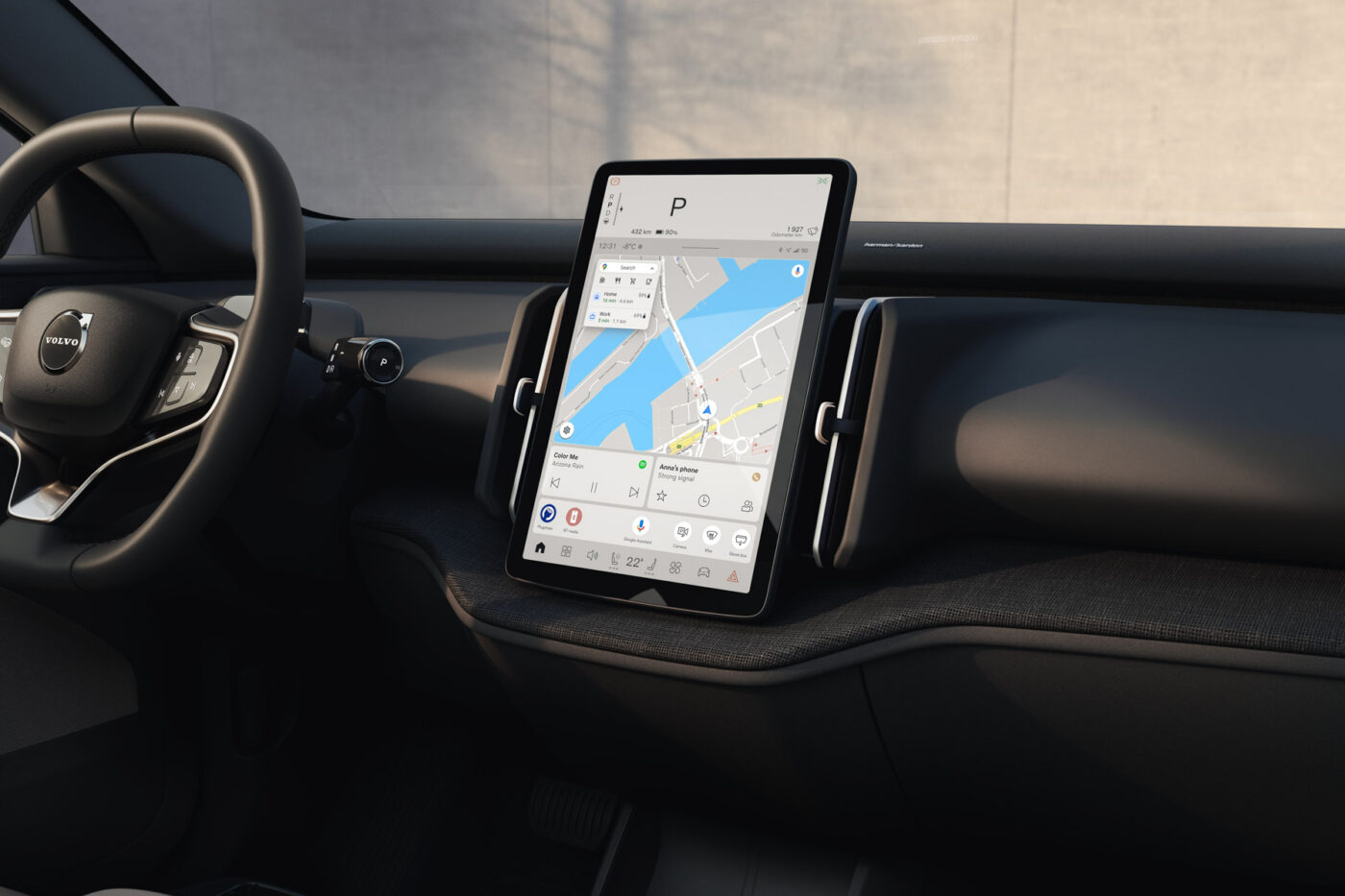
“Premium entry level electric cars are growing fast, and EX30 has been a leader in this segment since it was launched,” says Erik Severinson, Chief Commercial Officer at Volvo Cars. “The latest EX30 will further increase our addressable market in this segment, be a driver of electrified growth for Volvo Cars and attract more customers towards full electrification, together with our electrical options in all other size segments.”
Alexander Petrofski, Product Line Manager for the 30/40 series at Volvo Cars, highlights “big improvements to our smallest ever premium electric SUV.” “By enhancing the user experience, introducing new premium interior options and adding smart technology like the possibility to transform the car into a powerbank for charging other electrical devices, we’re making everyday life easier and more enjoyable,” says Petrofski.
1 Comment