



21 countries, 73,500 km: Scania engineer on electric long haul
Gaasedal’s ‘little roadshow,’ as he calls it, began with test work and developed into an internal and external briefing tour. The journey totals 21 countries and around 73,500 kilometres in a truck he refers to as ‘Pinus.’ The 45-year-old has been with Scania for nine years. His father was a truck driver, so this kind of work is in his blood, Gaasedal jokes.
At Scania, he works as a test engineer, including legal tests and certification work. “I work most with certifying aerodynamics,” he says, describing comparison tests used to verify fuel consumption and project targets.
His long-distance electric driving began as part of his day job – initially an aerodynamic test programme for an electric truck in Germany. “That was in the early days of driving electric,” he says. “I did not have a plan. I just got behind the wheel of the truck and headed to Germany. That was my first experience as a real electric truck (any EV actually) driver.”
For his day-to-day work, he says the driving has strengthened his perspective as an engineer and in customer discussions. “I say that I feel that I’m a better engineer because I’m driving a lot,” he says. “People who develop products should also be using them.” In customer dialogue, he says, first-hand experience changes the dynamic. “When I’m talking to customers, I gain respect quicker instead of just being this engineer who doesn’t know anything about your life,” Gaasedal says. “Then you can start to talk together more constructively.”
From certification work to ‘Scania BEV – Into the Wild’
According to Gaasedal, the roadshow was not a planned marketing activity, but grew out of practical testing and the demand for first-hand experience from within Scania and from customers. After the early trips, he compiled a presentation on the reality of long-haul electric truck operation.
The presentation, titled ‘Scania BEV – Into the Wild’, spread quickly. “I think I ended up doing that presentation about 50 times,” Gaasedal says. He attributes the interest to the lack of long-distance operating knowledge at the time and the value of measurable data. “People thought it was interesting to hear about how it was to drive long distances in an electric truck,” he says.
With each invitation, he chose to drive the electric truck to the event location, adding distance and additional charging experiences. “I was invited to different European countries,” he says. “I went to the Baltic countries first. And more time behind the wheel meant more stories, more experience I could share.”
Gaasedal describes the approach as a way to translate engineering predictions into operational proof. “I think especially customers really appreciated having these real-life numbers,” he says. “Because it’s hard to convince a customer only on paper. But when you arrive with your electric truck, in Vilnius, Lithuania, it helps.”
The early stage of the roadshow also involved charging in locations not designed for trucks. “There were almost no places for an electric truck to plug in,” Gaasedal recalls. “I had to rely on fitting my 17-meter truck into the normal car chargers. So sometimes I had to stand where I was probably not really allowed to stand with a truck.” He thus got to meet local authorities more than once. “Most of the time, it wasn’t an issue. But I did get to speak with a lot of police officers over the years.”
Acquiring more miles
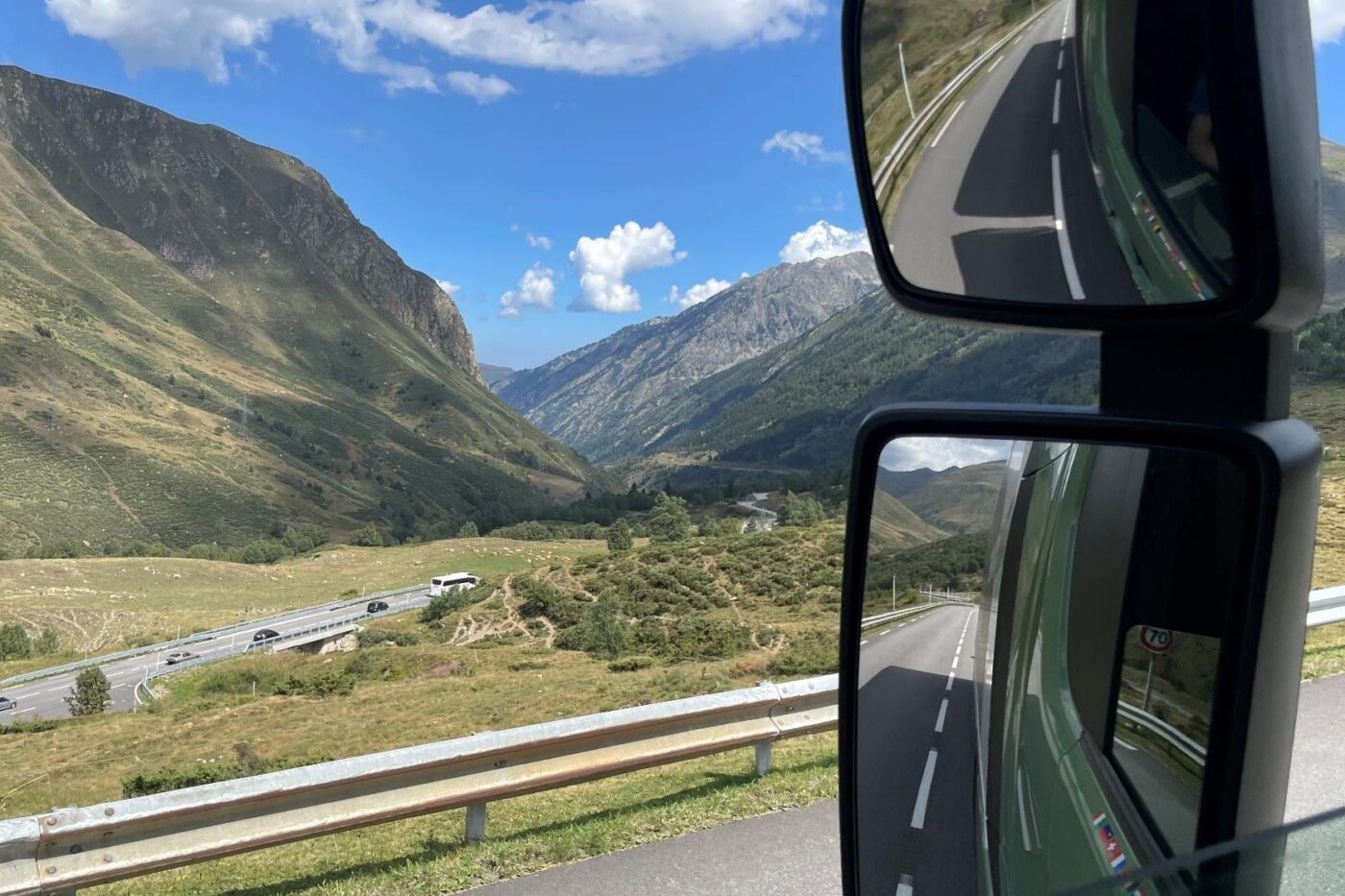
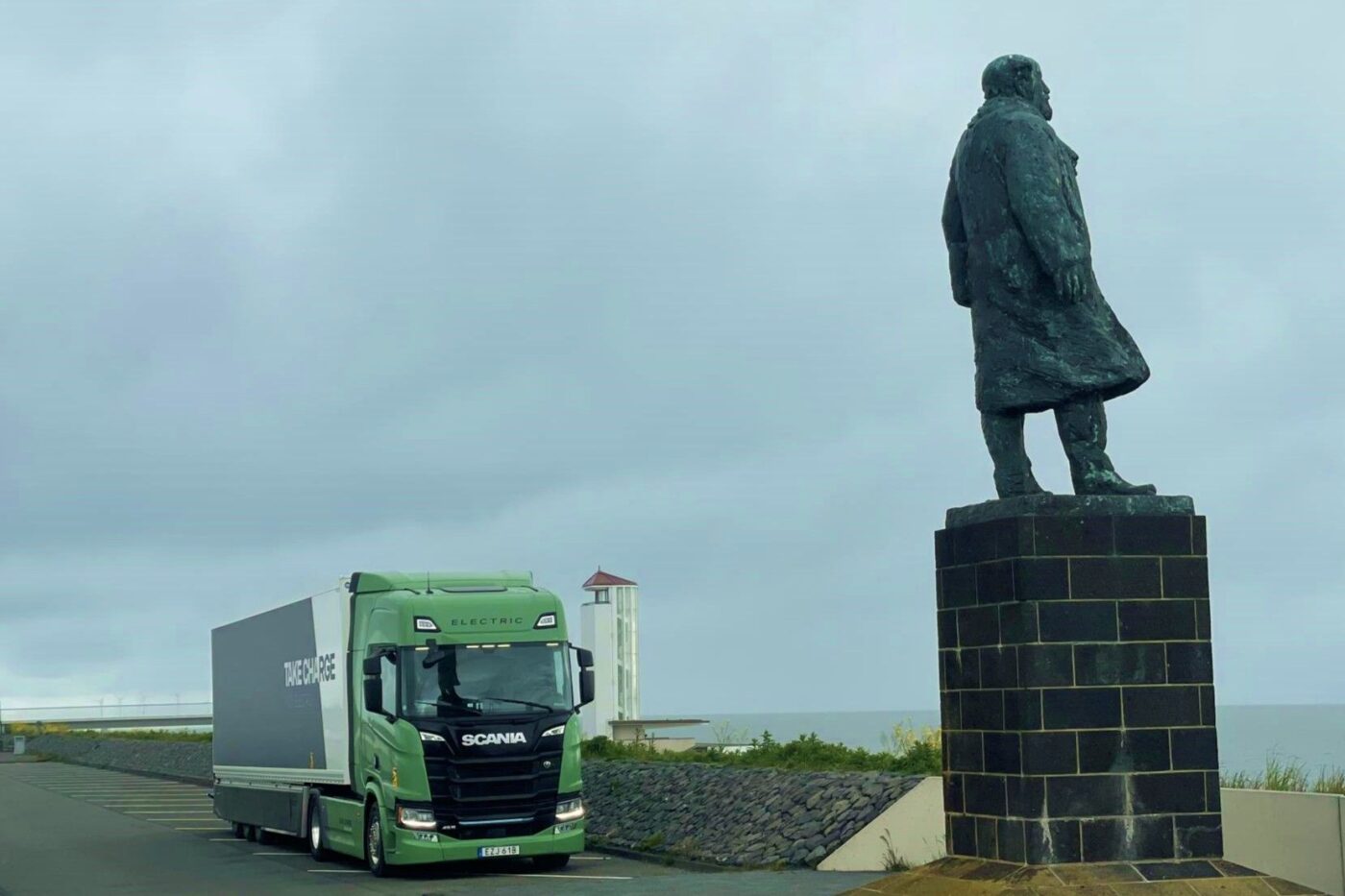
For Gaasedal, driving the truck himself resulted a travel log that covers Sweden, Denmark, Germany, Estonia, Latvia, Lithuania, Poland, Norway, Austria, the Netherlands, Belgium, France, Switzerland, Liechtenstein, Italy, Andorra, Spain, Luxembourg, the Czech Republic, Slovakia and Hungary – 21 countries in total. In one documented tour through seven countries, he reported 4,340 km at 27 tonnes, averaging 76 km/h and consuming 0.98 kWh/km.
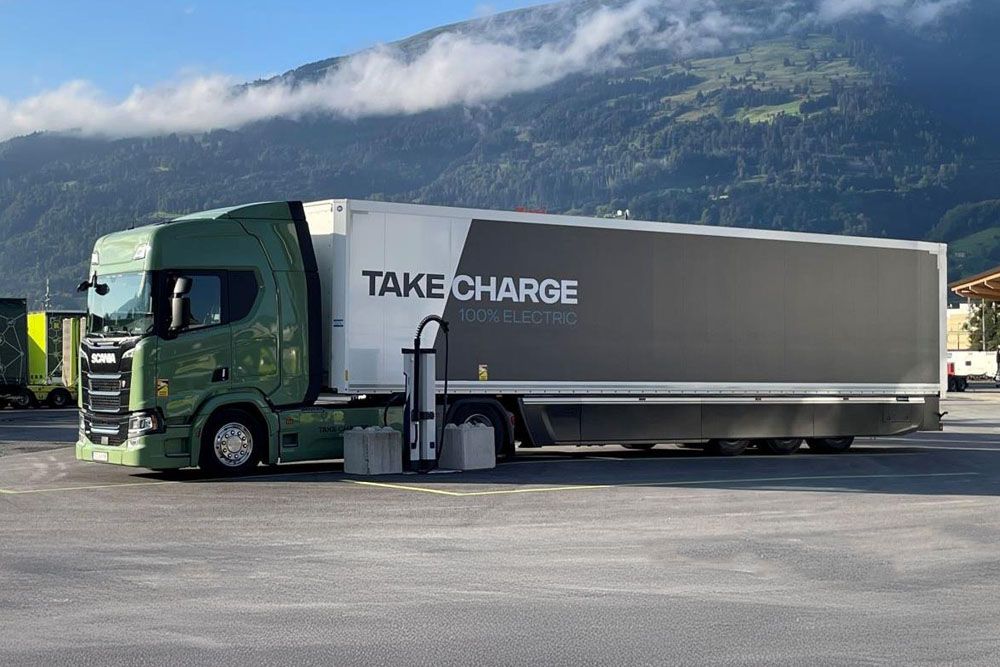
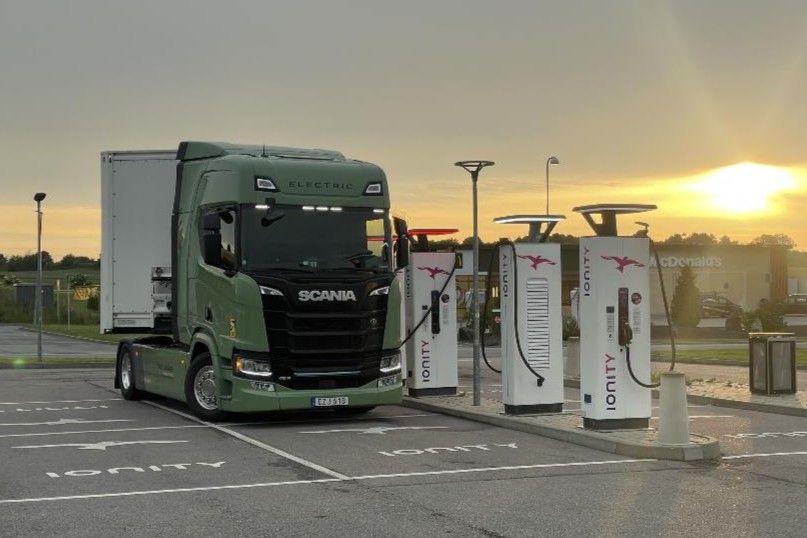
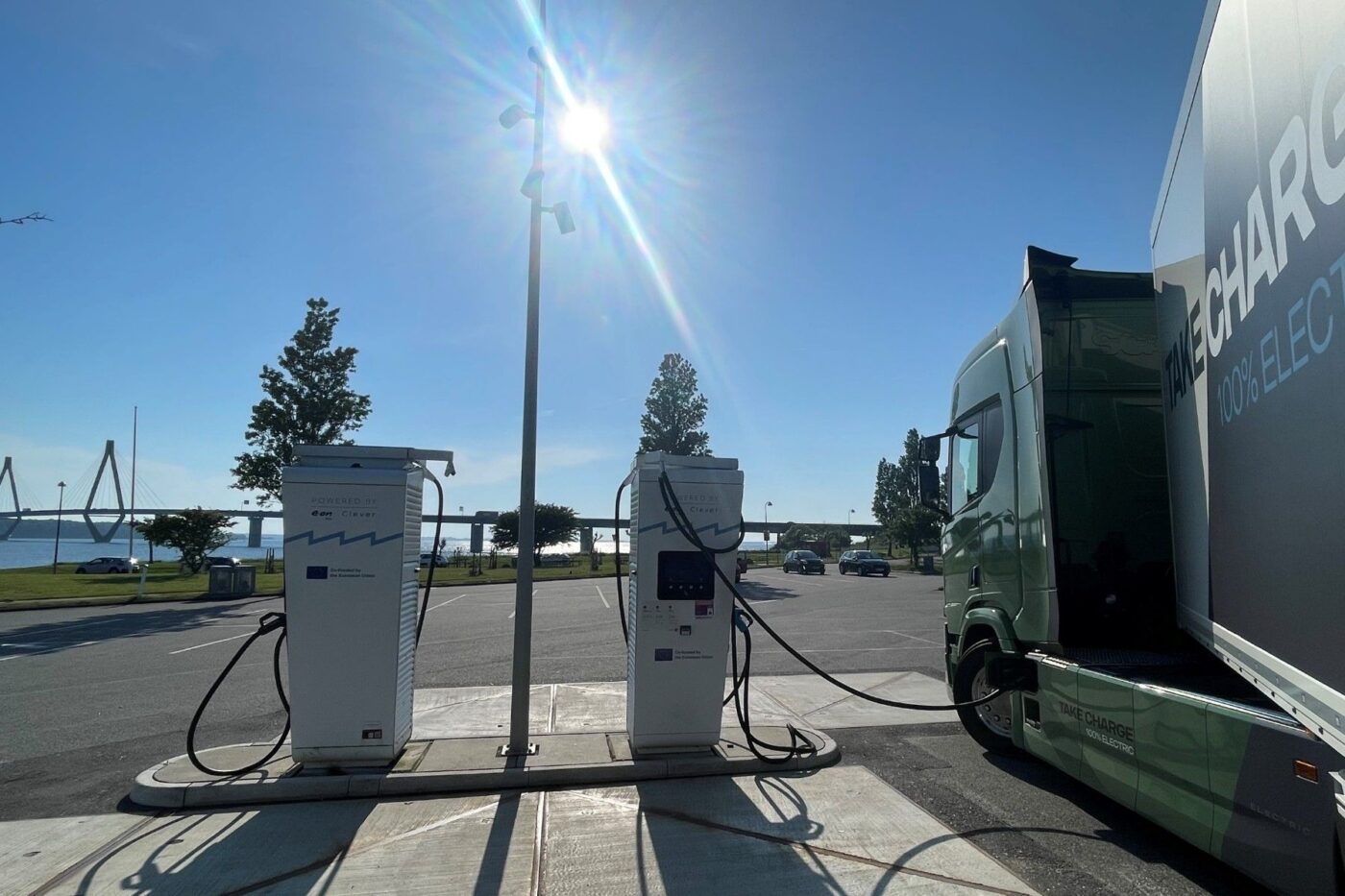
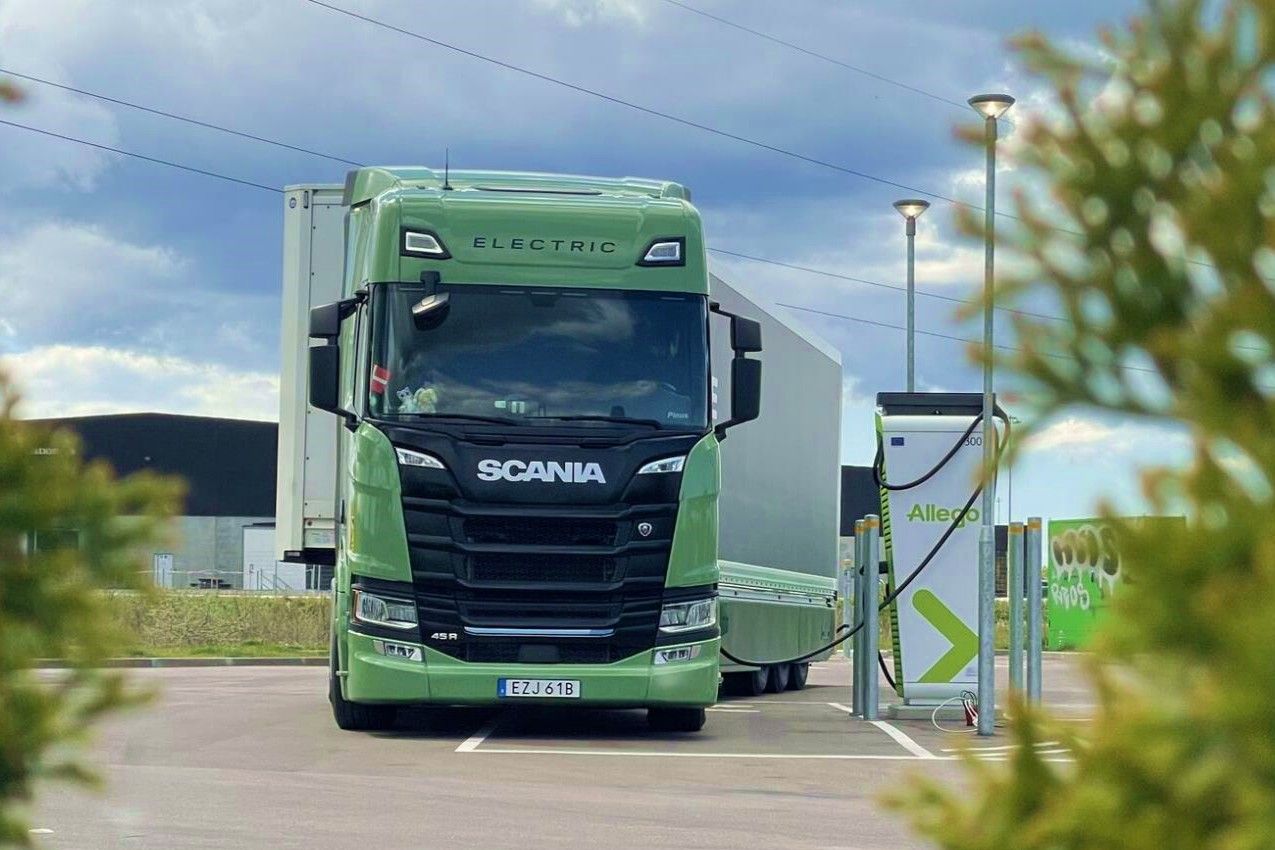

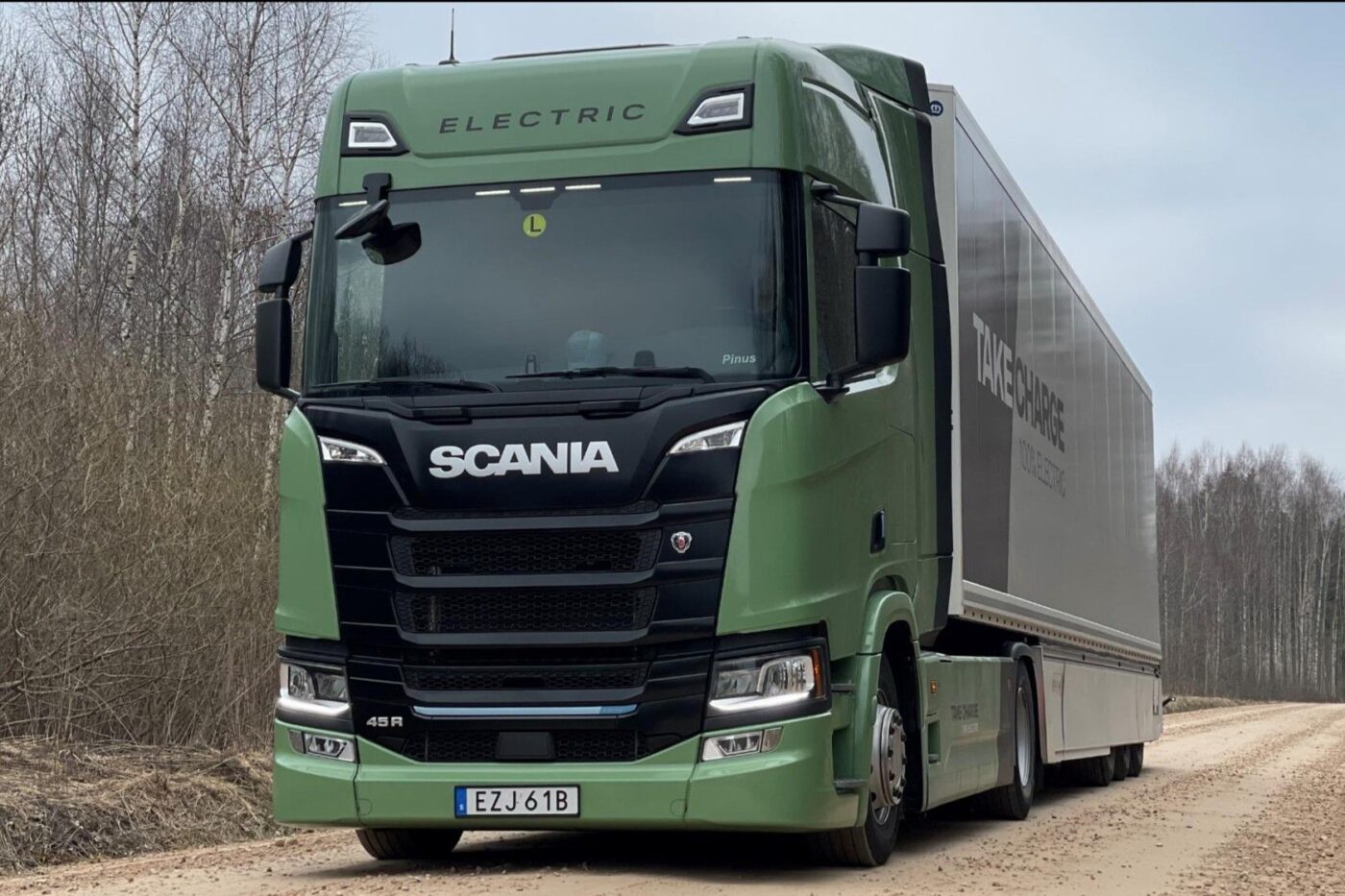
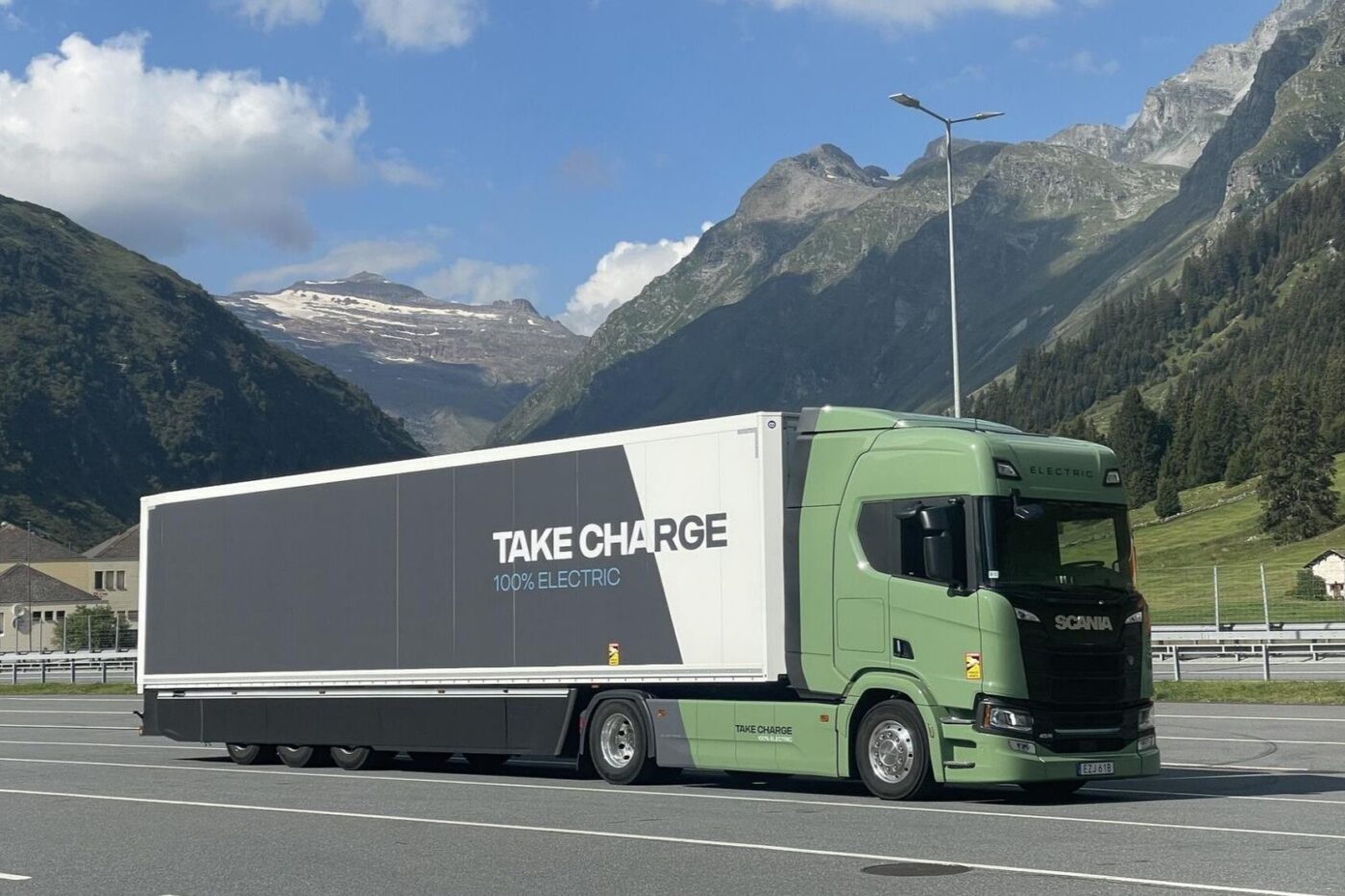
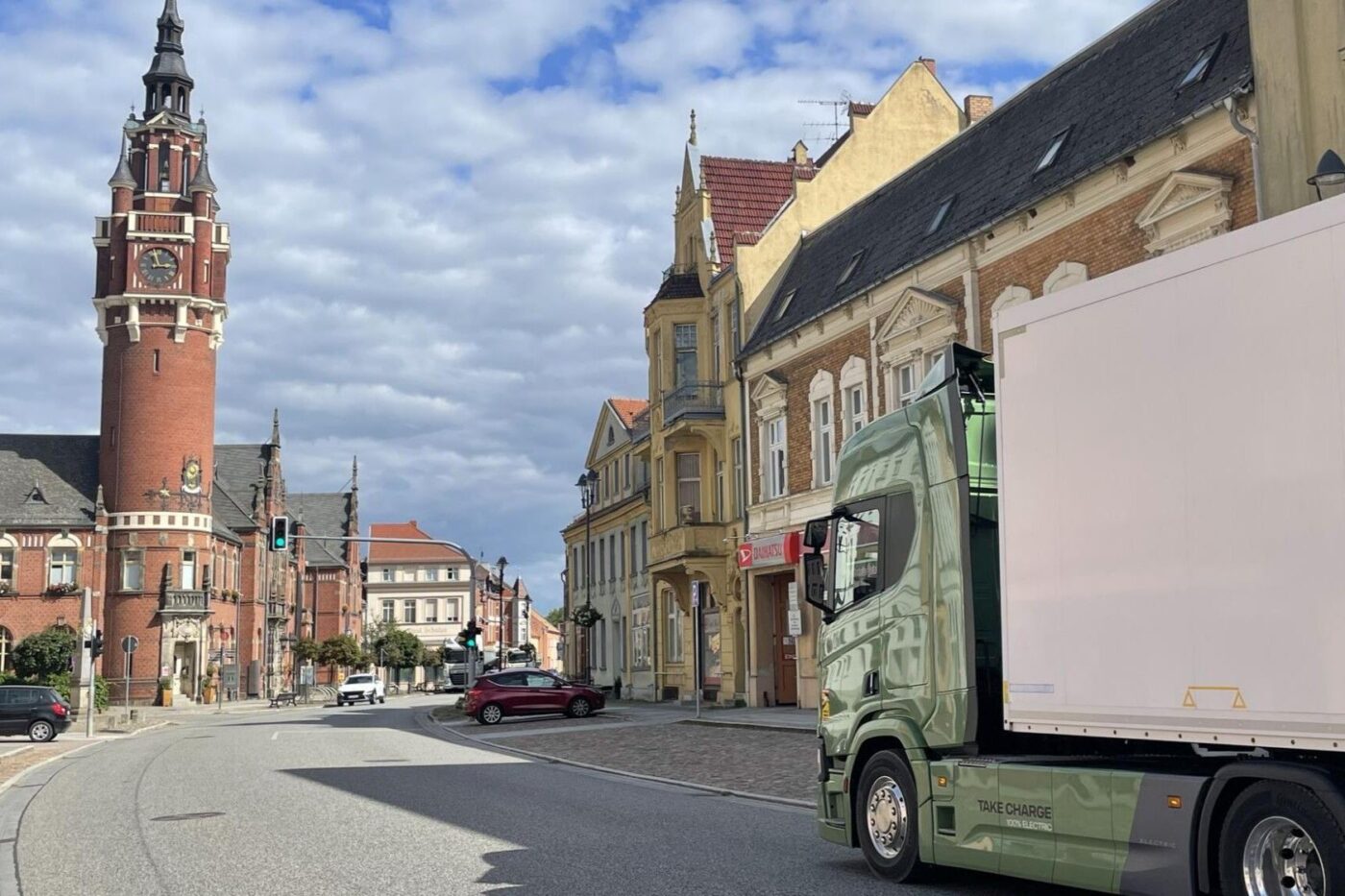
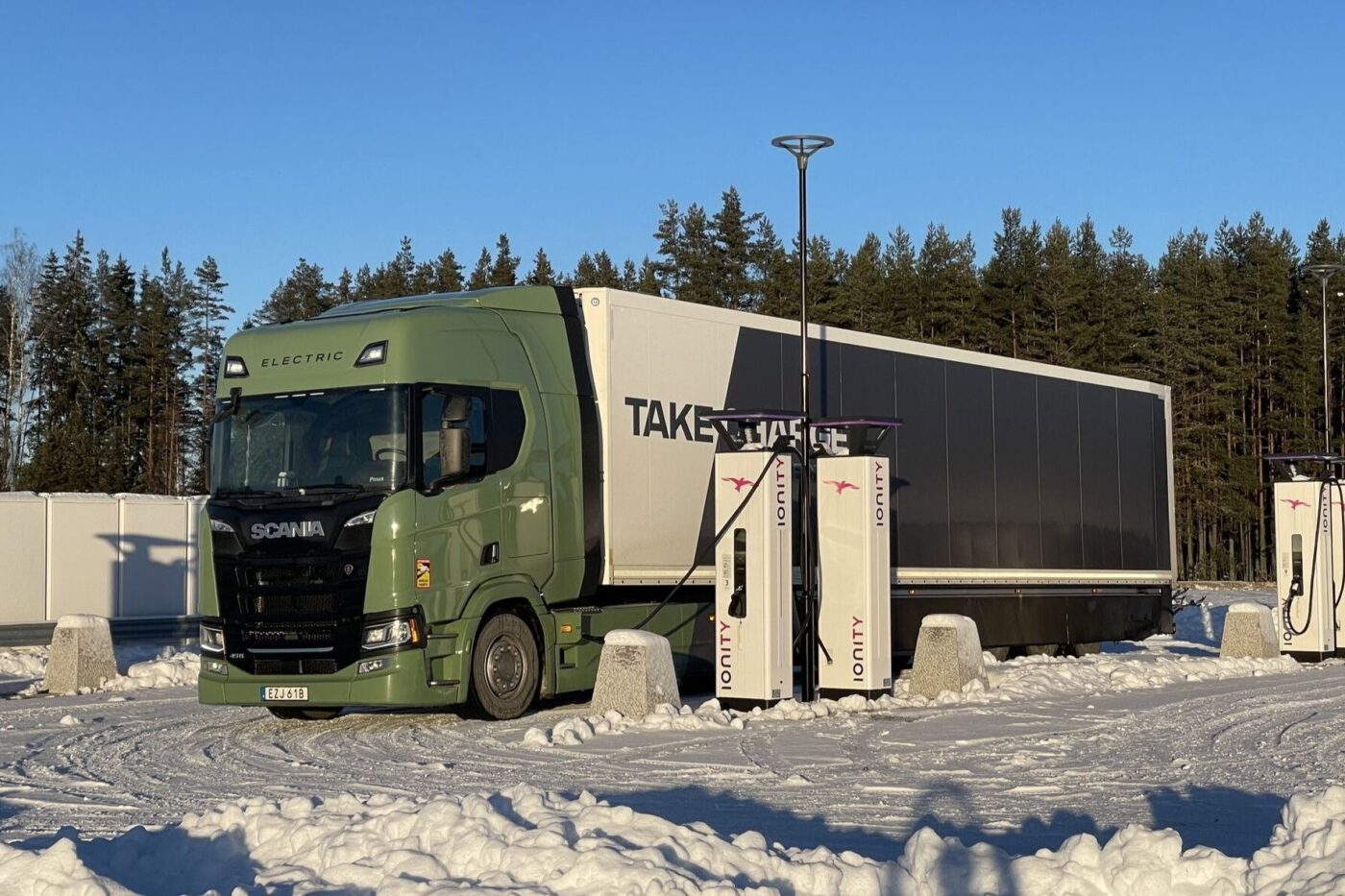
His main vehicle throughout is a Scania R45 battery-electric tractor unit. The designation refers to the R-cab and a 450 kW continuous drivetrain output, with more than 500 kW peak, and 624 kWh of installed battery capacity. Gaasedal notes that customers can choose a 75% or 83% state-of-charge window.
Asked how his own perception changed as the truck moved from test platform to ambassador vehicle, Gaasedal describes continuity more than conversion. “It actually hasn’t changed too much. Because, as an engineer, you always trust the numbers,” he says, adding that he knew the expected performance before driving and saw early confirmation on the road. “From the first hours of driving, I saw that it works. The numbers match up, actually exceeding the initial conservative estimates.”
He describes the learning curve as being more about extending boundaries than testing basic viability. “It was more about continuing and challenging yourself to go all the way until the batteries are empty, trying to find the cheapest chargers, or going to the craziest places,” he says.
Making a case for Total Cost of Ownership
“I think what really makes a difference is that everybody has seen that electric trucks actually performbetter than first anticipated,” he says. Gaasedal adds that this is not unique to one brand, describing a broader trend in heavy-duty electric vehicles.
Across his posts and event presentations, Gaasedal has repeatedly published trip data, typically reporting energy consumption in the range of 0.94–0.98 kWh/km in mixed autumn and winter conditions and at highway speeds. He links the operational relevance of those figures to the business case fleets are building.
Professional operators also soon trust the numbers, Gaasedal says. “They also see that the numbers add up,” he says. “They quickly start trusting the truck and that they won’t suddenly lose 200 kilometres of range.”
Charging price dispersion has also become more visible as networks expand. “In the beginning, I was happy just to find a charger and to be able to plug in somewhere. I paid whatever it costs,” Gaasedal says. “But now you start to choose. You want the cheapest one or the one that fits best with your time.”
He cites specific examples from his trips. “I went to Spain, and I saved about 1,000 euros on a trip to Spain from Sweden only on ’fuel’ and road tolls,” he says, describing the effect of selecting lower-cost charging options. “Sweden to Germany, I think, I also managed to save about 28 cents per kilometre without sacrificing my driving schedule.” He links the number directly to annual mileage and repeatability. “Many Trucks are doing 100-150,000 kilometres a year. So it adds up.”
On the vehicle side, Gaasedal also sees downward pressure on acquisition cost as battery pricing develops, while acknowledging that the initial purchase price remains higher than diesel trucks.
So why hesitate?
From his discussions with fleet operators and drivers, Gaasedal says there is still a recurring misconception about charging time. “Many truck drivers think that charging takes half a day and that they have to stand still for hours to charge,” he says. “That is of course not the case.”
Instead, he emphasises alignment with regulated breaks. “You can normally recharge more than 50% within your 45-minute break, giving you enough energy to cover the next 4.5-hour driving period,” Gaasedal says. “So it works really good for trucks because you drive four and a half hours, then you have to stop for 45 minutes. That’s your charging time.”
For winter operation, he says questions are common and often based on passenger-car experience. “Many think that range goes down in the winter,” Gaasedal says. He acknowledges seasonal impact but describes it as less disruptive than many assume. “It is true, you have a lower range. But it does not affect trucks as much as passenger cars.” He adds that the range Scania communicates is generally the minimum and thus no problem for the truck, even in sub-zero temperatures.
Moreover, trucks need less time to precondition the batteries since the vehicles tend to be on the road more. Meaning the batteries have less time to cool off. However: “It is colder, so the aerodynamic increases. Tyres get colder, they get stiffer, they take more energy. Road conditions are worse with water or snow, which also causes more resistance.” But that is true for trucks and cars.
Driving style is another recurring topic in customer conversations. Gaasedal says he intentionally operates ‘at normal motorway pace’ rather than demonstrating only economical driving. “Trucks are allowed to go 80 km/h, but all trucks go 90 km/h more or less,” he says. “When I’m talking to customers, I can say that I am following the pace of the other trucks.”
And in any weather, Gaasedal highlights recuperation as a notable operational advantage in heavy-duty use. “You recuperate a lot more in a truck than in a car,” he says. “In trucks, you’re braking a lot because of the weight.” From one long-distance trip, he reports: “I went to Spain with some hilly detours over the Alps and Pyrenees, and I recuperated more than a third of my energy.”
Trust the charger
Gaasedal’s route selection across Europe included numerous charging operators, such as Milence, Ionity, Allego, Aral Pulse, Einride and Circle K. Over time, he says availability has become less of a limiting factor on many corridors, particularly in Central and Northern Europe. But there is still room to grow.
“We definitely need more chargers,” he says. “I would say, right now, there are sufficient chargers for the low number of trucks on the road.” He emphasises that to date, he has never had to wait to plug in.
However, Gaasedal has adapted his charging routines to avoid peak congestion at mixed-use sites. “I try to avoid rush hour, especially if I’m going to a charger that is not a truck charger,” he says. “I don’t go to a public car charger at noon.”
Geographic differences remain visible, particularly in markets where electrification is progressing more slowly. “In Spain and Italy, in southern Europe, for example, there are not that many chargers, especially for trucks,” Gaasedal says. “In Central Europe and Northern Europe, there are good options and it works out very good.”
From a fleet perspective, he repeatedly returns to usability, speed of payment, and reliability as core factors in whether charging networks can support daily operations. “It has to be easy for truck drivers because truck drivers are stressed. Every minute counts for them,” he says. In his view, the user experience must match the realities of regulated breaks and tight schedules. “You cannot fiddle with a charging app,” Gaasedal says. “It’s very important that you have easy payment methods.”
Beyond the uptime and availability of charging networks, he argues that more transparent, integrated information is still required for heavy-duty operation. Information about charging stations needs to be integrated in the vehicle’s navigation system, he argues. Similar to passenger cars. But truck drivers always need to use an app, which is not always possible. “So you don’t plan in your truck, and you don’t get the messages in your truck that maybe these chargers are available.”
He links dependable access to charging with another operational behaviour: using a larger share of the battery between stops. “When you know your truck, your route and your charger, then you dare to use more of a battery,” Gaasedal says. “You don’t need a plan B.”
Comfort as a selling point
While much of Gaasedal’s roadshow has focused on measurable operational parameters, he also highlights driver comfort as a material difference in daily work. “It is extremely quiet and comfortable,” he says of electric trucking. He refers to his father’s long driving career as an example of occupational exposure. “He has a bit of tinnitus – likely from sitting on an engine his whole life,” Gaasedal says. “I think stuff like that will change when you have a quiet drive.”
He also connects cabin comfort with fatigue over long shifts. “You’re less tired after 10 hours of driving,” he says, and suggests that the change may influence recruitment. “I’ve heard some that some drivers specifically start to look for jobs for electric trucks, probably the younger generation,” says the Scania engineer.
Next stop TBD
So will he keep driving? Yes, though he does not know what his next destination will be. “It was never a planned tour,” he says. So it just depends on who requests his presentation next. He frames his time behind the wheel as an addition to his engineering work rather than a separate role. “It’s very sporadic in a way, because it’s not really my job, it’s just kind of trying to fit it in,” Gaasedal says. “But it’s driven by passion.”
0 Comments