



World premiere of the Mercedes VLE: How the electric van aims to escape its niche
Battery-electric vans remain a niche market. For some customers, they already integrate seamlessly into daily use without major compromises. However, this is often not the case, and there are several reasons why.
Typically, vans for private customers share their technology with light commercial vehicles, but in the electric sector, business customers have entirely different requirements for their electric vans. Tradespeople and delivery services usually operate within a very limited radius and choose their vehicles based on practicality rather than emotion—the price is the decisive factor. The expensive battery is thus usually only as large as necessary for daily delivery routes, with 300 kilometres of WLTP range often being more than sufficient.
The vehicle is generally charged (slowly) overnight. Private customers, who expect passenger car standards for range and charging performance in their technically almost identical electric vans, are often disappointed. The differences between commercial vehicles and passenger car derivatives are costly to develop and thus increase the vehicle’s price. Building electric vans and transporters on passenger car platforms also requires compromises elsewhere—see, for example, the payload of the VW Commercial Vehicles ID. Buzz Cargo.
This reluctance is also reflected in the sales figures of Mercedes-Benz Vans. While the Stuttgart-based manufacturer increased electric van sales by 46 per cent in 2025 – outperforming the passenger car division, where EV deliveries declined – the overall electric share remains modest. Of more than 359,000 vans delivered, 28,500 were electric, corresponding to a share of around eight per cent.
Thomas Klein aims to change this. As Head of Mercedes-Benz Vans, he has introduced the VLE, a model designed to eliminate, or at least significantly reduce, the compromises mentioned above. With over 700 kilometres of range and short charging times thanks to 320 kW charging power, the VLE even surpasses the Stuttgart manufacturer’s current SUV models—let alone the predecessor EQV, which still had to make many compromises inherited from internal combustion engine vehicles.
“The VLE marks the beginning of a new era at Mercedes-Benz. It elevates everything our customers know and appreciate to a new level,” said Klein. “The combination of the versatility of an MPV, the driving comfort of a saloon, and a comprehensive spatial experience makes it absolutely unique in the segment of vehicles with up to eight seats.”
The VLE is the first model based on Mercedes-Benz Vans’ new VAN.EA platform and is positioned at the equipment level of the Mercedes E-Class—hence the ‘E’ in its name. A second model, the significantly more luxurious VLS, which will serve as the S-Class equivalent in the van segment, is set to follow.
The platform
For Mercedes-Benz Vans, the premiere of the VLE is far more than the introduction of a new model—the first series of the VAN.EA is extremely important.
“It is the first time in years that we at Mercedes-Benz have been able to develop a new van model from a blank sheet of paper, allowing us to design the vehicle from the ground up to meet our requirements,” said Klein. The compromises made in previous models had long since shown their effects. Not so with the VLE, according to the van chief.
The company describes the new platform as a ‘modular, flexible, and scalable van architecture.’ Much like in the passenger car sector, the focus is no longer on fixed vehicle platforms onto which different bodies can be mounted. Instead, the platform itself is designed to be so flexible and adaptable that it can meet diverse requirements without significant additional effort—or major compromises.
That means that both a cost-optimised base VLE and a premium version with high-end equipment are easily achievable, as we will explore later in the text. A Vito derived from the VLE, or even the luxurious VLS, can also be optimised for their specific requirements while still being based on the same platform.
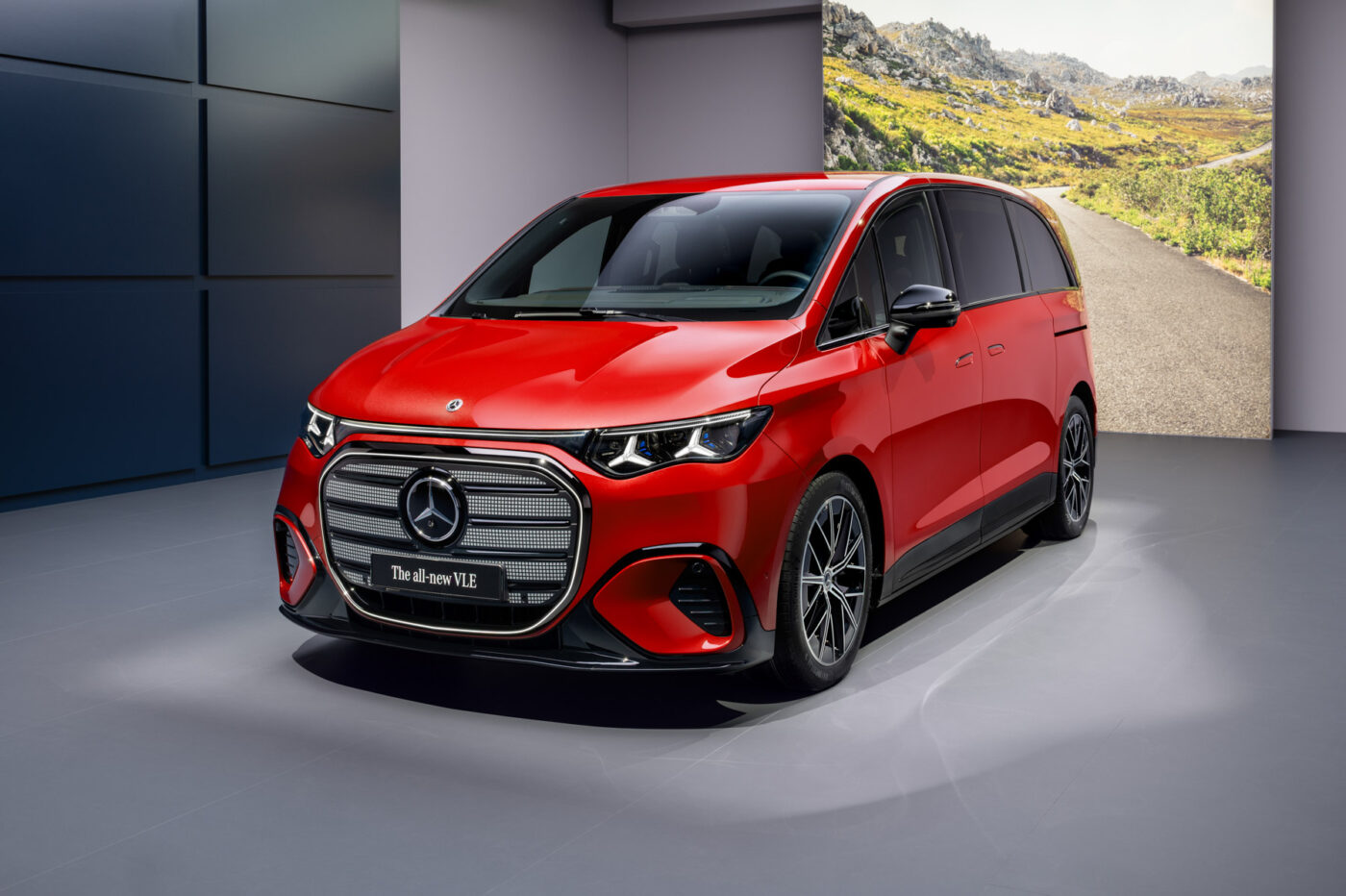
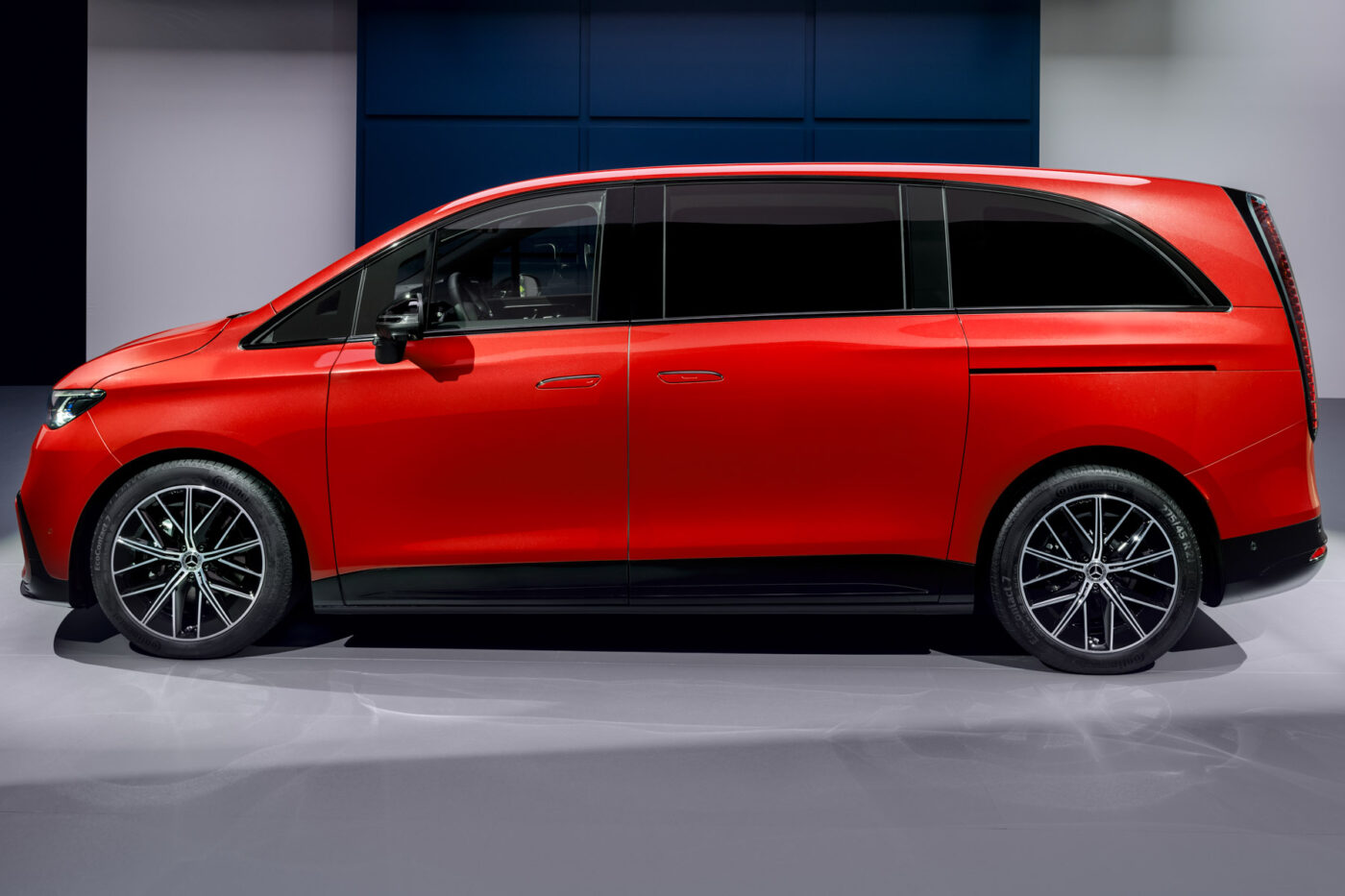
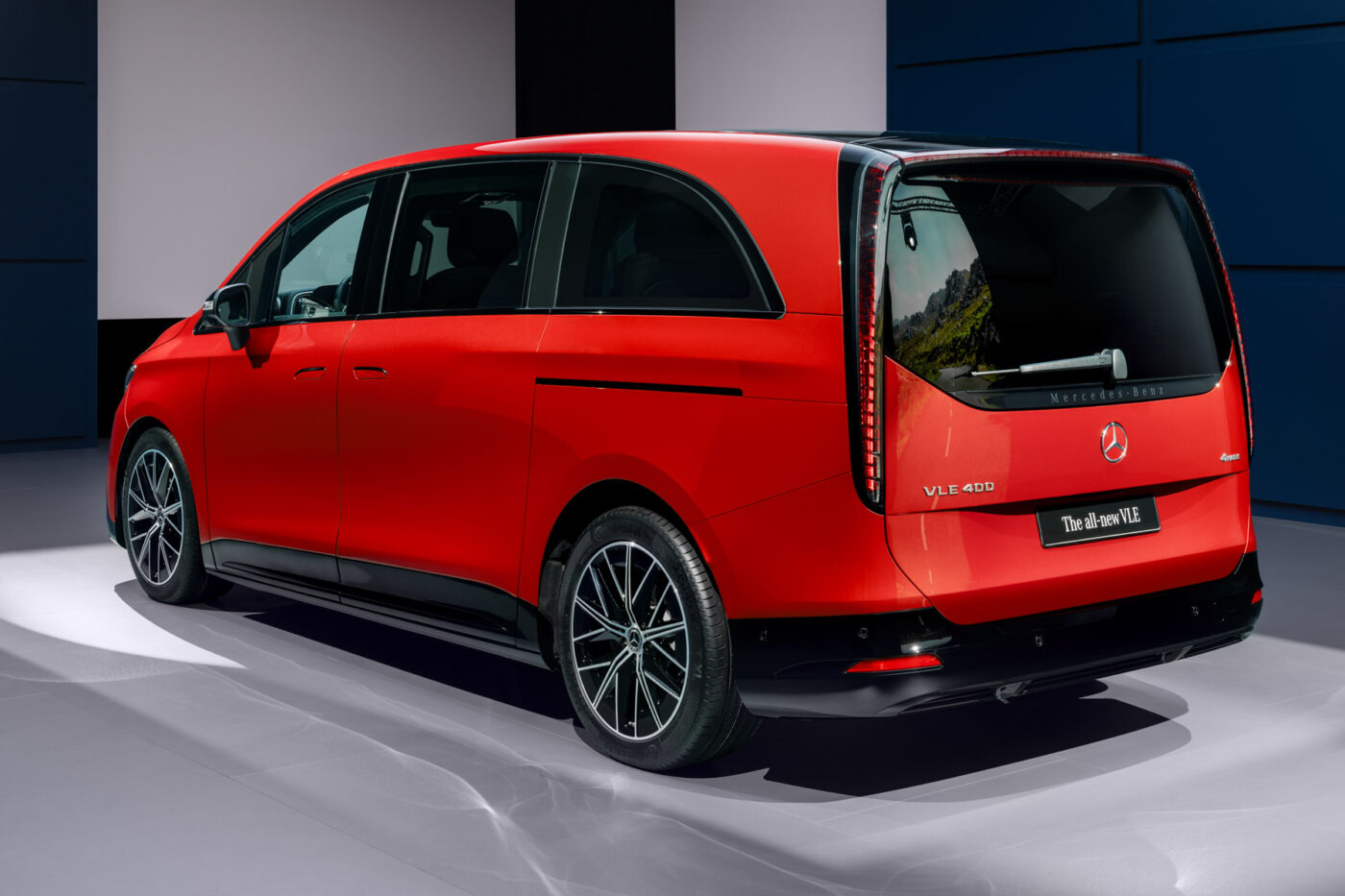


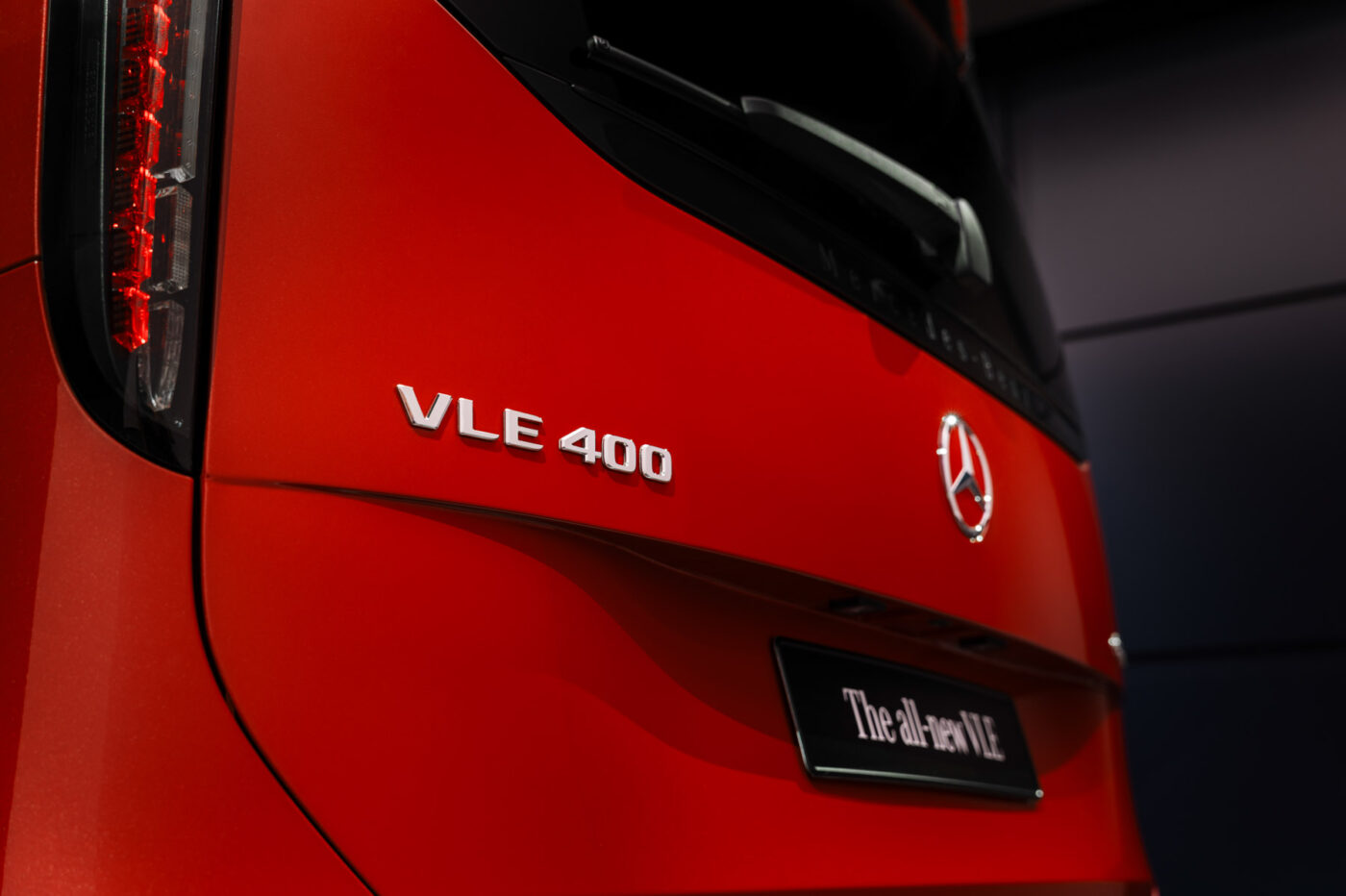


Mercedes-Benz Vans has also become more flexible when it comes to drivetrains.
“The platform is BEV-first, but internal combustion engines can also be integrated,” said Klein. That has not always been the case: the VAN.EA was initially announced as a purely electric platform. However, as it became clear that the industry’s transition to electric mobility was not progressing as quickly as once thought, Mercedes derived the VAN.CA—the ‘Combustion’ platform for internal combustion engine vans—from the VAN.EA.
The battery
The most critical component for the electric platform debuting with the VLE is not the drivetrain but the battery. The type of cells used, how they are integrated into the underbody, and how the thermal management system controls the energy storage are of greater significance to the vehicle’s characteristics than the design of the electric motor or a percentage point or two of efficiency.
Here, the VLE brings the latest passenger car technology to the van segment: in the VLE 300 and VLE 400 4MATIC variants, a battery with a net energy content of 115 kWh is installed, which is expected to deliver over 700 kilometres of WLTP range in its most range-optimised configuration. Since the NMC cells are configured as an 800-volt system, DC charging power of up to 320 kW is possible at charging stations. In 15 minutes, the VLE can recharge enough power for up to 320 kilometres.
At launch, Mercedes is highlighting the 300 and 400 variants, but there will also be a VLE 250, which will feature an 80 kWh LFP battery. That is almost as much as the old EQV 300, which had a net energy content of 90 kWh with its NMC cells at the time. The big difference: while the EQV required up to 45 minutes at a fast charger with a maximum charging power of 110 kW, the new LFP battery can be charged at up to 300 kW. Mercedes has not yet communicated details such as the exact range or charging time, but a range of 400 to 450 kilometres seems realistic—along with significantly shorter charging times. In other words, even the VLE 250 should perform well on long journeys, albeit with slightly more frequent but shorter charging stops.
| VLE 250 | VLE 300 | VLE 400 4MATIC | |
|---|---|---|---|
| Drivetrain | FWD | FWD | AWD |
| Power | – | 200 kW | 305 kW |
| Acceleration | – | 9.5 s | 6.5 s |
| Top speed | – | 180 km/h | 180 km/h |
| WLTP range | – | approx. 700 km | – |
| Battery | 80 kWh | 115 kWh | 115 kWh |
| DC charging power | 300 kW | 320 kW | 320 kW |
| DC charging time 10-80% | – | 25 min | 25 min |
However, the German carmaker expects that private customers will predominantly opt for the VLE 300 or VLE 400 4MATIC with the larger battery. As heard during a pre-launch event for the new electric van, the smaller and more affordable LFP battery is primarily aimed at business customers. This includes not only tradespeople and delivery services mentioned earlier but also shuttle fleets and hotels offering airport transfers, which have requested a more affordable model with slightly more range than the previous base battery in the EQV, which had a 60 kWh energy content.
An 80 kWh battery provides that crucial bit of extra range while maintaining a clear distinction from the top battery. However, for some private customers using the van for family purposes with their own wallbox, an 80 kWh battery could also be a good compromise—especially with the short charging times, this variant is also suitable for occasional long-distance trips. Those who travel frequently, often tow a trailer (which increases consumption, as we will discuss shortly), or rely solely on public charging without a private wallbox will appreciate the additional range of the larger battery.
The 115 kWh NMC battery uses prismatic cells from CATL. The battery is designed according to the cell-to-pack principle. While the cells are arranged in six groups of 30 cells each, these groups are no longer designed as traditional modules with their own housings. Some struts run between the groups within the pack to enhance stability and crash safety. Mercedes does not disclose which factory the CATL cells come from or where the ready-to-install battery packs are assembled. The VLE itself is manufactured at the van plant in Vitoria-Gasteiz, northern Spain.
The new battery is expected to have a CO2 footprint around 30 per cent lower than conventional production methods, according to Mercedes. Some production steps, such as the manufacturing of cathode and cell housing materials using renewable energy, are already CO2-neutral on a balance sheet basis. Additionally, the battery housing and cooling body are made from over 50 per cent recycled aluminium. Sustainability is further enhanced by easy reparability,
“The electrical/electronic components of the high-voltage battery can be repaired in Mercedes-Benz workshops worldwide due to deep service-oriented product design. The optimal accessibility of the E/E components in the separate E/E compartment ensures easy access to the components,” the manufacturer stated. This approach aims to avoid replacing the entire high-voltage battery in the event of damage.
Charging
As mentioned in the battery section, the maximum DC charging power of the larger battery is 320 kW, while the smaller LFP battery can still charge at up to 300 kW. The 115 kWh battery can be charged from 10 to 80 per cent in 25 minutes, provided the charging station can deliver this power.
To ensure the VLE can achieve full charging power under as many conditions as possible, the van features preconditioning similar to Mercedes’ current passenger car models. The battery’s preconditioning before a fast-charging stop is either triggered automatically via the navigation system to a saved charging station or manually via a button in the charging menu.
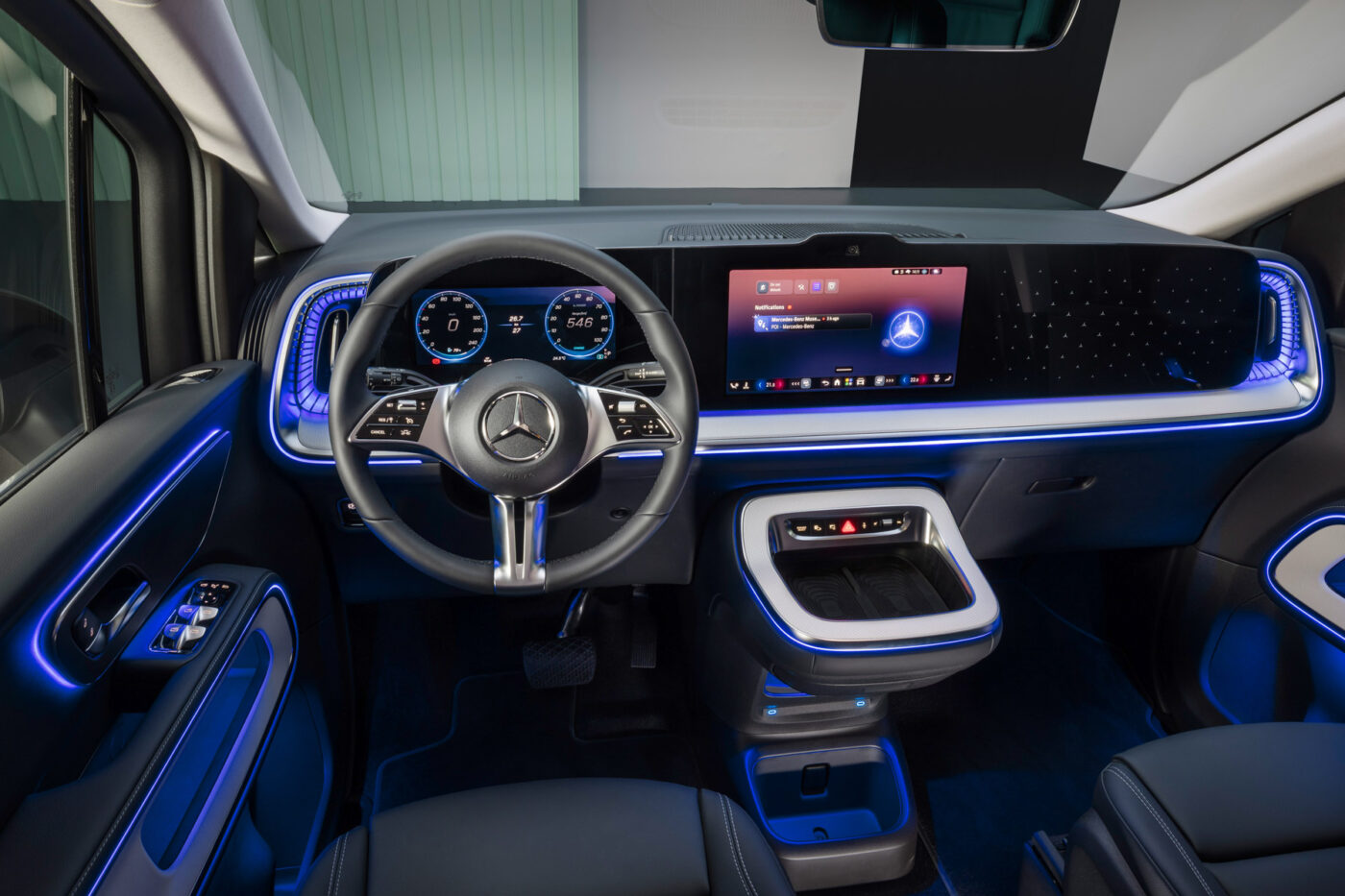
The VLE also displays the current battery temperature and the maximum possible charging power at any given moment, depending on factors such as temperature and state of charge. One of the pre-series vehicles exhibited in the photo studio, for example, indicated a possible charging power of 134 kW at a battery level of 71 per cent and a temperature of 20 degrees. Whether the algorithm behind this already corresponds to the series production standard and whether this value is accurate cannot be assessed at this point. However, the function itself is present and certainly very practical.
On the AC side, up to 22 kW charging power has been confirmed for the VLE 300 and VLE 400 4MATIC. The relatively large battery can thus be fully charged in 5.5 to 6 hours. Put another way: within four hours—the point at which blocking fees typically apply at public AC charging points—the VLE can recharge up to 88 kWh. If the battery was not empty upon arrival, this would correspond to a charge of about 80-90 per cent.
On an 11 kW wallbox, it would naturally take twice as long. For private use, 11 kW should still be sufficient to fully charge the battery overnight after work. For commercial customers, it likely depends on whether the vehicle is used in one or two shifts—and how long the overnight break is. However, 22 kW simply offers more flexibility for such large batteries.
Flexibility is also a key theme in another area. The VLE’s onboard charger is designed for bidirectional charging, enabling applications such as vehicle-to-home and vehicle-to-grid.
The drivetrain
The VLE 300 features a 200 kW front-wheel drive. The VLE 400 4MATIC, in Mercedes’ nomenclature, is an all-wheel-drive model, with a peak power output of 305 kW. Thanks to the second electric motor on the rear axle, the VLE 400 4MATIC can accelerate from 0 to 100 km/h in 6.5 seconds, while the front-wheel-drive version takes 9.5 seconds. However, the top speed is the same for both powertrains at 180 km/h.
In terms of design, Mercedes relies exclusively on permanently excited synchronous machines (PSM), while other manufacturers of electric vehicles use different types of motors—such as asynchronous motors as a second drive in all-wheel-drive models or BMW’s electrically excited synchronous machines, to name just two examples. According to Mercedes’ developers, PSMs are still the best solution in terms of power, efficiency, and power density.
Alternatives were discussed early in the development process but were discarded for the aforementioned technical reasons. Since the VAN.EA, in its adapted form as VAN.CA for internal combustion models, can accommodate significantly larger engines in the front engine bay, space is not an issue—where a diesel engine fits, a slightly larger electric motor with less-than-ideal power density can also be installed. Mercedes is thus not dependent on the specific design of the current PSM motors for packaging reasons. However, given the supply situation for raw materials used in permanent magnets, it cannot be entirely ruled out that other electric motors without permanent magnets and rare earths could be integrated over the platform’s lifecycle—though this is not currently planned.
The body
Thomas Klein does not yet want to reveal what the VAN.EA platform is fully capable of. The VLE, as the first model, is at least 5.31 metres long, a full two metres wide, and 1.93 metres high. The company states the wheelbase as 3.34 metres. For an eight-seater van, these are not unusual dimensions. However, Mercedes has decided against a shorter version of around five metres with a three-metre wheelbase.
Since the wheelbase remains well over 3.30 metres, Mercedes offers the VLE with all-wheel steering. This reduces the turning circle (curb to curb) to an impressive 10.9 metres. During the photo shoot, short test drives with a prototype in the car park were possible to demonstrate the automated parking assistant. Indeed, the VLE manoeuvres more like a mid-size passenger car than a large van—aside from the fact that its length of over 5.30 metres extends beyond many car parking spaces by a few centimetres.
While the dimensions will be important in the interior section, Klein directed our attention to another aspect of the body.
“The drag coefficient (cW) is 0.25, which translates into very good efficiency,” says the van chief. The final homologated WLTP consumption figures are not yet available, but values of 18-21 kWh/100 km are mentioned. For a van over 5.30 metres long, this is quite impressive—though Mercedes has not yet disclosed the kerb weight.
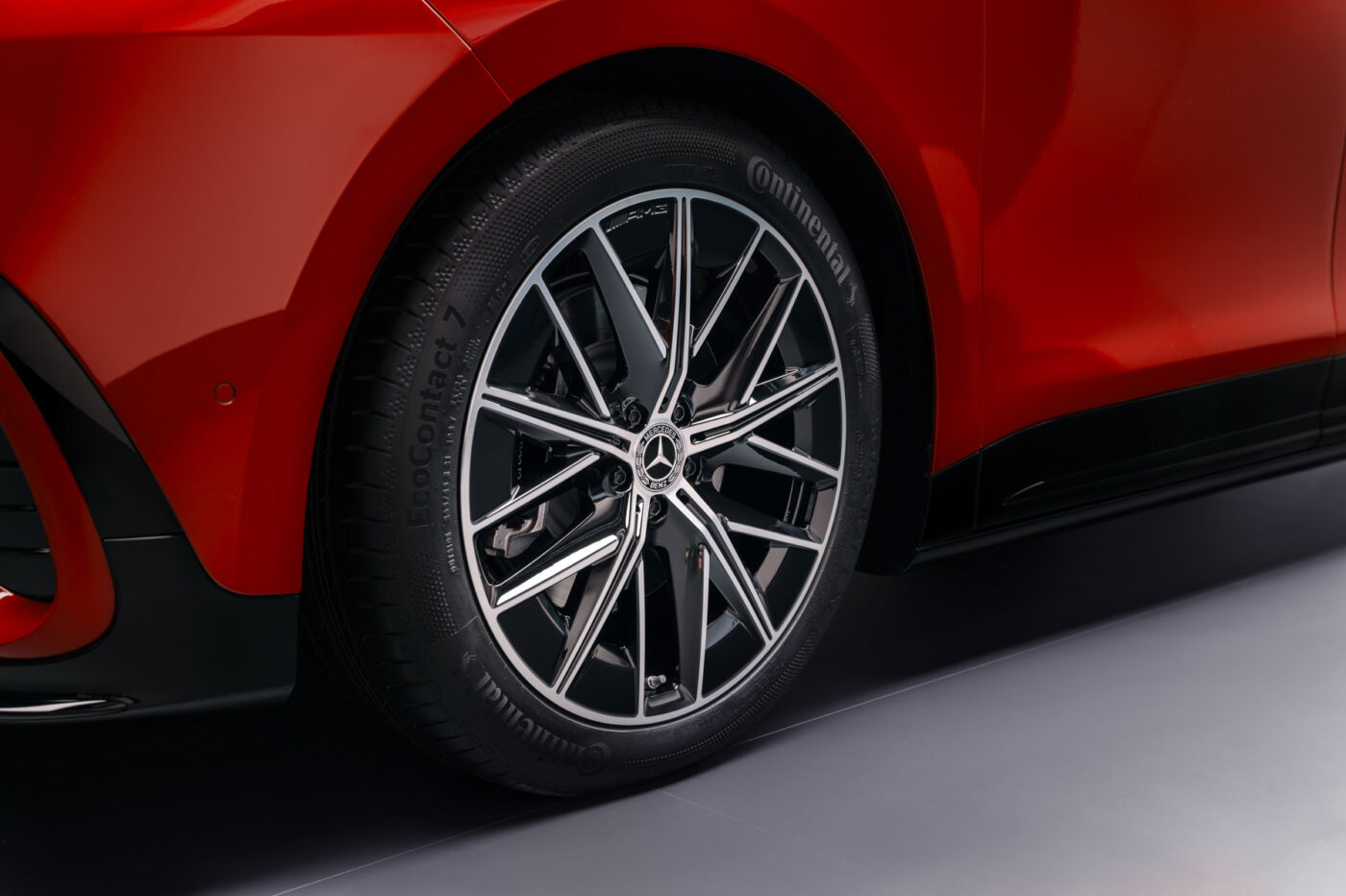
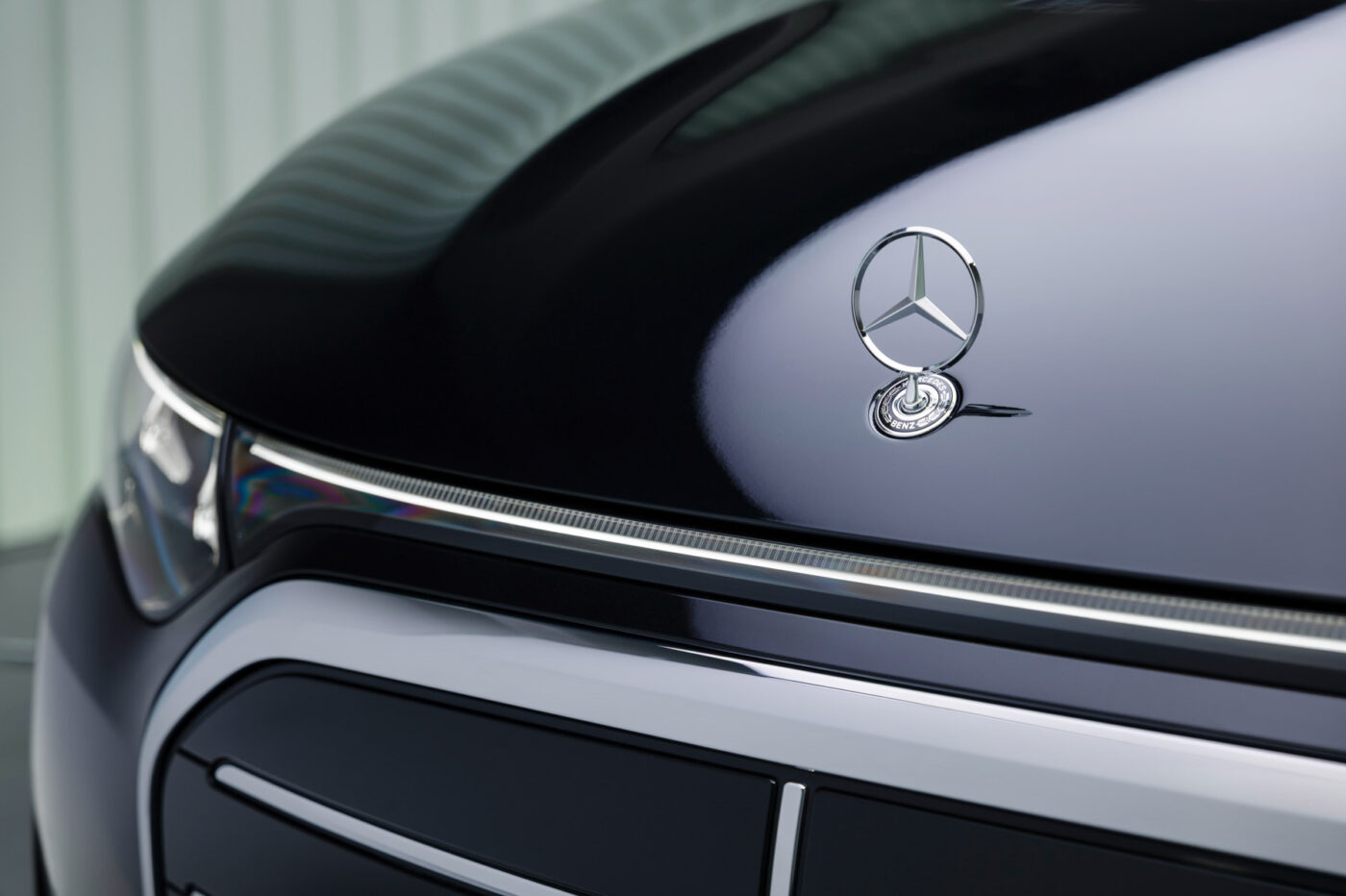
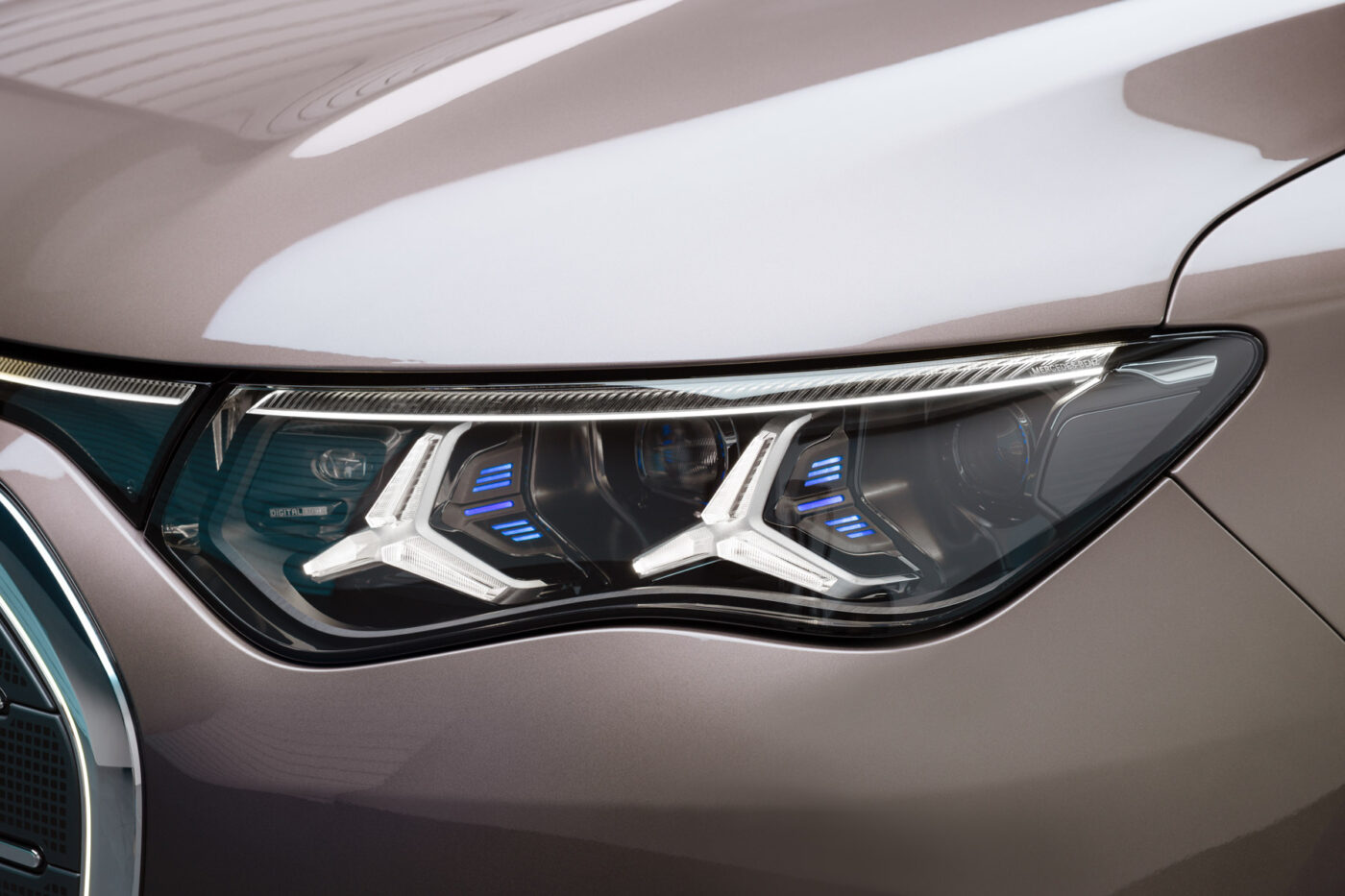
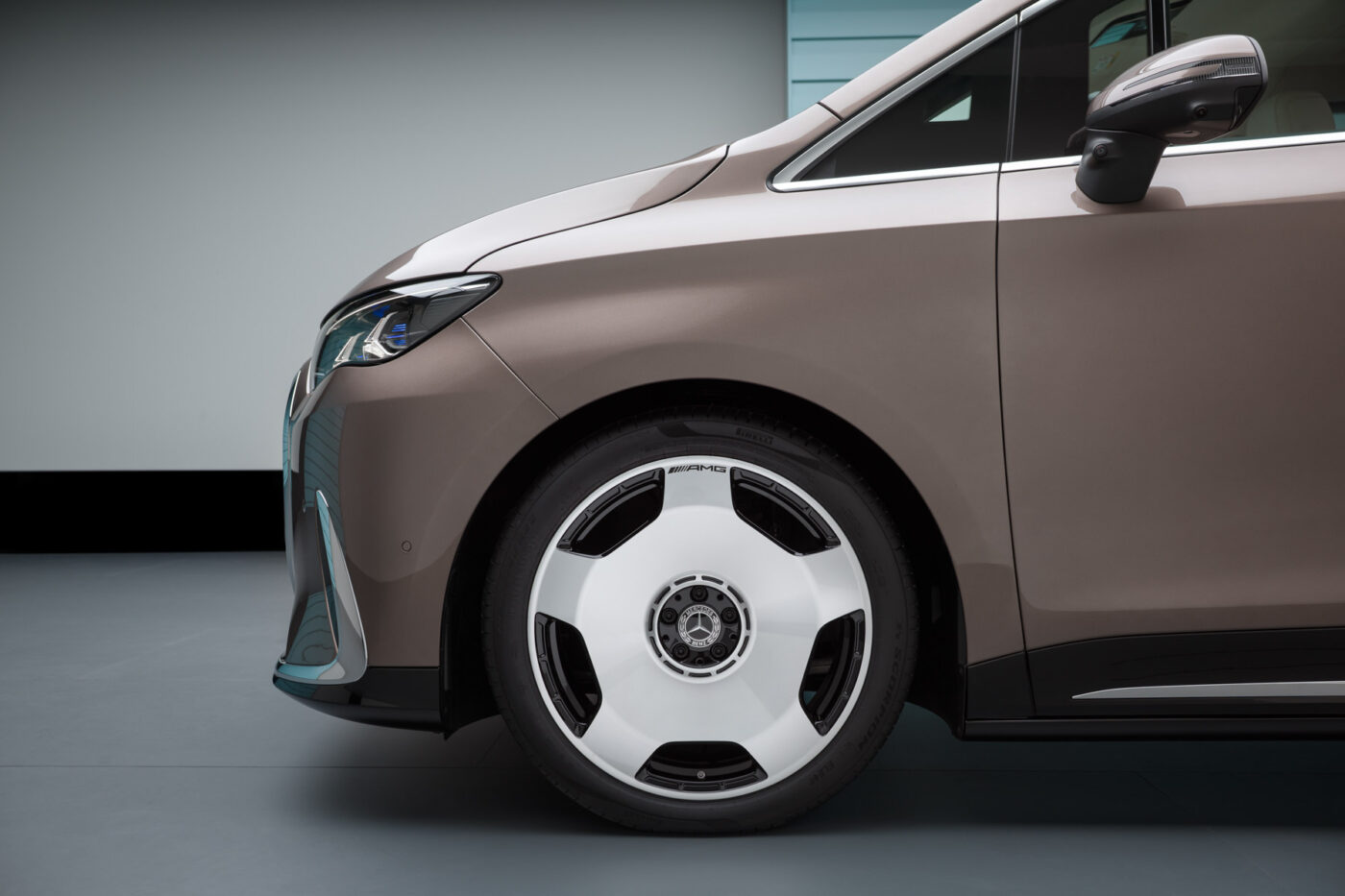
The designers thus had a long list of tasks. They not only had to align the current Mercedes brand design with the basic shape of a van/panel van but also optimise it aerodynamically while complying with all regulations. And even then, one design version is not enough for the VLE: in the AMG version, the Mercedes star is prominently displayed in the closed front grille, while in the standard and high-end ‘Exclusive’ variants, the star is freestanding on the bonnet.
Regulations also come into play here: unlike the CLA, the integrated star in the AMG version is not illuminated—at least not in Europe. EU regulations are very complex in this regard, involving the exact size of the lighting element and the distances to other lighting elements, which must not be too large. The CLA, for example, has small illuminated stars in the grille—and a Mercedes star in the centre.
However, in the VLE, the distances were too great to allow the central Mercedes star to be illuminated. At the rear, EU regulations also shape the light design. Similar to the Hyundai Ioniq 9, the VLE features a continuous band of individual LED pixels in the shape of an inverted ‘U’—with LEDs on both sides of the boot lid and the top. However, the regulations in each market determine how many LEDs may light up and when. Thus, the light design differs between the USA, EU, and China.


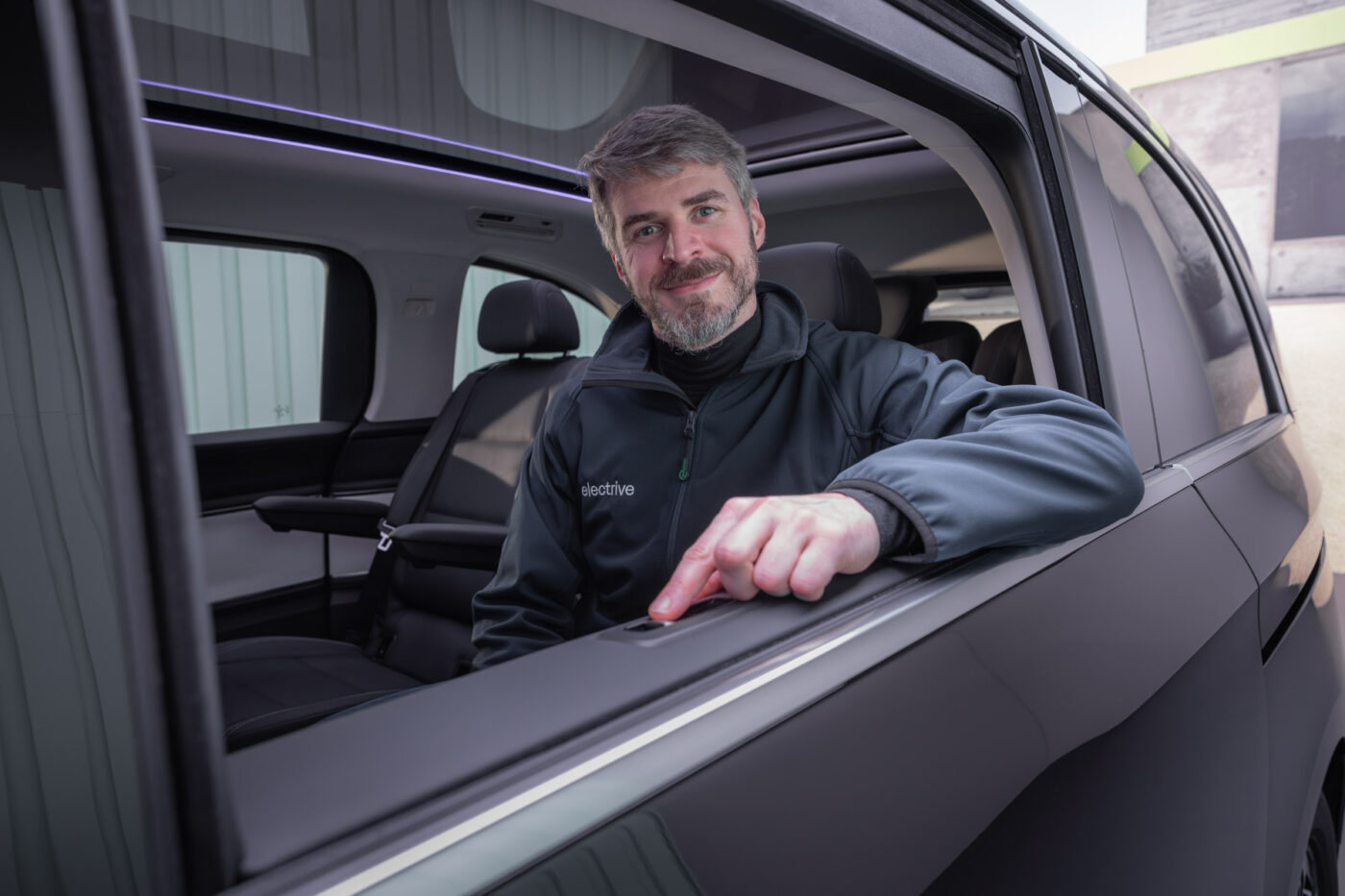
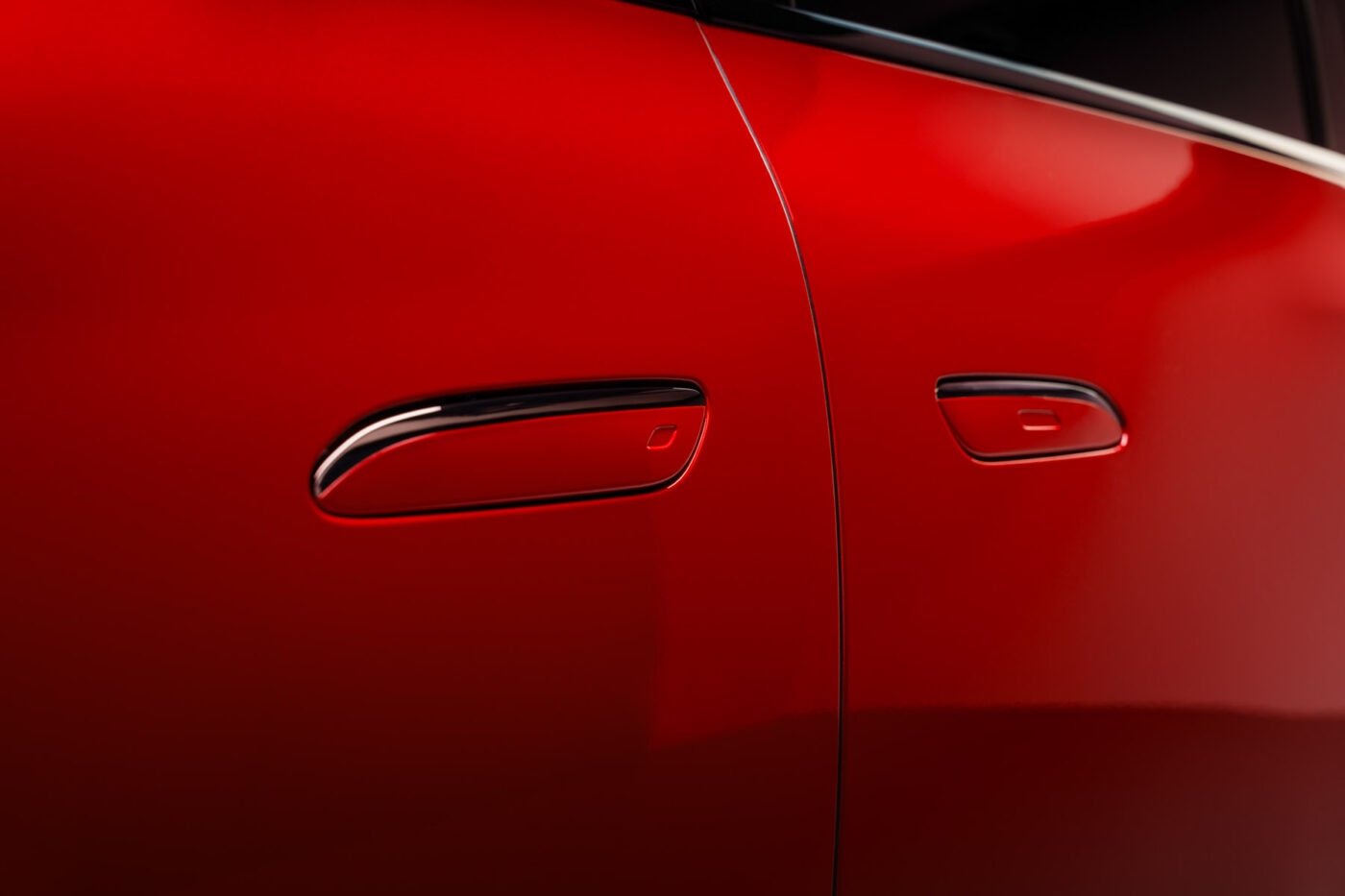
Regulations will also become relevant on the side in the future, though not in the EU—here, the focus is on upcoming regulations regarding door handles in China. The front doors of the VLE feature the extendable handles known from other Mercedes models, which will likely need to be replaced in China in the future. The rear sliding doors are already standard in the base version with electric operation. Additionally, unlike in many vans, the side windows in the sliding doors can be fully lowered.
However, Mercedes designers opted for an interesting door handle solution purely for aesthetic reasons: in the sliding doors, it looks as though the door handle could extend, just like at the front—there is an opening in the panel where a ‘door handle’ is installed. However, this is merely a large button that needs to be pressed briefly—the opening and closing are purely electric. That means that for the future in China, the opening in the panel is already provided to allow for the installation of a mechanical door handle.
Mercedes cites several reasons for opting for standard electric sliding doors. One of them: when the sliding door on the passenger side is fully opened, it covers the charging port behind the rear wheel. However, if the charging flap is open, the electric sliding door stops a hand’s width in front of it. The size of the door opening is still sufficient for comfortable entry and exit. Otherwise, the door would have had to be automatically locked when the charging cable is plugged in, as a manual sliding door could touch and damage the cable. The electric sliding door can be programmed via software to stop in time when the charging flap is open.
While details such as electrically opening sliding doors or fully retractable side windows in such a sliding door are noticeable but relatively minor improvements compared to the EQV, the progress in another area is significantly greater. This refers to the towing capacity, which was simply non-existent in the EQV. According to the preliminary data sheet, the VLE 400 4MATIC can tow trailers weighing up to 2.5 tonnes.
“This makes it perfect as a tow vehicle for caravans and boat or horse trailers. The 100-kilogramme tow ball load also allows for the transport of e-bikes on a suitable carrier,” says Mercedes.
Important: this only applies to the all-wheel-drive model. For the front-wheel-drive VLE 300, the data sheet currently only lists 1,000 kilogrammes. However, efforts are underway to increase the towing capacity of the VLE 300 to the range of 1.6 to 1.8 tonnes—though this is not yet confirmed.
The interior
Mercedes confidently speaks of ‘redefining space for a new era,’ which is set to begin with the VLE. In such a large van, the challenge is not just to offer as much space as possible but also to consider how customers want and can use that space. It is therefore hardly possible to speak of ‘the’ VLE. The portfolio ranges from a practical family travel van to a flexible vehicle for active leisure users and even exclusive shuttles.
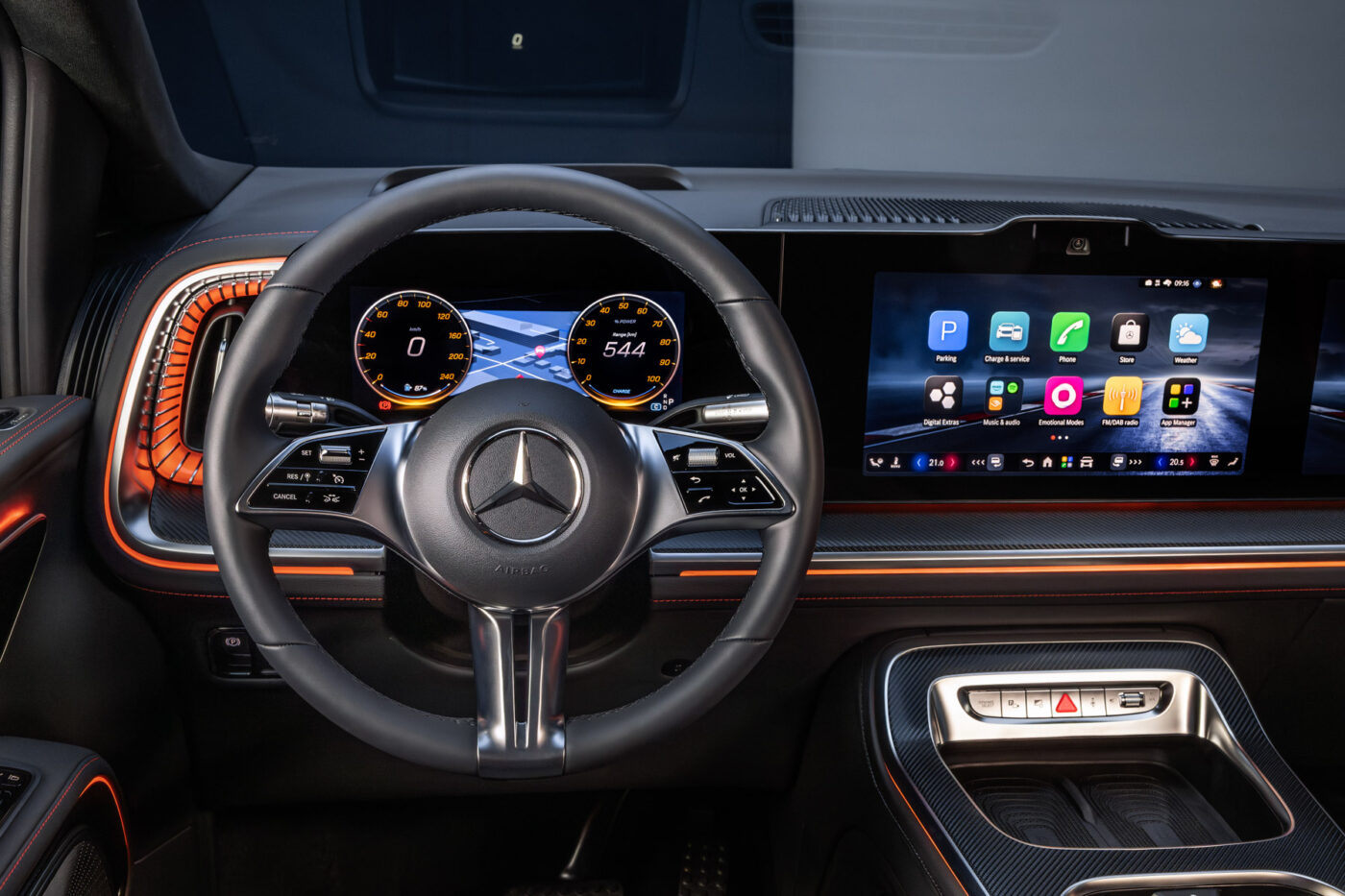
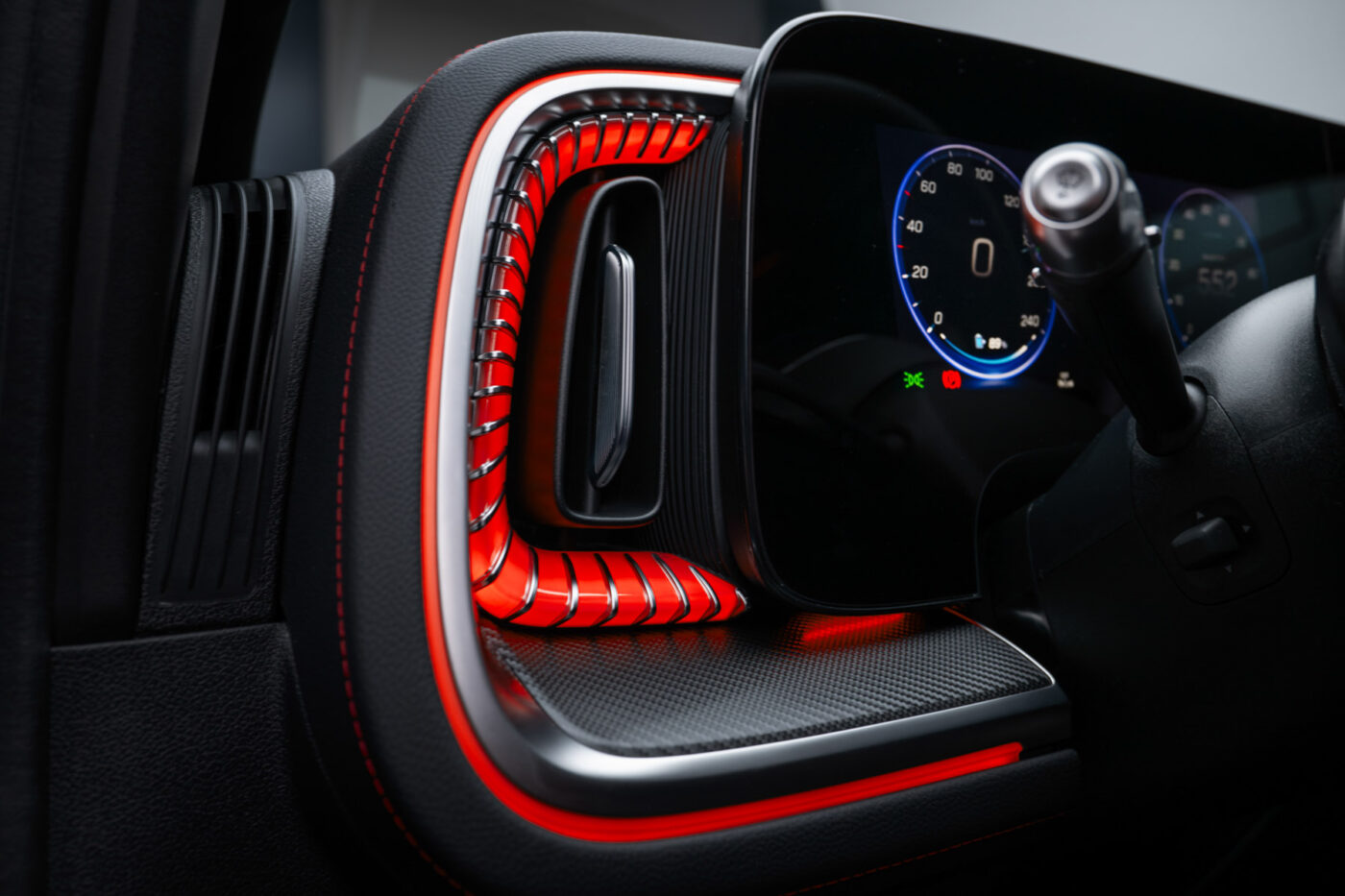
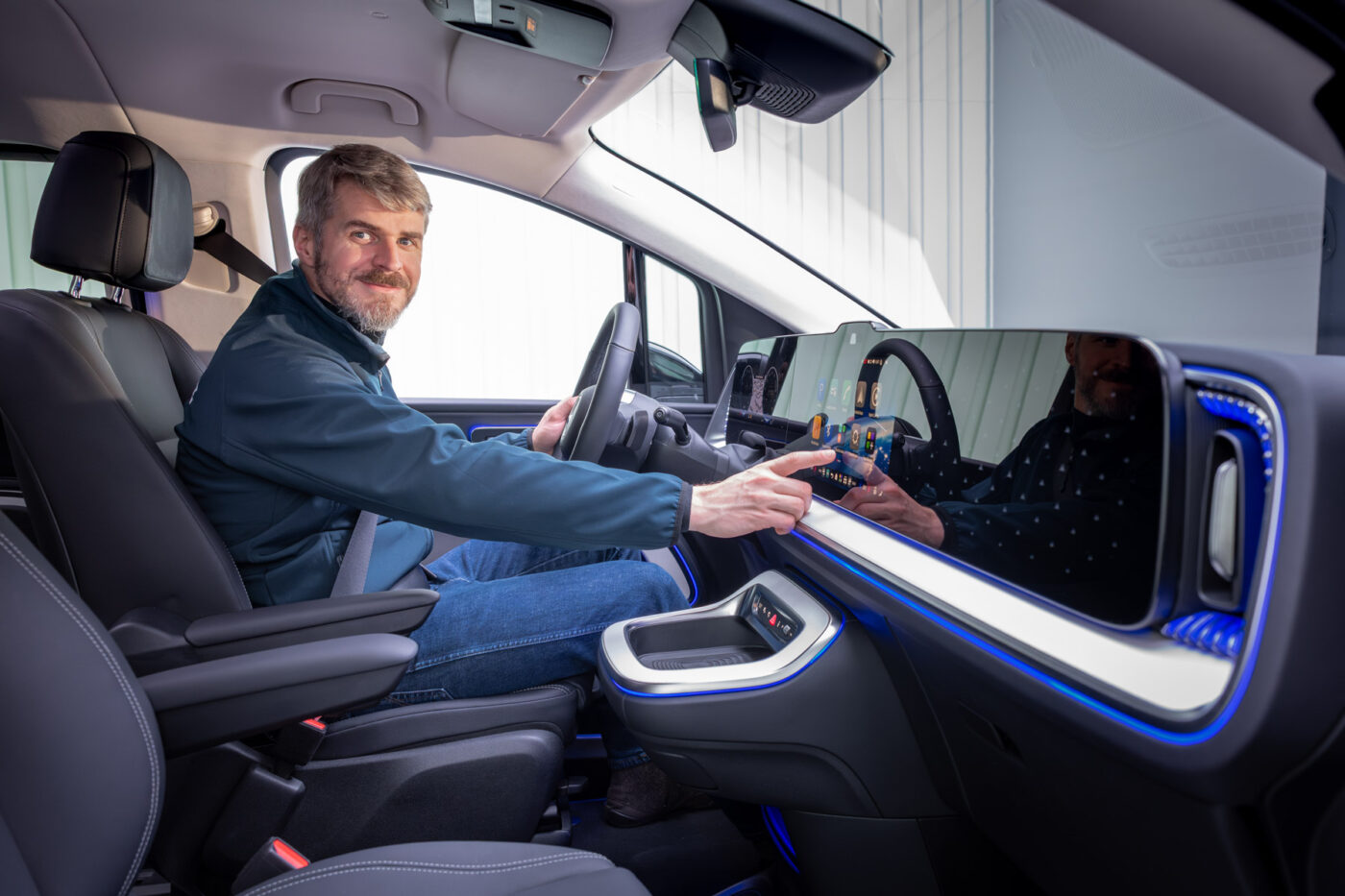
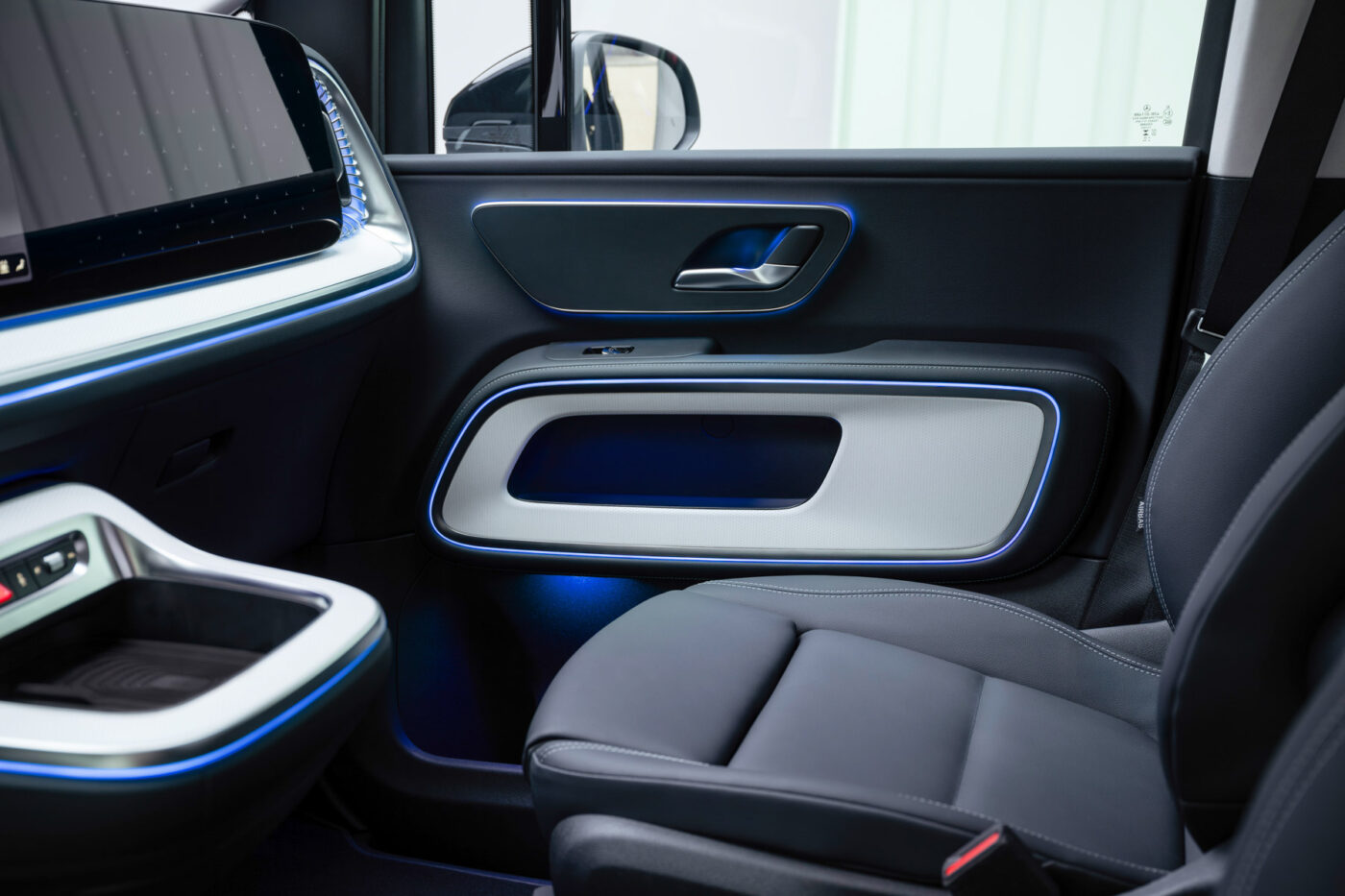
However, let’s briefly look at some common features of the VLE models: the steering wheel still has glossy black buttons, but these are now buttons with a tactile feedback point rather than touch-sensitive surfaces. For volume control, there is a classic rotary knob on the right, and a rocker switch on the left for setting the cruise control speed. Behind and beside the steering wheel, the VLE features a ‘Superscreen’ with a continuous glass surface spanning almost the entire width of the vehicle. The cockpit display and central touchscreen are always included. The passenger display in the base version is not a display but a backlit glass surface—higher trim levels feature a second touchscreen.
There is also a choice between two centre console variants. The short version includes two inductive charging pads, an extendable double cupholder, and a small compartment below—leaving plenty of free space between the front seats, which facilitates moving between them. Alternatively, there is a long centre console with additional storage compartments that fills the entire space and also includes climate controls for second-row passengers—and even a fridge in the centre console.
Klein personally tested its performance. “We were recently in South Africa for hot-weather testing. Even there, the fridge froze the liquid in the bottles overnight,” the manager reported. Alternatively, the cooling compartment can also warm food, such as baby food.
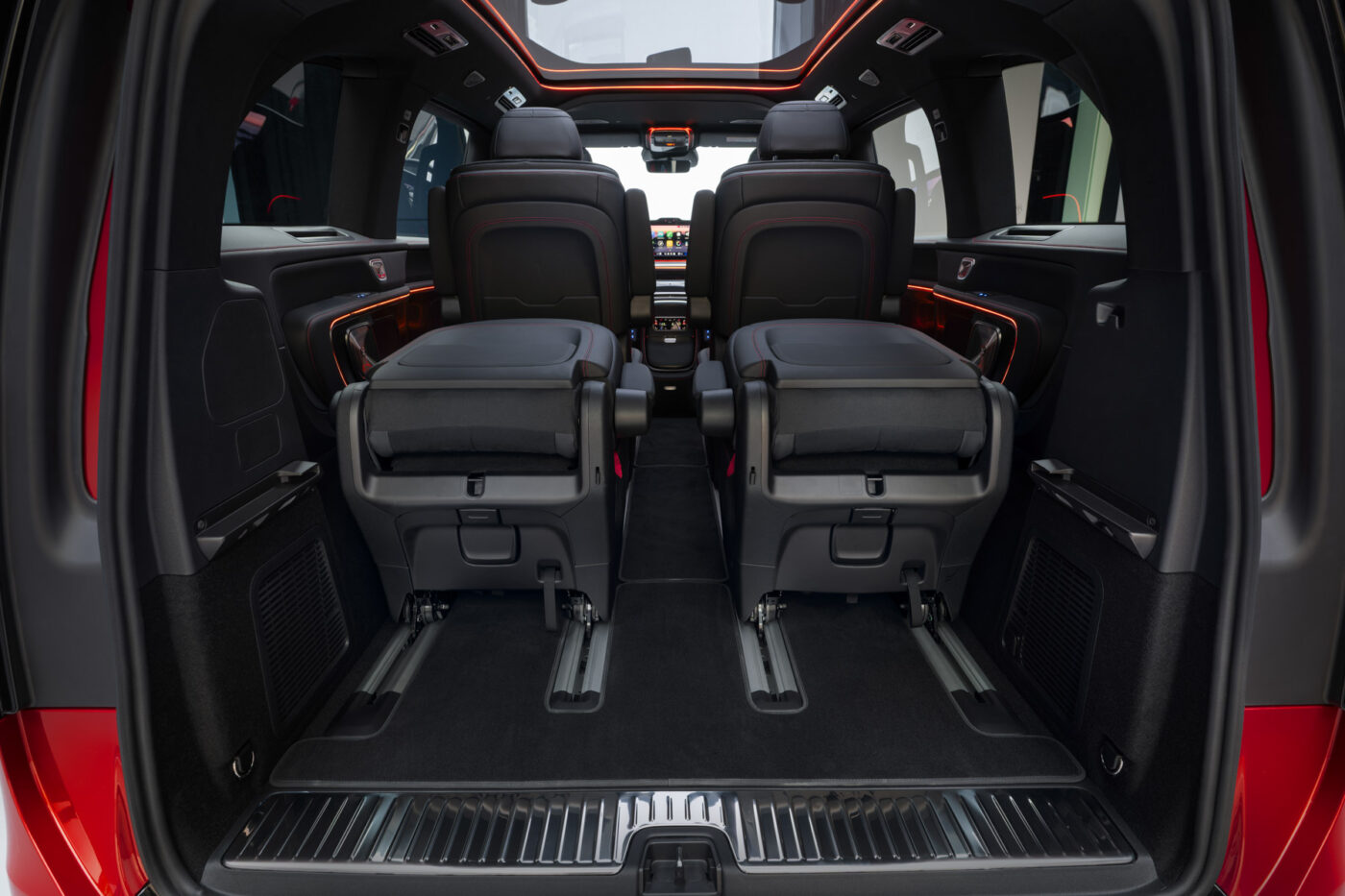
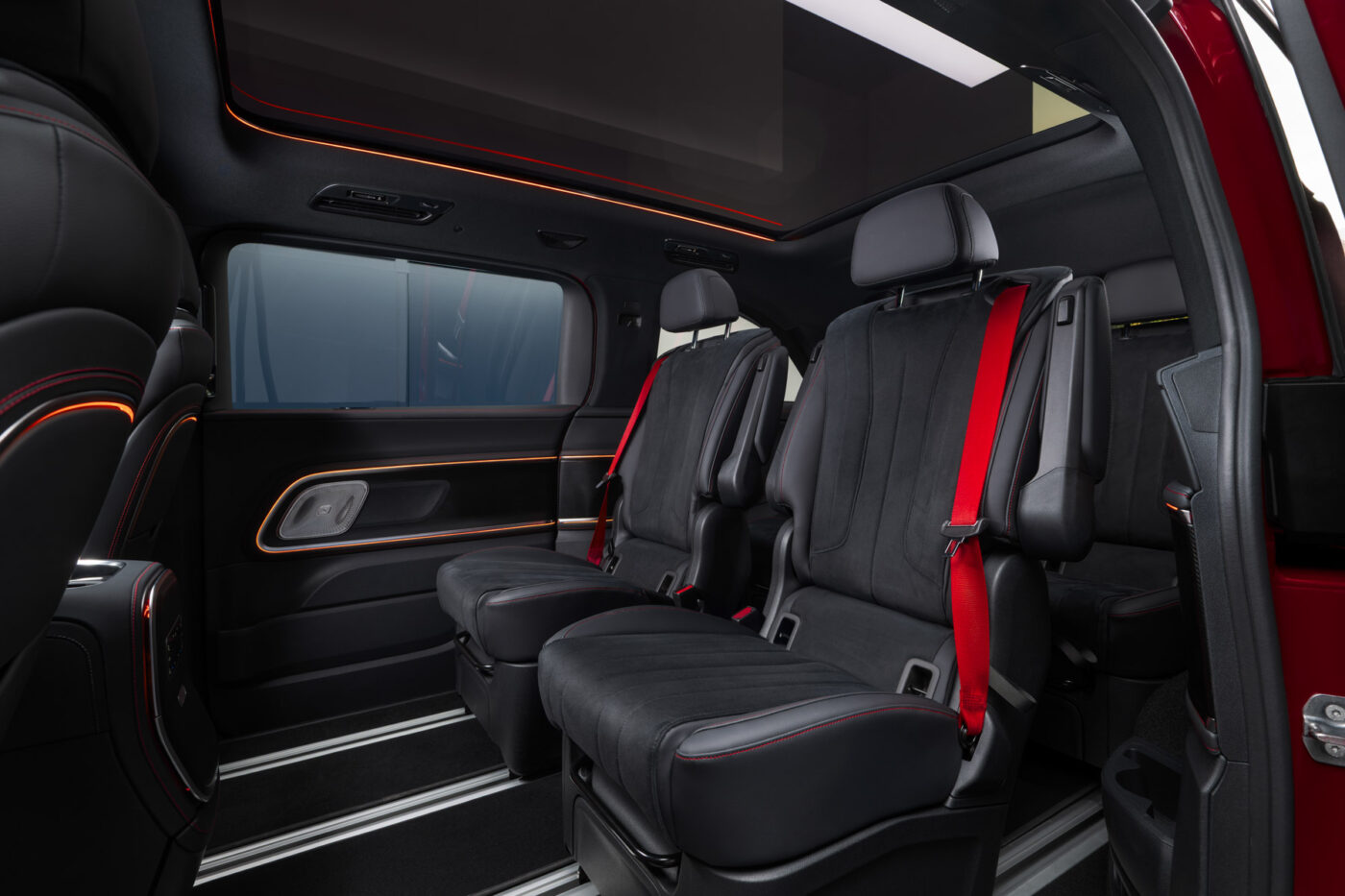
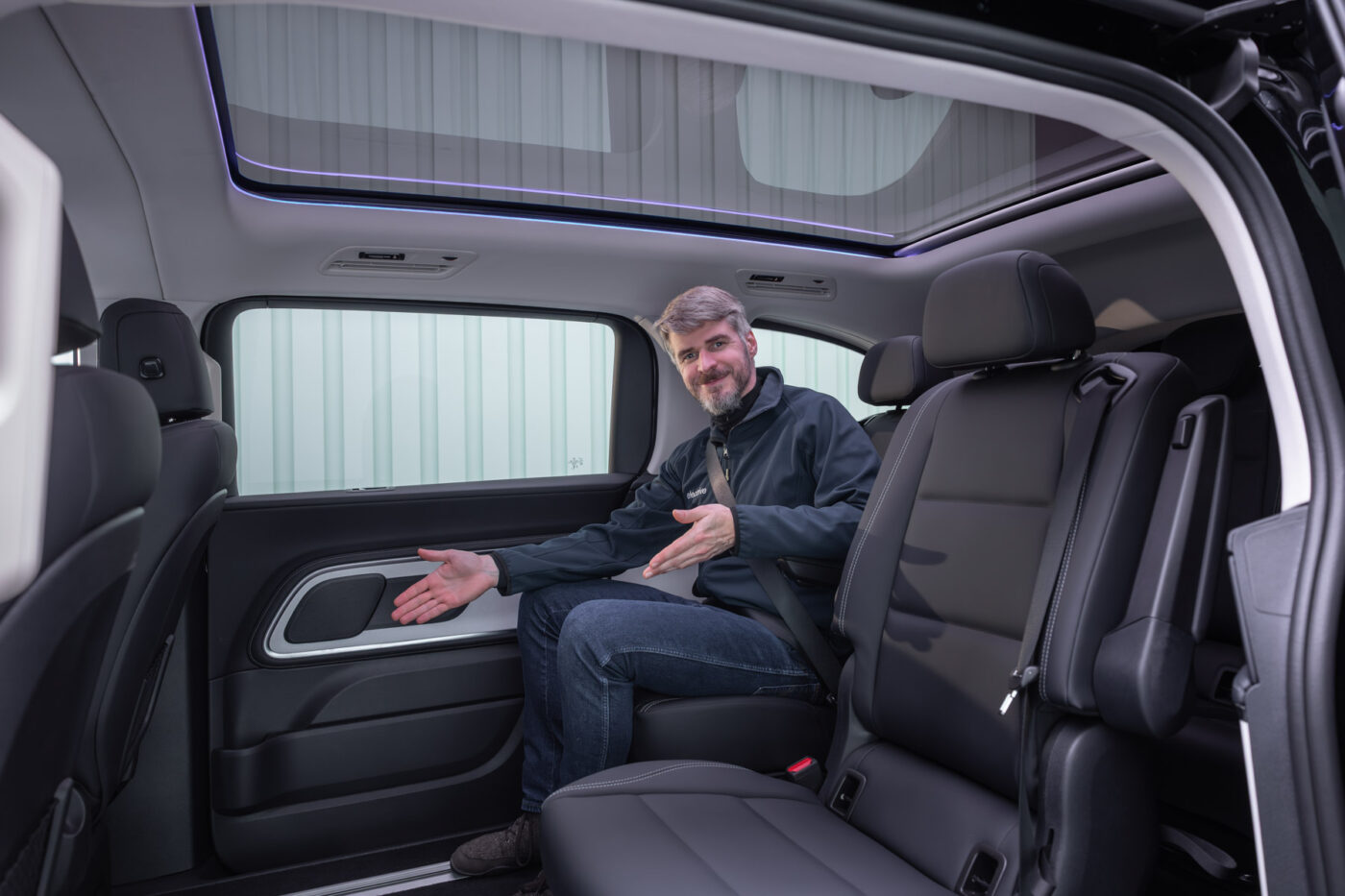
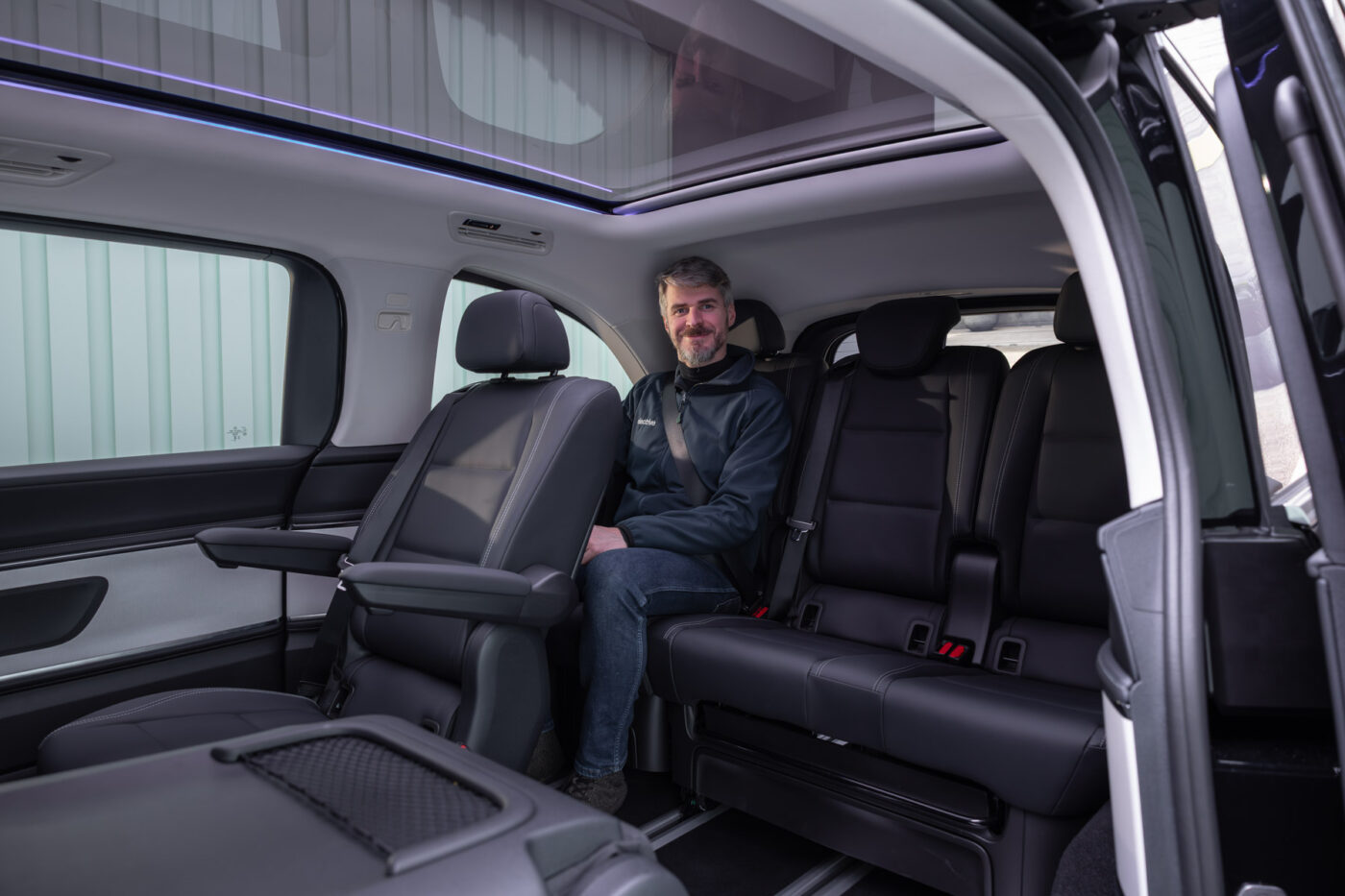
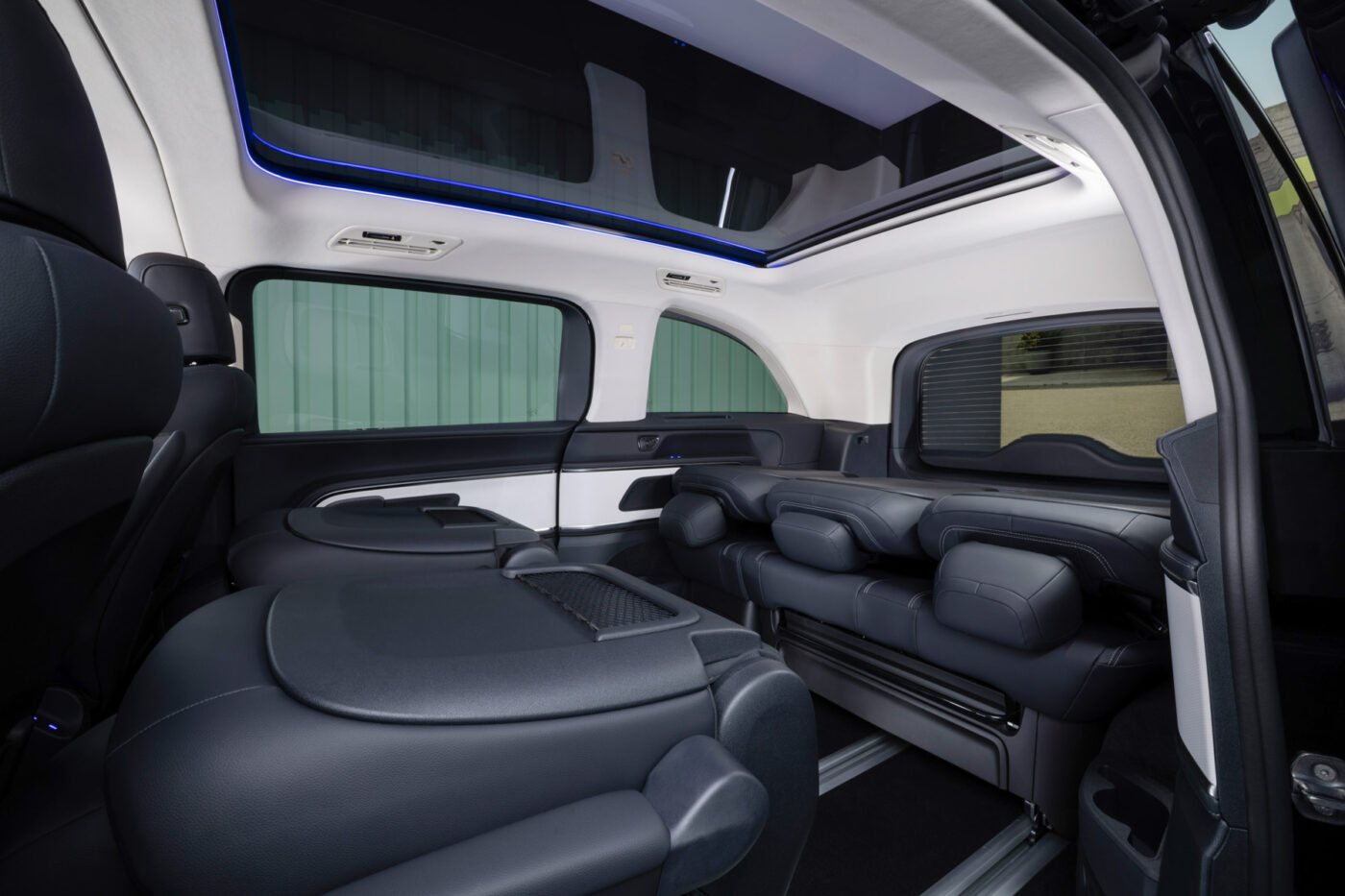
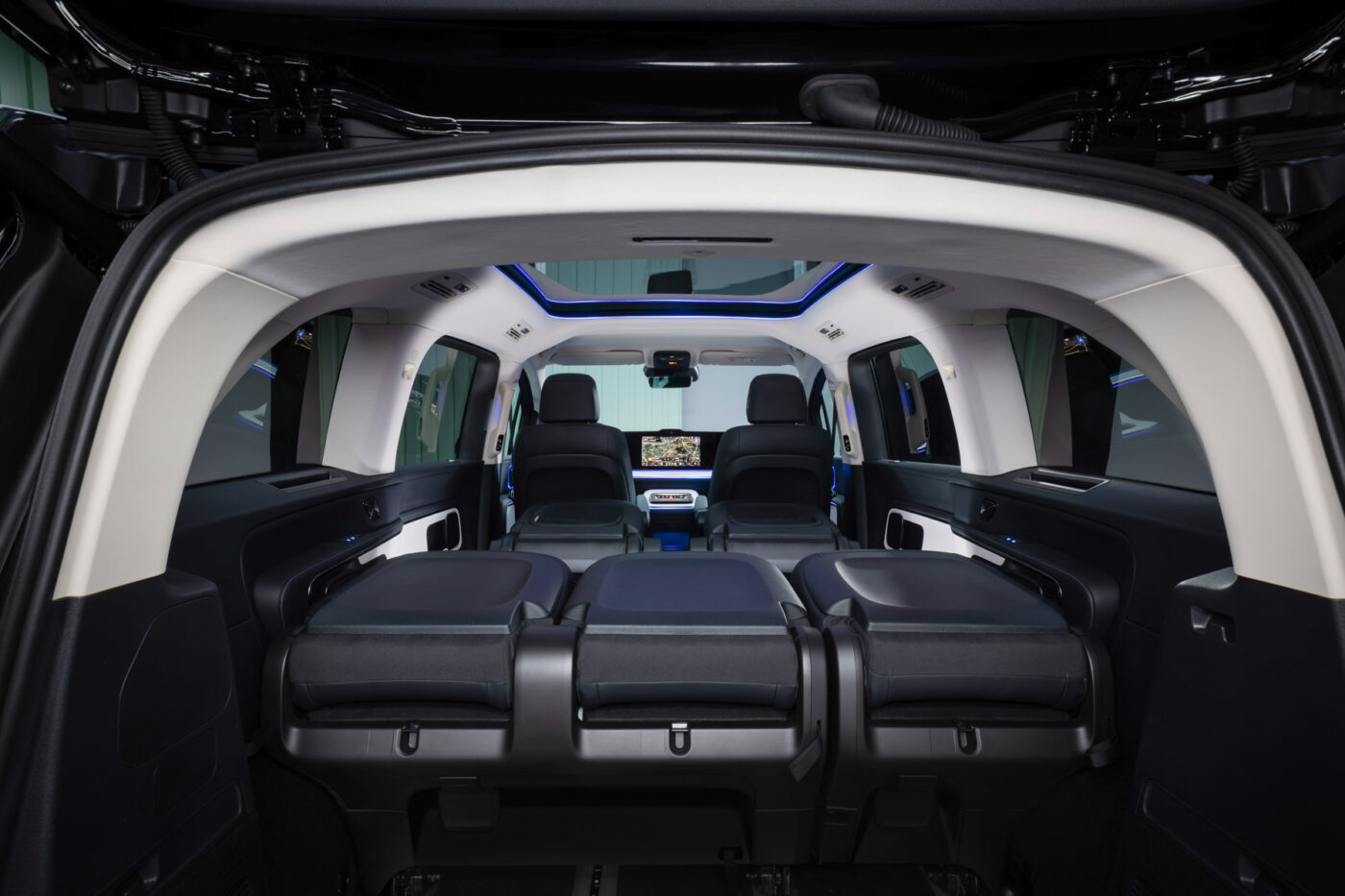
The real diversity, however, lies in the seating concept. Mercedes offers a choice between six, seven, and eight seats—there are always two in the front, with differences starting from the second row. The mechanical rear seats can be manually adjusted and removed individually. A practical detail: the seats have integrated rollers, making it easy to wheel them into the garage after removal. The electric seats can not only be adjusted via switches on the seat itself but also via the central display or the app. That allows users to decide from home whether they need a four-seat arrangement in the rear, maximum legroom for second-row passengers, or the largest possible luggage space—Mercedes refers to this as a ‘remote-controlled seat ballet,’ where the seats move seemingly by themselves into position at the command of a smartphone.
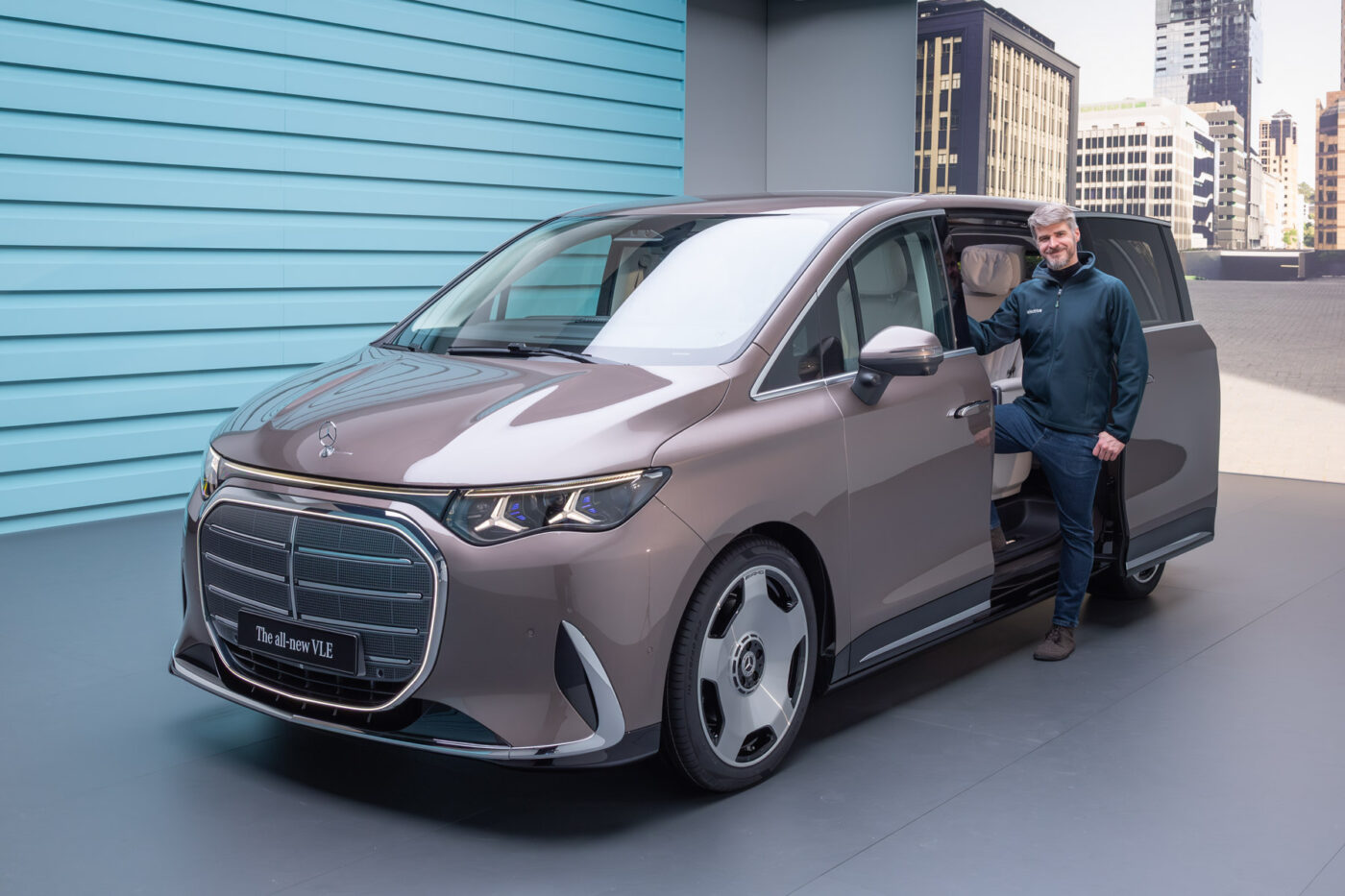

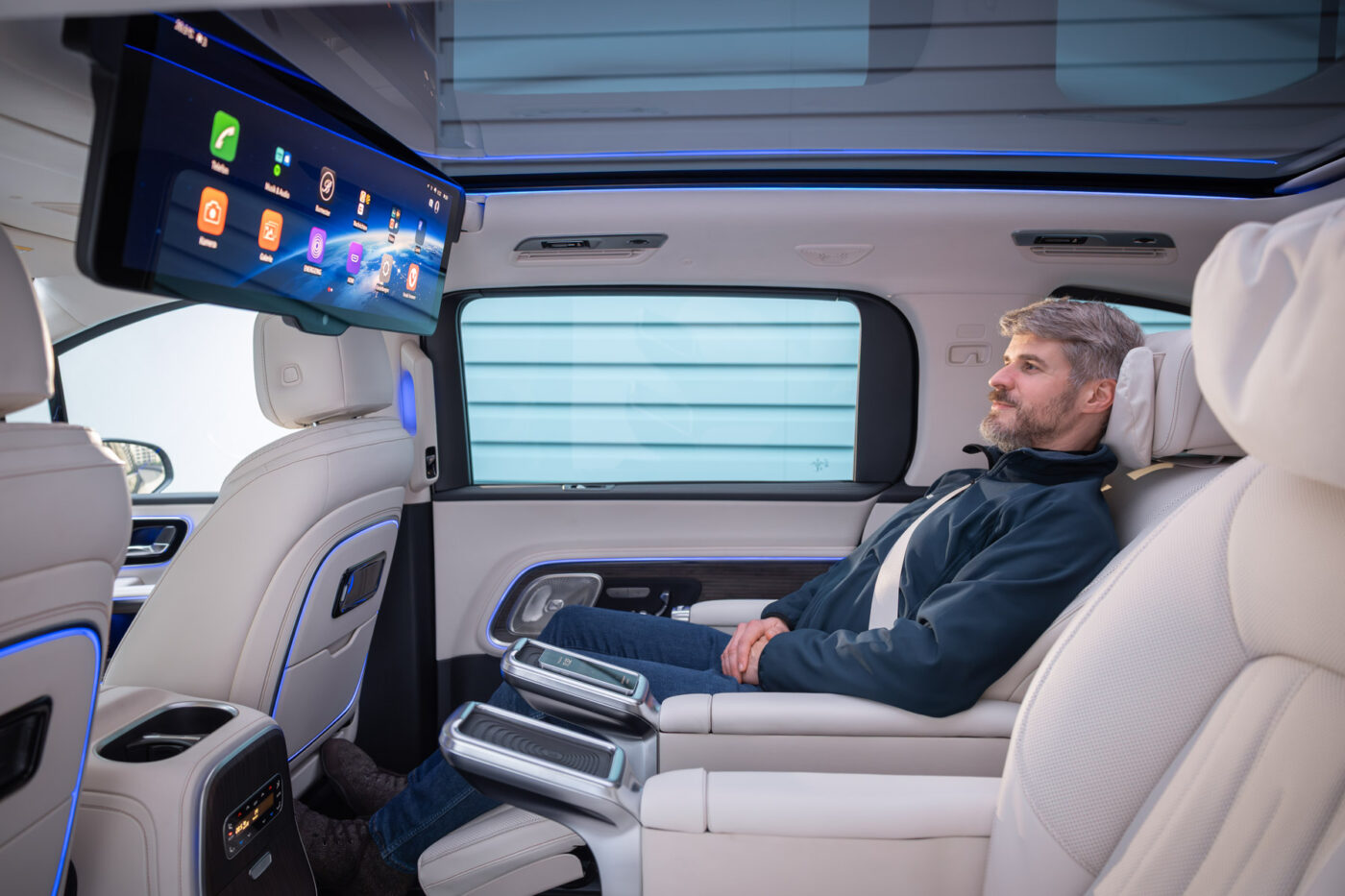
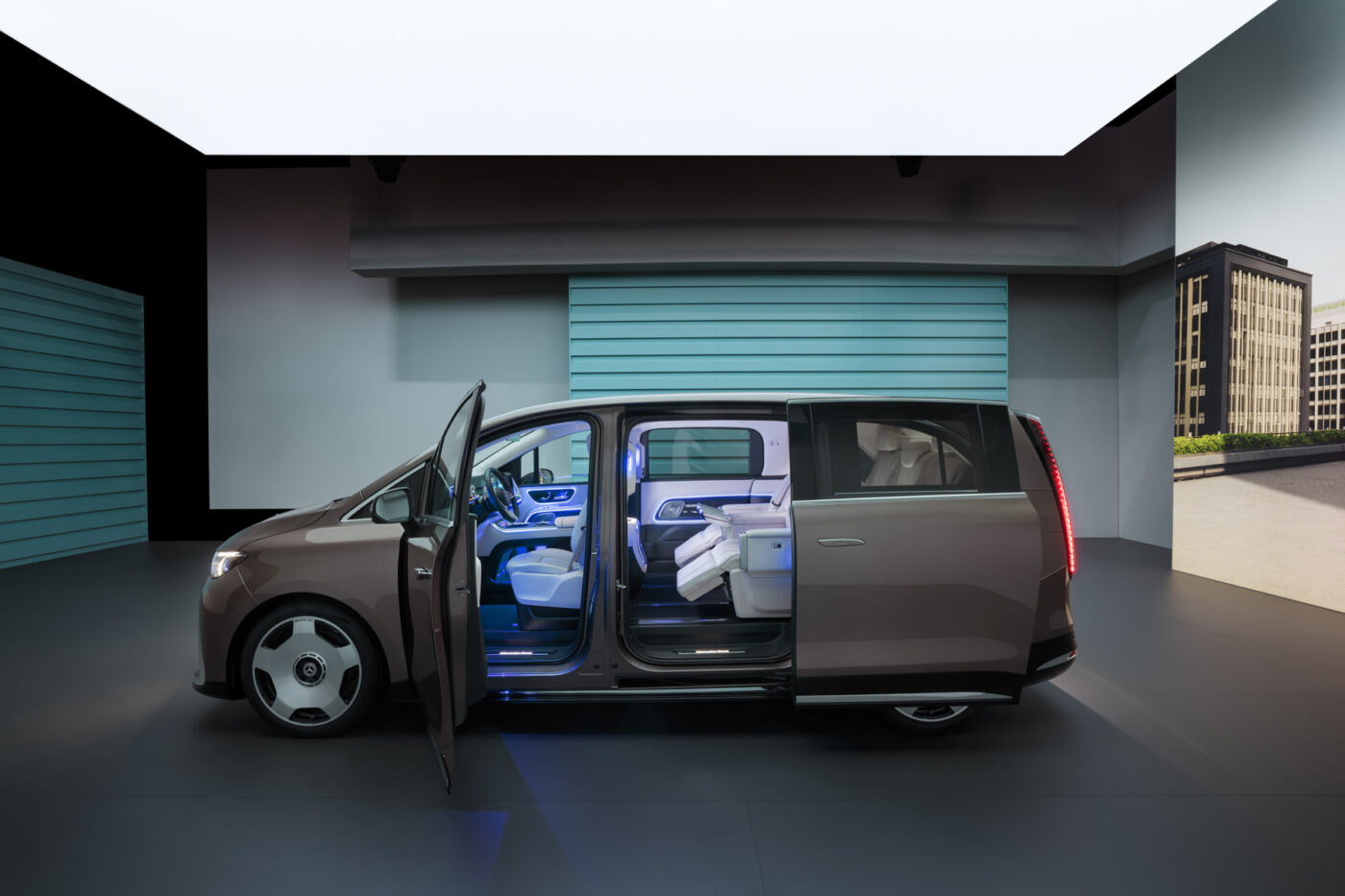
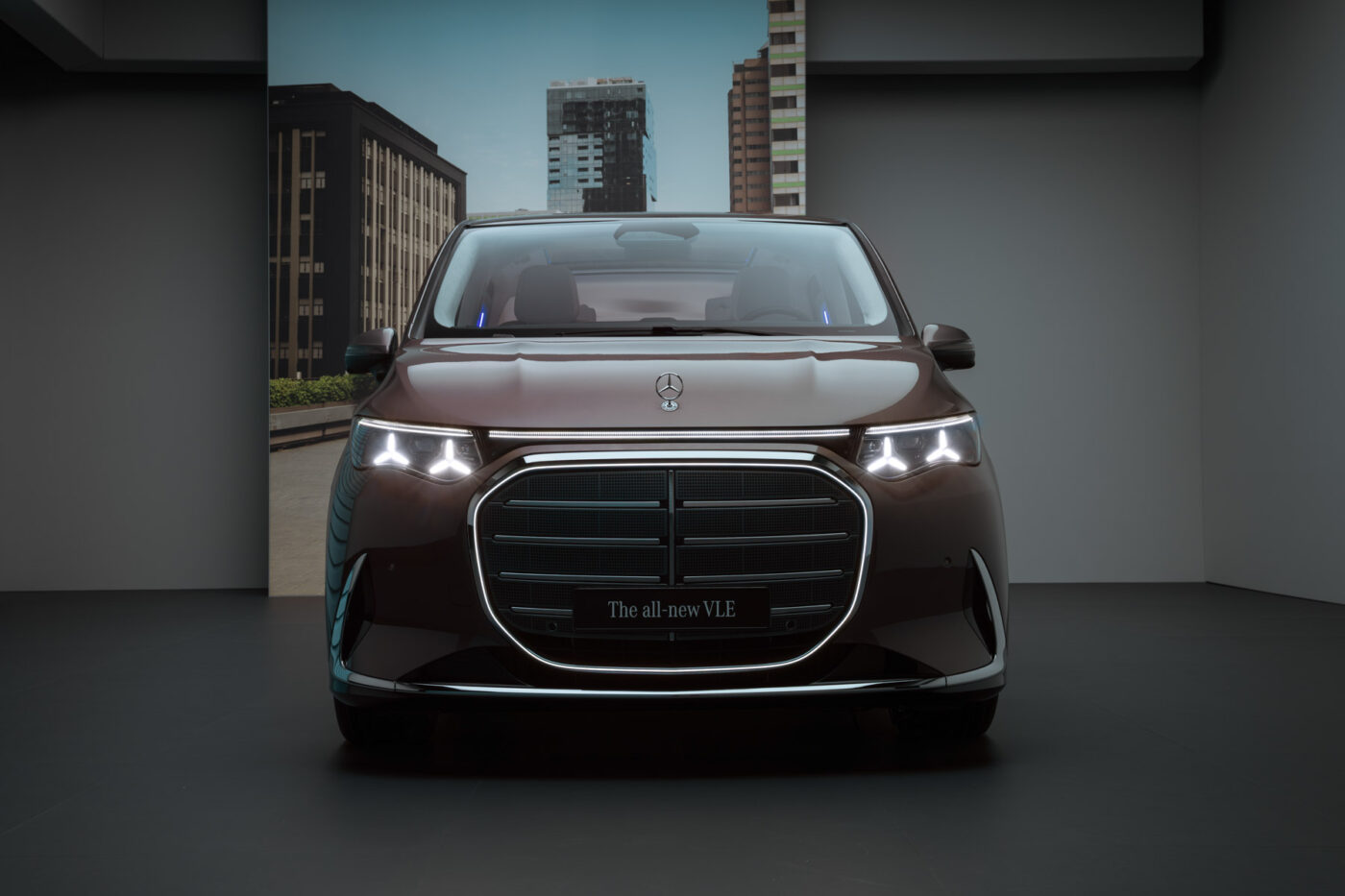
The newly developed individual seats and bench seats can be configured in a variety of ways. An impressive highlight—and almost a VLS feature—is the electric ‘Grand Comfort Seat’ in combination with the MBUX rear experience. The extremely comfortable armchair scores points with features such as an additional cushion, wireless charging, lumbar support, massage function, and a calf rest.
Optionally, the VLE can be equipped with a retractable 79-centimetre (31.3-inch) panoramic screen with 8K resolution, split-screen functionality, and an eight-megapixel camera—perfect for watching films, music videos, and games or participating in video conferences. The first seat trial suggests that even the simpler seats offer a comfortable journey. When the mechanical single seat in the second row is pushed all the way back, it provides impressive legroom. And yet, at 1.85 metres tall, I can still sit comfortably behind such a seat.
Even with three rows of seats, a luggage space of 795 litres remains usable. If all manually adjustable seats are removed (which is not easily possible with the electrically adjustable seats), up to 4,078 litres can fit into the VLE—’ample space for luggage or sports equipment,’ as Mercedes puts it.
Whether with a large luggage space or full seating, climate control in such a large interior is a challenge. Mercedes offers three different systems depending on budget or requirements: the standard ‘Thermatic’ air conditioning, the optional ‘Thermotronic,’ and, as an additional option for the latter, a two-zone automatic climate control system for the rear. This ensures ‘pleasant comfort temperatures’ shortly after entering, whether in summer or winter. The system first warms the upper body and hands to quickly provide ‘thermal comfort’—only then is the rest of the interior heated. A multi-source heat pump supports the climate system as standard.
Pricing
There is no exact price list yet, but Mercedes has already provided fairly accurate indications of where the prices for the individual variants will fall—subject to the extensive and costly customisation options. For example, the VLE 300 in standard equipment with the Advanced-Plus Package as a seven-seater is expected to start at around 79,000 euros, while the six-seater with the AMG-Line and Premium Package will cost approximately 94,000 euros. The VLE 300 Exclusive with the Premium-Plus Package as a seven-seater will be well into six figures, with around 113,000 euros expected—all of which include the 115 kWh battery and the 200 kW front-wheel drive. The extensive equipment is likely more relevant to the price than the drivetrain: the VLE 400 4MATIC with AMG Line Plus, Night Package, and Premium Package is expected to be available for around 97,000 euros.
For the base model VLE 250, it has been reported that this model will start at around €57,000—net. With VAT, this would amount to approximately €68,000 as the entry price into the VLE range.

3 Comments