


Draft AFIR law proposes heavy fines for incomplete pricing information
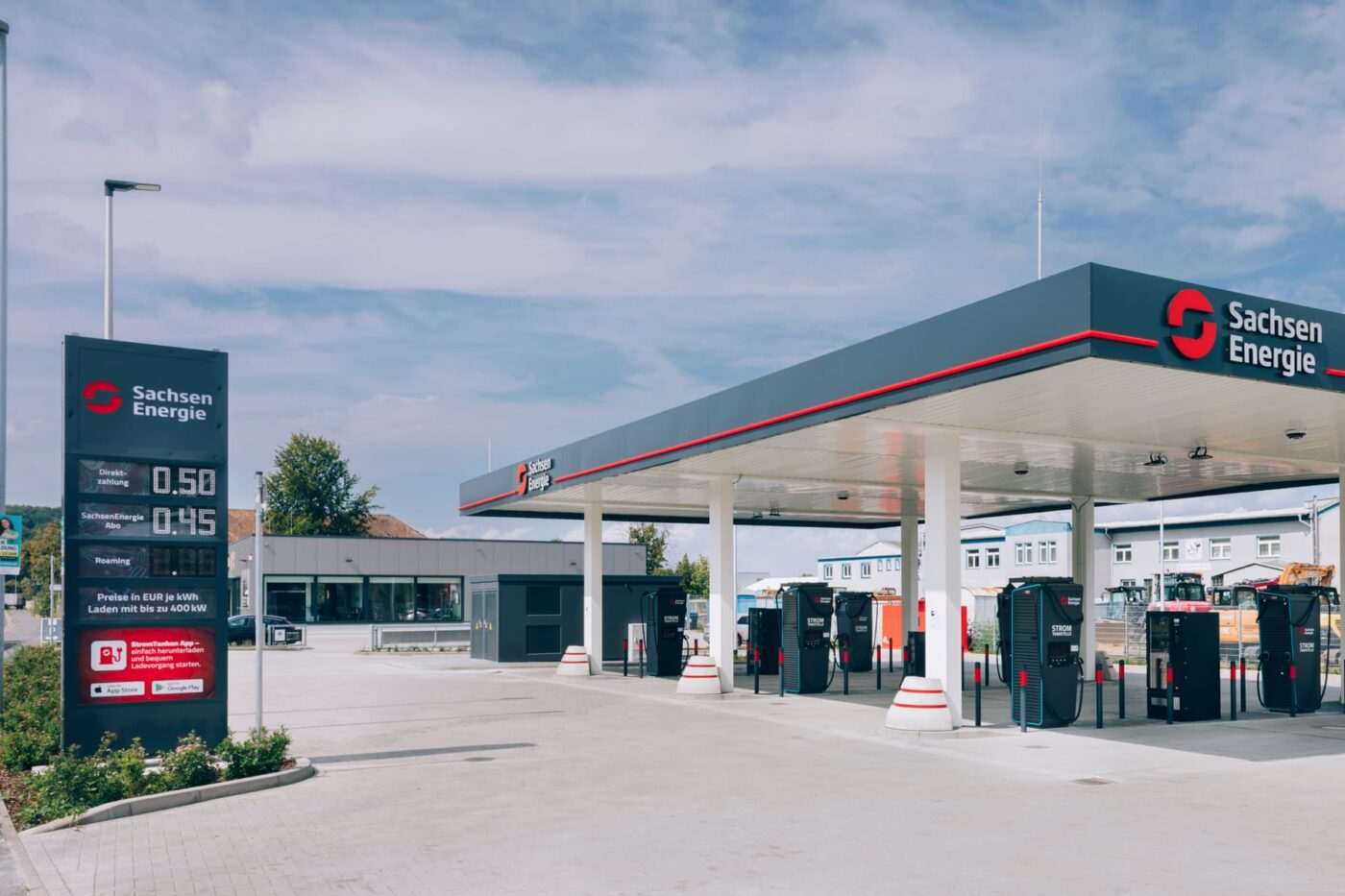
The draft law aims to improve transparency at public charging stations. If adopted in its current form, operators who provide incorrect or incomplete pricing information could face fines of up to €100,000 euros. This proposed reform of the Price Indication Act addresses a gap in legislation created by the requirements of the European AFIR (Alternative Fuels Infrastructure Regulation).
In short: until now, German authorities have had no means to penalise violations of AFIR transparency rules – and it has often been complicated for end consumers. Charge point operators (CPOs) who previously failed to provide complete pricing information in line with the regulations faced no risk of fines or other sanctions, allowing them to evade accountability for incorrect or incomplete details. However, it remains unclear whether any significant violations have already been identified that could not be penalised in practice.
The draft law states: “The German government has also set itself the goal of ensuring price transparency at charging stations. A key factor in this, from its perspective, is compliance with the prescribed regulations on price indications and price components under Article 5 of the AFIR. To achieve this, effective enforcement is required, supported by appropriate sanction mechanisms in the interests of competition and consumer protection.”
The Federal Ministry for Economic Affairs and Climate Action published the proposal in February 2026, although it has yet to undergo interdepartmental coordination. According to Heise, the draft was approved by the Cabinet on Wednesday, indicating it has already passed the interdepartmental coordination phase – though any potential changes remain unknown. As this is a law and not merely a regulation, it still requires approval from the Bundestag.
For consumers, stricter adherence to AFIR requirements could mean more transparent pricing at charging stations and help avoid unpleasant surprises when settling the bill. The AFIR stipulates that at fast-charging stations with more than 50 kW that became operational after the regulation came into force in April 2024 (link in German), the price per kilowatt-hour and any time-based price components must be clearly displayed before the charging process begins. Similar rules apply to AC charging points, though in the specified order: kilowatt-hour price, minute price, and any additional flat fees, such as a one-off start charge.
These requirements, however, apply only to ad-hoc charging, where payment is made directly to the charge point operator without prior registration. If the charging process is initiated via a Mobility Service Provider (MSP), the contractual terms agreed between the MSP and the customer apply – details which the CPO cannot display. Nevertheless, MSPs are also subject to certain obligations: they must provide all specific pricing information in advance via ‘electronic means’, typically an app or website.
heise.de, bundeswirtschaftsministerium.de, bundeswirtschaftsministerium.de (Links in German)
0 Comments