


Electric car lineup expands further – SUVs remain the dominant segment
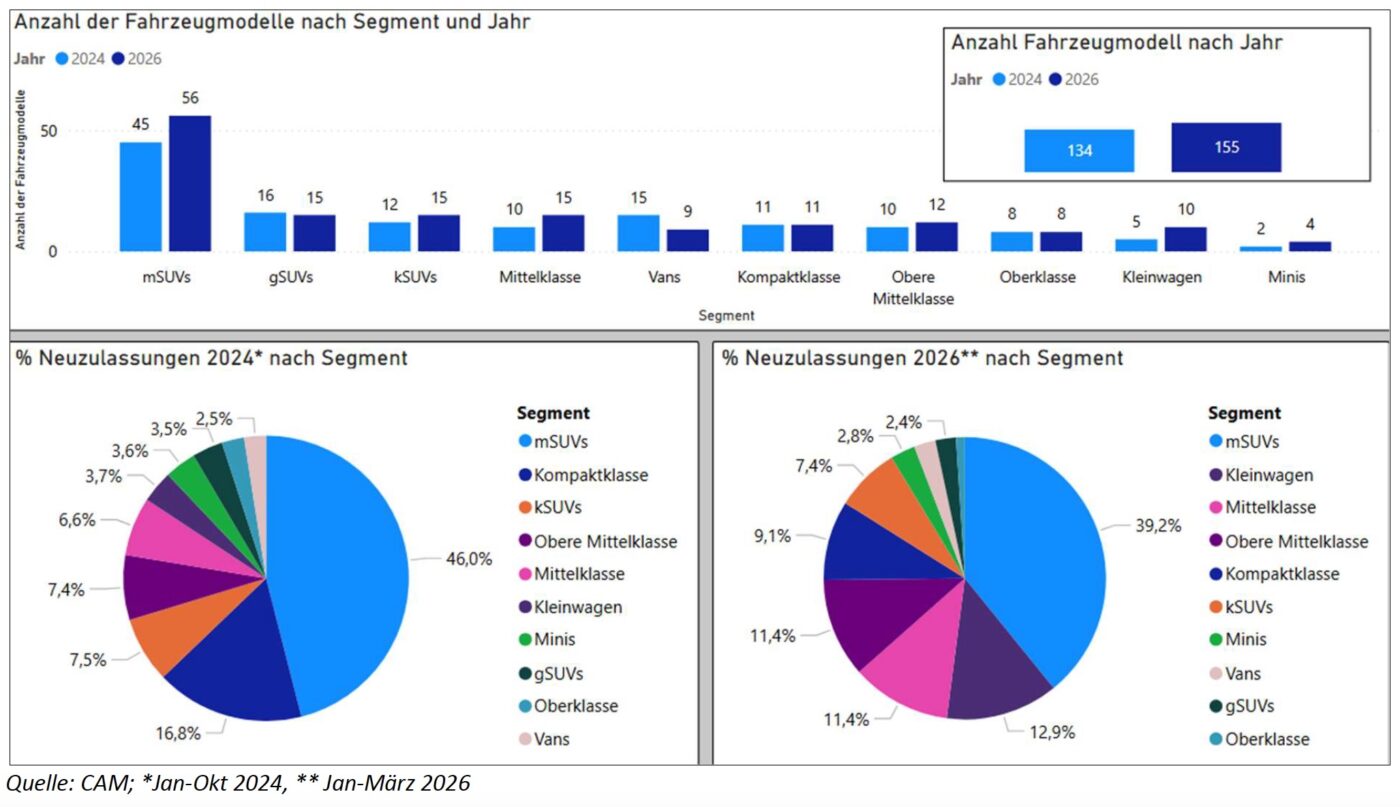
A team of researchers led by Stefan Bratzel has evaluated new electric car registrations in Germany for its latest CAM Report, combining registration figures with manufacturer data. The analysis indicates that prospective EV buyers in Germany had access to a broader selection of models in the first quarter of 2026 compared to 2024.
One notable trend is the shift in segments: smaller and mid-sized vehicle classes are gaining traction among battery-electric vehicles. Their share of BEV new registrations increased from around 10.3% in 2024 to 24.3% in 2026. According to CAM, this is partly due to the expansion of the BEV offering in the mini, small car, and mid-size segments, which grew from 17 to 29 models during the study period.
However, there is still significant room for improvement in the smaller EV segment.
Study leader Stefan Bratzel stated: “Despite considerable progress in technological parameters such as range and charging performance, the price of electric vehicles remains a key barrier to further market growth in Germany. Compared to internal combustion engine vehicles, there are still significant differences in purchase costs, which play a crucial role, particularly for price-sensitive customers. This is also evident in the fact that only 18 electric models are currently available at a list price under €30,000, meaning the offering in the entry-level segment remains limited.”
However, manufacturers are likely to enhance the price appeal of electric models relative to petrol cars through aggressive leasing deals, partly driven by the need to comply with EU CO₂ fleet targets, according to Stefan Bratzel.
At the same time, the launch of the Volkswagen Group’s electric small car family, including the ID. Polo and Cupra Raval, is imminent, as is the start of deliveries for the new electric Renault Twingo. These vehicles will significantly expand the range of models in the lower price segment. While the Twingo starts at €19,990, the VW family is expected to begin at around €25,000.
Pricing has also moved in a favourable direction: the average cost of electric cars in Germany, weighted by sales volume, fell from €56,669 in 2024 to €52,934 in 2026. That represents a drop of more than €3,500 within two years, bringing prices closer to 2022 levels, when the average stood at €48,669.
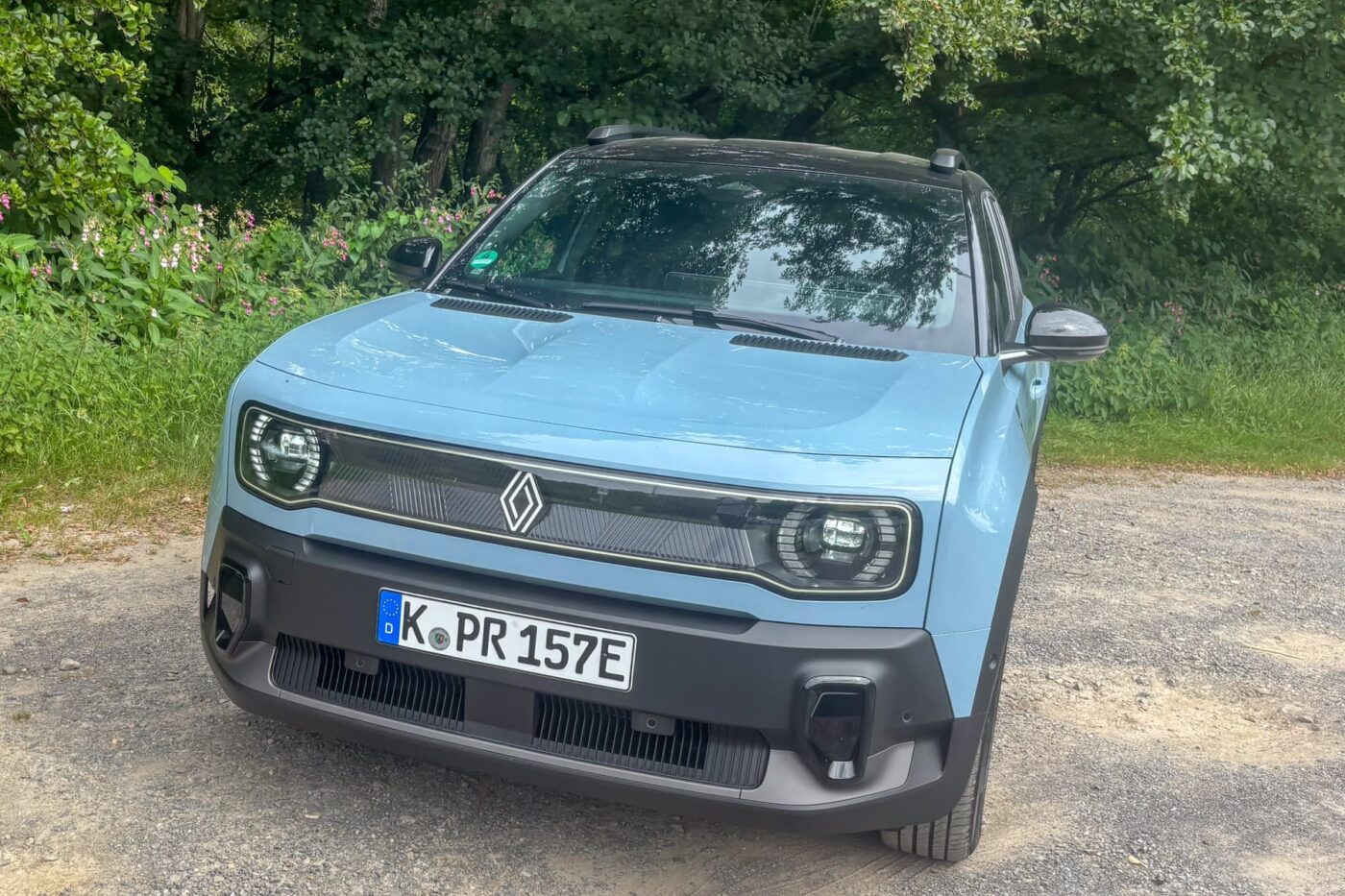
The dominant segment remains electric SUVs: the number of models grew from 73 to 87, currently accounting for 56% of all 155 available electric car models. However, their market share has declined: the proportion of electric SUVs among total EV new registrations in Germany fell from 57% to 49%. This figure includes small, mid-sized, and large SUVs. Competition in the small electric SUV segment is intensifying, particularly due to new, more affordable models such as the BYD Atto 2 or the Renault R4, which are driving increased competitive pressure and falling prices in this segment.
Technologically, the latest electric car models have also made significant advances, with CAM using 2022 as a reference. The average range has increased from 376 km to 480 km, while the average charging power has risen from 116 kW to 171 kW over the same period.
Source: via email, auto-institut.de (both in German)
0 Comments