


Mexico unveils its first electric car
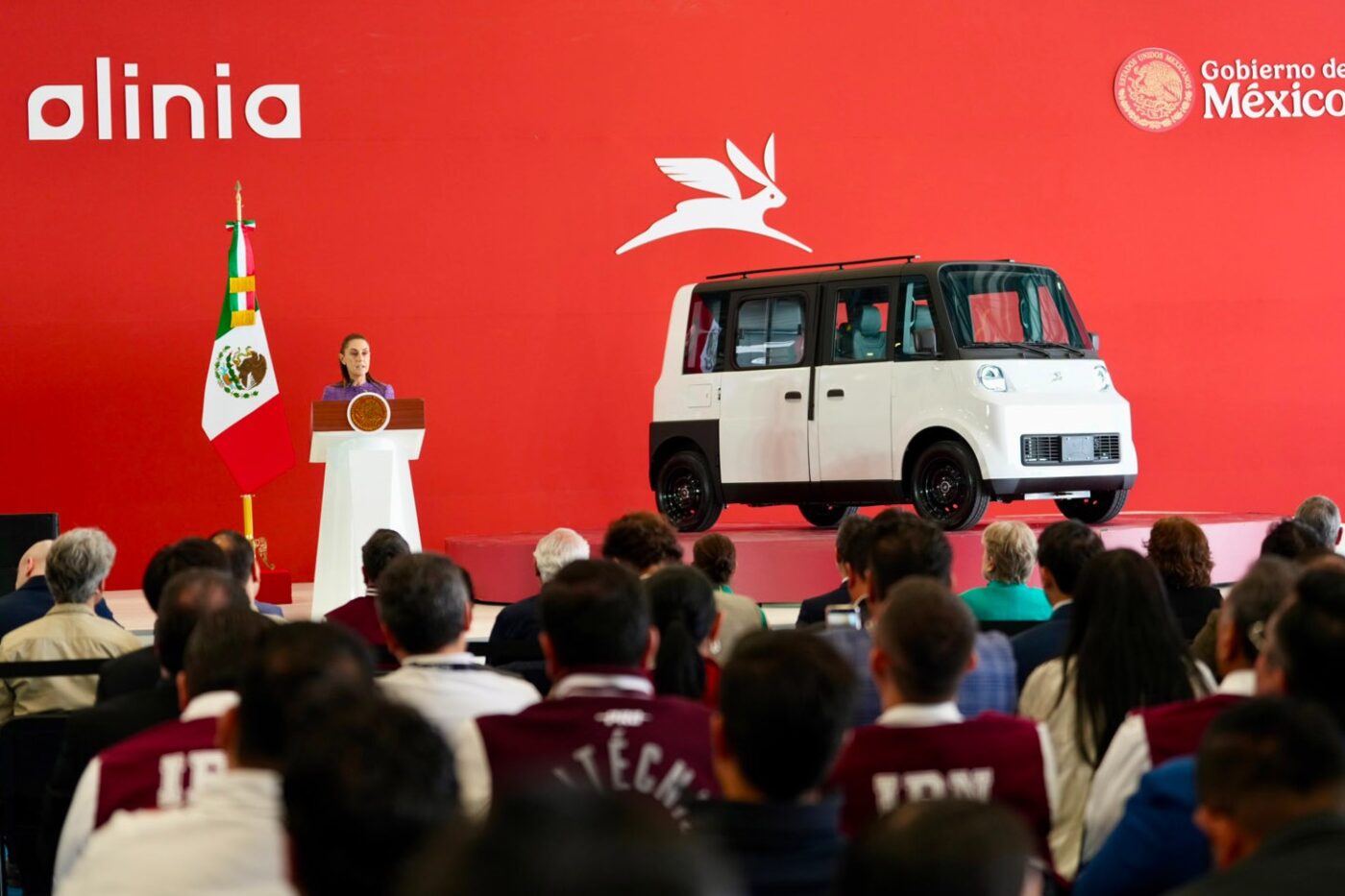
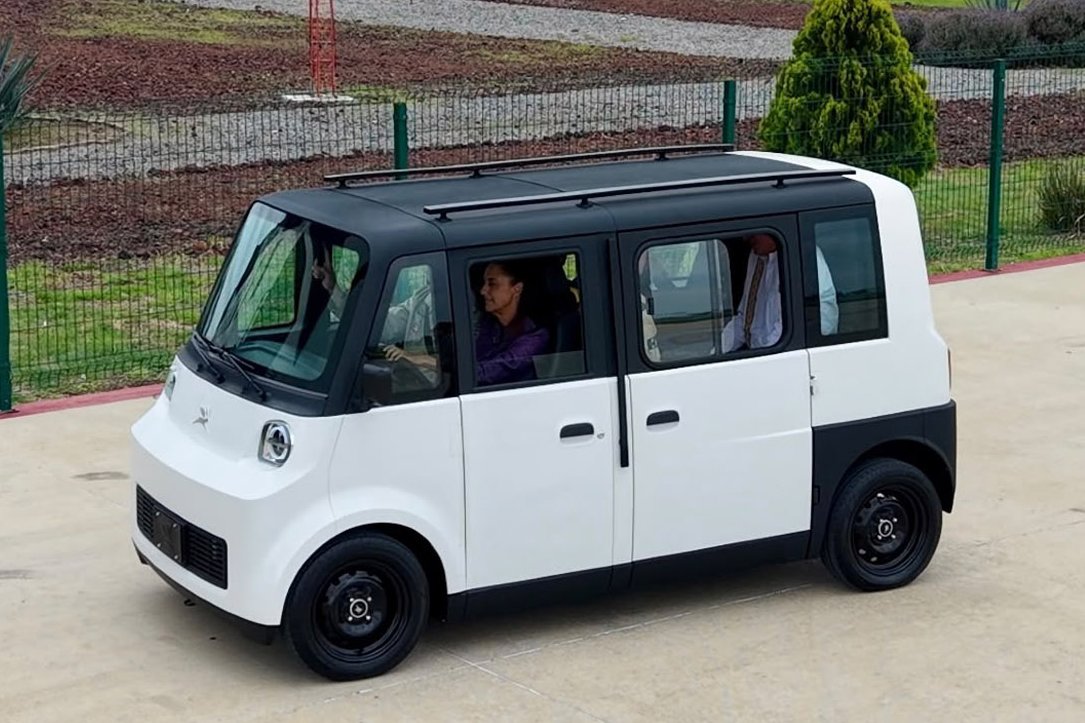
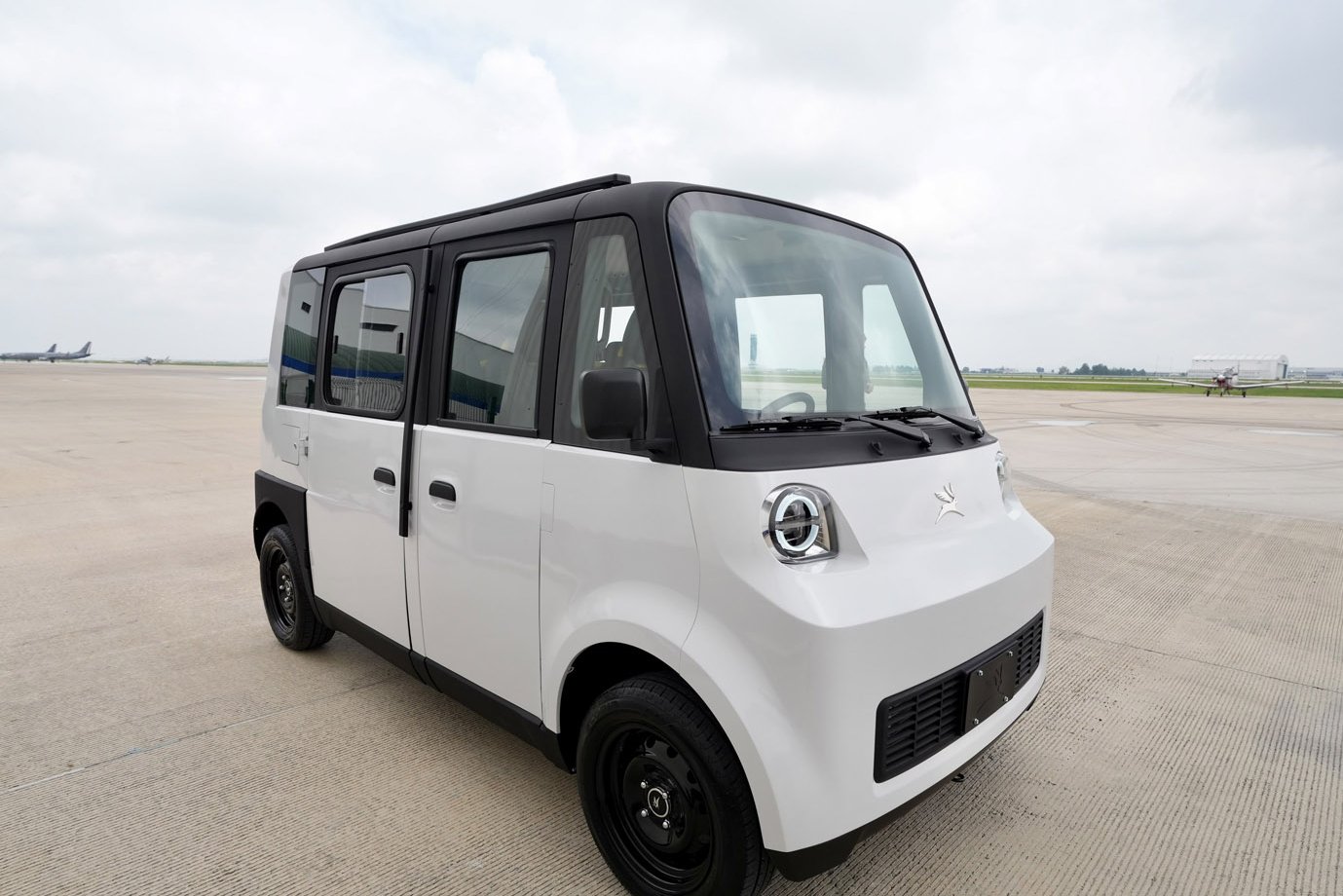
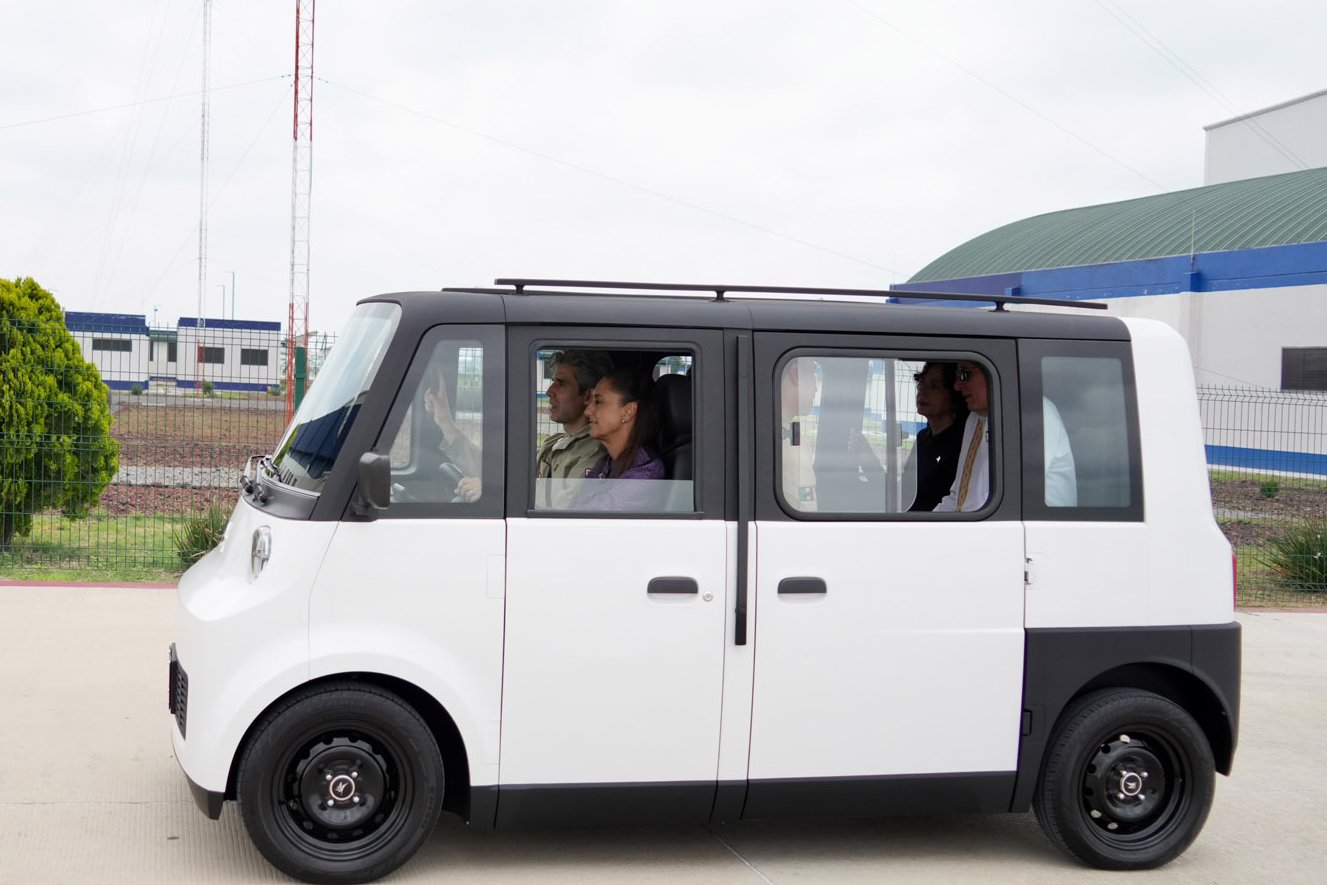
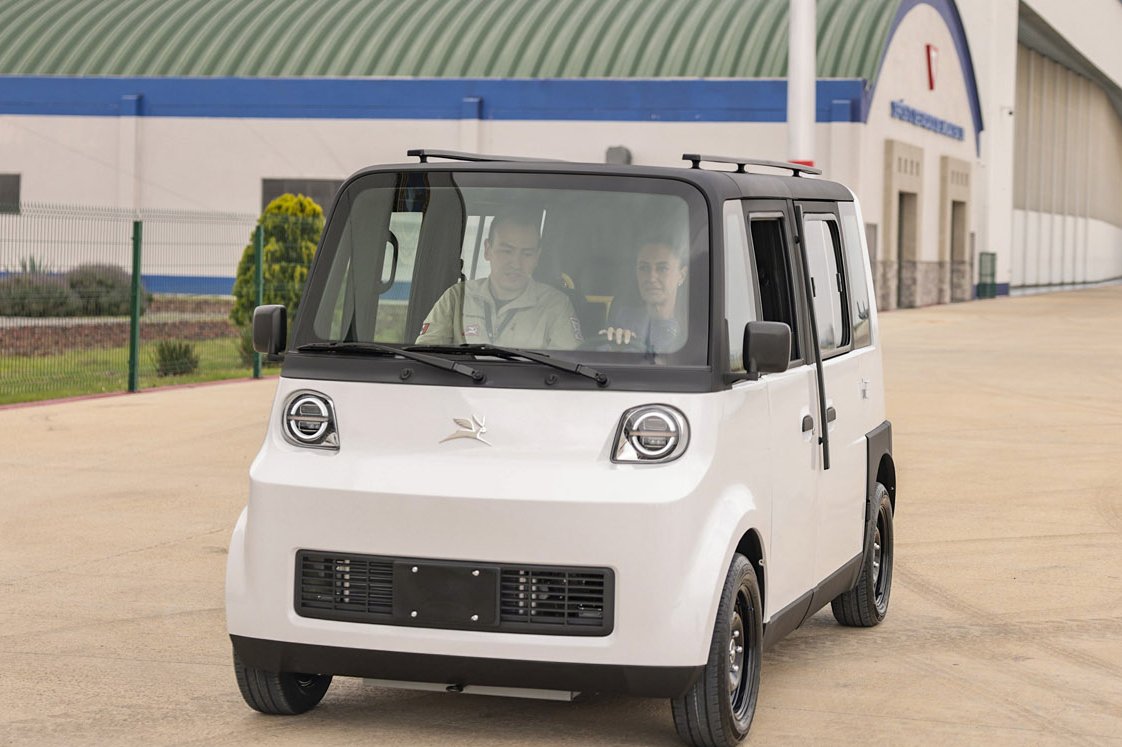
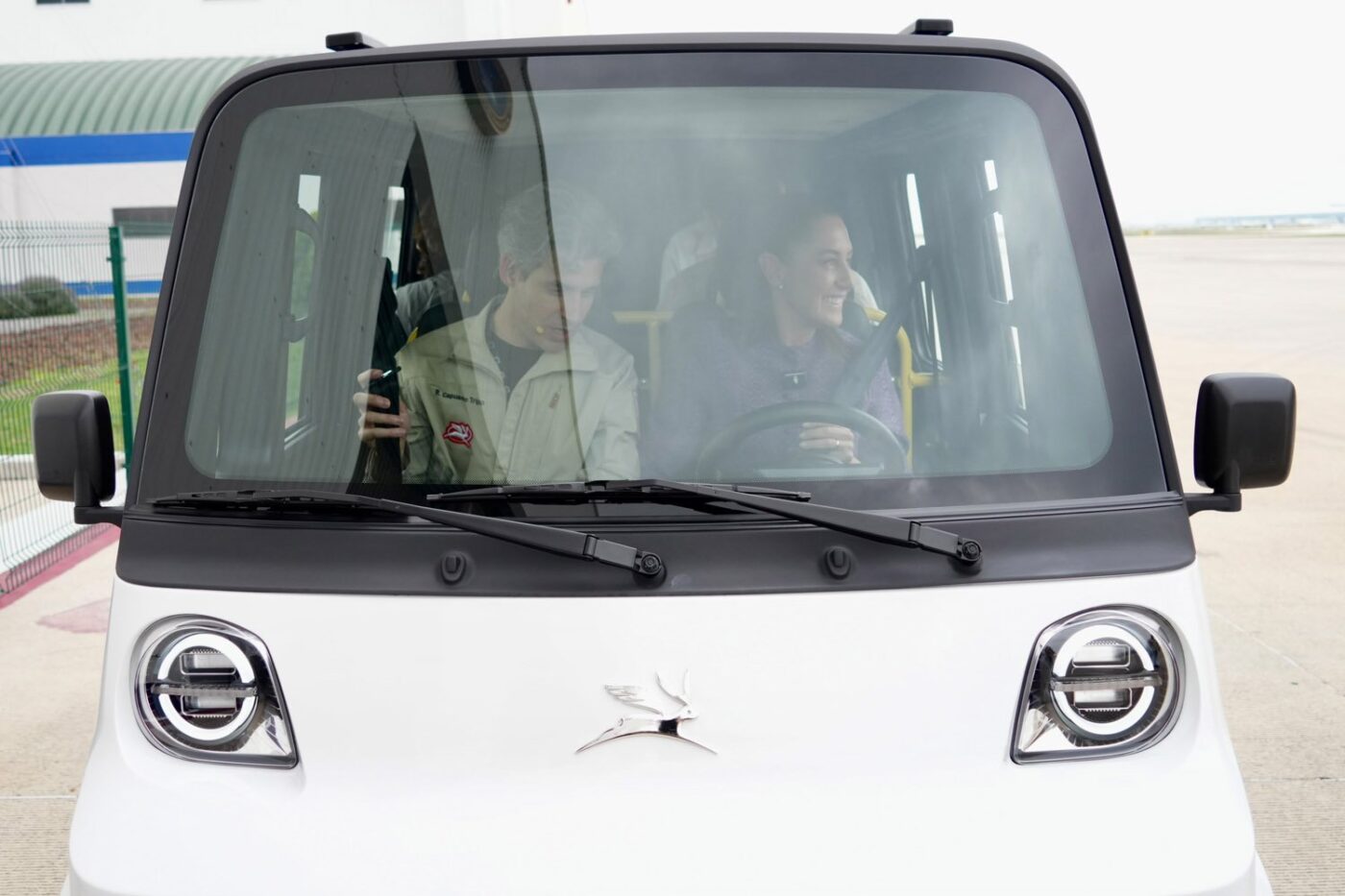
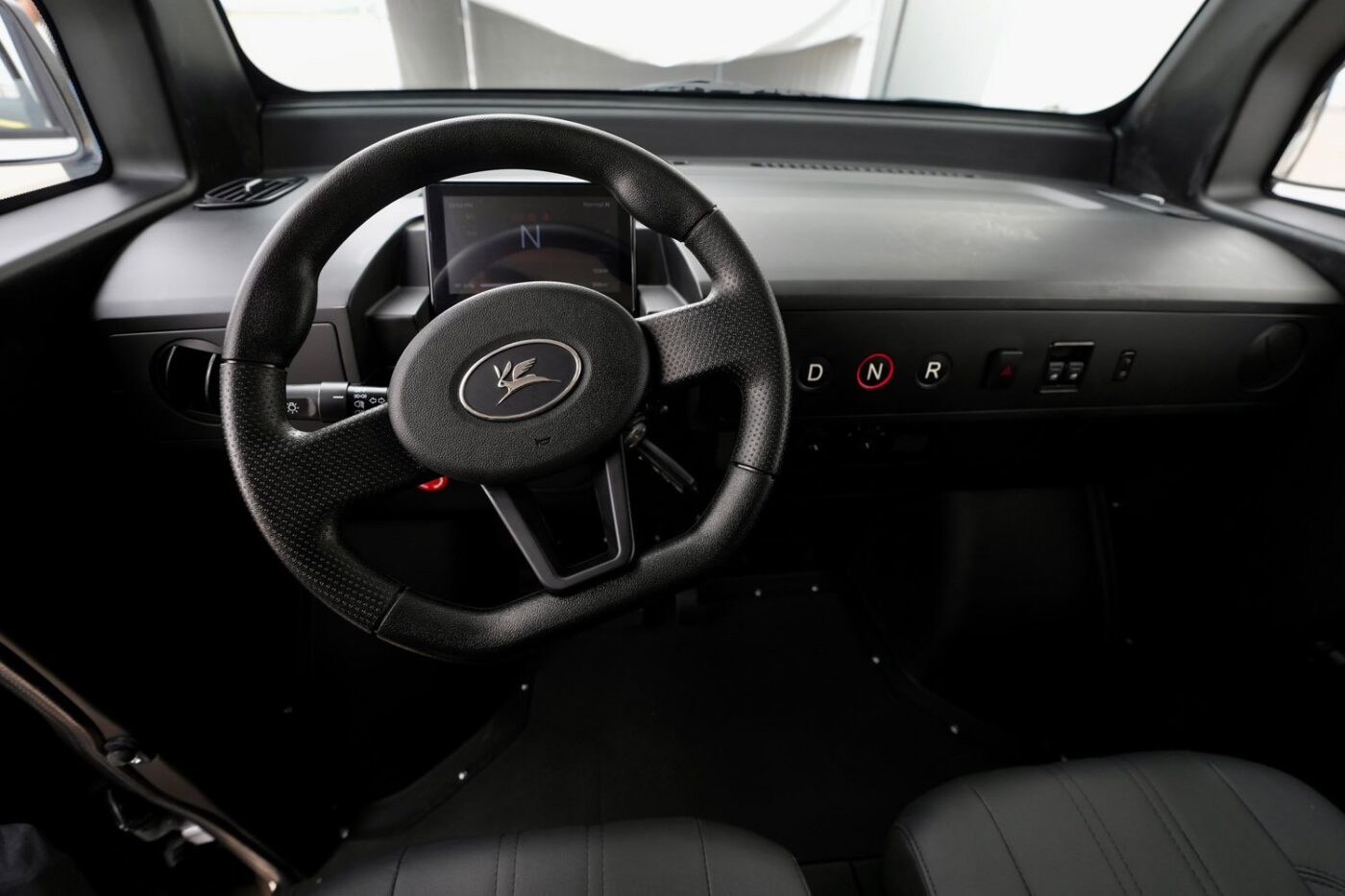
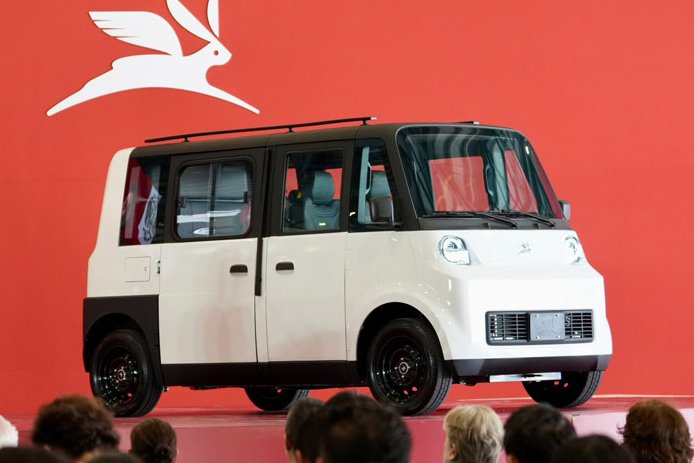
The first model, called Olinia Uno, is a compact urban electric vehicle with a target entry price of 150,000 Mexican pesos (around 7,500 euros). The vehicle features a 14.7 kWh battery, offers a range of 125 kilometres, and has a top speed of 50 km/h. According to the project data, operating costs are estimated at 0.49 pesos per kilometre.
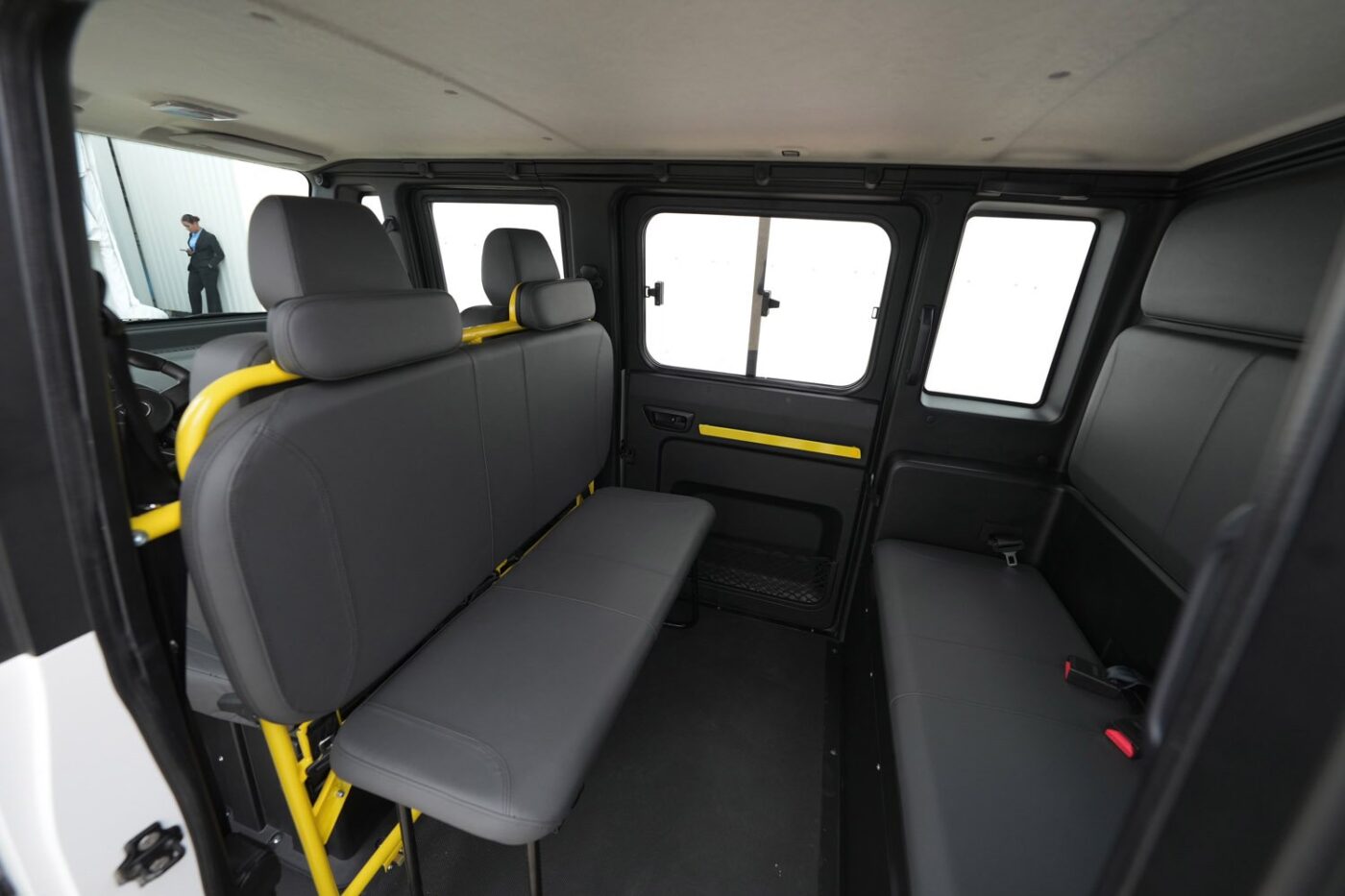
The Olinia Uno can seat up to six passengers and includes accessibility features for wheelchair users. Charging is possible via standard household electrical outlets. There is no mention of whether the vehicle also supports AC charging using a standard Type 2 connection.
However, the Olinia project also includes the rollout of charging infrastructure. As Mexico Business reports, ‘the initial phase involves installing 2,000 charging points across Mexico City, the State of Mexico, and Puebla’ to facilitate large-scale adoption of the domestically produced EV, as well as the electrification of public transport fleets, including taxis.
Construction of the production facility is set to kick off between August and September 2026. Initial manufacturing capacity is planned at 20,000 units annually, with expansion targets of 50,000 vehicles within four years and up to 100,000 units per year at a later stage.
Mexico also plans to localise a significant portion of the supply chain. The project is expected to launch with 50 per cent domestic content integration, rising to 75 per cent by 2030 as local supplier capabilities expand.
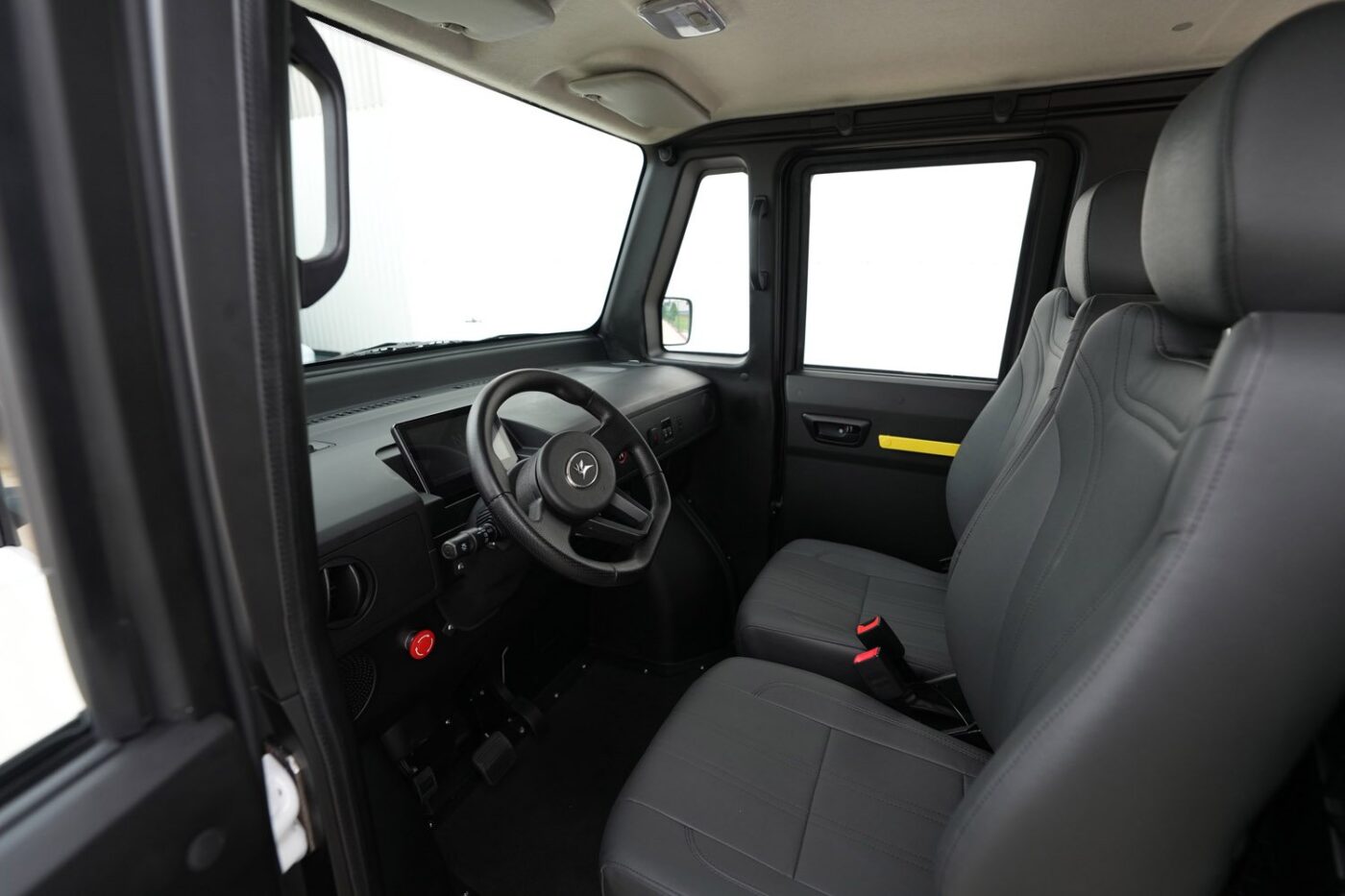
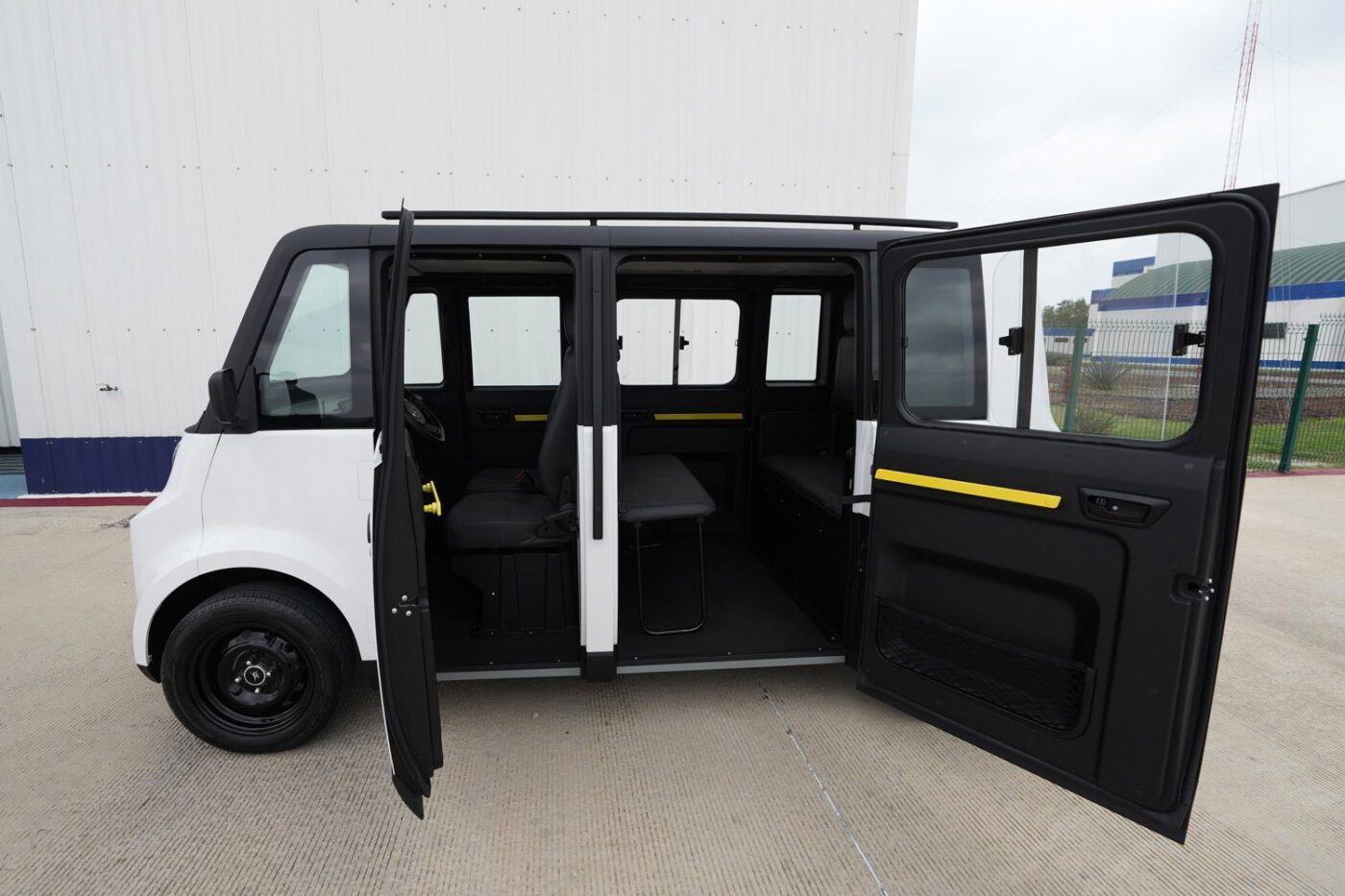
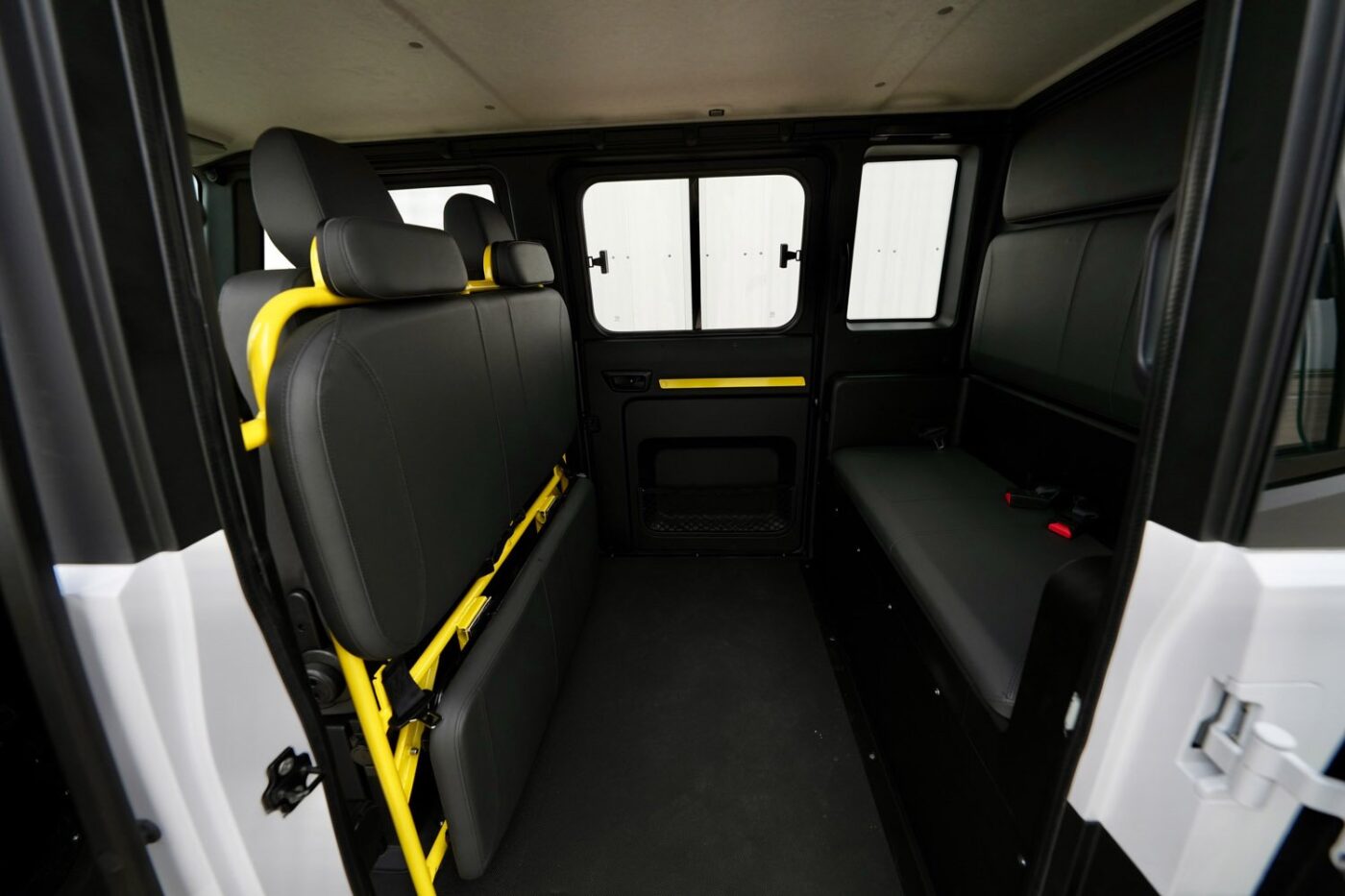

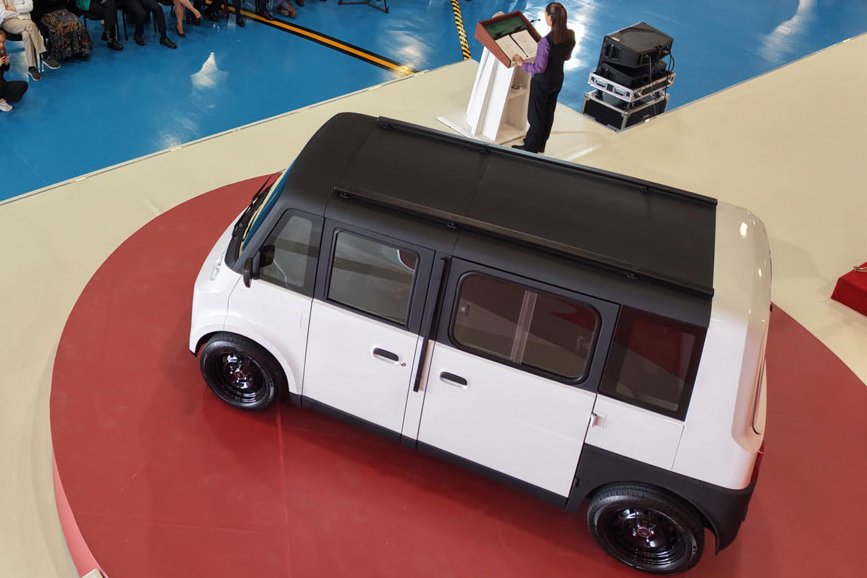
Mexico first presented its plans for a domestic EV programme in January 2025. At the time, the initiative was presented as part of Mexico’s transition from an export-focused vehicle assembly base towards a more vertically integrated automotive industry with domestic engineering and manufacturing capabilities.
The project is being coordinated by Mexico’s Ministry of Science, Humanities, Technology and Innovation (SECIHTI). The government had selected the National Polytechnic Institute (IPN) and the National Technological Institute of Mexico (TecNM) to develop the mini-vehicle technology. More than 80 researchers have contributed to the engineering centre in Puebla, which, according to Mexico Business, is intended to become a regional hub for electric mobility, artificial intelligence and clean energy development.
The Olinia brand will operate under a mixed-ownership structure and is currently seeking 200 million Mexican pesos (around 9.95 million euros) in private investment to support the transition from prototype development to commercial production.
The Mexican government is also preparing a new regulatory category for low- and medium-speed urban electric vehicles to address gaps in existing transport legislation. In parallel, the battery strategy includes a second-life approach under which used battery packs could be repurposed for residential energy storage applications before final recycling in Sonora.



3 Comments