


Tesla Cybercab with 48 kWh battery and front-mounted motor revealed
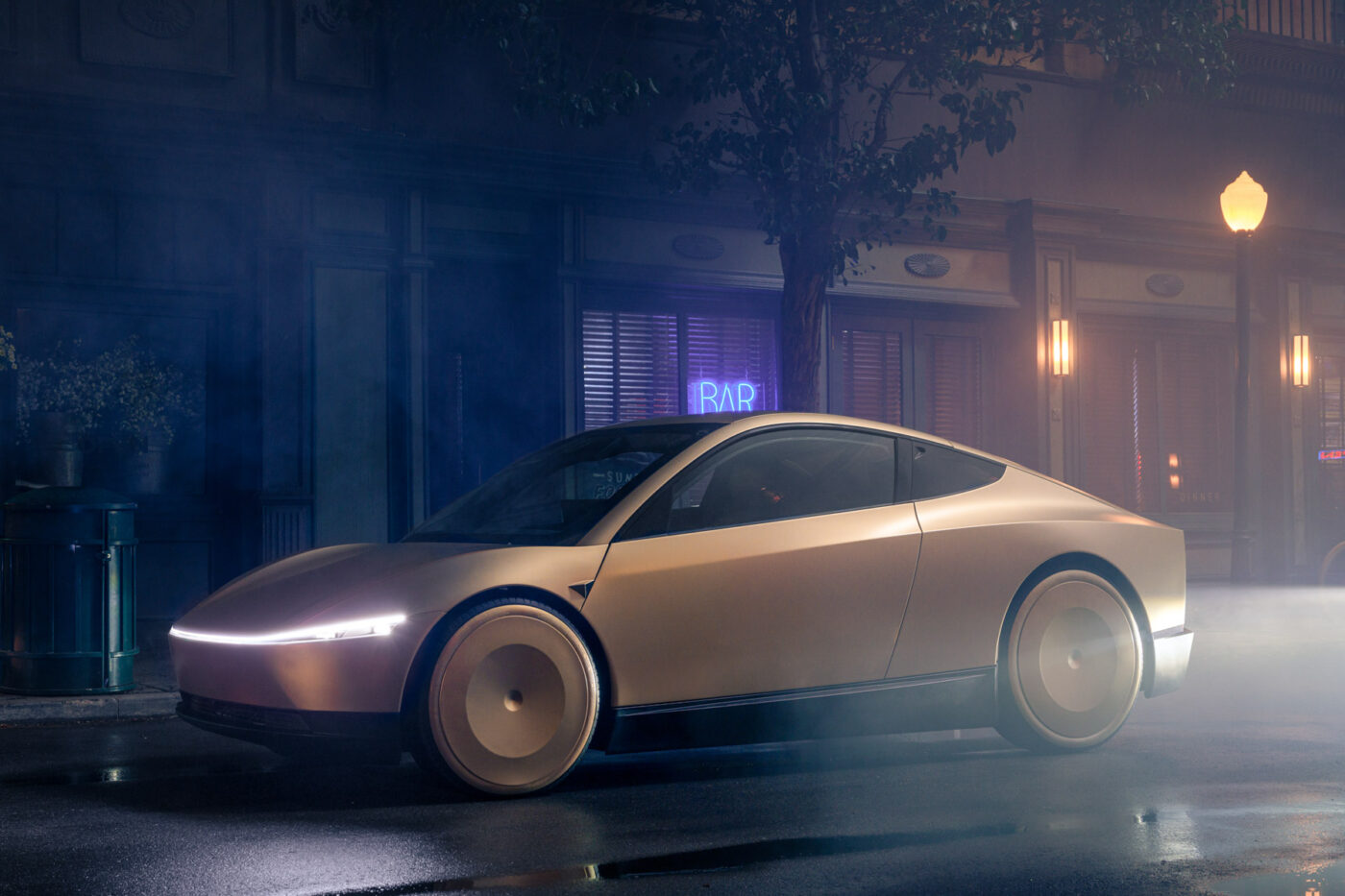
Tesla has remained tight-lipped about the platform and drivetrain technology of the Cybercab. However, the administrative process for US series production requires certain disclosures. As a result, Tesla was obliged to submit official documents to the US Environmental Protection Agency (EPA) for approval as a production vehicle – and these documents now provide a detailed insight into the Cybercab’s specifications. Car and Driver magazine was the first to report on this development.
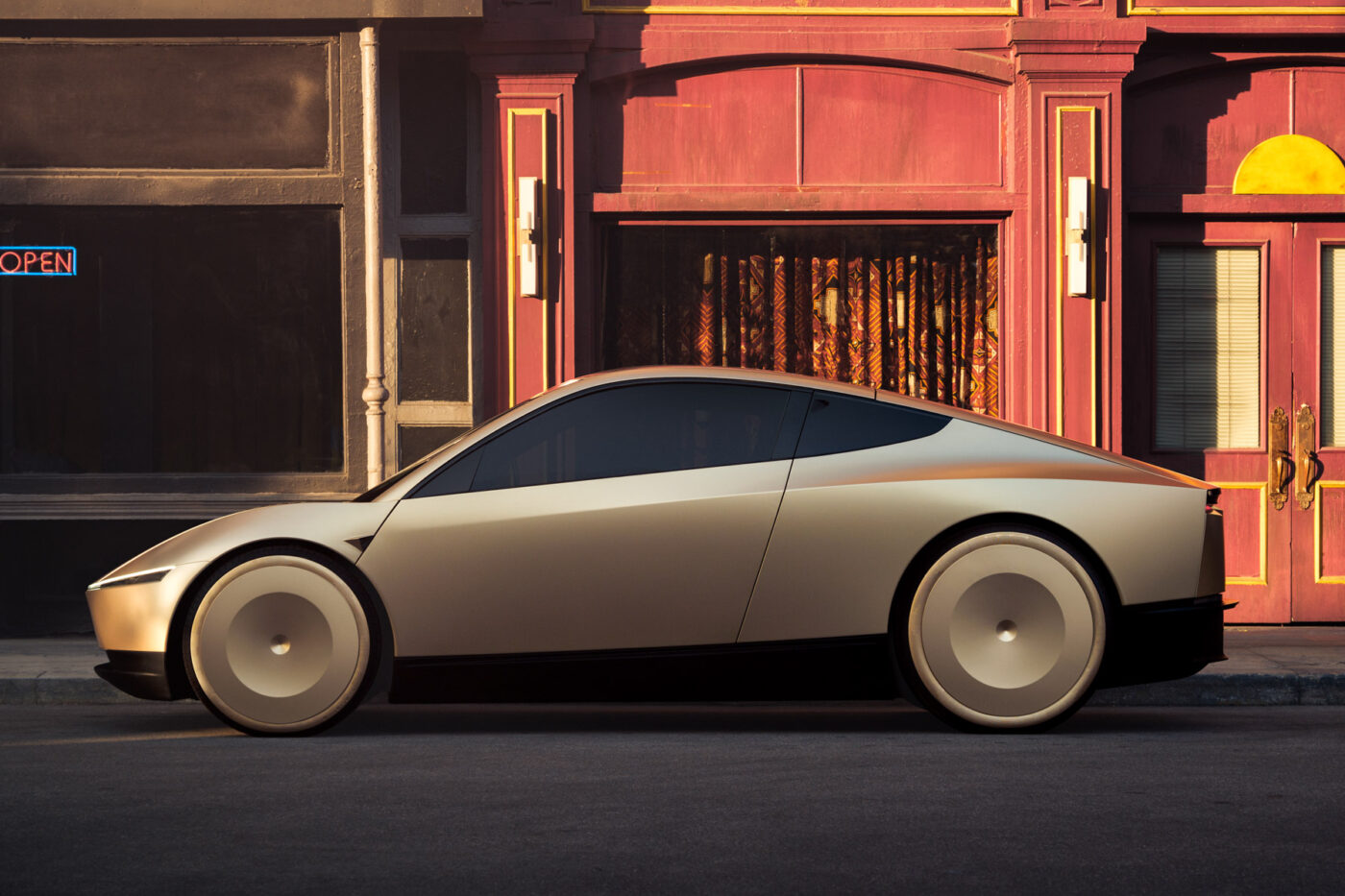
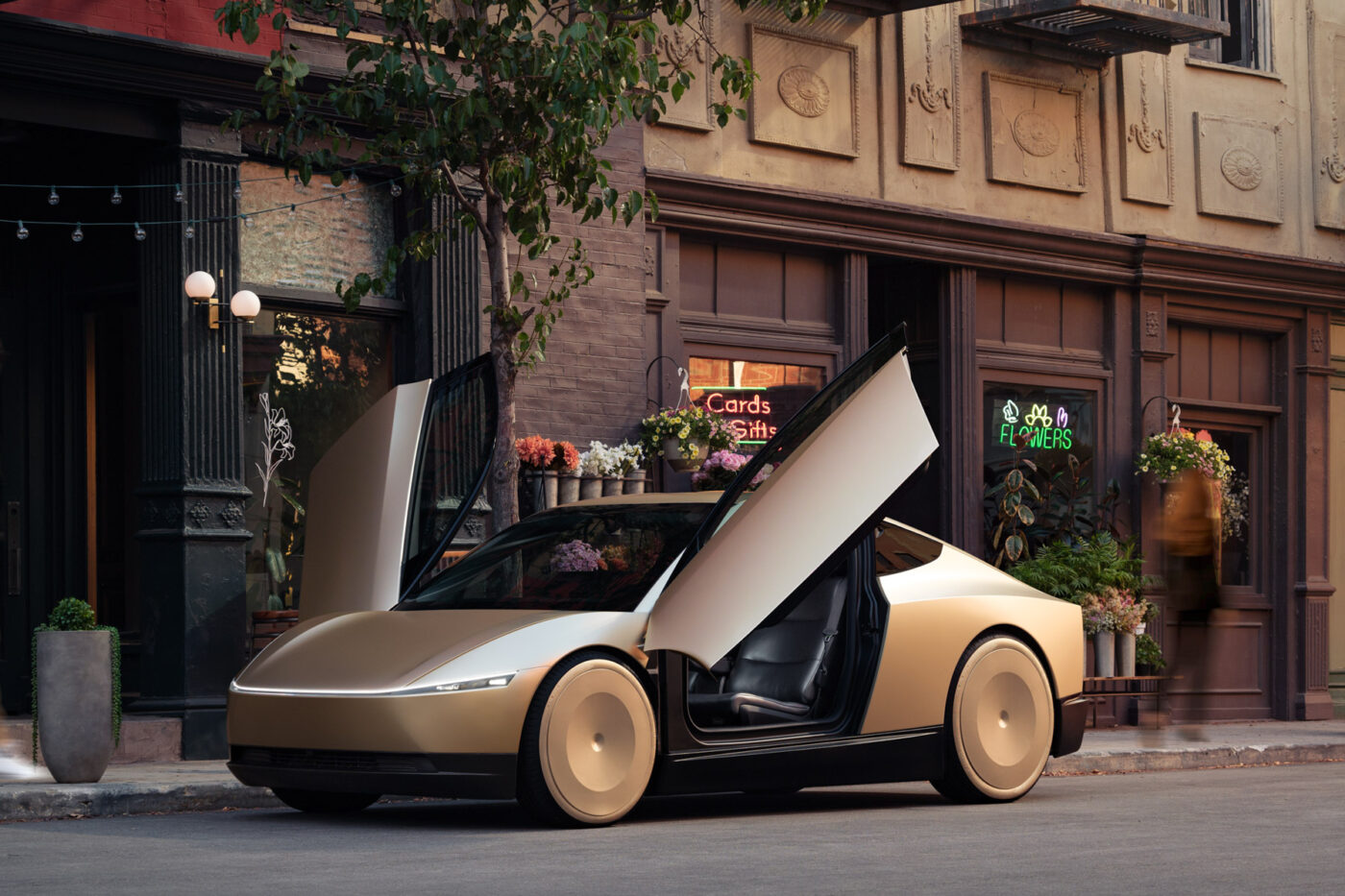
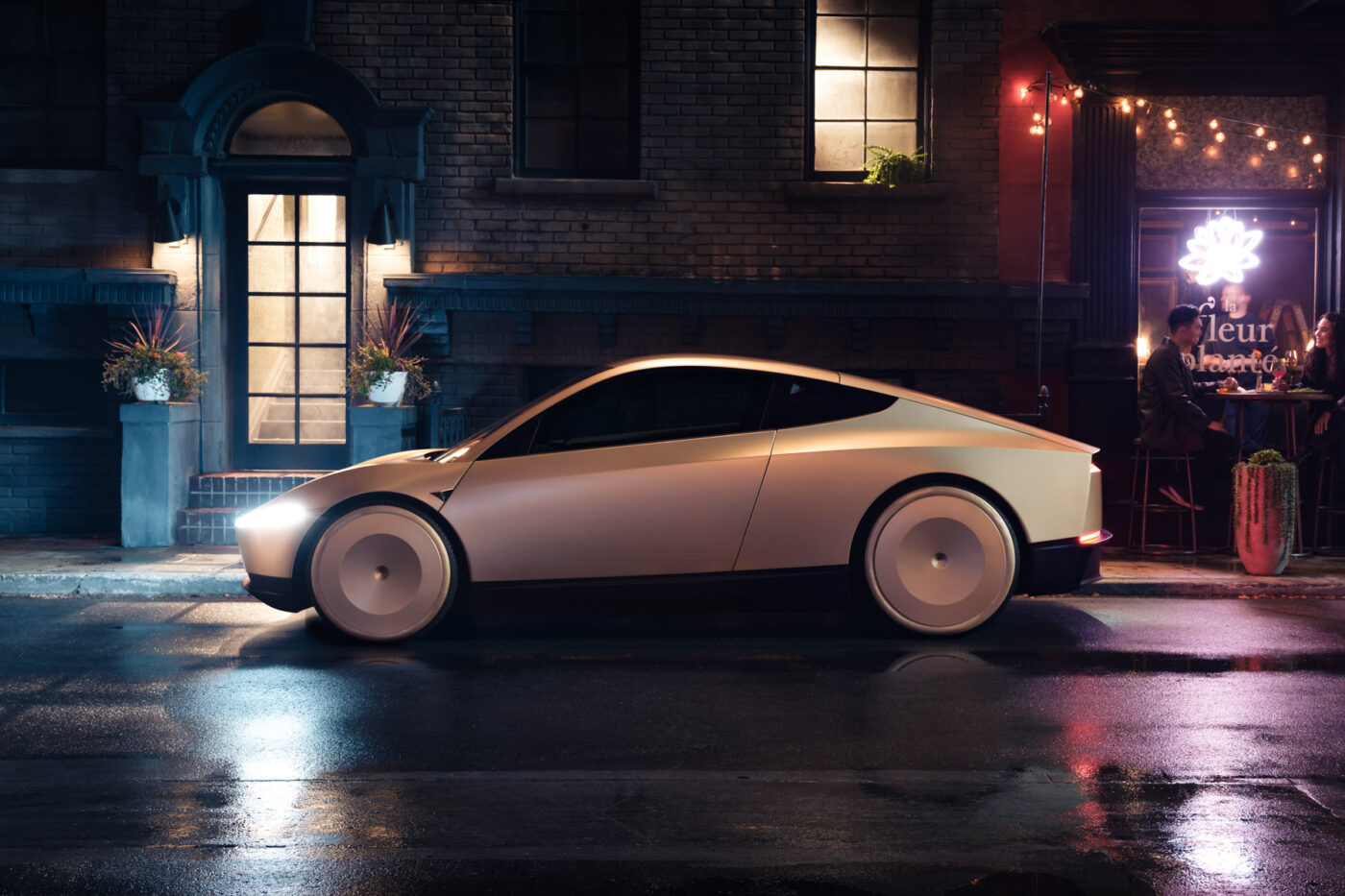
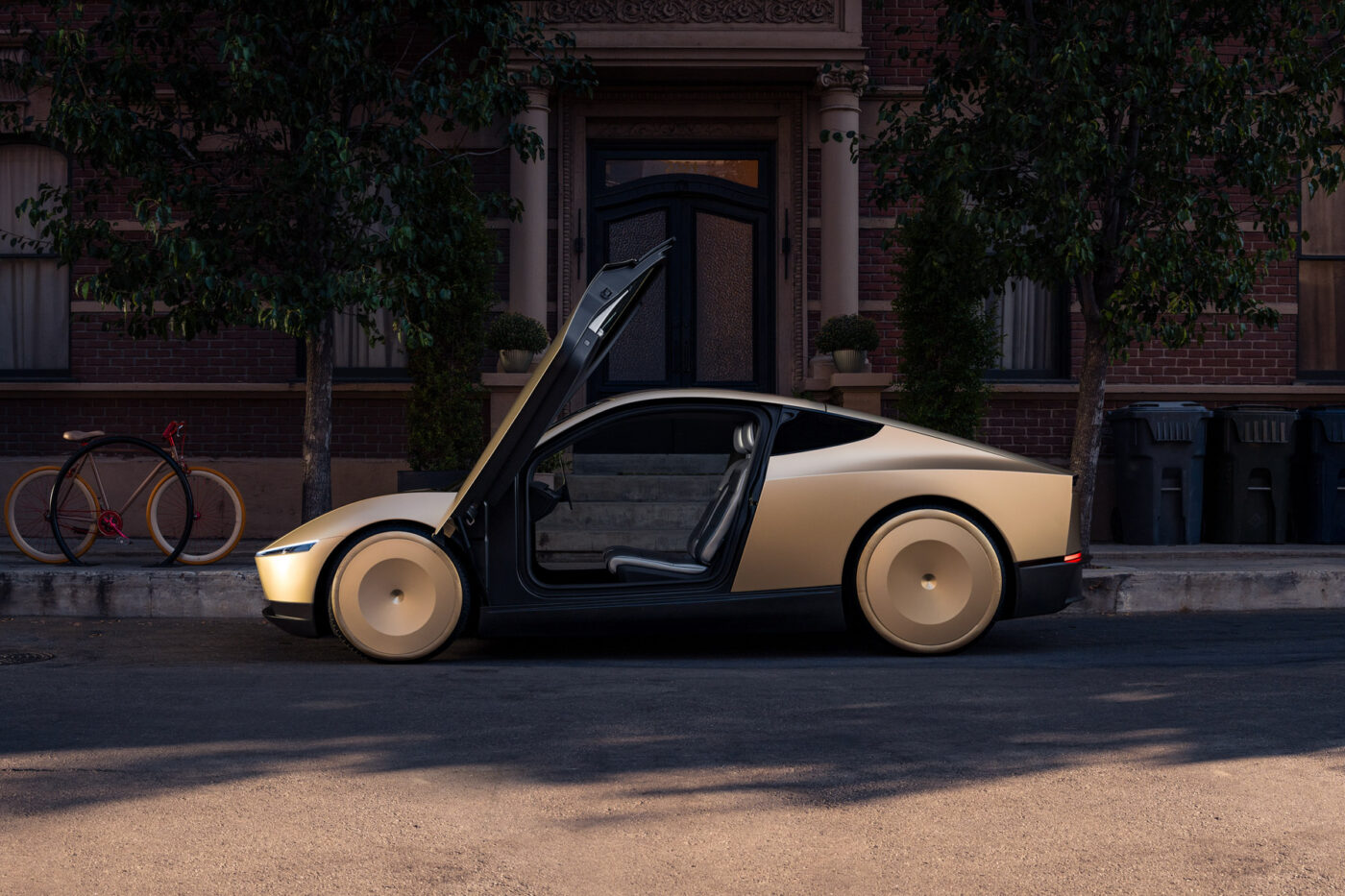
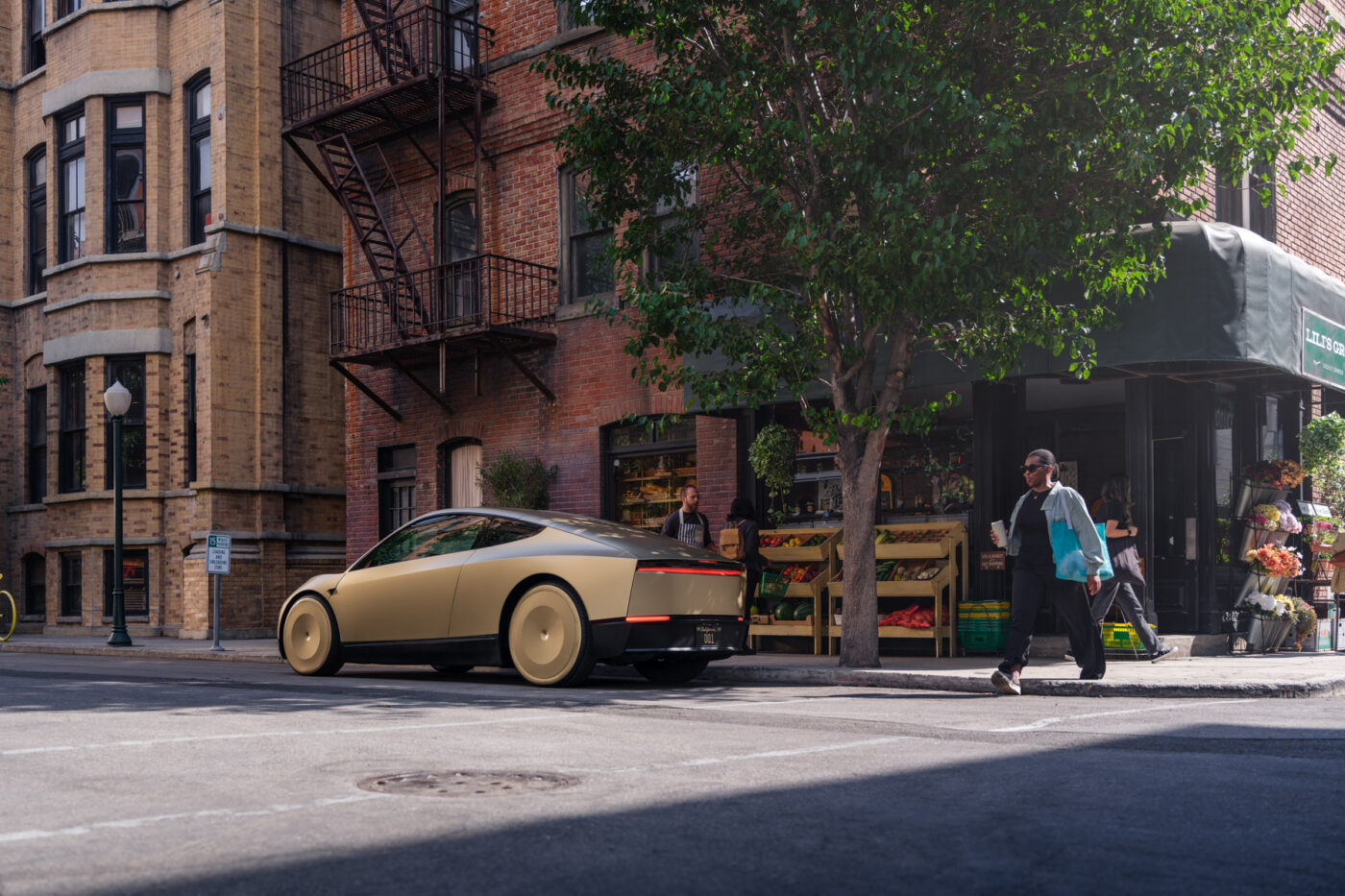
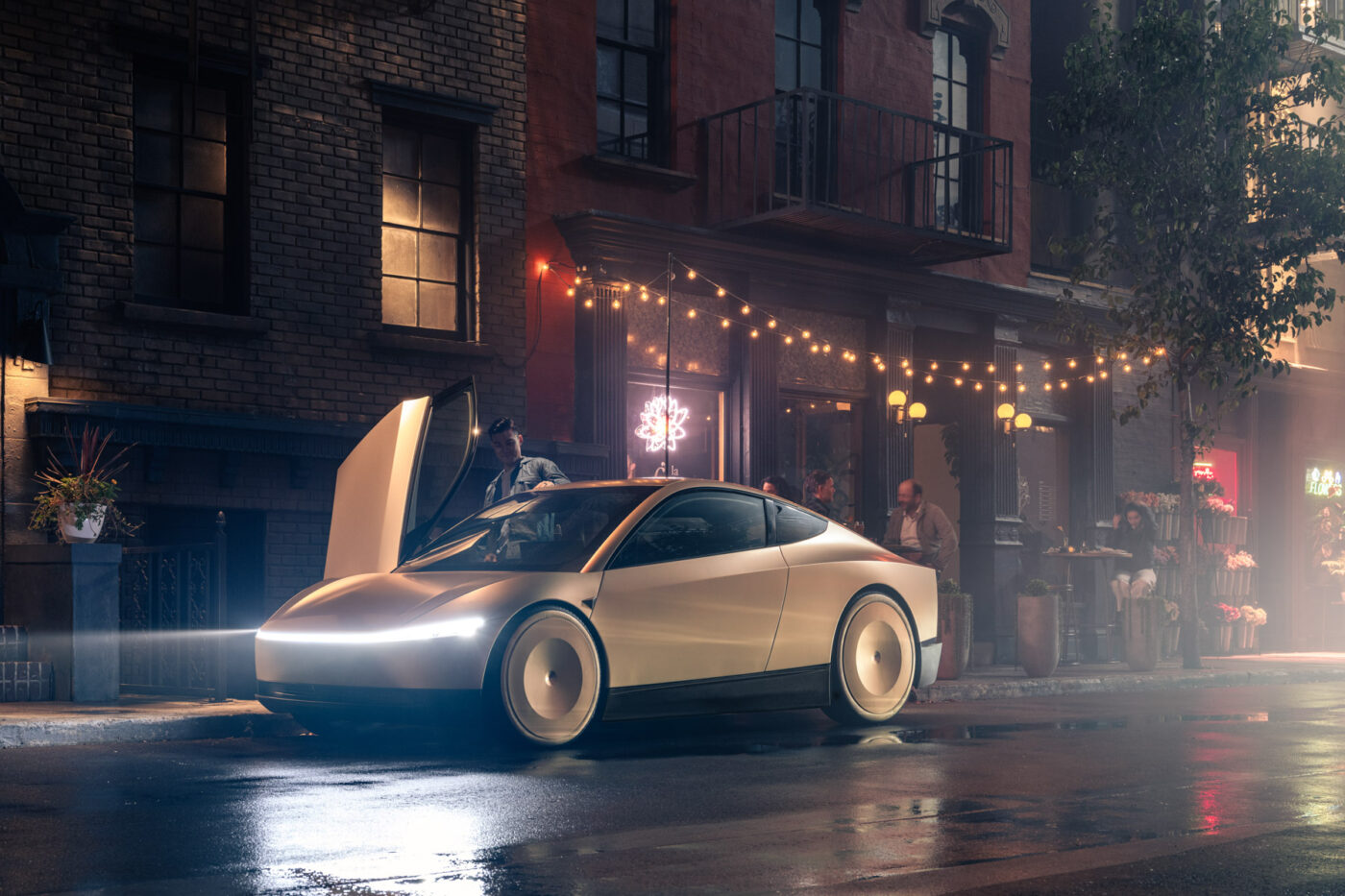
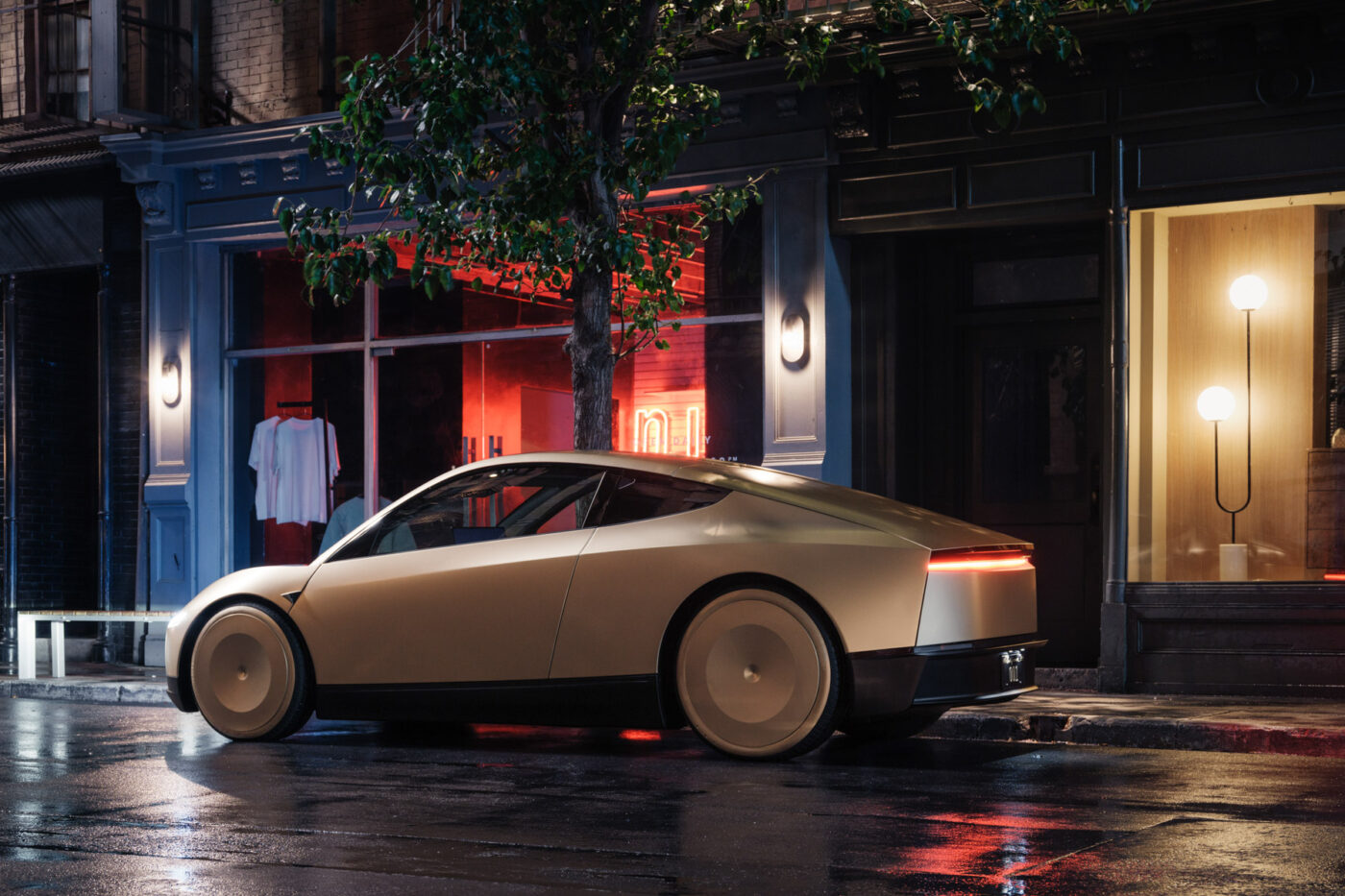
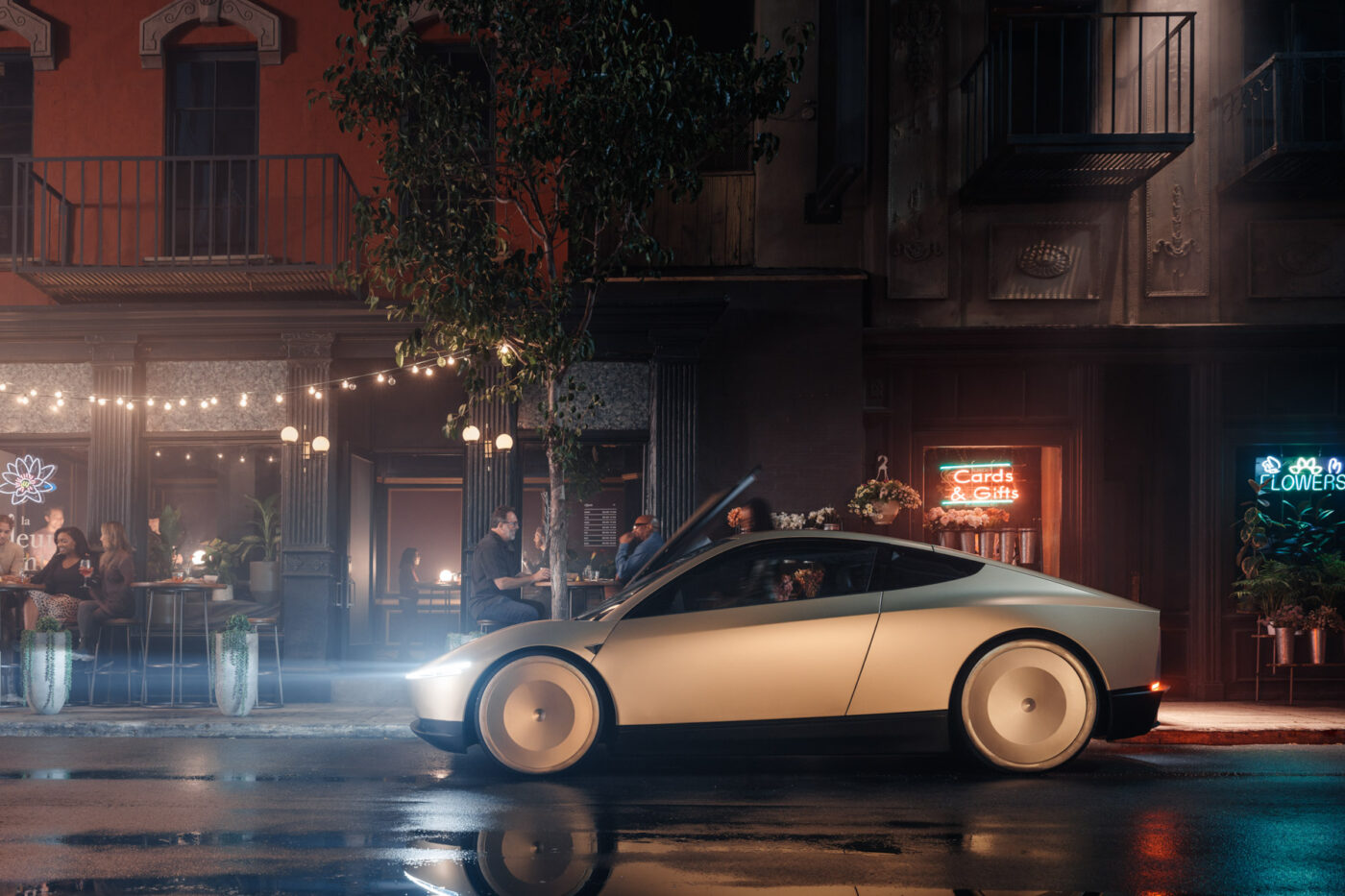
For background: Tesla unveiled its robotaxi in 2024 as a gold-coloured, two-seater coupé with gullwing doors. It is designed to compete with Waymo’s robotaxis and, as is frequently mentioned, operates without LiDAR. Instead, Tesla relies on its Full Self-Driving (FSD) software, a purely visual camera-based system. The model will be available through B2B channels as well as to private customers. Additionally, the FSD system will be available in private vehicles, although drivers remains responsible for the vehicle’s operation – something Tesla emphasised during the original presentation around 18 months ago.
It was already known that, unlike the Model 3, the Cybercab is a two-seater. The gullwing doors provide access to a relatively compact interior. Behind the two seats, there is a substantial partition, which is why Tesla omitted a rear window. Nevertheless, beneath the golden exterior, there is a surprisingly large boot. We have detailed all these impressions and more in our premiere article.
Now, newly uncovered EPA documents reveal that the Cybercab features a 163 kW front motor powered by a 48 kWh battery. The kerb weight of the saloon is listed as 3,113 pounds, with a payload of 617 pounds – equivalent to 1,412kg and 280kg, respectively. This would make the Tesla EV the lightest electric car currently on the US market, according to the portal InsideEVs. The payload is also relatively low, meaning passengers and luggage combined must not exceed 280 kilogrammes.
It remains uncertain whether the full 163 kW is available at the press of the pedal. Tesla initially suggested that the Cybercab would be built without a steering wheel or pedals but later equipped test vehicles with them. The battery, according to EPA data, has a capacity of 146 ampere-hours and a voltage of 326 volts, resulting in the stated 48 kWh. The range is said to be 418 miles under the EPA cycle, equivalent to 673km. However, InsideEVs notes that this is not the final official range, which is expected to be adjusted downward. Based on standard calculations, the autonomy is likely to be just under 300 miles, or under 480km.
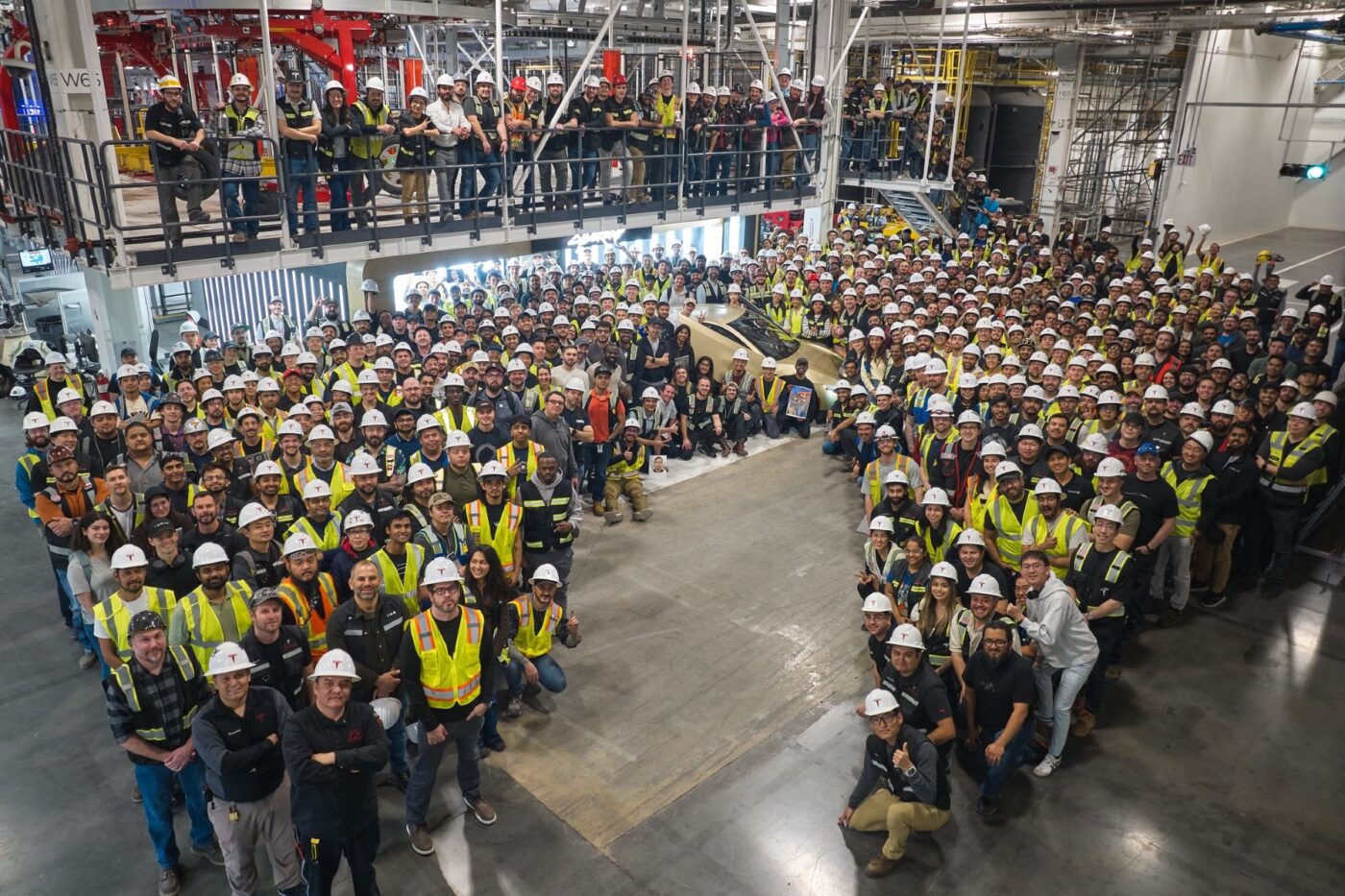
Meanwhile, it remains unclear when the Cybercab will enter series production. The first example of the two-seater was produced at Tesla’s Austin plant in February, though this was still a pre-production model. Tesla’s most recent official statement indicated that the launch would begin ‘before 2027’.
Regardless, for Tesla, the model represents another step towards robotics and autonomous driving. Tesla CEO Elon Musk has made no secret of his intention to further transform the company, focusing on robotaxis and humanoid robots, which he describes as central to Tesla’s future. Additionally, Musk has consistently linked the Cybercab to the introduction of a new production system called ‘Unboxed’, which is intended to simplify manufacturing significantly.
Specifically, Tesla plans to assemble various modules of the Cybercab in separate areas of the factory before bringing them together – a departure from the current linear production approach. This is expected to reduce costs, require less production space, and accelerate manufacturing. However, it has not been confirmed whether this system will actually be implemented. Earlier this year, Musk warned, according to InsideEVs, that Cybercab production under the new system would likely proceed ‘painfully slowly’, as Tesla must still adapt to the novel production technology.
0 Comments