


Four years of electric trucks: how Buhck assesses the cost-effectiveness of its electric fleet
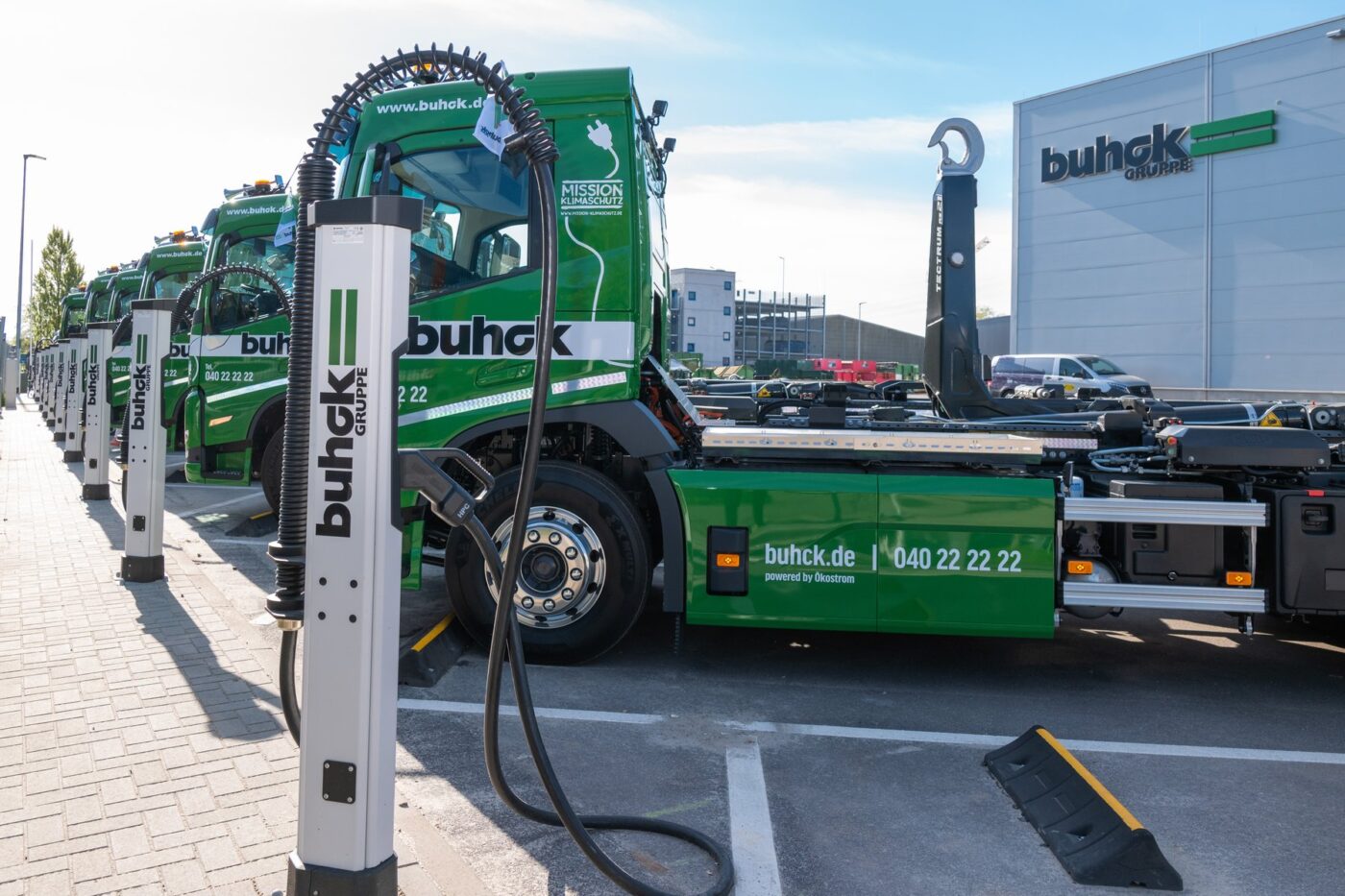
After four years of operating battery-electric trucks, Buhck has concluded that the technology is economically viable in its business. The company has shared its internal calculations, which show that its electric trucks generated around 15 per cent lower costs on average in 2025 than comparable diesel vehicles, even after accounting for all expenses, including the higher depreciation of e-trucks. In addition, Buhck’s electric fleet covered more than 500,000 kilometres last year and avoided around 550 tonnes of CO₂e emissions.
But first, a look at the current fleet. Of the 53 vehicles based at Buhck’s depot in the Hamburg neighbourhood Billbrook, 14 are now fully electric. These include skip loaders, roll-off container trucks, box trucks and grab lorries. The company operates Volvo FH Electric and Volvo FM Electric models, each offering up to 540 kW of power. Buhck plans to electrify its entire fleet by 2032 at the latest.
What started as a pilot project just a few years ago has become part of everyday operations at the Billbrook depot. Buhck plans to add seven more electric trucks to its fleet this year. The rapid expansion is not driven by environmental considerations alone. While reducing emissions remains a priority, the company says economic viability is the decisive factor. Despite the higher initial investment, the vehicles are increasingly proving their value in daily operations.
Until recently, an electric truck chassis with bodywork and the necessary technical modifications cost around €370,000. However, prices have since fallen noticeably.
Markus Horstkötter, Managing Director of Buhck Abfallverwertung und Recycling, attributes the trend to growing pressure on vehicle manufacturers. Stricter EU CO₂ targets mean manufacturers face penalties if they do not sell enough zero-emission vehicles. According to Horstkötter, this has shifted the balance of power in the market and strengthened the position of buyers.
“The reason lies in the increasing pressure on manufacturers,” he explains. “This is shifting the balance of power. It has become more of a buyer’s market.”
New market conditions and falling vehicle prices
The changing market environment is giving fleet operators greater leverage in negotiations over pricing and specifications. “Our target for this year’s investment is €250,000 per vehicle,” says Horstkötter.
Rather than sourcing components separately from vehicle, bodywork and equipment manufacturers, Buhck is increasingly opting for turnkey solutions from a single supplier. “We want one point of contact—‘One Face to the Customer’,” he emphasises. The approach is intended to reduce downtime and eliminate lengthy discussions over responsibility when technical problems arise.
This is particularly important for newly developed electric trucks, where the interaction between the chassis, bodywork and electronic control systems is highly complex. “If just one solder joint is incorrectly placed, the entire vehicle may not function,” Horstkötter says, describing the challenges involved. Under Buhck’s preferred procurement model, the manufacturer assumes responsibility for the entire vehicle, from the chassis through to the completed bodywork and equipment.
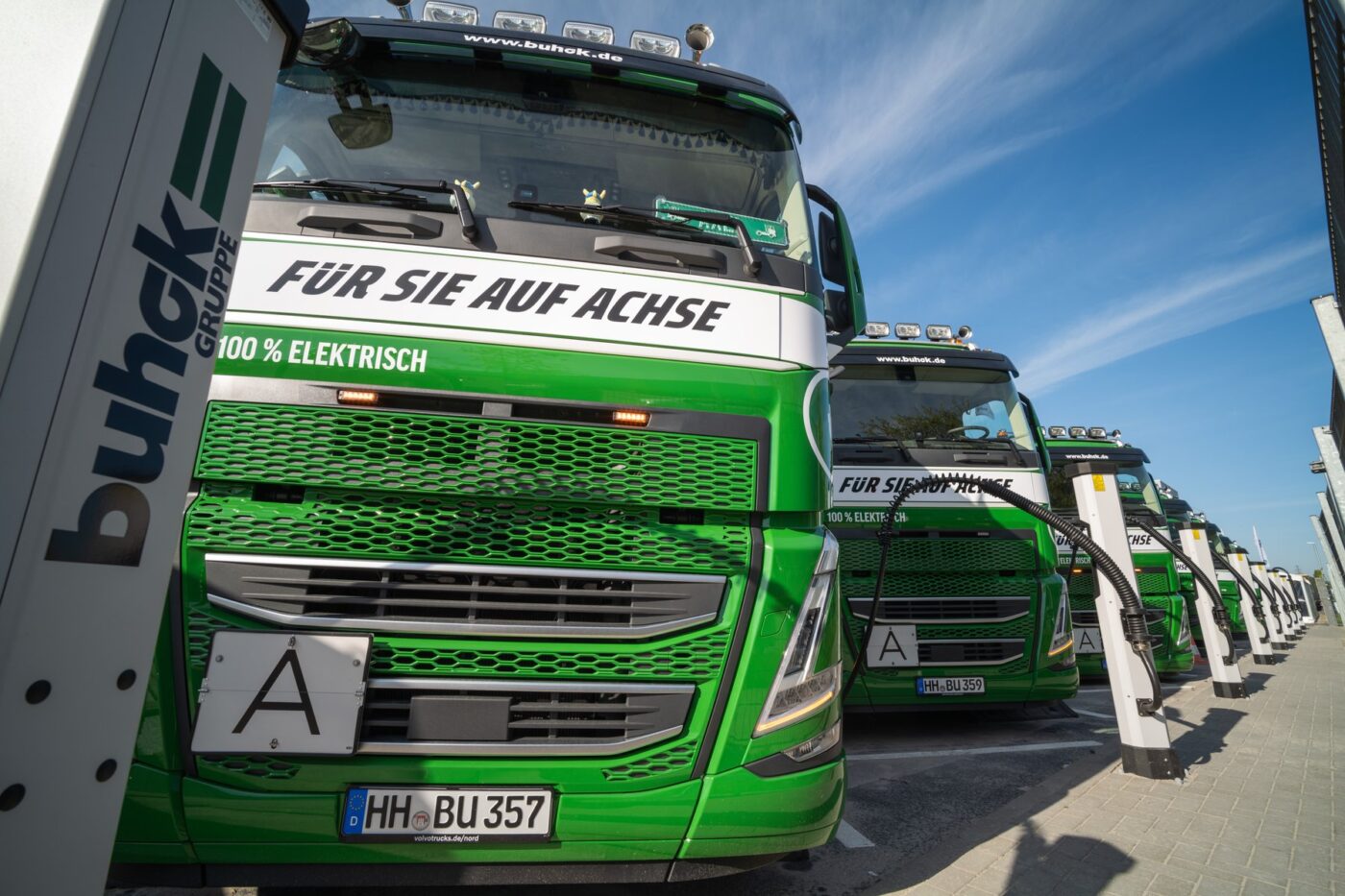
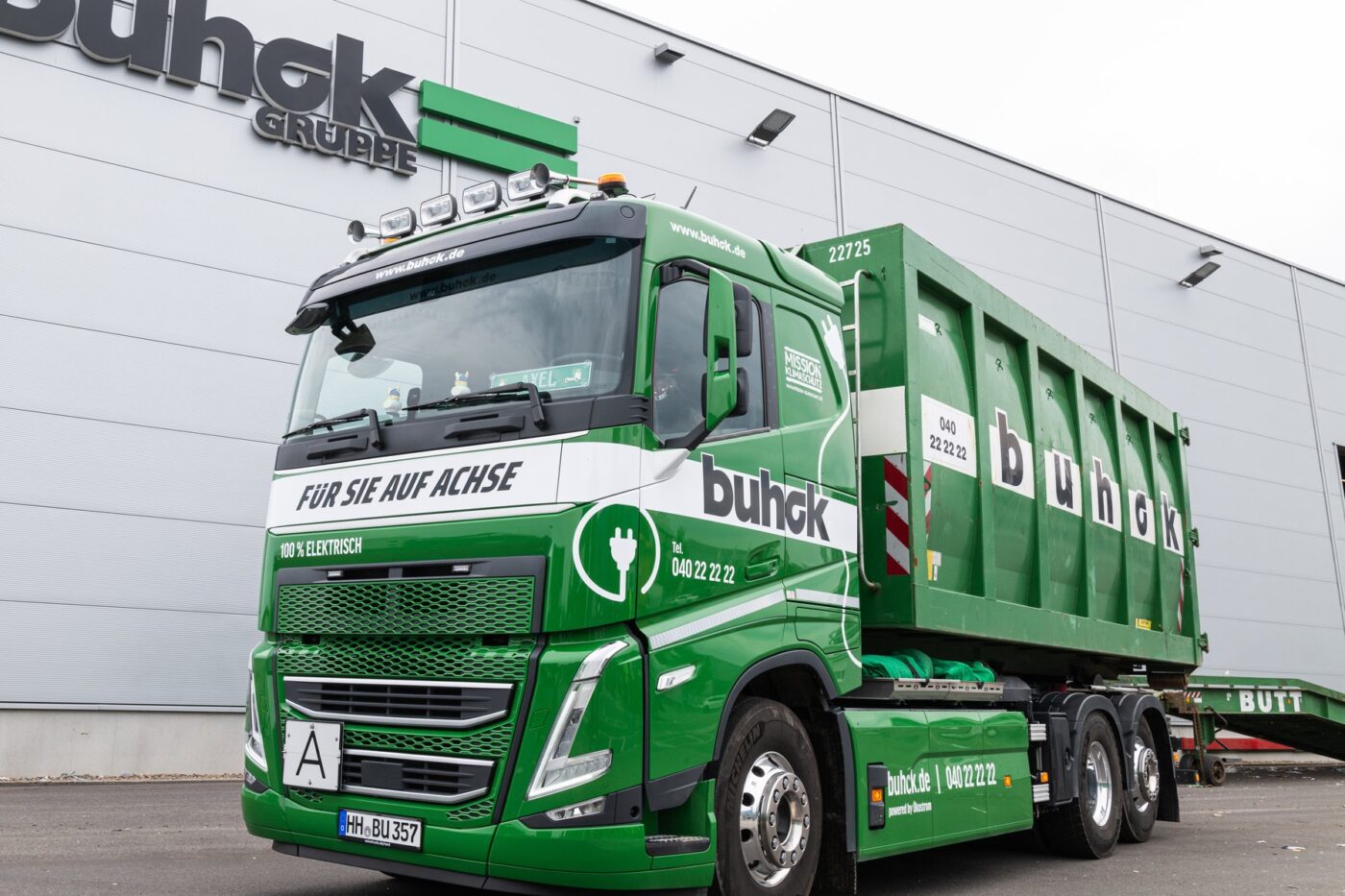
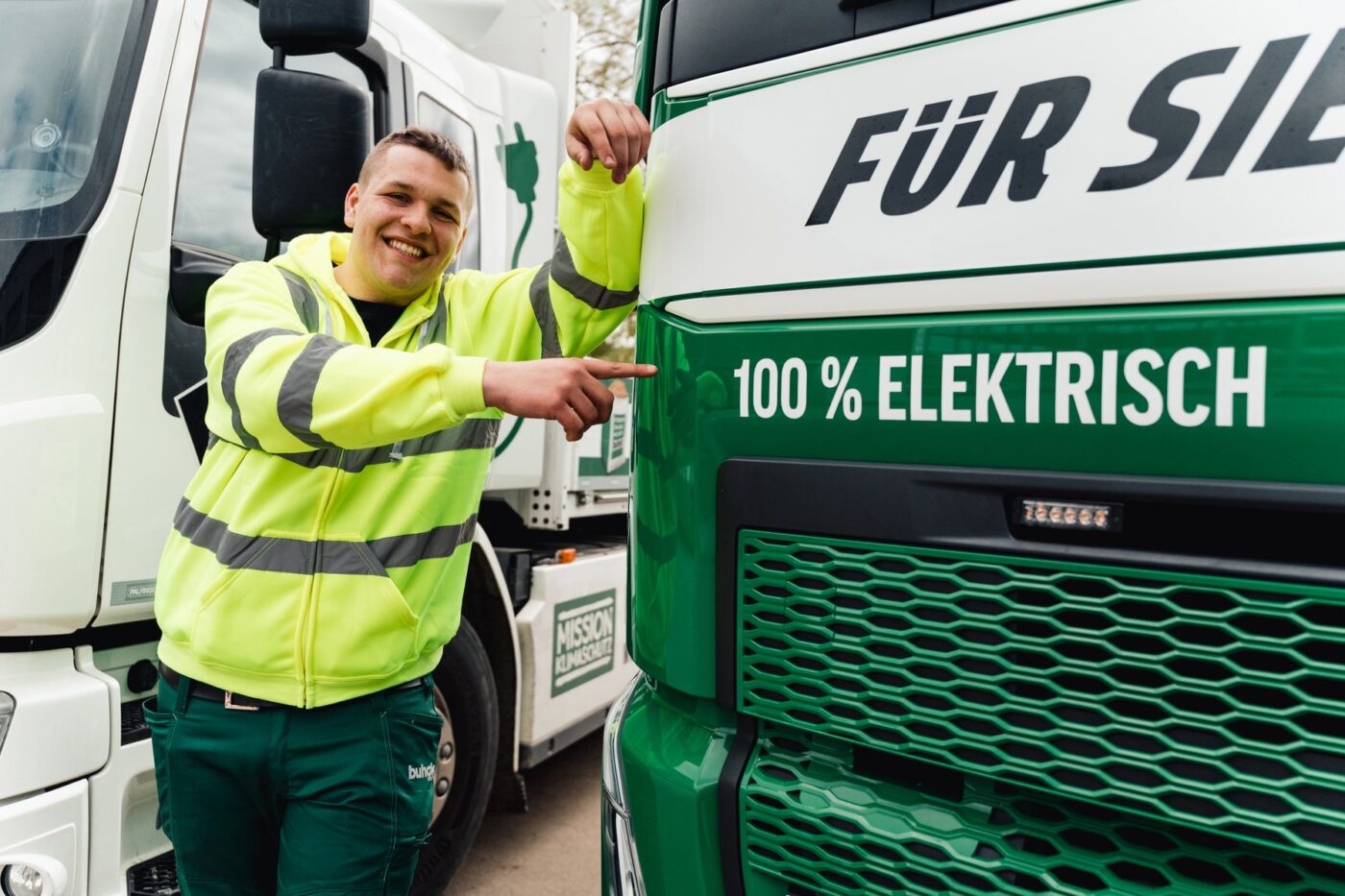
Buhck’s experience with the vehicles has so far been positive. “Once in operation, the vehicles run smoothly,” says Horstkötter. Even so, the initial investment remains substantial. A comparable diesel truck still costs around €100,000 less to purchase. However, operating costs increasingly favour battery-electric vehicles. Based on recent diesel prices, Buhck calculates costs of between €1.70 and €1.75 per kilometre for a diesel truck, compared with €1.17 to €1.20 for an electric truck.
The biggest differences stem from energy and maintenance costs. Electric trucks eliminate the need for oil changes, catalytic converters and complex combustion-engine technology. Although tyre and brake wear may be slightly higher, the company reports significantly fewer workshop visits overall.
According to Buhck’s calculations, the savings are substantial. With an average daily mileage of 250 kilometres, an electric truck saves around €125 per day. Over a full year of operation, that equates to approximately €30,000 in savings per vehicle. “With a service life of nine years, the higher purchase price is definitely justified,” says Horstkötter.
In-house charging infrastructure as a key factor
However, these calculations depend on access to in-house charging infrastructure. Using public fast-charging stations would significantly increase operating costs. Buhck therefore relies on depot charging, with vehicles typically charged overnight at its own site. The company operates 16 high-power charging (HPC) points from Finnish manufacturer Kempower, which support dynamic power distribution and charging capacities of up to 280 kW per charging point.
At the same time, concerns about future energy supply are increasing. “With every additional e-truck, electricity demand rises,” says Horstkötter. Once the fleet is fully electrified, Buhck expects annual electricity consumption to reach around 3.5 million kWh. The company’s photovoltaic installation alone will not be sufficient to meet that demand. As a result, Buhck is now examining energy storage systems and alternative energy sources in greater detail.
One area of particular interest is modern vertical-axis wind turbines, which generate less noise and reduce the so-called shadow flicker effect. “We want clean energy,” emphasises Horstkötter. The company also sees long-term economic benefits in generating its own electricity, as this could reduce or eliminate grid charges and transmission costs.
In day-to-day operations, electric trucks have become a standard part of the fleet. While the vehicles initially attracted considerable attention, they are now fully integrated into Buhck’s logistics processes. “They are part of a completely normal transport process,” says Horstkötter. The company plans to continue expanding the fleet, replacing seven to eight vehicles each year until all trucks operate with battery-electric drivetrains.
Everyday usability and acceptance have increased
According to Horstkötter, electric trucks have also improved driver comfort. The vehicles are smoother, quieter and easier to operate than their diesel counterparts. “Our drivers only need to accelerate and brake—they only hear the sound of the wheels rolling. Nothing more,” he says, describing the driving experience. The benefits are particularly noticeable in Hamburg’s dense urban traffic.
Customers are also showing growing interest in the technology. Companies with sustainability targets increasingly request climate-neutral transport services, while the low noise levels are especially valued in residential areas. “If someone wants a container swapped on a Saturday, residents should be protected from noise,” explains Horstkötter.
For the Buhck managing director, the direction of travel is clear. He sees electric mobility in the transport sector as more than a temporary trend, pointing to both the economic competitiveness of the vehicles and their proven suitability for everyday operations.

2 Comments