


Stricter EV and battery standards take effect in China
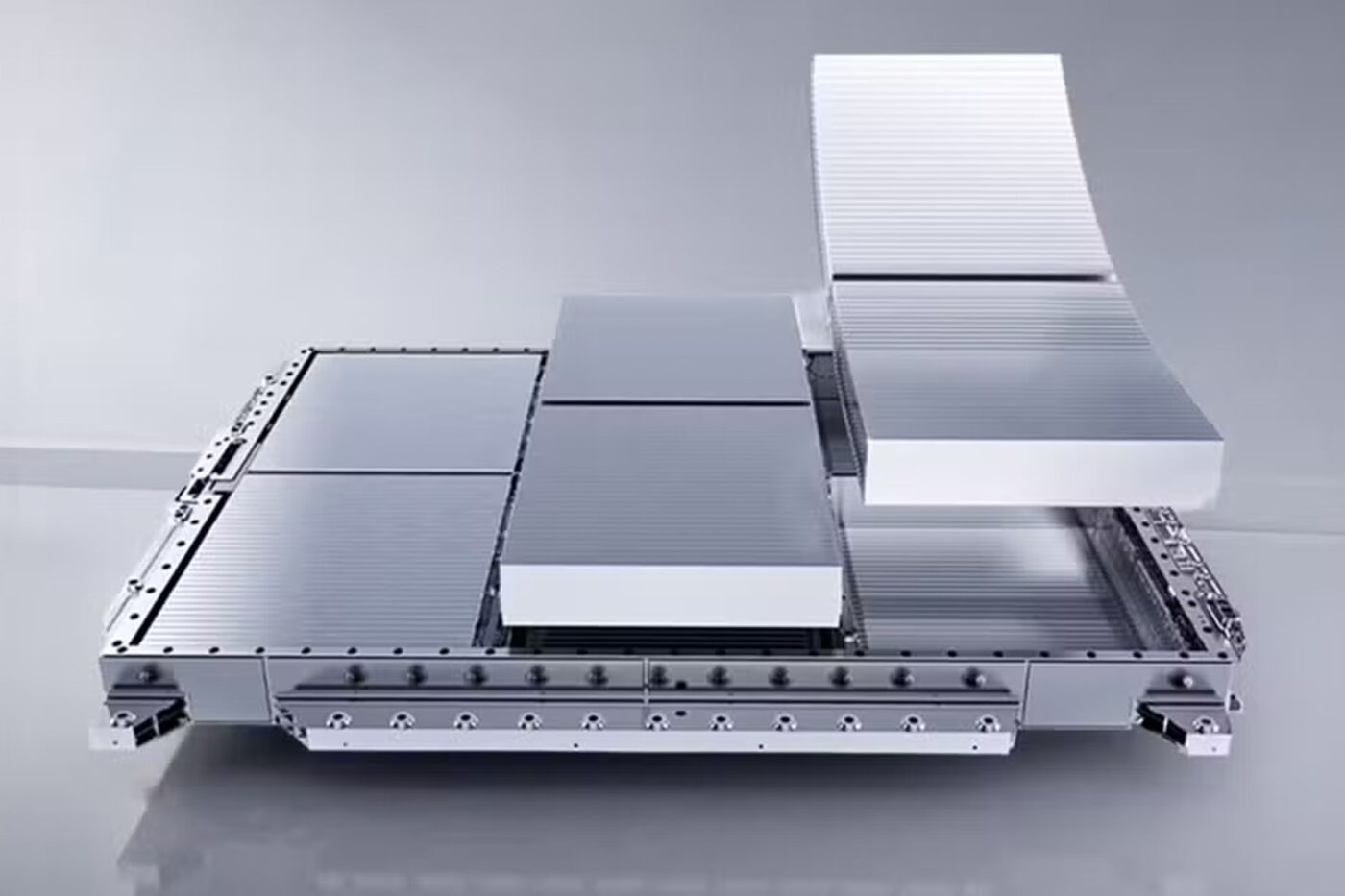
Two standards have entered into force simultaneously: Safety Requirements for Traction Batteries of Electric Vehicles (GB 38031-2025) and Safety Requirements for Electric Vehicles (GB 18384-2025). While the former sets out safety requirements for vehicle battery systems, the latter establishes safety requirements at the vehicle level.
The most significant new requirement for battery manufacturers is, as reported, that battery systems must not catch fire or explode, even in the event of thermal runaway. To demonstrate compliance, manufacturers must pass a new thermal propagation test designed to verify that a thermal runaway event does not lead to fire or an explosion.
By comparison, the previous regulations only required manufacturers to provide a warning signal at least five minutes before a potential battery fire or explosion. The new standard is considerably more stringent. Battery manufacturers must now prove that their battery systems neither catch fire nor explode following thermal runaway and that any smoke released does not pose a hazard to vehicle occupants.
The new regulations also introduce a range of additional test requirements. These include an underbody impact test designed to assess the battery system’s protective functions in the event of a collision, reflecting the growing adoption of cell-to-body battery integration, where the battery forms part of the vehicle structure.
In addition, battery systems must now pass a new safety assessment that combines durability and abuse testing. Under the procedure, batteries are required to withstand 300 fast-charging cycles before being subjected to a short-circuit test.
The Safety Requirements for Electric Vehicles standard, which entered into force at the same time, also requires electric vehicles to feature a manual ‘one-touch’ mechanism for disconnecting the entire high-voltage system. A single action must be sufficient to isolate the high-voltage circuit.
Until now, high-voltage shutdown has generally relied on software commands issued by the vehicle’s control unit. According to the Chinese publication CN EV Post, the problem is that “In the event of a severe collision that damages the main control system, the cut-off function could fail.” The new requirement therefore introduces a physical disconnection mechanism capable of isolating the high-voltage system independently of software controls.
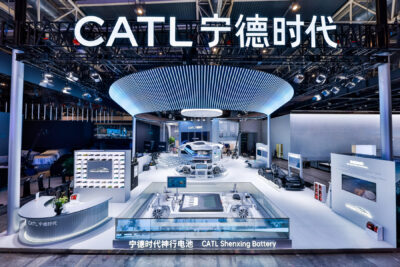
Industry experts expect the stricter requirements to improve consumer safety in China significantly, but they also warn that the new rules could accelerate consolidation in the battery industry. Major manufacturers such as CATL say they already have the necessary technologies in place. CATL, for example, markets its ‘No Thermal Propagation (NP) Technology’. Smaller battery makers, however, may struggle to absorb the additional research and development costs required to meet the new standards.
The regulations are also expected to increase battery costs. According to China Auto News, citing estimates from a market research company, compliance with the new requirements could raise battery system costs by 15 to 20 per cent.
Industry observers further suggest that the standards may strengthen the competitive position of LFP batteries relative to ternary chemistries. Because LFP cells offer inherently higher thermal stability, the additional costs associated with meeting the new safety requirements are expected to be lower, potentially widening their existing cost advantage.


0 Comments