


Rosatom reports significant rise in charging sessions across Russia
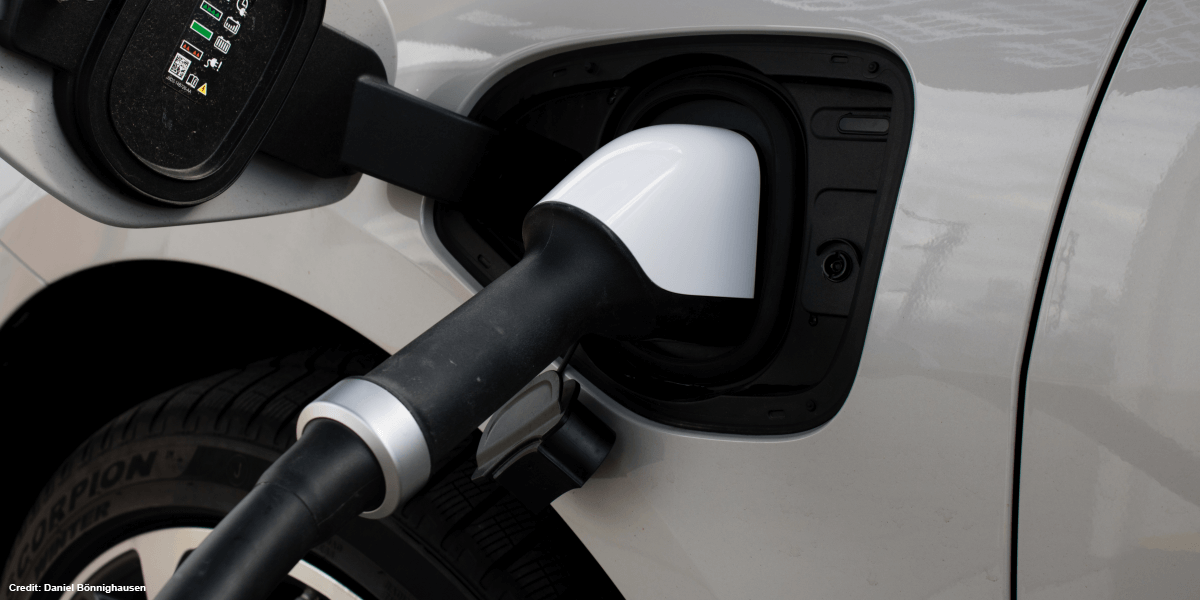
Rosatom has reported a 40 per cent increase between 21 and 28 June in the utilisation of its company-owned charging network – which includes over 290 charging points. The state corporation, which – alongside its core nuclear energy business, also develops charging infrastructure and battery technologies for electric vehicles – attributes this to current fuel shortages.
According to Reuters, these supply issues have been triggered by intensified attacks on Russia’s energy infrastructure. The attacks have led to restrictions in petrol and diesel supplies across numerous regions, particularly in southern Russia and parts of Siberia. The Russian government has recently acknowledged these shortages and, according to its statements, is working on measures to stabilise fuel supplies.
While Rosatom CEO Alexei Lichatschow does not expect a short-term shift towards electric vehicles, he believes the current situation could encourage drivers to consider battery-electric models more seriously when choosing their next vehicle. However, the Russian market for electric vehicles remains in the early stages of development. According to data from the analytics firm Autostat, around 208,000 battery-electric vehicles and plug-in hybrids were registered in Russia at the beginning of April. From January to May, an additional 24,600 plug-in hybrids were sold, marking a 125 per cent increase compared to the same period last year.
It remains to be seen whether the increased use of charging infrastructure will have a lasting impact on Russia’s electric vehicle market. In addition to vast distances and challenging climatic conditions, the relatively sparse charging network is considered a major barrier to electromobility in the country. Rosatom has been expanding its activities in this area for several years, focusing not only on building a charging network but also on the development and production of battery cells.
0 Comments