


Polestar 3 to adopt 800-volt architecture
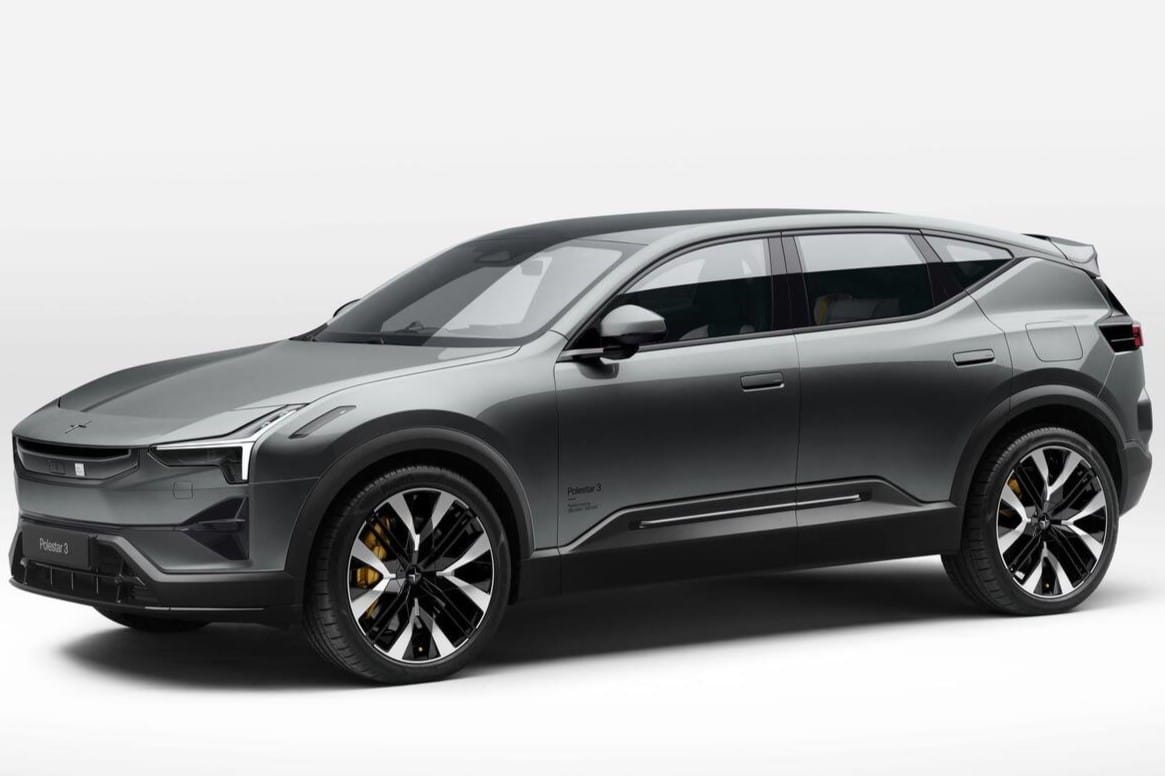
For a short time, it looked like Polestar was late to the party; following in the footsteps of its ES90 electric luxury sedan, Volvo announced in mid-September that its 2026 EX90 would also gain 800V architecture – with no immediate word on the next Polestar.
However, it’s hardly surprising that this is no longer the case for Polestar’s flagship electric SUV, given that it is built on the same SPA2 platform as the ES90 and EX90; the Polestar 3 is now also receiving a total hardware overhaul, including the introduction of an 800-volt electrical architecture. Polestar states this will enable ‘significantly faster’ DC charging at a peak rate of up to 350kW (previously, 250kW). This translates to a 10-80 per cent battery charge in around 22 minutes – around 25 per cent faster than before. That is because, since lower currents flow when charging with a higher voltage, generating less heat, the battery can be charged at a higher power level.
Polestar adds that the new architecture improves battery efficiency by up to 6 per cent based on the WLTP cycle, and will also support the installation of new CATL lithium-ion batteries. The rear motor version will feature a 92kWh battery pack, while the Dual and Performance variants will feature a 106kWh battery pack. As a result, the WLTP range for the 2026 model year will be between 593 and 635km.
Then there’s the new rear motor – a permanent magnet synchronous unit which, in the Performance version of the Polestar 3, can produce 500kW of power in combination with the front motor. The vehicle also features new anti-roll bars and tweaks to the handling via a steering recalibration.
Like the Volvo EX90, the 2026 Polestar will also be using the Nvidia Drive AGX Orin chip – although in this case, using one chip rather than two. Still, it should substantially increase the car’s processing power from 30 to 254 trillion operations per second (TOPS) over the previous Xavier unit. It’s an eightfold increase in computing power which should benefit the car’s active safety systems, battery performance, and sensor data – one which will also be offered as a complimentary retrofit to existing Polestar 3 customers from 2026.
There’s no word yet on pricing, but trim levels have been rejigged: there’s the Rear motor, Dual motor, and Performance trims. This adds the optimised battery to the Rear motor trim and makes active air suspension an optional extra on the Dual motor, although it will ship as standard with the Performance variant. The new model will go on sale in the UK before anywhere else, which Polestar has attributed to ‘high demand and the previous model year being sold out in that market;’ other markets will follow later, but again, no details yet here.
Update 24 April 2026
Polestar will not only fit the updated Polestar 3 with a new 800-volt architecture enabling DC charging at up to 350 kW, but also enhance charging performance through the ‘Breathe Charge’ battery software.
Developed by Breathe Battery Technologies and integrated into the SPA2 platform developed with Volvo Cars, the software uses real-time battery monitoring and advanced simulation models to dynamically adjust charging parameters. This approach allows the system to optimise charging speed continuously while maintaining battery health.
In the Polestar 3, charging from 10 to 80 per cent can take as little as 22 minutes when connected to compatible 350 kW DC fast chargers, according to the manufacturer. Moreover, a 10-minute charging stop can deliver up to 38 per cent more added range compared to vehicles without the software.
“The extensive upgrade to an 800 Volt electrical architecture, coupled with cutting-edge battery software, delivers true added value and usability to Polestar 3 drivers thanks to faster charging that is among the best in its segment,” said Michael Lohscheller, CEO of Polestar.
Dr Yan Zhao, CEO at Breathe Battery Technologies, added: “The key benefit to Polestar 3 drivers with Breathe Charge is that it improves charging performance and consistency in all real-world conditions – notably also in cool weather circumstances.” He added that testing shows drivers can ‘add as much range during a 10-minute charging session at low temperatures as they would charging without Breathe Charge in an optimal temperature range.’
polestar.com, media.polestar.com (update)



1 Comment