

Solaris to rejuvenate electric buses in service with battery replacements
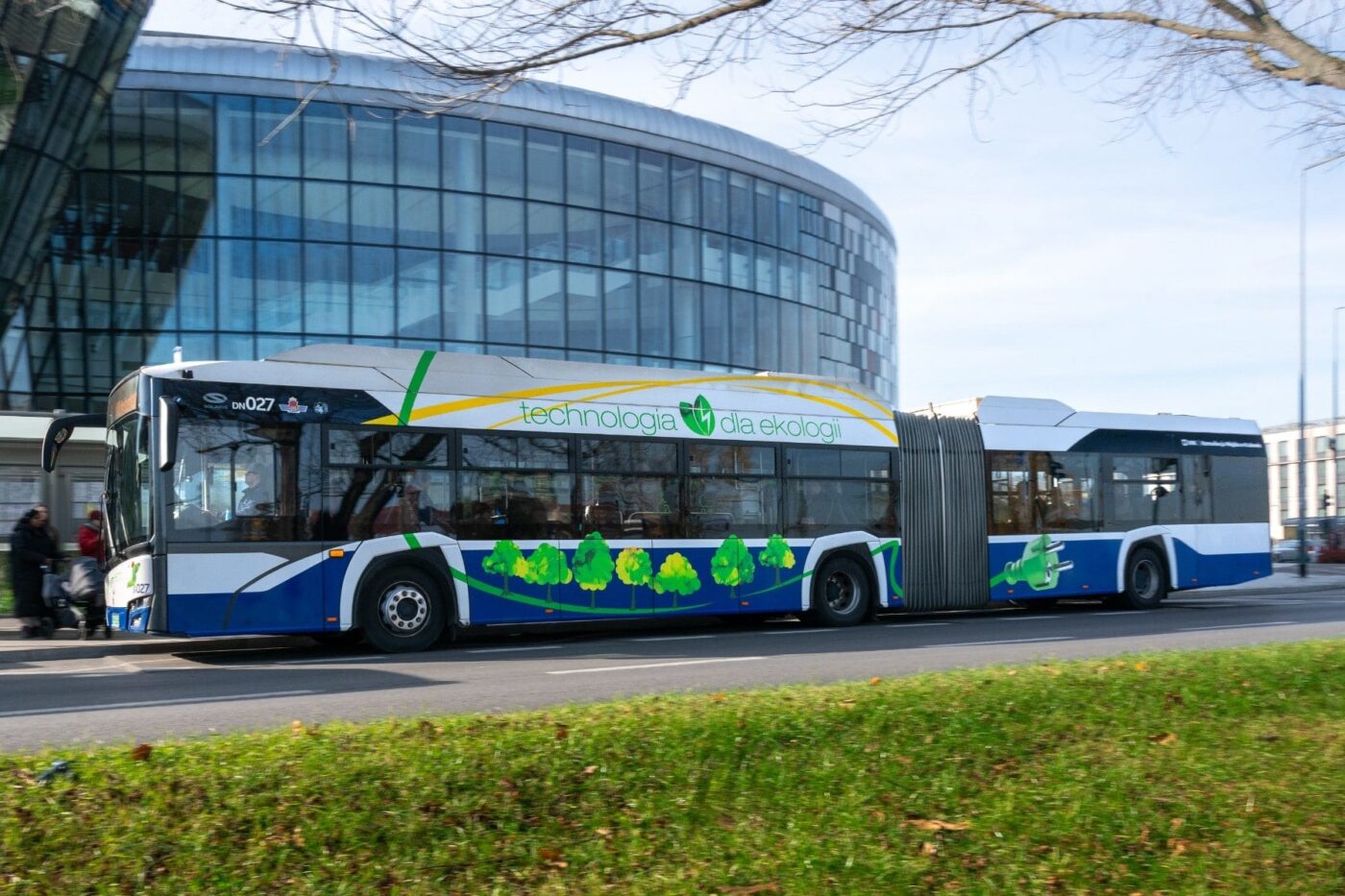
Solaris says it wants to offer its customers with earlier-generations of electric buses an effective solution to ensure these vehicles remain competitive in the public transport sector. To this end, the company is turning the replacement of degraded batteries and other components into a standardised service offering. Owners of the electric buses thus have the option to retrofit, i.e. the ‘post-warranty replacement of EV components with new ones’, according to the manufacturer. The new service applies not only to battery-electric buses, but also to battery-trolleybuses and, in future, to Solaris’ hydrogen buses.
Solaris has been producing electric buses since 2011, and according to the company, several thousand of its vehicles are now in operation across Europe— ‘some successfully serving passengers for over a decade and covering nearly a million kilometres’, the company noted. Replacing batteries and other components after the warranty period is designed to help operators ‘in maximising the return on their e-mobility investments’.
Solaris is not the only manufacturer addressing how to support early customers whose electric buses are no longer performing as well. On the one hand, battery capacity naturally degrades over time; on the other, rapid technological advancements in recent years have led to significantly improved and more efficient technology platforms in newer-generation electric buses. Daimler Buses has already introduced comprehensive battery services for the eCitaro this spring and will offer upgrades to the latest battery generation for older vehicles from 2026 onwards.
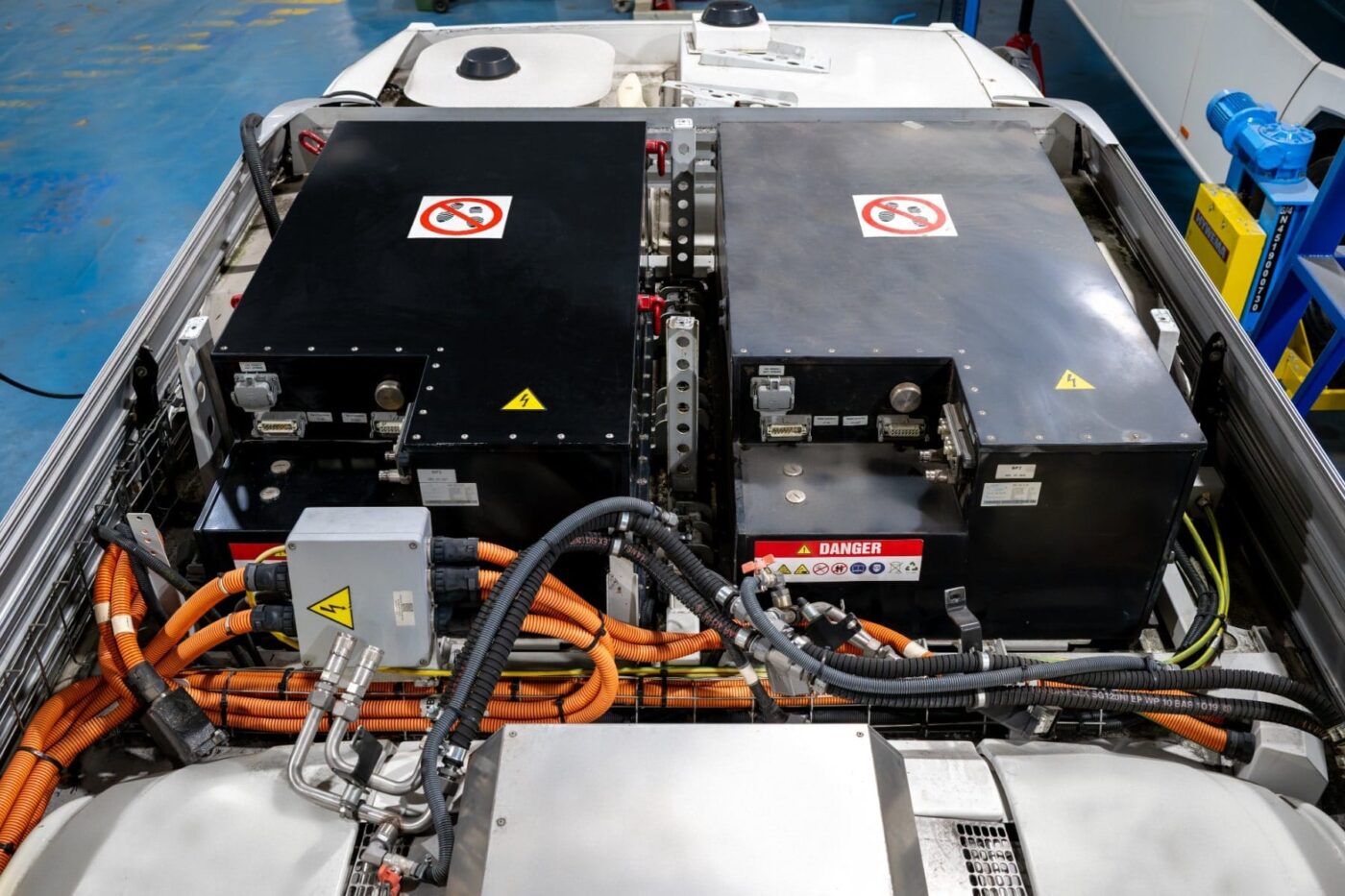
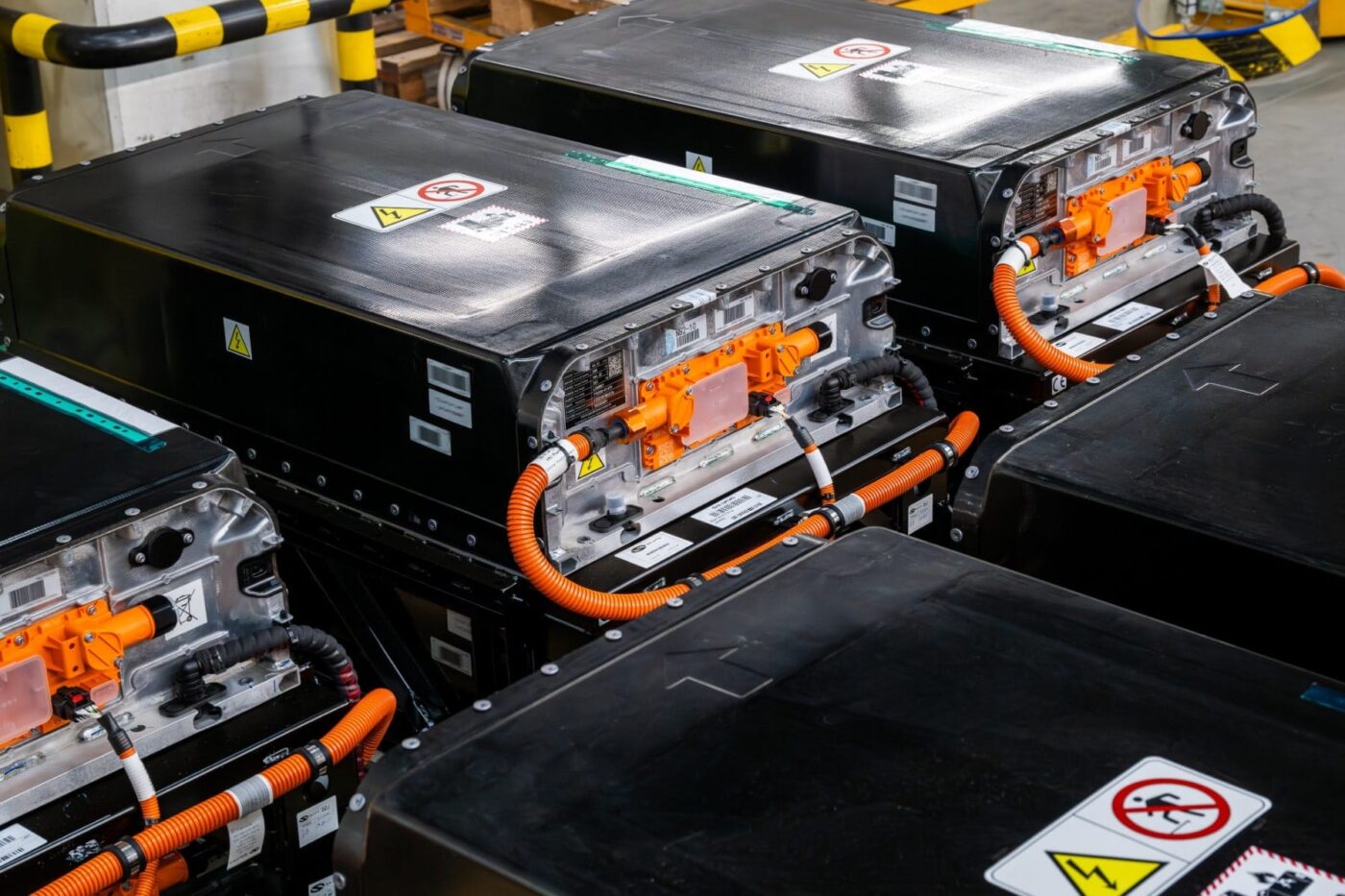
For comparison: the eCitaro has only been in production since 2018. Solaris, however, began manufacturing electric buses seven years earlier, making the issue even more pressing for the Polish manufacturer. To put this into perspective: today, the solo bus Urbino 12 electric offers a maximum total energy capacity of over 600 kWh for ranges exceeding 600 kilometres. Before 2025, the Urbino 12 electric could accommodate a maximum of 520 kWh, and before 2022, it was limited to up to 395 kWh. And before that, even less. The manufacturer describes it as a transformation ‘taking place in a relatively short time with an unprecedented evolution of the solution defined’. That can lead ‘to technological obsolescence during the normal vehicle exploitation period’. Solaris now aims to counteract this and extend the service life of its electric buses. However, the company has not disclosed pricing for this service.
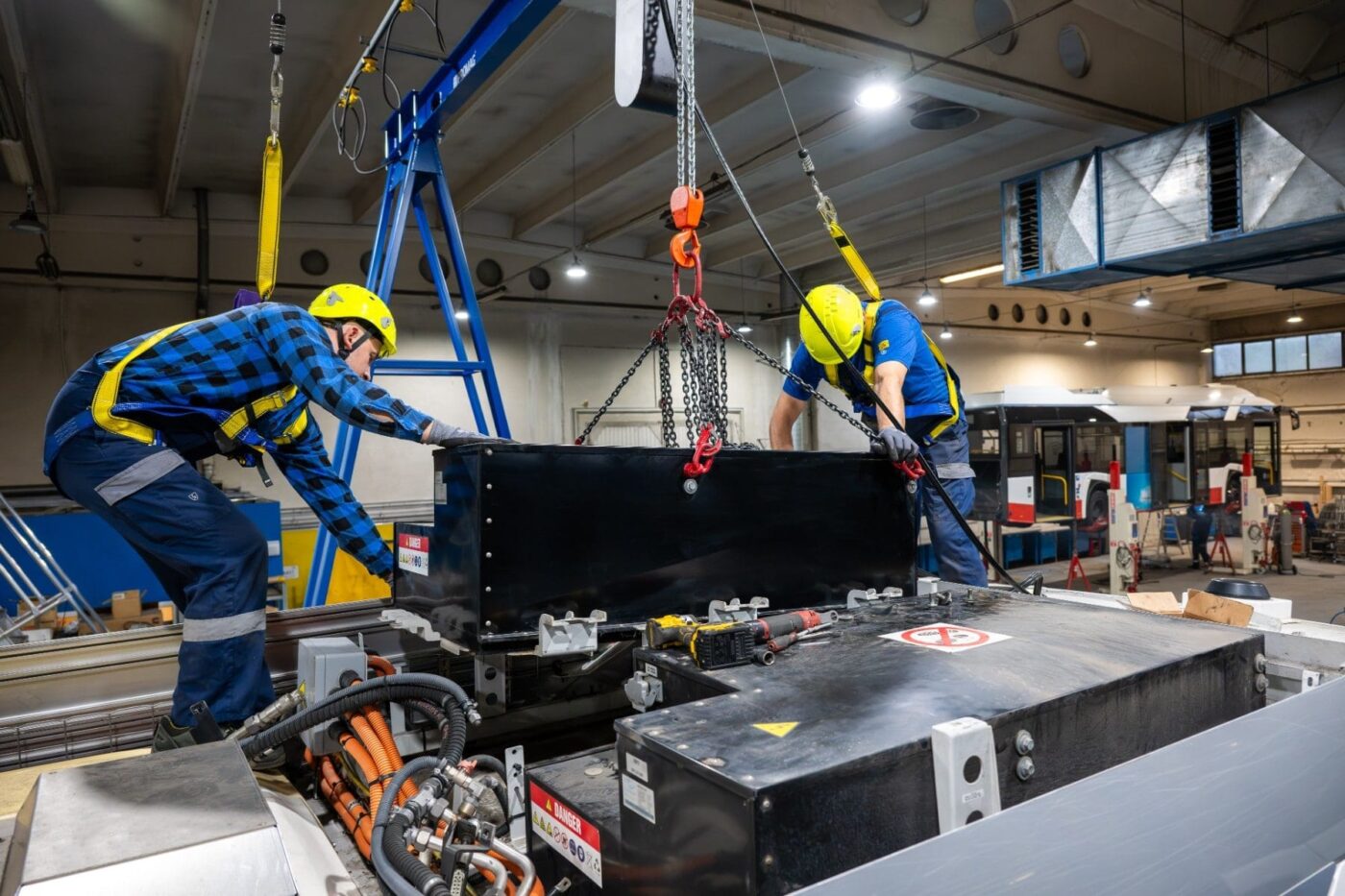
A first battery replacement project is already underway. Solaris is performing battery swaps on 20 buses for MPK Krakow—specifically, 17 Urbino 12 electric and three Urbino 18 electric models. Additional retrofit orders from customers in Berlin, Hamburg, Paris, and Warsaw are currently being processed. “We are proud to announce the first units retrofitted in MPK Kraków and ready to scale-up this offering in all Solaris certified service points in Europe,” commented Marco Franza, Chief Services Officer at Solaris Bus & Coach.
In practice, customers receive comprehensive support during the component replacement process. According to Solaris, the service includes ‘a thorough case analysis, calculation, and complete documentation, through the collection of previously used batteries, to the installation of new ones’. As part of the retrofit, it is also ensured that other necessary electric components are replaced, the thermal management system is upgraded (or installed), and the battery management system is updated. Additionally, Solaris ensures that the modified batteries are compatible with the customer’s existing charging infrastructure.
Furthermore, customers can choose between LFP, NMC, or LTO battery technologies for the newly installed batteries. The company states that it provides the optimal battery solution tailored to each customer’s specific needs. When preparing quotes, additional factors are considered, including the targeted battery lifespan, charging and usage methods, daily energy requirements, and, of course, costs.
Chief Services Officer Marco Franza emphasised: “Zero-emission vehicle retrofit is a service built around customer needs, enabling operators with Solaris buses to ensure vehicle maximum benefits at every stage of its life cycle. Our After Sales department, together with the Battery Hub, responds to the growing expectations of the market, offering a ready-to-use solution for battery bus users, taking care of all steps of the process up to the old battery disposal.” According to Franza, Solaris has deployed a total of 6,300 electric, trolley, and hydrogen buses across Europe over the years.

0 Comments