

EU considers exemption for VW from EV tariffs
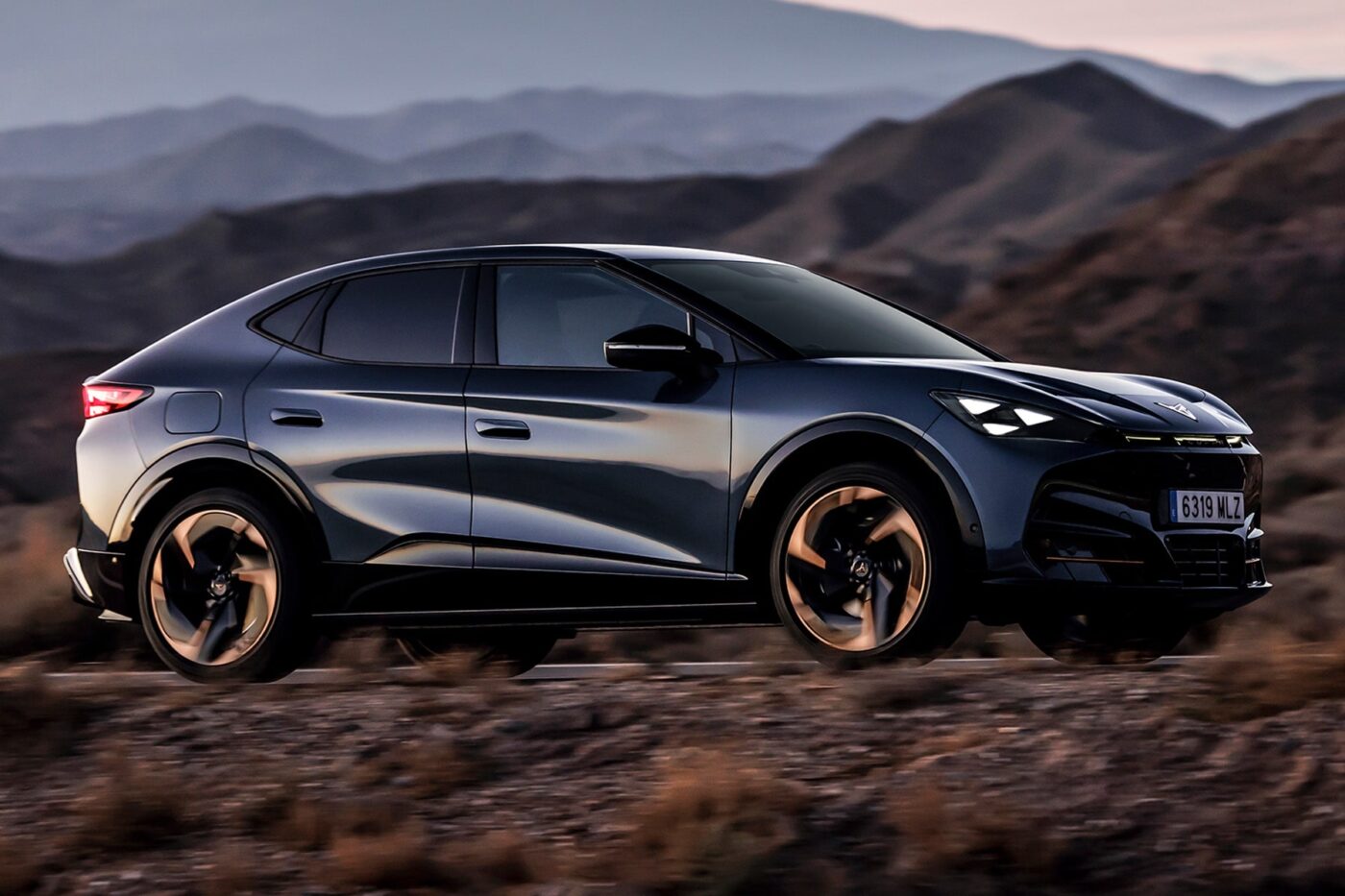
The MEB-based SUV from Cupra (read our test drive review here) is manufactured by VW subsidiary Volkswagen Anhui in China for the global market. This means that even for a vehicle from what is essentially a European manufacturer, the additional tariffs apply upon import into the EU. After all, it is a battery-electric vehicle produced in China, and in such cases, EU law stipulates the special import duties imposed by the European Commission in October 2024. For Volkswagen Anhui, this amounts to an additional 20.7% tariff on top of the standard 10% duty, totalling 30.7%.
The Commission has now stated that it has received a commitment proposal from Volkswagen Anhui and will assess whether it is acceptable and feasible. “Interested parties” wishing to “comment on any aspects regarding the initiation of the investigation must do so within 5 days of the date of publication of this Notice in the Official Journal of the European Union,” however, the document was published on 4 December. It remains unclear whether a decision will be made swiftly. The Commission notes that the investigation will be concluded “within 12 months and in any event no later than 15 months” after the publication of the notice.
While the Cupra Tavascan is not explicitly mentioned in the document, it is currently the only battery-electric vehicle produced by Volkswagen Anhui that is imported into the EU and sold here. However, the proposal could also relate to future models from Volkswagen Anhui that may potentially be introduced to Europe, though no such plans have been confirmed to date.
A Seat spokesperson has since confirmed the commitment proposal to Reuters. “Volkswagen Anhui and Seat have worked intensely to ensure that the proposal made complies with all requirements,” the spokesperson said. “The proposal includes an annual import quota and a minimum import price.” However, the spokesperson for the Spanish VW subsidiary did not provide any figures or further details, so the contents of the proposal remain unclear.
Seat and Cupra had long warned that the tariffs posed a serious threat to their business – the Tavascan, built in China and subject to additional duties, competes in Europe with other MEB-based models from various Group brands and Ford, which are manufactured in Europe. The 10% import duty was factored in from the outset when production of the Tavascan was relocated to China. However, with a total import duty of 30.7%, the model’s economic viability is severely compromised.
As early as February, former Seat and Cupra CEO Wayne Griffiths had called for a swift resolution, warning that the tariffs would cost the brand “hundreds of millions.” He even threatened to cut up to 1,500 jobs in Spain or that Seat might be forced to “abandon loss-making electromobility” if no agreement was reached by the end of the first quarter. While this timeline was not met, and Seat has neither discontinued its electric vehicle offerings nor made such extensive job cuts, Griffiths is no longer CEO of the Spanish VW brands and his successor, Markus Haupt, may yet secure an agreement with the EU.
reuters.com, reuters.com (Griffiths’ statements), europa.eu
This article was first published by Cora Werwitzke for electrive’s German edition.
0 Comments