

Korean battery researchers aim to improve high-nickel cell chemistries
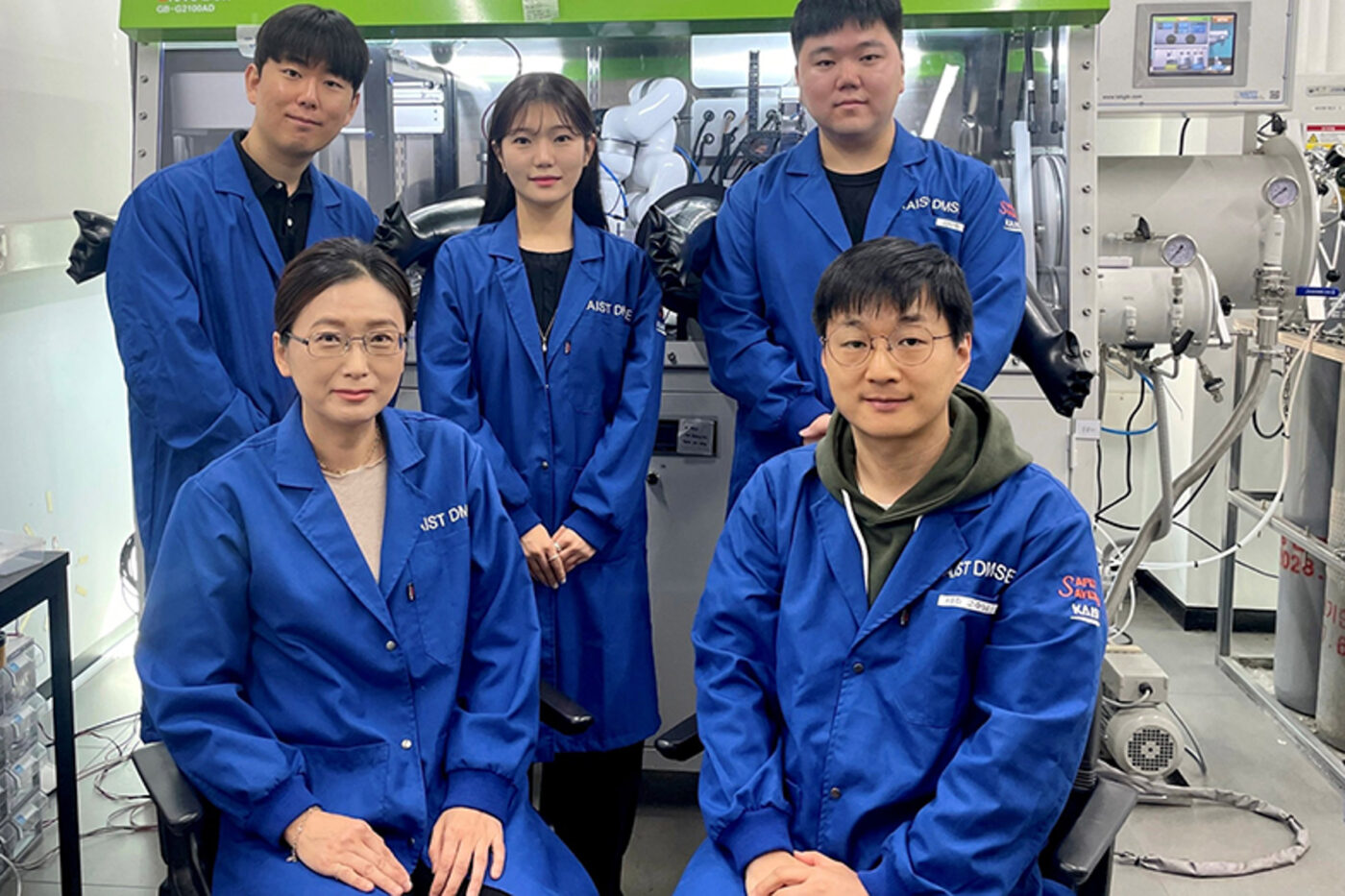
For the first time globally, researchers at KAIST have identified the mechanism behind the degradation of high-nickel batteries, enabling them to understand its causes and immediately develop a new approach to address the issue.
The unusually rapid performance loss in batteries with higher nickel content in the cathode is caused by a previously unknown interaction between nickel and an additive mixed into the electrolyte. Specifically, this involves succinonitrile (CN₄), which is used in liquid electrolytes to enhance battery stability and lifespan. However, the research team led by Professor Nam-Soon Choi from the Department of Chemical and Biomolecular Engineering, in collaboration with other departments, discovered that succinonitrile is the primary factor accelerating the degradation of high-nickel batteries.
CN₄ is used to facilitate the movement of lithium ions in the electrolyte—a process essential for storing electricity in the battery. However, the new findings from South Korea reveal that CN₄ also features two nitrile structures (-CN) that “bind excessively strongly to the nickel ions on the surface of the high-nickel cathode,” as explained by the German science portal Chemie.de. “The nitrile structure is a ‘hook-like’ formation in which carbon and nitrogen are connected by a triple bond, allowing it to adhere strongly to metal ions. This strong bond destroys the protective electrical double layer (EDL) that should form on the cathode surface.”
During charging and discharging, electrons are even drawn from the cathode into the CN₄, further damaging the cathode. Additionally, the released nickel ions accumulate at the anode, where they not only block the surface required for lithium-ion transport but also act as a catalyst for electrolyte decomposition. In batteries with lithium cobalt oxide (LCO), CN₄ has proven beneficial—whereas in nickel-rich cell chemistries, it damages the structure.
The KAIST team’s solution is simple but not yet fully implemented in practice: new electrolyte additives must be developed that are compatible with high-nickel cell chemistries and do not contribute to their degradation. “A precise understanding at the molecular level is essential to improve the lifespan and stability of batteries,” said Professor Nam-Soon Choi. “This research will pave the way for the development of new additives that do not bind excessively with nickel, thereby making a significant contribution to the commercialisation of next-generation high-performance batteries.”
Chemie.de, KAIST.ac.kr (in Korean)
This article was first published by Sebastian Schaal for electrive’s German edition.



0 Comments