

T&E fears many plug-in hybrids after 2035
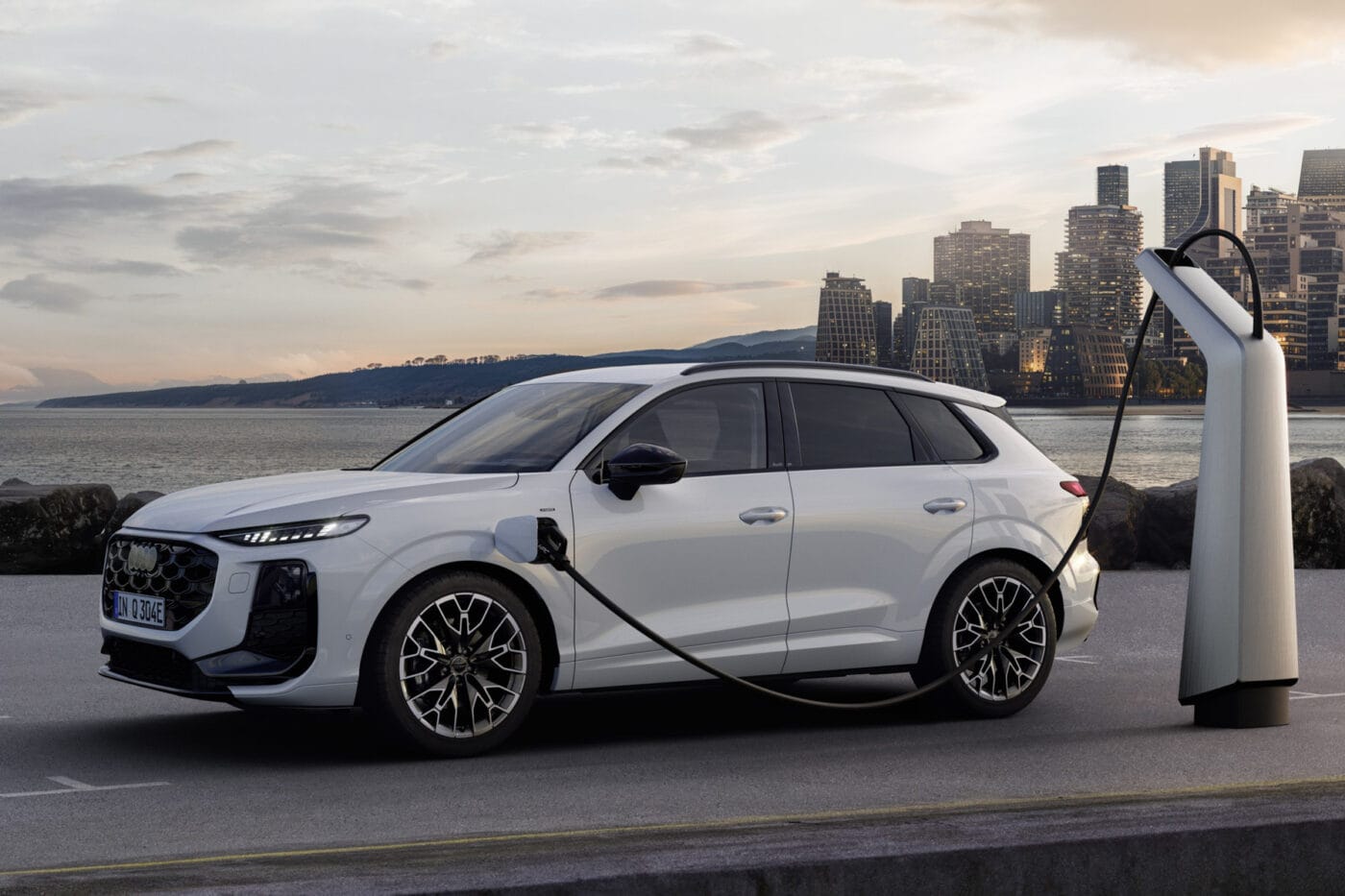
“A 90% emissions reduction for cars sounds like a reasonable compromise. Until you look at the details,” the Managing Director of T&E Germany wrote in a LinkedIn post. “When you do, you realise that it might mean almost every second car after 2035 could have a combustion engine.”
In numerical terms, a 90 per cent reduction in CO₂ emissions means car manufacturers would have a target of eleven grams of CO₂ per kilometre by 2035. Bock also assumes that plug-in hybrids (PHEVs) will by then have ‘official emissions of 25g/km’—likely determined by the WLTP. Additionally, the assumption includes that ‘the utility factor is weakened in the way the car industry and the German government demand.’ This refers to the calculation factor used to weight ‘clean’ vehicles more heavily in a manufacturer’s CO₂ fleet emissions calculation.
If these assumptions hold true, car manufacturers could, according to the scenario outlined by Transport & Environment, sell up to 46% PHEVs and still meet their targets. As plug-in hybrids in real-world use today have significantly higher fuel consumption and CO₂ emissions than stated—and these vehicles are effectively only clean on paper—Bock warns of a ‘ disaster for the climate’ and for manufacturers. The proposed regulation, he argues, would ‘set industry on the wrong trajectory as they would have to keep investing in a technological dead end.’
Bock references a T&E analysis of over 100,000 plug-in hybrids using real-world driving data. The evaluation shows that these part-time electric vehicles are driven electrically far less than expected and emit almost five times as much CO₂ on the road as in the WLTP—those laboratory values used to calculate manufacturers’ CO₂ fleet emissions.
The European Commission is expected to present its new ‘automotive package’ on Tuesday, which is anticipated to include a softening of the strict CO₂ target for 2035. Several options and conditions are likely to be debated, ranging from e-fuels or biofuels to specific quotas or the use of green steel in vehicles to qualify for exemptions. Last week, EVP leader Manfred Weber announced that an agreement had been reached on a 90 per cent CO₂ reduction for 2035, with no 100 per cent reduction to follow. Whether this proves true, and what conditions will be proposed, will likely become clear on Tuesday.
This article was first published by Sebastian Schaal for electrive’s German edition.

1 Comment