

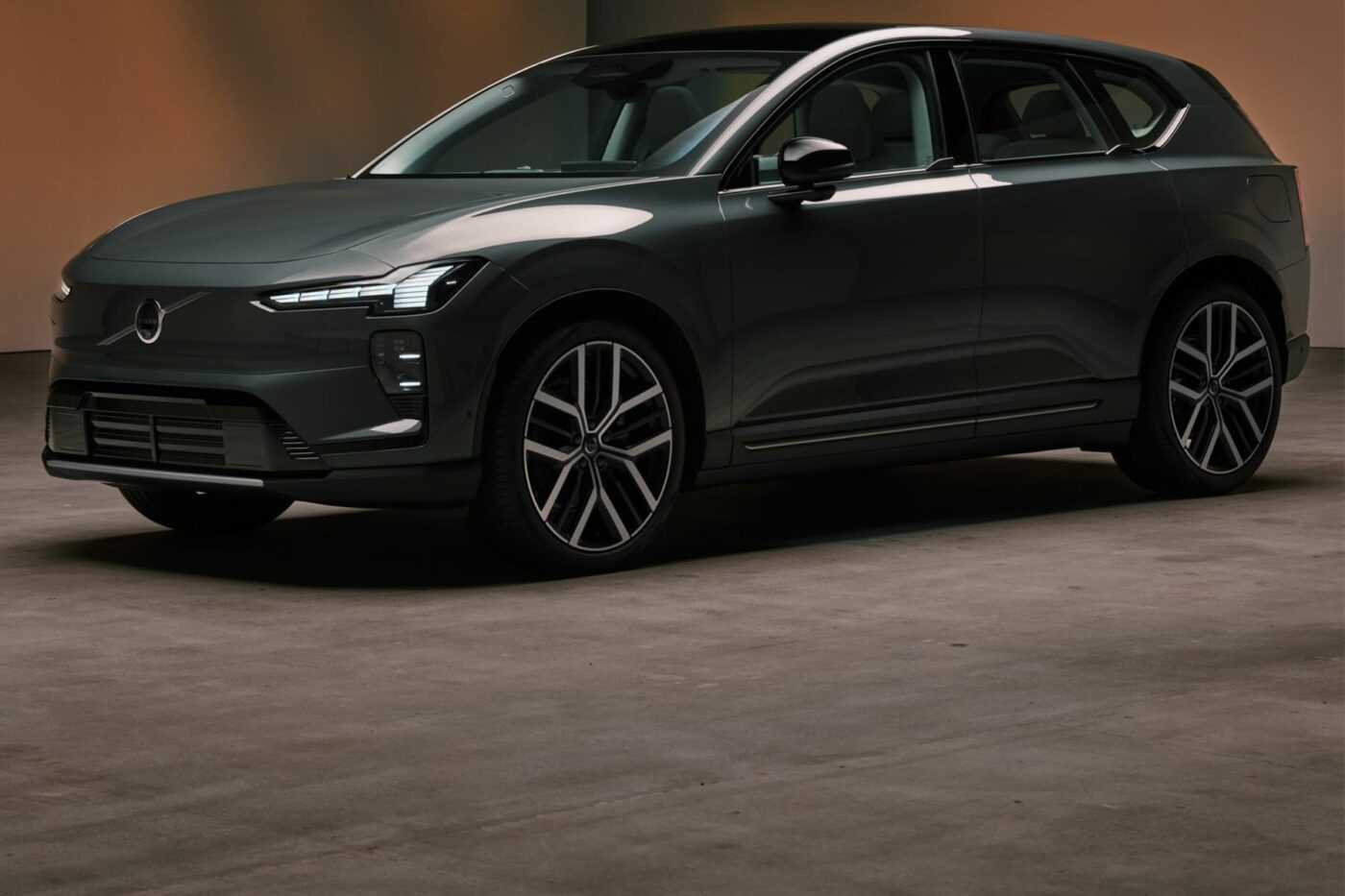
World Premiere of the EX60: Volvo’s ‘game changer’ for the future
If we exclude the early experiments with the electric C30, Volvo’s electric journey truly began with the XC40 Electric. This model, now sold as the EX40, was later joined by the EC40. Over the years, Volvo expanded its range upwards and downwards with the compact EX30, the large EX90, and the saloon-crossover ES90. However, one segment had a significant gap: the mid-size range, designated as the 60 series. For years, this segment was dominated by the SUV XC60, Volvo’s best-selling model, which was previously only available as a plug-in hybrid—never as a fully electric vehicle.
That will change in 2026. While BMW and Mercedes spent months last year teasing the world premieres of their new mid-size electric SUVs with snippets of design and technology, Volvo only provided an advance announcement in January about the new model. As the world premiere now demonstrates, the EX60 would have deserved far more attention. Volvo has no need to hide from its German competitors with this new mid-size SUV: the EX60 holds its own against the iX3 or the electric GLC and even surpasses them in certain areas—though it need not even be compared to the Audi Q6 e-tron, a proven excellent vehicle.
The SPA3 platform
Let’s dive straight in: while the Volvos introduced from 2014 onwards, based on the first ‘Scalable Product Architecture’ (SPA), shared a platform between the 60 and 90 series models (meaning the XC60 used the same technical framework as the XC90), that is no longer the case with the new electric models. The EX60 is the first model to utilise the new SPA3 platform, setting it apart from the EX90, which is based on the SPA2 and was unveiled in 2022. That brings several interesting advancements in both product and production, which collectively make the EX60 a highly competitive package.
Hakan Samuelsson was CEO of Volvo Cars until 2022 and has been back in the role since 2025. The decision to develop the flexible SPA3 platform was made during his first tenure as Volvo CEO. “Back then, it was just an idea and a plastic design concept,” Samuelsson tells electrive. “Now, it’s a finished car, and I’m glad to be able to bring it to market. Because the EX60 and the SPA3 are a true game-changer for Volvo.”
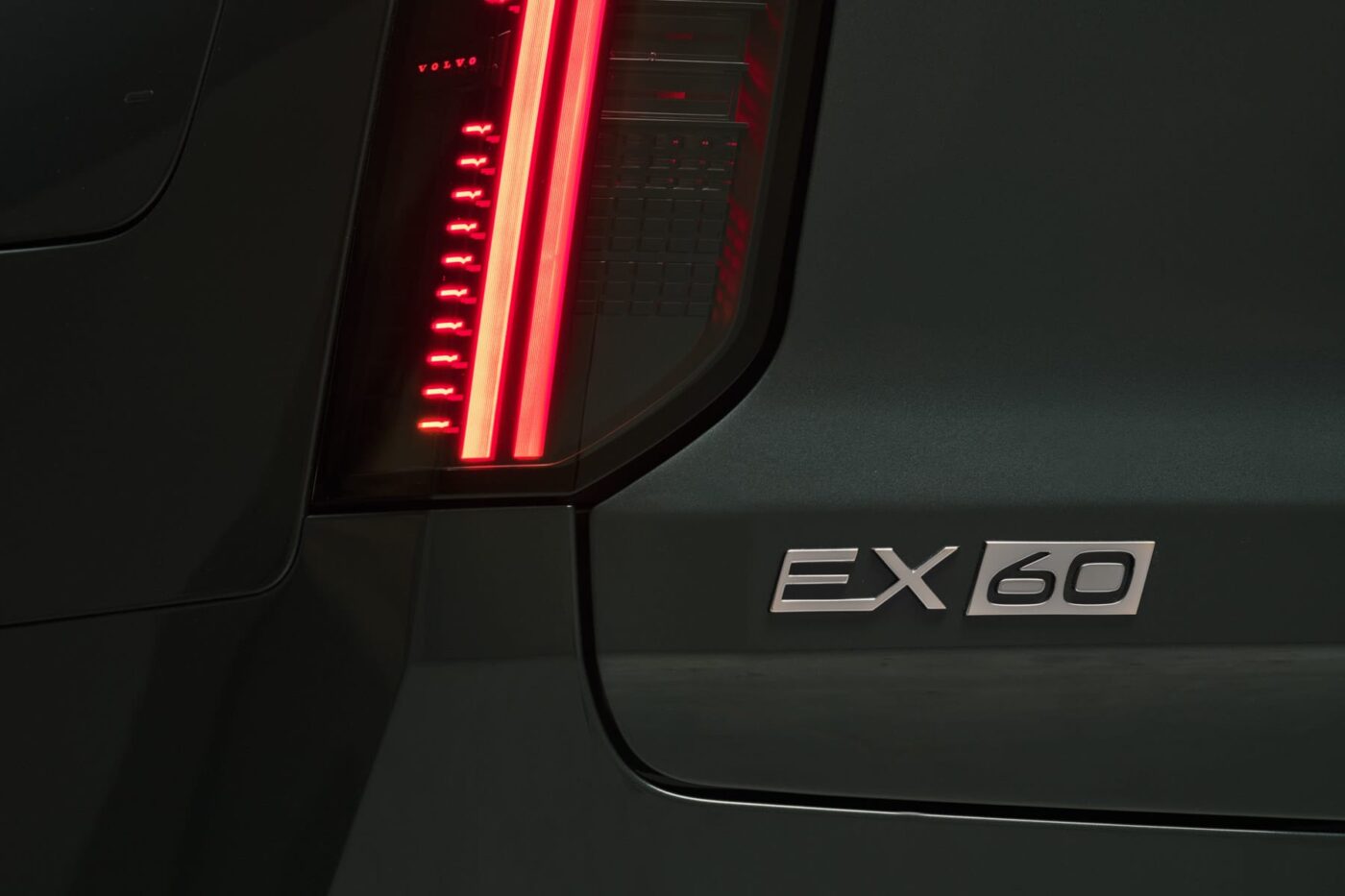
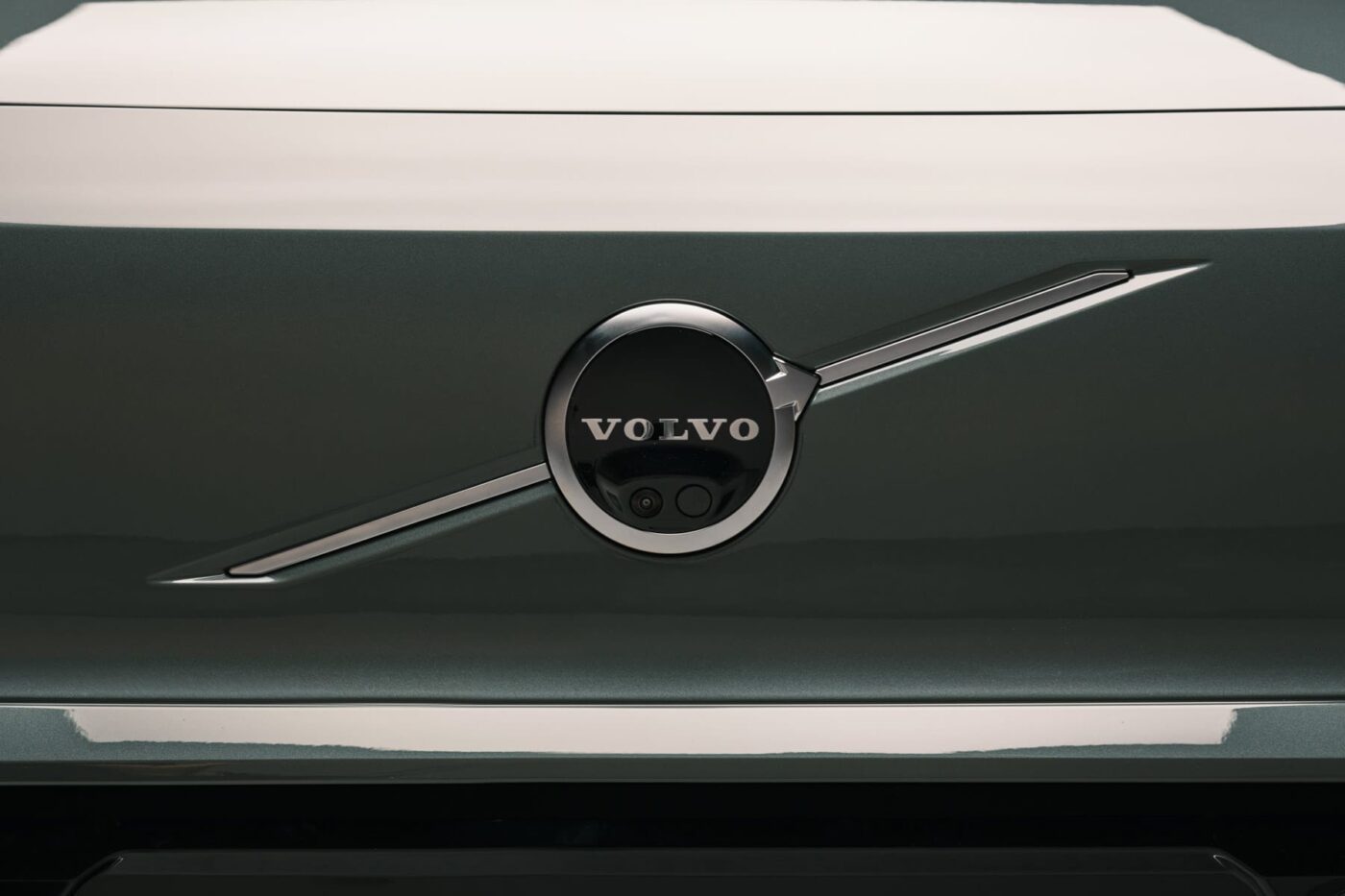
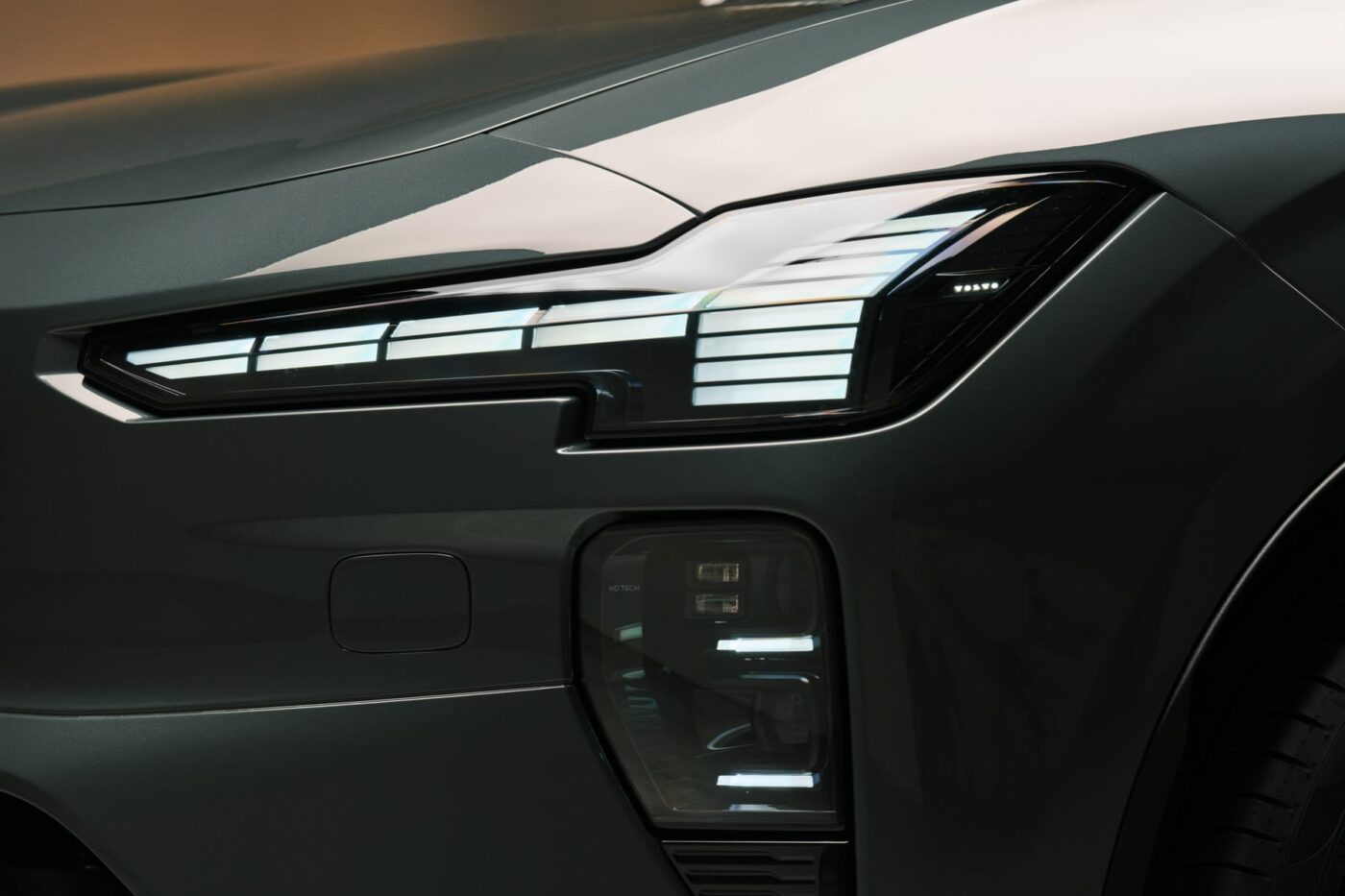
However, Samuelsson admits he would no longer call the project SPA3. “It sounds like a logical evolution of SPA2, but it’s not. It’s a complete fresh start,” says the CEO. The SPA2 platform used for the EX90 and ES90 was indeed derived from the internal combustion engine and hybrid platform SPA, which debuted in 2014. This means plug-in hybrids could have been built on the SPA2 platform.
This is no longer the case with SPA3, as the development of the fully electric platform started with a blank sheet of paper. The first criterion written on that paper? “That it would be a purely electric platform with no possibility for an internal combustion engine,” emphasises Volvo CTO Anders Bell. “By 2026, there’s no question that electric cars are the superior product. And if you start with a compromise, you won’t be competitive. If you no longer need to account for space for an internal combustion engine or exhaust system, it opens up many freedoms.”
While internal combustion engine platforms were still designed around the space requirements of their engines, this criterion is eliminated with SPA3. An electric motor is similarly sized, whether it’s in a compact model or a luxury SUV. According to Bell, SPA3 can therefore be used across segments from B to F, with drivetrains and batteries designed for modularity. “The technical platform is flexible—long, short, tall, flat—we can cover everything. Now, it’s up to the designers and marketing teams to decide which vehicle concepts will be built on it,” says the head of development. The EX60 is the first interpretation of these new freedoms.
The battery
A literally central element of the new architecture is the battery, which is integrated into the car’s load-bearing structure using the cell-to-body principle. At 4.80 metres in length and with a 2.97-metre wheelbase, the EX60 doesn’t set new benchmarks but fits comfortably within the typical dimensions for its class. Nevertheless, the engineers have succeeded in integrating a 117 kWh battery into the underfloor—something that was premium-class territory just a few years ago and hasn’t even been achieved in the EX90. “The cell-to-body technology optimises energy density by 20 per cent and reduces weight, resource consumption, and space requirements,” explains Volvo. “As a result, the Volvo EX60 is significantly more efficient, charges 31 per cent faster, and produces 37 per cent less CO₂.”
Of the 117 kWh, 112 kWh are usable, allowing the top-of-the-range EX60 P12 AWD to achieve up to 810 kilometres of range in the WLTP cycle—five kilometres more than the BMW iX3 50 xDrive, which has less power (more on that later). While the BMW has a slightly smaller battery, it is marginally more efficient on paper, with only a five-kilometre difference in range. How these subtle differences in battery size and efficiency play out on the road will only become clear in later tests. Both models, however, are likely to be evenly matched.
The EX60 is available with different battery sizes—unlike BMW and Mercedes, which launched their new mid-size SUVs with only one battery-drivetrain combination each. Volvo offers three versions right from the start. The P6 with rear-wheel drive features an 83 kWh battery (80 kWh net) for a WLTP range of 620 kilometres. The P10 AWD with all-wheel drive has a 95 kWh battery (91 kWh net), providing up to 660 kilometres in the standard cycle.
All three batteries use the same prismatic cell. Depending on the battery size, different numbers of cells are installed, but the energy density remains the same. Volvo assembles the battery packs from purchased cells itself, even using cells from different suppliers. “We don’t want to depend on a single supplier,” explains Akhil Krishnan, product manager for the entire 60 series. The prismatic cells are all the same size and feature a very similar NMC cell chemistry, so customers won’t notice any difference in which cells Volvo uses. This may change if supply chain issues arise, but it won’t affect the car’s characteristics.
With the cell-to-pack battery, Volvo has turned the conventional logic of battery packs on its head. In the event of a thermal issue, the cell vents downwards—away from the interior. Since the cells are a structural component, they are glued during assembly and cannot be replaced individually. However, Volvo’s accumulated expertise gives them confidence to offer a ten-year warranty on the battery. Experience has shown that if something breaks, it’s usually the battery control unit. And that is positioned under the rear seat, making it easy to replace.
Speaking of the rear seat: with the cell-to-body principle, the battery’s cover also serves as the floor of the interior, meaning the seats are bolted directly onto the battery housing—and can theoretically be removed together with the battery from underneath the vehicle. “If you remove the battery, you’re left with a car like Fred Flintstone’s,” jokes Samuelsson.
Charging
When it comes to charging, the EX60 has a clear advantage in one key area. While its maximum DC charging power doesn’t quite reach the 400 kW of the BMW, its 370 kW is still far from low—surpassing, for example, the electric GLC’s 320 kW. However, while the two German models take over 21 minutes to charge from 10 to 80 per cent, the EX60 can continue its journey after just 19 minutes, at least in the P12 AWD version. The EX60 P6 and P10 Electric are even slightly faster, reaching 80 per cent in just 18 minutes, though they have smaller batteries on board. Volvo states that the EX60 should achieve this charging performance ‘in all weather conditions,’ which speaks to its robust preconditioning. Breed, a Volvo-owned software company, uses its algorithms to ensure the battery is in the optimal state before and during charging.
To achieve these charging speeds (up to 320 kW for the P6, otherwise 370 kW for the all-wheel-drive models), it needs 800-volt charging infrastructure. The EX60 can also use 400-volt DC chargers, but the charging power is then reduced: the P6 can charge at a maximum of 120 kW, while the larger batteries in the all-wheel-drive models can handle up to 150 kW. However, pure 400-volt fast chargers are now quite rare, with most modern charging stations supporting voltages up to over 900 volts—such as the widely used Hyperchargers from Alpitronic.
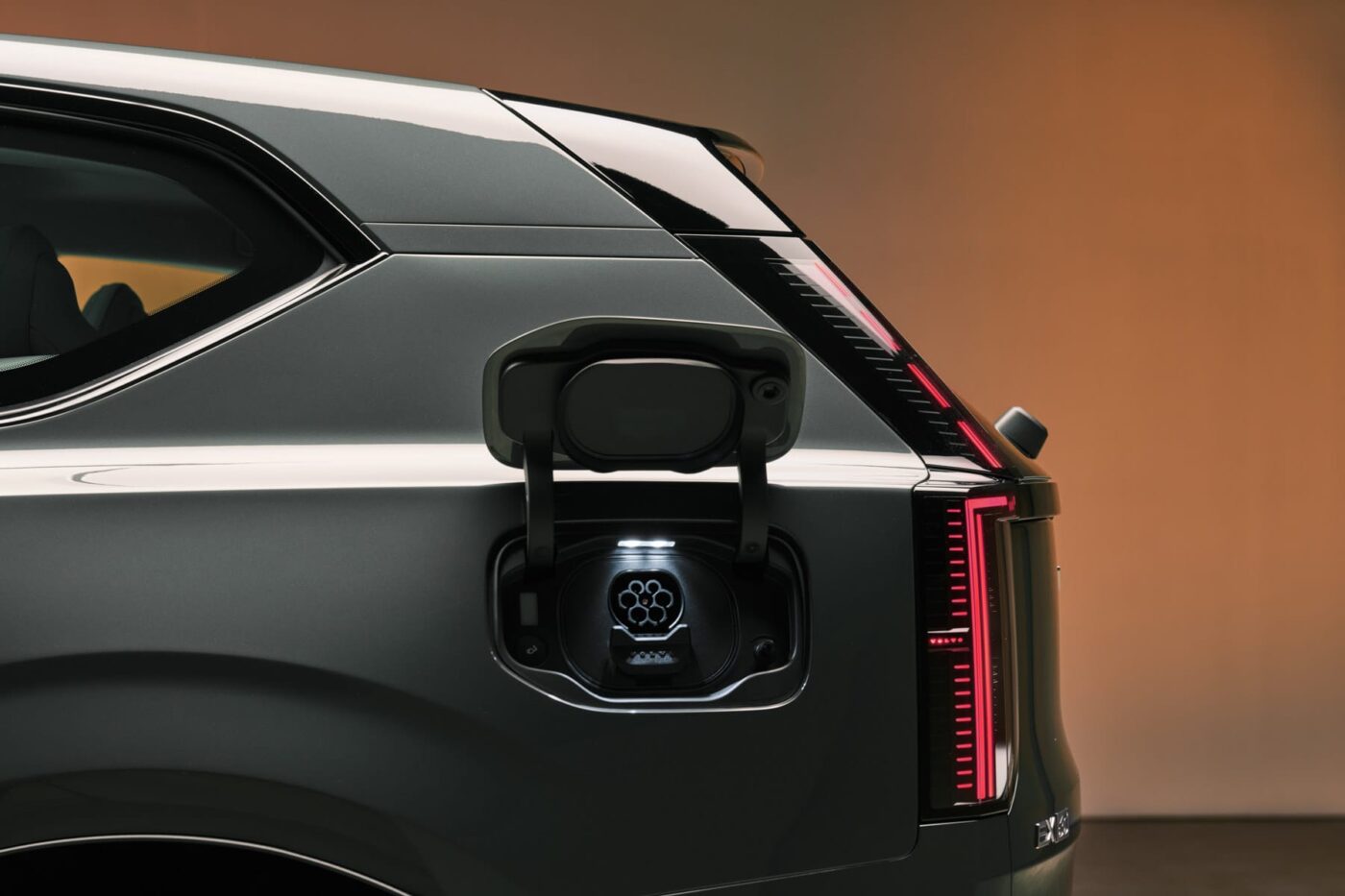
While the industry has largely settled on 11 kW as the de facto standard for AC charging—and many manufacturers have even phased out optional 22 kW chargers—the EX60’s AC charging capabilities are still worth mentioning. All three variants come as standard with a bidirectional 22 kW onboard charger, which is prepared for applications like Vehicle-to-Load (V2L), Vehicle-to-Home (V2H), and Vehicle-to-Grid (V2G). That means even the 112 kWh battery can be fully charged in six hours at a 22 kW charging point, while the 80 kWh battery is fully charged in just four hours. With the more common 11 kW (such as at many wall boxes), it takes twice as long.
The bidirectional functionality also allows the battery to discharge at up to 22 kW, enabling the use of the drive battery’s power for purposes other than driving. However, this requires a special bidirectional wall box from Volvo, about which no further details regarding market launch were provided around the world premiere.
The drivetrain
As mentioned earlier, Volvo is launching the EX60 in three variants, with each battery size paired with a specific drivetrain configuration. The EX60 P6 features a 275 kW rear-wheel-drive powertrain with 480 Nm of torque. This allows the EX60 to accelerate from 0 to 100 km/h in 5.9 seconds and reach a top speed of 180 km/h—a limit that applies not only to all EX60 variants but to all Volvo models. The WLTP consumption is rated at 14.7 kWh/100 km, with a range of 620 kilometres. As is typical in the WLTP cycle, the consumption figure includes AC charging losses, while the range is calculated without them, so the two cannot be directly correlated based on the net battery capacity of 80 kWh.
| EX60 | P6 | P10 AWD | P12 AWD |
|---|---|---|---|
| Drivetrain | RWD | AWD | AWD |
| Power | 275 kW | 375 kW | 500 kW |
| Torque | 480 Nm | 710 Nm | 790 Nm |
| Acceleration | 5.9 s | 4.6 s | 3.9 s |
| Top speed | 180 km/h | 180 km/h | 180 km/h |
| WLTP range | 620 km | 660 km | 810 km |
| Battery (gross/net) | 83/80 kWh | 95/91 kWh | 117/112 kWh |
| DC charging power | 320 kW | 370 kW | 370 kW |
| DC charging time 10-80% | 18 min | 18 min | 19 min |
| Price | 62,990 euros | 65,990 euros | 71,990 euros |
Above this sits the P10 AWD with the 91 kWh battery. In this version, the electric motor on the rear axle is supplemented by a second drive unit on the front axle, increasing the system power to 375 kW and the maximum torque to 710 Nm thanks to the second motor. This allows the all-wheel-drive model to sprint from 0 to 100 km/h in just 4.6 seconds and achieve a range of 660 kilometres. The WLTP consumption rises to 15.7 kWh/100 km.
Since the P10 already delivers the equivalent of 510 hp—on par with the BMW iX3 50 xDrive—one might wonder where Volvo, a brand traditionally focused on safety and tranquillity, is headed with the top-of-the-range P12 AWD. The answer is simple: even further. The P12 boasts a staggering 500 kW of power, equivalent to 680 hp, making it the most powerful production Volvo ever. Torque is rated at 790 Nm, with a 0-100 km/h time of 3.9 seconds. While the WLTP consumption increases to 16.0 kWh/100 km, the 112 kWh battery enables the aforementioned 810-kilometre WLTP range in this version.
By the way: the XC60 with internal combustion engines and hybrid drivetrains will remain on offer and, similar to the XC90 after the premiere of the EX90, will receive another facelift with updated styling and technology. Volvo’s current drivetrain strategy aims to sell 90 to 100 per cent ‘electrified’ vehicles by 2030—this includes plug-in hybrids and fully electric cars. The exact mix may vary slightly by market. Some national subsidiaries may phase out internal combustion engines earlier, offering only PHEVs and BEVs or even (as in Norway) a fully electric portfolio, while in other markets, (plug-in) hybrids may remain available for longer.
The body
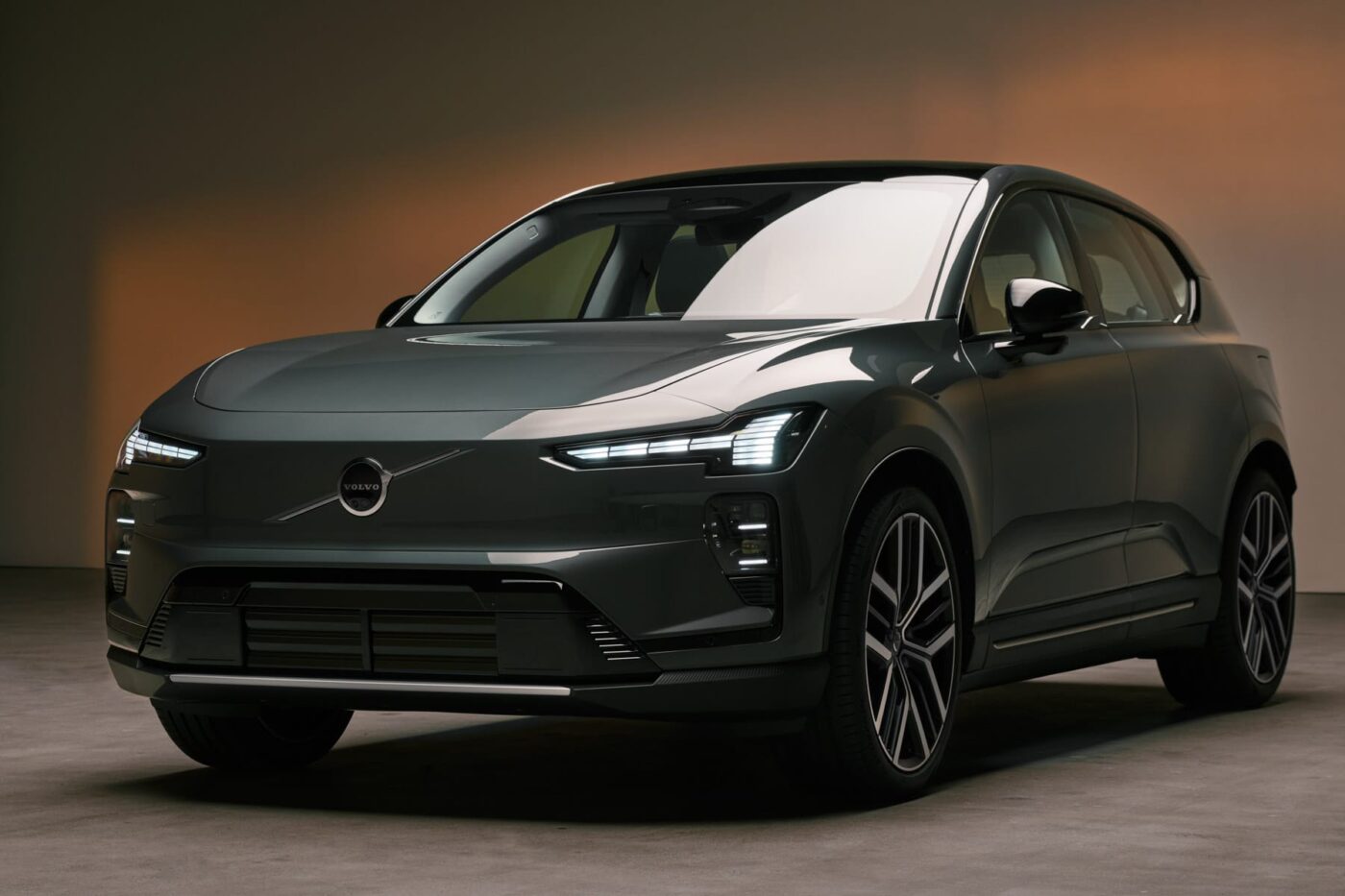
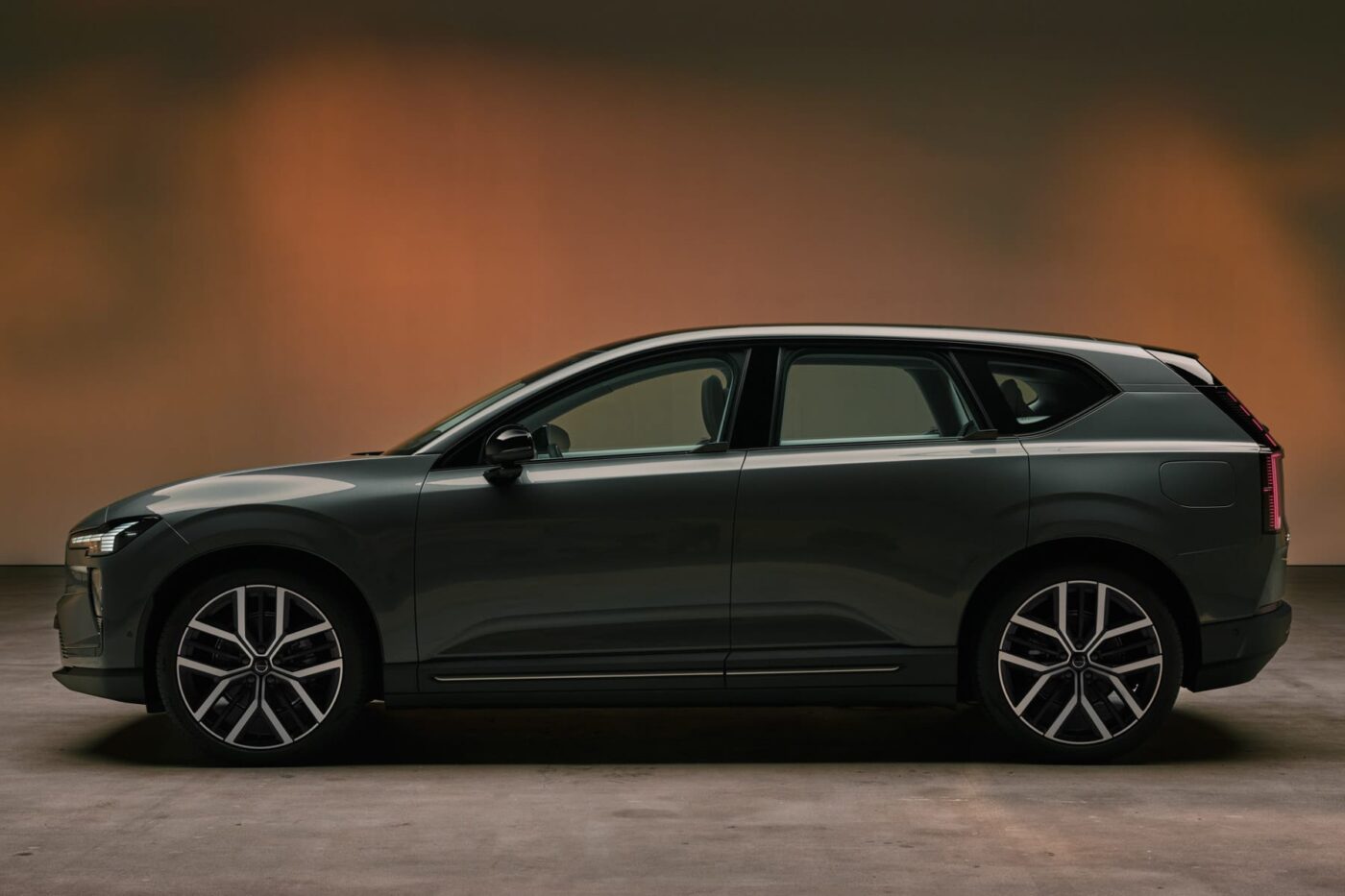
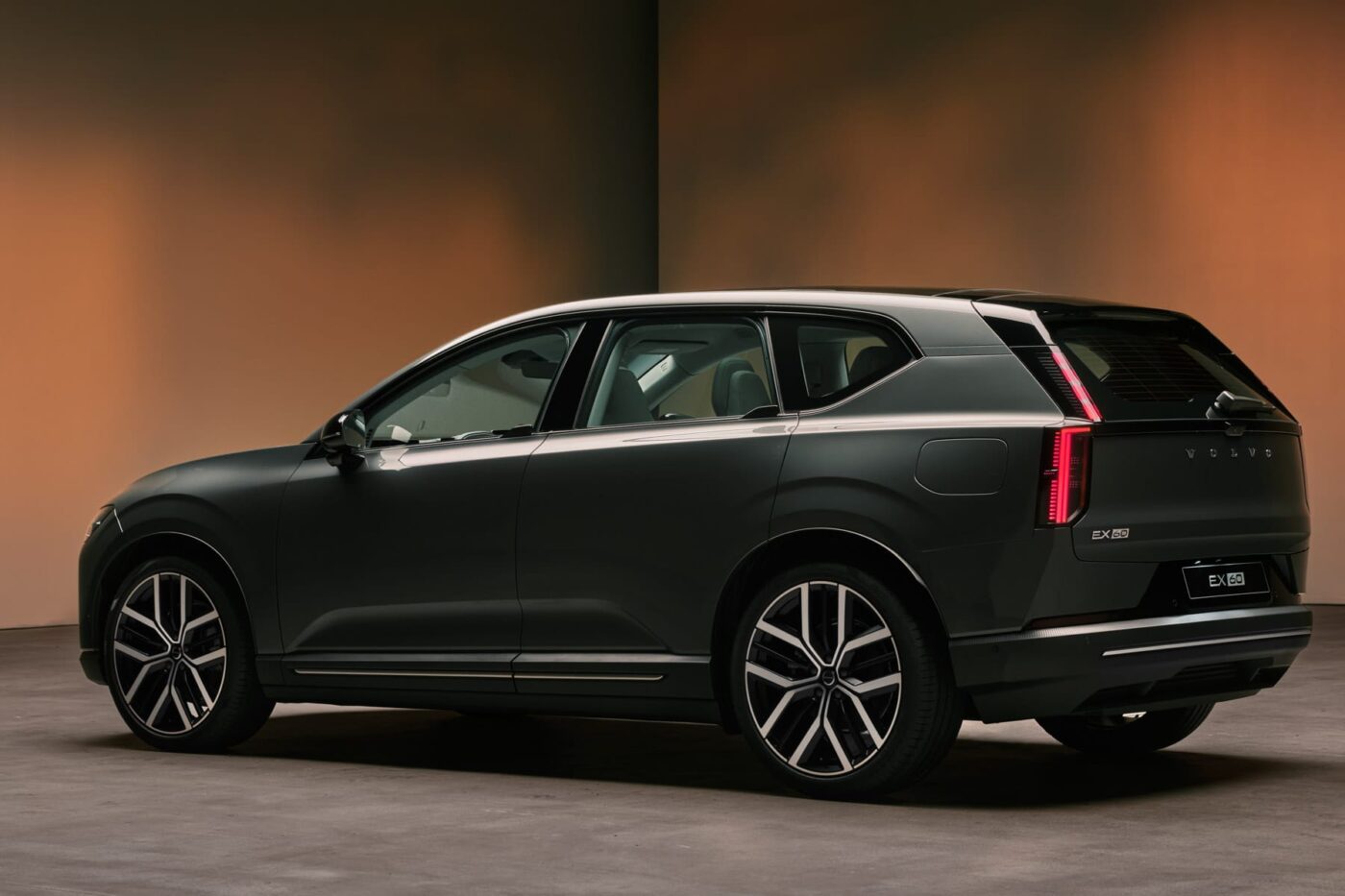
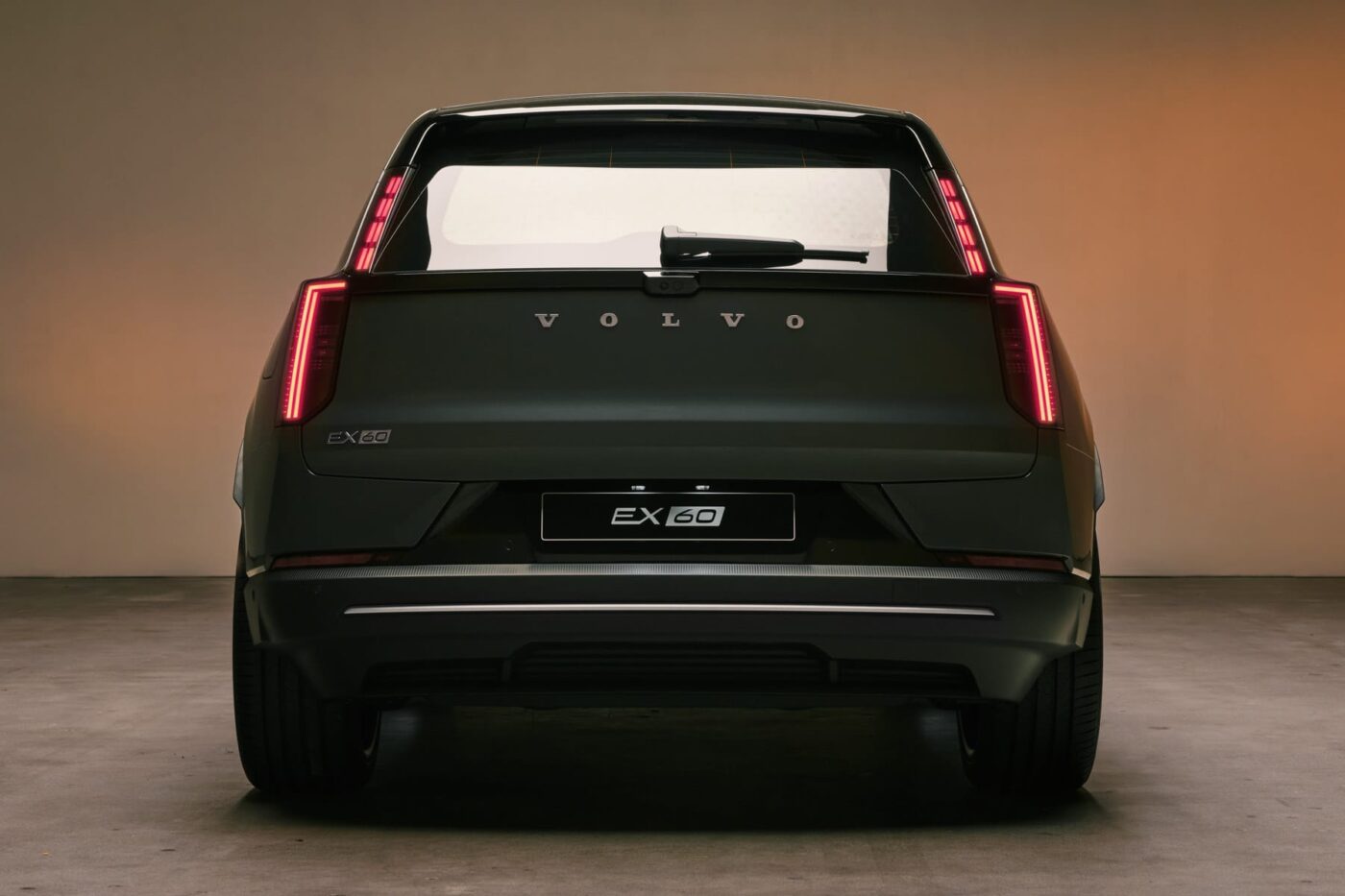
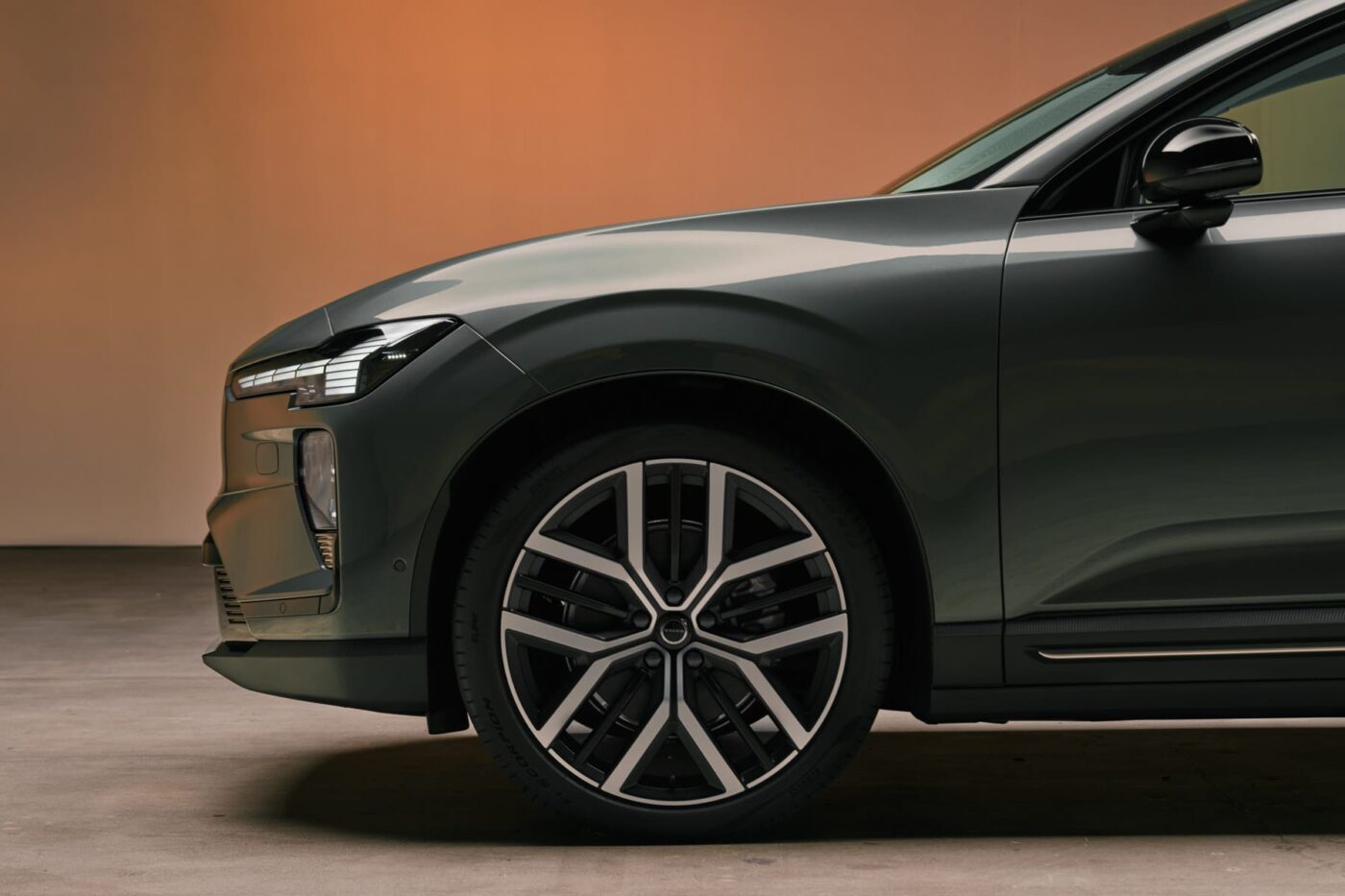
So far, we’ve focused largely on the drivetrain and charging technology, rather than the car itself. At 4.80 metres in length, 1.90 metres in width (2.07 metres including mirrors), and 1.64 metres in height, the EX60 slots into the premium mid-size SUV class. Some models in this segment are closer to 4.65 metres in length, but a Porsche Macan is similarly sized. With a 2.97-metre wheelbase, the front and rear overhangs are very short at 89.9 cm and 93.4 cm respectively, giving the EX60 the typical proportions of a battery-electric vehicle and setting it apart from the previous XC60. With a ground clearance of 18 cm, the EX60 feels more like a slightly raised estate car than an SUV with off-road pretensions.
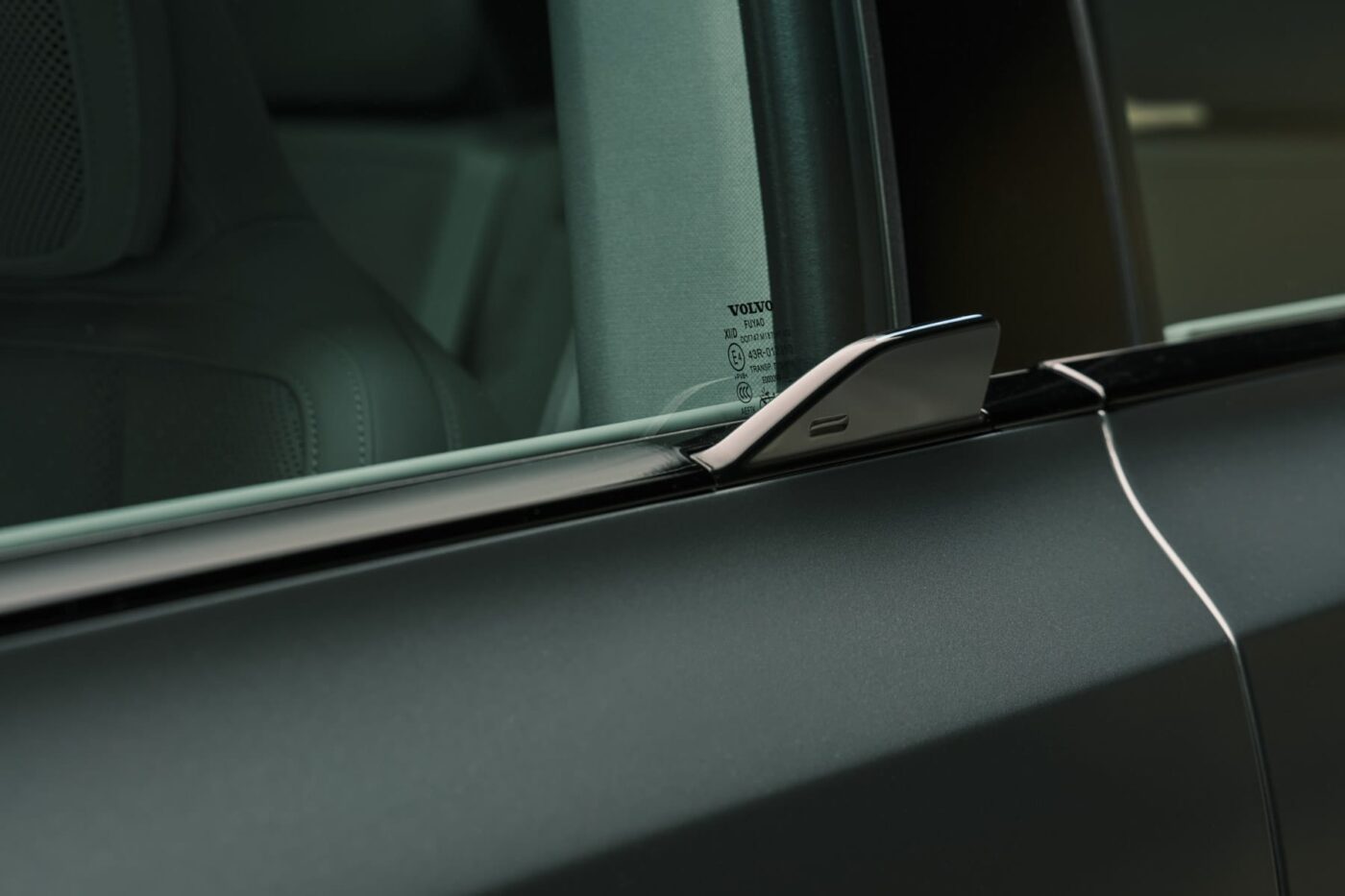
Traditional or modern flush door handles are a thing of the past for the EX60. Instead, there are small fins at the lower end of the side windows for opening the doors. “This works very well, but it will remain a unique solution for the EX60,” says Michael Fleiss, Volvo’s Chief Product & Strategy Officer and head of product planning. The reason is new legislation in China, which will ban such solutions in the future. If a different solution is required for China in future SPA3-based models, it will be rolled out globally—having different door handles for different markets doesn’t make sense.
The first seating test during the world premiere also shows that all five seats offer comfort—even the middle rear seat, which benefits from the absence of a transmission tunnel, offers ample legroom, though shoulder space may be tight for three adults. With three children, however, it should be no problem. For families, there are two ISOFIX points to secure child seats, located on the outer rear seats.
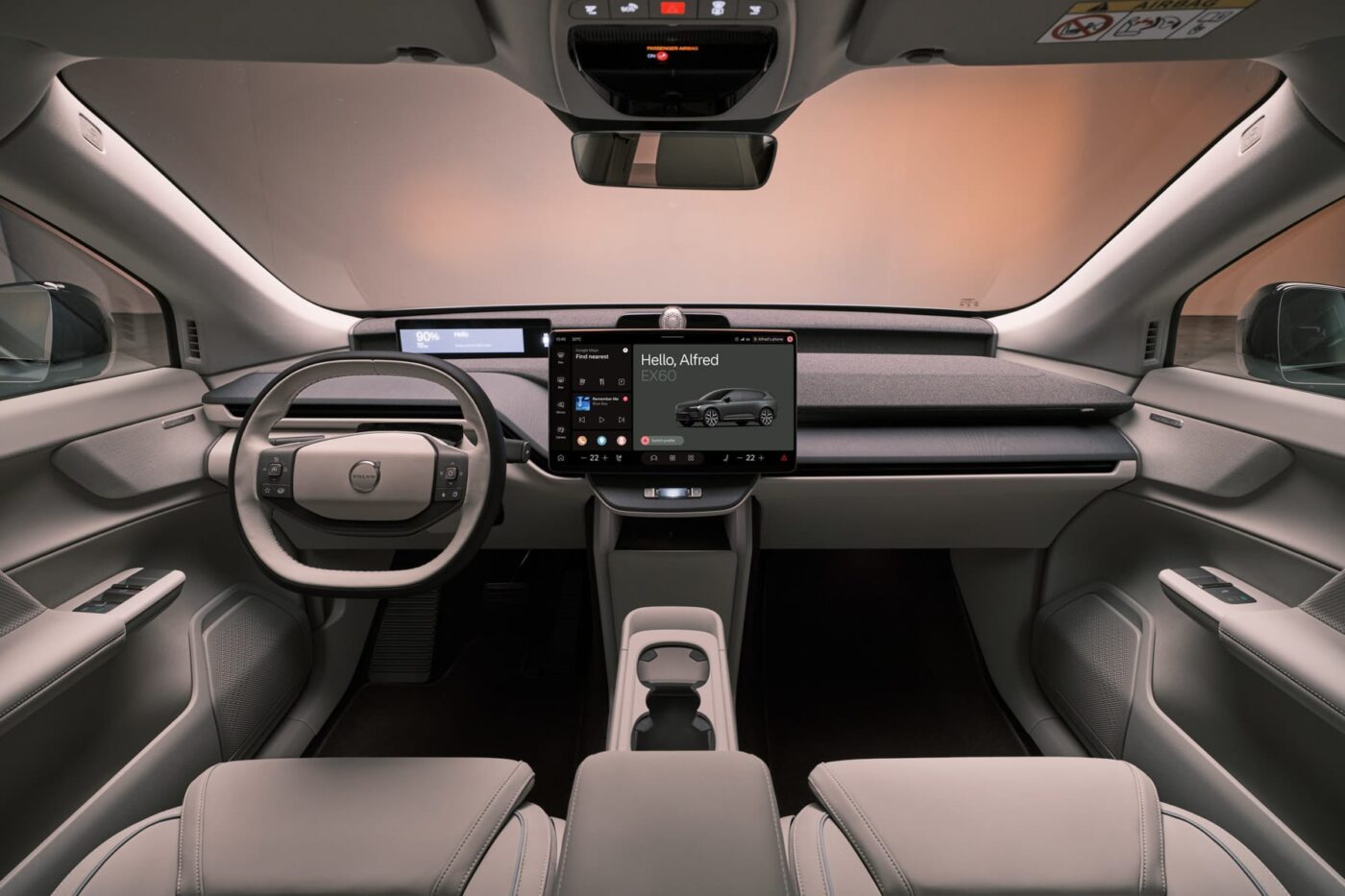
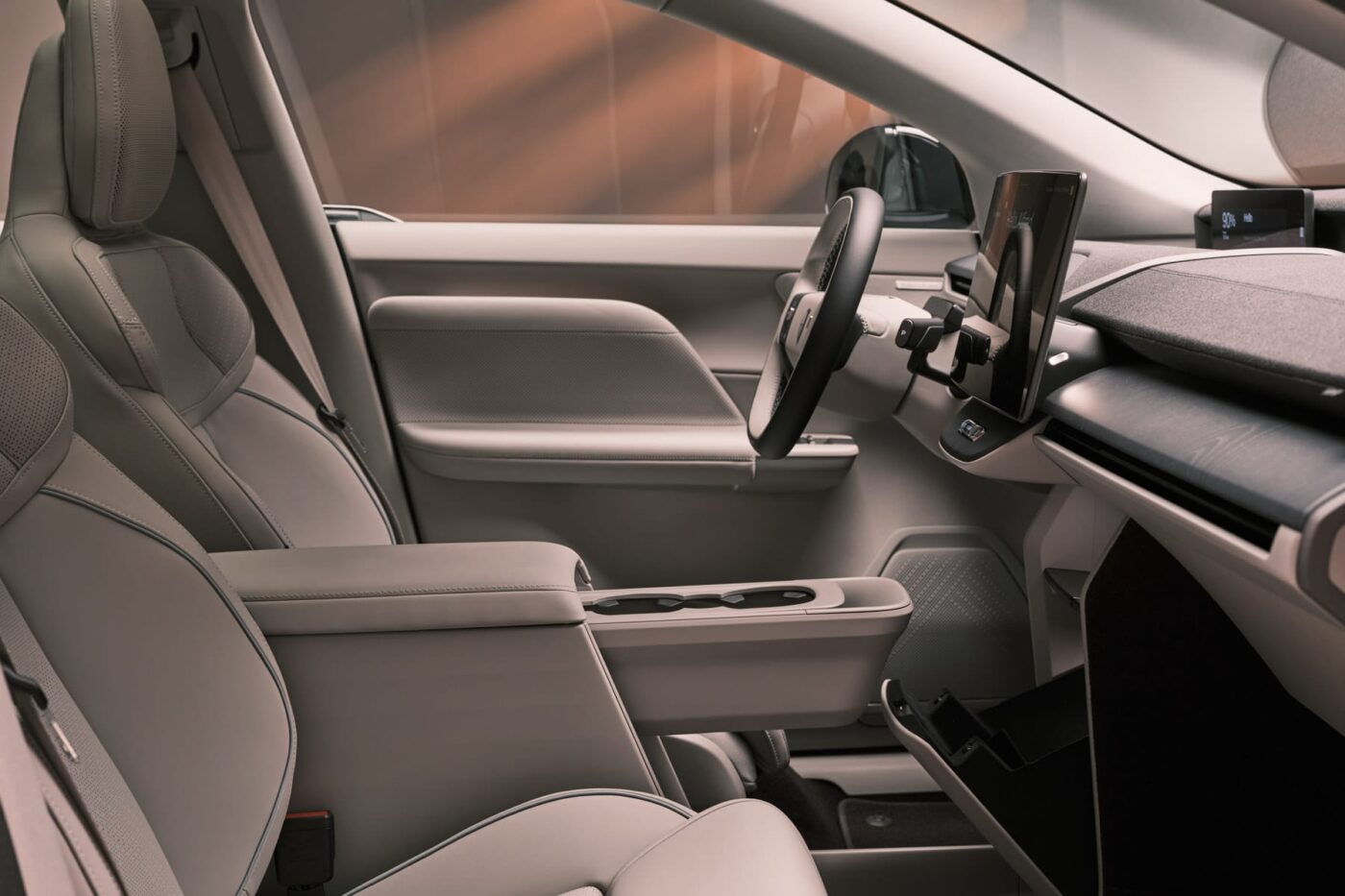
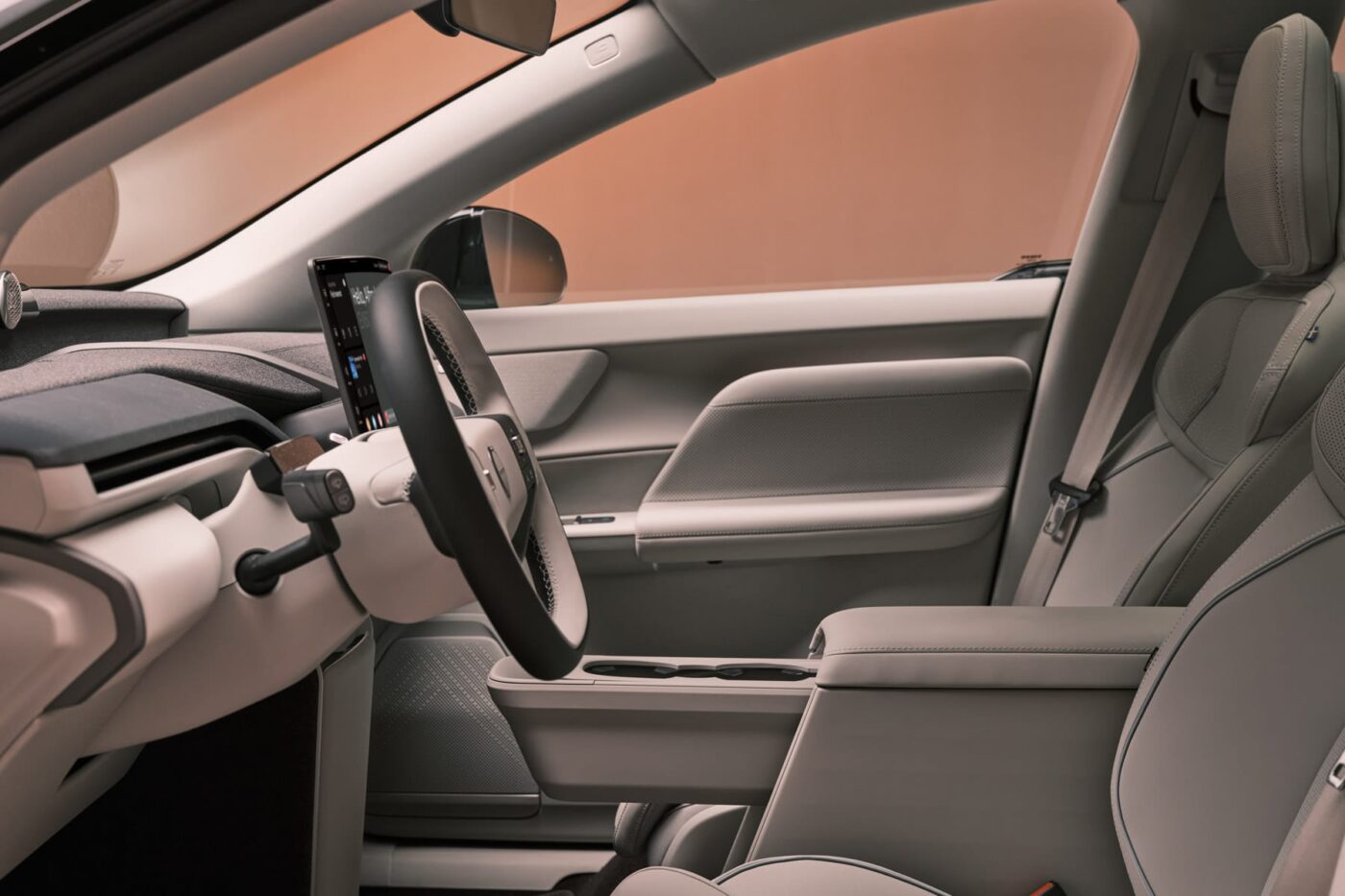
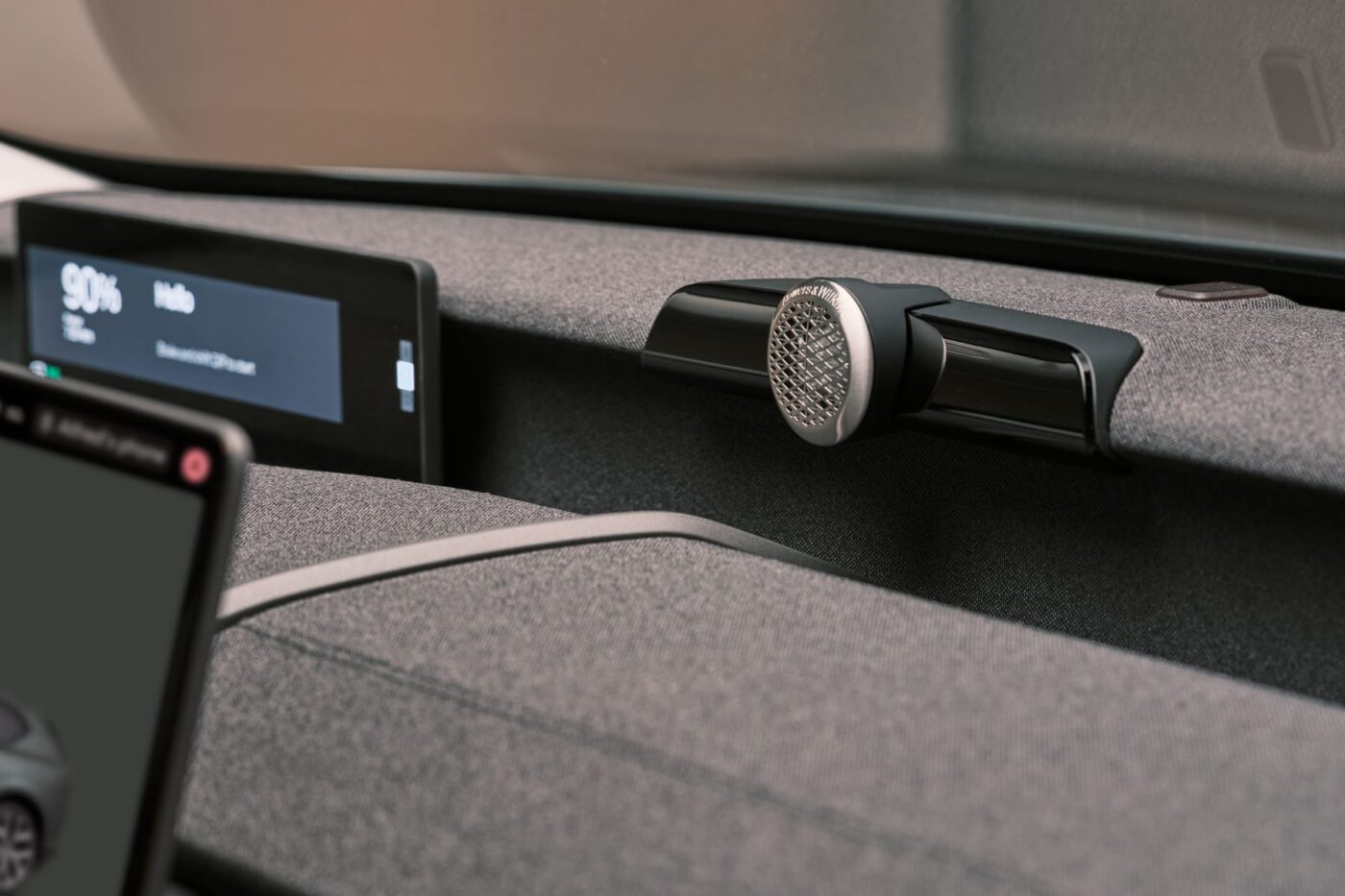
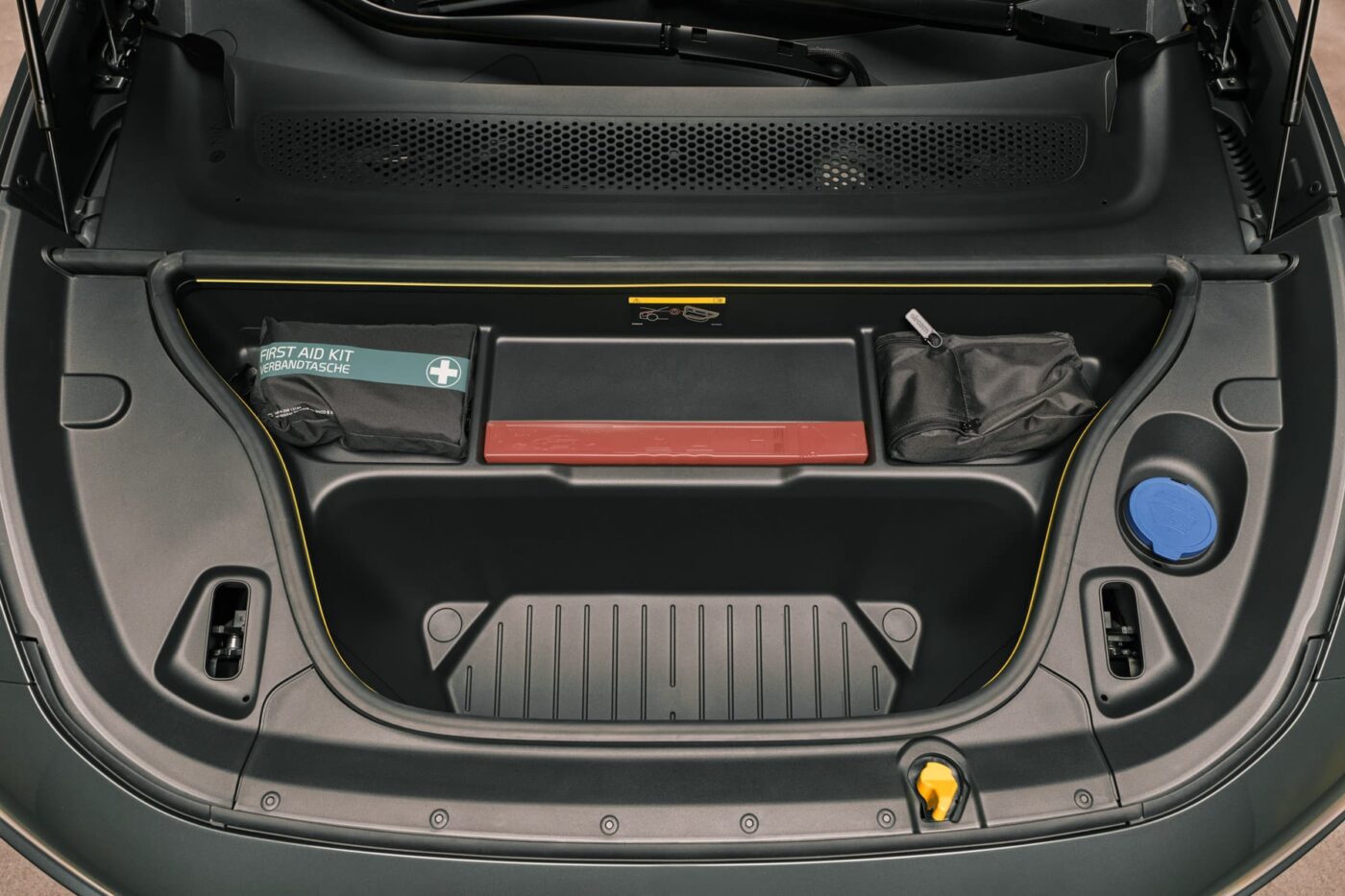
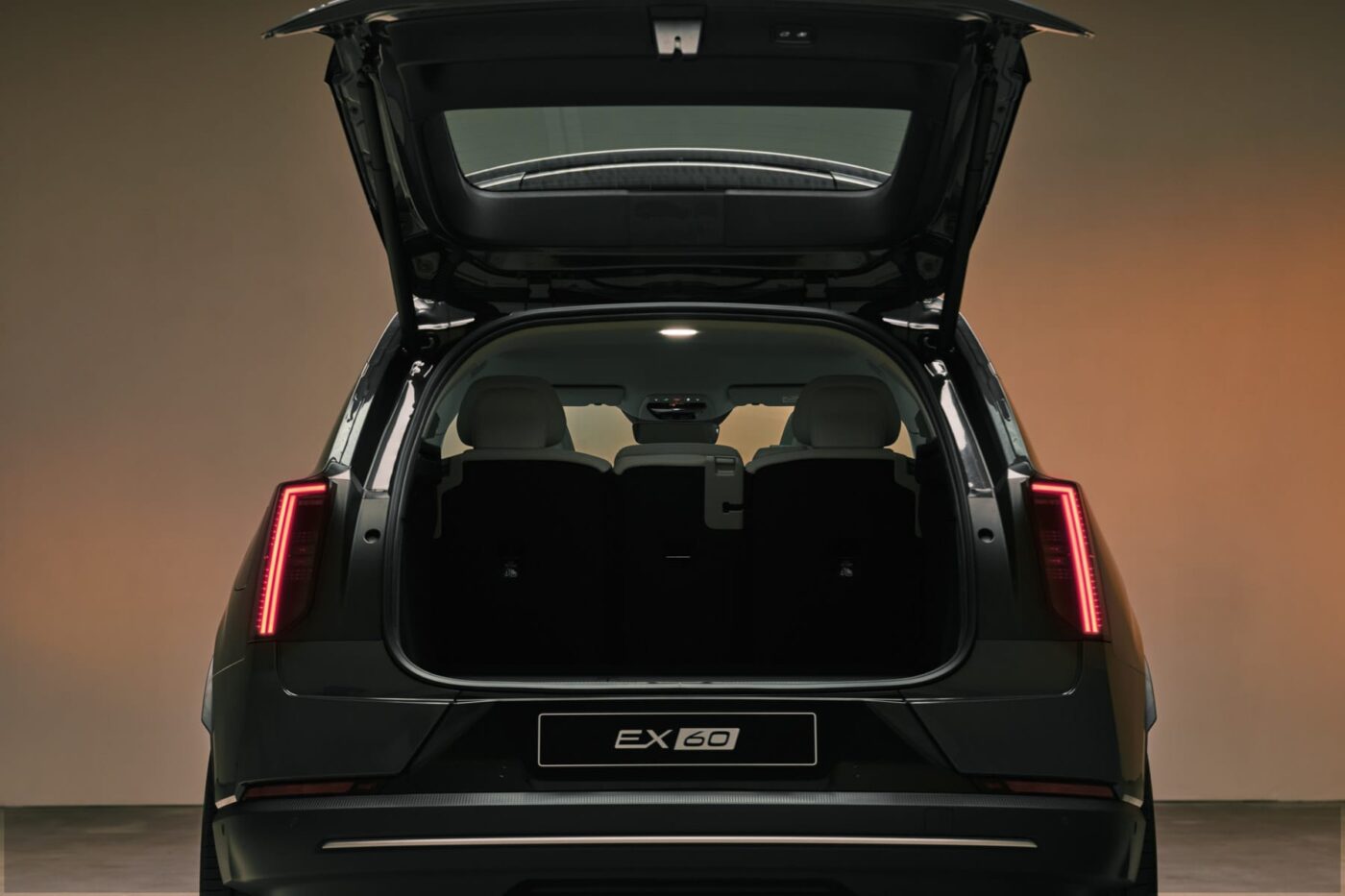
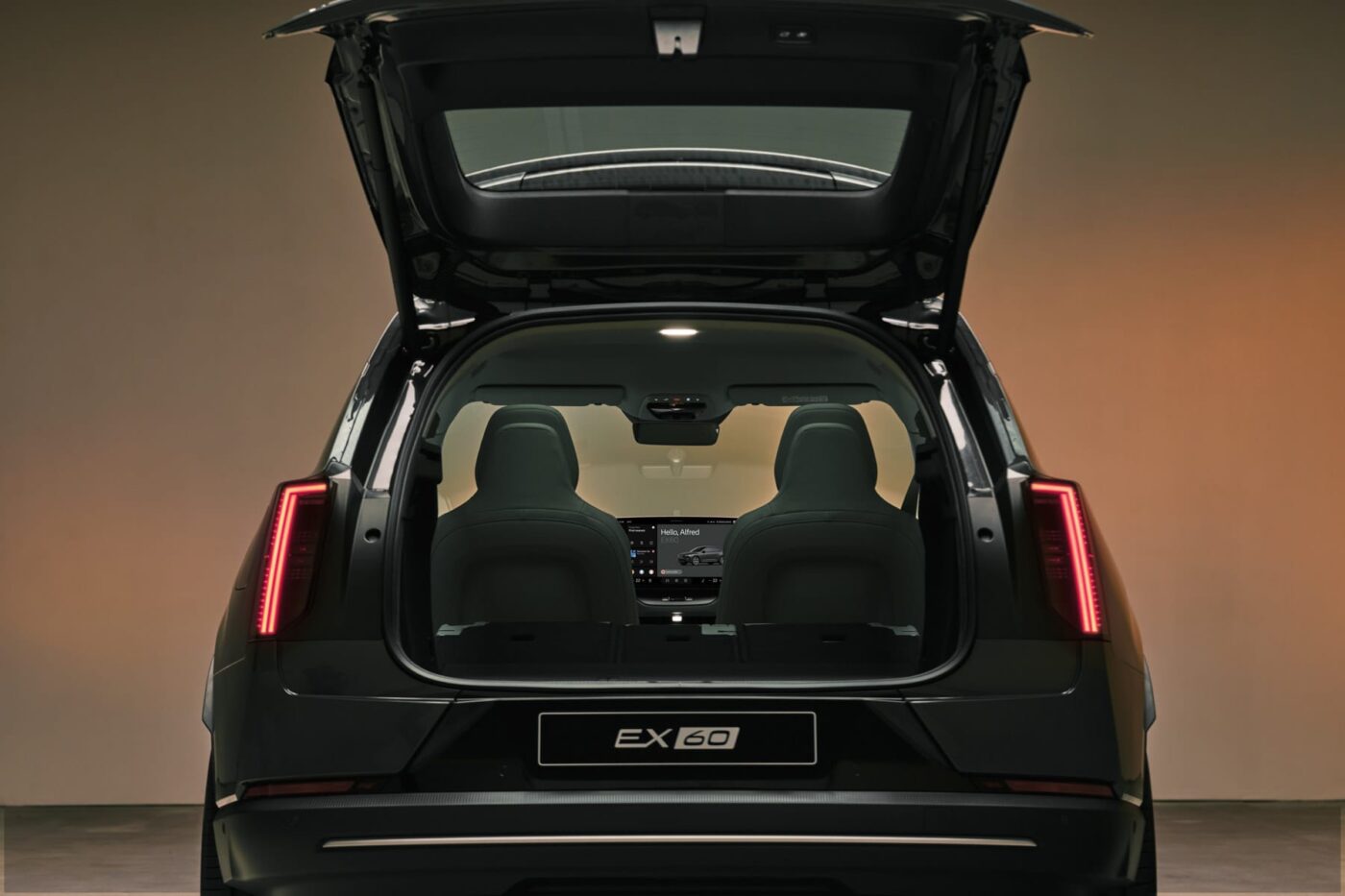
As a family SUV, the EX60 is also designed to excel in practicality. Up to the top edge of the rear seat backrests, the boot offers 523 litres of space, and depending on the rear seat adjustment, this can increase to 634 litres. Folding the rear seats increases the load volume to up to 1,647 litres. Additionally, there are 91 litres of storage in and around the boot, an 85-litre frunk at the front, and a roof load capacity of up to 100 kilograms. For those needing even more, the P6 with rear-wheel drive can tow trailers weighing up to two tonnes, while the all-wheel-drive models increase this to 2.4 tonnes. Depending on the variant, the EX60 itself weighs between 2.11 and 2.33 tonnes.
As standard, the EX60 comes with a conventional suspension using coil springs. Optionally, an ‘active suspension’ with air springs can be ordered. As with the larger EX90, this features a two-chamber air suspension for enhanced comfort and better system control.
The EX60 Cross Country
The EX60 appears so understated and estate-like because Volvo deliberately avoided any off-road design cues. For good reason: alongside the EX60, the Swedes also unveiled the EX60 Cross Country. This version not only features a suspension raised by two centimetres and increased ground clearance but also incorporates the off-road design elements omitted from the EX60. A brushed aluminium underbody protection at the front and rear, a wider track, more pronounced wheel arches, and black upper door trims give it a rugged look. The additional height further enhances its proportions, making the Cross Country appear like the ‘typical’ SUV in direct comparison. With the air suspension, an additional 20 millimetres can be added for increased comfort, while at higher speeds, the vehicle is lowered to reduce air resistance and improve energy efficiency.
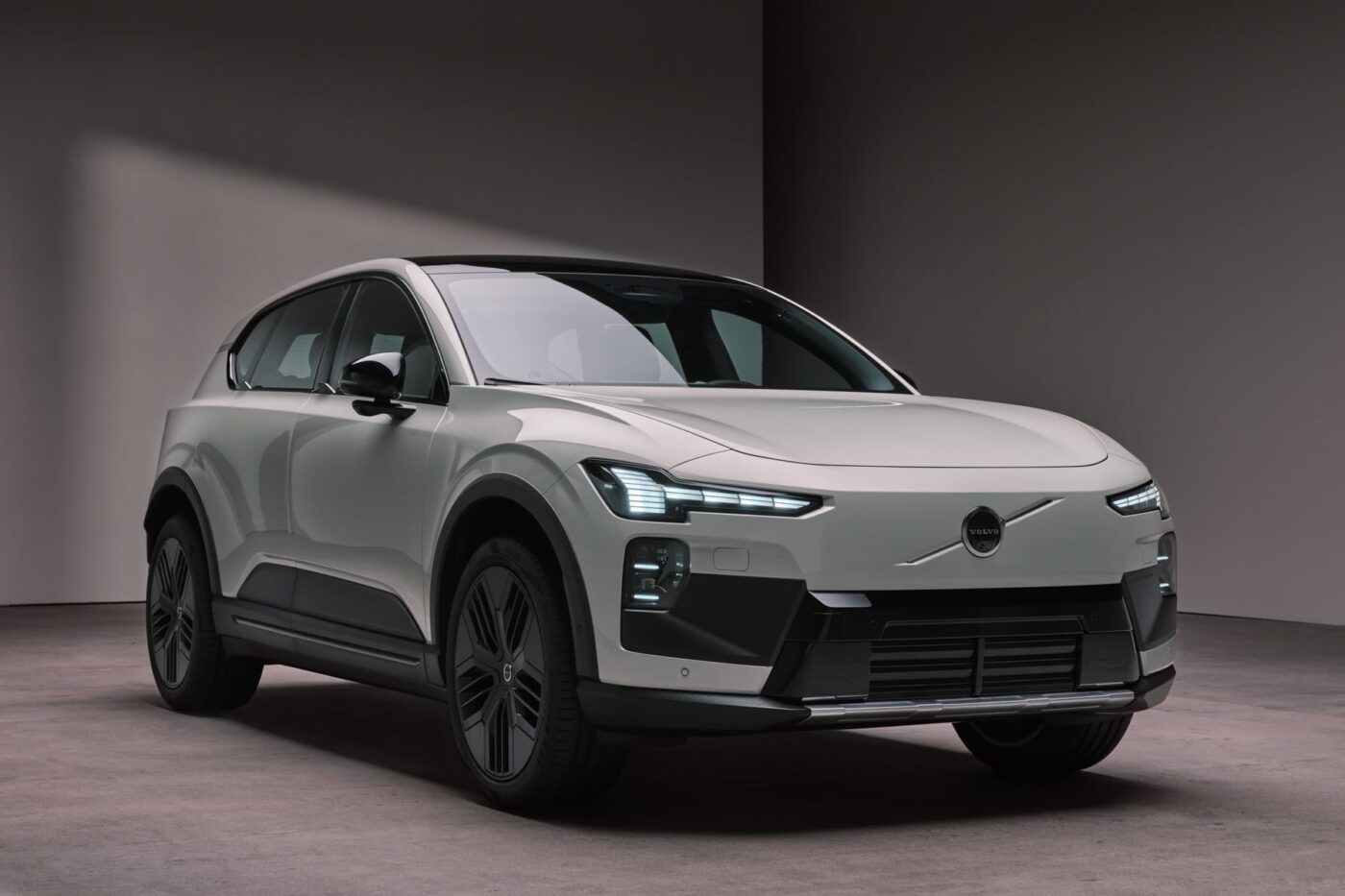
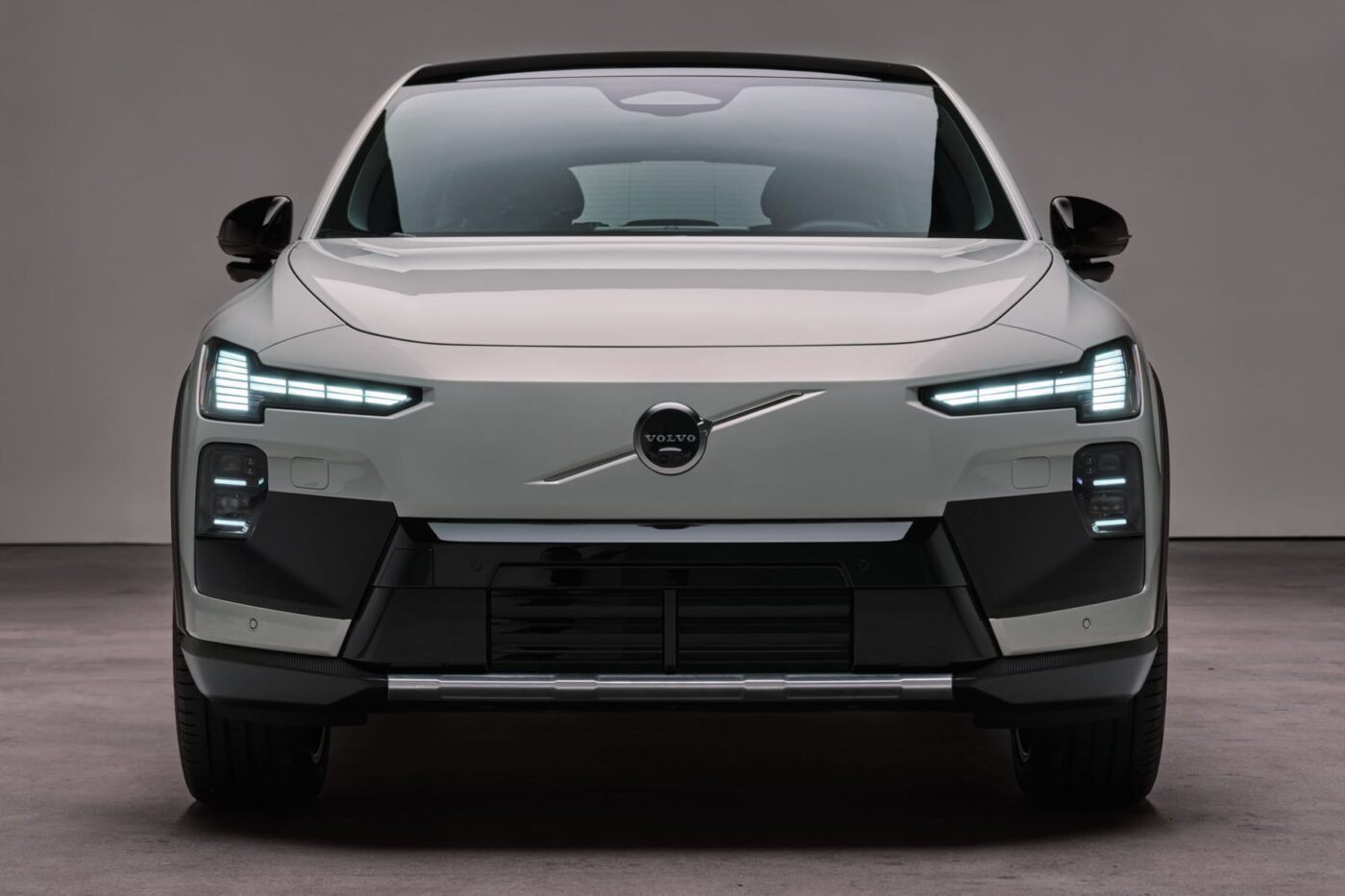
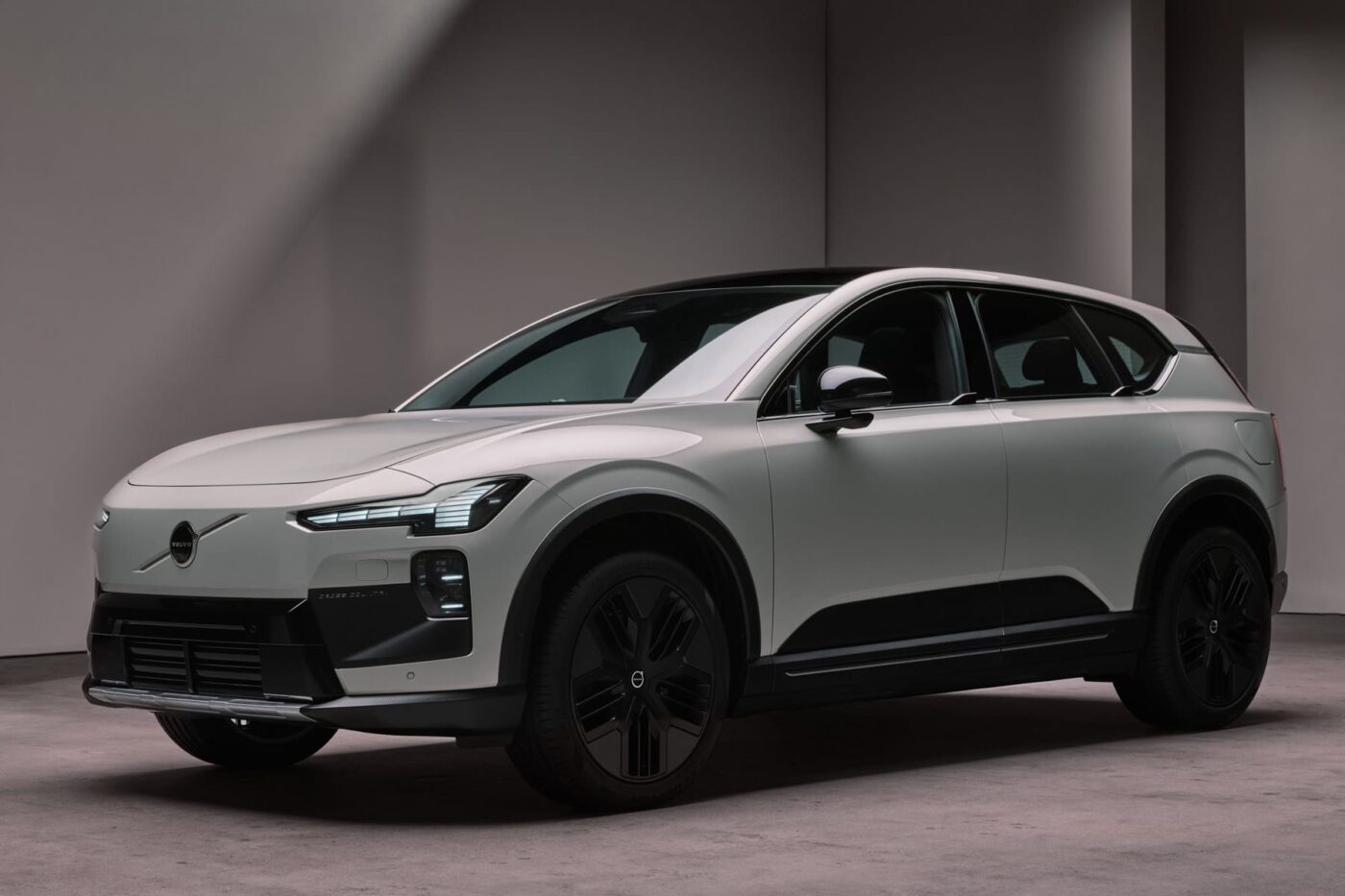
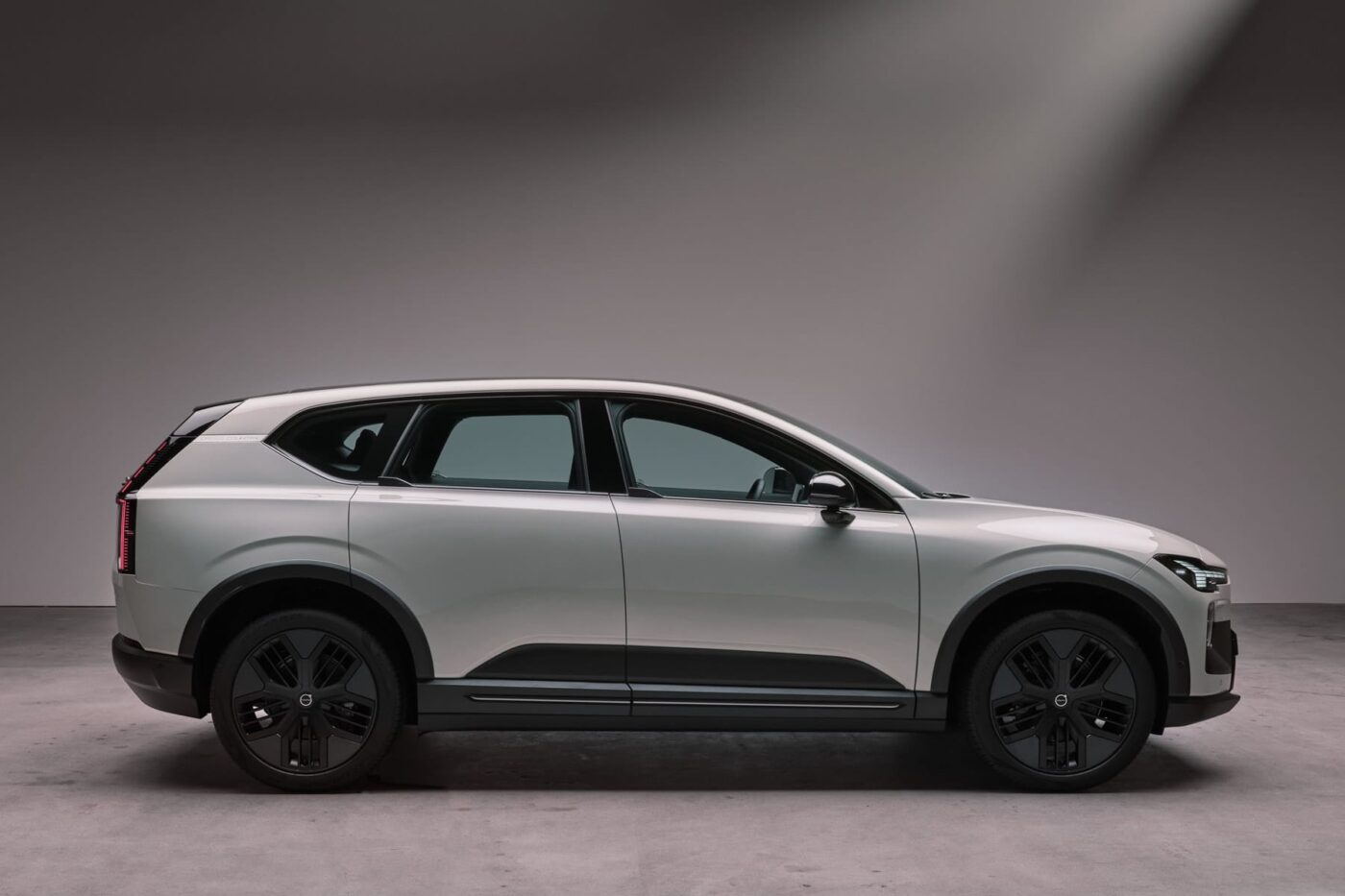
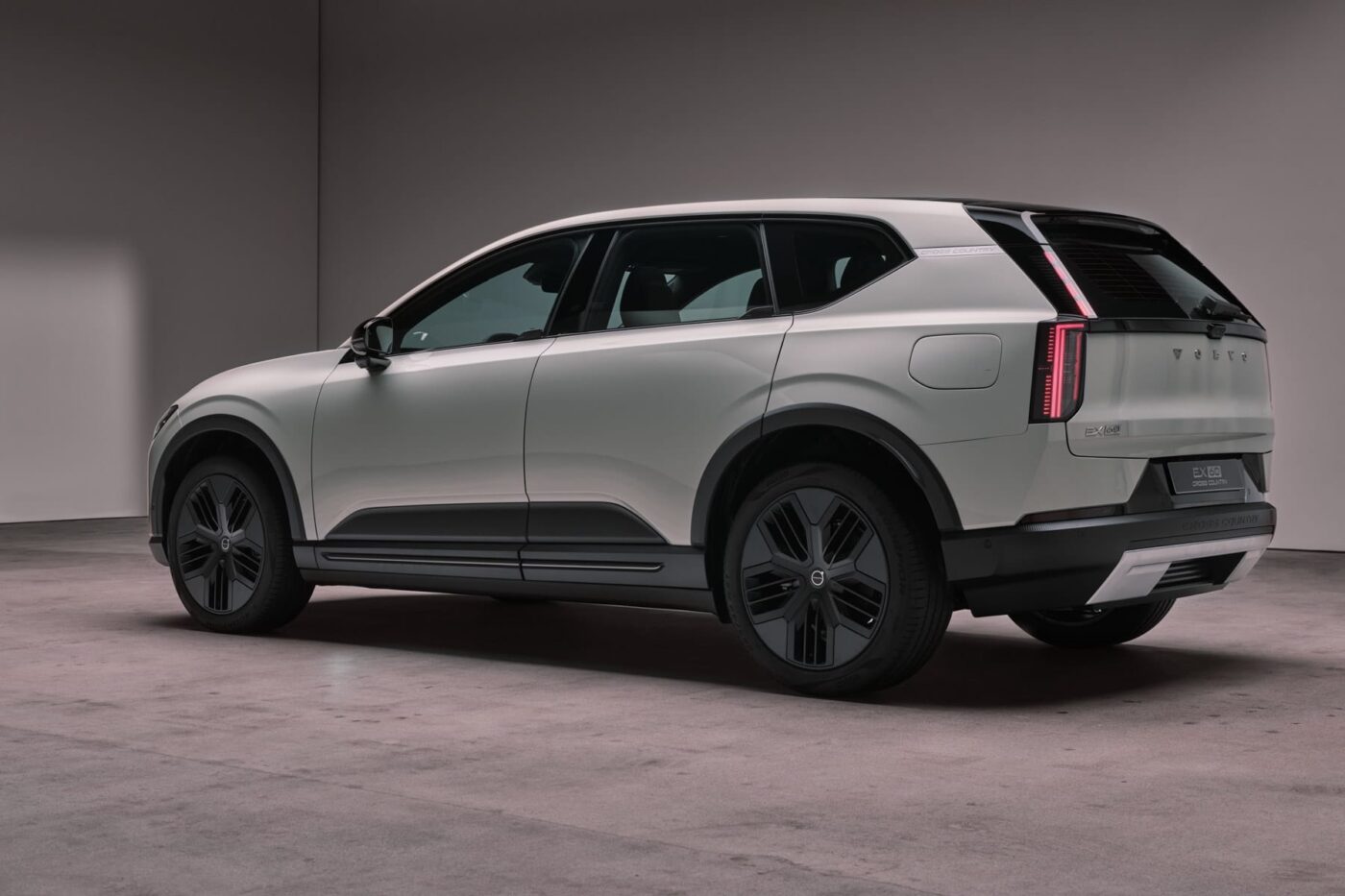
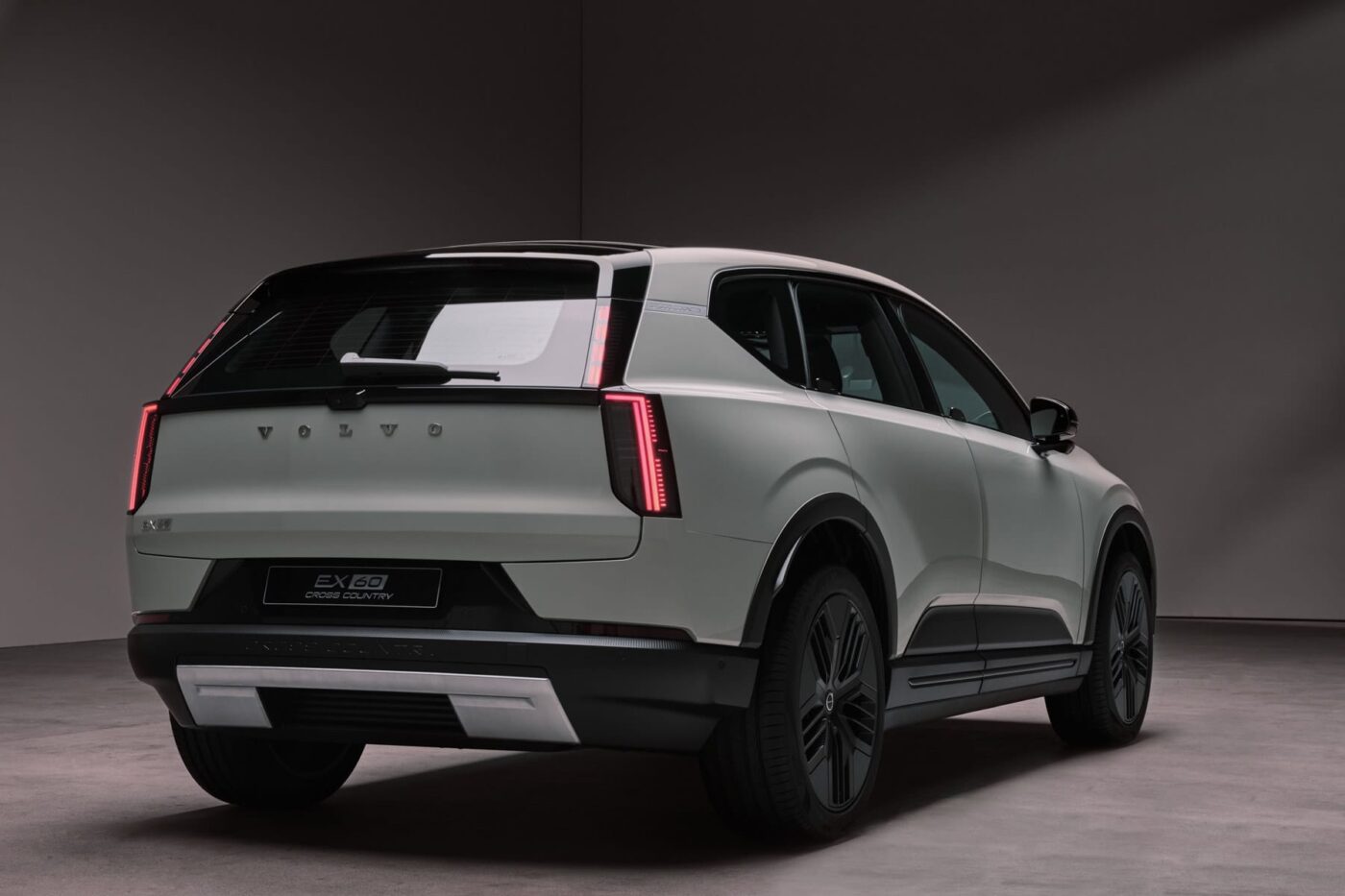
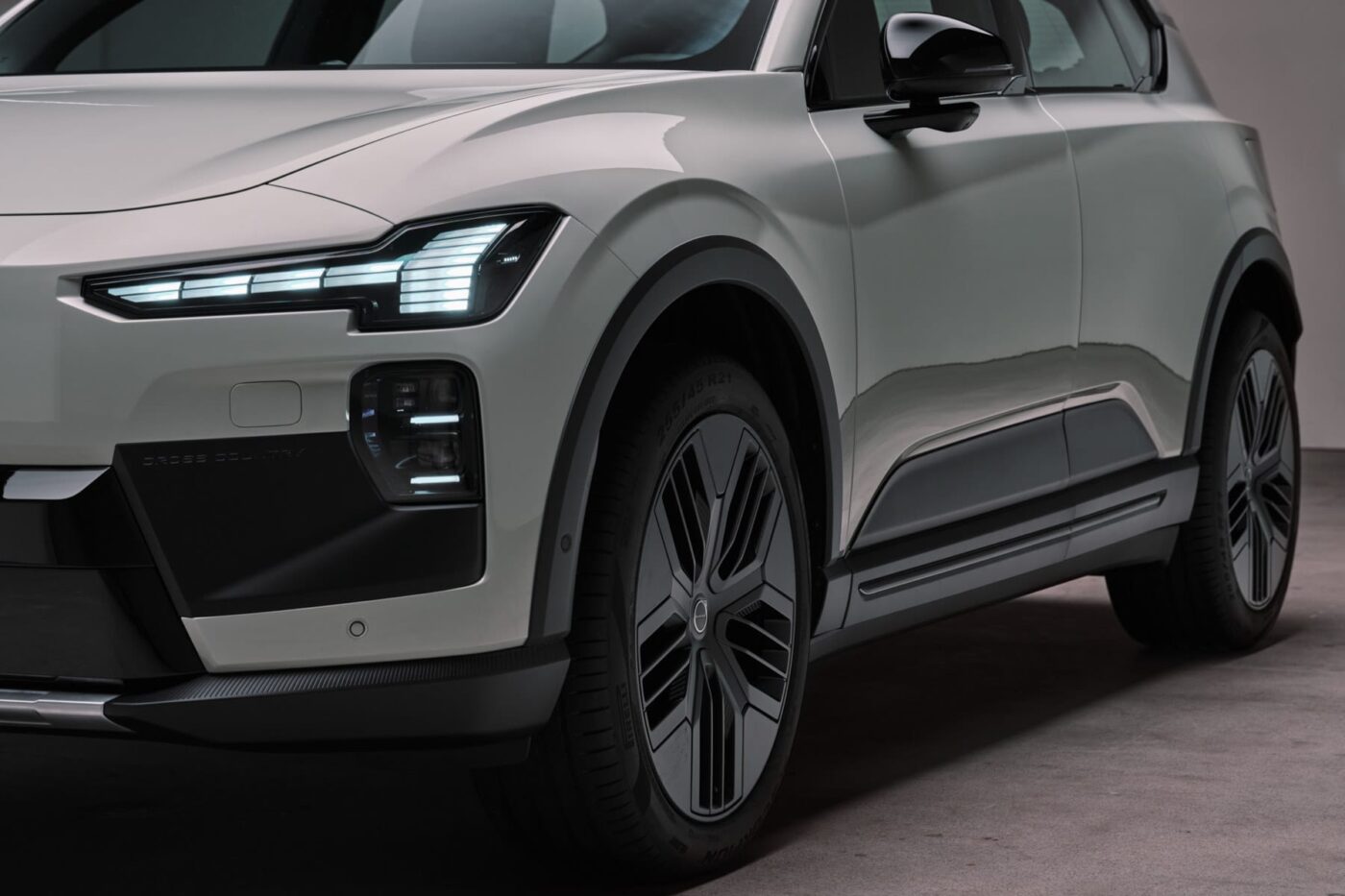
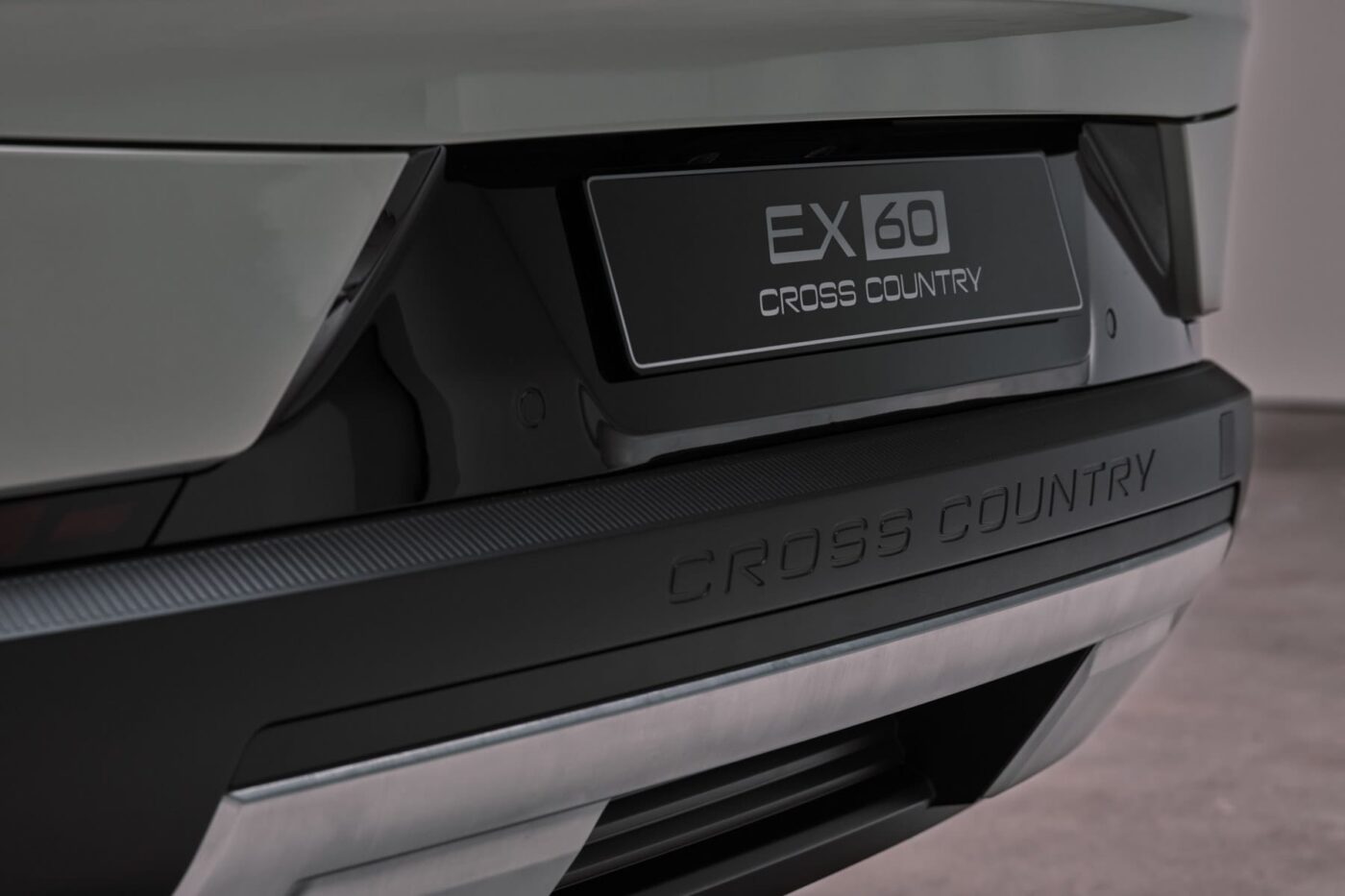
Of course, this doesn’t turn the EX60 into a hardcore off-roader, but the additional ground clearance and improved approach and departure angles can help with tasks like pulling a horse trailer from a paddock, navigating steep boat ramps, or tackling rougher farm tracks if that’s part of your daily routine.
The EX60 Cross Country is only available as the P10 AWD, featuring the 375 kW all-wheel-drive powertrain and the 91 kWh battery. The charging performance (max. 370 kW, 18 minutes for 10 to 80 per cent) matches that of the regular P10 AWD. However, due to the different aerodynamics, consumption is slightly higher, and the WLTP range drops to 640 kilometres.
| EX60 Cross Country | P10 AWD |
|---|---|
| Drivetrain | AWD |
| Power | 375 kW |
| Torque | 710 Nm |
| Acceleration | 4.7 s |
| Top speed | 180 km/h |
| WLTP range | 640 km |
| Battery capacity (gross/net) | 95/91 kWh |
| DC charging power | 370 kW |
| DC charging time 10-80% | 18 min |
| Price | 68,990 euros |
What else?
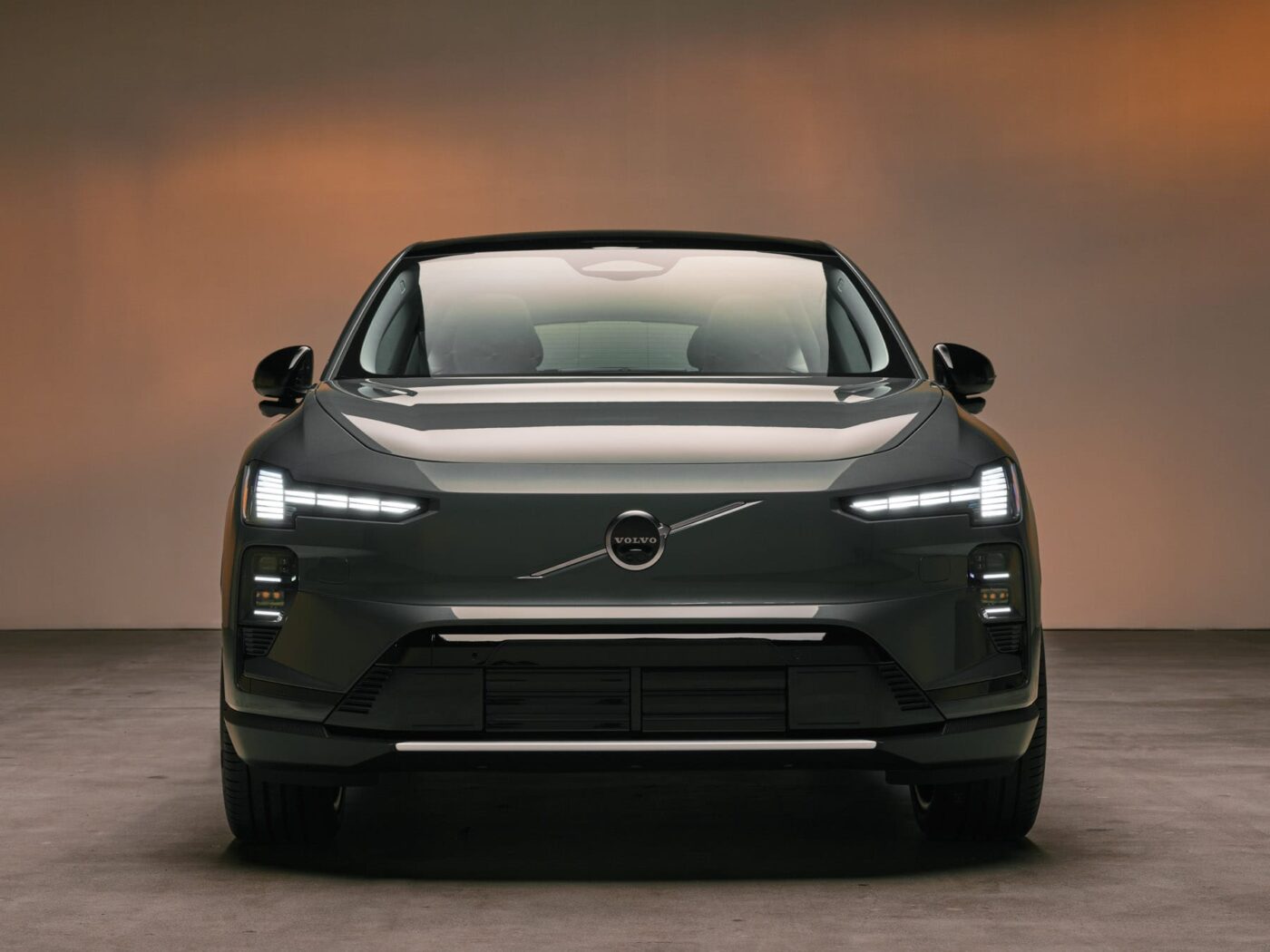
The EX60 boasts impressive technical specifications. However, reducing this new model to just these figures would be an oversimplification. For market success, not only does the technology need to impress, but the rest of the car must also deliver what Volvo customers expect. This includes the brand’s signature design, which aims to radiate calm, create a sense of security, and impress with clever storage solutions—according to the manufacturer. The exterior must not only look Scandinavian-chic but also excel in aerodynamics.
Inside, natural materials are intended to create a calming atmosphere. Volvo is returning to a landscape-oriented central touchscreen, rather than the previous portrait format. A responsive, dialogue-oriented AI based on Google Gemini (a first in the automotive industry) is designed to offer a modern and intuitive user experience while reinforcing Volvo’s tech credentials. Finally, safety remains a cornerstone for the Swedes. The body structure, ‘industry-leading’ sensors, and software are intended to provide the highest level of safety. And in the event of an accident, the EX60 introduces a ‘multi-adaptive seatbelt’ for the first time, which ‘enhances safety for all occupants in real-world traffic situations.’ Fortunately, we didn’t have to test this during the world premiere.
Volvo describes the EX60 as the ‘most intelligent Volvo ever’—a title it may well have to relinquish soon, given the rapid pace of development in this area. The EX60 is a fully software-defined vehicle based on the ‘Superset Tech Stack.’
“The combination of various hardware and software modules forms the foundation of all new Volvo electric cars,” explains the manufacturer. The EX60 features an NVIDIA DRIVE AGX Orin and the new Qualcomm 8255 CPU. This setup is designed not only to process large amounts of data and AI information quickly but also to allow the system to be continuously improved through updates. With the NVIDIA technology, the EX60 will be the first Volvo to feature ‘Pilot Assist Plus.’ “On motorways, the system takes over steering at speeds of up to 130 km/h and assists with lane changes,” says the carmaker.
Of course, it’s unclear whether customers will delve into the specifics of NVIDIA or Qualcomm chips. The technology behind the scenes enables what many customers now expect from a new car: no delays during charging, perfectly smooth animations, and seamless integration of the latest smartphones with new software versions. Requirements have evolved significantly, and carmakers like Volvo must respond. How this is achieved is often invisible to customers and irrelevant to them. The impact on the product, however, is not—balancing trends from the fast-moving consumer tech world with the longer product cycles of the automotive industry is the goal of the new ‘Superset Tech Stack’ approach. As long as the hardware supports it, software modules can be continuously adapted to the latest trends.
By the way: the software issues that once delayed the launch of the EX90 by nearly two years and caused significant frustration for early customers are not expected to recur with the EX60. “With the latest update, we’ve resolved all software issues in the EX90,” explains Michael Fleiss. “And since the software stack is essentially the only carry-over from SPA2 to SPA3 and the EX60, these problems won’t appear here. It took longer than expected and delayed further development due to tied-up capacities. Nevertheless, with the EX60, we are the first Western OEM to bring a fully software-defined vehicle to market.”
Production
The company describes the EX60 as a “significant step in Volvo Cars’ transformation into a fully electrified car manufacturer.” The EX60 is “not just another car” but a demonstration of “Volvo’s vision of fully electric mobility.”
The EX60 is built alongside the XC60 at Volvo’s main plant in Torslanda, Gothenburg. There, the EX60 can leverage the established local supplier structures, though the production process itself has undergone significant changes for the SPA3 platform. The EX60 is the first production Volvo to use “megacasting” in its manufacture. This involves producing very large cast components with high precision in a single piece, replacing hundreds of smaller parts. This simplifies production by eliminating many assembly steps—the over 100 individual parts would otherwise need to be sourced from various suppliers, delivered to the plant, and pre-assembled into subcomponents before the final part could be produced. This increases production costs. Additionally, the megacast component is lighter than a conventionally assembled part, which in turn improves range.
According to Volvo’s plan, the EX60 is set to gradually increase in volume by 2030 and take over from the XC60. Production at Torslanda itself will continue at a high level, with volumes slowly shifting internally towards electric vehicles. Regardless of the drivetrain, Volvo aims to remain Sweden’s most important industrial export with its vehicles.
Pricing
Given that the EX60 is the most intelligent and powerful Volvo ever, one might assume it would also be one of the most expensive. However, thanks to measures like the structural cell-to-body battery, megacasting, and in-house drivetrain and software development (along with key partnerships), Volvo has managed to keep the base price significantly below that of the XC60 plug-in hybrid (from 67,990 euros).
The EX60 P6 in the Plus trim starts at 62,990 euros in Germany. Even the P10 AWD, at 65,990 euros, is cheaper than the XC60 PHEV, with only the 500 kW top model breaking the 70,000-euro mark at 71,990 euros. The EX60 Cross Country is priced between the regular P10 and the P12, at 68,990 euros. All variants are available to order from the world premiere, though the Cross Country will only be added to the configurator in calendar week 12. Later, the P6 is expected to become even more affordable, as Volvo plans to introduce a ‘Core’ trim—potentially bringing the price just below 60,000 euros.
| P6 | P10 AWD | P10 AWD Cross Country | P12 AWD | |
|---|---|---|---|---|
| Plus | 62,990 euros | 65,990 euros | 68,990 euros | 71,990 euros |
| Ultra | 69,790 euros | 72,790 euros | 75,790 euros | 78,790 euros |
This places the Volvo squarely in the competitive field of its premium rivals: the often-cited BMW iX3 50 xDrive starts at 68,900 euros, while the Mercedes-Benz GLC 400 EQ is listed from 67,716 euros. However, these prices do not yet include additional drivetrain variants.
What’s next?
It’s clear that the EX60 is just the beginning of a series of fully electric newcomers—otherwise, the effort invested in a new platform capable of covering segments from B to F would not have been worthwhile. Neither Samuelsson nor his product planner Fleiss wanted to commit to a specific model during the EX60 world premiere. What is clear, however, is that Volvo currently only offers SUV body styles for its electric vehicles.
“That won’t remain the case. I think we’ll see flatter models again in the future,” says Samuelsson. Michael Fleiss is slightly more specific: “Estates are a segment we’re not currently serving as well as we’d like. It’s not a question of willingness but of capacity.” He prefers not to speculate on the size of a potential electric estate from Volvo.
However, there is one model the Swedish top management agrees on: the EX40 is starting to show its age by the fast-paced standards of electromobility. A successor based on the SPA3 platform is likely not too far off. With 800-volt technology and shorter charging times. But still as an SUV.
0 Comments