


California outlines criteria for potential EV incentive programme
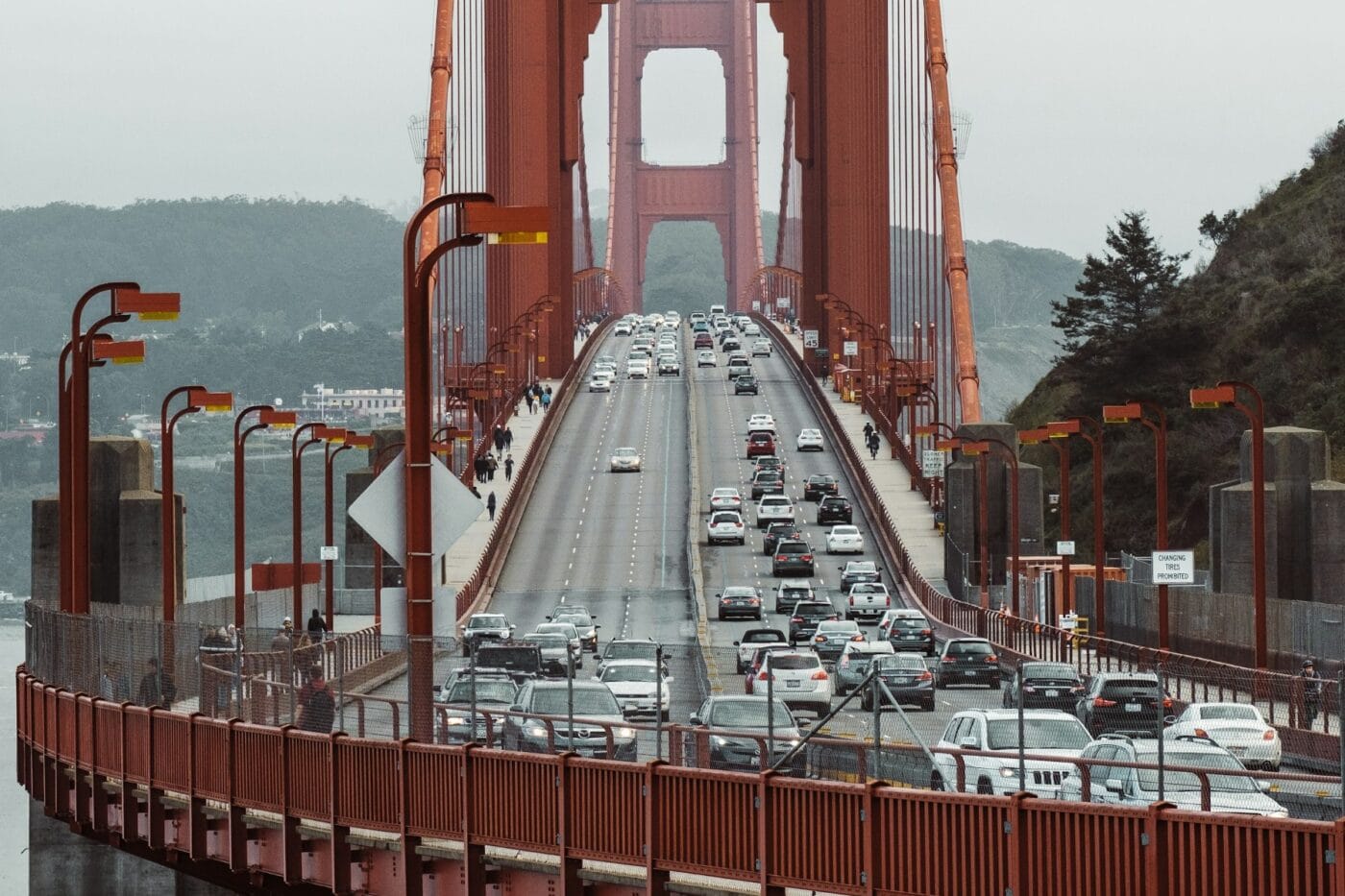
Governor Gavin Newsom’s office published a budget proposal for 2026/27 in mid-January, allocating $200 million (approximately €171 million) for the establishment of a new incentive programme for electric vehicles. However, nothing has been finalised yet: the budget draft is now undergoing the usual committee process. As a result, the initial proposal was rather vague. The California Air Resources Board (CARB) has now outlined the key priorities the programme is expected to focus on.
Under the governor’s proposal, manufacturers will be required to participate. Similar to Germany’s former environmental bonus scheme, manufacturers are expected to match the state’s incentive funding. While the exact incentive amounts have not yet been specified, it has been confirmed that subsidies will apply to both new and used electric vehicles, albeit only up to a capped list price. Most importantly, only first-time buyers or lessees of electric cars will be eligible. In other words, those who already own or lease a battery-electric vehicle and wish to switch to another will not qualify for the incentive.
Why is this the case? “Limiting eligibility to first-time ZEV buyers helps expand the market by introducing new consumers to ZEV technology,” a CARB spokesperson told InsideEVs. “Research shows that once consumers make the switch to ZEVs, they typically don’t go back to dirty gasoline or diesel vehicles.” CARB has also provided new details on the planned incentive process: the incentives are to be “offered instantly at the point of sale,” meaning consumers will not need to cover the costs upfront.
For context: California, governed by the Democratic Party, has clashed with federal policies introduced under President Donald Trump. The state has long imposed stricter emissions regulations than those mandated by the national government, resulting in one of the highest electric vehicle adoption rates in the USA. However, California’s independent approach has been a point of contention for Trump. Last summer, his administration blocked California’s ban on new internal combustion engine vehicles from 2035, as well as regulations limiting emissions from certain cars and nitrogen oxide emissions from trucks in the state.
Governor Gavin Newsom is pushing back, however. On one hand, his state, along with ten other US states, is suing the Trump administration over these decisions. On the other, California is now considering introducing its own EV incentives. This move follows the federal government’s decision to scrap the $7,500 tax credit for new electric models and the $4,000 credit for used electric vehicles in September 2025. Data from the state and industry reports indicate that electric vehicle sales in California, as well as across the US, have declined as a result.
One thing is clear: the proposed incentive programme would follow in the footsteps of the ‘Clean Vehicle Rebate Project’, which ran from 2010 to 2023 and contributed approximately $1.49 billion towards the purchase of around 586,000 vehicles in California. Newsom’s renewed interest in subsidising EV purchases comes as little surprise: shortly after Donald Trump’s election in 2024, he announced his intention to address the issue. At the time, he also stated that he would attempt to exclude Tesla from the incentive programme, citing the controversial political involvement of Tesla CEO Elon Musk in support of the Trump administration.
0 Comments