


Spain’s new EV incentive scheme to launch in July
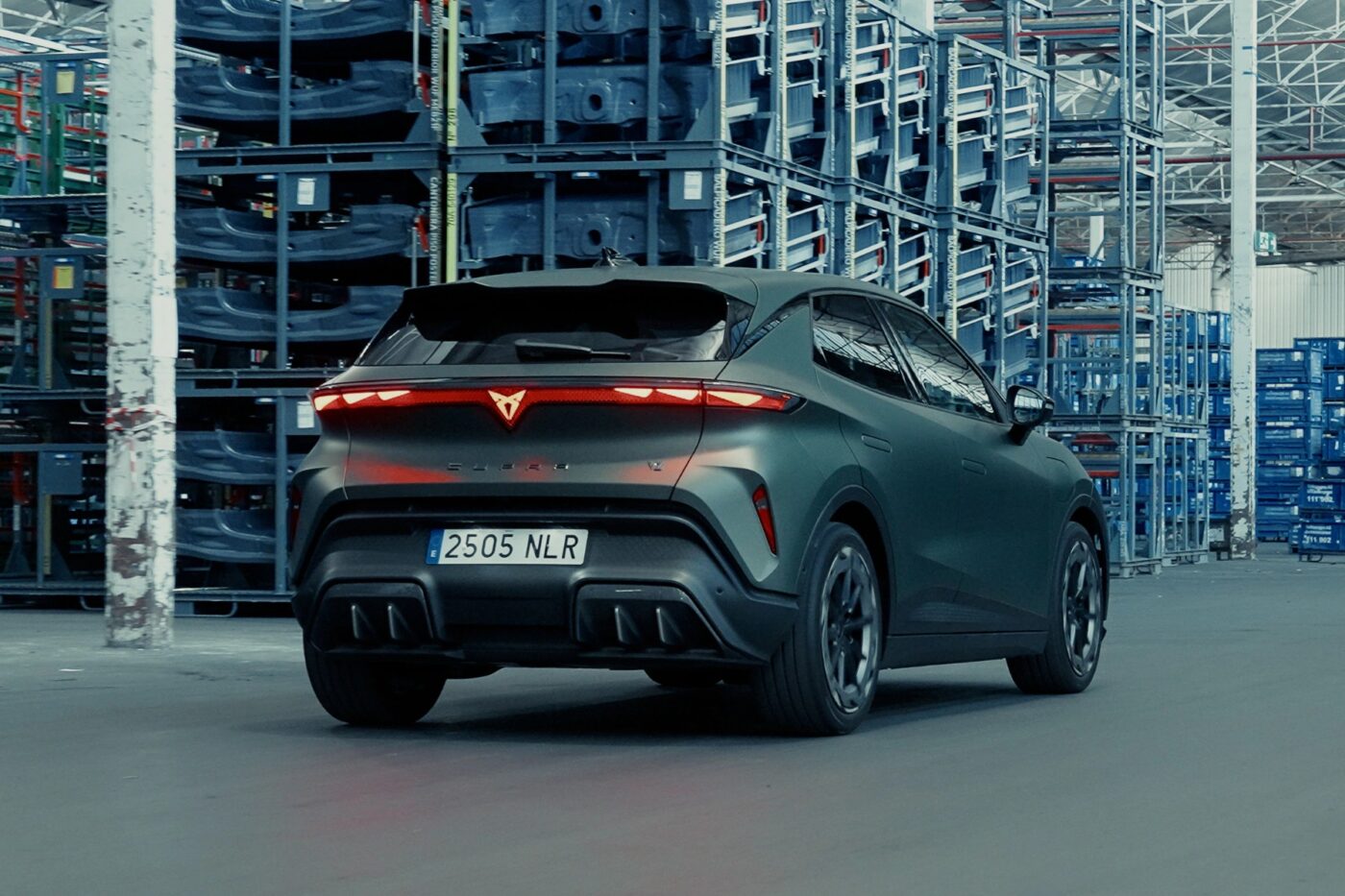
Spain has restructured its electromobility incentives at the beginning of 2026, dividing them into three pillars. This article focuses on the previously announced ‘Plan Auto+’ programme, which is now managed by the central government rather than the autonomous regions, unlike its predecessor, Moves III, which expired at the end of 2025. Although the programme was approved in February – similar to the new German EV incentive scheme – Spaniards had to wait several months before applications could be submitted.
However, the scheme now appears set to launch. According to the automotive trade publication La Tribuna de Automoción, the detailed funding conditions and application process for Plan Auto+ will be published in the Spanish Official Gazette in early July. Applications can then be submitted retroactively for battery-electric vehicles, plug-in hybrids, and range-extended electric vehicles purchased since 1 January 2026.
According to the report, more than 50 per cent of the total €400 million in allocated funds may already be accounted for by vehicles purchased since the beginning of the year. As a result, La Tribuna de Automoción anticipates that the funds could be exhausted as early as September or October.
The structure of the incentive scheme is relatively complex. Unlike the German programme, it does not include income-based tiers, income thresholds, or a child bonus. Nevertheless, Spain has established a set of criteria that result in varying levels of funding depending on the application.
The maximum state funding for a battery-electric passenger car is €4,500 euros, with an additional mandatory discount of €1,000 euros from the manufacturer or dealer (resulting in total savings of up to €5,500 euros). The new system no longer includes a separate scrappage bonus for old vehicles. The actual amount of funding depends on a new four-pillar system designed to promote affordable mobility and protect the European value chain:
- Powertrain type (50 per cent of the funding / €2,250 euros): Full points are awarded only to pure electric vehicles (with the Spanish CERO label). Plug-in hybrids (PHEVs) or range-extended electric vehicles (REEVs) receive significantly less (a base value of only 25%, i.e., €1,125 euros).
- Purchase price (25% of the funding / €1,125 euros): Only vehicles with a net price of up to €45,000 euros are eligible, which corresponds to a gross price of €54,450 euros including Spain’s 21% VAT. If the net price of the model is below €35,000 euros (€42,350 euros gross), the full 25 per cent of this pillar is secured. For prices between €35,001 and €45,000 euros, this share decreases to 15 per cent – i.e. €675 euros.
- European manufacturing (15% of the funding / €675 euros): Only vehicles with final assembly in the European Union qualify for this 15 per cent.
- Battery origin (10% of the funding / €450 euros): The remaining 10 per cent is granted only if the battery is produced in Europe. This criterion was long debated, and it has now been clarified that battery assembly in Europe is sufficient to meet the requirement, rather than cell production as initially proposed.
For example, purchasing an affordable, fully European-built electric vehicle – such as a base model of the new Cupra Raval or VW ID. Polo – for under €35,000 euros net secures the full 100 per cent of the state funding (€4,500 euros) plus the dealer discount of €1,000 euros. However, if the electric vehicle costs more than €45,000 euros, it is not eligible for any funding. Thus, the Spanish incentive scheme indirectly incorporates a social component, as expensive cars are typically purchased by individuals in higher income brackets.
The scheme also supports the procurement of electric commercial vehicles up to 3,500 kg, electric motorcycles, and light vehicles in categories L6e and L7e, though different funding conditions apply. In addition to private individuals, self-employed persons and small businesses can also utilise Plan Auto+.
latribunadeautomocion.es, forococheselectricos.com, gob.es (links in Spanish)
0 Comments